
Hotel Vestibul Palace occupies a position that few properties anywhere in Europe can claim: rooms set within the living walls of Diocletian's Palace in Split's UNESCO-listed old town. This small boutique hotel combines contemporary-styled rooms and suites with a restaurant, bar, and wine cellar, placing guests inside one of the ancient world's best-preserved Roman imperial complexes.
Pearl is the En Primeur Club membership app — saves, bookings, and concierge access live there. Same editors, same standards.
- Address
- Ul. Iza Vestibula 4, 21000, Split
- Phone
- +385 99 329 3333
- Website
- vestibulpalace.com
- Directions
- Get directions
 Saves & bookings on Pearl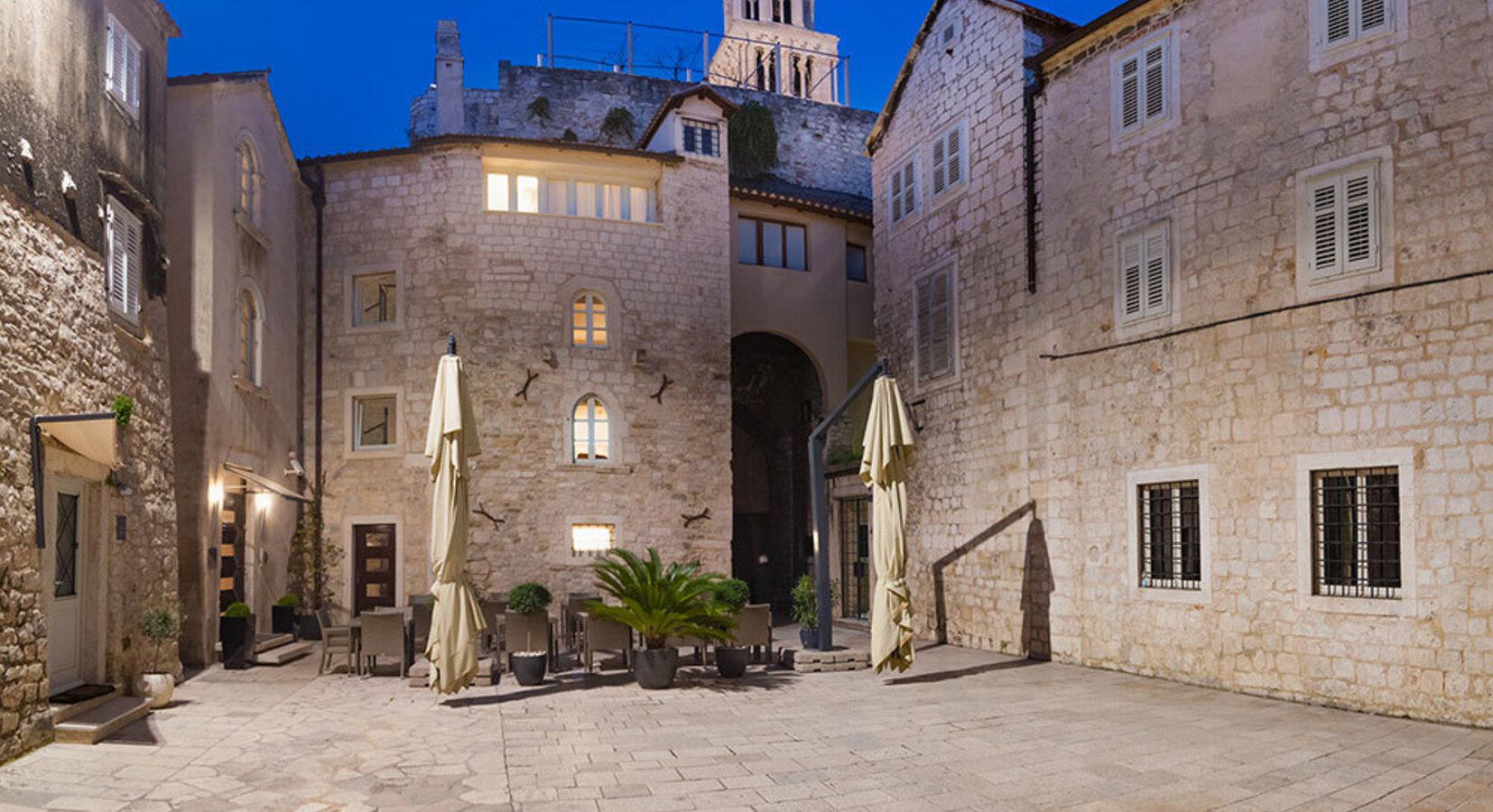
Sleeping Inside a Roman Emperor's Palace
Most hotels in historic city centres occupy buildings that face or flank a monument. Hotel Vestibul Palace is a 4-star hotel in Split, at Ul. Iza Vestibula 4, within Diocletian's Palace. The vestibule itself, an open-roofed circular anteroom that once connected the emperor's private apartments to the public ceremonial areas, is among the more intact Roman interior spaces in the Mediterranean. To stay here is to sleep within the architectural logic of a building completed around 305 AD, not adjacent to a heritage zone but inside it.
That positioning defines the experience before any conversation about rooms, food, or service begins. Split's boutique hotel market has expanded considerably over the past decade, with properties of varying quality now operating throughout the palace walls and the surrounding Varoš district. The strongest properties distinguish themselves not by size but by how authentically they integrate the Roman fabric into the guest experience. Hotel Vestibul Palace, with its directly adjacent vestibule access and small-scale footprint, belongs at the serious end of that tier.
The Dining Programme: Roman Walls, Croatian Table
Croatia's Dalmatian coast has developed a dining identity that sits somewhere between the Italian influence it absorbed through centuries of Venetian rule and the indigenous traditions of the Adriatic hinterland. Fresh seafood, grilled meats, dry-aged cheeses from inland producers, and wines from Dalmatia's native varieties, particularly Plavac Mali and Pošip, form the backbone of serious restaurant menus across Split and the islands. Hotels operating within the palace walls carry a particular responsibility here: the setting is so charged that a generic European hotel menu would feel like an architectural mismatch.
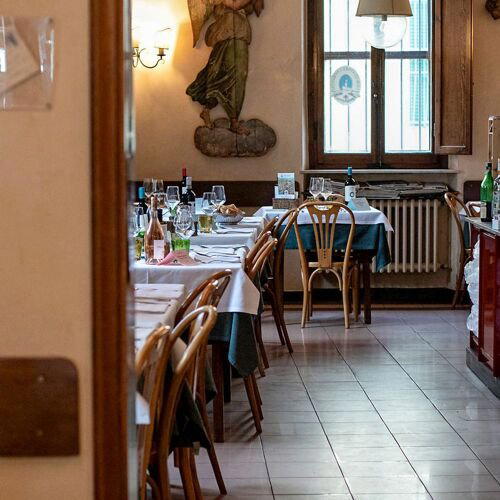
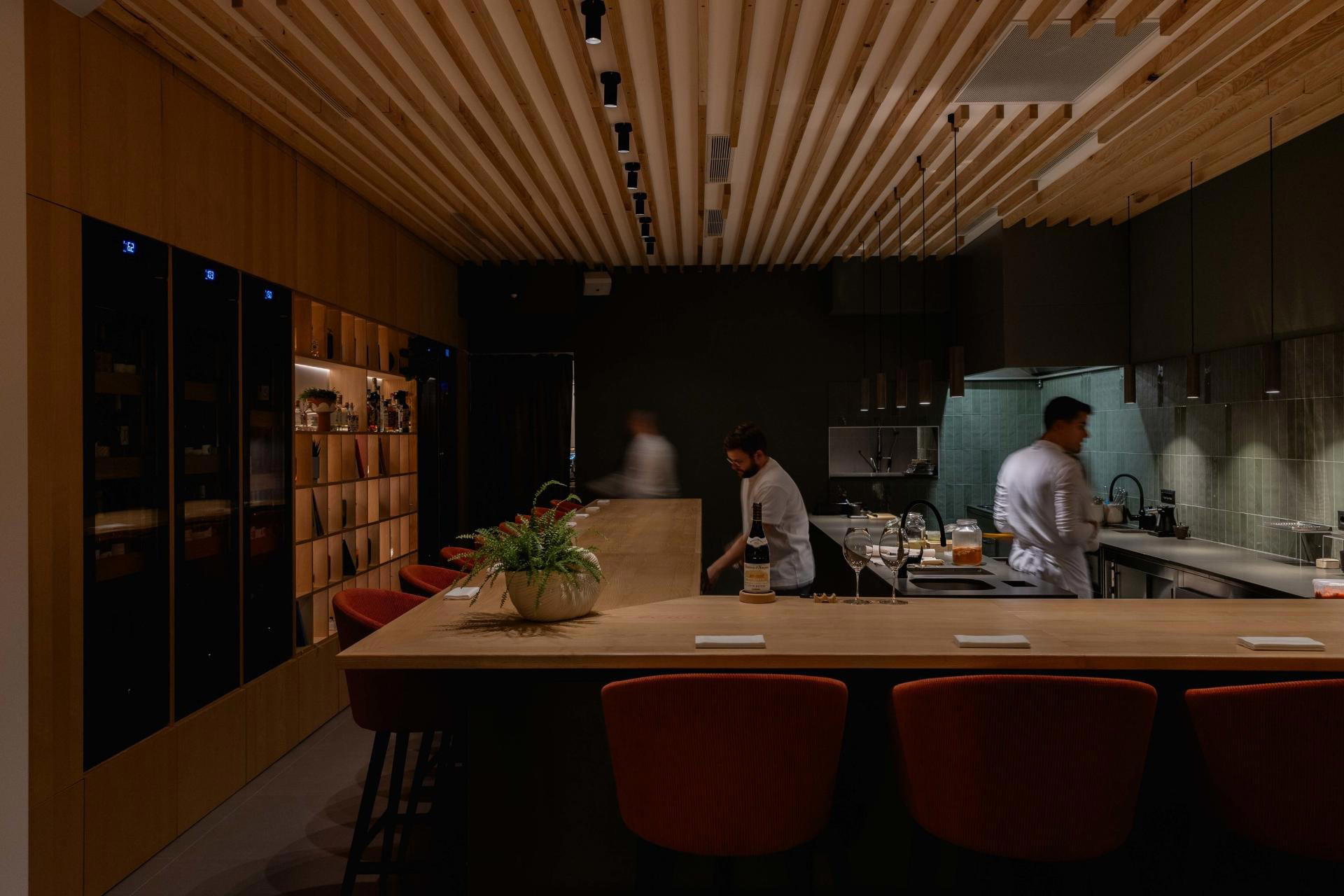
Hotel Vestibul Palace addresses this with a restaurant and bar programme that operates within the historic fabric of the building. The wine cellar draws on Dalmatia's wine production. Croatia's wine scene has shifted meaningfully over the past fifteen years, with producers across the Pelješac peninsula and central Dalmatia gaining international recognition for structured, terroir-driven reds and crisp, mineral whites. A property with a dedicated cellar in this context is positioned to offer more than a standard hotel wine list; it is positioned to act as an introduction to a wine region that most visitors know little about when they arrive.
For guests looking to extend their exploration of Croatian wine culture beyond Split, Meneghetti Wine Hotel & Winery in Bale offers an estate-based experience in Istria, where the property operates its own winery alongside accommodation. The contrast between a palace-embedded urban cellar and a working vineyard estate illustrates the range of wine-focused hospitality now available across Croatia.
The Boutique Hotel Tier in Split
Split's accommodation market has split, as it has in most Adriatic destinations, between large international-affiliated properties and smaller independently operated hotels that prioritise authenticity over scale. The hotel operates firmly in the latter category. The hotel has 11 rooms, and the contemporary-styled interiors are set against ancient stone rather than purpose-built hotel architecture. This combination places it in competition with properties like Hotel Ambasador Split, which serves a different segment of the market with a larger footprint and a more conventional waterfront position.
The distinction matters for how you book. Small boutique hotels within Diocletian's Palace fill early in the summer season, typically by late spring for July and August arrivals. Guests who want to stay inside the palace walls rather than near them should treat this as a practical constraint rather than a minor detail. The shoulder months, May, early June, and September, offer the same address with considerably less competition for rooms and a more navigable old town.
Croatia's broader archipelago offers a useful set of comparisons for travellers building a longer itinerary. Lešić Dimitri Palace in Korčula applies a similar palace-within-historic-walls concept to the island of Korčula, where Venetian Gothic architecture frames a small luxury property. On Hvar, Littlegreenbay Hotel occupies a different position entirely, oriented toward the coastline rather than an urban historic core. Kastil in Bol, on the island of Brač, similarly works within a historic Dalmatian setting at a different scale. Aminess Korčula Heritage Hotel rounds out the island heritage tier. Each of these properties rewards a different kind of traveller; the hotel is the option for those who want one historically immersive experience in the region's largest accessible Roman monument.
Split in the Context of the Croatian Coast
Split occupies a middle position on the Dalmatian coast, south of Šibenik and north of Dubrovnik, which makes it the natural logistics hub for island hopping and coastal travel. Ferry connections to Hvar, Brač, Vis, and further islands depart from the city's port, a short walk from Diocletian's Palace. Travellers extending south will pass through or near Hotel Supetar in Cavtat, near Dubrovnik, or the city itself, where Hotel Kompas Dubrovnik represents a different scale and style of Adriatic hospitality. Those heading north toward Istria have a longer journey but a notably different landscape and culinary tradition waiting, with properties like Grand Park Hotel Rovinj by Maistra Collection and Lone Hotel by Maistra Collection anchoring Rovinj's premium offer.
For the full picture of dining and drinking in the city, see our full Split restaurants guide, which maps the palace district, the Varoš neighbourhood, and the waterfront promenade across price points and cuisine types.
Planning Your Stay
Reservations are recommended; the property's address at Ul. Iza Vestibula 4 places it within the pedestrianised palace core, which means vehicle access for luggage requires coordination with the hotel on arrival. The old town is walkable from the ferry terminal, though guests arriving with significant luggage should plan for a short transfer. Given the small number of rooms and the property's position in a heavily visited UNESCO site, booking well ahead of peak summer dates is a practical necessity rather than a precaution. The restaurant and wine cellar serve as a base for evening meals within the palace walls.
Budget Reality Check
Comparable venues nearby, for context on price, style, and recognition.
| Venue | Cuisine | Price | Awards | Notes |
|---|---|---|---|---|
| Hotel Vestibul PalaceThis venue — the venue you are viewing | Not listed | $$$$ | 4-Star | Not listed |
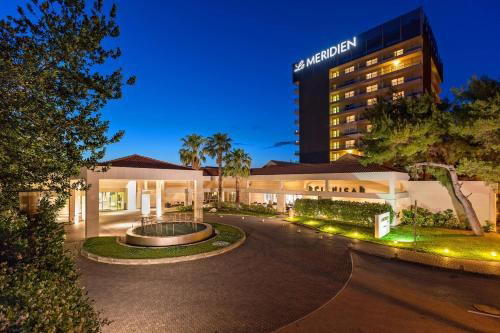
| Le Meridien Lav Split | Not listed | $$$$ | 5-Star | Podstrana, Upscale beachfront resort with contemporary design balancing Mediterranean ambience and mid-century modernism; architectural landmark with yacht-like terraced structure. |
| Hotel Ambasador Split | Not listed | $$$$ | 5-Star | West Coast promenade, Blends historic legacy from 1937 with modern luxury on Split's promenade |
| Hotel Luxe | Not listed | $$$$ | Not listed | Bacvice, Contemporary boutique in historic factory conversion |
| Armerun Heritage Hotel & Residences | Not listed | $$$$ | 4-Star | Old Town, Timeless villa hotel blending Dalmatian heritage with luxury. |
| Marinus Beach Hotel | Marina, Modern beachfront boutique | $$$$ | 4-Star | Not listed |
Recognition history
Dated appearances from independent guides and award organizations, with the underlying list record or original source where available.
Small Luxury Hotels of the World Member
Small Luxury Hotels of the World
Continue exploring
More in Split
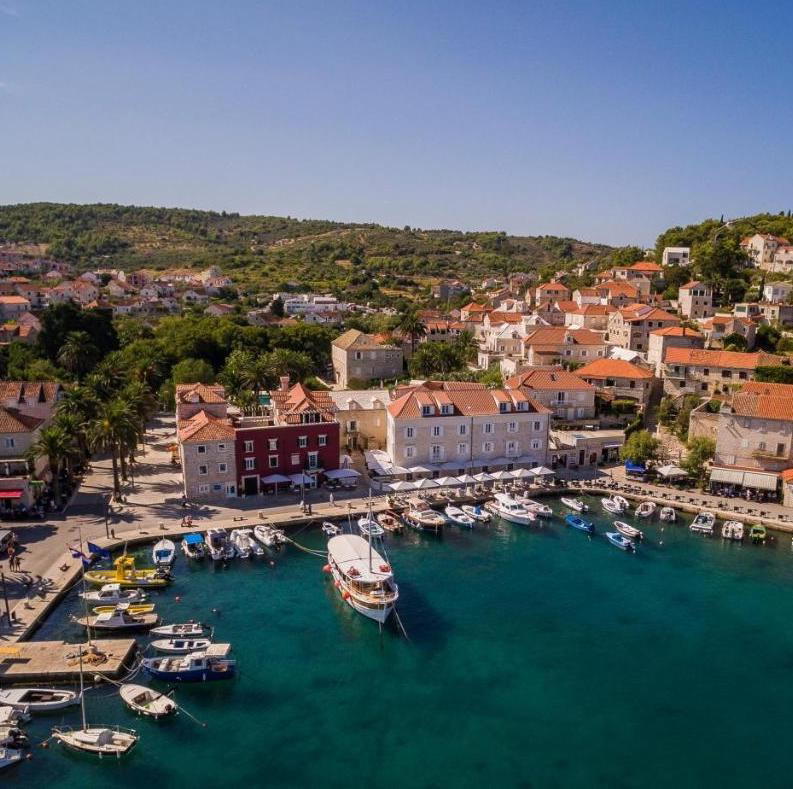
Hotels in Split
Browse all →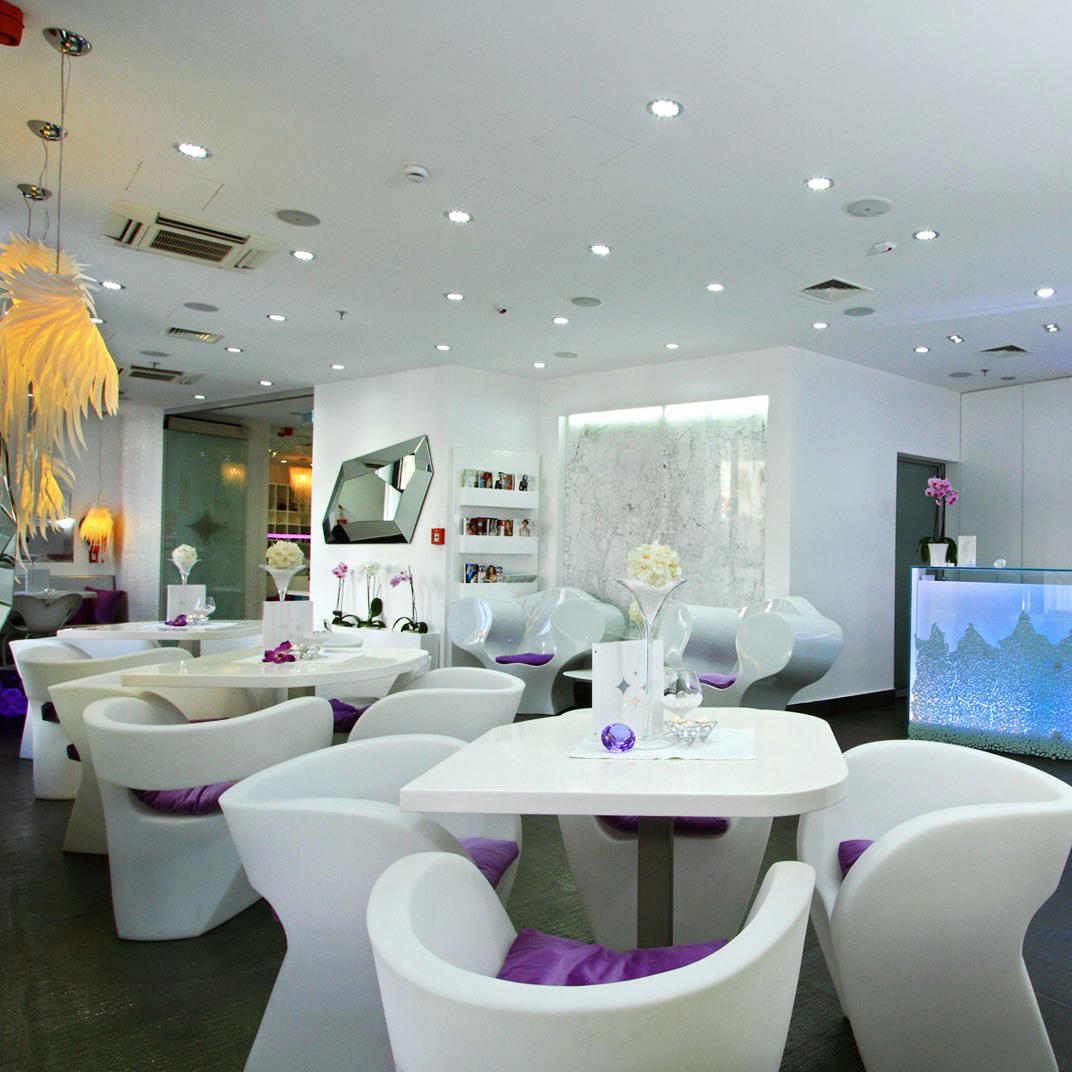
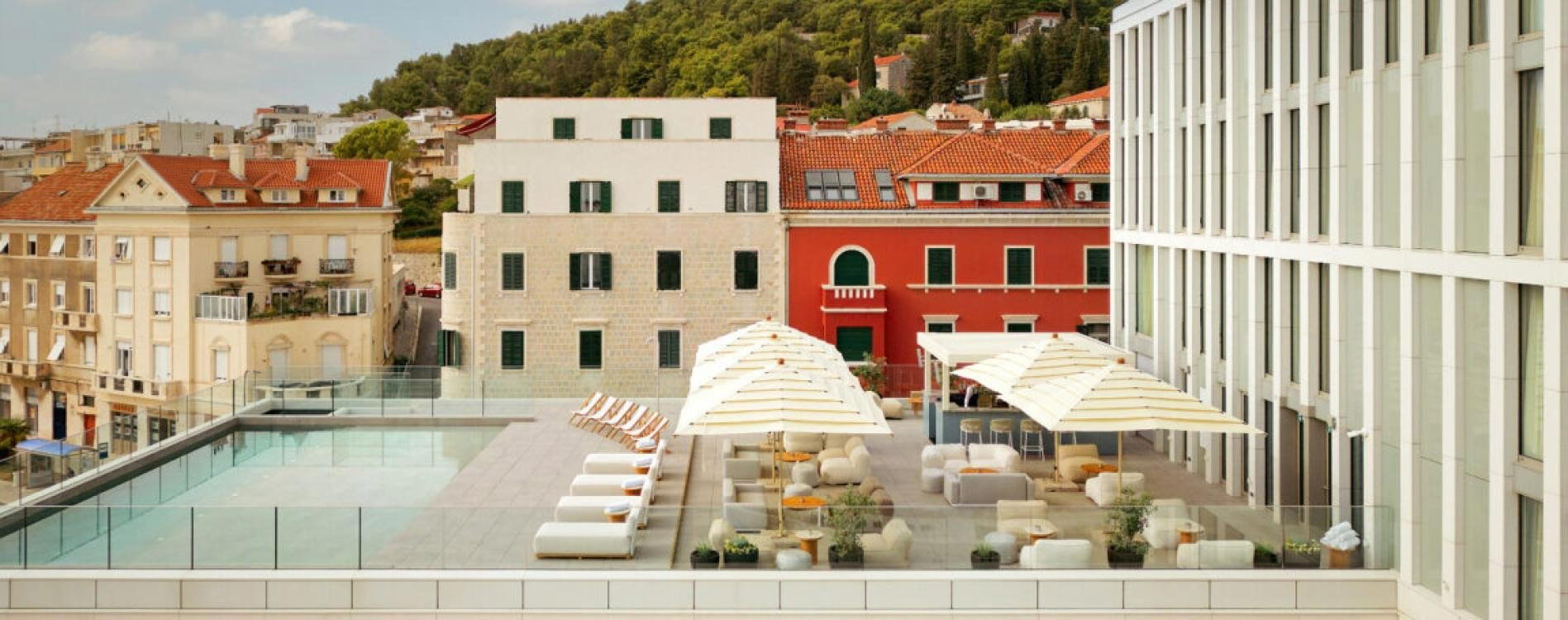
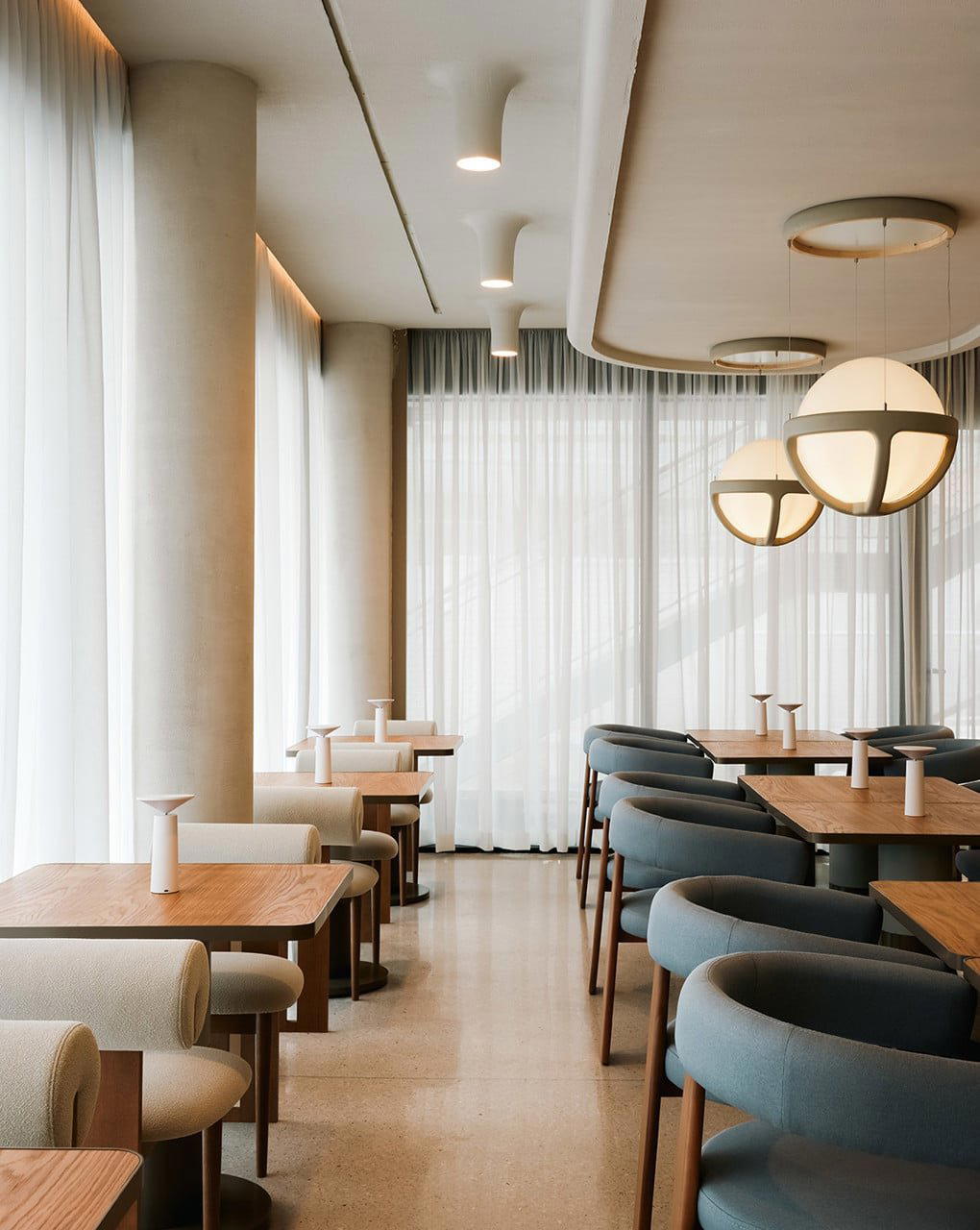
Bars in Split
Browse all →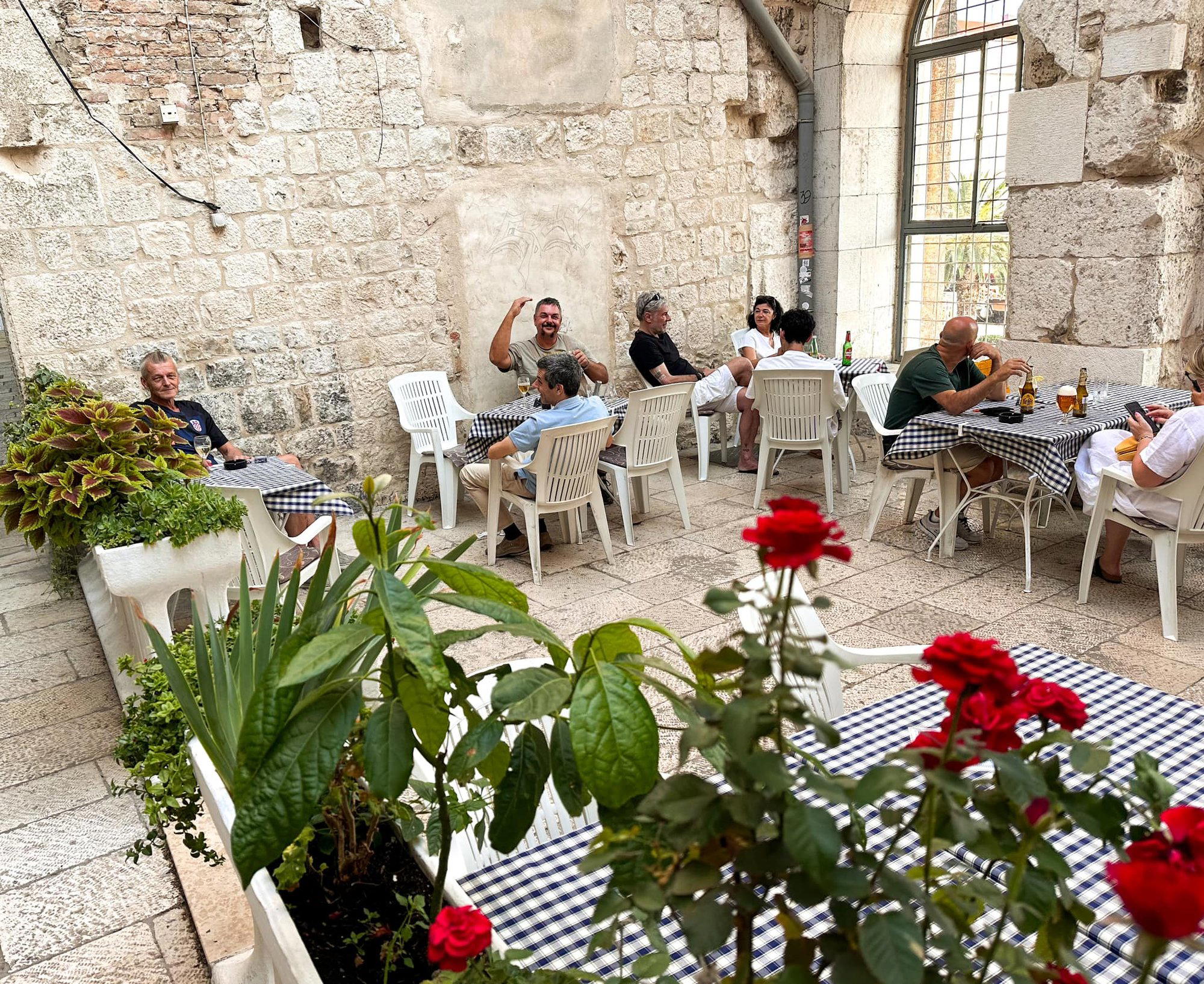
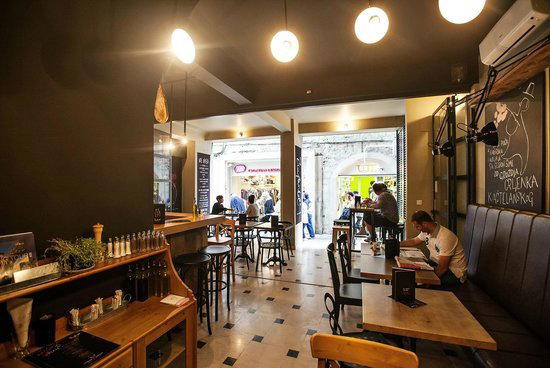
Restaurants in Split
Browse all →

At a Glance
- Elegant
- Romantic
- Historic
- Sophisticated
- Intimate
- Romantic Getaway
- Anniversary
- Weekend Escape
- Honeymoon
- Historic Building
- Garden
- Terrace
- Waterfront
- Wi Fi
- Restaurant
- Bar
- Room Service
- Concierge
- Business Center
- Valet Parking
- Garden
- Garden
- Wi Fi
- Restaurant
- Bar
- Room Service
- Concierge
- Business Center
- Valet Parking
- Garden
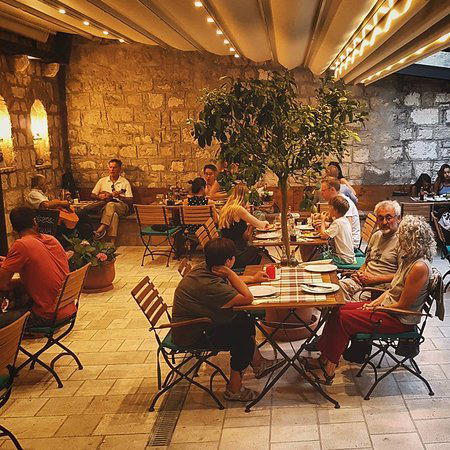
Warm, intimate, and refined with cozy indoor spaces and charming outdoor terraces; guests consistently praise the welcoming atmosphere and attentive staff creating a homey yet elegant retreat.