On a quieter street at the edge of Split's old town, Mazzgoon occupies a position in the city's mid-tier Dalmatian dining scene where local produce and coastal tradition take precedence over tourist-facing volume. The address at Bajamontijeva ulica 1 places it close enough to the Peristyle to be convenient, far enough removed to feel like a deliberate choice rather than a default stop.
Pearl is the En Primeur Club membership app — saves, bookings, and concierge access live there. Same editors, same standards.
- Address
- Bajamontijeva ul. 1, 21000, Split, Croatia
- Phone
- +385989877780
- Website
- mazzgoonfood.com
- Directions
- Get directions
 Saves & bookings on Pearl
A Dalmatian Address Worth Knowing
Bajamontijeva ulica cuts through the older residential fabric of Split just beyond particularly trafficked tourist corridors. The street is quieter than the Riva promenade a few minutes away, and that relative calm is part of what gives addresses here a different register. Dining in this part of the city tends to attract a mix of locals and visitors who have already worked through the obvious choices around the Peristyle and are looking for something with less performance and more substance. Mazzgoon sits at Bajamontijeva ul. 1 in Split.
Where Mazzgoon Fits in Split's Dining Order
Split has developed a reasonably stratified restaurant scene over the past decade. At the upper end, venues like Krug (Mediterranean Cuisine) anchor a Mediterranean fine-dining tier at the €€€ price point. Below that sits a productive middle layer of places that take sourcing and technique seriously without requiring the commitment of a full tasting menu. Mazzgoon operates in that mid-tier space alongside establishments like Adriatic and Bistro Noir, all of which represent a broader pattern across Croatian coastal cities: local produce handled with genuine care, menus that reflect the Dalmatian larder rather than importing a generic Mediterranean template, and rooms that have been considered without being over-designed.
Croatia's Adriatic coast has produced a number of serious kitchens in recent years. Elsewhere in the country, restaurants such as Pelegrini in Sibenik and LD Restaurant in Korčula have set benchmarks for what regional produce-led cooking can achieve at a national level, while Agli Amici Rovinj in Rovinj and Nebo by Deni Srdoč in Rijeka have expanded what the northern Adriatic expects of its dining rooms. Split's scene feeds off this wider Croatian momentum, and Mazzgoon belongs to the generation of venues that has absorbed those signals and applied them at a more accessible price point.
The Sensory Register of the Space
What Bajamontijeva ulica offers, practically speaking, is a lower ambient noise level than the busier squares. Dining rooms on streets like this tend to have a different acoustic character: fewer passing groups, less competition from street performers, the possibility of an actual conversation. The physical approach to Mazzgoon follows that pattern. The address is specific enough that you arrive with purpose rather than stumbling in from the crowd, and that intentionality tends to shape the experience from the start.
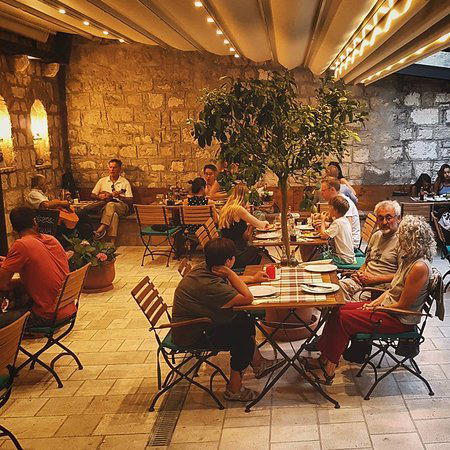
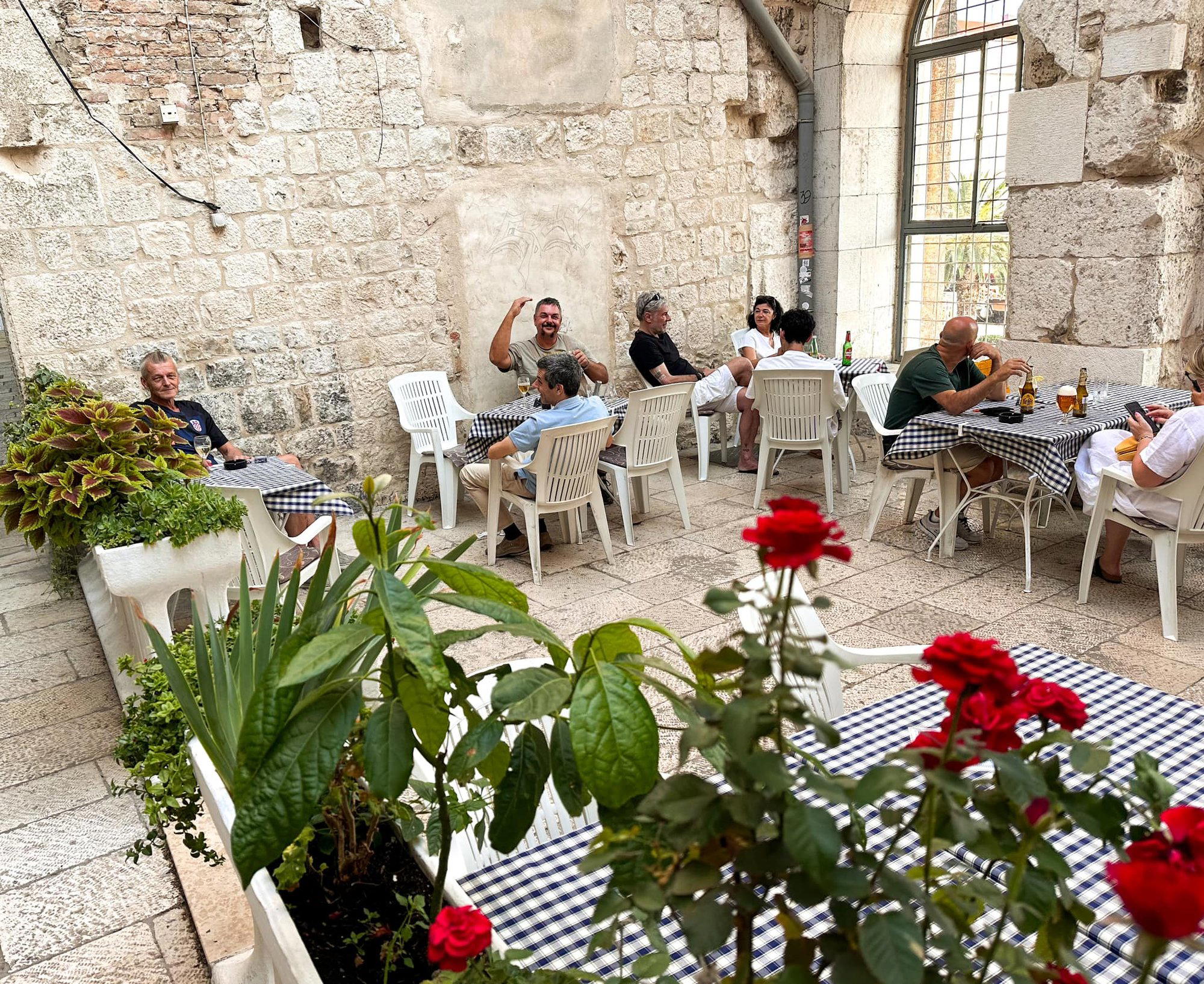
Dalmatian stone, which appears throughout the older parts of Split in walls, floors, and doorways, gives interiors in this neighbourhood a particular quality of light in the afternoon and early evening. The material absorbs and diffuses rather than reflects, creating a warmth that is architectural rather than decorative. Restaurants that work with rather than against that quality tend to produce rooms that feel grounded rather than staged. The broader pattern in Split's better mid-range venues, including Bokamorra and Bajamonti POP, reflects this: spaces that take their cue from the existing material character of the city rather than imposing a generic hospitality aesthetic on top of it.
Dalmatian Cooking: What the Tradition Asks Of a Kitchen
The Dalmatian coastal kitchen has a clear logic. It is built on the Adriatic catch, on lamb from the hinterland, on olive oil from the islands, on local wine varieties like Plavac Mali and Pošip. The discipline the tradition demands is restraint: knowing when to add and when to leave alone. At restaurants elsewhere on the Croatian coast, that restraint shows up in preparations that let a whole fish or a piece of aged lamb speak without over-elaboration. The same ethic governs the better kitchens in Split, where the temptation to drift toward a generic pan-Mediterranean menu is real given the tourist volume, but the stronger kitchens resist it.
This is the context in which Mazzgoon operates. The address, the neighbourhood, and the positioning within Split's mid-tier all point toward a kitchen that is working within the Dalmatian tradition rather than around it. For visitors who want a reference point beyond Croatia, the commitment to locally anchored produce-led cooking has parallels at the more technique-intensive end of the international spectrum, where restaurants like Le Bernardin in New York City have built reputations on doing less, and doing it precisely. The scale and ambition are entirely different, but the underlying discipline is recognisable.
Seasonality and When to Visit
Split operates on a pronounced seasonal curve. The summer months from June through August bring the highest tourist pressure: more covers turned, shorter wait times for walk-in tables compressed into fewer venues, and a general shift in many kitchens toward the volume end of their operating range. The shoulder seasons, particularly May and September, produce a different quality of visit. Kitchens operate at a pace that allows more care, reservations are easier to secure, and the city itself is more navigable. The broader Croatian restaurant scene makes a similar argument: venues like Boskinac in Novalja and Alfred Keller in Mali Losinj both reward visits outside the peak summer window for similar reasons.
Readers building a wider Croatian itinerary can also reference Dubravkin Put in Zagreb and Korak in Jastrebarsko for inland context, or BioMania Bistro Bol in Bol for an island counterpoint. For a comparison with ambitious urban dining at a different scale, Atomix in New York City represents a useful international reference point for tasting-format ambition and Restaurant 360 in Dubrovnik anchors the Dalmatian fine-dining benchmark further south on the coast.
Planning a Visit
Mazzgoon's address at Bajamontijeva ulica 1 places it within walking distance of Split's old town centre. The street is accessible on foot from most central accommodation. Reservations are recommended, particularly during the summer season when walk-in availability tightens considerably. The shoulder months of May and September remain the more reliable window for securing a table without extended planning.
Frequently Asked Questions
What do people recommend at Mazzgoon?
Mazzgoon sits within Split's Dalmatian mid-tier, a segment of the city's dining scene that tends to focus on local produce: Adriatic seafood, Dalmatian olive oil, regional lamb, and wines from varieties native to the coast. Specific dish recommendations are best confirmed directly with the venue, as menus in this category typically follow seasonal availability rather than a fixed programme. Peer venues in the same segment, including Adriatic and Bistro Noir, give a useful sense of what this tier of Split cooking looks like.
How hard is it to get a table at Mazzgoon?
In Split, table availability at mid-tier restaurants follows a predictable seasonal pattern. During June, July, and August, the city's tourist volume compresses demand across a relatively small number of well-regarded venues, and walk-in tables become scarce even at mid-tier price points. If you are visiting in peak summer, contact the venue in advance. The May and September windows are considerably easier for securing a table on shorter notice, and the dining experience across Split's better kitchens tends to be more considered outside the high-season rush.
What is the defining dish or idea at Mazzgoon?
Without a fixed published menu available for reference, the defining idea at Mazzgoon is better understood through its category position than through any single preparation. The venue belongs to the group of Split kitchens that draw on the Dalmatian tradition, where the quality of sourcing and the restraint of preparation carry more weight than elaboration or novelty. Venues like Pelegrini in Sibenik represent the upper expression of that approach on Croatia's Adriatic coast; Mazzgoon operates that logic at a more accessible pitch.
What if I have allergies at Mazzgoon?
No website or phone number for Mazzgoon is currently listed in publicly available records. For allergy queries, the direct approach is to contact the venue before visiting, either in person at Bajamontijeva ulica 1 or through any contact details the restaurant provides on-site. Split's Dalmatian kitchen relies heavily on seafood and olive oil as foundational ingredients, so guests with relevant allergies should confirm preparation methods and cross-contamination protocols with staff directly. As with any independently operated restaurant in Croatia, advance communication is one reliable approach.
Is Mazzgoon worth it?
The question depends on what you are comparing it against. Within Split's mid-tier, a venue at this address and positioning offers an alternative to the high-tourist-volume options concentrated around the Peristyle, where kitchen focus is often diluted by scale. If the draw is Dalmatian cooking handled with care in a neighbourhood that has more local character than the palace interior, then the case is direct. For the upper bracket of Croatian coastal dining, venues like Krug (Mediterranean Cuisine) set the price and ambition ceiling; Mazzgoon is pitched below that tier but above the undifferentiated tourist-facing options.
What makes Mazzgoon's location on Bajamontijeva ulica significant for the dining experience?
Street-level positioning in Split matters more than it might in cities where restaurant districts are clearly delineated. Bajamontijeva ulica sits at the edge of the old town's highest-traffic zone, close enough to be convenient from most central accommodation but far enough removed that the immediate dining context shifts: lower ambient noise, a different pace, and a clientele that is less likely to have arrived by cruise ship. For a city where the tourist pressure in summer is as concentrated as it is in Split, that positioning is a practical distinction that shapes the atmosphere of an evening as much as any design decision inside the room.
Comparable Options
Comparable venues nearby, for context on price, style, and recognition.
| Venue | Cuisine | Price | Notes |
|---|---|---|---|
| MazzgoonThis venue — the venue you are viewing | Modern Croatian Seafood | $$$ | Not listed |
| Corto Maltese | Modern Mediterranean Freestyle | $$$ | old town |
| TRITON | Modern Dalmatian Mediterranean | $$$ | Split |
| Konoba Korta | Traditional Dalmatian Seafood | $$ | Diocletian's Palace |
| Portofino | Modern Mediterranean Seafood & Grill | $$$ | Diocletian's Palace |
| Brasserie on 7 | Mediterranean Brasserie | $$$ | Riva |
Continue exploring
More in Split
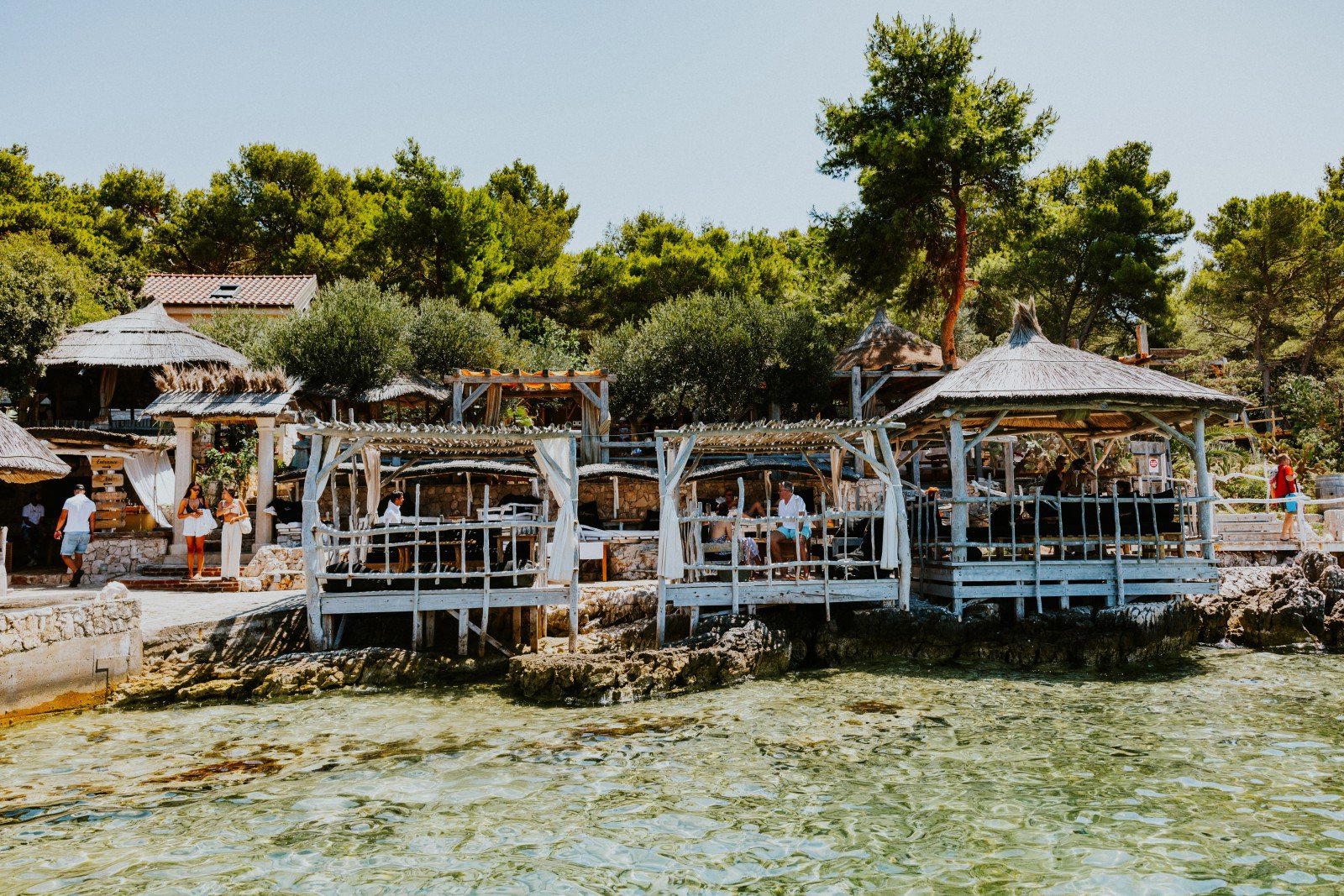
Restaurants in Split
Browse all →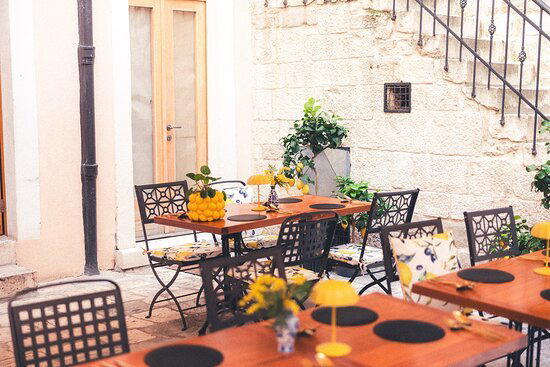
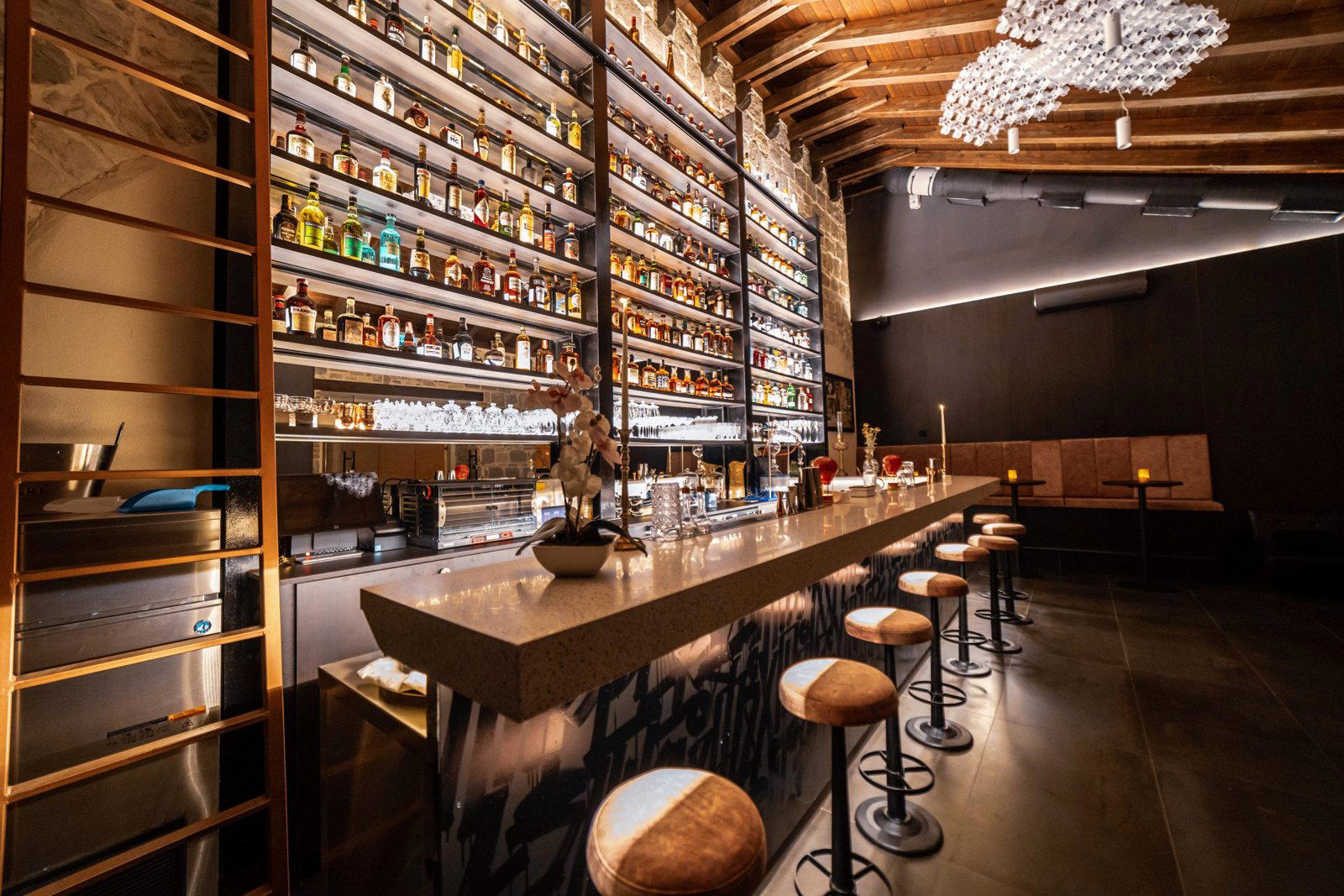
Bars in Split
Browse all →
Hotels in Split
Browse all →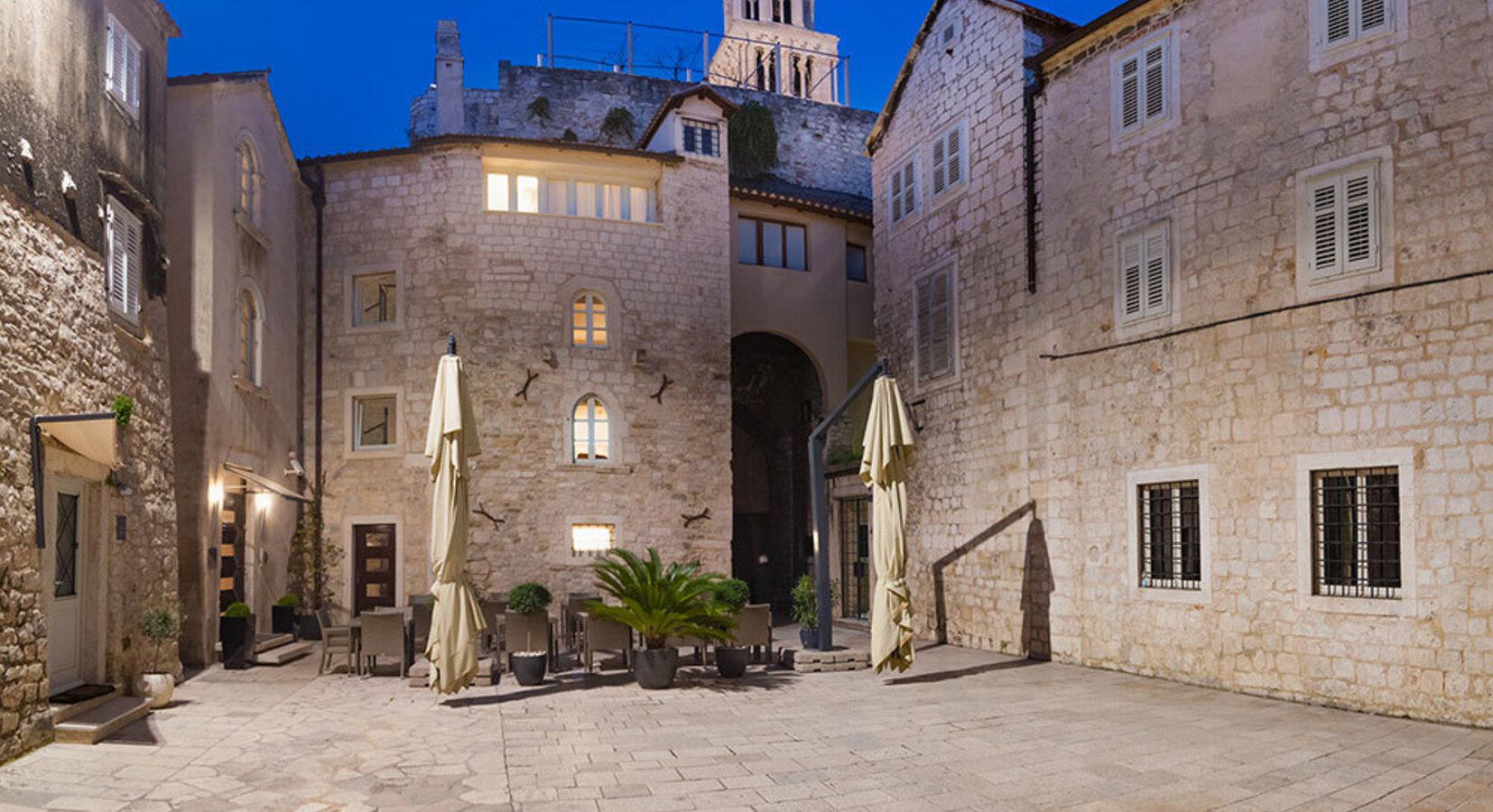

At a Glance
- Modern
- Cozy
- Date Night
- Special Occasion
- Courtyard
- Historic Building
- Local Sourcing
Current opening hours
- Monday
- 12–11:30 PM
- Tuesday
- 12–11:30 PM
- Wednesday
- 12–11:30 PM
- Thursday
- 12 PM–12 AM
- Friday
- 12 PM–12 AM
- Saturday
- 12 PM–12 AM
- Sunday
- Closed
Hours can change for holidays and private events. Last verified .
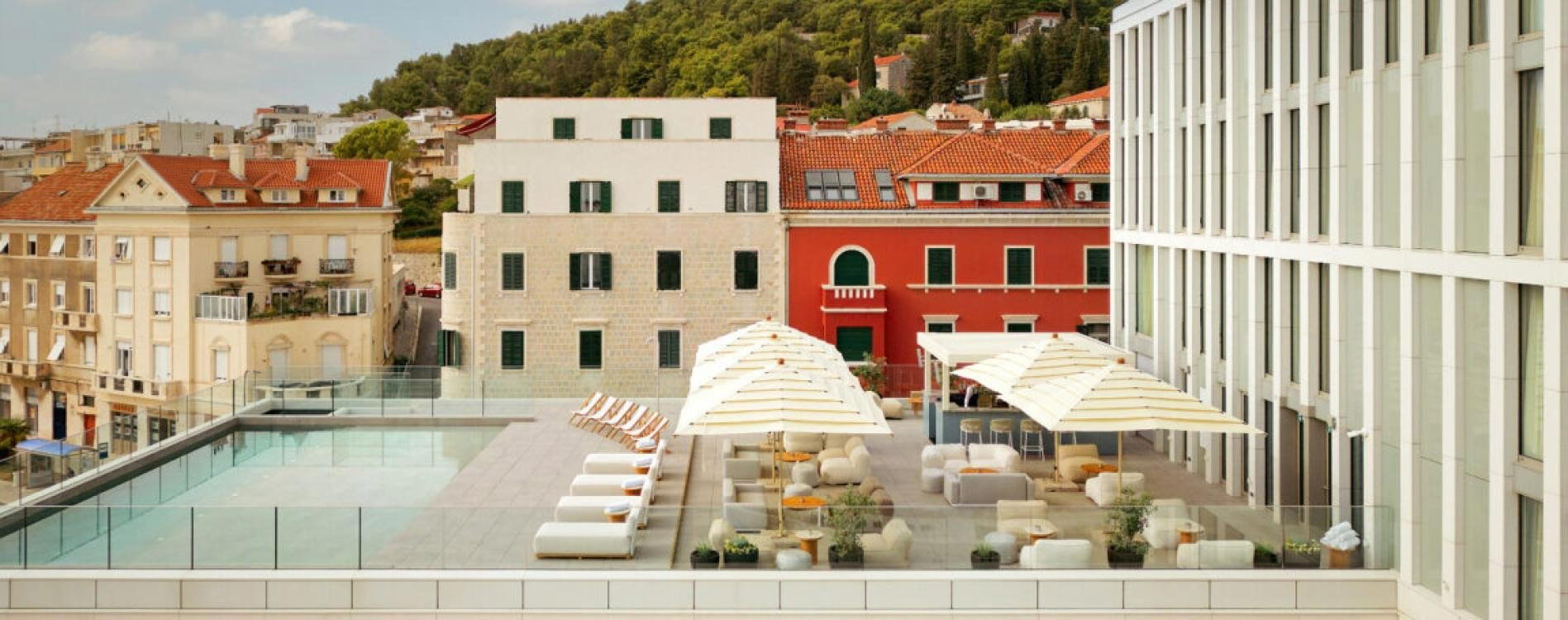
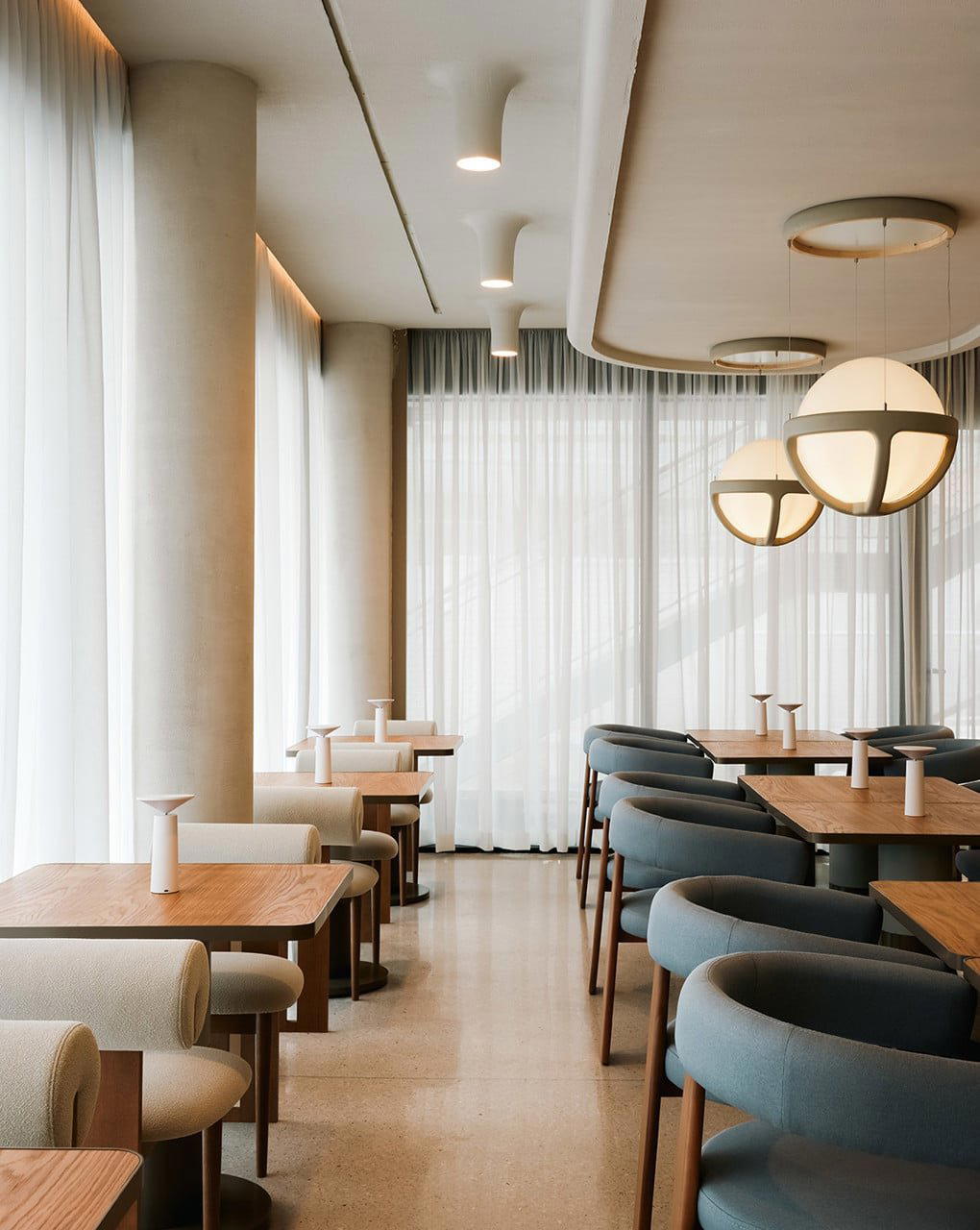
Shady outdoor courtyard with historic ambiance blending old town charm and modern decor.