Para di Šoto POP occupies a narrow address on Ulica Andrije Buvine in Split's historic core, operating within a city where Adriatic dining has split sharply between tourist-facing trattorias and a smaller cohort of serious, locally-oriented restaurants. It sits in that second camp, making it a reference point for anyone mapping the upper tier of Split's current dining scene.
Pearl is the En Primeur Club membership app — saves, bookings, and concierge access live there. Same editors, same standards.
- Address
- Ulica Andrije Buvine 2, 21000, Split, Croatia
- Phone
- +38521586777
- Website
- paradisoto.hr
- Directions
- Get directions
 Saves & bookings on Pearl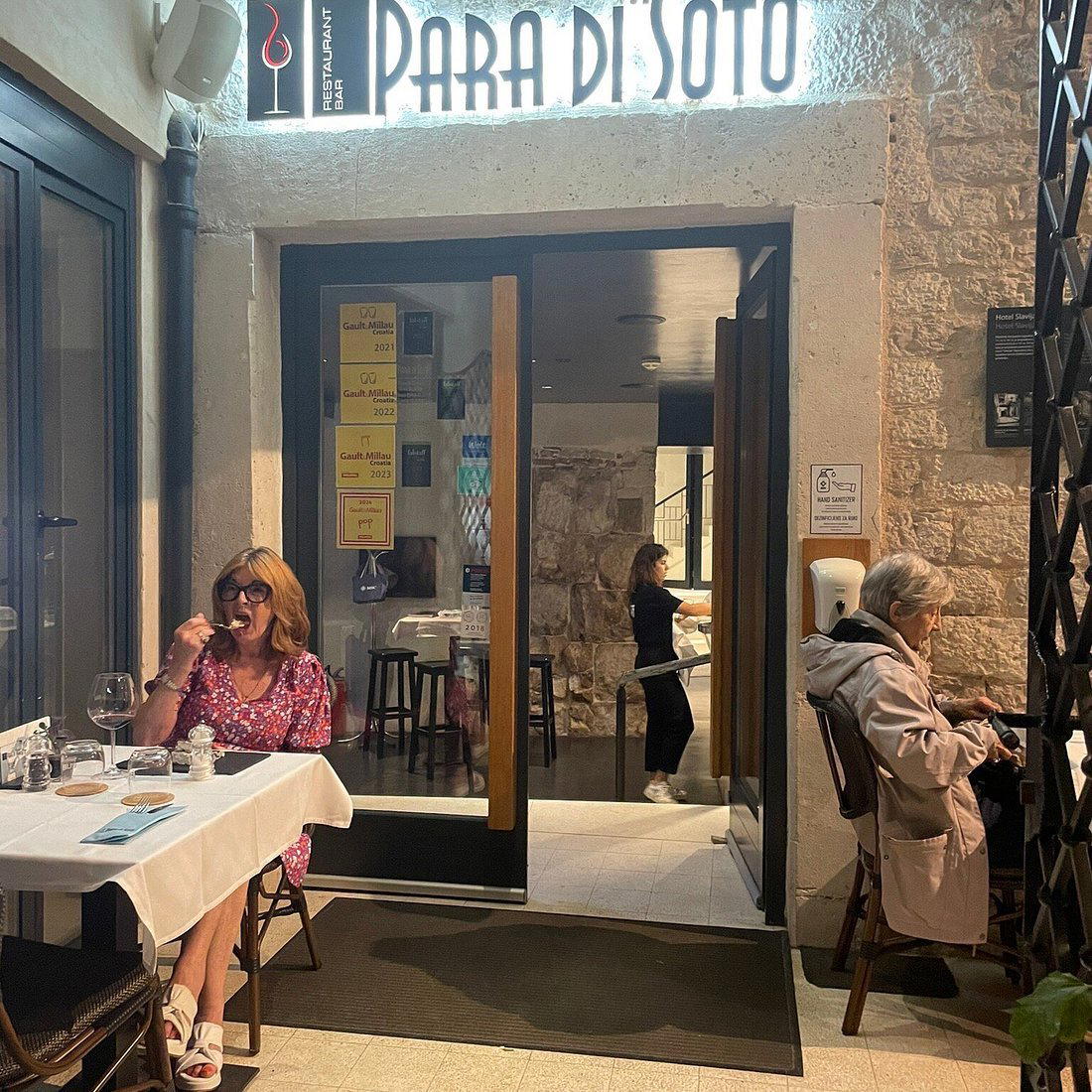
Approaching the Address
Ulica Andrije Buvine is the kind of street that rewards attention. It cuts through Split's old city at the pace the Diocletian's Palace walls seem to insist upon: narrow, stone-paved, oriented more toward pedestrians than logistics. In a neighbourhood where proximity to Roman ruins tends to inflate both rents and menu prices without necessarily improving what arrives at the table, Para di Šoto POP occupies a position that the address alone signals: this is a restaurant in Split, Croatia, with a smart-casual dress code and a recommended reservation policy.
Split's dining scene has sharpened considerably over the past decade. The city's restaurant tier now runs from konoba-style cooking anchored in Dalmatian tradition through to technically ambitious rooms doing serious work with Adriatic seafood and local produce. Para di Šoto POP sits inside that developing upper-middle register, at an address that places it within walking distance of Split's most frequented piazzas but slightly removed from the loudest tourist corridors. That separation matters when you're thinking about where a meal is likely to go.
How the Meal Moves
The multi-course logic that defines serious Dalmatian dining has its own internal grammar. It rarely mimics the French tasting-menu template directly. Instead, it tends to build through a sequence of smaller, often shareable courses that track the seasons and the catch, cold appetisers giving way to warm preparations, fish before meat, local wine threaded throughout rather than matched course by course in the Burgundian style. Para di Šoto POP, positioned within Split's current crop of destination-intent restaurants, operates in that tradition.
That progression matters because it shapes expectations before you sit down. A meal here is not structured around a single signature plate, it moves. The early stages of a Dalmatian progression typically anchor in crudo-adjacent preparations, cured fish, or seafood handled with minimal intervention, letting the quality of what came off a local boat carry the first act. Mid-course, the cooking tends to show more technical ambition: house-made pasta with shellfish, slow preparations built on locally farmed or wild-foraged ingredients. The final stretch, where meat or aged cheese enters, shifts the register entirely and usually calls for a heavier pour of red from the Dalmatian interior. For context on how comparable meal arcs play out along the Croatian coast, the progression at LD Restaurant in Korčula and Pelegrini in Šibenik offers a useful comparison.
Split's Current Restaurant Field
Split now hosts a small cluster of restaurants operating at a level that warrants deliberate planning rather than casual walk-in consideration. Krug anchors the Mediterranean end of the market at the €€€ price tier, while Adriatic approaches the city's seafood identity from a different angle. Bajamonti POP and Bokamorra occupy distinct positions within the same general constellation of serious Split dining, while Bistro Noir offers a darker, more European bistro register for those moving away from strictly Dalmatian frameworks.
The restaurant belongs to this peer group rather than to the mass-market dining that dominates the waterfront promenade. At this tier in Split, advance planning is advisable, and the experience will track kitchen quality rather than view or spectacle.
Croatia's Wider Fine Dining Circuit
Split does not operate in isolation. Across Croatia, a recognisable network of destination-tier restaurants has formed over the past fifteen years, concentrated in coastal cities and islands but extending inland. Agli Amici Rovinj in Rovinj and Alfred Keller in Mali Lošinj anchor the Istrian and Kvarner ends of that circuit, while Boskinac in Novalja on Pag demonstrates how island-based restaurants can build serious reputations around local produce and wine. Further south, Restaurant 360 in Dubrovnik shows what happens when the premium end of Adriatic dining meets an international tourist economy at full pressure.
The inland dimension of Croatian fine dining is equally worth tracking. Dubravkin Put in Zagreb and Korak in Jastrebarsko represent the continental tradition, where game, forest produce, and Central European wine pairings replace the Adriatic seafood logic almost entirely. Nebo by Deni Srdoč in Rijeka sits at the intersection of those two traditions, which is why Rijeka's dining scene has attracted increasing attention from the kind of traveller who treats Croatia as a serious food destination rather than a coastal holiday. For island-based eating at a more casual but considered level, BioMania Bistro Bol in Bol on Brač, the island directly across from Split, provides a useful contrast to the old-city formality that restaurant inhabits.
Internationally, the multi-course Adriatic progression invites comparison with coastal Mediterranean tasting formats in France, Italy, and Spain, but it remains distinct: less codified than the French tasting menu, less ingredient-fetishistic than the contemporary Spanish model. For readers who regularly dine at the level of Le Bernardin in New York City or Atomix in New York City, the Croatian top tier operates on different premises, more reliant on sourcing proximity and less on kitchen theatre, which is part of what makes it worth seeking out.
Planning the Visit
The restaurant sits at Ulica Andrije Buvine 2 in the centre of Split's old city, accessible on foot from the main palace area and from most accommodation within the historic core. The restaurant recommends reservations. Split's high season runs from June through August, when the city's restaurant scene operates under maximum pressure: tables at the better rooms fill quickly, and the balance between tourist traffic and local clientele shifts noticeably. Visiting in May, September, or early October offers a more measured version of the same scene, with shorter booking lead times and kitchen teams often more focused on the regulars who return out of season. Given the address and the context of this price tier in Split, making a reservation in advance rather than attempting a walk-in is the practical approach.
Where the Accolades Land
Comparable venues nearby, for context on price, style, and recognition.
| Venue | Cuisine | Price | Notes |
|---|---|---|---|
| Para di Šoto POPThis venue — the venue you are viewing | Mediterranean & Croatian Seafood | $$$$ | Not listed |
| Restoran PERIVOJ | Modern Mediterranean | $$$ | near Diocletian Palace |
| Pimpinella | Croatian Mediterranean Seafood | $$ | Firule |
| Bokeria Kitchen & Wine | Modern Mediterranean Dalmatian | $$$ | Old Town |
| Bajamonti POP | Dalmatian Coastal | $$$ | Trg Republike |
| Restaurant Méditerranée | Contemporary Mediterranean with Dalmatian Heritage | $$$$ | Waterfront (Trumbićeva obala) |
Continue exploring
More in Split
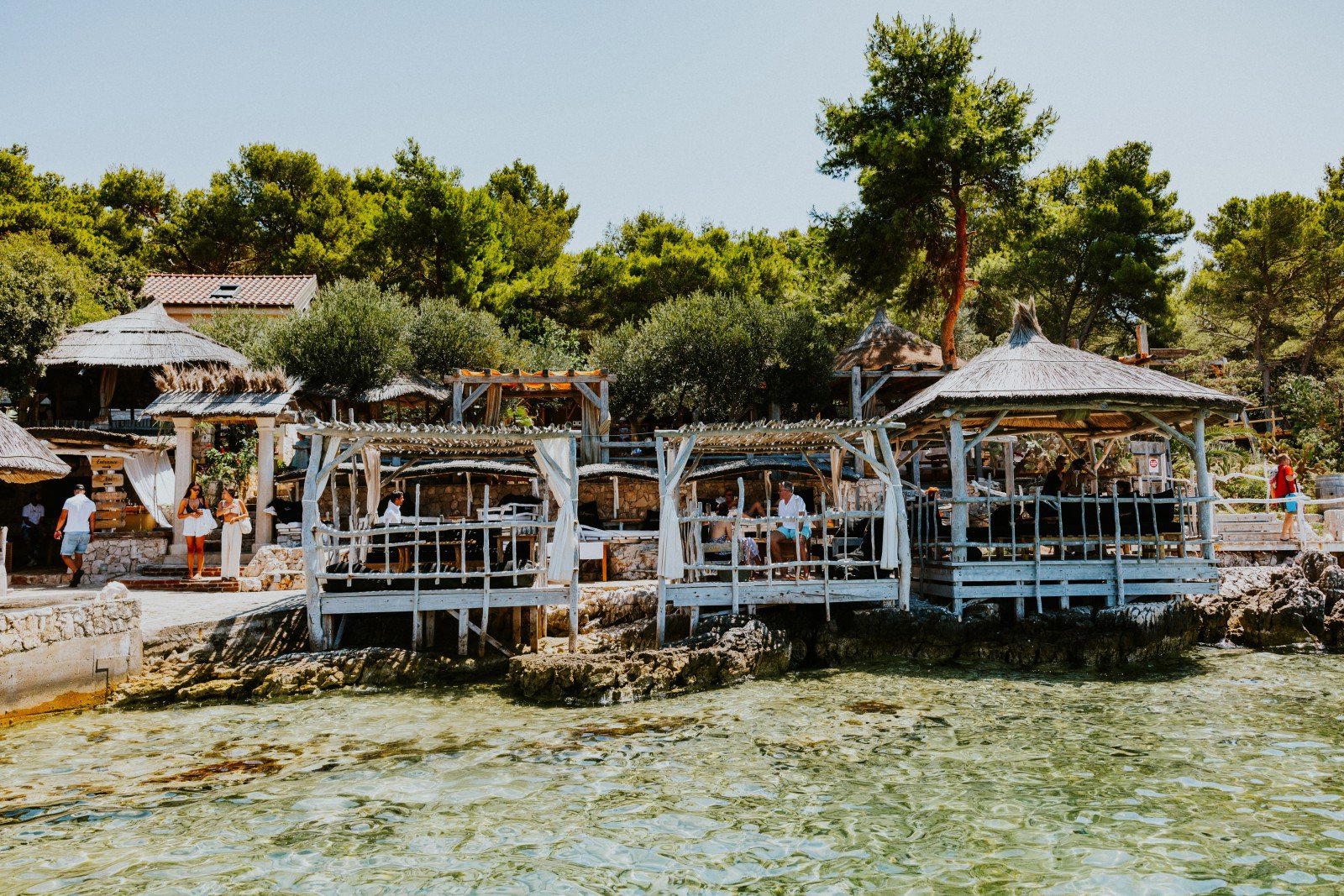
Restaurants in Split
Browse all →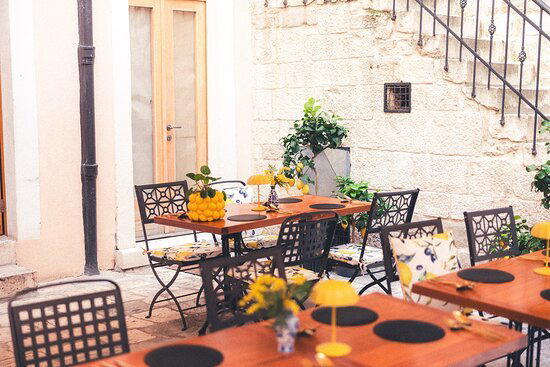
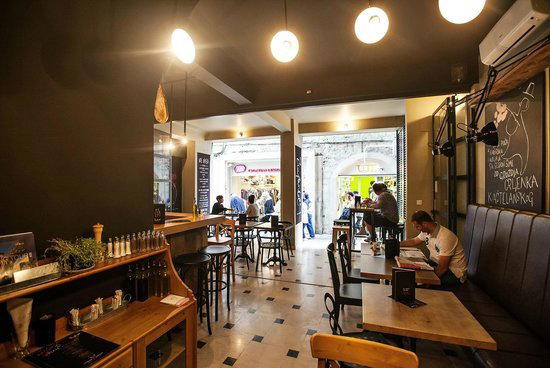
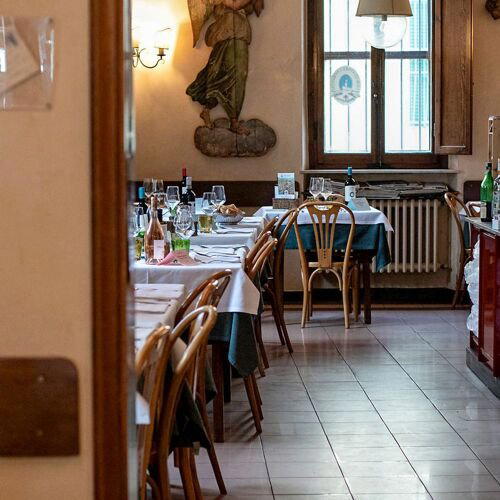
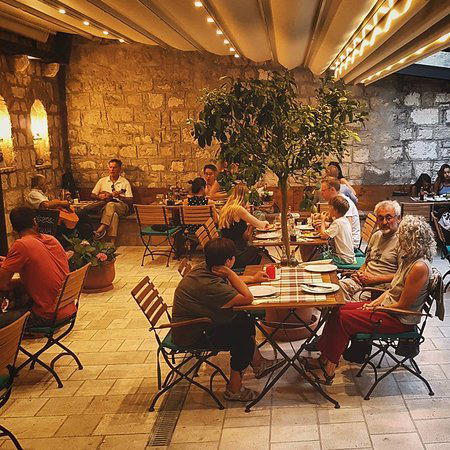
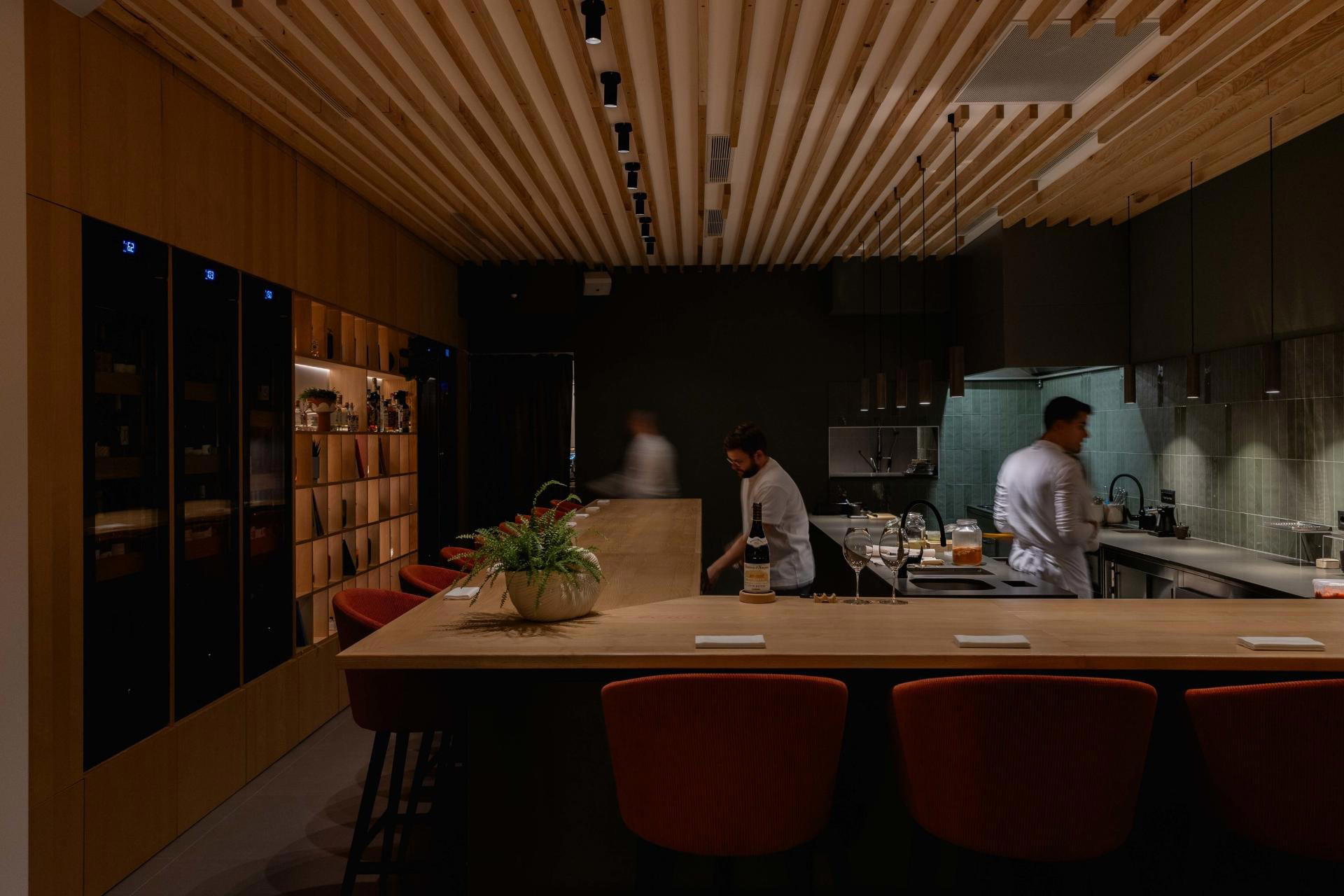
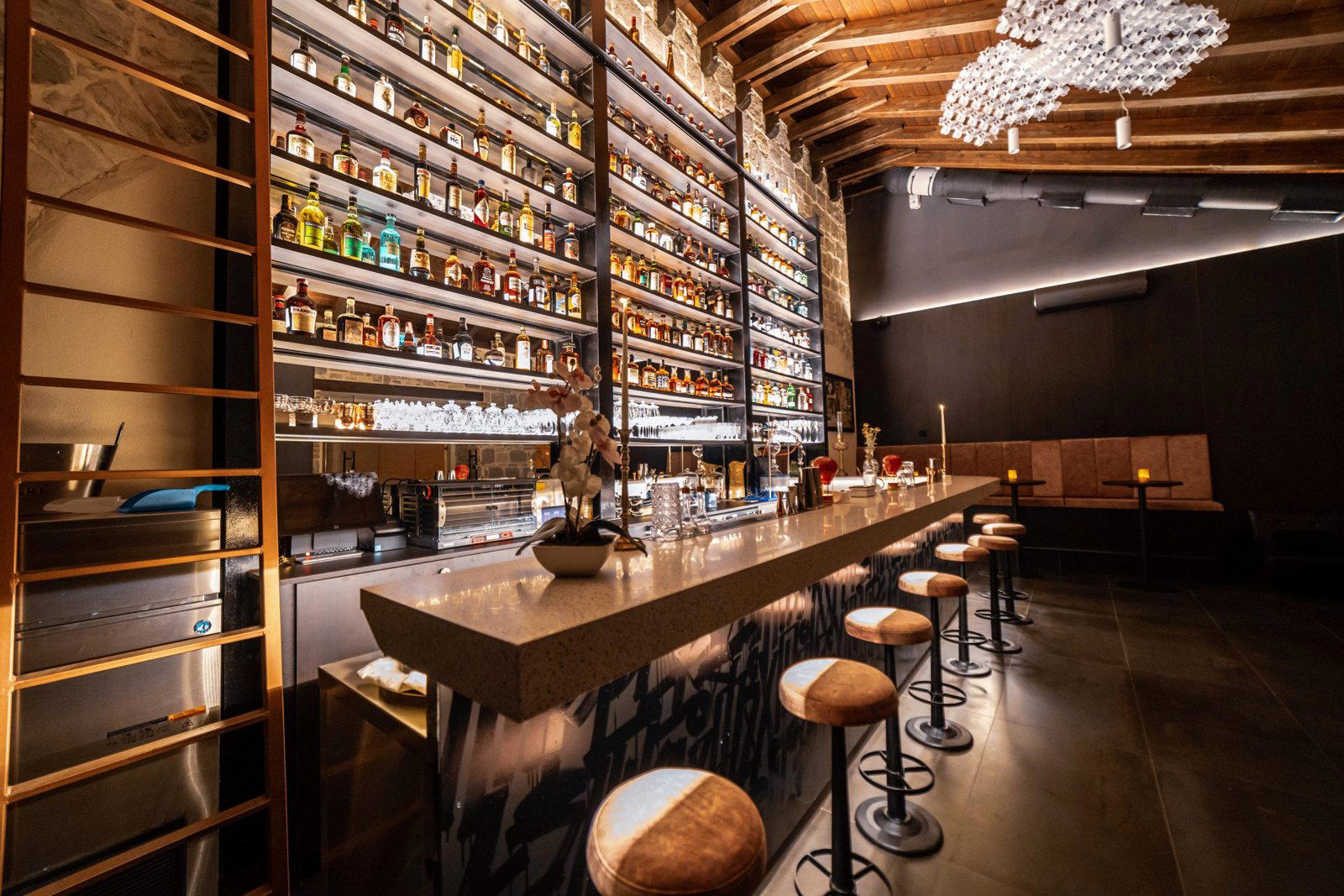
Bars in Split
Browse all →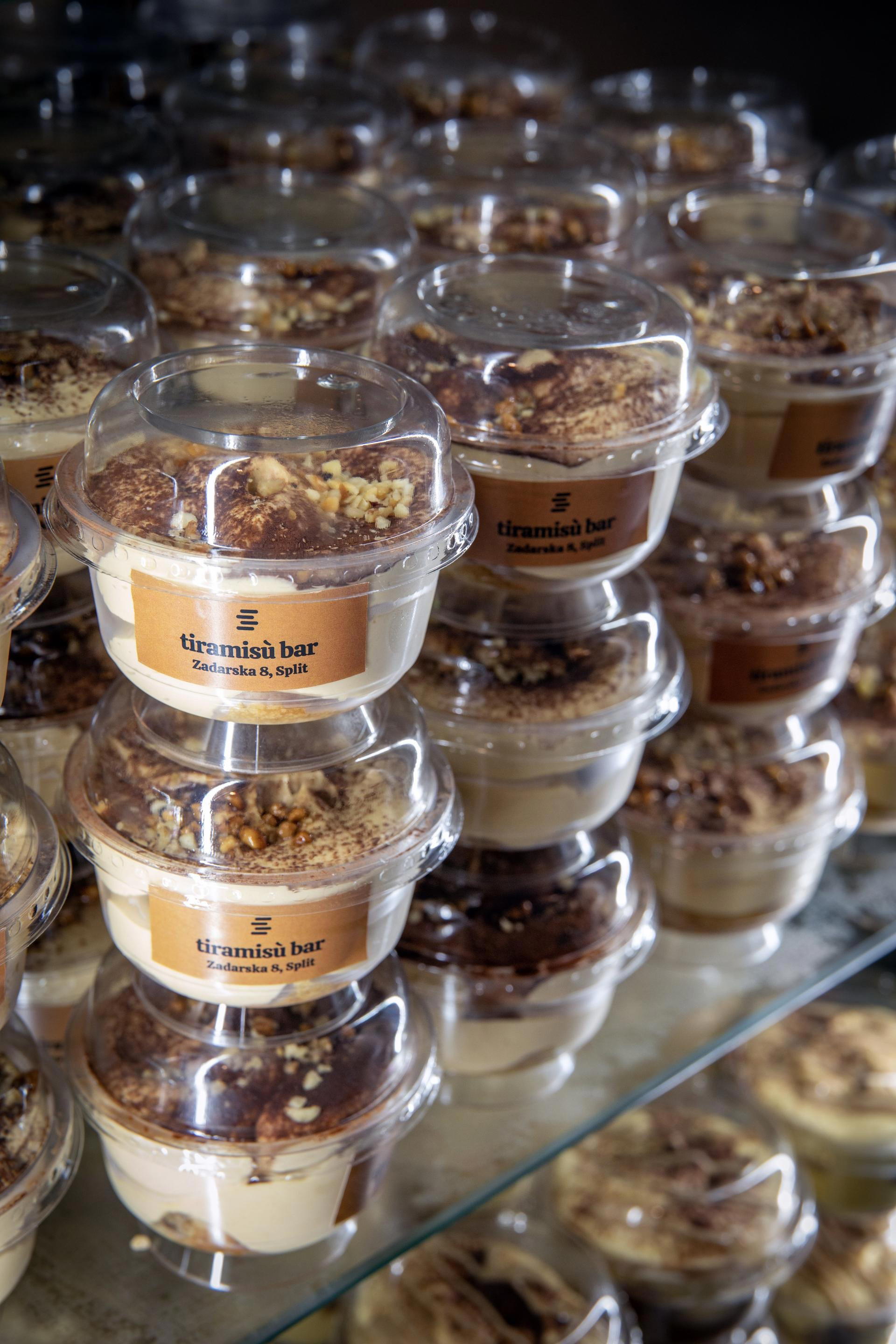
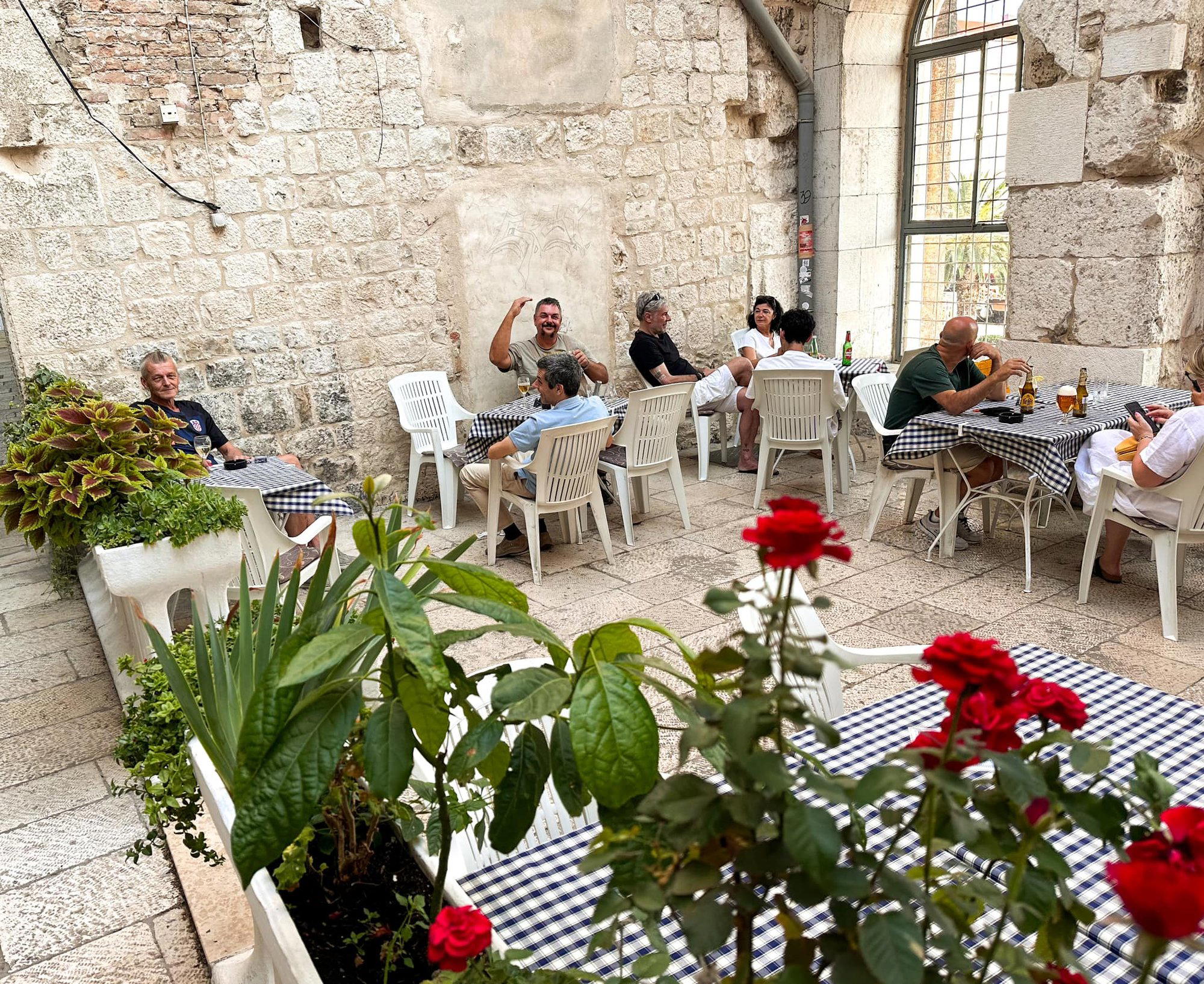
Hotels in Split
Browse all →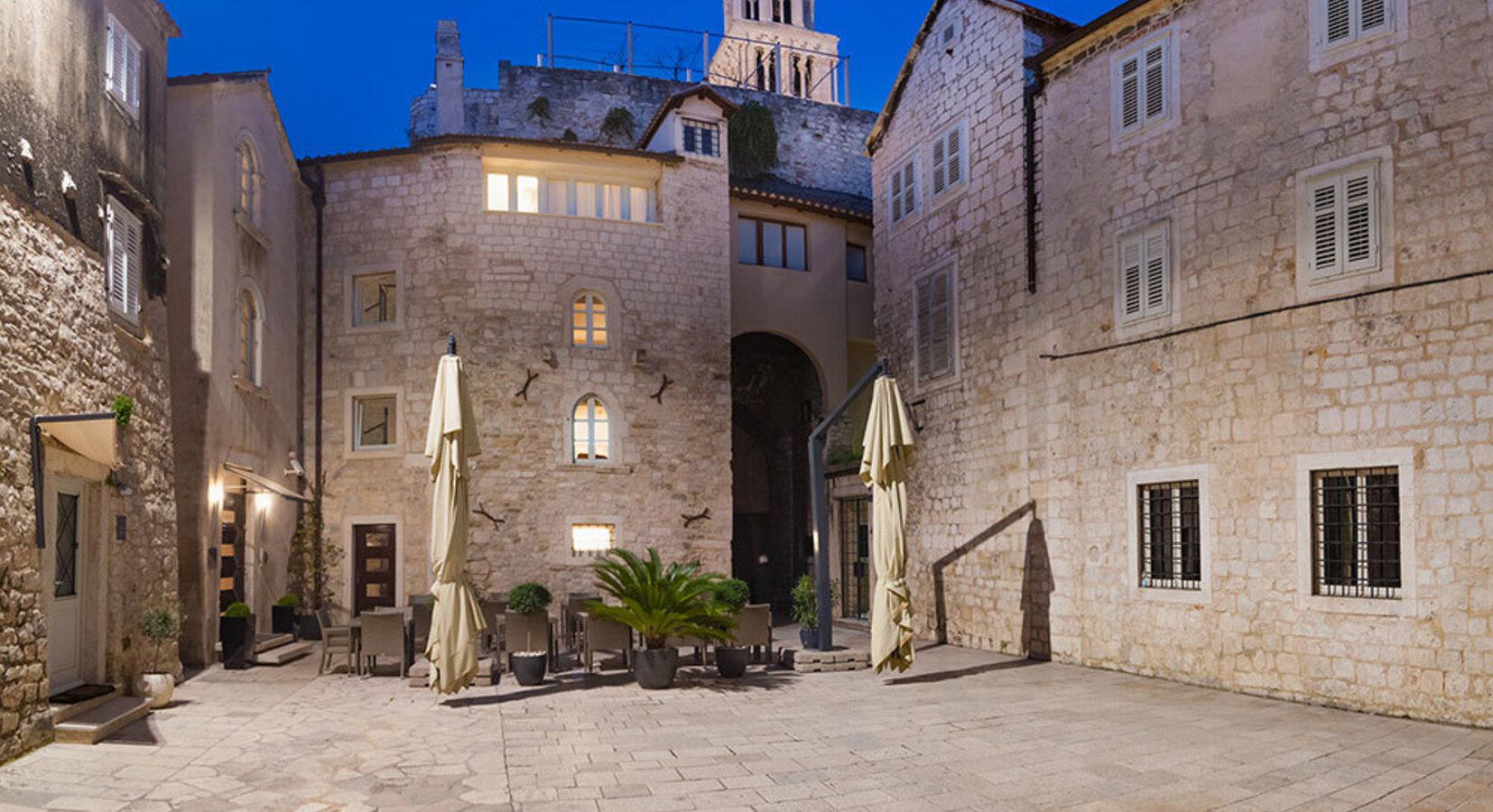

At a Glance
- Cozy
- Elegant
- Romantic
- Sophisticated
- Date Night
- Family
- Celebration
- Special Occasion
- Historic Building
- Terrace
- Extensive Wine List
- Local Sourcing
- Sustainable Seafood
Current opening hours
- Monday
- 7 AM–11 PM
- Tuesday
- 7 AM–11 PM
- Wednesday
- 7 AM–11 PM
- Thursday
- 7 AM–11 PM
- Friday
- 7 AM–11 PM
- Saturday
- 7 AM–11 PM
- Sunday
- 7 AM–11 PM
Hours can change for holidays and private events. Last verified .
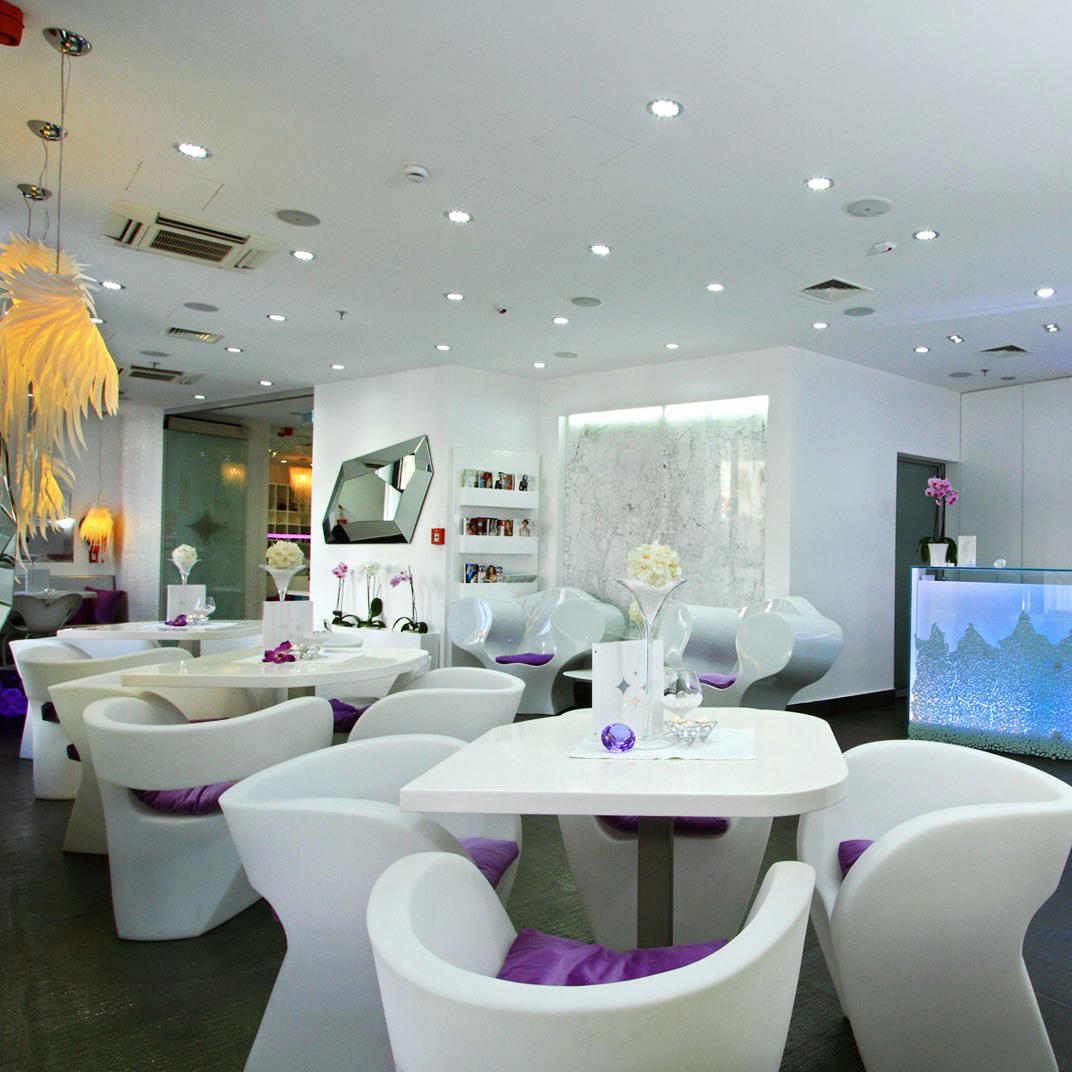
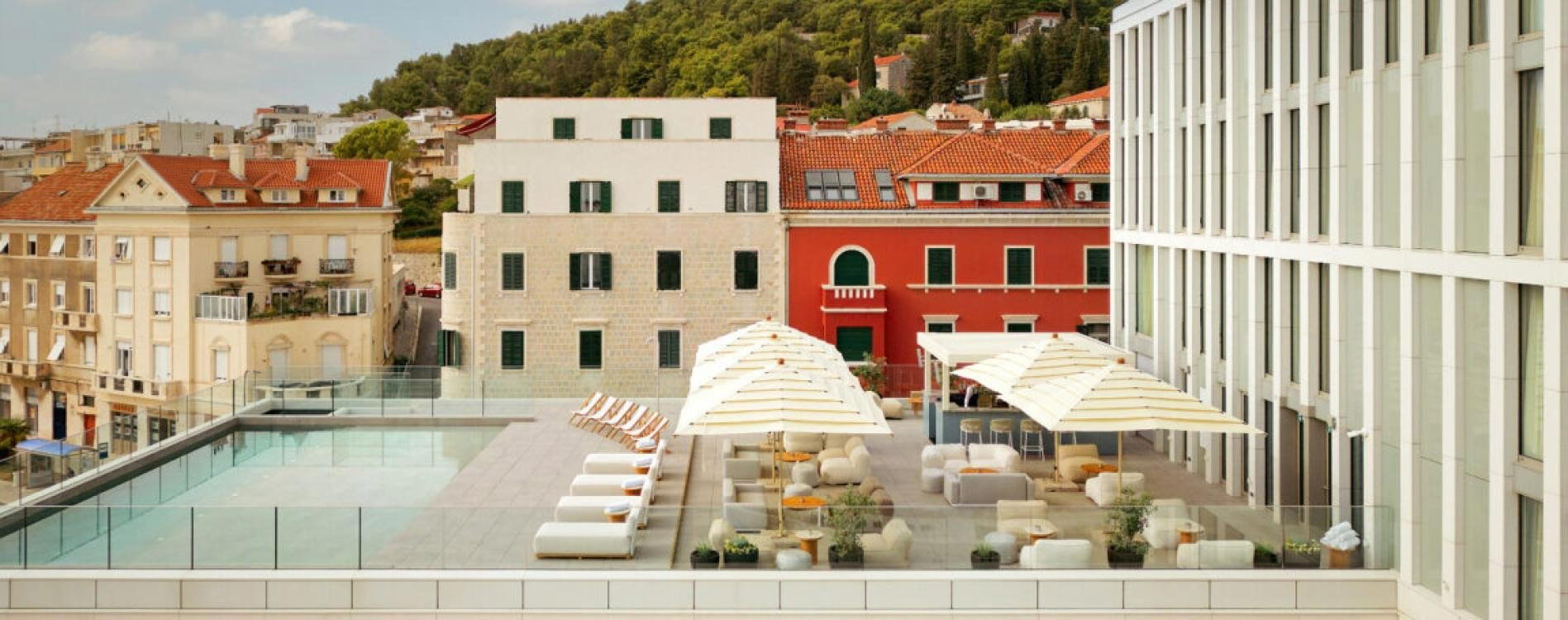
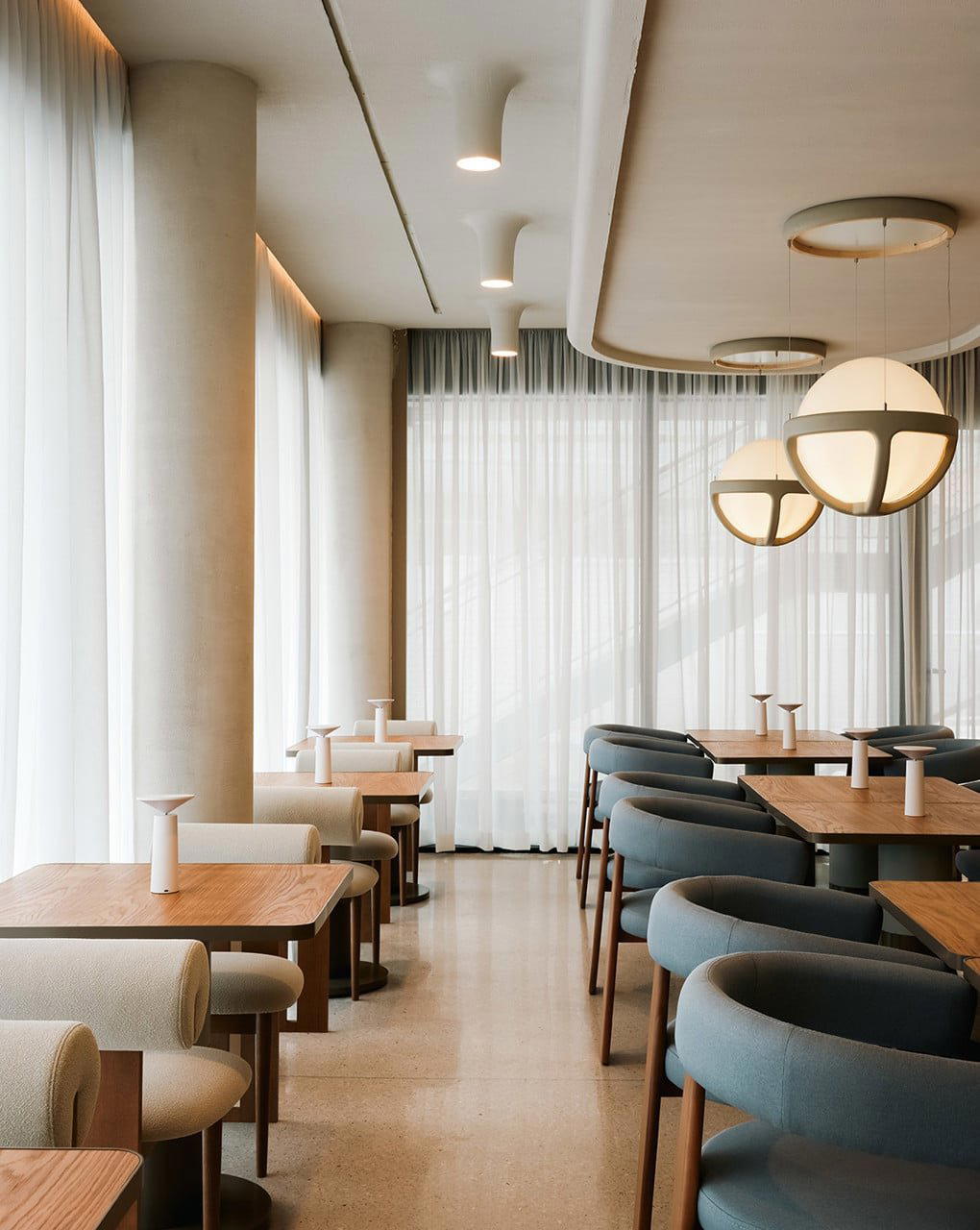
Cozy, intimate atmosphere with modern décor in a narrow street setting, enhanced by the historic location above ancient Roman baths.