
Michelin Selected
On the quiet western tip of Brač, Hotel Lemongarden holds a MICHELIN Selected distinction for 2025, placing it among a small cohort of Croatian island properties that trade resort scale for something closer to considered intimacy. The address in Sutivan, a village that sees a fraction of the summer traffic hitting Supetar just a few kilometres east, is itself a positioning statement.

Pearl is the En Primeur Club membership app, where members save venues, book tables and use the concierge.
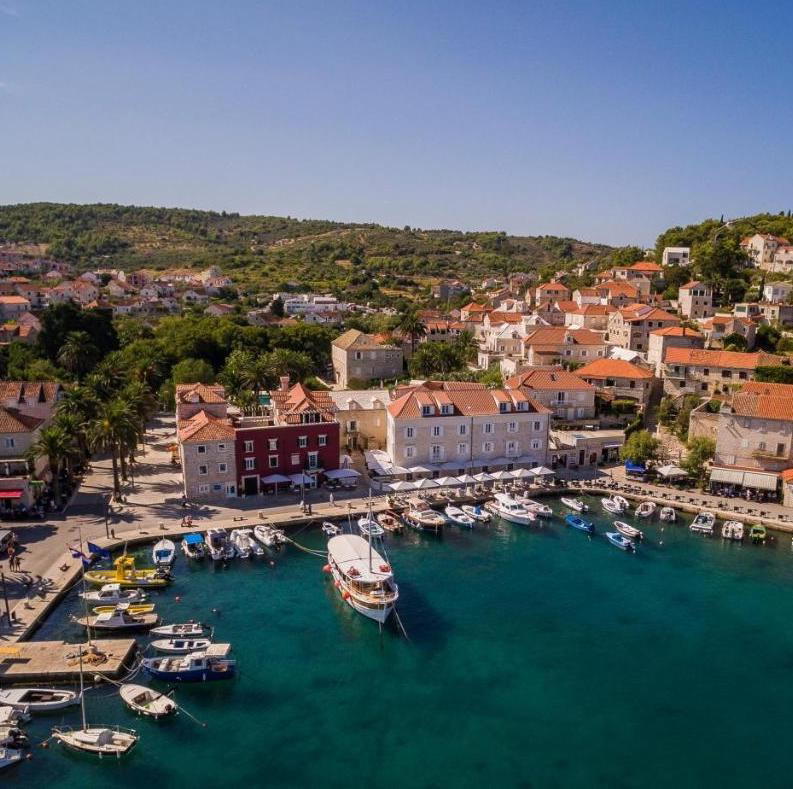
Where Brač Slows Down
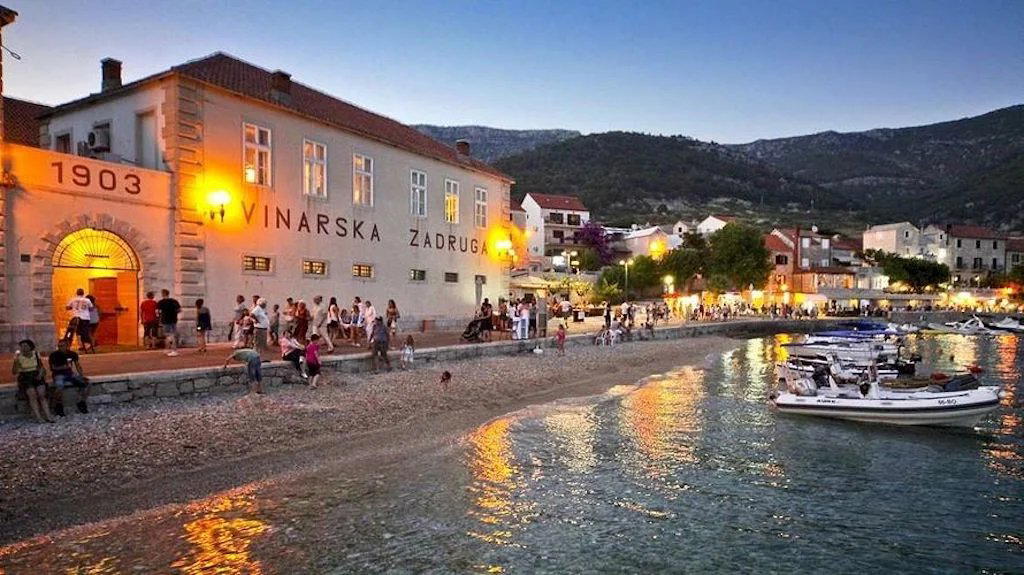
Sutivan sits at the western edge of Brač, separated by temperament as much as distance from the busier ferry port at Supetar. The village seafront is defined by low stone buildings, a small harbour, and pine shade that extends almost to the waterline. It is this physical quietness that makes Hotel Lemongarden's location legible as a deliberate choice: the property sits on Perića Kala 1, directly on the seafront, and that address carries a different weight in a village of Sutivan's scale than a waterfront address would in Split or Hvar. Arriving here, the first thing you register is the absence of noise, no ferry horns, no amplified bar terraces, just the kind of Dalmatian afternoon that has become increasingly hard to find at peak season.
The Architecture of Restraint
The Adriatic coast has always produced a particular kind of vernacular architecture: stone construction, shallow-pitched or flat roof terraces, apertures shaped by the logic of heat and light rather than spectacle. Hotel Lemongarden reads as a property that has internalised that tradition rather than overridden it. Properties selected by the Michelin guide for accommodation in 2025 share a tendency toward design coherence over decorative accumulation, and Lemongarden's inclusion on the MICHELIN Selected Hotels list signals that it operates within that discipline. The name itself is architectural information: lemon trees are a Dalmatian constant, and naming a hotel after the garden rather than the sea view tells you something about where the design focus sits.
The broader pattern among Croatia's better-regarded small hotels is a move away from the Mediterranean-generic toward something more specifically local in material and proportion. Compare the approach at Lešić Dimitri Palace in Korčula, where Ottoman and Venetian architectural layers are preserved as part of the guest experience, or Villa Korta Katarina in Orebić, which grounds its identity in a working winery estate. Lemongarden's version of specificity is smaller in scale, more residential in register, and calibrated to a village rather than a town.
Sutivan in the Context of Dalmatian Island Stays
Croatian island hotel market has split clearly across two tracks. On one side sit the large-footprint resort operations, with hundreds of keys, multiple pools, and full amenity stacks. On the other sits a growing cohort of smaller, design-led properties in secondary or tertiary island locations, where the positioning argument is access to a different kind of place rather than a larger list of facilities. Hotel Lemongarden belongs to the second group, and Sutivan is exactly the kind of location that makes that argument credible.
Brač itself draws visitors primarily through Bol and the Zlatni Rat beach, which means the western end of the island operates under significantly less pressure in July and August. For travellers who have already done Hvar or Korčula and found the summer crowds difficult to absorb, a base in Sutivan offers ferry access to Split (roughly 50 minutes from Supetar) and proximity to the island's interior villages and olive groves without the bottleneck of Bol's single-road approach. You can reach Hotel Osam in Supetar, the island's main ferry hub, in a short drive, which keeps Split connections direct. For context on how this quieter-island positioning compares across the region, Pomâlo Inn on Vis and Villa Nai 3.3 on Dugi Otok occupy analogous positions on their respective islands, trading convenience for calm and earning recognition in the process.
The MICHELIN Selected Signal and What It Means Here
Michelin's hotel selection process operates on different criteria than its restaurant stars. The accommodation guide evaluates overall quality, character, and consistency rather than ranking on a single distinction tier. Being listed as MICHELIN Selected in 2025 places Hotel Lemongarden in a quality band that is meaningful precisely because it is applied to a small village property rather than an internationally branded hotel. The guide's Croatian selections are not heavily concentrated in Sutivan; they cluster in Split, Dubrovnik, and the more trafficked island destinations. A selection here carries Tier E authority at minimum, and Tier A in the sense that Michelin's editors have specifically named this address.
Among comparable Dalmatian island properties carrying Michelin or equivalent recognition, the field includes the Grand Park Hotel Rovinj and Lone Hotel by Maistra Collection in Istria, both operating at considerably larger scale and higher price positioning. Lemongarden's selection sits closer in spirit to properties like San Canzian in Buje or Hotel Kastel in Motovun, where small-town location is the editorial frame and the recognition functions as validation of quality within that frame, not scale.
Planning a Stay
Sutivan is served by local buses from Supetar, and Supetar by Jadrolinija car ferries from Split year-round, with frequency peaking between June and September. The practical implication is that Hotel Lemongarden works well as either a standalone island base or as part of a multi-stop itinerary that might include Split, Hvar, or the Pelješac peninsula. For guests building a longer Croatian coastal route, the property pairs naturally with the contrast of a city stay: Le Meridien Lav Split covers the full-service resort end of that combination. Further afield, STAYEVA11 in Dubrovnik represents the design-led boutique alternative for a southern extension. Our full Sutivan restaurants guide covers where to eat in the village and across the western part of Brač.
Peak season on Brač runs July through August; shoulder months of May, June, and September offer the same physical environment at notably reduced occupancy. September in particular gives guests warm sea temperatures, harvested lavender fields in the island's interior, and the beginning of olive harvest activity, which is part of Brač's agricultural identity. Booking well ahead of July and August is practical given the limited room count that characterises properties of this type.
How It Stacks Up
Comparable venues nearby, for context on price, style, and recognition.
| Venue | Cuisine | Price | Awards | Notes |
|---|---|---|---|---|
| Hotel LemongardenThis venue (the venue you are viewing) | Boutique heritage hotel in restored stone mansions | Not listed | Michelin Selected | Not listed |
| Heritage Hotel Martinis Marchi | Baroque castle heritage hotel blending 18th-century architecture with 5-star contemporary luxury and Mediterranean elegance. | Not listed | Michelin Selected | Maslinica |
| Falkensteiner Hotel & Spa Iadera | Modern seaside wellness resort | Not listed | Michelin Selected · La Liste Top Hotels | Punta Skala |
| The Pucic Palace | Restored 18th-century baroque nobleman's palace in the heart of the old town | $300–500 | Michelin Selected | Dubrovnik Old Town |
| President Hotel, Valamar Collection | Contemporary luxury beachfront resort with Mediterranean-inspired design, set within lush gardens on a private peninsula. | $100–200 | World Luxury Hotel Awards WLHA Regional Winner | Babin Kuk Peninsula |
| LIOQA Resort | Ultra-luxury villa resort blending timeless Mediterranean charm with contemporary high-tech design. | Not listed | World Luxury Hotel Awards WLHA Continent Winner | Preko |
Recognition history
Dated appearances from independent guides and award organizations, with the underlying list record or original source where available.
Michelin Selected
Michelin
Continue exploring
More in Sutivan
Hotels in Sutivan
All hotels in Sutivan →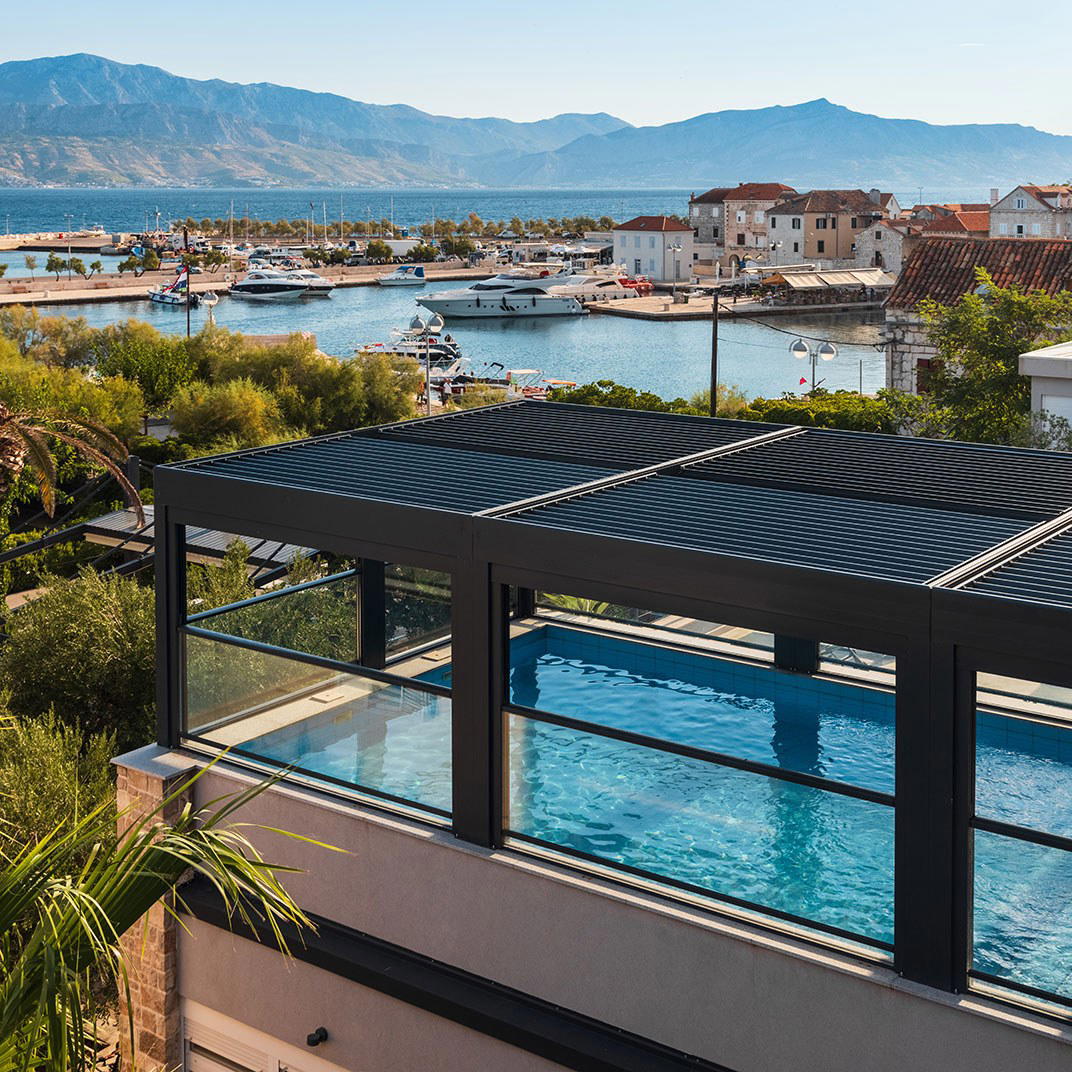
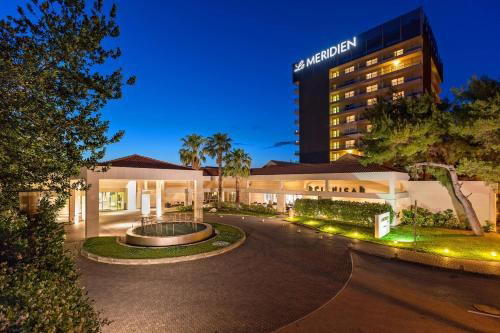
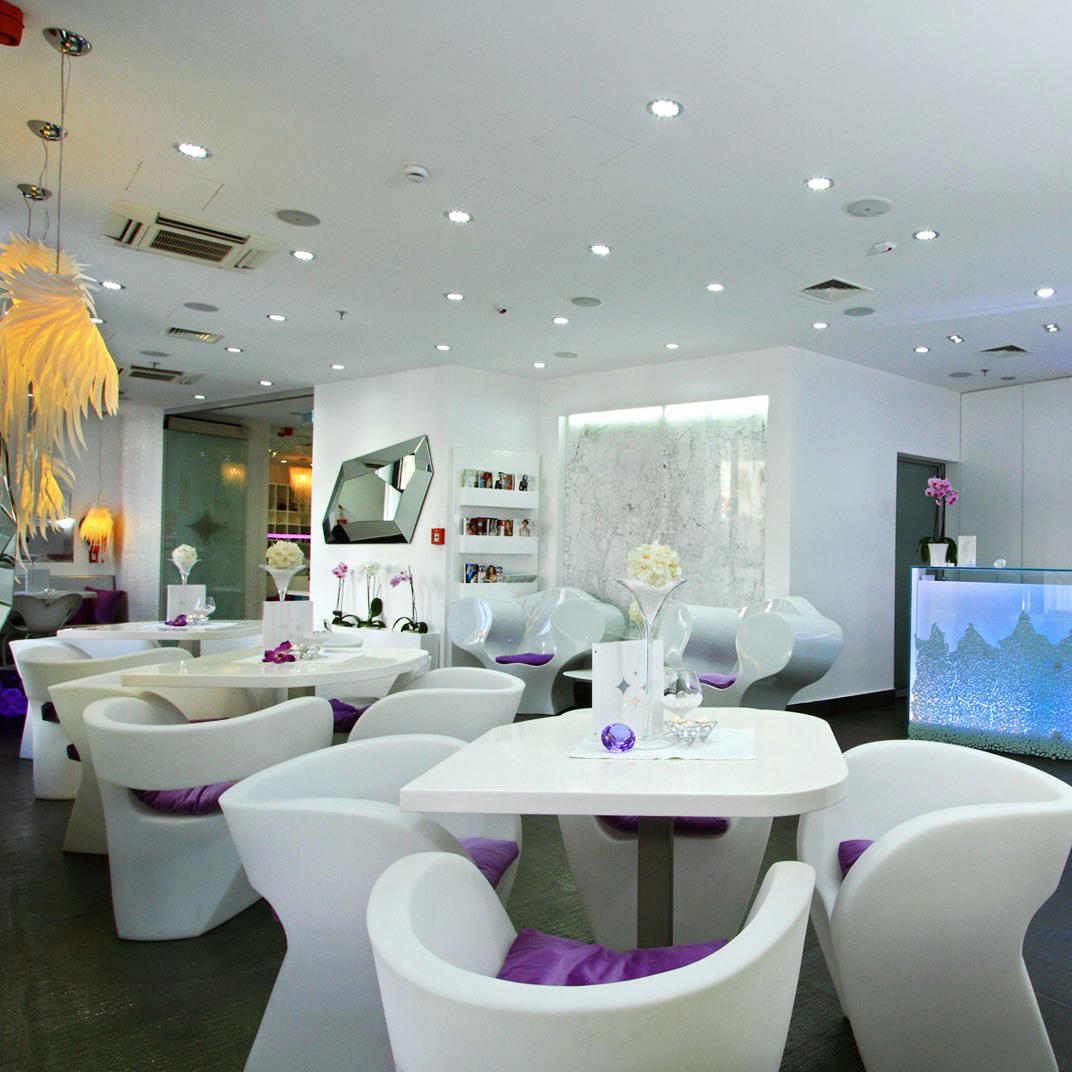
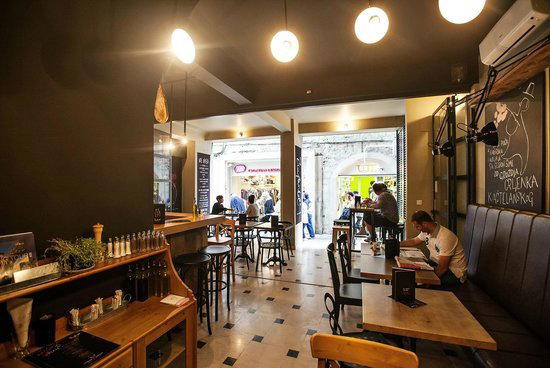
Bars in Sutivan
Browse all →
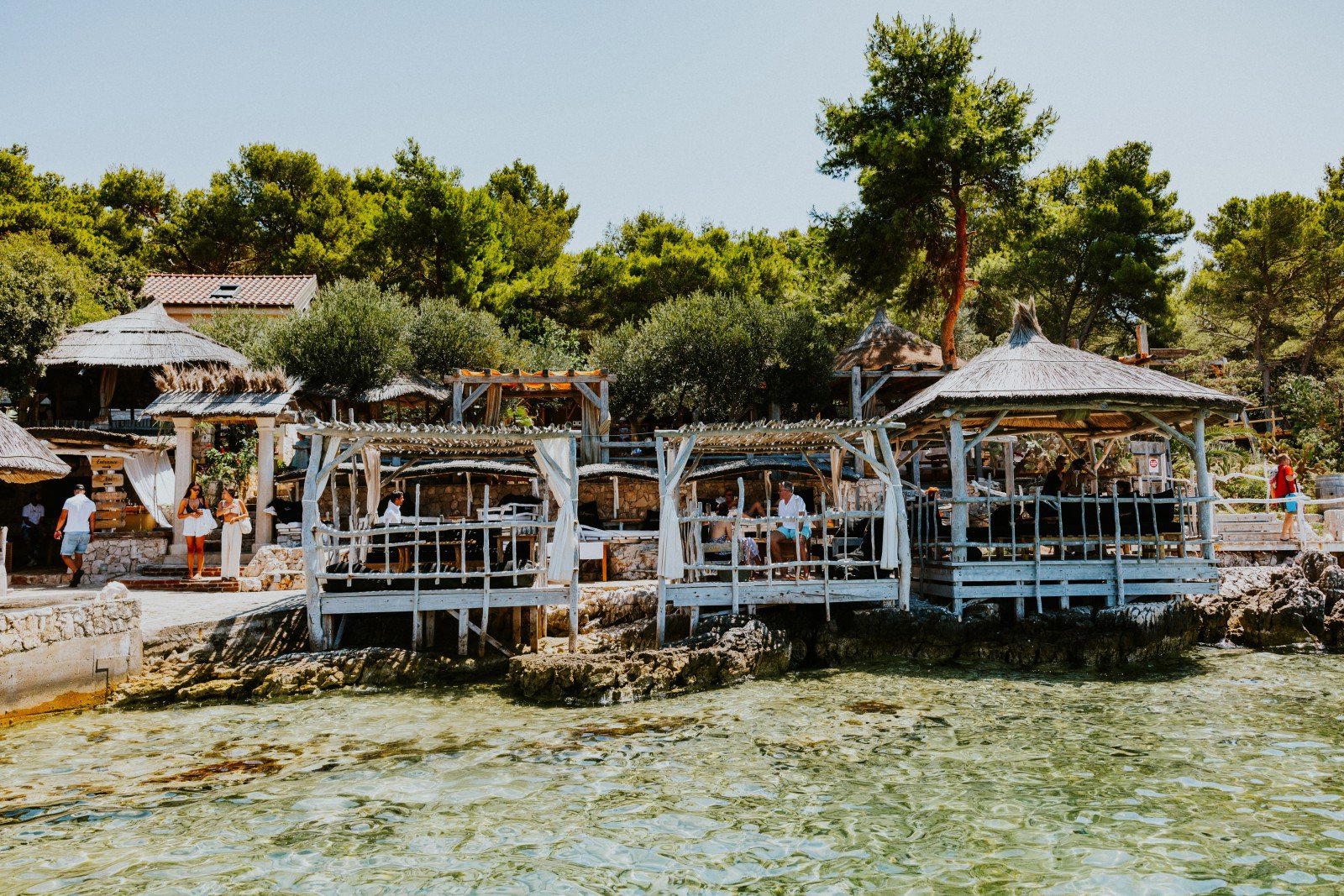
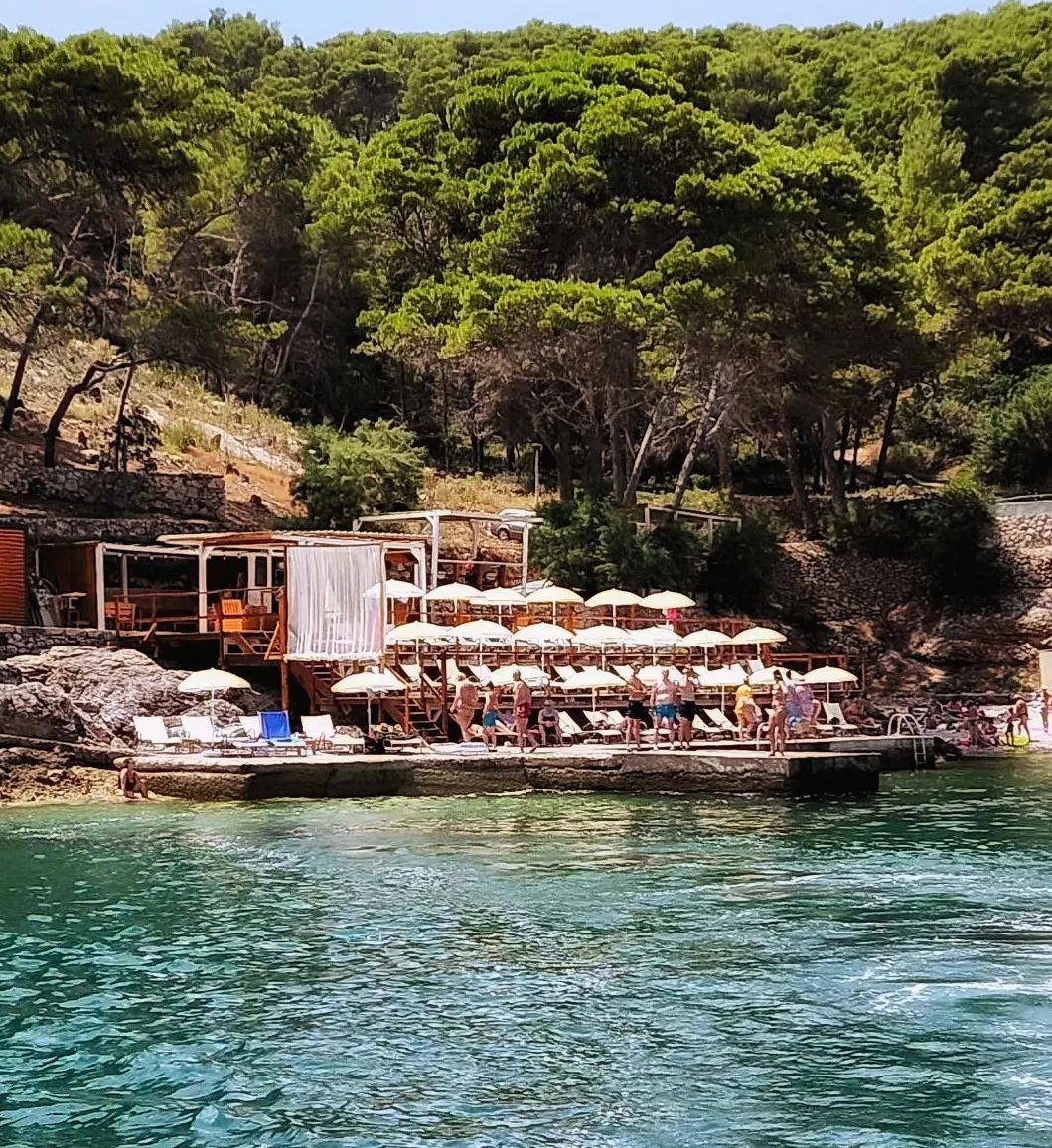
Restaurants in Sutivan
Browse all →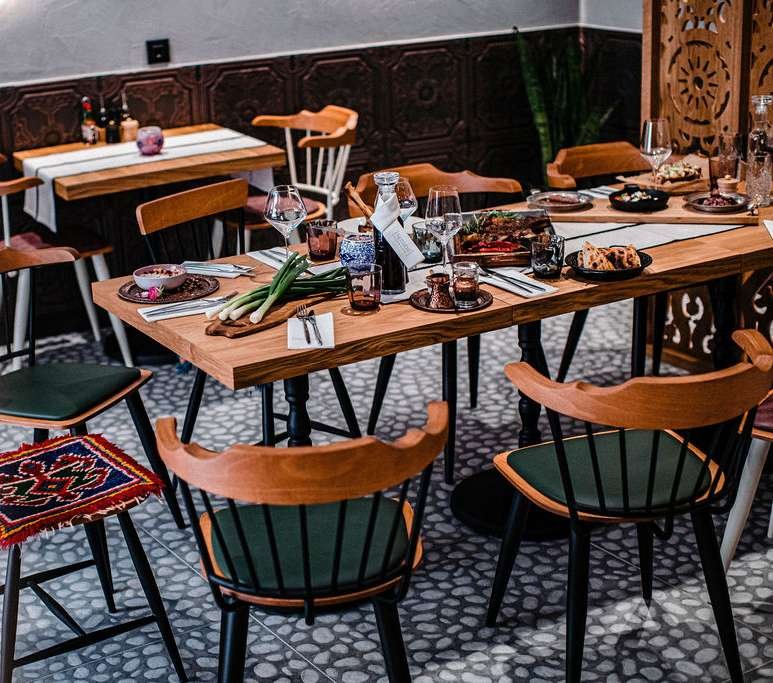

Details
- Romantic
- Quiet
- Elegant
- Scenic
- Intimate
- Sophisticated
- Honeymoon
- Romantic Getaway
- Wellness Retreat
- Anniversary
- Weekend Escape
- Historic Building
- Garden
- Pool
- Spa
- Free Parking
- Restaurant
- Beach Access
- Garden
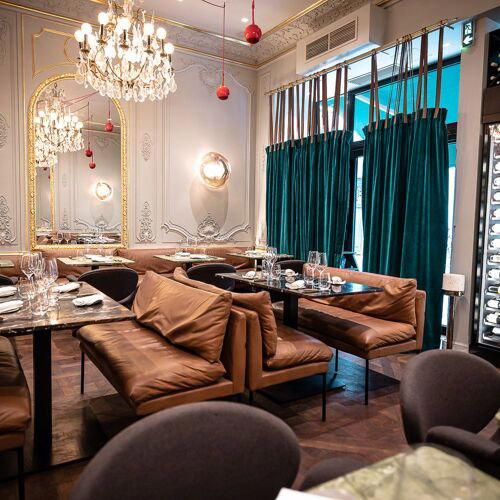
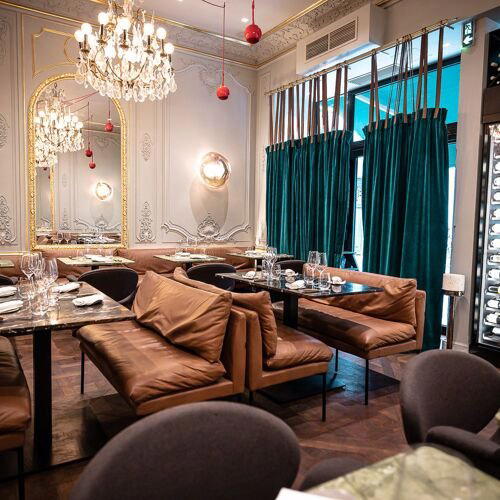
Timeless Mediterranean design with local wood, marble, and lively citrus colors, offering serene relaxation amidst historic charm and natural beauty.