On a corner address in central Split, FANTAŽIJA kitchen and wine occupies the kind of position that draws both locals and visitors without conceding to either crowd. The kitchen takes its cues from the Dalmatian coast while the wine program reaches across Croatia's increasingly serious producing regions. It is one of Split's more focused kitchen-and-cellar pairings in a city where that combination is rarer than it should be.
- Address
- Ul. bana Josipa Jelačića 1, 21000, Split, Croatia
- Phone
- +385917875762
- Website
- fantazija-split.com
- Directions
- Get directions
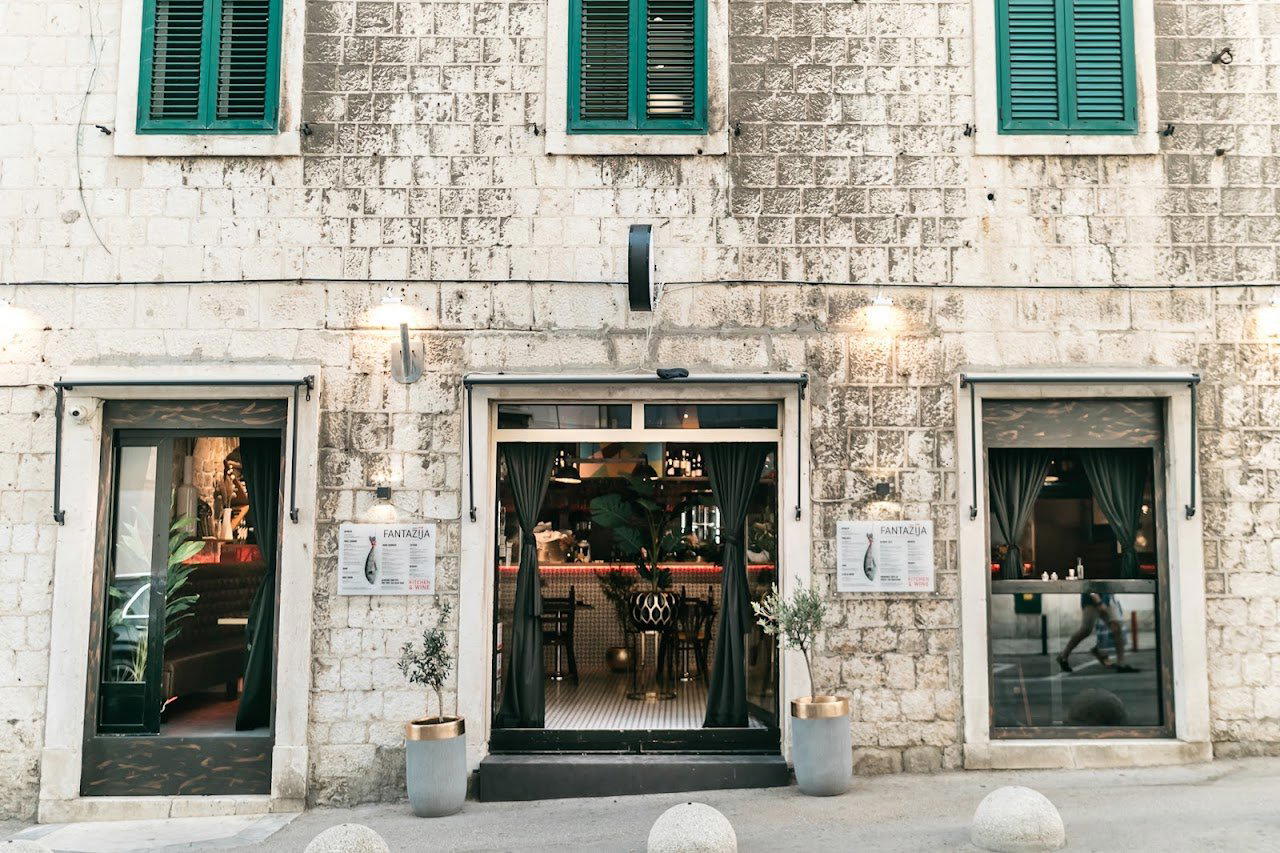
Where the Wine List Does the Talking
Split's dining scene has matured considerably over the past decade, sorting itself into tourist-facing konobas, Adriatic seafood specialists, and a smaller tier of kitchen-and-wine houses that take the cellar as seriously as the pass. FANTAŽIJA kitchen and wine, addressed at Ul. bana Josipa Jelačića 1 in central Split, belongs to that last category. The name itself signals intent: kitchen and wine, stated plainly, in that order, with equal weight given to both halves. In a city where the wine list is often an afterthought bolted onto a menu of grilled fish, that positioning matters.
Croatia's wine culture is at an inflection point. Regions that were invisible to international buyers fifteen years ago, Plavac Mali country on the Pelješac peninsula, the indigenous white varieties of Istria, the island producers working Pošip and Grk on Korčula and Lasta, are now drawing serious attention from sommeliers in London, Vienna, and New York. A wine-focused restaurant in Split sits at the geographic center of that conversation. The Dalmatian coast connects Zagreb's restaurant culture to the islands, and a well-curated cellar here can draw from all of it: continental Slavonia's Graševina, the limestone-driven whites of Istria, and the tannic, sun-concentrated reds of the southern Adriatic coast. For a comparison of how wine-serious restaurants operate along Croatia's coast, look at Pelegrini in Sibenik or LD Restaurant in Korčula, both of which have built their identity around indigenous variety programs in a way that repositions Croatian wine as a serious category rather than a curiosity.
The Setting and the Approach
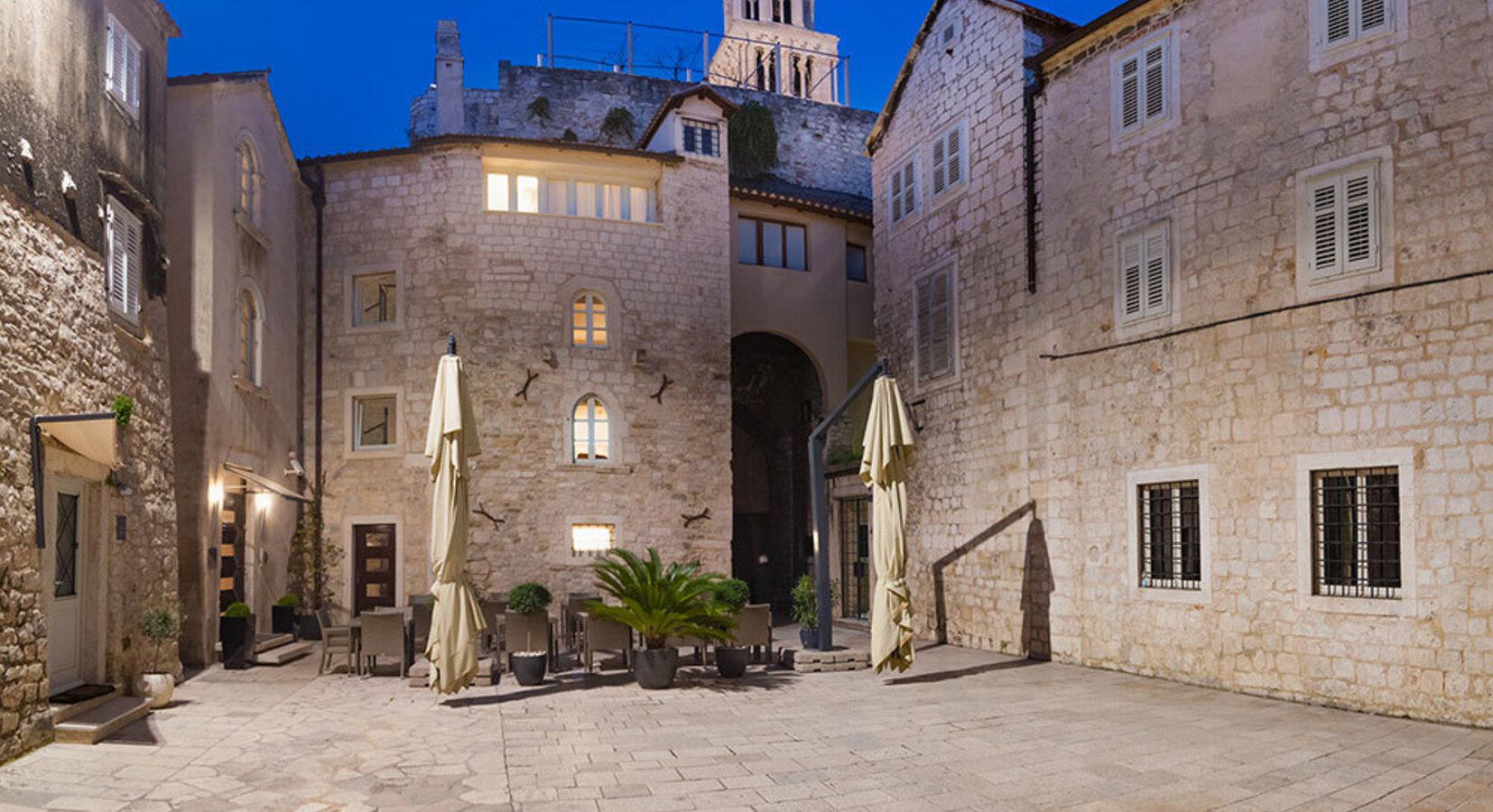
The address on Jelačića puts FANTAŽIJA within the gravitational pull of Split's old town, close enough to the Diocletian's Palace complex to catch foot traffic from the waterfront promenade, but at a sufficient remove from particularly congested tourist corridors that it attracts a clientele with a purpose. That distinction matters in Split, where the difference between a table taken by someone who planned to be there and a table filled by someone who stopped because the menu board was readable from the pavement is measurable in the quality of the room's conversation.
The kitchen-and-wine format, as a category rather than as a specific menu, tends to produce a different kind of service rhythm than either a pure restaurant or a wine bar. Dishes are typically designed to frame wine rather than compete with it, which means cooking that reads restrained on first encounter but reveals more across a longer meal. Acidity, salinity, and textural contrast take precedence over richness. That approach connects FANTAŽIJA to a broader European tradition of restaurants where the sommelier and the chef are in constant negotiation over what lands on the table. For a sense of where that format reaches its most intensive expression internationally, Le Bernardin in New York City represents the ceiling of the kitchen-driven, pairing-oriented format, while Lazy Bear in San Francisco shows how the communal, wine-attentive dinner can be structured around experience rather than formality.
Split's Competitive Restaurant Set
Within Split specifically, FANTAŽIJA occupies a niche that sits adjacent to but distinct from several well-regarded addresses. Krug operates in the Mediterranean register at a comparable price tier, while Adriatic takes a more seafood-centric line. Bistro Noir and Bajamonti POP represent the more casual bistro format, and Bokamorra brings a different register again. Among these, a kitchen-and-wine house that foregrounds the cellar as a co-equal program rather than a support role is the less-crowded position. For the full picture of where each of these restaurants sits relative to one another, the EP Club Split guide maps the city's dining options by format and price tier.
Croatia's most cellar-serious restaurants tend to concentrate either in Zagreb or in the coastal towns that draw a more international, longer-stay visitor base. In Split, the dominant model remains the seafood konoba with a short, locally sourced list. A restaurant that names wine in its title and structures the experience around that pairing vocabulary is making a distinct claim about what the meal is for. Whether the execution consistently matches that positioning is the question that only a visit answers, but the structural choice to foreground wine at the naming stage is itself an editorial statement about the kind of dining culture FANTAŽIJA is trying to participate in.
Croatia's Wine Regions: The Cellar's Raw Material
Understanding what a Dalmatian wine list can realistically contain gives a sharper picture of what a kitchen-and-wine house in Split is working with. The southern Dalmatian coast produces Plavac Mali, a variety genetically related to Zinfandel and Primitivo, in styles that range from plummy and high-alcohol on the Pelješac peninsula to more restrained expressions from cooler, hillside parcels. Pošip, grown primarily on Korčula, is the white variety that has attracted international critical attention in the past decade: full-bodied, mineral, with an oxidative tolerance that makes it suited to extended skin contact or aging in older oak. Further north, the Istrian peninsula's Malvazija Istarska is a high-acid, aromatic white that functions well with olive oil-rich, herb-forward cooking. A well-considered cellar in Split can draw from all three zones and position them as a coherent national program rather than a collection of regional curiosities. Comparable wine-forward restaurants elsewhere on the Croatian coast include Agli Amici Rovinj in Rovinj, Boskinac in Novalja, and Alfred Keller in Mali Lošinj, each of which has built a cellar program around the specific geography of its island or peninsula. For the continental Croatian perspective on wine-attentive dining, Korak in Jastrebarsko, Nebo by Deni Srdoč in Rijeka, Dubravkin Put in Zagreb, and San Rocco in Brtonigla each represent a different expression of how Croatian kitchens are treating local wine as a structuring principle rather than a side note. And for how Dalmatian coastal cooking connects to the Adriatic more broadly, Restaurant 360 in Dubrovnik shows how the format scales into a high-design, full-service proposition.
Planning Your Visit
FANTAŽIJA kitchen and wine sits at Ul. bana Josipa Jelačića 1, within walking distance of Split's waterfront and the Diocletian's Palace entry points. Split's dining season peaks between June and September, when the city's visitor numbers compress demand across every category of restaurant; a kitchen-and-wine house of this type will almost certainly require advance booking during summer months. The shoulder seasons, April to May and October, offer a more navigable table environment and, importantly, a more local room, the ratio of residents to tourists shifts noticeably after the cruise ships thin out.
Comparable Spots, Quickly
Comparable venues nearby, for context on price, style, and recognition.
| Venue | Cuisine | Price | Notes |
|---|---|---|---|
| FANTAŽIJA kitchen and wineThis venue — the venue you are viewing | Modern Dalmatian Mediterranean | $$$ | Not listed |
| Portofino | Modern Mediterranean Seafood & Grill | $$$ | Diocletian's Palace |
| Konoba Laganini | Modern Dalmatian Seafood | $$$ | Diocletian's Palace |
| Zora Bila | Modern Dalmatian Mediterranean | $$$ | Bačvice |
| Bokeria Kitchen & Wine | Modern Mediterranean Dalmatian | $$$ | Old Town |
| Matoni | Modern Dalmatian Mediterranean | $$ | Bacvice |
Continue exploring
More in Split
Restaurants in Split
Browse all →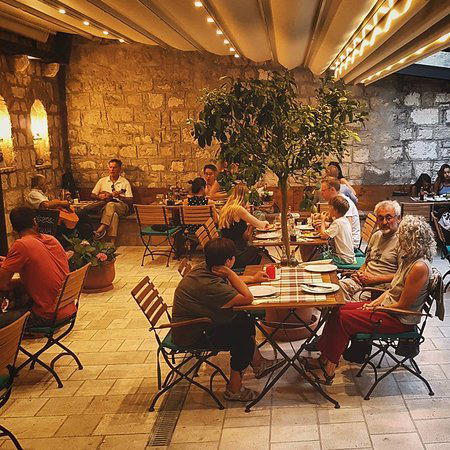
At a Glance
- Romantic
- Intimate
- Elegant
- Cozy
- Sophisticated
- Date Night
- Special Occasion
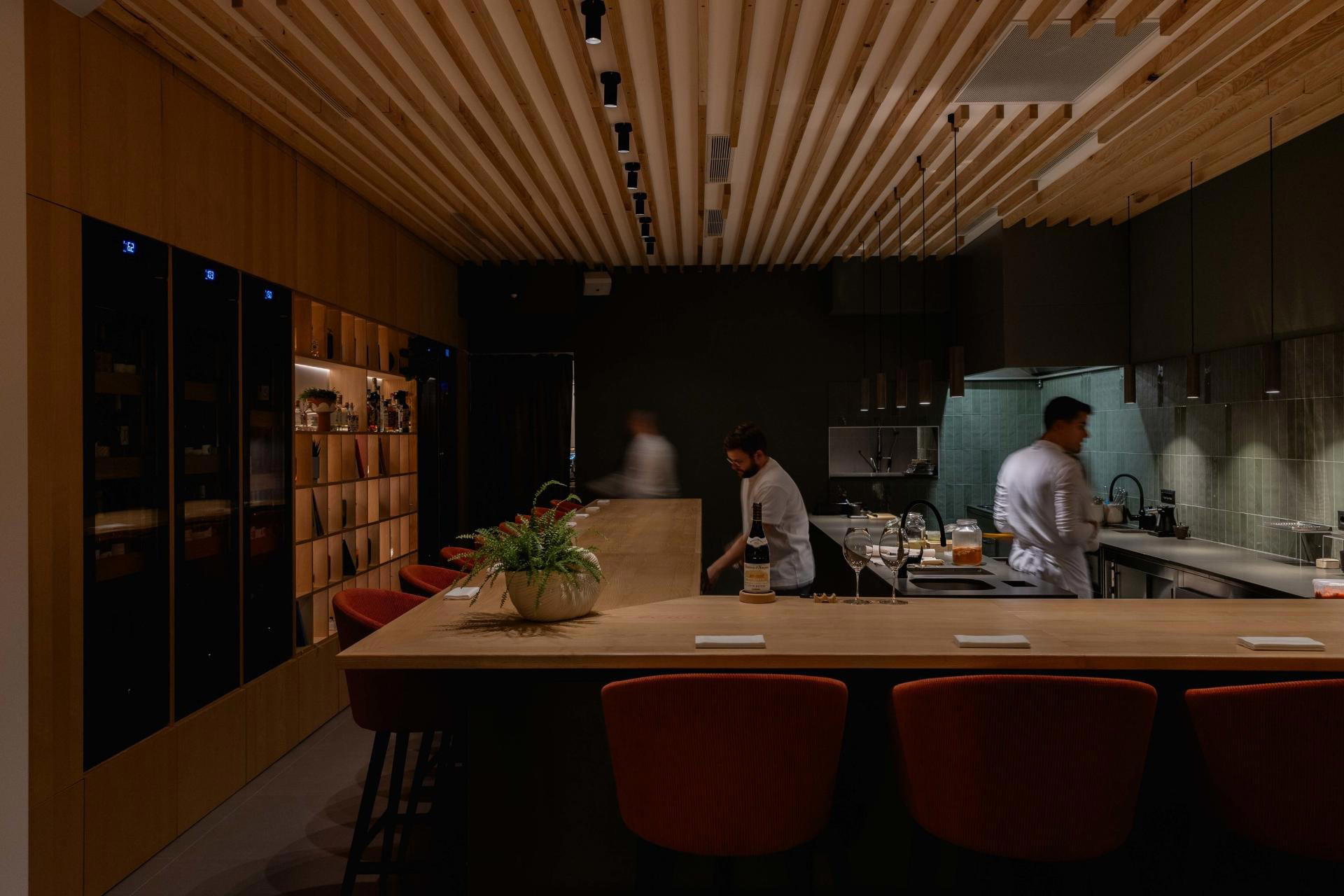
- Open Kitchen
- Wine Cellar
- Extensive Wine List
- Local Sourcing
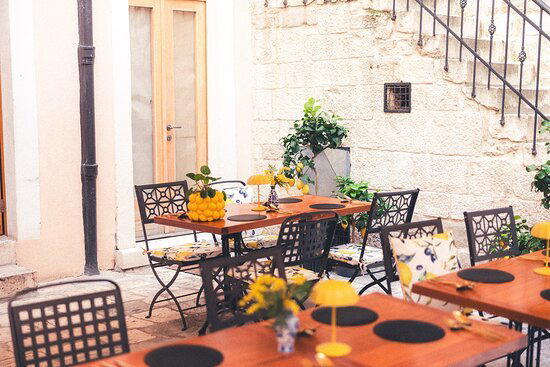
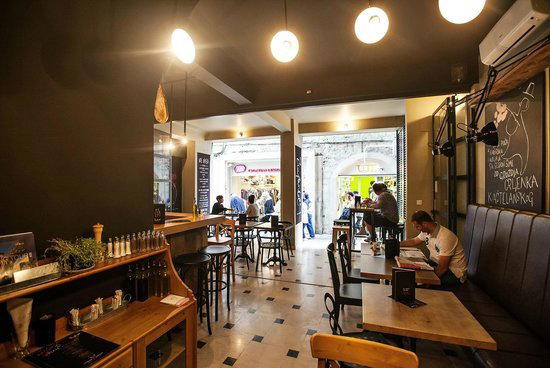
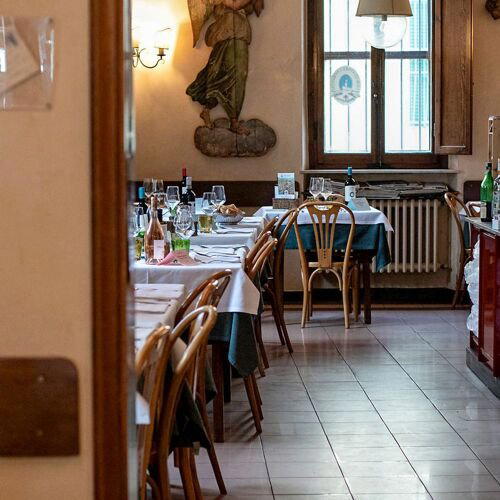
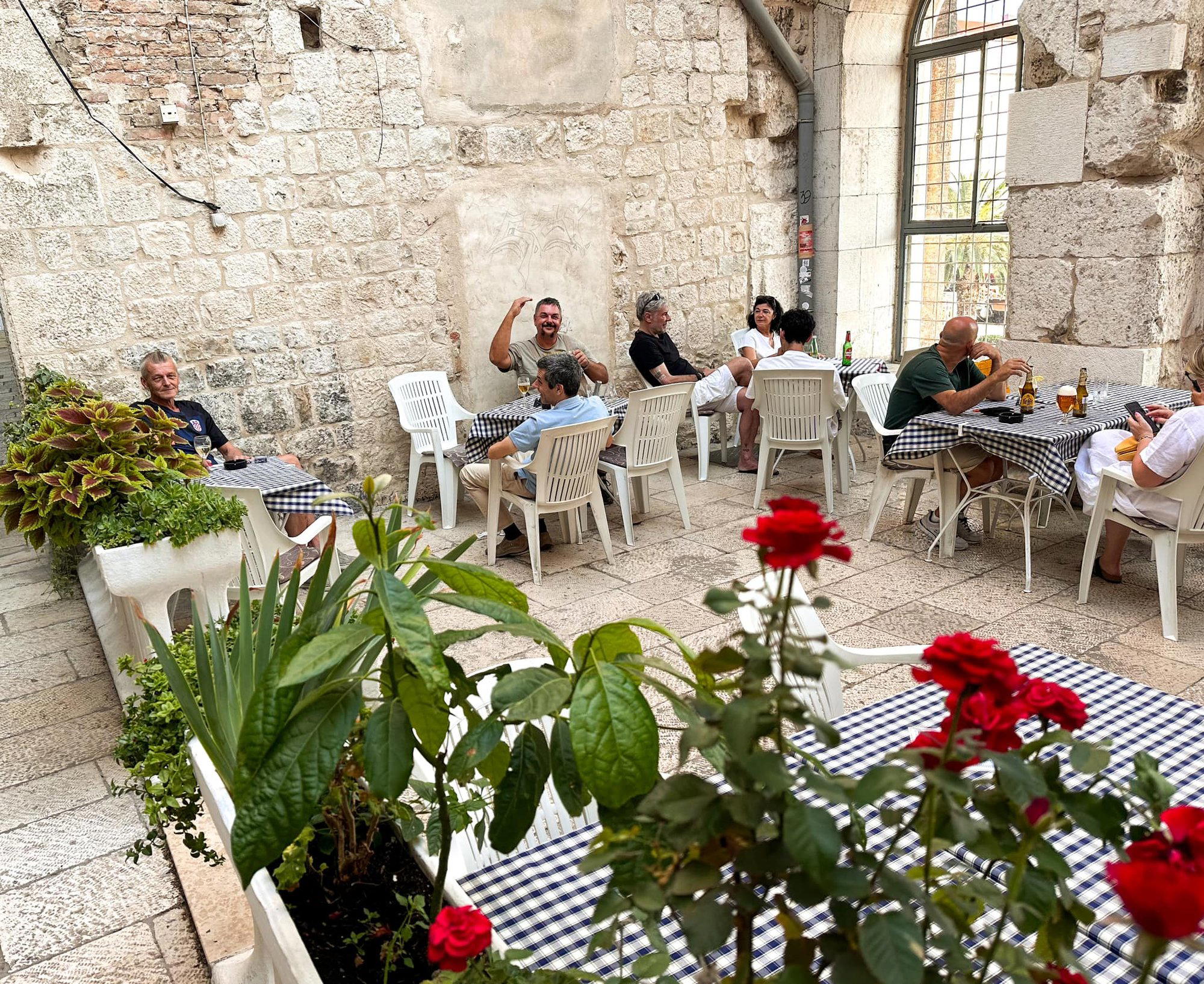
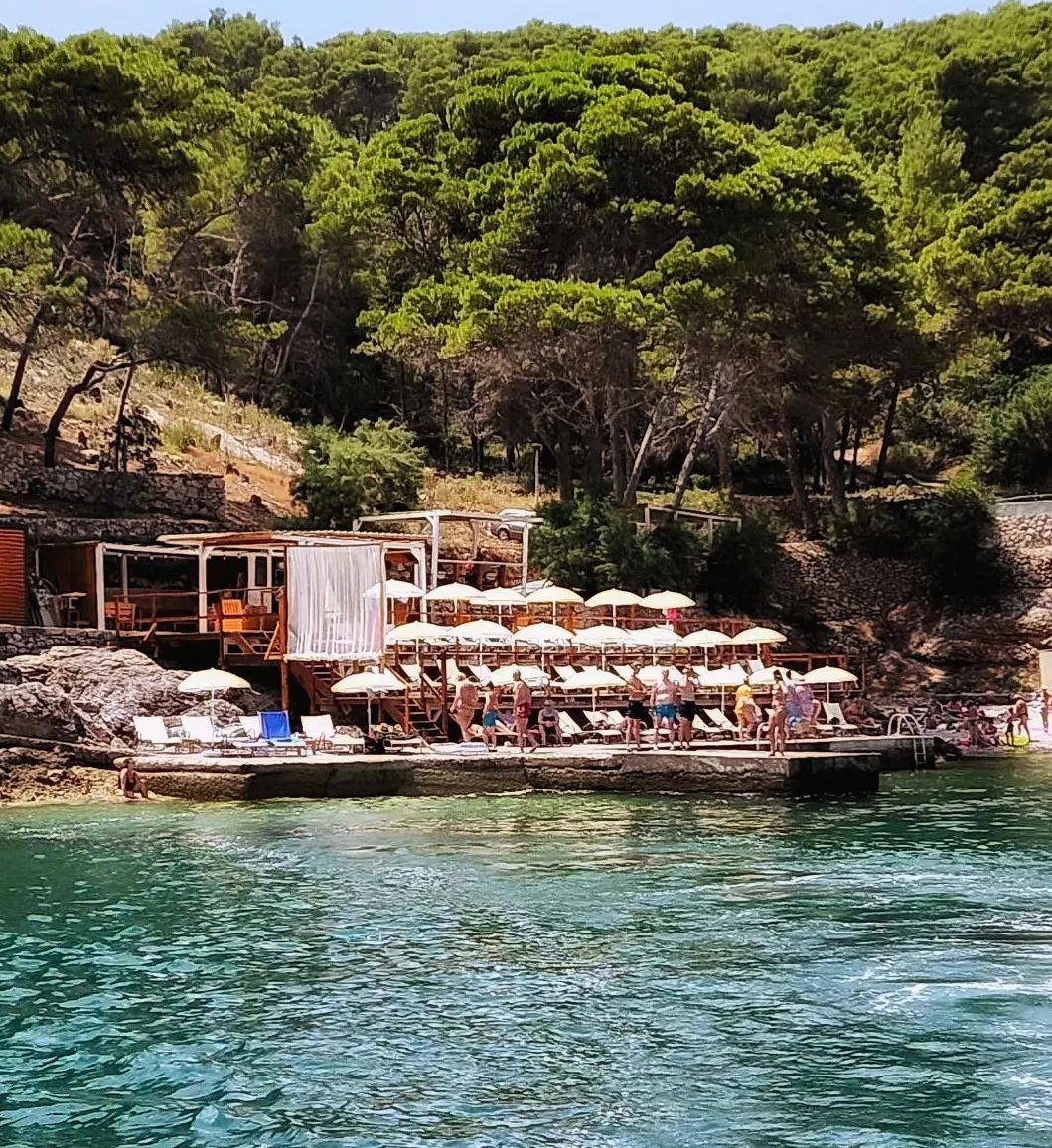
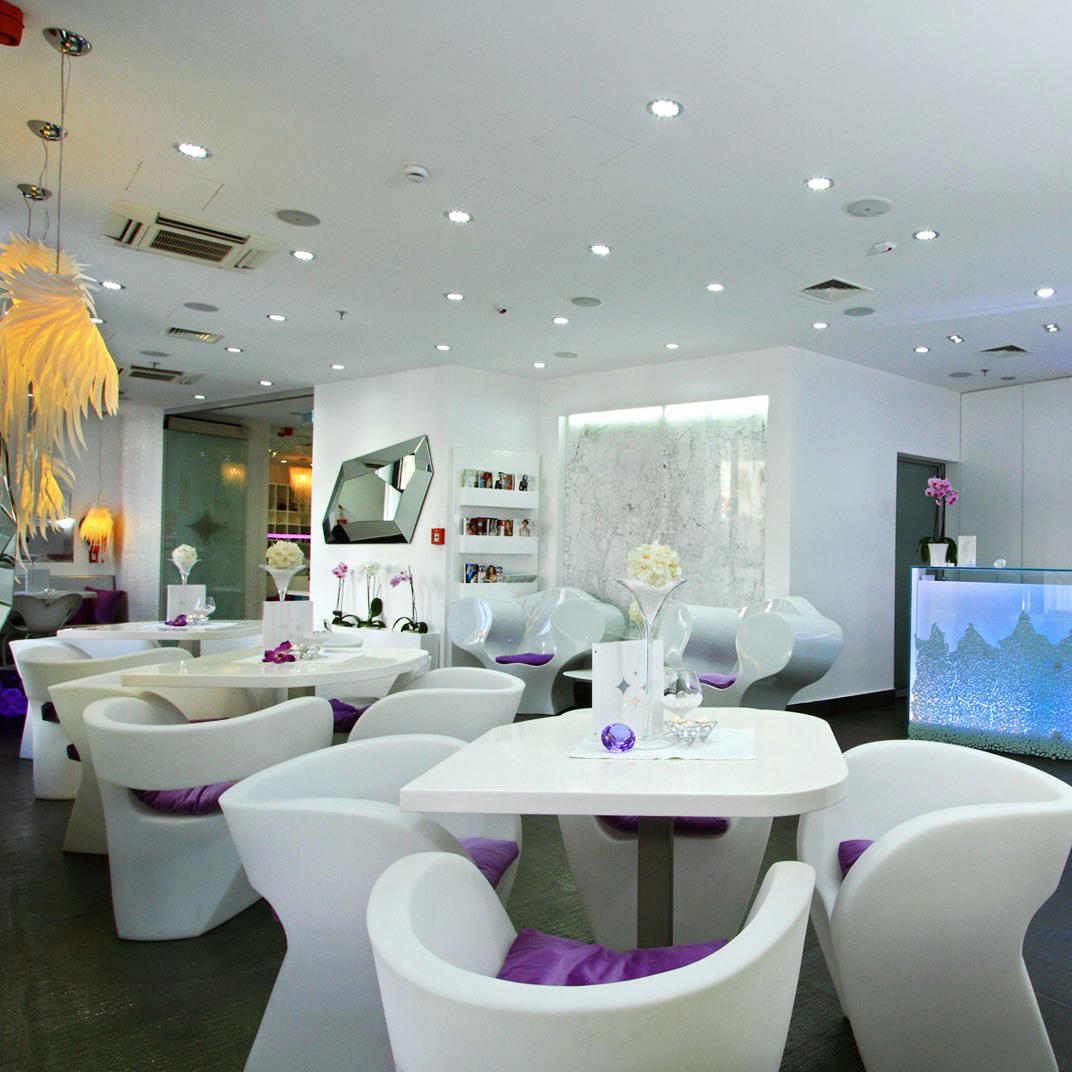
Red neon decor creates a distinctive, lively atmosphere with informal, welcoming Dalmatian tavern vibes.