

Michelin Plate · Falstaff Restaurant - 92 Falstaff Points
Our verdict
San Rocco brings contemporary cooking to Brtonigla, an Istrian hill village better known for its wine estates than its restaurant scene. Two consecutive Michelin Plates (2024 and 2025) confirm its standing in a region where the kitchen is increasingly matching the cellar. At the €€€ price tier, it sits in the serious-but-accessible bracket of Croatian fine dining, drawing visitors from across the Istrian peninsula.

Pearl is the En Primeur Club membership app, where members save venues, book tables and use the concierge.
The menu
What to order
- Potato cream with black truffles and blackfish
- Homemade tortellini with Istrian oxen meat
- Truffle-flavored dishes
Where Istrian Hill Country Meets the Contemporary Table
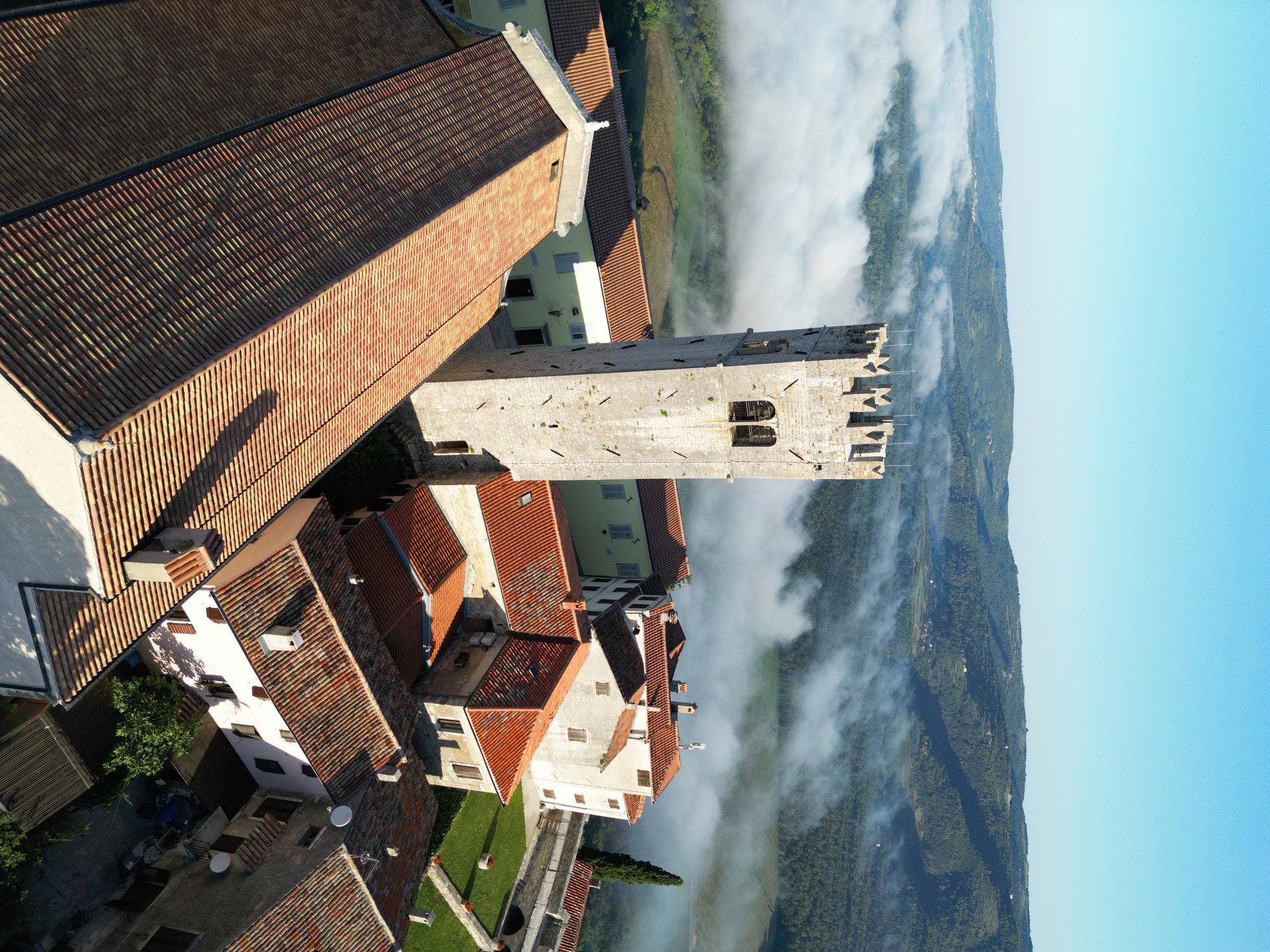
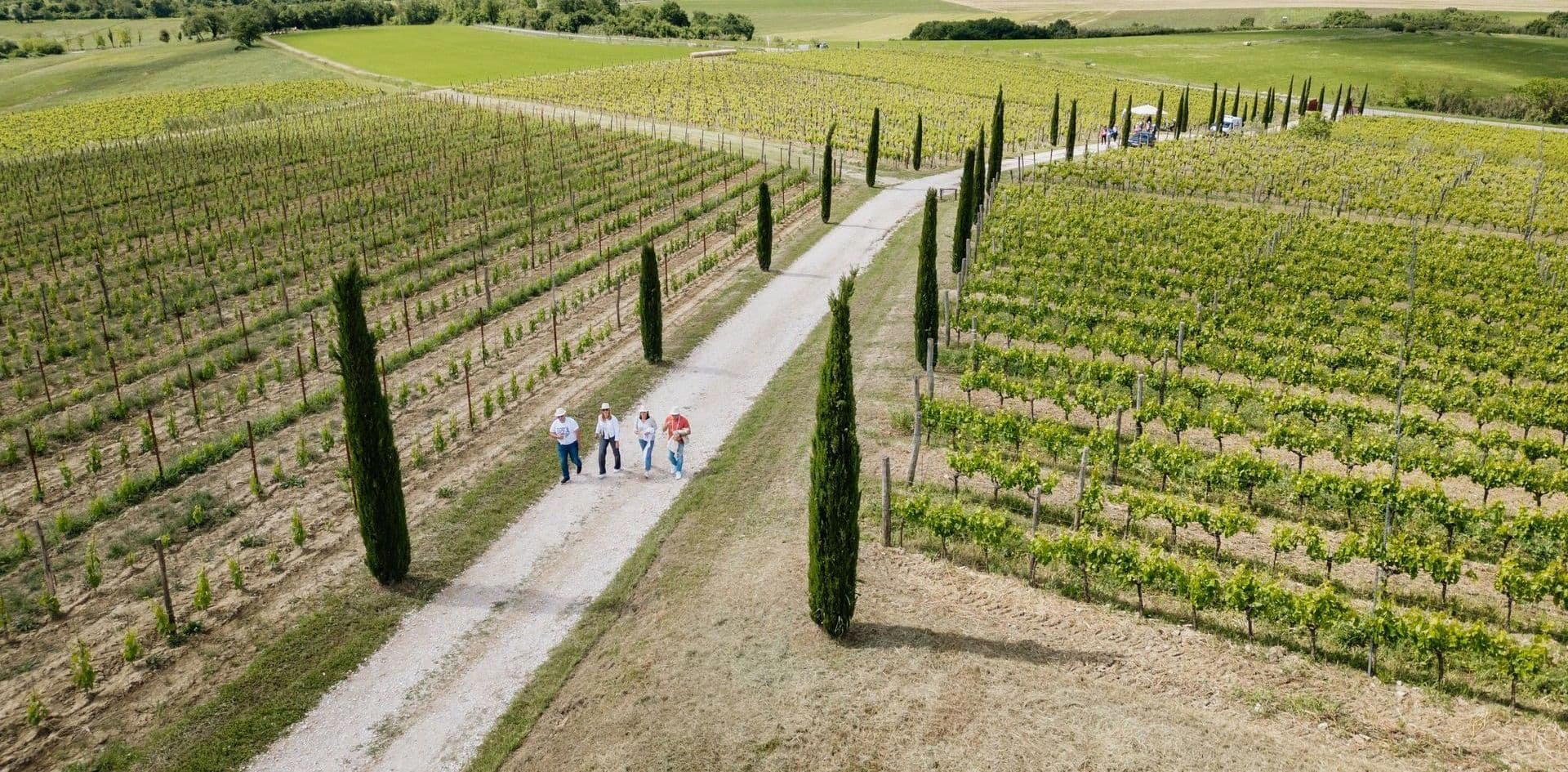
Brtonigla sits on a ridge in the interior of Istria, a peninsula more often plotted on wine maps than restaurant itineraries. The village is compact, a few hundred residents, a cluster of stone buildings, and vineyards pressing in on every side, and that setting shapes how eating here feels. Arriving at San Rocco, at Srednja Ul. 2, you are already inside the logic of Istrian agricultural life: the ingredient and the landscape are practically the same thing. This is not a backdrop for a meal; it is the meal's context.
Contemporary cooking in a location like this carries a specific tension. The cuisine category signals technique, refinement, and a kitchen willing to depart from tradition, while the surroundings insist on rootedness. Across the Istrian interior, the restaurants that hold critical recognition have generally found a way to work that tension productively, treating local produce, truffles from the Motovun forest, olive oil from the Buje area, Malvazija from the surrounding estates, as starting material rather than finished statement. San Rocco's consecutive Michelin Plates in 2024 and 2025 suggest the kitchen is doing exactly that: earning acknowledgement not as a novelty but as a consistent presence in a region that now fields a credible cluster of recognised tables.
Istrian Contemporary Cooking and What It Actually Means
The phrase "contemporary cuisine" is doing real work on the Istrian dining scene. It does not mean fusion in the loose, unanchored sense. In this part of Croatia, contemporary cooking is almost always anchored to the specific larder of the Istrian peninsula: the truffles, the Adriatic fish that reach inland through trade and proximity, the legumes and wild herbs of the karst interior, the cured meats from the village tradition. What changes is the grammar, the techniques applied to those ingredients, the structure of the meal, the precision of the plate.
That approach is visible across the tier of Croatian restaurants earning Michelin recognition. Agli Amici Rovinj in Rovinj applies Italian contemporary technique to Istrian coastal produce at the €€€€ tier. Nebo by Deni Srdoč in Rijeka takes a more architectural approach to the same regional framework. San Rocco operates at €€€, which places it below those coastal flagship addresses in price but not necessarily in ambition. The Michelin Plate designation, awarded for good cooking, sitting one step below a star, is consistent across both years, a signal of quality that has held rather than peaked.
Nationally, Croatia's contemporary dining tier has spread beyond the Dalmatian coast. Pelegrini in Sibenik and Restaurant 360 in Dubrovnik both operate at €€€€ with stronger coastal visibility. Dubravkin Put in Zagreb and Korak in Jastrebarsko show that inland Croatia has its own serious dining culture. Krug in Split, LD Restaurant in Korčula, Boskinac in Novalja, and Alfred Keller in Mali Lošinj round out a national picture where recognised cooking is no longer confined to the headline coastal cities. San Rocco's position in Brtonigla fits that dispersal: Michelin-acknowledged contemporary cooking in a small hill settlement, operating as a destination rather than a convenience stop.
The Cultural Logic of Eating in the Istrian Interior
Istria's food culture has always been layered. The peninsula spent centuries under Venetian administration, absorbed Habsburg influence across its interior, and sits at the intersection of Italian and Croatian culinary grammar. That history shows up at the table. Pasta and risotto coexist with brodet and peka. Italian vocabulary runs through the menus; Croatian ingredient identity runs through the larder. A contemporary kitchen in Brtonigla inherits all of that, and the most interesting version of Istrian cooking is one that holds those layers in view rather than smoothing them into a single, marketable identity.
The truffle, in this context, is both a genuine local product and a cultural signal. The Motovun forest, roughly 20 kilometres south of Brtonigla, produces white truffles that appear in Michelin guides and on menus from Zagreb to New York. At a restaurant like San Rocco, the proximity to that source is structural, not decorative, the kind of advantage that shapes what a kitchen can do seasonally and how it positions itself against peers working from greater distance. Truffle season runs from October into January for white; black truffles extend the calendar through spring and summer. A table timed to those windows is working with the ingredient at its most immediate.
Beyond truffles, the Istrian wine connection matters. Brtonigla is in the Buje sub-region, one of the denser concentrations of wine estates on the peninsula. Malvazija Istarska, the white grape that defines Istrian viticulture, is grown within walking distance of the village. A restaurant at this address has direct access to that wine culture, and the pairing possibilities between contemporary Istrian cooking and the mineral, textural whites from the surrounding estates are among the more specific and interesting in Croatian dining. For visitors building a day or a week around the area, the combination of table and cellar is the argument: our full Brtonigla wineries guide maps the estates worth visiting in detail.
San Rocco in the Brtonigla Context
Brtonigla's restaurant scene is small by design. The village's most prominent traditional address is Morgan, which anchors the classic end of local cooking. San Rocco operates on the contemporary side of that local spectrum, which means the two restaurants are less in competition than they are covering different registers of the same place. A visitor with time could reasonably eat at both across a two-day stay and come away with a coherent picture of what Brtonigla's table actually looks like. For a broader overview of where to eat, stay, and drink in the village, our full Brtonigla restaurants guide covers the full field.
For a village of Brtonigla's scale, that number is significant. It suggests San Rocco is drawing people from the wider peninsula and possibly from coastal base points like Rovinj or Poreč, both within reasonable driving distance of the interior.
Planning Your Visit
San Rocco is at Srednja Ul. 2 in Brtonigla, in the heart of the village. The €€€ price tier places it in the bracket of considered special-occasion dining without the full commitment of Croatia's leading coastal flagships. No booking method is confirmed in available data, so the practical advice is to contact the restaurant directly before arriving, the village setting and limited scale mean walk-ins carry real risk, particularly during peak Istrian season from June through September and again during autumn truffle season. Those planning a wider Istrian trip should also consult our full Brtonigla hotels guide, our full Brtonigla bars guide, and our full Brtonigla experiences guide for a complete picture of the village's offer.
For readers tracking contemporary cooking as a category beyond Croatia, the approach visible in Istria's recognised kitchens connects to what serious contemporary programs are doing in other markets. César in New York City and Jungsik in Seoul both represent the same fundamental premise at higher price points and greater urban density: technique applied to specific ingredient identity, with the place as part of the argument.
Frequently asked questions
What does dinner at San Rocco typically cost?
Pricing at San Rocco is listed as €€€.
Price Lens
| Venue | Cuisine | Price | Awards | Notes |
|---|---|---|---|---|
| San RoccoThis venue (the venue you are viewing) | Contemporary Istrian Mediterranean | $100–150 | Michelin Plate · Falstaff Restaurant - 92 Falstaff Points | Not listed |
| Pelegrini | Modern Dalmatian Fine Dining | $100–150 | 1 Michelin Star · La Liste Top Restaurants | Mediterranean, Modern Cuisine |
| Restaurant 360 | Modern Mediterranean with Asian and French Influences | $200–300 | 1 Michelin Star · La Liste Top Restaurants | International, Modern Cuisine |
| Foša | Modern Seafood | $50–100 | Michelin Plate | Croatian, Classic Cuisine |
| Nautika | Traditional Mediterranean Seafood | $100–150 | Michelin Plate · Star Wine List | Modern European, Classic Cuisine |
| Agli Amici Rovinj | Modern Mediterranean Fine Dining | $200–300 | 2 Michelin Stars · La Liste Top Restaurants | Italian Contemporary |
Recognition history
Dated appearances from independent guides and award organizations, with the underlying list record or original source where available.
Michelin Plate
Michelin · 2026 Michelin Plate
Falstaff Restaurant - 92 Falstaff Points
Falstaff
Full recognition history (4 entries)
Michelin Plate
Michelin
Michelin Plate
Michelin
Continue exploring
More in Brtonigla
Restaurants in Brtonigla
All restaurants in Brtonigla →
Bars in Brtonigla
Browse all →

San Rocco
The wine
- Wine program
- Deep wine list
- Extensive wine list
- Sommelier-led
Details
- Romantic
- Elegant
- Sophisticated
- Intimate
- Date Night
- Special Occasion
- Celebration
- Wine Cellar
- Garden
- Terrace
- Hotel Restaurant
- Historic Building
- Private Dining
- Extensive Wine List
- Sommelier Led
- Farm To Table
- Local Sourcing
- Organic
- Garden
- Vineyard
- Tasting Menu
- A La Carte
- Local Wines
- House Made Olive Oils
- Vegetarian Friendly
- Pescatarian Friendly
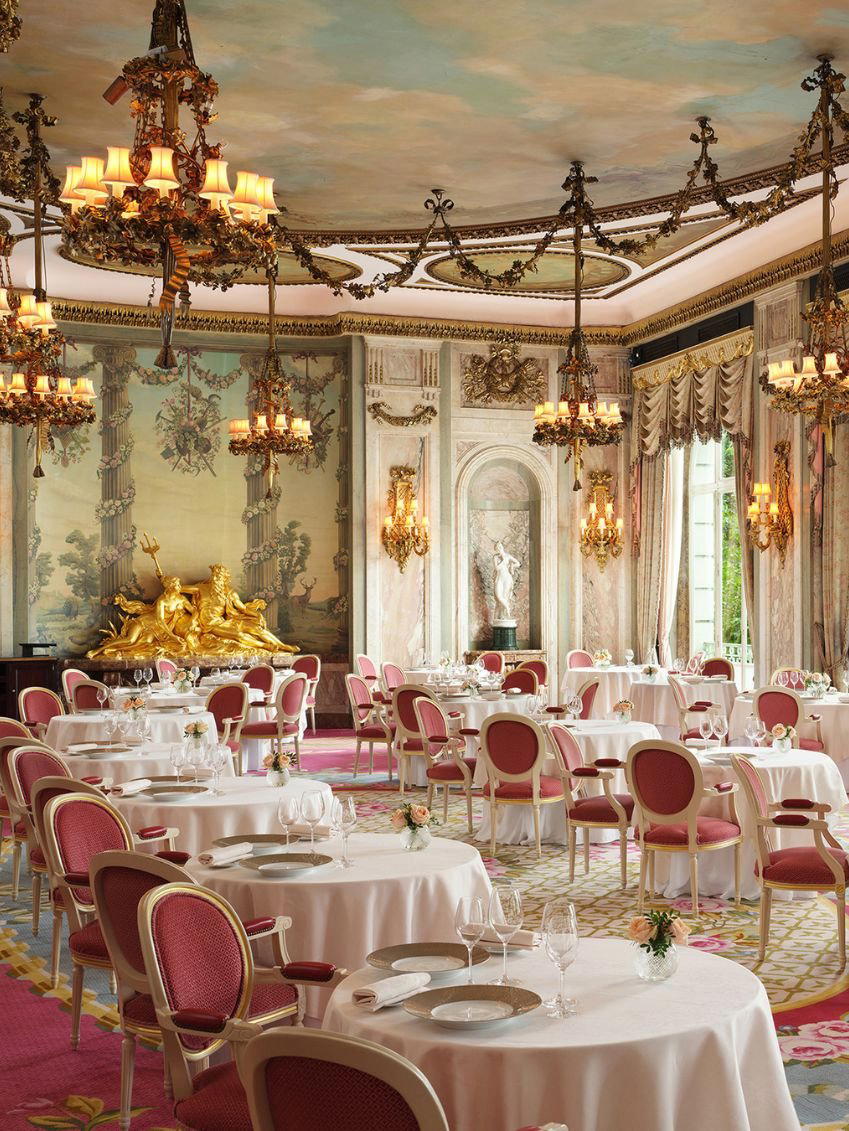
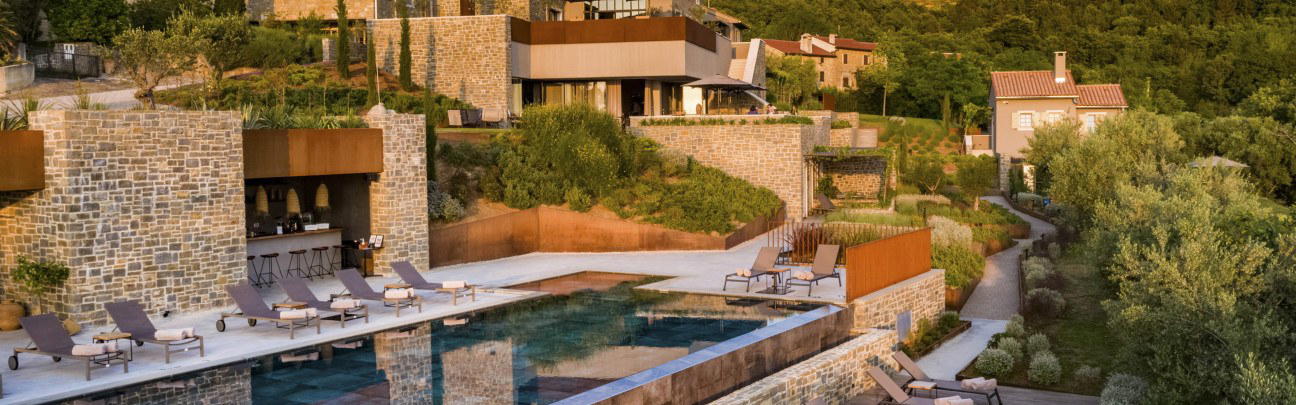
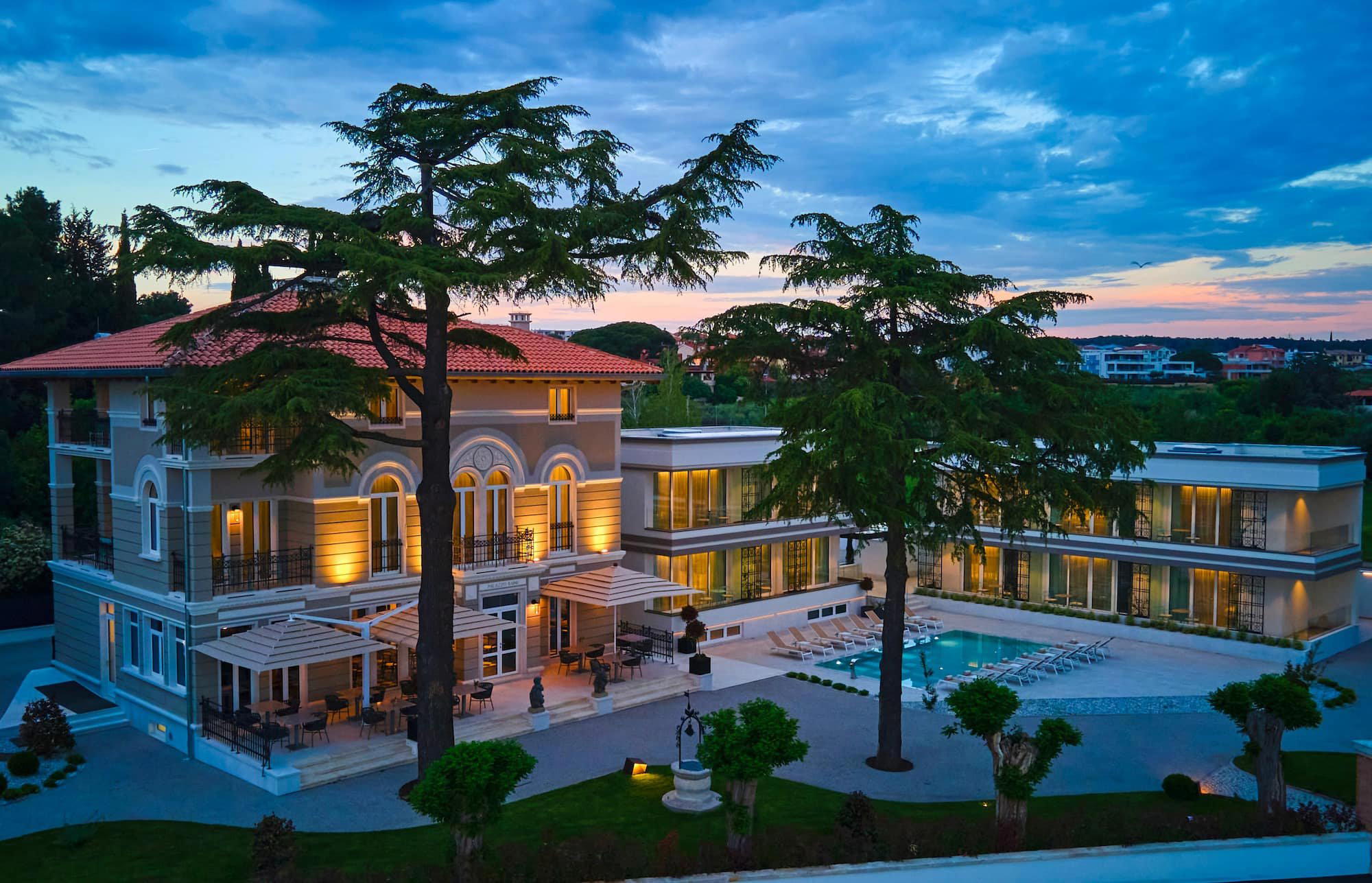
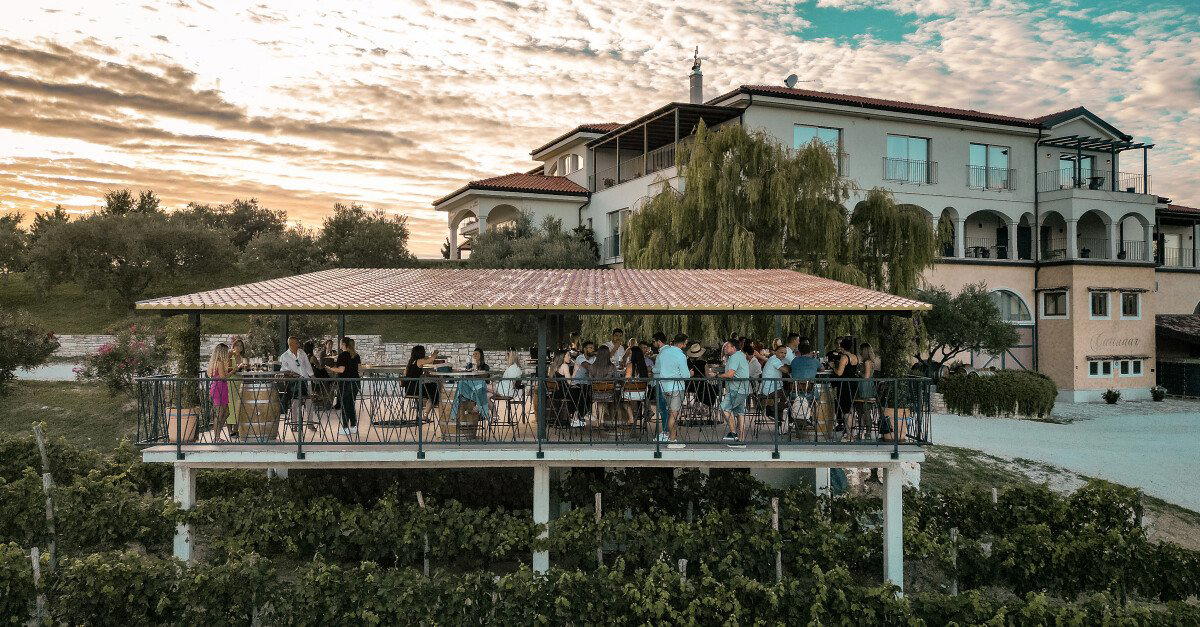
Warm, refined atmosphere in an elegant stone building with romantic lighting; guests describe it as tranquil and cozy with a relaxed but efficient service style. The wine cellar setting and garden terrace create intimate, unhurried dining experiences.