Bistro Noir in Split serves Modern Italian with Carpaccio Noir, Ossobuco with Risotto alla Milanese, handcrafted pasta, and an extensive wine list.
Pearl is the En Primeur Club membership app — saves, bookings, and concierge access live there. Same editors, same standards.
- Address
- Bihaćka ul. 2B, 21000, Split, Croatia
- Phone
- +385912288883
- Website
- noir-restoran.eu
- Directions
- Get directions
 Saves & bookings on Pearl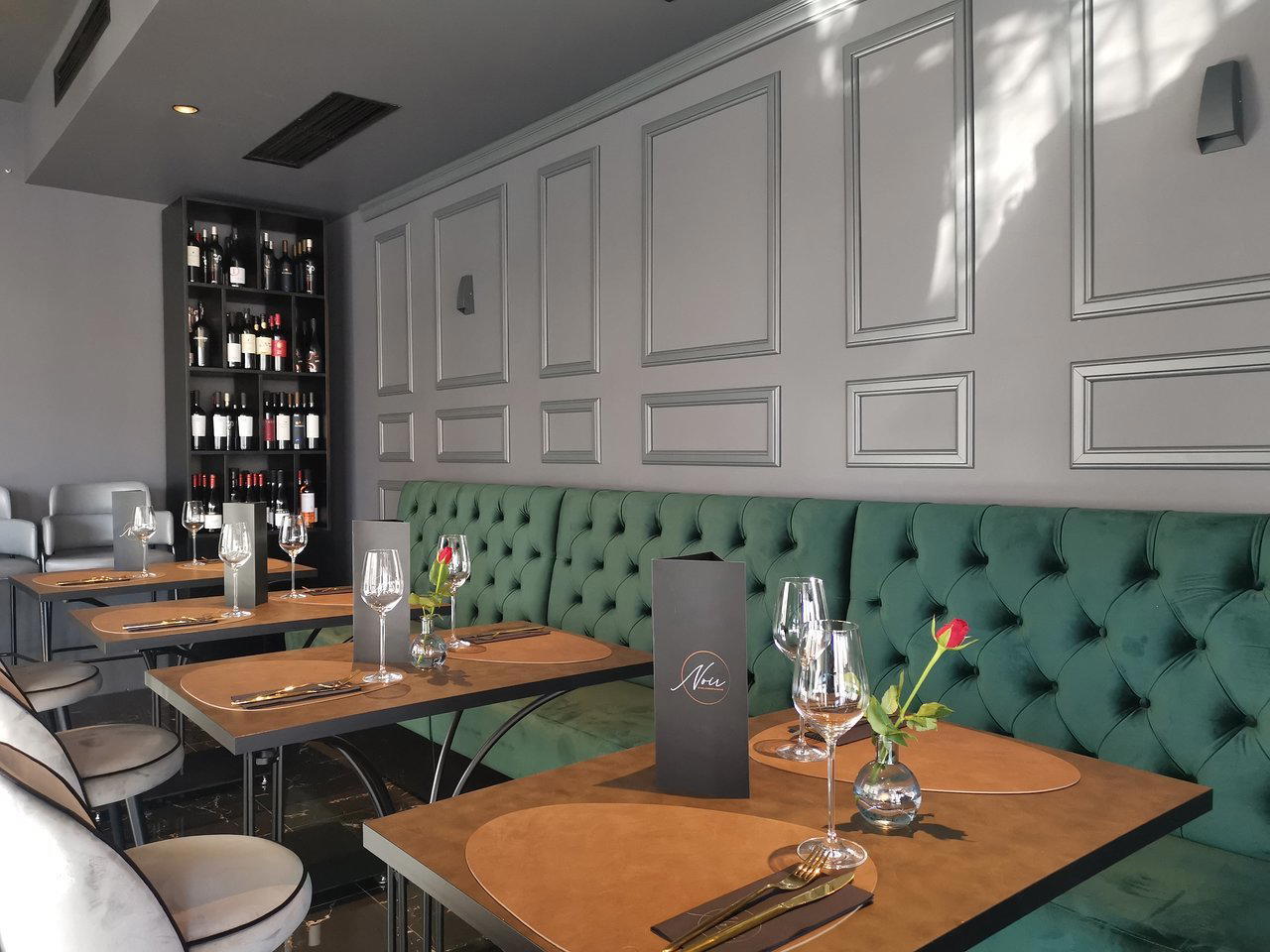
A Darker Corner of Split's Dining Scene
Split's restaurant culture has, in recent years, fractured into two distinct registers. Along the Riva and inside Diocletian's Palace, the pressure to serve tourists quickly and at volume has pushed many kitchens toward safe, predictable menus. A second tier has emerged in the residential streets beyond the old city walls, where lower rents and quieter foot traffic allow for tighter, more considered operations. Bistro Noir, at Bihaćka ul. 2B, occupies that second register. The address alone signals intent: a side street in a part of Split that most short-stay visitors never reach, where the ambient sound is neighbourhood life rather than guided tour commentary.
Approaching on foot, the name functions as both description and promise. Interiors in this category of Dalmatian bistro tend to run dark by design, using controlled light to compress the room and sharpen focus on the table rather than the street. That deliberate narrowing of sensory attention is a choice with culinary logic behind it: when the room recedes, food and conversation move forward. It is a format that has gained traction across Croatia's more serious dining addresses, from Pelegrini in Sibenik to LD Restaurant in Korčula, and Bistro Noir applies the same discipline in Split's residential fabric.
Where Bistro Noir Sits in Split's Competitive Set
Split's mid-range and premium dining options have expanded considerably since the city's tourism infrastructure scaled up through the 2010s. The comparison set now includes Krug, which anchors the Mediterranean fine-dining end at the €€€ tier, and Bokeria Kitchen and Wine, which has built a reputation for wine-forward dining that draws a local as well as tourist crowd. At the more accessible end, Adriatic and Bajamonti POP cover the casual-to-mid bracket with reasonable consistency. Bokamorra has carved out a distinct niche with its wood-fired focus.
The restaurant positions itself apart from all of these through geography and atmosphere rather than any single category claim. The bistro format, when executed with discipline, creates a room that feels local in a city where that quality is increasingly scarce. For visitors who have already worked through the Riva's main options, or residents looking for something that doesn't orient itself around the summer season, the address on Bihaćka represents a different kind of offer.
Croatia's broader fine-dining conversation has shifted substantially, anchored by Michelin recognition at addresses including Agli Amici Rovinj and Nebo by Deni Srdoč in Rijeka, and by destination restaurants like Korak in Jastrebarsko and Boskinac in Novalja that draw from the island and inland wine belt simultaneously. The restaurant operates below that formal tier but draws from the same regional produce logic: Dalmatian coastal kitchens are working with some of the Adriatic's most consistent seafood supply, local olive oil, and wines from Plavac Mali and Pošip that are now attracting serious international attention.
The Sensory Register of a Dalmatian Bistro
The bistro category, as it functions in Split and across coastal Dalmatia, relies on a particular compression of experience. Unlike the large-format konoba, which typically spreads across a stone courtyard and serves volume, the bistro concentrates everything: the menu, the seating, the noise level. What you gain is a room where conversation carries across the table without effort, where the kitchen's decisions are audible in the near-silence between courses, and where the absence of spectacle places all weight on what arrives on the plate.
Dalmatian summer heat means the leading eating in Split often happens after 8pm, when stone walls have shed enough of the day's warmth to make indoor dining genuinely comfortable. The shoulder seasons, April through June and September through October, are when the city's serious kitchens tend to operate at their sharpest: tourist volume is lower, sourcing from the hinterland and the sea is at a seasonal peak, and the pressure to turn tables quickly eases. These are the months when a bistro like this one, with its non-Riva location, rewards a visit most clearly.
For reference on what Croatian coastal kitchens are capable of at the formal end, Restaurant 360 in Dubrovnik and Alfred Keller in Mali Lošinj set the benchmark. Internationally, the technique-driven seafood focus that characterises the Adriatic's premium kitchens finds parallels at addresses like Le Bernardin in New York City, where the same prioritisation of product over intervention shapes the menu. The restaurant operates without those formal credentials, but it shares the geographic advantage that defines all of this region's better cooking: proximity to a fishing supply that most European kitchens would require significant logistics to replicate.
Planning a Visit
Bihaćka ul. 2B is a ten to fifteen minute walk from the core of Diocletian's Palace, which places it at a useful remove from the main tourist circuit without requiring any particular navigational effort. The address sits in a part of Split that functions as a genuine residential neighbourhood, which affects the rhythm of service and the clientele in ways that visitors accustomed to the Riva's more transactional dining will notice immediately. For the broader context of where to eat across the city,
Given the format and location, walk-ins are more viable here than at Split's busier tourist-facing addresses, though arriving early in the evening reduces the risk of a full room.
Visitors moving along the Adriatic coast will find useful comparisons at San Rocco in Brtonigla and Dubravkin Put in Zagreb, both of which operate in the same register of considered, non-spectacular dining that rewards attention rather than demanding it. For those arriving from or departing to San Francisco or New York, where the Lazy Bear format has made communal, atmosphere-driven dining a premium category in its own right, the contrast with the restaurant's quieter model makes for an instructive comparison in how different cities resolve the same problem: how to make a room feel like it belongs to its neighbourhood rather than to its booking list.
Similar Picks
Comparable venues nearby, for context on price, style, and recognition.
| Venue | Cuisine | Price | Notes |
|---|---|---|---|
| Bistro NoirThis venue — the venue you are viewing | Modern Italian | $$ | Not listed |
| Bota Šare Split | Dalmatian-Japanese Fusion Sushi & Oysters | $$ | Split Old Town |
| Pandora Greenbox | Plant-Based Mediterranean | $$ | Old Town |
| Bokamorra | Haute Couture Neapolitan Pizza & Cocktails | $$ | Meje |
| Konoba Fratelli | Italian-Croatian Mediterranean | $$ | Siriščevića |
| Oš Kolač - Artisan Cakes and Pastries | Artisan Pastries & Modern Desserts | $$ | Old Town Split |
Continue exploring
More in Split
Restaurants in Split
Browse all →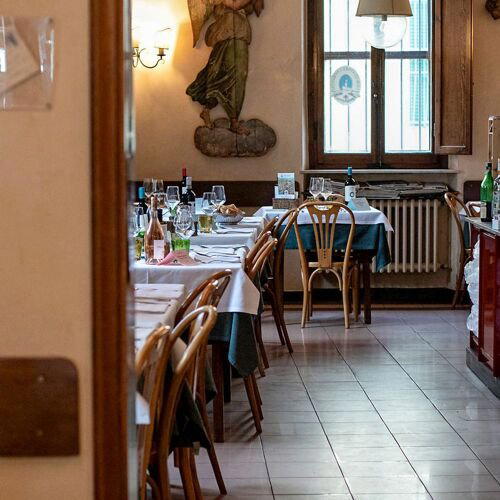
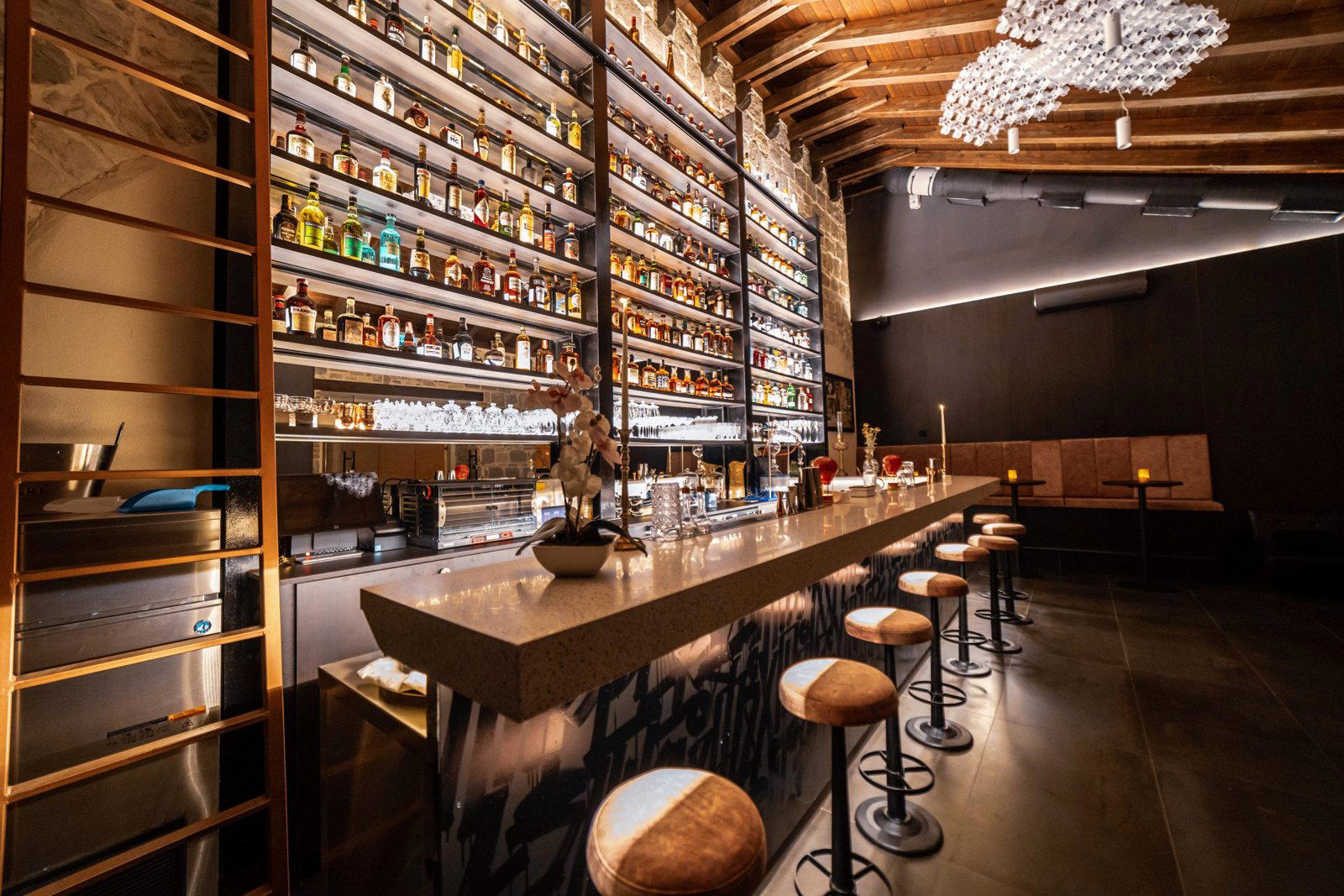
Bars in Split
Browse all →
Hotels in Split
Browse all →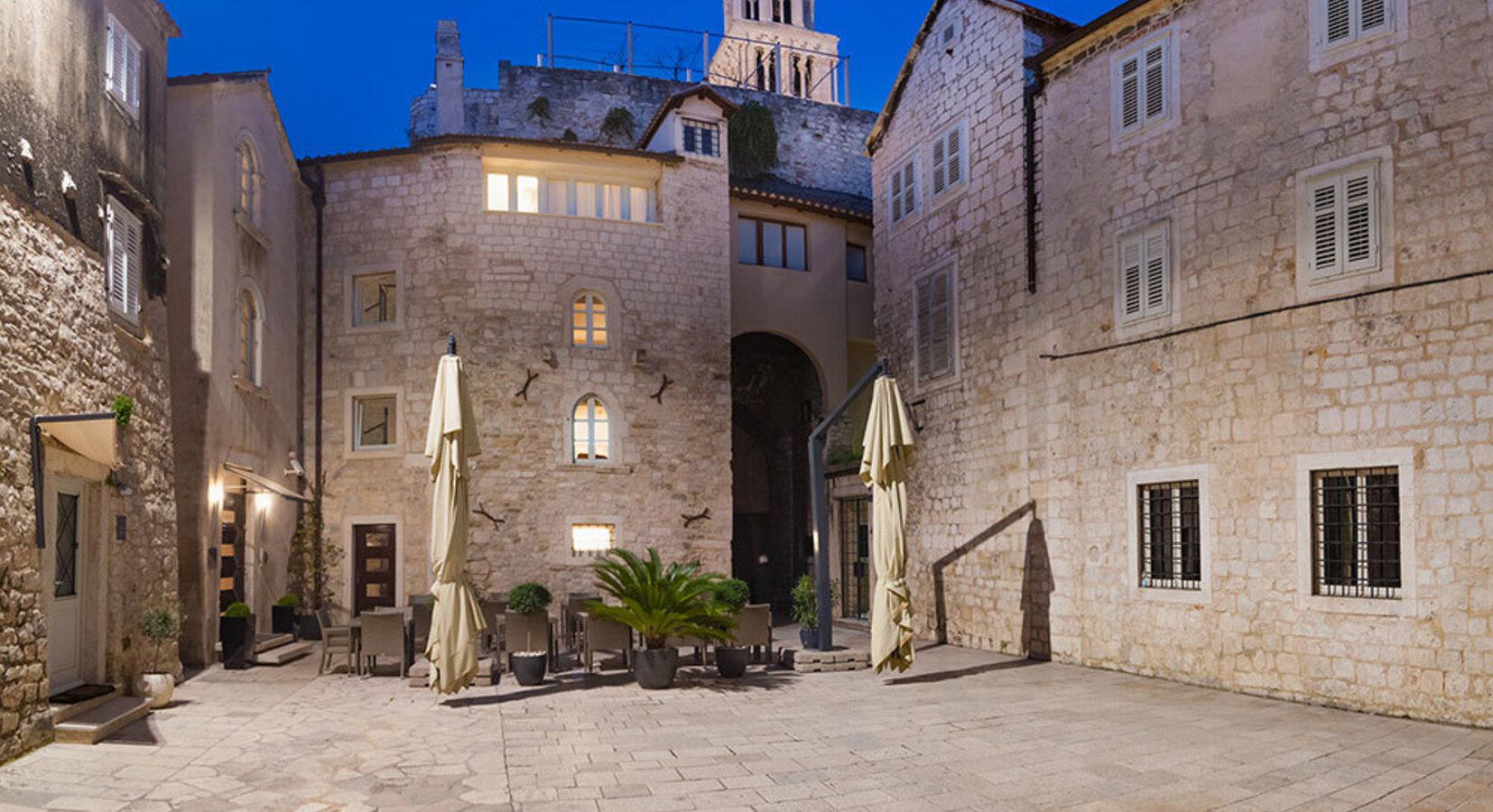

At a Glance
- Elegant
- Romantic
- Intimate
- Sophisticated
- Cozy
- Date Night
- Brunch
- Late Night
- Live Music
- Extensive Wine List
Current opening hours
- Monday
- 8 AM–12 AM
- Tuesday
- 8 AM–12 AM
- Wednesday
- 8 AM–12 AM
- Thursday
- 8 AM–12 AM
- Friday
- 8 AM–12 AM
- Saturday
- 8 AM–12 AM
- Sunday
- Closed
Hours can change for holidays and private events. Last verified .
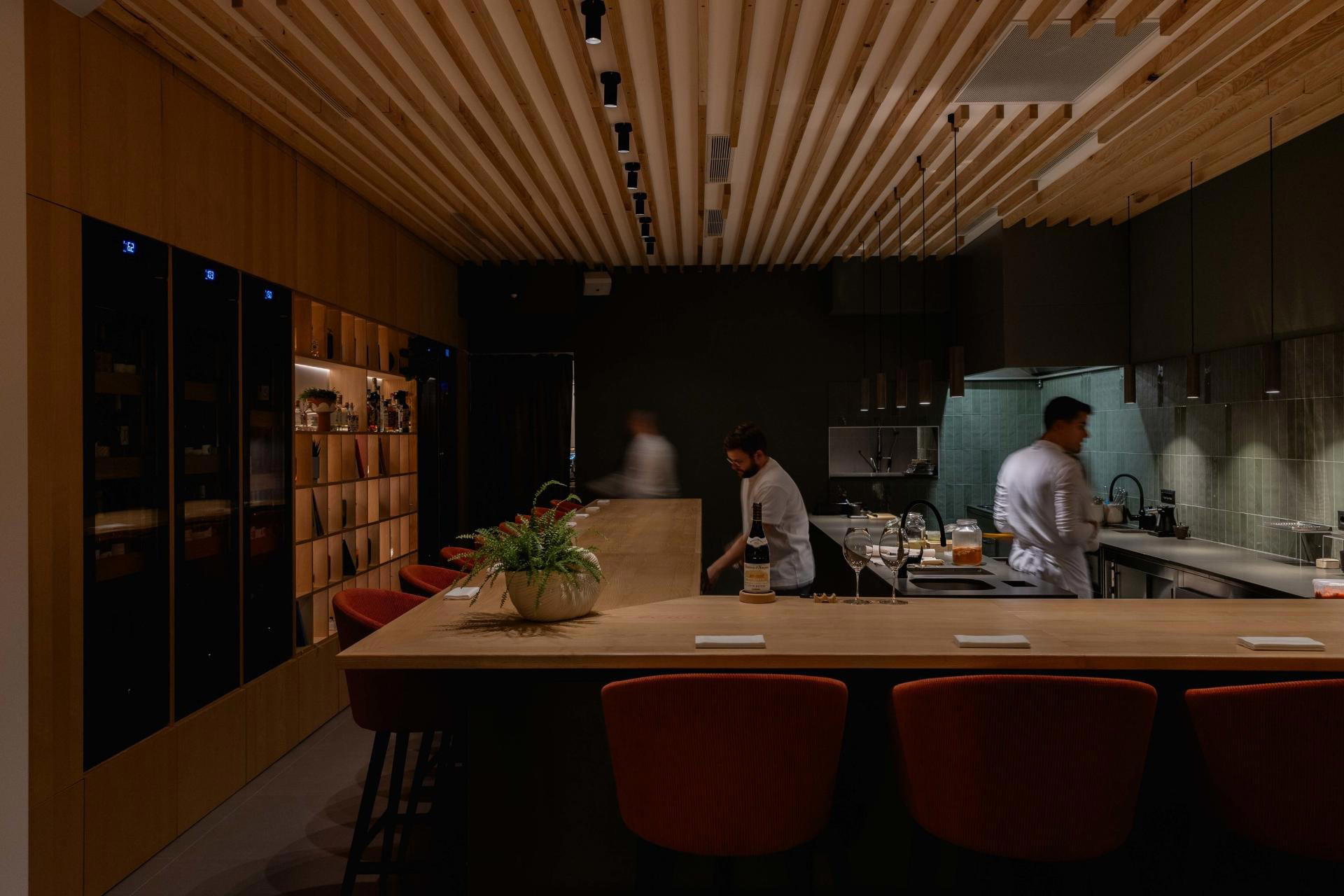
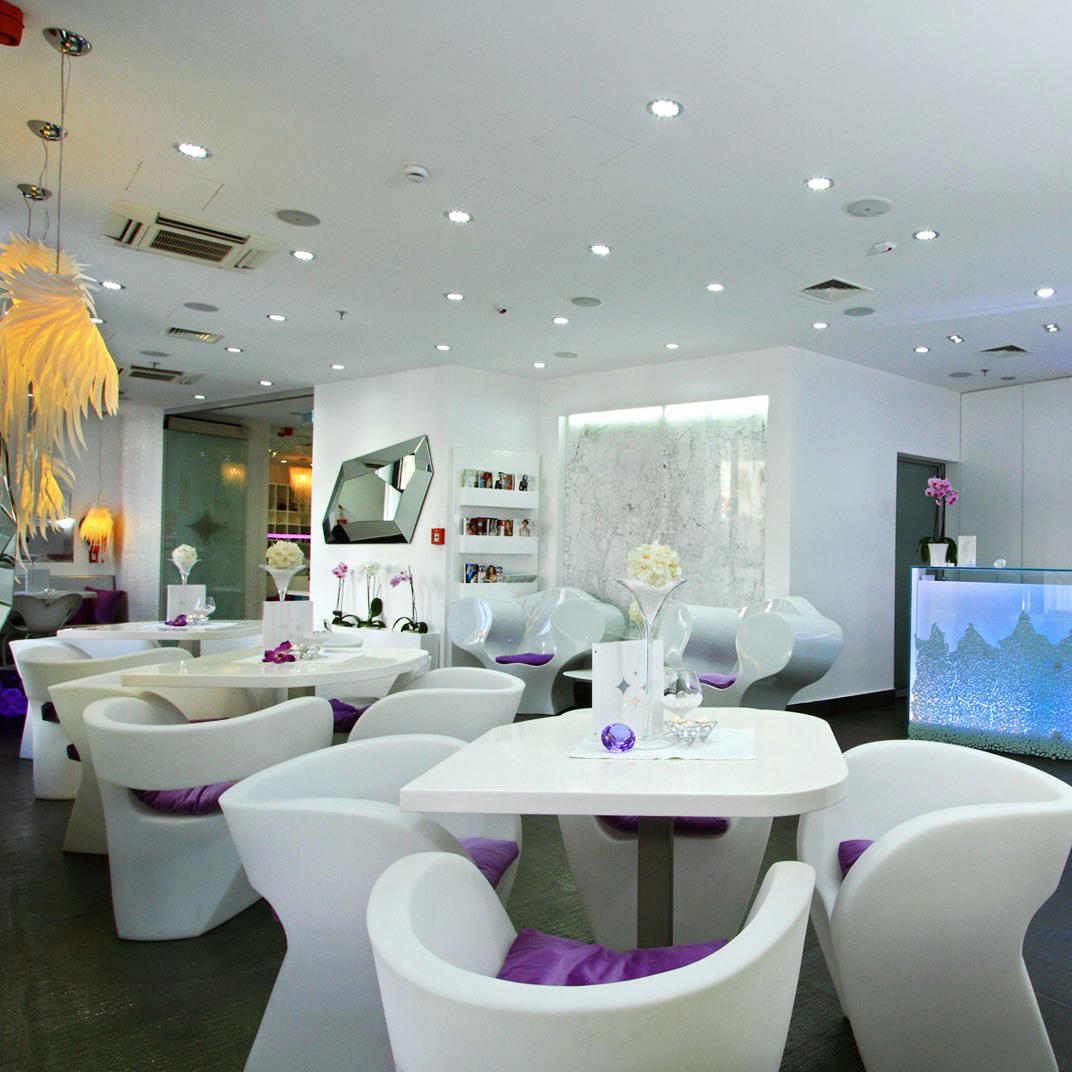
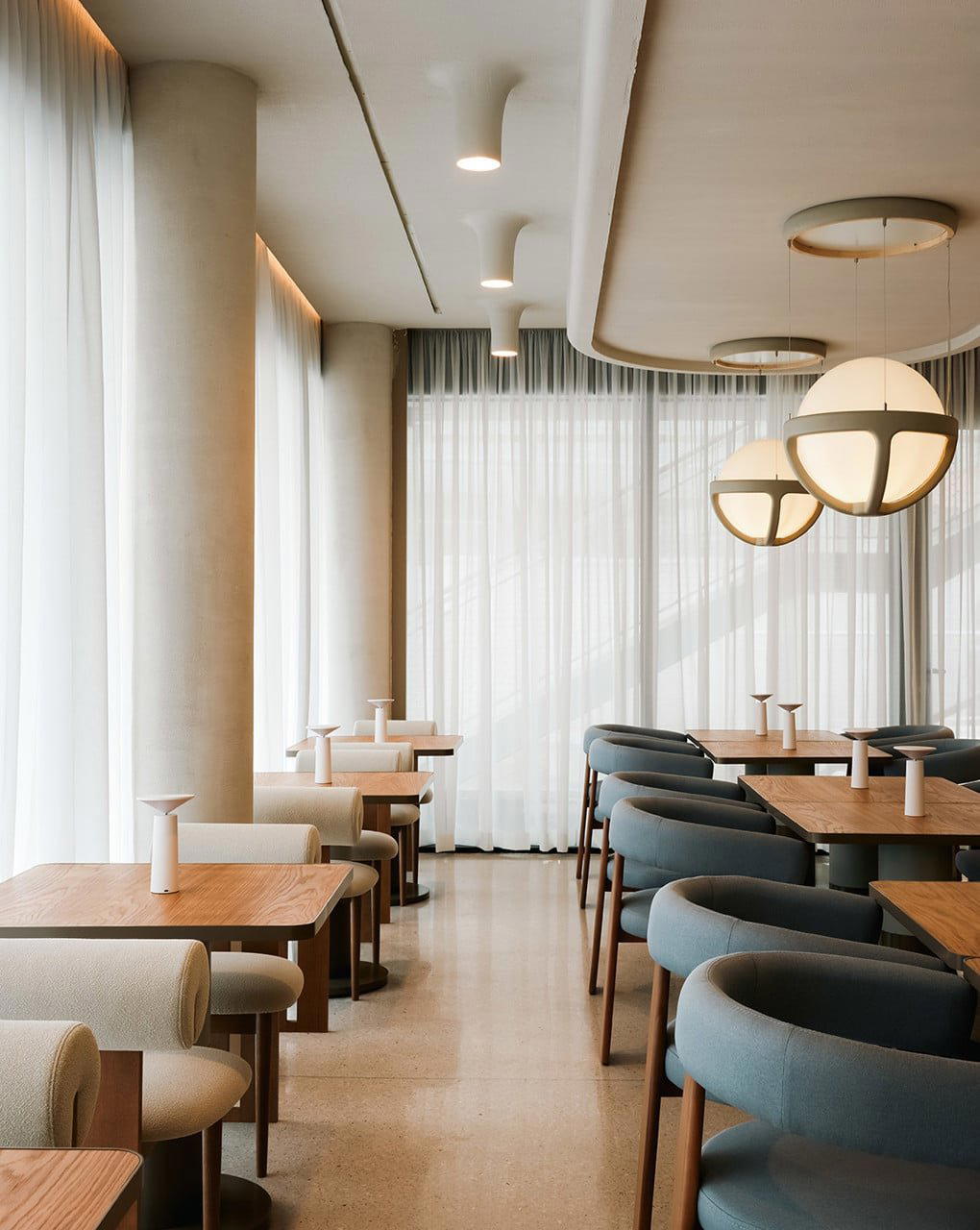
Dark, muted colors with softly shimmering light create an elegant and sophisticated atmosphere.