Vi Vadi cucina italiana on Marsstraße places Italian dining customs at the centre of the meal, from the pacing of courses to the texture of the room itself. Located a short walk from Munich's main rail hub, it represents the quieter end of the city's Italian restaurant spectrum, where the ritual of eating matters as much as what arrives on the plate. Practical details including booking and hours are best confirmed directly with the venue.
Pearl is the En Primeur Club membership app — saves, bookings, and concierge access live there. Same editors, same standards.
- Address
- Marsstraße 6, 80335 München, Germany
- Phone
- +498954506767
- Website
- vivadi.de
- Directions
- Get directions
 Saves & bookings on Pearl
Italian Table Rituals in a German City
Munich's relationship with Italian food runs deeper than the obvious proximity to Austria and the Alps. For decades, the city has supported a tier of Italian restaurants that take their cues less from Bavarian appetite and more from the pacing and formality of a Roman or Milanese lunch, courses arriving with deliberate spacing, wine poured without hurry, conversation expected to outlast the dessert plate. Vi Vadi cucina italiana is a classic Italian trattoria with Sicilian influences in Munich, priced around $25 per person. Vi Vadi cucina italiana, on Marsstraße in the Maxvorstadt-adjacent zone west of the Hauptbahnhof, occupies that register. The address is not one of Munich's showpiece dining streets, but that is partly the point: Italian restaurants in this city that earn sustained local loyalty rarely need to be.
The area around Marsstraße 6 is transitional Munich, close enough to the station to feel urban and pressured, but a few blocks removed from the tourist circuits that animate Marienplatz and the old town. Walking toward the restaurant, you move through a neighbourhood of mid-century apartment blocks, small professional offices, and the kind of corner shops that serve residents rather than visitors. The physical approach matters because it sets expectation: this is not a destination restaurant in the grand-occasion sense that Munich's Michelin tier delivers. It is, instead, the kind of room where the ritual of the Italian meal is the point.
How the Italian Meal Reads in Munich's Dining Ecosystem
Italian cuisine holds an unusual position in Munich. At the leading end, restaurants like Acquarello have held Michelin recognition for Italian-Mediterranean cooking, demonstrating that the city's fine dining infrastructure extends beyond its dominant French and Creative categories. The Michelin-starred tier in Munich is led by rooms like JAN, Tantris, Alois - Dallmayr Fine Dining, and Atelier, all operating at the €€€€ level with tasting-menu formats and structured service choreography. Tohru in der Schreiberei represents another direction entirely, fusing German and Japanese frameworks at the same price tier.
Vi Vadi cucina italiana is not competing in that bracket. It sits in the larger, less formally classified middle of Munich's Italian restaurant scene, a category that, across Germany's major cities, often produces consistent and least self-conscious dining. The logic is direct: without the pressure of tasting-menu theatre, Italian cooking in Germany tends to fall back on what it does structurally well. Antipasti that function as genuine openers rather than architectural statements. Pasta cooked to a texture that reflects how the dish is actually eaten in its region of origin. A secondi course that arrives with enough space around it to be the focal point it was designed to be. This is the grammar of the Italian meal, and restaurants that follow it without deviation are, in Munich's mid-market, more rare than they should be.
The Pacing of the Meal as the Experience Itself
What distinguishes Italian dining as a tradition, and what the leading Italian restaurants in Central Europe manage to transfer, is the relationship between time and hunger. The antipasto is not a prologue to be hurried through. The primo, typically pasta or risotto, is a course in its own right, not a bridge to the meat. The secondi arrives when the table is ready for it, not when the kitchen is. This sequencing, which Italian dining culture treats as self-evident, requires active management in a German city where dining habits lean toward efficiency and the general European trend toward shorter, denser meals has compressed many menus into formats that collapse traditional Italian structure.
Across Germany's fine dining circuit, from Aqua in Wolfsburg to Schwarzwaldstube in Baiersbronn and Vendôme in Bergisch Gladbach, the dominant format is the tasting menu, where pacing is controlled by the kitchen and the experience is engineered from start to finish. Italian dining resists this model instinctively. The meal is meant to be negotiated by the diner, a conversation between appetite and menu, not a presentation delivered at the kitchen's discretion. Restaurants that hold this position are doing something culturally specific, and in a city like Munich, where the high-end dining culture has largely adopted the tasting-menu framework, that specificity carries weight.
Marsstraße in Context: What the Location Signals
The address on Marsstraße places Vi Vadi cucina italiana in the practical geography of central Munich rather than its prestige geography. The main railway terminus is within walking distance, which makes the restaurant accessible from across the city and from arriving travellers with a short window before or after a train. This is a different kind of utility from the destination restaurants that cluster around Maximilianstrasse or the Altstadt, where the address itself is part of the experience. On Marsstraße, the restaurant earns its place by the quality of what it delivers inside, not by association with a prestigious postcode.
Germany's Italian Restaurant Scene: A Broader Frame
Italian restaurants operate across every tier of Germany's dining culture, from casual neighbourhood trattorie to Michelin-starred rooms like those found in cities with concentrated fine dining populations. The mid-market Italian restaurant in a German city performs a specific social function: it is the default choice for business lunches, long family dinners, and the kind of mid-week meal where the point is presence at a table rather than a cooking demonstration. Venues that hold this position with consistency, reliable pasta, a wine list that reflects actual Italian regional production rather than a generic house selection, service that reads the table correctly, tend to build loyal local followings that do not depend on awards or press coverage to sustain them.
In that context, comparing Vi Vadi to the German fine dining circuit, rooms like ES:SENZ in Grassau, Victor's Fine Dining by Christian Bau, Waldhotel Sonnora in Dreis, Restaurant Haerlin in Hamburg, Schanz in Piesport, Bagatelle in Trier, or CODA Dessert Dining in Berlin, is a category error. The competitive set is local, neighbourhood-level, and built on repeat custom. The international reference frame, if one is needed, runs closer to the direct cucina italiana model that cities like New York maintain at the mid-tier, where venues like Le Bernardin and Atomix define stronger examples from a different register entirely.
Planning a Visit
The restaurant is located at Marsstraße 6, 80335 Munich, accessible on foot from Munich Hauptbahnhof in under ten minutes. Current hours and reservation details are best confirmed directly with the restaurant before visiting. Reservations are recommended, especially for dinner and weekends.
Cost and Credentials
Comparable venues nearby, for context on price, style, and recognition.
| Venue | Cuisine | Price | Notes |
|---|---|---|---|
| Vi Vadi cucina italianaThis venue — the venue you are viewing | Not listed | $$ | Not listed |
| Dal Cavaliere | Not listed | $$ | Haidhausen, Authentic Italian Pizza and Pasta |
| De Vivo's | Not listed | $$ | Thalkirchen, Traditional Italian with Fresh Seafood |
| Trattoria Lia | Pipping, Authentic Italian Trattoria | $$ | Not listed |
| Dr. Drooly | Theresienwiese, Vegan Neapolitan Pizza | $$ | Not listed |
| Trattoria Pizzeria La Valle | Not listed | $$ | Altstadt, Traditional Italian Trattoria & Wood-Fired Pizza |
At a Glance
- Cozy
- Elegant
- Classic
- Date Night
- Business Dinner
- Casual Hangout
- Open Kitchen
- Extensive Wine List
Current opening hours
- Monday
- 11:30 AM–10:30 PM
- Tuesday
- 11:30 AM–10:30 PM
- Wednesday
- 11:30 AM–10:30 PM
- Thursday
- 11:30 AM–10:30 PM
- Friday
- 11:30 AM–10:30 PM
- Saturday
- 6–10:30 PM
- Sunday
- Closed
Hours can change for holidays and private events. Last verified .
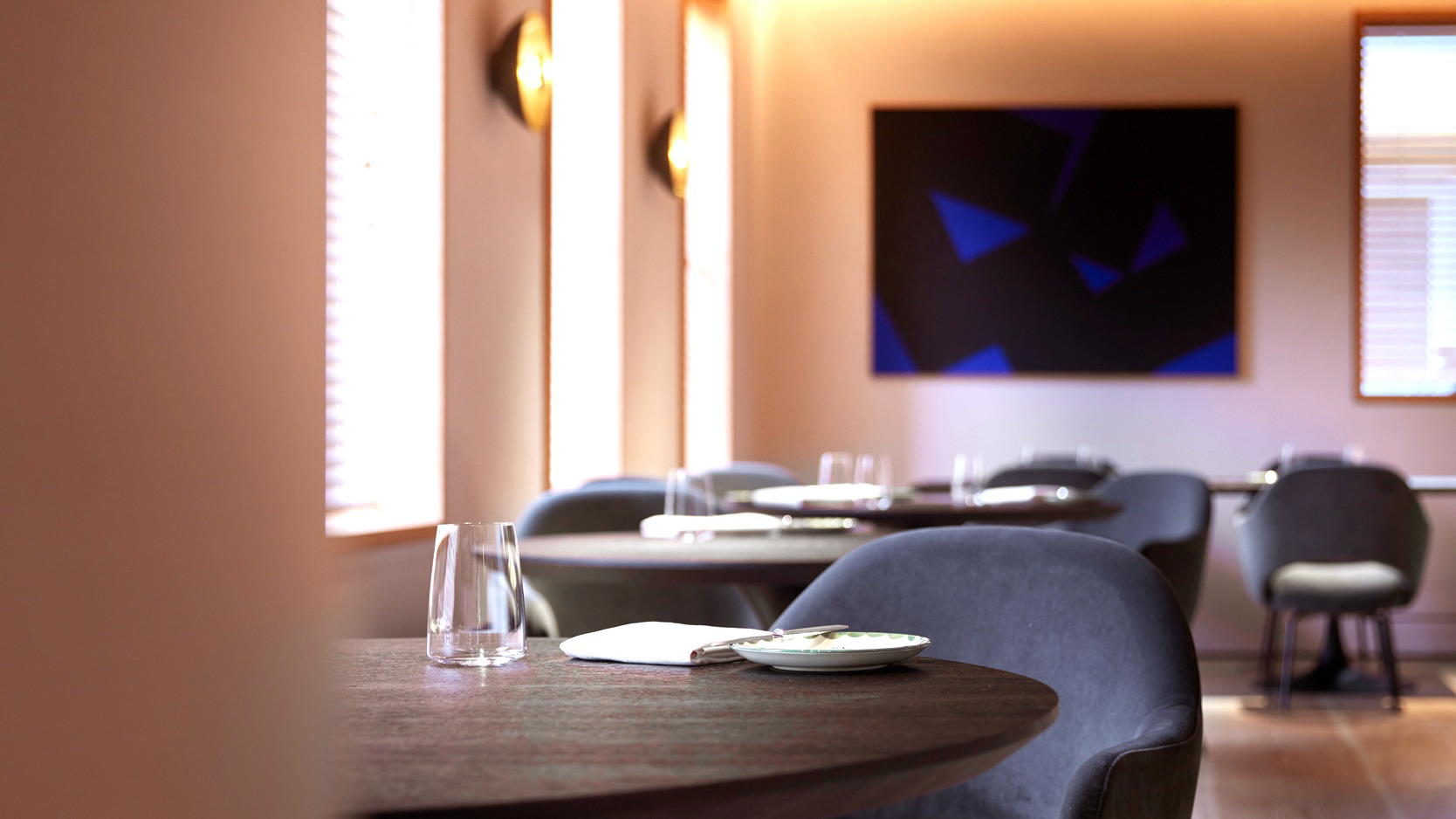
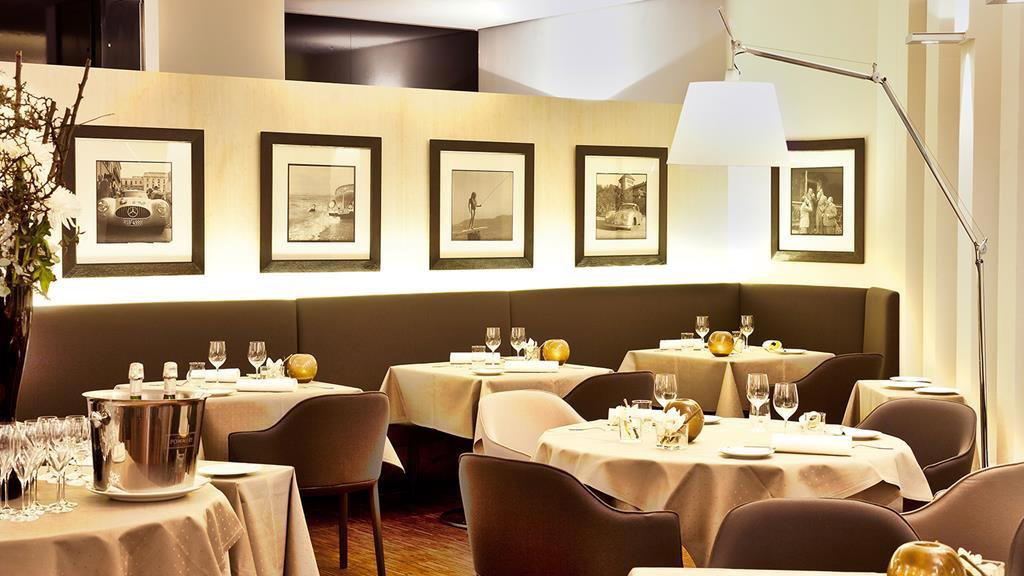
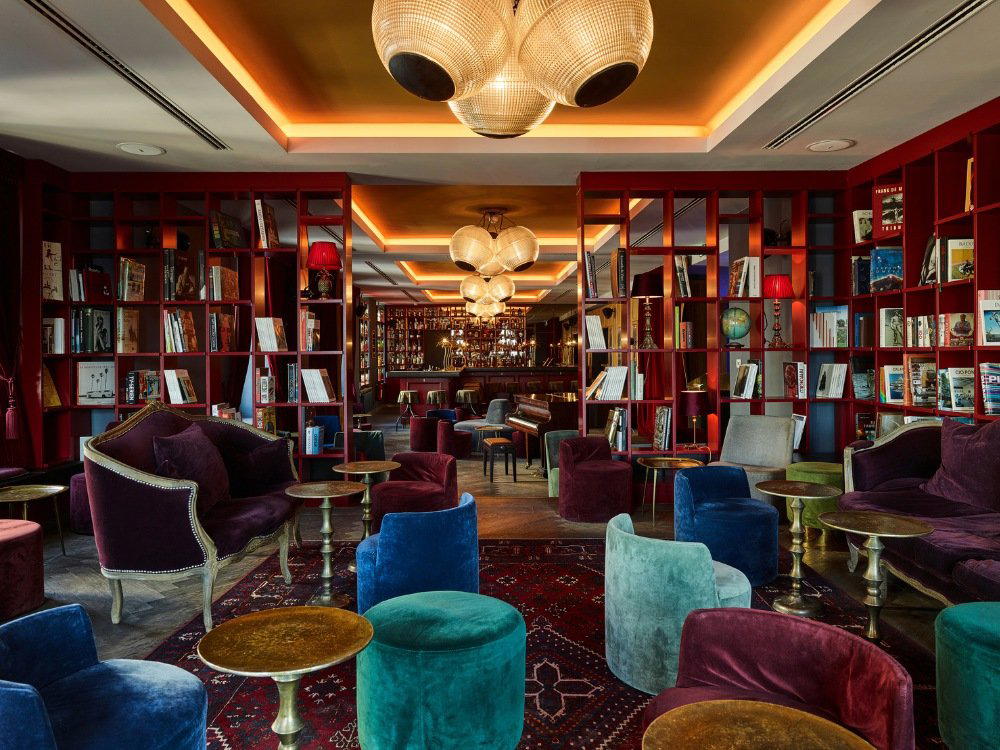
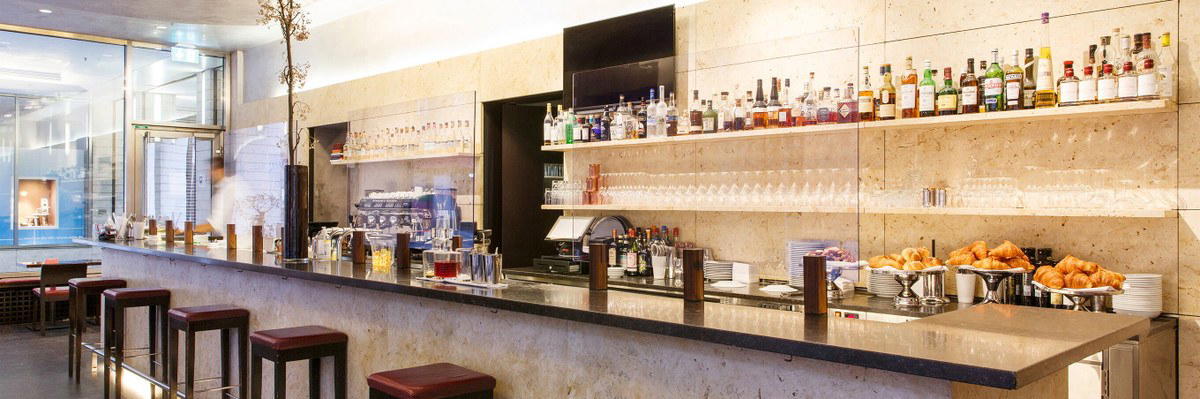
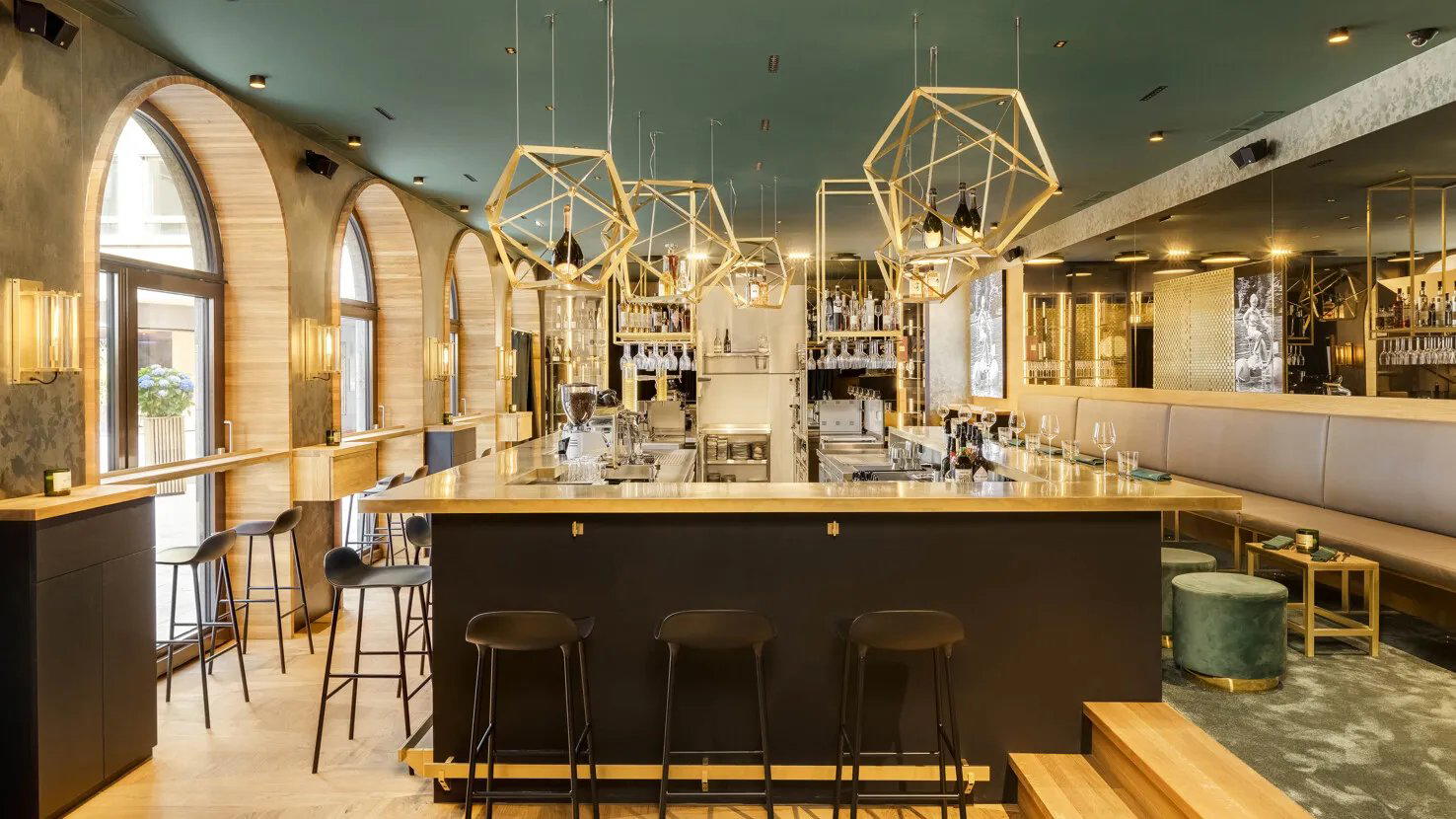
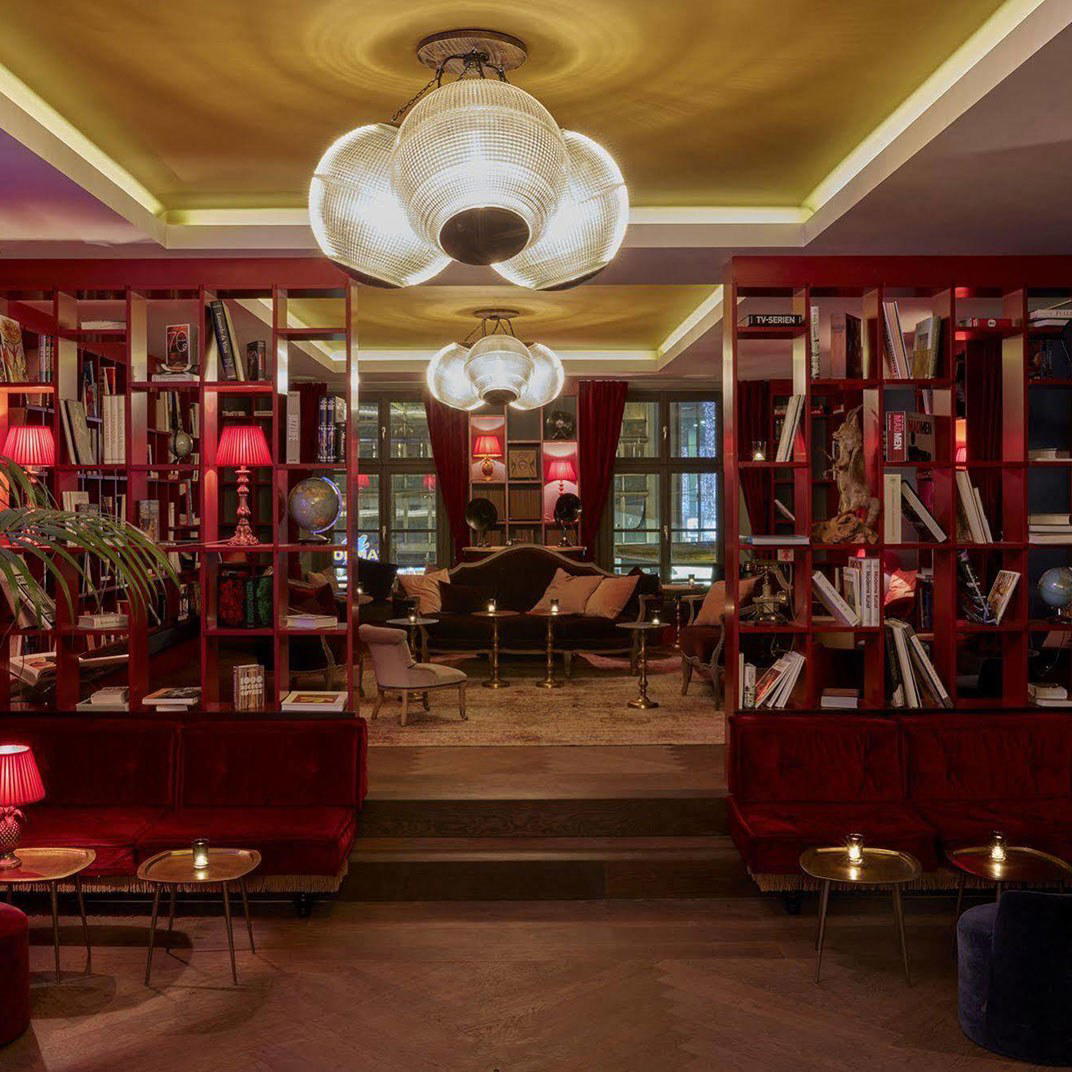
Comfortable and elegant with candlelit dinners creating a cozy, romantic feel.