



Michelin Guide New Hotels New Hotel · Michelin Selected · Mr & Mrs Smith Seal of Approval
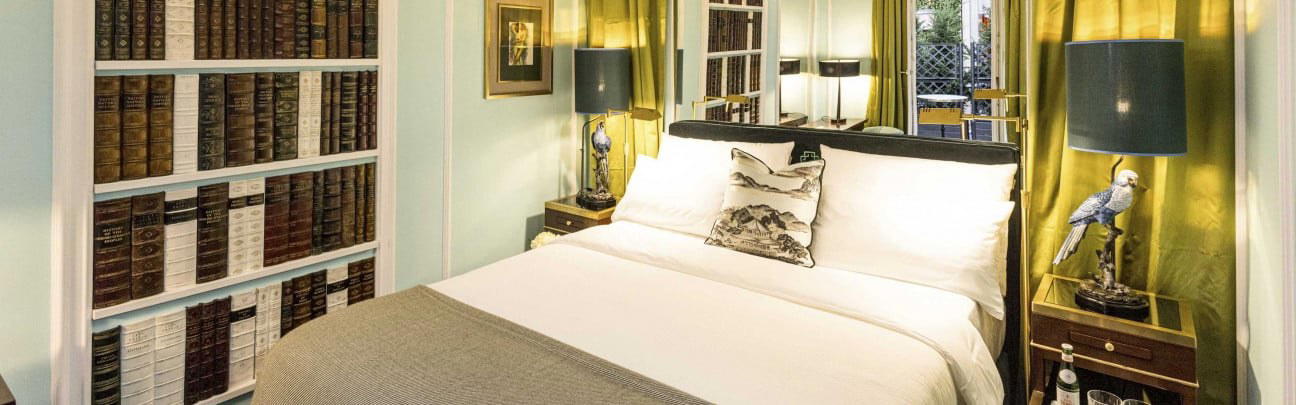
In Munich's Altstadt, House of Hütter - Münchner Kindl occupies a category apart from the city's larger luxury addresses: a boutique property where Bavarian character is expressed through colour, personality, and a deliberately personalised approach to hospitality. Where many city-centre hotels default to understated neutrality, this one takes the opposite position, making it a reference point for travellers seeking something with a defined point of view.

Pearl is the En Primeur Club membership app, where members save venues, book tables and use the concierge.
A Different Register of Munich Luxury
Munich's premium hotel market has long been anchored by properties that trade in polished restraint: the Mandarin Oriental Munich, the Rocco Forte Charles Hotel, the Rosewood Munich. These are properties that arrive pre-loaded with international brand architecture, where the design language is deliberately neutral enough to travel across cities without friction. House of Hütter - Münchner Kindl sits at a different coordinate on that map. Located at Damenstiftstraße 16 in the Altstadt, it operates as a boutique property where the aesthetic position is not neutrality but specificity: Bavarian character rendered through maximalist design, saturated colour, and an intimacy of scale that larger addresses structurally cannot replicate.
The distinction matters because Munich has a tendency to produce hotel experiences that feel interchangeable with Frankfurt or Hamburg. Its competitive references are properties like the Cortiina Hotel and the BEYOND by Geisel rather than the international flagships.
What the Design Communicates
In European boutique hospitality, the maximalist approach carries specific risks. Done without editorial control, it tips into clutter. Done well, it functions as a legible argument about place and identity. The description of House of Hütter - Münchner Kindl as brimming with colour and life suggests the latter: a property that has made deliberate choices about visual density rather than defaulting to the beige-and-linen palette that has come to define so much of the mid-to-upper hotel market across Germany and beyond.
That aesthetic choice has critical implications. Properties that commit to a strong visual identity tend to polarise opinion sharply: they attract guests who find the neutral international style dissatisfying and repel those who prefer consistency across stays. The trade-off is that the ones who choose them tend to choose them deliberately, which produces a different quality of guest relationship than a property chosen for brand familiarity. House of Hütter - Münchner Kindl's documented emphasis on personalisation from the moment of booking suggests it is oriented toward precisely that kind of intentional traveller.
For context on where Munich boutique properties sit relative to the German luxury tier more broadly, it is worth noting that the country's most recognised small-scale properties, from Schloss Elmau Luxury Spa Retreat and Cultural Hideaway in Elmau to Hotel Bareiss in Baiersbronn, have built their reputations on a clarity of offer rather than breadth of facilities. House of Hütter follows that model, concentrating on identity and atmosphere rather than competing with the amenity stacks of full-service five-stars.
Bavarian Flair as a Genuine Design Thesis
The phrase "Bavarian flair" gets used loosely across Munich's hospitality sector, often as a shorthand for a few antlers on the wall or a Weissbier on the minibar. What the documentation of House of Hütter - Münchner Kindl implies is something more considered: a property where the regional identity has been worked through as a design thesis rather than applied as surface decoration. That distinction separates it from hotels that gesture at local character while remaining functionally international in feel, a category that describes most of the Andaz Munich Schwabinger Tor and Bayerischer Hof Munich tier.
Maximalist properties with a defined regional identity are a small sub-category within European boutique hospitality. The ones that have attracted sustained editorial attention, from certain Lisbon pensões to small Venetian palazzi, share a tendency to photograph well and generate strong word-of-mouth precisely because they resist easy categorisation. House of Hütter - Münchner Kindl's documented character places it in that conversation, though its actual critical standing within Munich's boutique market is something that emerges from direct experience rather than from any single award or rating.
Altstadt Location and What It Means Practically
Damenstiftstraße 16 puts the property in the Altstadt-Lehel district, Munich's historic core. This is not a neighbourhood that needs much introduction: it is within walking distance of the Marienplatz, the Viktualienmarkt, and the principal shopping streets around Kaufingerstraße. For a boutique property, proximity to the city centre carries a specific logic. Guests are not relying on the hotel's own programming to fill their time; they are positioned to engage with the city on their own terms, with the property functioning as a considered base rather than a destination in itself.
That positioning suits the property's apparent character. A maximalist boutique with a strong personality tends to work better as a place guests return to rather than a place they stay inside. The Do and Co Hotel Munich occupies a comparable logic, using a central location to anchor a distinctive property without needing to manufacture reasons for guests to remain on-site.
Travellers planning a broader Germany itinerary might also consider how House of Hütter slots into a sequence of properties that prioritise personality over scale: Bülow Palais in Dresden, Breidenbacher Hof Düsseldorf, and Excelsior Hotel Ernst in Cologne each represent a different city's answer to the same question of what independent or design-led luxury looks like outside Berlin. Hotel de Rome in Berlin offers a further reference point for travellers benchmarking across the German market.
Planning a Stay
Specific room categories, pricing, and booking procedures are best confirmed directly with the property, as these details change seasonally and the available documentation does not include current rate structures. What is documented is the hotel's orientation toward a personalised guest experience beginning at the booking stage, which suggests that direct contact with the property is likely to yield more tailored guidance than third-party booking platforms. For travellers who have previously stayed at properties like Gut Steinbach Hotel Chalets Spa in Reit im Winkl or Das Kranzbach Hotel and Wellness Retreat in Kranzbach, the approach will feel familiar: a small-scale property where the team has enough bandwidth to respond to individual guests rather than processing arrivals at volume.
Munich's hotel market is under consistent pressure during major events, particularly Oktoberfest in late September and early October, the IAA Mobility trade fair in September in odd-numbered years, and the Christmas market season in December. Boutique properties with limited rooms fill earlier than large hotels during these windows, and rates adjust accordingly. Outside those peaks, the Altstadt location means the property is well-placed for the kind of mid-week city visit that larger Munich hotels often treat as secondary to weekend and event business.
For a broader view of where this property sits within Munich's dining and hospitality scene, our full Munich restaurants guide maps the city's food culture with the same editorial rigour applied here. For travellers whose Germany plans extend to Bavaria's lakes and mountains, the Althoff Seehotel Überfahrt in Rottach-Egern represents the premium lakeside option an hour south, while Fairmont Hotel Vier Jahreszeiten in Hamburg anchors the northern end of any national itinerary. Internationally, those drawn to boutique properties with a strong design identity often find comparable satisfaction at Aman Venice or, in New York, at The Fifth Avenue Hotel and Aman New York, each of which makes a similarly deliberate aesthetic argument. Further afield in Germany, BUDERSAND Hotel in Hörnum, Der Öschberghof in Donaueschingen, and Esplanade Saarbrücken each represent regional properties with their own distinct character worth benchmarking.
Cuisine-First Comparison
Comparable venues nearby, for context on price, style, and recognition.
| Venue | Cuisine | Price | Awards | Notes |
|---|---|---|---|---|
| House of Hütter - Münchner KindlThis venue (the venue you are viewing) | Artistic boutique hotel with bespoke design celebrating Munich's cultural heritage through eclectic mix-and-match interiors. | $750–1,000 | Michelin Guide New Hotels New Hotel · Michelin Selected | Not listed |
| LOUIS Hotel | Luxury boutique hotel with handcrafted interior design using natural materials, elegant modern aesthetic with Parisian Metro-inspired tiling. | $100–200 | Michelin Selected · Design Hotels Member | Isarvorstadt |
| Eurostars Grand Central | contemporary design hotel with innovative architecture | $1–100 | Michelin Selected | Neuhausen |
| Design-Hotel JAMS | Award-winning design-driven boutique hotel with retro aesthetics and music-inspired vibe. | $200–300 | Michelin Selected | Au |
| Kempinski Royal Residence Nymphenburg, Munich | Historic Bavarian royal residence reimagined as ultra-luxury private villa with contemporary design elements and bespoke services. | Not listed | Virtuoso Luxury Hotel Partner | Nymphenburg |
| Platzl Hotel - Superior | Traditional Bavarian elegance with modern comforts | Not listed | Michelin Selected | Altstadt-Lehel |
Recognition history
Dated appearances from independent guides and award organizations, with the underlying list record or original source where available.
Michelin Guide New Hotels New Hotel
Michelin Guide New Hotels
Michelin Selected
Michelin
Mr & Mrs Smith Seal of Approval
Mr & Mrs Smith
Small Luxury Hotels of the World Member
Small Luxury Hotels of the World
Continue exploring
More in Munich
Hotels in Munich
All hotels in Munich →
Bars in Munich
All bars in Munich →
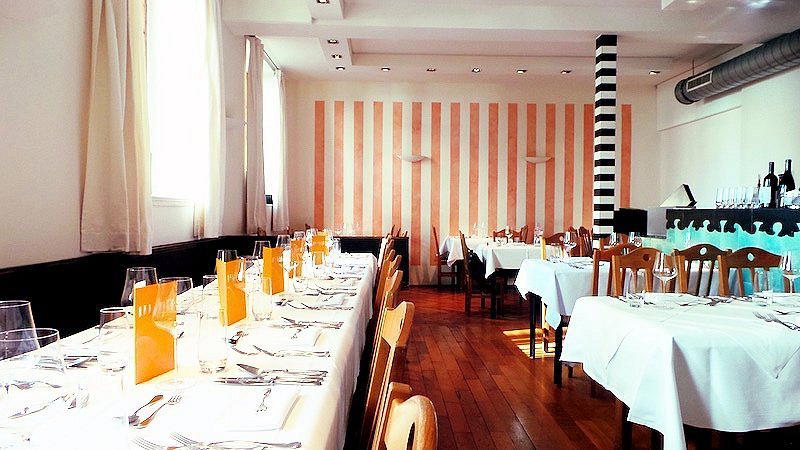
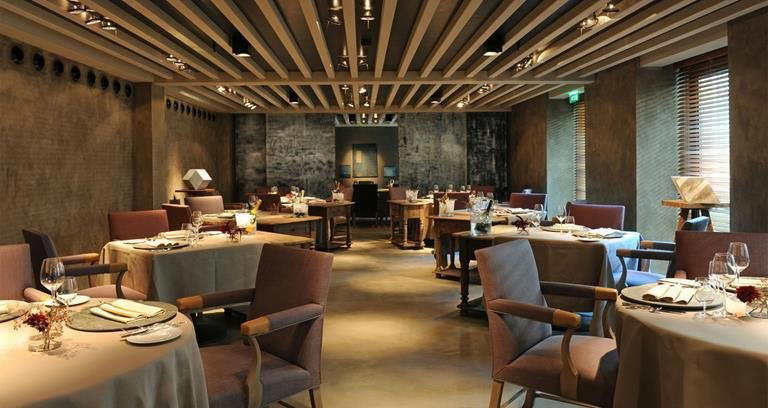
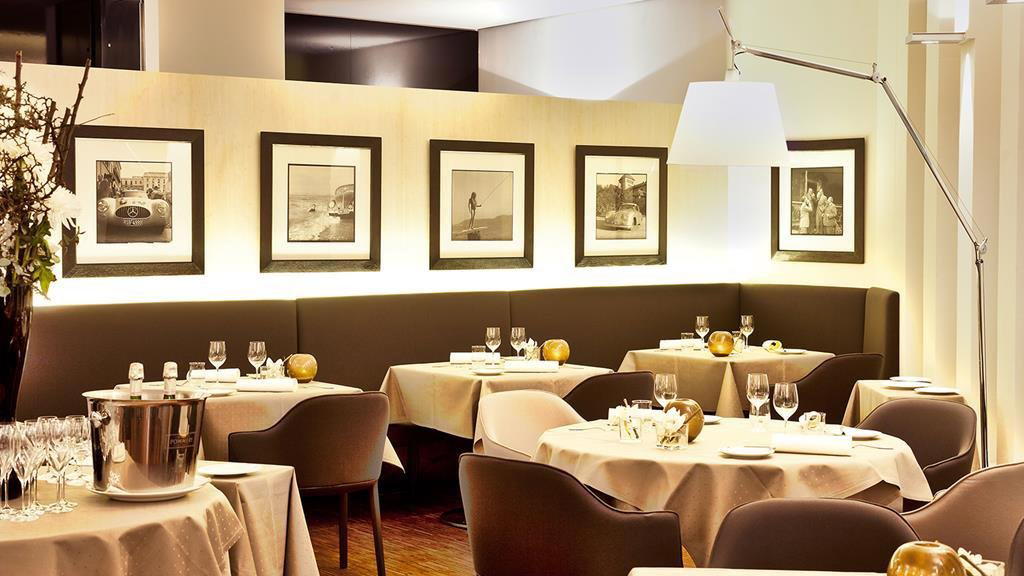
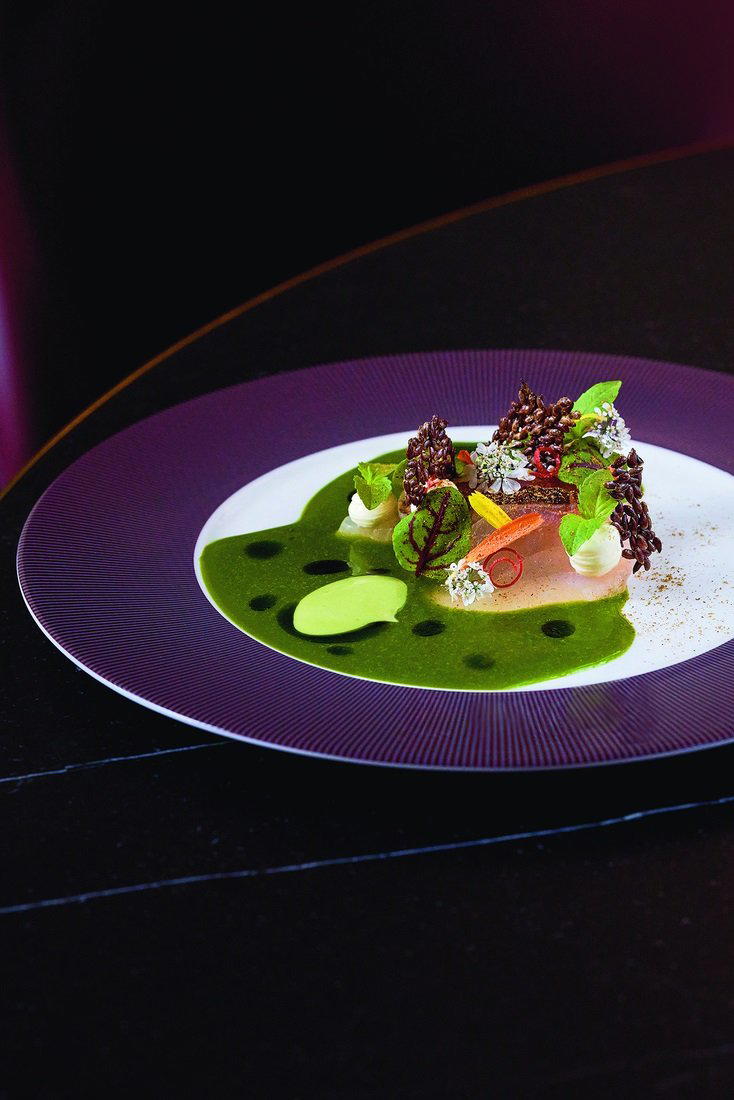
Details
- Elegant
- Intimate
- Whimsical
- Sophisticated
- Trendy
- Romantic Getaway
- Weekend Escape
- Celebration
- Historic Building
- Design Destination
- Terrace
- Rooftop Pool
- Air Conditioning
- Hot Tub
- Concierge
- Spa
- Street Scene
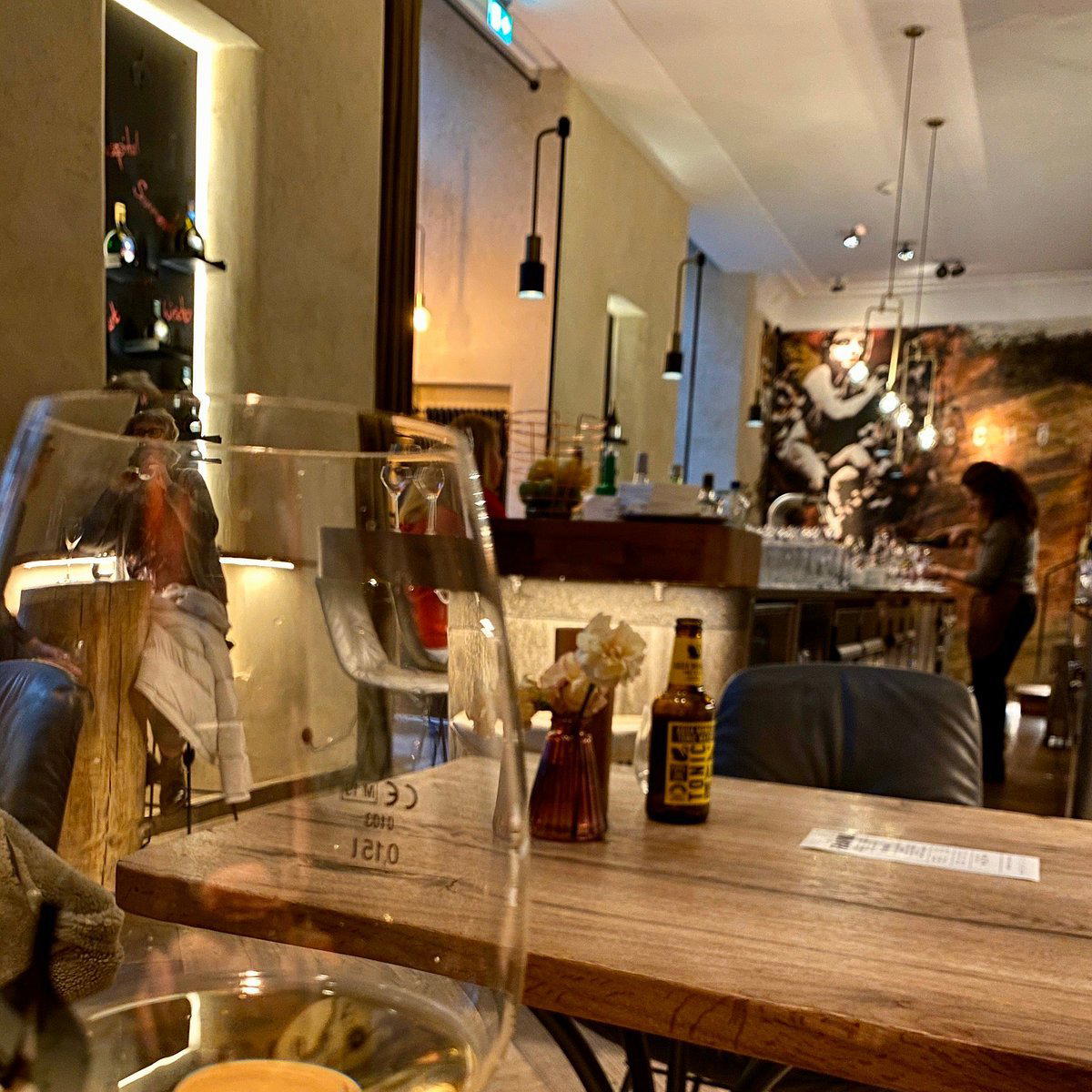
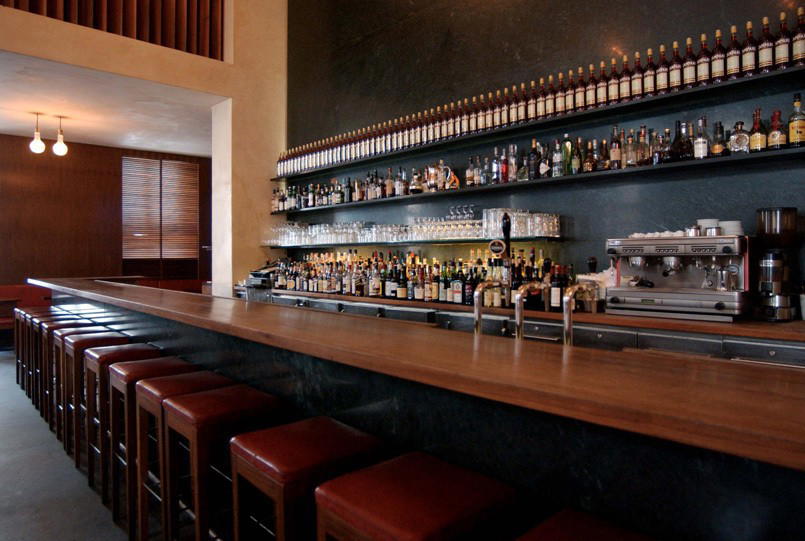
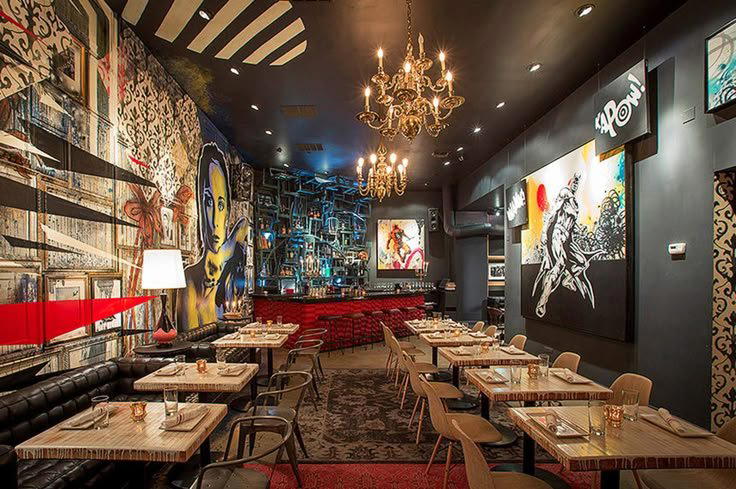
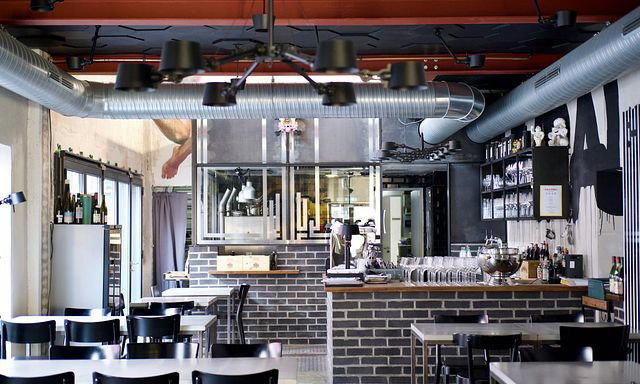
Lively and colorful with crackling fireplaces in winter lounges, warm Bavarian-inspired decor infused with contemporary sophistication, and an intimate homey atmosphere despite luxury finishes.