


Michelin Selected · Forbes Recommended · Virtuoso Luxury Hotel Partner
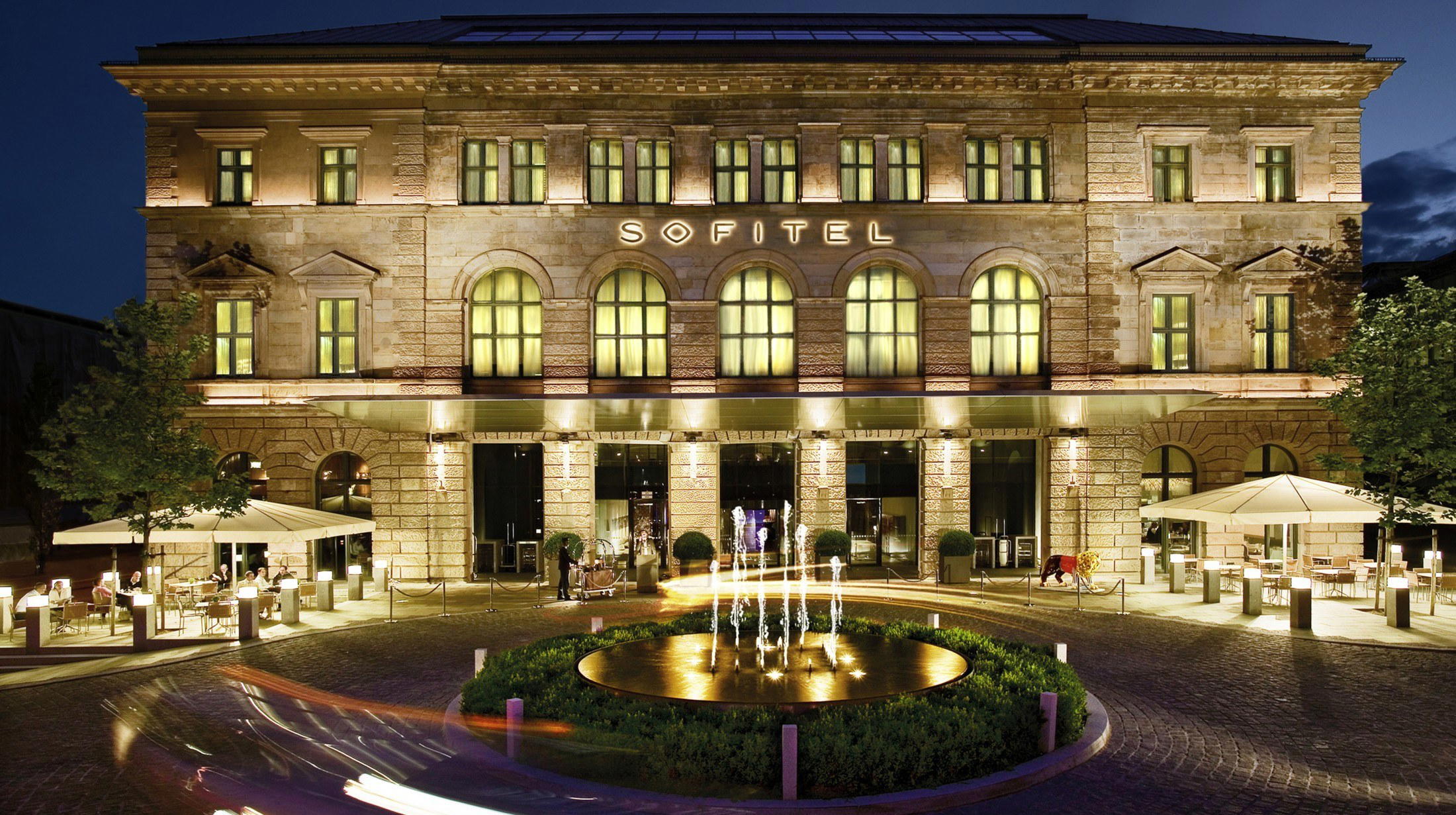
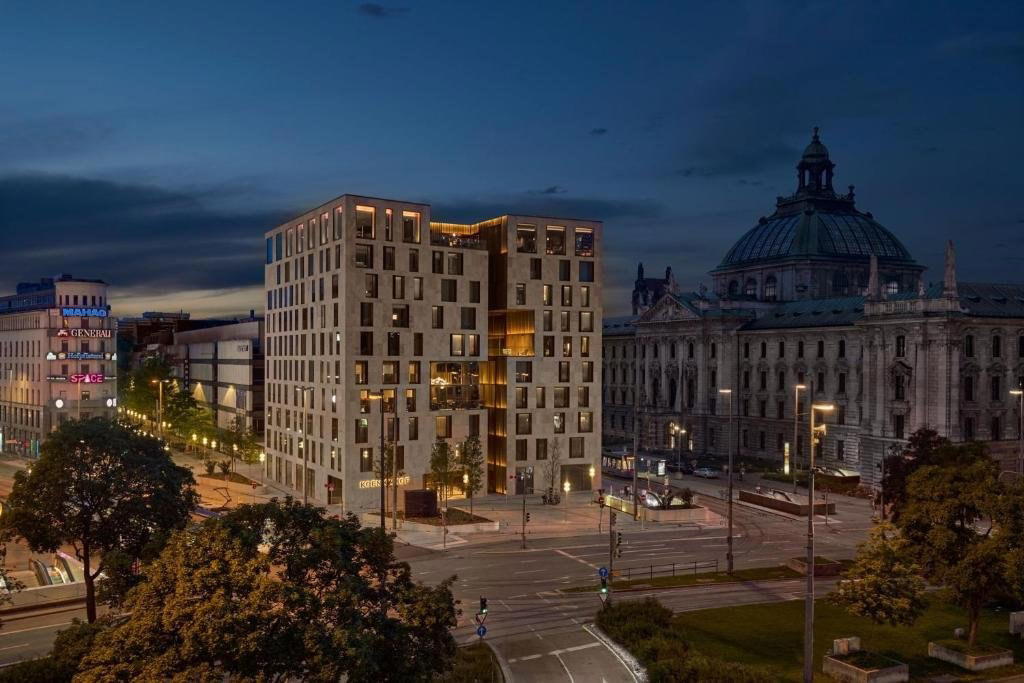
Occupying Munich's former Bavarian Royal Post Office on Bayerstraße, Sofitel Munich Bayerpost layers a neoclassical sandstone façade built between 1896 and 1900 over a thoroughly contemporary interior of glass, chrome, and French-inflected design. The hotel holds a Regional Winner award for Luxury City Business Hotel and sits a short S-Bahn ride from the main station, which is directly adjacent. With 57 design-centric suites, a grotto-like spa pool, and three distinct food and drink outlets, it draws a repeat clientele that values location above almost everything else.

Pearl is the En Primeur Club membership app — saves, bookings, and concierge access live there. Same editors, same standards.
- Address
- Bayerstraße 12, 80335 München
- Phone
- +49 89 599480
- Website
- sofitel.accor.com
- Directions
- Get directions
A Post Office Turned Address: What Keeps Guests Coming Back
The approach along Bayerstraße tells you something about what Munich values in its public buildings. The sandstone façade of the former Bavarian Royal Post Office, constructed between 1896 and 1900 in Italian High Renaissance style, was clearly intended to project civic confidence. It still does. Walking through that entrance, guests pass from a streetscape dominated by the main station into an interior where the original ambitions of the building have been completely recast: glass atrium volumes, chrome detailing, saturated colour and the kind of French-inflected softness that distinguishes Sofitel properties from the German luxury hotel norm.
Munich's luxury hotel market has consolidated around several distinct positions. Properties like the Mandarin Oriental Munich and the Rocco Forte Charles Hotel operate with boutique restraint and a strong neighbourhood identity, while the Rosewood Munich and the Bayerischer Hof Munich anchor the grand-institution tier. The Bayerpost sits in a third position: a full-service international property with genuine architectural heritage and a design programme that skews contemporary rather than heritage-reverential. The Accor group's Sofitel banner brings French hospitality codes to that formula, attentive but not stiff, design-forward but functional. The result is a hotel that reads well to both frequent business travellers and leisure guests who want access, comfort, and an environment that doesn't disappear into beige.
The Building as the Unwritten Amenity
Regular guests tend to reference the building itself in a way that goes beyond the usual hotel-lobby appreciation. The architects' decision to retain the west, east, and south façades while replacing the northern structure with a modern multi-storey addition created a property with two distinct architectural registers, and those registers are visible throughout the interior. Lobby art exhibitions rotate on a schedule, meaning repeat visitors can track the hotel's curatorial programme across stays, a small but genuine reason to look up from the check-in screen. The 57 suites vary considerably in format and size, renovated progressively since the hotel opened in 2004, and the design vocabulary of chrome, leather, and natural stone runs through all of them without feeling repetitive.
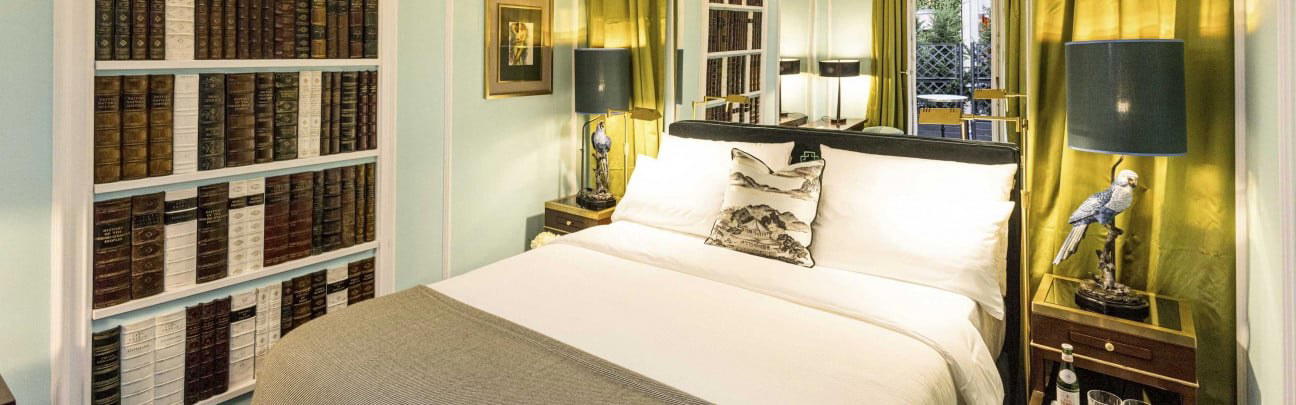
The reference point most frequently cited in the building's record is the Magnificent Apartment, which covers more than 1,880 square feet and represents the hotel's ceiling product. It includes a kitchenette, dressing room, media wall, two balconies, a Jacuzzi, and a steam bath. For guests who measure a hotel partly by the quality of its leading suite, the Magnificent Apartment functions as a signal of the property's overall ambition. The standard room category, meanwhile, ships with Bose Wave sound devices, Nespresso machines, flat-screen TVs, and Diptyque body products, a specification that represents a considered mid-market luxury baseline rather than a lavish gesture.
Three Outlets, Three Distinct Registers
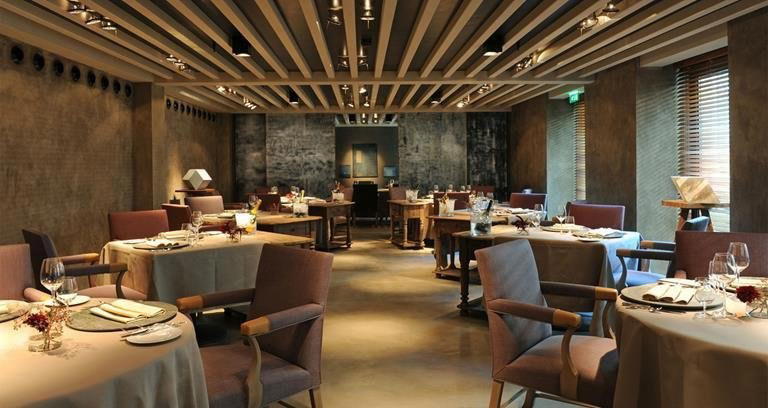
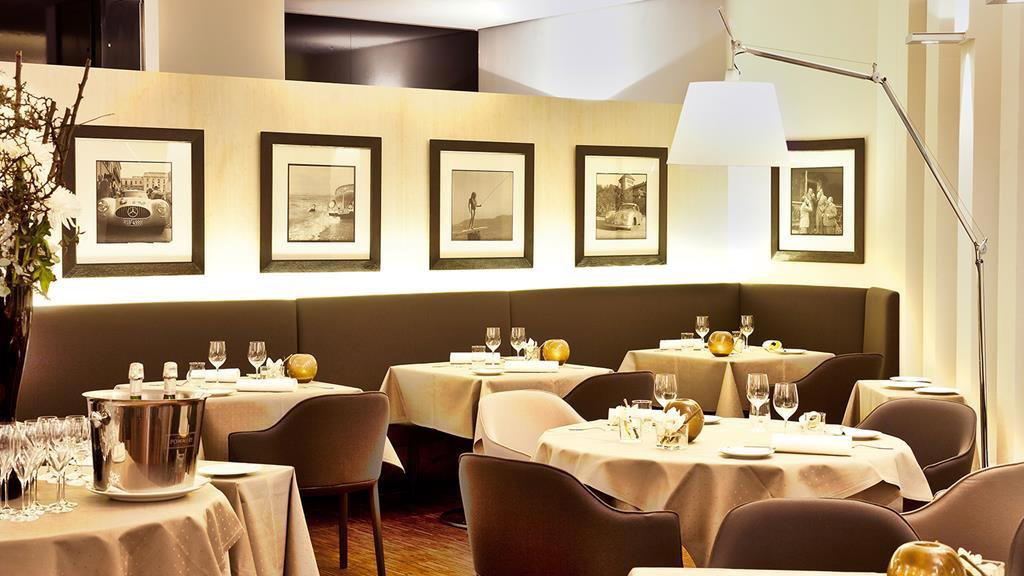
The food and drink operation at the Bayerpost spans three venues, each positioned at a different point in a guest's day and appetite. The Delice brasserie is the most substantive of the three: a French brasserie format with high ceilings and a menu that moves between classics like boeuf bourguignon and salade niçoise and more contemporary brasserie plates. The stated sourcing emphasis is on regional ingredients combined with select French produce, with Charolais beef from France explicitly referenced. This is not unusual positioning for a Sofitel property, where the French connection is part of brand identity, but in Munich, a city with its own pronounced food culture, the brasserie model requires some confidence to maintain. Delice makes that case through the quality of its sourcing rather than through any departure from the format.
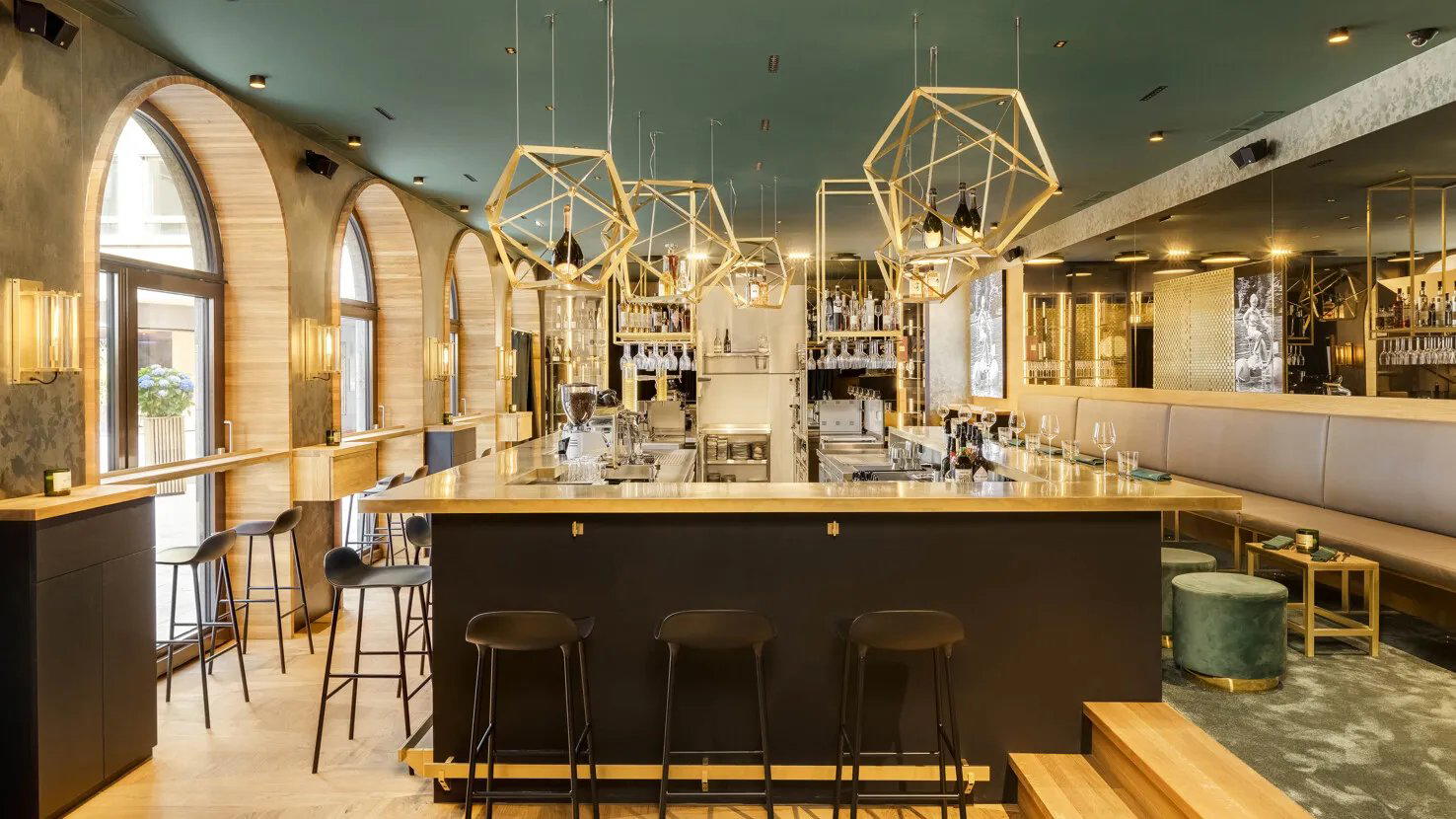
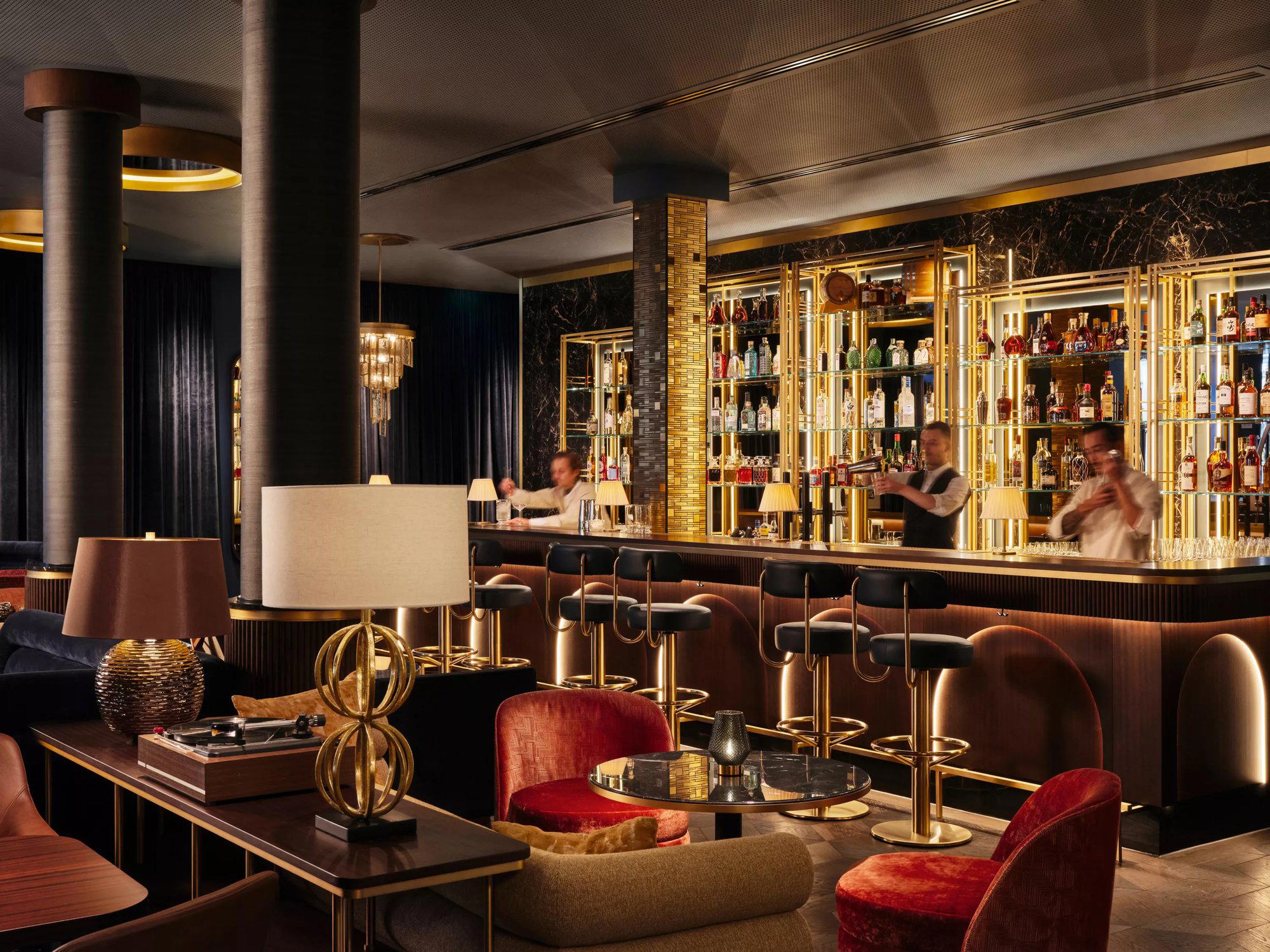
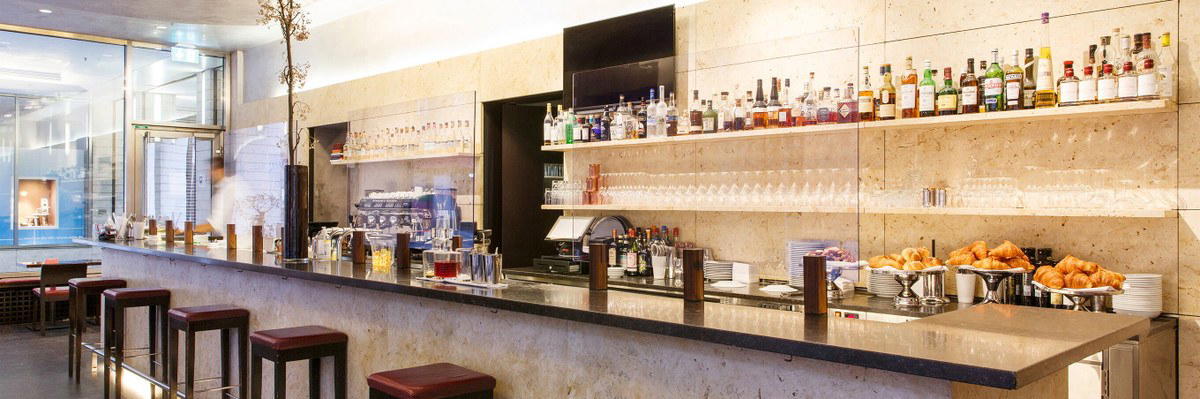
Isarbar operates on a different axis. Named after the Isar River that descends into the city from the Alps, it occupies the bar, terrace, and library spaces and runs on a vocabulary of green silk, wood, and leather. The signature Bayerpost Currywurst appears on the menu alongside cocktails and champagne, a deliberate and sensible nod to local specificity in what would otherwise be a classically appointed hotel bar. For guests who know the Isarbar from previous stays, the library area functions as the unwritten meeting room: quieter than the lobby, more appropriate than a restaurant, and useful for conversations that don't need a conference table. The third outlet, Schwarz & Weiz, handles breakfast, and its buffet draws specific mention for the quality of its croissants and its Munich Weißwurst, the kind of detail that matters to guests who have eaten enough hotel breakfasts to have a standard.
The Spa as a Secondary Draw
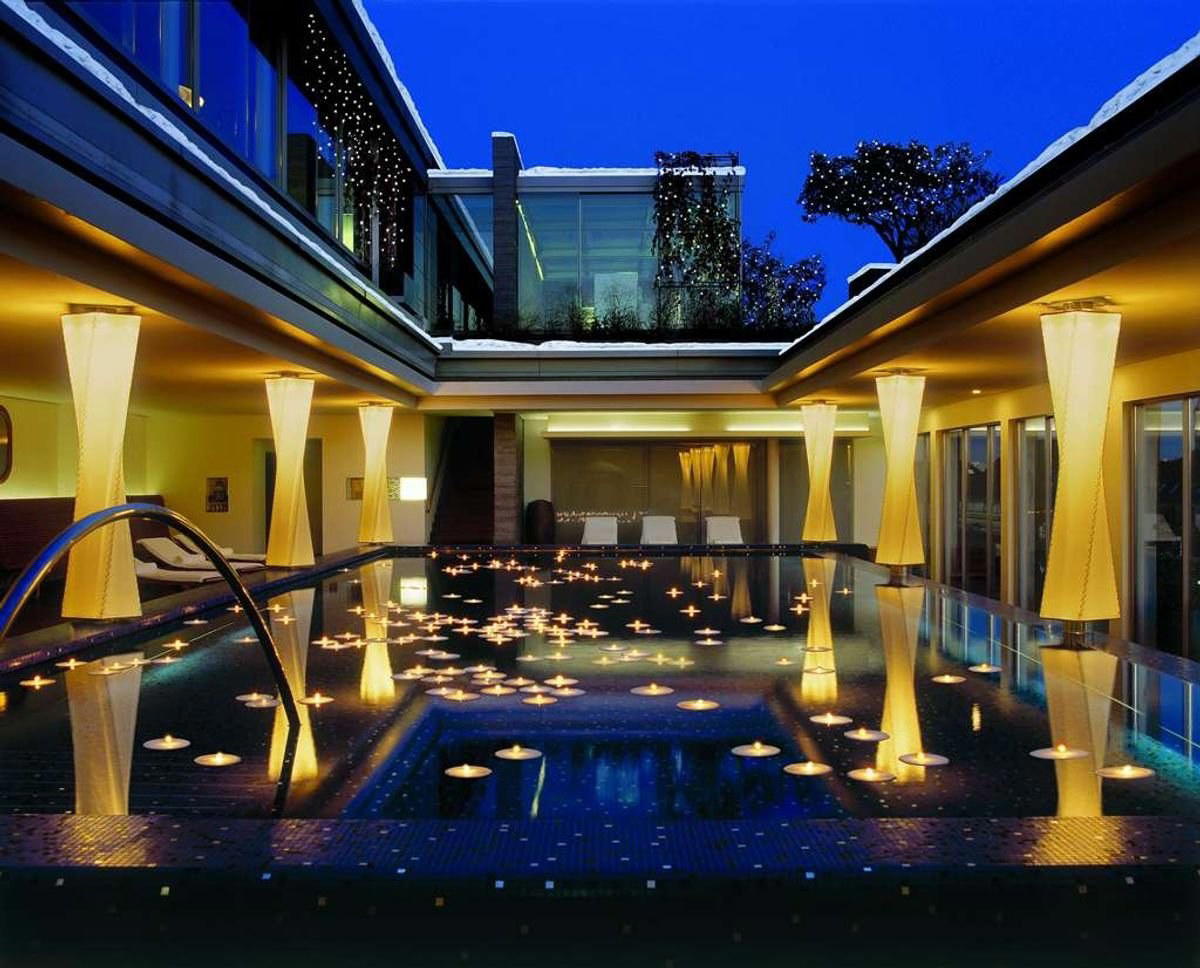
In a city where wellness has become a serious hospitality differentiator, see the spa programmes at Andaz Munich Schwabinger Tor or, further afield, the benchmark set by Schloss Elmau Luxury Spa Retreat & Cultural Hideaway in Elmau, the Sofitel spa is a meaningful part of the property's return proposition. The pool is the element most frequently cited: a grotto-format space that moves around dark walls covered in mosaic tiles, the kind of sensory specificity that distinguishes it from the standard hotel pool. The spa programme layers massage treatments with steam bath, sauna, and a dedicated relaxation area. Children under 12 are welcome until 5pm when accompanied by an adult, a policy that broadens the leisure appeal without compromising the adult atmosphere in evening hours.
Location as the Constant
The former post office was positioned adjacent to the main station deliberately: efficient transportation logistics were the operational logic of a 19th-century postal system. For a 21st-century hotel guest, that inheritance is direct value. The S-Bahn to Munich Airport runs 40 to 50 minutes from the adjacent main station, making the hotel genuinely functional for early departures or late arrivals without negotiating a taxi queue. The central location also puts the hotel within walking distance of the major shopping corridors where Dirndl shops sit alongside international designer boutiques, and within reasonable reach of the Hofbräuhaus, the art museum quarter, and the beer gardens that define Munich's leisure identity. For guests returning for Oktoberfest, trade fair seasons, or the city's art calendar, the combination of address and airport access is the primary reason they rebook. See our full Munich restaurants guide for what to eat in the surrounding neighbourhood.
Where It Sits in the Munich Field
The Bayerpost's Regional Winner recognition for Luxury City Business Hotel reflects its positioning accurately. It is not the most intimate property in the city, that ground belongs to places like the Cortiina Hotel or the BEYOND by Geisel. It is not the most ceremonial, the Do & Co Hotel Munich and the Bayerischer Hof hold that register. What it offers is a credible, design-serious, full-service property with an unusual building at its foundation and a location that removes almost all friction from city access. For the guest who returns twice a year for business and once for the city's autumn calendar, those are the terms that matter, and the Bayerpost has consistently held them. Comparable heritage-anchored city properties elsewhere in Germany include the Hotel de Rome in Berlin and the Excelsior Hotel Ernst in Cologne, both of which operate on a similar premise of historic structure meeting contemporary hospitality. Further afield, guests considering German spa-focused alternatives might look at Althoff Seehotel Überfahrt in Rottach-Egern or the Das Kranzbach Hotel & Wellness Retreat in Kranzbach for a different pace entirely.
Planning Your Stay
Hotel sits at Bayerstraße 12, 80335 Munich, directly adjacent to the main station. S-Bahn access to Munich Airport takes 40 to 50 minutes. The spa pool and facilities are available to guests throughout the day, with the children's hours policy applying before 5pm. Breakfast at Schwarz & Weiz is the recommended entry point to the food programme for first-time guests; Delice handles evening dining with a French brasserie format and regional sourcing. Rooms are equipped with Bose Wave audio, Nespresso machines, and Diptyque amenities. Booking is handled through Accor's standard channels. Other major German city hotels for comparison include the Fairmont Hotel Vier Jahreszeiten in Hamburg, the Breidenbacher Hof Düsseldorf in Düsseldorf, and the Bülow Palais in Dresden.
Peers Worth Knowing
Comparable venues nearby, for context on price, style, and recognition.
| Venue | Cuisine | Price | Awards | Notes |
|---|---|---|---|---|
| Sofitel Munich BayerpostThis venue — the venue you are viewing | Contemporary luxury in a historic neoclassical building | Not listed | Michelin Selected · Forbes Recommended | Not listed |
| Kempinski Royal Residence Nymphenburg, Munich | Historic Bavarian royal residence reimagined as ultra-luxury private villa with contemporary design elements and bespoke services. | Not listed | Virtuoso Luxury Hotel Partner | Nymphenburg |
| The Dean | Modern luxury lifestyle hotel blending art, design, culture, and culinary innovation. | $100–200 | Michelin Selected | Neuhausen |
| LOUIS Hotel | Luxury boutique hotel with handcrafted interior design using natural materials, elegant modern aesthetic with Parisian Metro-inspired tiling. | $100–200 | Michelin Selected · Design Hotels Member | Isarvorstadt |
| Schwan Locke, Munich | Contemporary aparthotel blending German modernism with functional design; residential-style studios and suites with shared living areas and self-sufficient amenities. | $1–100 | Michelin Selected | Theresienwiese |
| BEYOND by Geisel | Contemporary luxury boutique hotel with minimalist elegance and personalized service; member of Preferred Hotels & Resorts. | $300–500 | 1 Michelin Key · Virtuoso Luxury Hotel Partner | Isarvorstadt |
Recognition history
Dated appearances from independent guides and award organizations, with the underlying list record or original source where available.
Michelin Selected
Michelin
Forbes Recommended
Forbes
Virtuoso Luxury Hotel Partner
Virtuoso
World Luxury Hotel Awards WLHA Regional Winner
World Luxury Hotel Awards
Full recognition history (5 entries)
Forbes Recommended
Forbes
Continue exploring
More in Munich
Hotels in Munich
Browse all →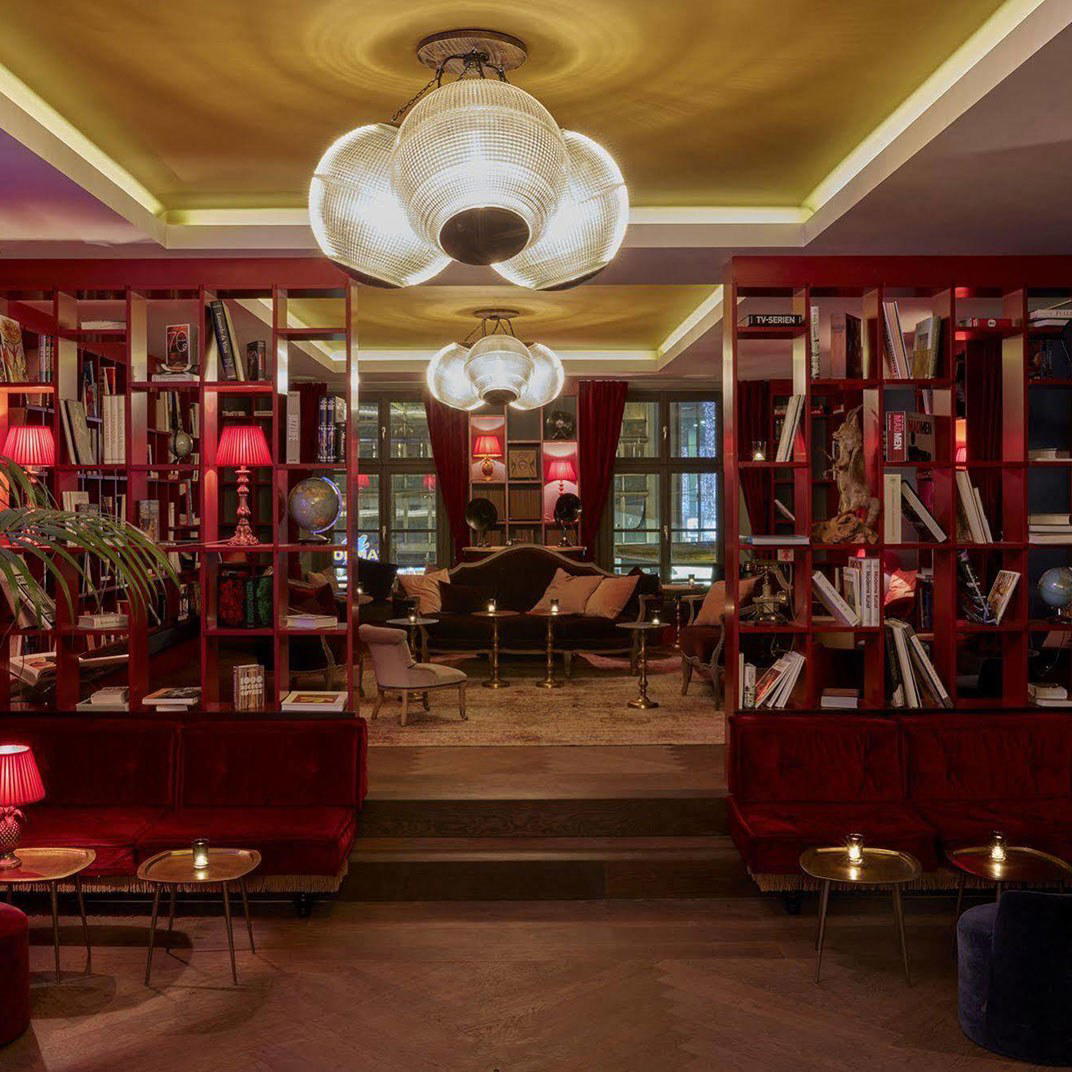
Bars in Munich
Browse all →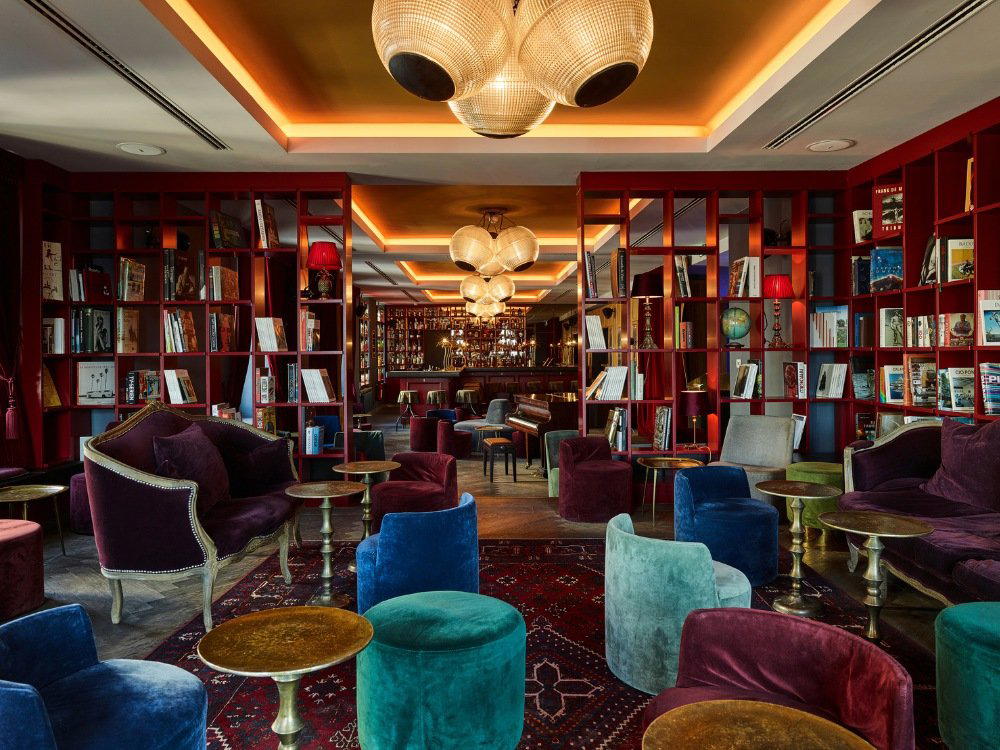
Restaurants in Munich
Browse all →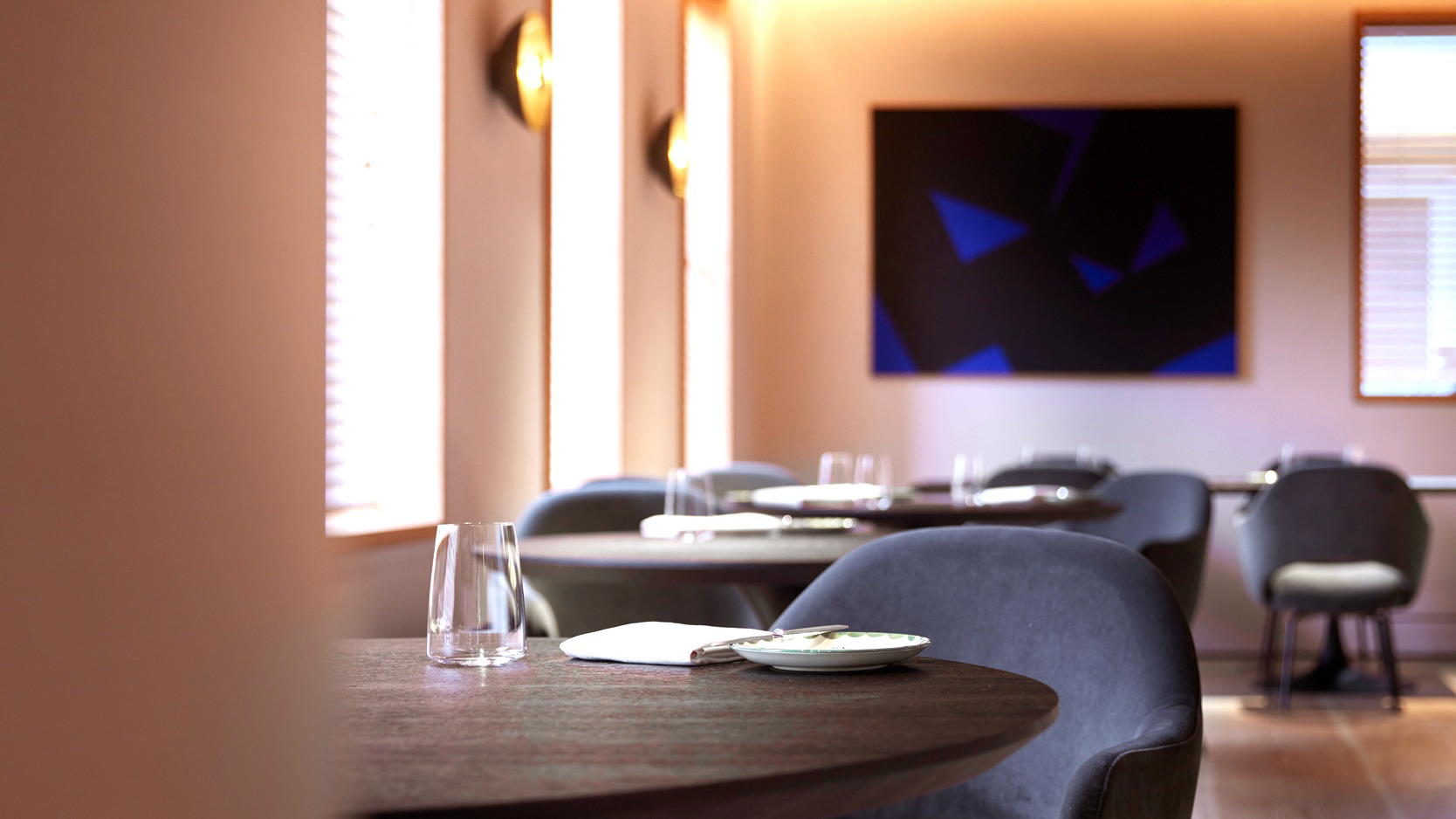
Details
- Elegant
- Modern
- Sophisticated
- Ornate
- Business Trip
- Romantic Getaway
- Weekend Escape
- Historic Building
- Terrace
- Wi Fi
- Pool
- Spa
- Fitness Center
- Room Service
- Concierge
- Business Center
- Valet Parking
- EV Charging
- Skyline
- Wheelchair Accessible
Elegant and modern with cozy, spacious rooms featuring natural stone bathrooms, soft lighting, and comfortable Sofitel MyBed for relaxation.