Google: 4.5 · 878 reviews
Housed in a medieval mill building a short walk from Munich's Marienplatz, Restaurant Pfistermühle operates in a category where historic architecture does as much editorial work as the kitchen. The vaulted stone rooms place it closer to Bavarian institution than contemporary dining room, making it a reference point for visitors trying to understand what serious regional cooking looks like in the city centre.
 Discover on Pearl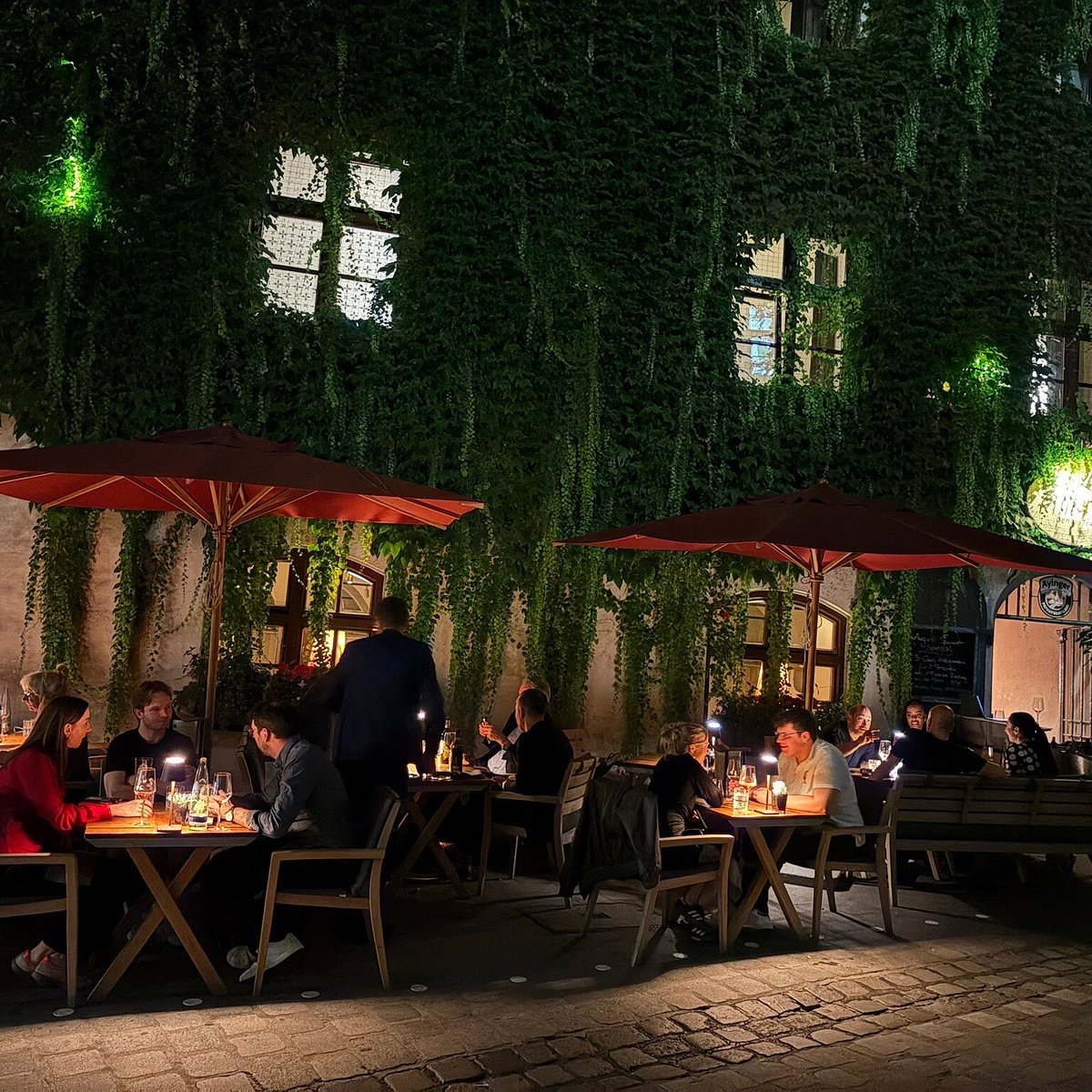
Stone, Vault, and the Weight of a Medieval Address
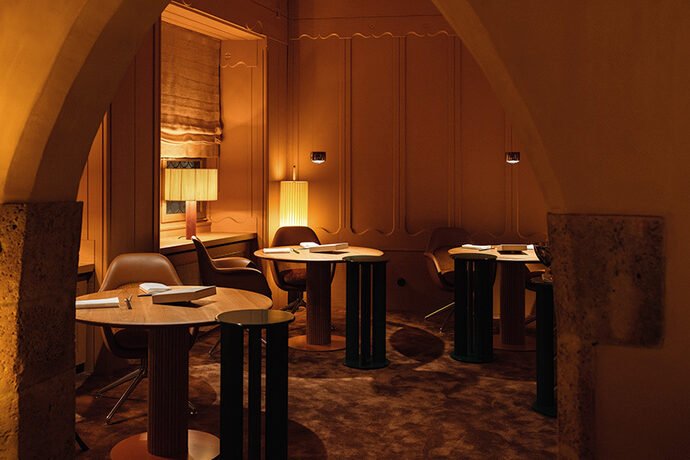
Munich's Altstadt contains a concentration of centuries-old buildings that have been repurposed for hospitality, but few carry the structural drama of Pfisterstraße 4. The address puts Restaurant Pfistermühle inside what was originally a ducal mill complex, and the interior reads accordingly: low vaulted ceilings in rough-cut stone, rooms that narrow and turn in ways no contemporary fit-out would replicate, and a sense of mass that newer restaurants in the neighbourhood can only approximate with decoration. This is not a designed evocation of history. It is history that has been made functional.
In Munich's dining scene, the distinction matters. The city centre produces a spectrum running from tourist-facing beer halls to formal hotel dining rooms, with a middle tier of traditional Bavarian restaurants that carry varying degrees of architectural authenticity. The Pfistermühle sits in the upper register of that middle tier on the basis of its physical container alone, before the kitchen even enters the analysis. Spaces like this one set the terms of comparison for what Bavarian hospitality looks like when the bones of the building are doing serious work.
What the Room Tells You About the Cuisine
The editorial angle on spaces like this is that the architecture tends to discipline the menu. Kitchens operating inside medieval stone rooms generally do not run experimental tasting menus. The register that fits the room is regional, ingredient-led, and anchored in tradition, and the Pfistermühle has historically operated within that framework. Bavarian cooking in this format means dishes drawn from the roasting, braising, and lake-fish traditions of southern Germany, served in a context that gives the food a legibility it might lack in a neutral contemporary room.
That legibility is the product Munich's better traditional restaurants are selling. Across the Altstadt and into Schwabing, the serious end of Bavarian regional dining has distinguished itself from the beer hall tier by moving toward smaller, more controlled formats: fewer covers, more considered sourcing, wine lists that reach beyond the house-by-the-carafe default. The Pfistermühle sits within that trajectory, though without confirmed awards data or current menu pricing in the public record, it is not possible to place it precisely within the peer set on those measures.
The Neighbourhood and How to Arrive
Pfisterstraße runs off Marienplatz, which means the restaurant is reachable on foot from most central Munich hotels in under ten minutes, and directly accessible from the Marienplatz U-Bahn and S-Bahn interchange. The immediate surroundings are dense with tourist traffic, and the street itself sits in the shadow of the Altes Rathaus. Arriving in the early evening before the dinner service peaks gives a clearer sense of the room before it fills, and the stone interior shifts noticeably in character as ambient noise builds around a full house.
For visitors working across multiple nights in Munich, the neighbourhood logic places Pfistermühle naturally alongside a drinking programme that extends through the Altstadt and into adjacent areas. Goldene Bar and Schuman's Bar both operate within the city's more considered drinking tier, while Augustiner Stammhaus and Blaue Libelle represent different points on the spectrum from traditional Bavarian to contemporary bar formats. A dinner at Pfistermühle followed by drinks at Goldene Bar or Schuman's produces an evening that moves coherently between historic and contemporary registers of the city.
Placing Pfistermühle in the German Dining Conversation
Munich's position in German dining is specific. It is not Berlin, where the scene is driven by international migration and a disposition toward the experimental. It is not Hamburg, where maritime money has produced a different kind of formal dining. Munich's culinary identity is Bavarian first, and its leading traditional restaurants are in conversation with that identity rather than against it. This makes Pfistermühle a more useful reference point for understanding Munich than many higher-profile venues that are essentially international restaurants that happen to be located here.
The comparison extends across Germany's other major cities. The Parlour in Frankfurt on the Main, Buck and Breck in Berlin, and Le Lion Bar de Paris in Hamburg each illustrate how distinct the drinking and dining culture of each city is from the others. Bar Trattoria Celentano in Cologne, Uerige in Dusseldorf, and Kieler Brauerei am Alten Markt in Kiel show how strongly regional identity shapes hospitality formats even within a single country. Munich's traditional restaurant scene, anchored by venues like Pfistermühle with genuine historical premises, is its own distinct category within that national conversation. Even a venue as geographically distant as Bar Leather Apron in Honolulu illustrates a comparable principle: place-specific identity, expressed through the physical room and the format of service, as the primary editorial proposition.
For a broader orientation to eating and drinking in the city, our full Munich restaurants guide maps the scene across neighbourhoods and price tiers.
Planning a Visit
Reservations for dinner at traditional Altstadt restaurants in Munich are advisable at least a week ahead during the summer months and in the weeks surrounding Oktoberfest, when central Munich absorbs a substantial surge in visitors. The Pfistermühle's location on Pfisterstraße makes it a natural choice for visitors staying in Altstadt-adjacent hotels, and the format fits occasions that call for a grounded, architecturally distinctive setting rather than a contemporary dining room. Without confirmed current hours or booking channel data, the restaurant's own contact details remain the reliable starting point for planning.
The Minimal Set
A compact comparison to help you place this venue among nearby peers.
At a Glance
- Historic
- Cozy
- Elegant
- Classic
- Intimate
- Date Night
- Special Occasion
- Historic Building
- Lounge Seating
- Booth Seating
- Outdoor Terrace
- Conventional Wine
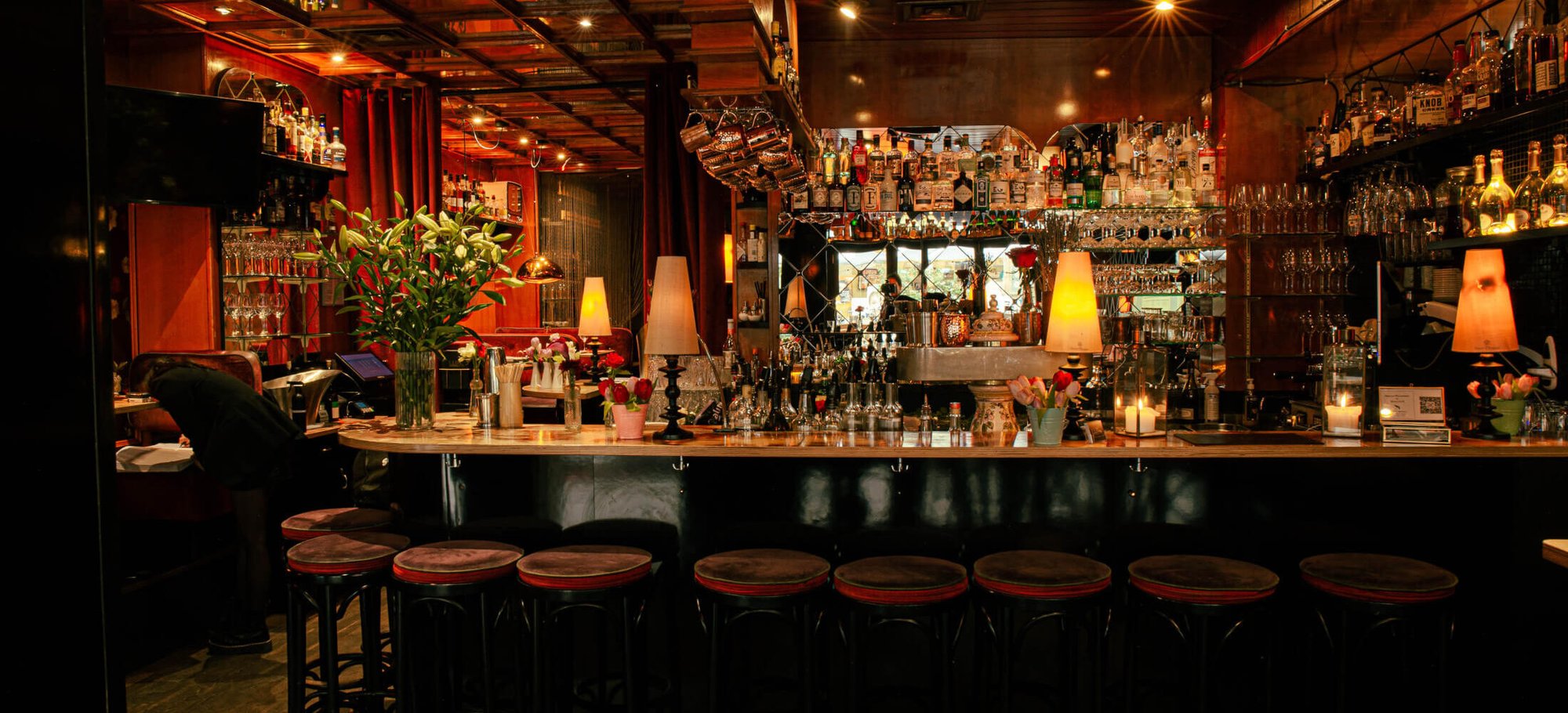
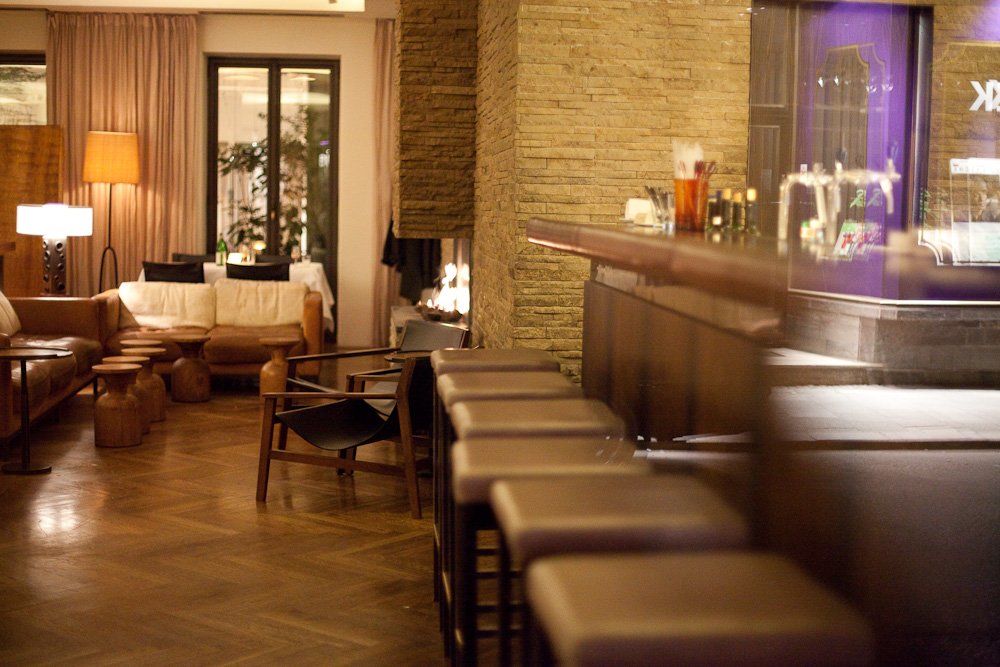
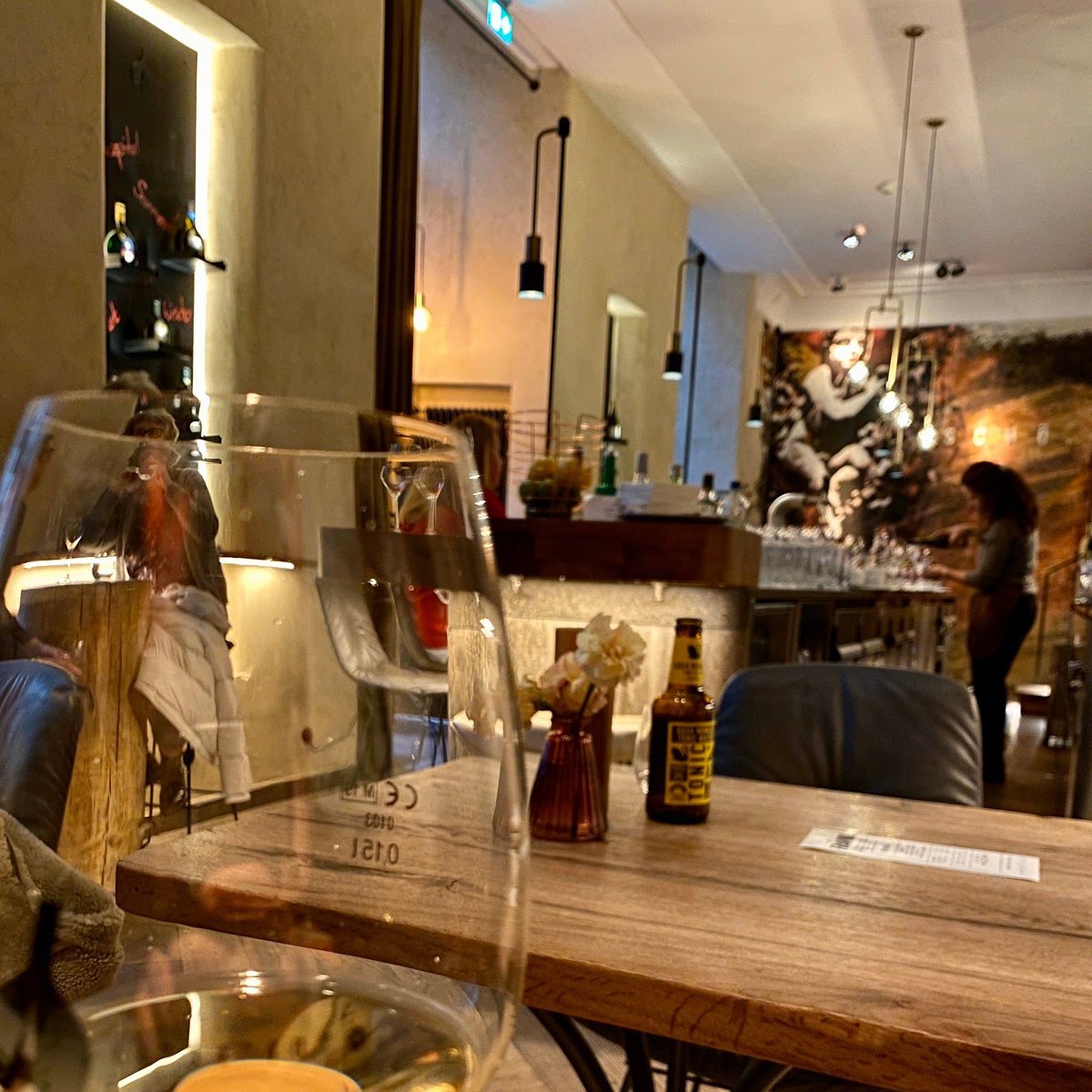
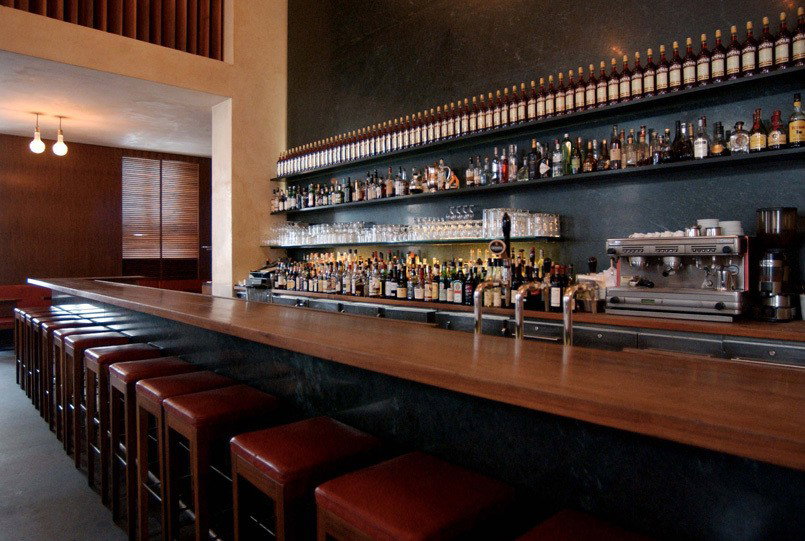
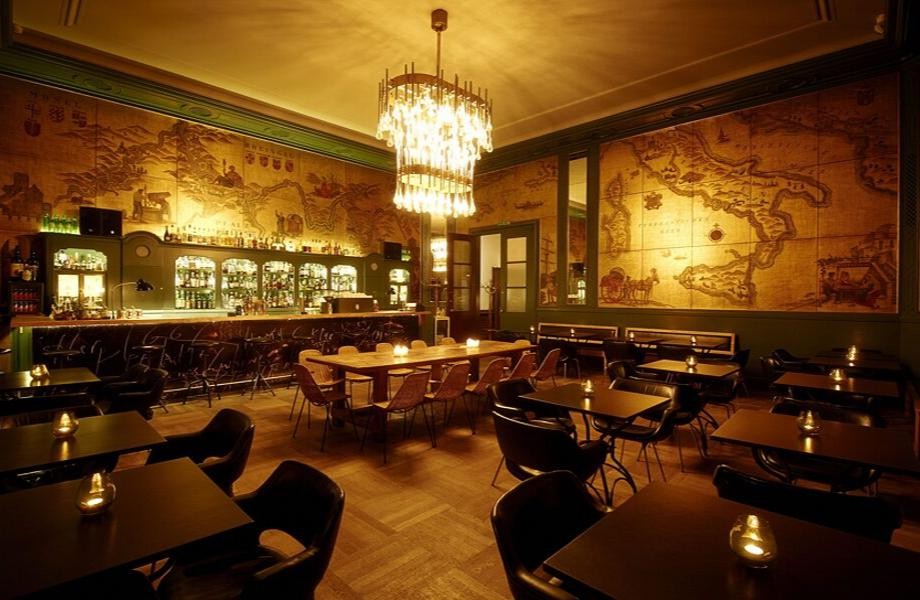
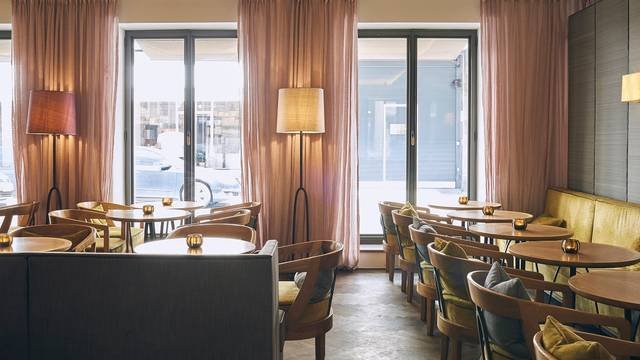
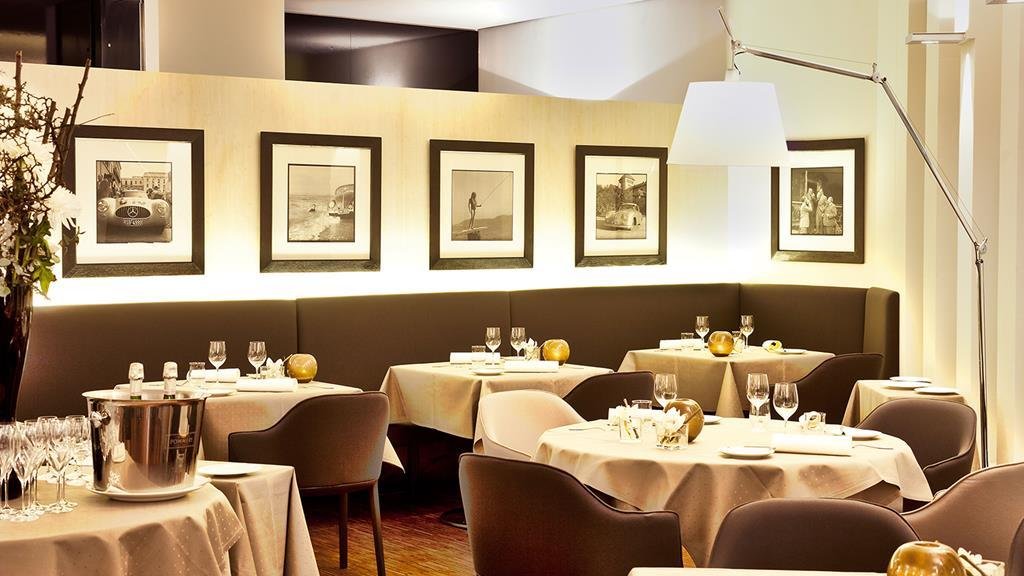
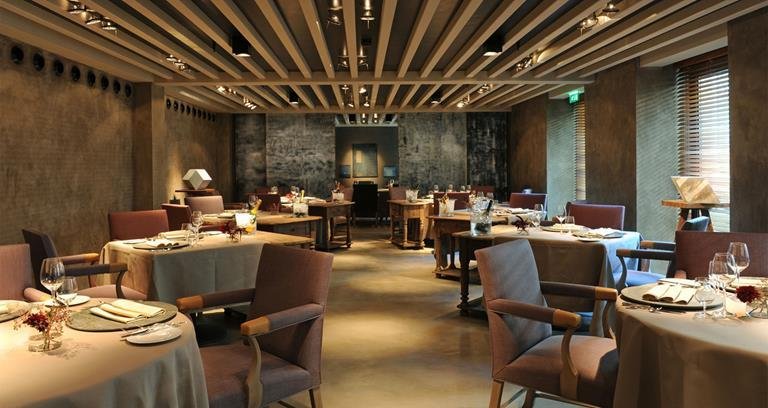
Pleasant and stylish atmosphere in intimate rooms with historic vaulted ceilings and warm wooden structures blending tradition and elegance.