


Michelin Plate · Falstaff Restaurant - 93 Falstaff Points
Our verdict
Inside the MUCA contemporary art museum in Munich's Altstadt, mural serves a four-to-five course creative set menu built almost entirely from Bavarian ingredients. Chef Felix Adebahr holds a Michelin Plate and an Opinionated About Dining European ranking, with a natural wine selection and lunch service Thursday to Saturday adding further flexibility to an already compelling proposition.

Pearl is the En Primeur Club membership app, where members save venues, book tables and use the concierge.
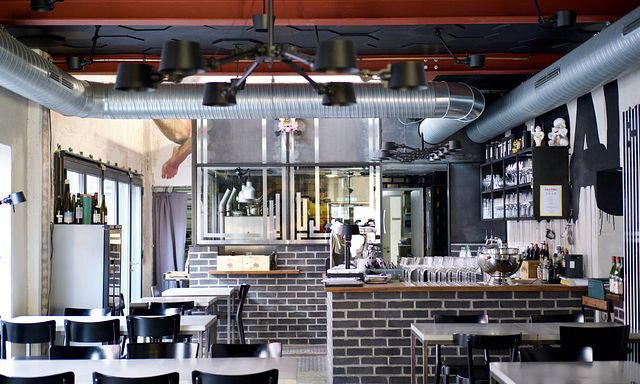
Dinner Inside a Gallery: The Setting
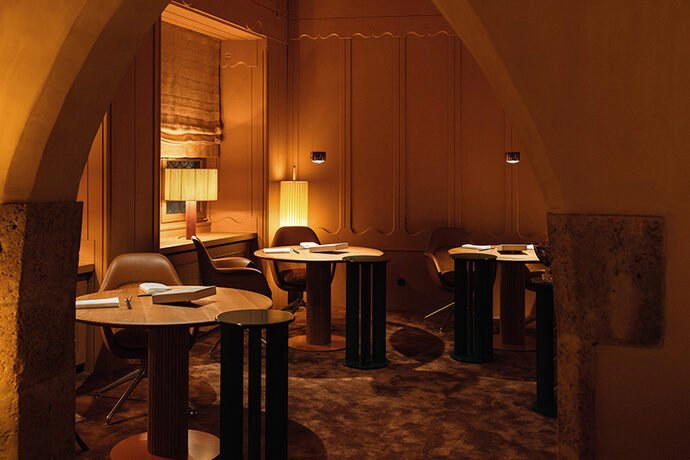
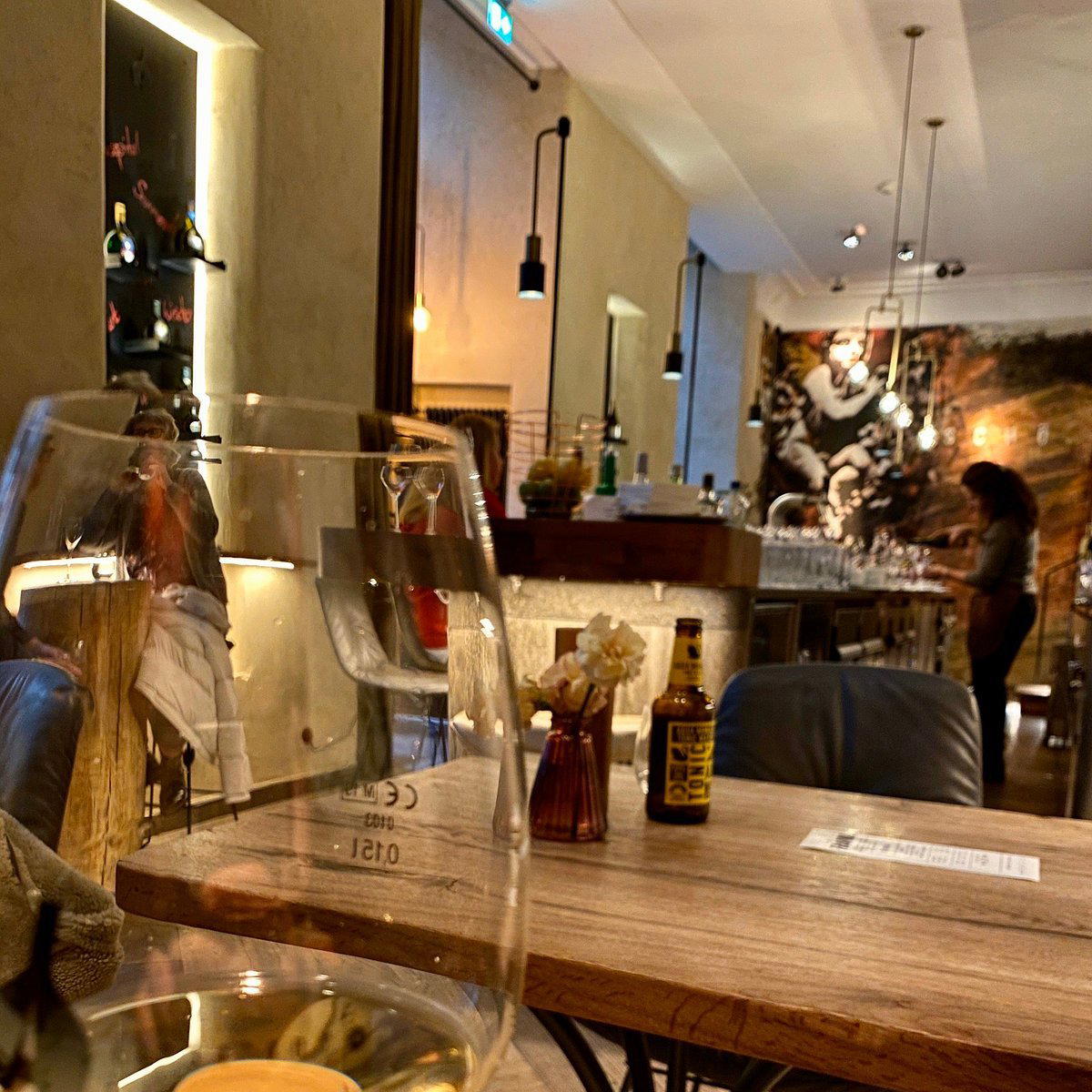
Munich's Altstadt contains plenty of formal dining rooms dressed in the conventions of old-world hospitality, heavy tablecloths and hushed reverence chief among them. mural occupies a different register. The restaurant sits inside the MUCA (Museum of Urban and Contemporary Art) on Hotterstraße, which means the physical context before you even sit down is street art and contemporary installation rather than gilded cornicing. That framing matters. The space doesn't perform art as a gimmick; it functions within a building where art is already the point, which gives the dining room a coherence that many 'gallery-adjacent' restaurant concepts fail to achieve. If the neighbourhood's fine-dining options, including Tantris (Modern French, French Contemporary) at the upper tier of the city's long-standing restaurant tradition, carry a sense of occasion rooted in architectural grandeur, mural earns its atmosphere differently, through context and curation rather than ceremony.
Bavarian Ingredients, Contemporary Method
The editorial case for mural rests substantially on what's happening between the kitchen and its supply chain. Sourcing almost entirely from within Bavaria is a decision that carries real culinary consequences: the alpine and sub-alpine agricultural belt that surrounds Munich produces dairy, game, freshwater fish, and root vegetables that differ meaningfully from what arrives via centralised national distributors. Working almost exclusively within that geography forces a menu calendar tightly tied to what Bavaria is actually growing, raising, or catching in a given season.
That constraint, applied through a modern and creative set menu framework, produces a format that sits squarely in the intersection of imported technique and indigenous product, the same tension that defines some of Germany's most discussed creative kitchens. At Schwarzwaldstube in Baiersbronn and ES:SENZ in Grassau, the southern German approach to this marriage leans on deep regional identity expressed through technically precise cooking. mural's version, as reflected in its Michelin Plate recognition and its Opinionated About Dining European ranking of 626th (2025), applies that same logic to a Munich address where the competition at the €€€€ price point is considerable. Alois - Dallmayr Fine Dining operates in the same creative category at the same tier; so does Showroom. The differentiator at mural is the explicit commitment to Bavarian provenance as a structuring principle rather than an occasional gesture toward local sourcing.
Chef Felix Adebahr leads the kitchen team. At the €€€€ level in a city where creative German cooking now has multiple serious practitioners, including the modern German-Japanese hybrid approach at Tohru in der Schreiberei and the long-established creative French tradition at JAN, the relevance of Adebahr's kitchen lies less in individual biography and more in how its output positions within that competitive field. The Michelin Plate indicates technical competence without a star recommendation; the OAD ranking places it in the upper third of European restaurants worth tracking. For a restaurant operating in a museum rather than a dedicated fine-dining address, both signals carry weight.
The Menu Format
The set menu runs four or five courses with a structural choice between fish-and-meat or vegetarian paths. Additional courses, including cheese, can be added to extend the meal for those who want more breadth. That format sits comfortably within the modern European template for serious creative cooking, fixed architecture with limited but meaningful flexibility. It is a format that rewards the kitchen's ability to build coherent progressions rather than scattered à la carte selection, and it suits the Bavarian sourcing logic well: when the supply chain is geographically concentrated, a set menu allows the kitchen to commit fully to what's excellent in a given week rather than maintaining a broad menu with inevitable compromises.
Compared to the tasting-menu formats at Aqua in Wolfsburg or Vendôme in Bergisch Gladbach, which operate at greater length and starrier recognition, mural's four-to-five course structure is deliberately accessible in scale. It doesn't position as an endurance event. For the Munich market, where the choice between a long tasting menu and something more compressed is a real consideration for mid-week dining, that length is practical without feeling abbreviated.
The Wine Program
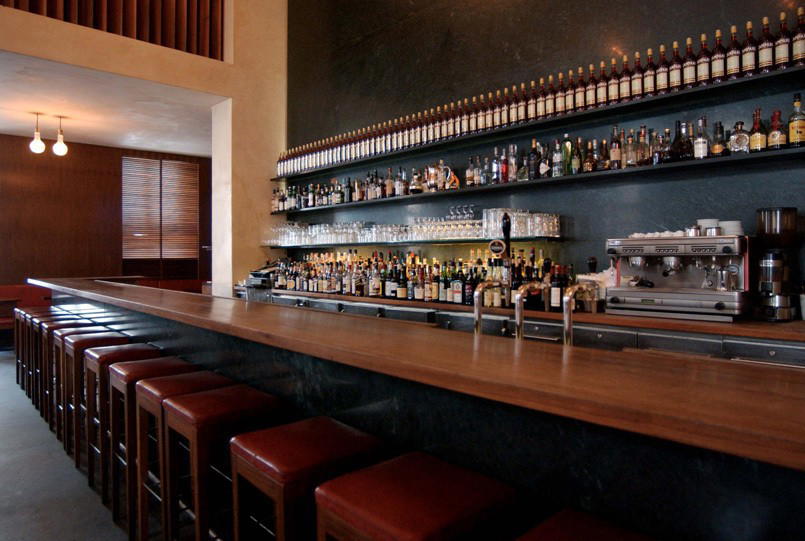
Natural wine programs have become a reliable signal in Europe's creative dining sector. At mural, the wine selection skews toward natural producers, and the described approach to wine recommendations is notably unpretentious, framed as down-to-earth rather than encyclopaedic. That choice aligns with the overall register of the room: serious about what's in the glass, but not performatively so. The afternoon wine shop, open on days when lunch service runs, extends the program beyond the dining room itself, giving those who want to explore the selection a lower-commitment entry point.
For comparison, the natural wine positioning at CODA Dessert Dining in Berlin operates in a similarly independent curatorial space. In Munich's fine-dining tier, where the wine list at a venue like Zauberberg might emphasise classical German and Austrian producers, mural's natural wine emphasis reads as a deliberate positioning statement. It says something about the kitchen's aesthetic priorities and the kind of diner it's calibrated for.
Service and Atmosphere
Warm and friendly service is the consistent descriptor attached to the mural experience, and in the Munich fine-dining context that is worth noting. The city's upper-tier restaurants have historically leaned formal: the €€€€ bracket in Germany tends toward precision-as-distance rather than precision-as-warmth. A service style described as approachable without sacrificing knowledge is increasingly a differentiator in the creative segment, where the tone of how food is explained matters as much as what arrives on the plate. For creative menus built around seasonal Bavarian produce, explaining provenance without condescension requires real skill from the floor team.
Planning a Visit
mural is at Hotterstraße 12 in Munich's Altstadt, inside the MUCA building. Lunch service runs Thursday through Saturday, which gives more scheduling flexibility than dinner-only operations in the same price tier, a practical advantage for visitors with limited Munich evenings. The afternoon wine shop operates on the same days, useful for those who want to buy a bottle from the natural selection before or after a meal. The price range at €€€€ sits level with the city's other serious creative restaurants, including the comparable offerings at Alois - Dallmayr Fine Dining. For broader Munich planning, the full Munich restaurants guide covers the city's range across categories, and separate guides cover Munich hotels, Munich bars, Munich wineries, and Munich experiences. For European context at the creative end of restaurant cooking, the programs at Alléno Paris au Pavillon Ledoyen and Enrico Bartolini in Milan represent different national inflections of the same creative-with-serious-technique model. Restaurant Haerlin in Hamburg offers a useful northern German counterpoint to the Bavarian-sourcing approach that defines mural's kitchen logic.
Frequently asked questions
Is mural child-friendly?
Is mural better for a quiet night or a lively one?
What's the signature dish at mural?
Comparison Snapshot
| Venue | Cuisine | Price | Awards | Notes |
|---|---|---|---|---|
| muralThis venue (the venue you are viewing) | Modern European Fine Dining | $150–200 | Michelin Plate · Falstaff Restaurant - 93 Falstaff Points | Not listed |
| Tantris | Modern French Fine Dining | $300–500 | 2 Michelin Stars · World's 50 Best #73 | Modern French, French Contemporary |
| Tohru in der Schreiberei | Modern Japanese-European Fusion Fine Dining | $300–500 | Michelin Plate · La Liste Top Restaurants | Modern German - Japanese, Modern Cuisine |
| Alois - Dallmayr Fine Dining | Modern Bavarian Fine Dining with French and Nordic Influences | $300–500 | 2 Michelin Stars · La Liste Top Restaurants | Creative |
| Atelier | Charcoal-Grilled French Tasting Menu with Oita Wagyu | $100–150 | Tabelog 100 #51 | Creative French |
| Acquarello | Modern Italian Fine Dining | $100–150 | 1 Michelin Star | Italian - Mediterranean, Italian |
Recognition history
Dated appearances from independent guides and award organizations, with the underlying list record or original source where available.
Michelin Plate
Michelin · 2026 Michelin Plate
Falstaff Restaurant - 93 Falstaff Points
Falstaff
Opinionated About Dining Top Restaurants in Europe Recommended
Opinionated About Dining
Full recognition history (7 entries)
Michelin Plate
Michelin
Opinionated About Dining Top Restaurants in Europe Ranked #626
Opinionated About Dining
Opinionated About Dining Top Restaurants in Europe Ranked #565
Opinionated About Dining
Michelin 1 Star
Michelin
Continue exploring
More in Munich
Restaurants in Munich
All restaurants in Munich →
Bars in Munich
All bars in Munich →
Mural Restaurant
The wine
- Wine program
- Deep wine list
- Extensive wine list
- Sommelier-led
- Natural wine
Details
- Modern
- Industrial
- Trendy
- Intimate
- Date Night
- Special Occasion
- Business Dinner
- Open Kitchen
- Design Destination
- Extensive Wine List
- Natural Wine
- Sommelier Led
- Local Sourcing
- Tasting Menu
- Set Menu
- A La Carte
- Vegetarian Friendly
Current opening hours
- Monday
- Closed
- Tuesday
- Closed
- Wednesday
- 12–1:45 PM, 2–5 PM, 6:45–8:45 PM
- Thursday
- 12–1:45 PM, 2–5 PM, 6:45–8:45 PM
- Friday
- 12–1:45 PM, 2–5 PM, 6:45–8:45 PM
- Saturday
- 12–1:45 PM, 2–5 PM, 6:45–8:45 PM
- Sunday
- Closed
Hours can change for holidays and private events. Hours as of .
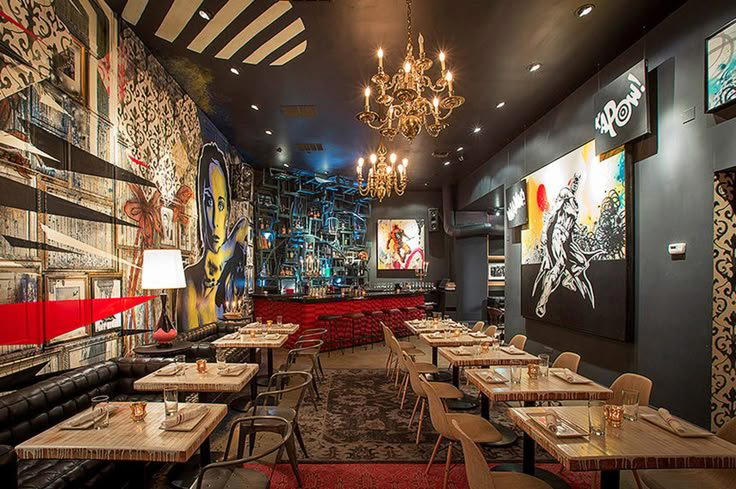
Industrial-style interior with a modern, casual bistro atmosphere, lively but not too loud, complemented by contemporary art surroundings.