Our verdict
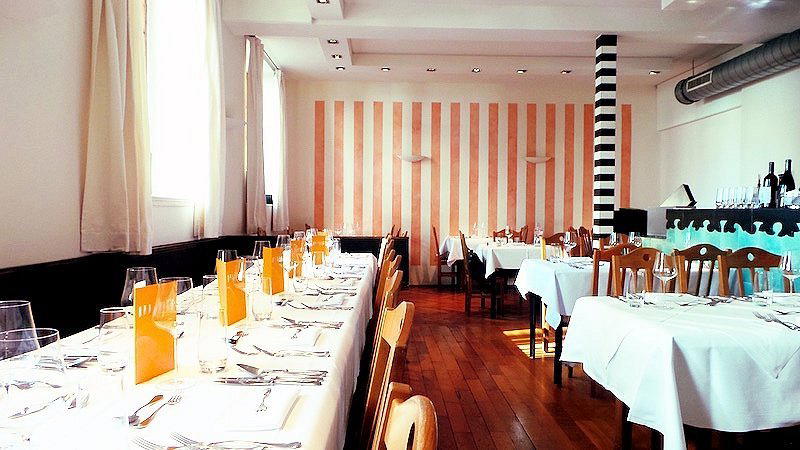
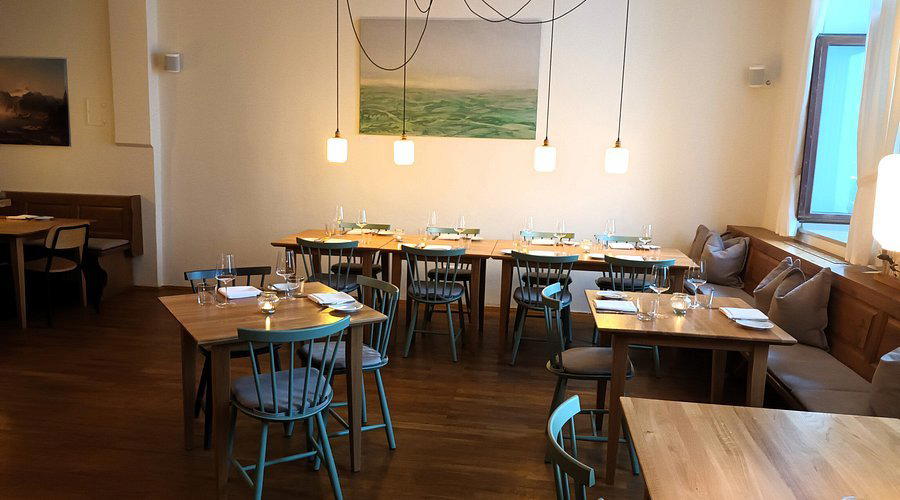
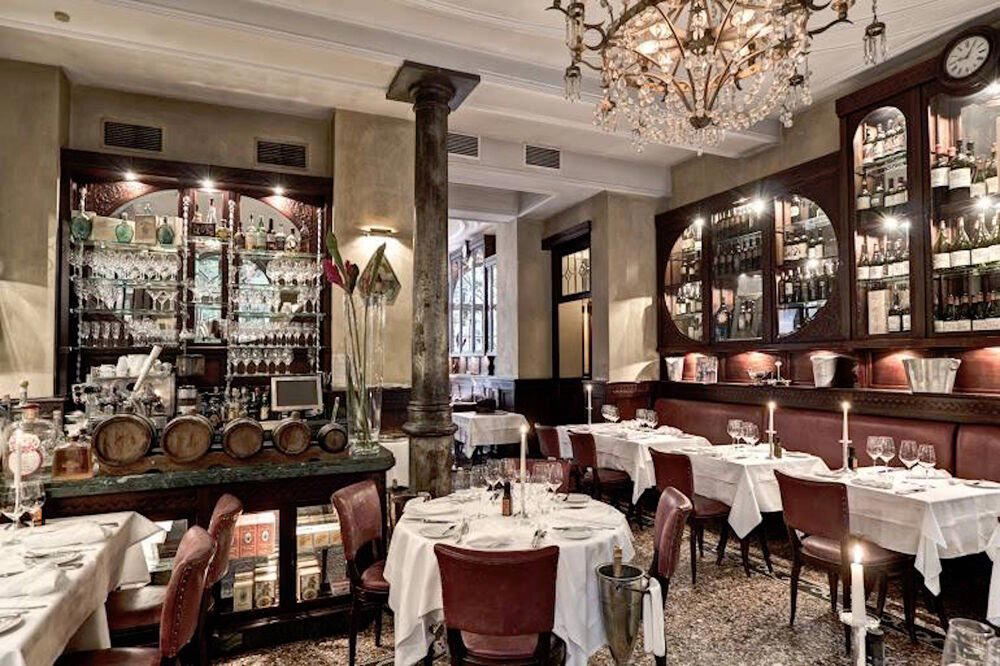
De Vivo's on Plinganserstraße sits in Munich's Sendling district, a neighbourhood better known for its residential rhythm than its restaurant density. Positioned in the city's Italian dining tier alongside venues like Acquarello, it represents the kind of address where occasion dining and neighbourhood loyalty overlap, the sort of place that earns its repeat trade through consistency rather than fanfare.

Pearl is the En Primeur Club membership app, where members save venues, book tables and use the concierge.

Sendling's Dining Character and Where De Vivo's Fits
Munich's fine dining conversation tends to begin and end in the inner city, with addresses like Tantris, Atelier, and Alois - Dallmayr Fine Dining pulling most of the critical attention. The city's outer neighbourhoods operate differently: lower foot traffic from tourists, a higher proportion of regulars, and a dining culture shaped more by occasion than by trend-chasing. Sendling, the district that lines the western bank of the Isar south of the Theresienwiese, belongs to that category. It is a neighbourhood of long-established businesses and residential blocks, and the restaurants that survive there tend to do so on repeat custom rather than discovery traffic.
De Vivo's at Plinganserstraße 102 occupies this kind of position. The address places it squarely in Sendling's southern stretch, away from the inner-city circuit that fuels reservation volumes at places like JAN or Tohru in der Schreiberei. For diners, that geography is part of the proposition: you are eating in the city rather than performing the city's dining scene.
The Occasion Dining Logic of a Neighbourhood Italian
Across Germany's larger cities, occasion dining has split into two distinct tracks. One runs through the Michelin-recognised rooms, the tasting-menu format, the sommelier pairings, the progression of courses that signals a special event by its very architecture. Think of what Schwarzwaldstube in Baiersbronn or Vendôme in Bergisch Gladbach do for their guests: the meal is the event. The other track is quieter and more durable. It runs through the reliable neighbourhood restaurant where a family books a corner table for an anniversary, where a group of colleagues marks a farewell, where the room is familiar enough to feel celebratory without requiring the formality of a destination address.
Italian restaurants have historically dominated this second category in Munich, and not by accident. The cuisine's format, antipasto, pasta, secondi, dolci, maps naturally onto celebratory meals. It progresses through courses without demanding the concentrated attention of a kaiseki or a modern tasting menu. Conversation can flow. The wine list can be navigated by people who don't consider themselves specialists. And the flavour register, rooted in olive oil, aged cheeses, cured meats, and slow-cooked sauces, is one that most tables can agree on across generations. In this respect, Munich's Italian dining tier serves a social function that the city's more ambitious rooms cannot easily replicate.
De Vivo's operates within that tradition. Its position on Plinganserstraße puts it in the same broad category as Acquarello, Munich's most formally recognised Italian address, but at a neighbourhood rather than destination scale. Where Acquarello sits in the €€€€ tier and competes for tables against the city's leading contemporary rooms, a Sendling address like De Vivo's speaks to a different kind of occasion: the meal that matters to the people at the table without necessarily mattering to anyone else.
Italy's Culinary Framework and What It Produces in a Munich Room
Italian cooking exported to Germany has a complicated history. The first wave of Italian restaurants in Munich, arriving through the 1960s and 1970s, simplified the cuisine considerably, thin-crust pizzas, carbonara adapted for local palates, tiramisu as a universal closer. The second wave, beginning in the 1990s and accelerating through the 2000s, introduced regional specificity: Sicilian caponata, Roman cacio e pepe, Venetian cicchetti-inspired small plates. The better restaurants of that second wave began connecting to Italian producers directly, sourcing San Marzano tomatoes, aged Parmigiano-Reggiano, and DOP-certified olive oils rather than working from generic Italian-style pantry staples.
This shift matters because it changed what occasion dining in a Munich Italian actually tastes like. A pasta dish built on 00 flour from a specific mill and eggs from a named supplier produces a different result than one assembled from commodity ingredients. The shift also changed the wine lists: southern German diners, already comfortable with Austrian Grüner Veltliner and Riesling, began encountering Barolo, Brunello, Etna Rosso, and Vermentino as regular features rather than exotic curiosities.
For context on what ambitious Italian dining can achieve at the top of its register, rooms like Aqua in Wolfsburg and Victor's Fine Dining by Christian Bau in Perl, both multiple Michelin star holders, demonstrate the upper ceiling of ingredient sourcing and technique in German fine dining. The gap between that tier and a neighbourhood Italian is not simply one of ambition; it is one of format, scale, and the kind of occasion each is designed to serve.
Planning a Visit: What to Know
De Vivo's sits on Plinganserstraße in Sendling, reachable by U-Bahn on the U3 or U6 lines via Implerstraße or Poccistraße stations. Sendling is not a tourist neighbourhood, which means parking is more accessible than in central Munich and the surrounding streets are quiet in the evenings. The area functions as a practical destination rather than a scenic one: you come for the meal, not the walk.
Munich's Italian dining tier at the neighbourhood level books more flexibly than the city's destination rooms. Addresses like JAN operate with advance booking windows measured in weeks or months; a Sendling neighbourhood restaurant typically runs a shorter lead time, though weekend evenings around major local events, Oktoberfest, trade fair periods, public holidays, compress availability across the city. Booking ahead is sensible for a specific date, particularly for larger groups marking a celebration.
For diners calibrating De Vivo's against Munich's broader restaurant range, the full Munich restaurants guide maps the city's key addresses by cuisine, neighbourhood, and occasion type. Germany's wider fine dining network, from ES:SENZ in Grassau to Schanz in Piesport, Waldhotel Sonnora in Dreis, Restaurant Haerlin in Hamburg, and Bagatelle in Trier, operates at a different register, but understanding where those rooms sit helps clarify what the neighbourhood tier is actually offering: accessibility, familiarity, and the conditions for a meal where the occasion belongs to the people at the table rather than to the room itself.
Internationally, the occasion-dining logic that De Vivo's represents translates to addresses like Lazy Bear in San Francisco or Le Bernardin in New York City at the top of the format, or CODA Dessert Dining in Berlin for an example of a specialist room that makes occasion dining its explicit format. These comparisons are useful calibration points, not peer references: De Vivo's is a neighbourhood address, and its value is precisely that it doesn't require the preparation that a destination meal demands.
Know Before You Go
- Address: Plinganserstraße 102, 81369 München, Germany
- District: Sendling, southwestern Munich
- Nearest U-Bahn: Implerstraße (U3/U6) or Poccistraße (U3/U6)
- Phone: Not publicly listed, check current listings for updated contact details
- Website: Not currently listed, verify via Google Maps or local directories
- Occasion fit: Neighbourhood celebrations, family dinners, group meals; informal-to-smart casual register
Frequently asked questions
What part of town is De Vivo's in?
De Vivo's is located at Plinganserstraße 102, 81369 München, Germany, Munich.
Is De Vivo's a good choice for a dinner in Munich away from the tourist centre?
De Vivo's on Plinganserstraße sits in Sendling, reachable via the U3 or U6 to Implerstraße or Poccistraße, placing it well outside Munich's inner-city dining circuit where Tantris and Atelier draw most visitor attention. For those staying in or passing through the city's southern residential quarters, it represents the kind of Italian address that functions as a genuine local fixture rather than a destination engineered for out-of-town guests. That positioning makes it a reasonable call for visitors who want to eat where Munich residents actually eat.
What do people recommend at De Vivo's?
Because De Vivo's operates as a neighbourhood Italian in Sendling rather than a menu-publishing tasting room, specific dish recommendations circulate mostly through local word of mouth rather than press coverage. The kitchen's Italian framework, the same tradition that has rooted Munich's longer-running Italian addresses, points toward pasta and secondi as the natural focus. Asking the room on arrival for what's running well that evening is the most reliable approach.
How hard is it to get a table at De Vivo's?
De Vivo's sits in Sendling, a residential district that draws a consistent local crowd rather than tourist footfall, which means demand tracks neighbourhood rhythms more than city-wide reservation pressure. Weekend evenings at occasion-driven neighbourhood Italians in Munich's outer districts tend to fill quickly, while midweek slots are generally more accessible. No public booking data is available for De Vivo's specifically, so contacting the venue directly ahead of a Friday or Saturday visit is advisable.
What's the signature at De Vivo's?
Within Munich's neighbourhood Italian category, the kitchens that have built the strongest local followings tend to anchor around handmade pasta or a reliable secondi rotation rather than a single showpiece plate. The Sendling address and the occasion-dining positioning suggest a menu built around consistency rather than a rotating chef's-whim format.
Is De Vivo's good for vegetarians?
Italian cooking's structural reliance on vegetables, legumes, and pasta means most Italian kitchens in Munich, including neighbourhood addresses like De Vivo's, carry workable options for vegetarians without dedicated menu engineering. That said, no specific vegetarian menu or dietary policy is documented for De Vivo's, so guests with strict requirements should confirm directly with the restaurant before booking.
The Quick Read
Comparable options at a glance, pulled from our tracked venues.
| Venue | Cuisine | Price | Awards | Notes |
|---|---|---|---|---|
| De Vivo'sThis venue (the venue you are viewing) | Traditional Italian with Fresh Seafood | $30–50 | Not listed | Not listed |
| Tantris | Modern French Fine Dining | $300–500 | 2 Michelin Stars · World's 50 Best #73 | Modern French, French Contemporary |
| Tohru in der Schreiberei | Modern Japanese-European Fusion Fine Dining | $300–500 | Michelin Plate · La Liste Top Restaurants | Modern German - Japanese, Modern Cuisine |
| Alois - Dallmayr Fine Dining | Modern Bavarian Fine Dining with French and Nordic Influences | $300–500 | 2 Michelin Stars · La Liste Top Restaurants | Creative |
| Atelier | Modern German with Asian Influence | $200–300 | 2 Michelin Stars · La Liste Top Restaurants | Creative French |
| Acquarello | Modern Italian Fine Dining | $100–150 | 1 Michelin Star | Italian - Mediterranean, Italian |