




One of Munich's enduring grand hotels, Bayerischer Hof occupies a prime address on Promenadenplatz dating to 1841, with 337 rooms spanning dramatically different interior schemes, a two-Michelin-starred restaurant in Atelier, six bars, and a rooftop Blue Spa. A member of The Leading Hotels of the World and ranked 94 points on the La Liste Top Hotels 2026 list, it competes directly with the city's most established luxury properties.
Pearl is the En Primeur Club membership app — saves, bookings, and concierge access live there. Same editors, same standards.
- Address
- Promenadepl. 2-6, 80333 München
- Phone
- +49 89 21200
- Website
- bayerischerhof.de
- Directions
- Get directions
 Saves & bookings on Pearl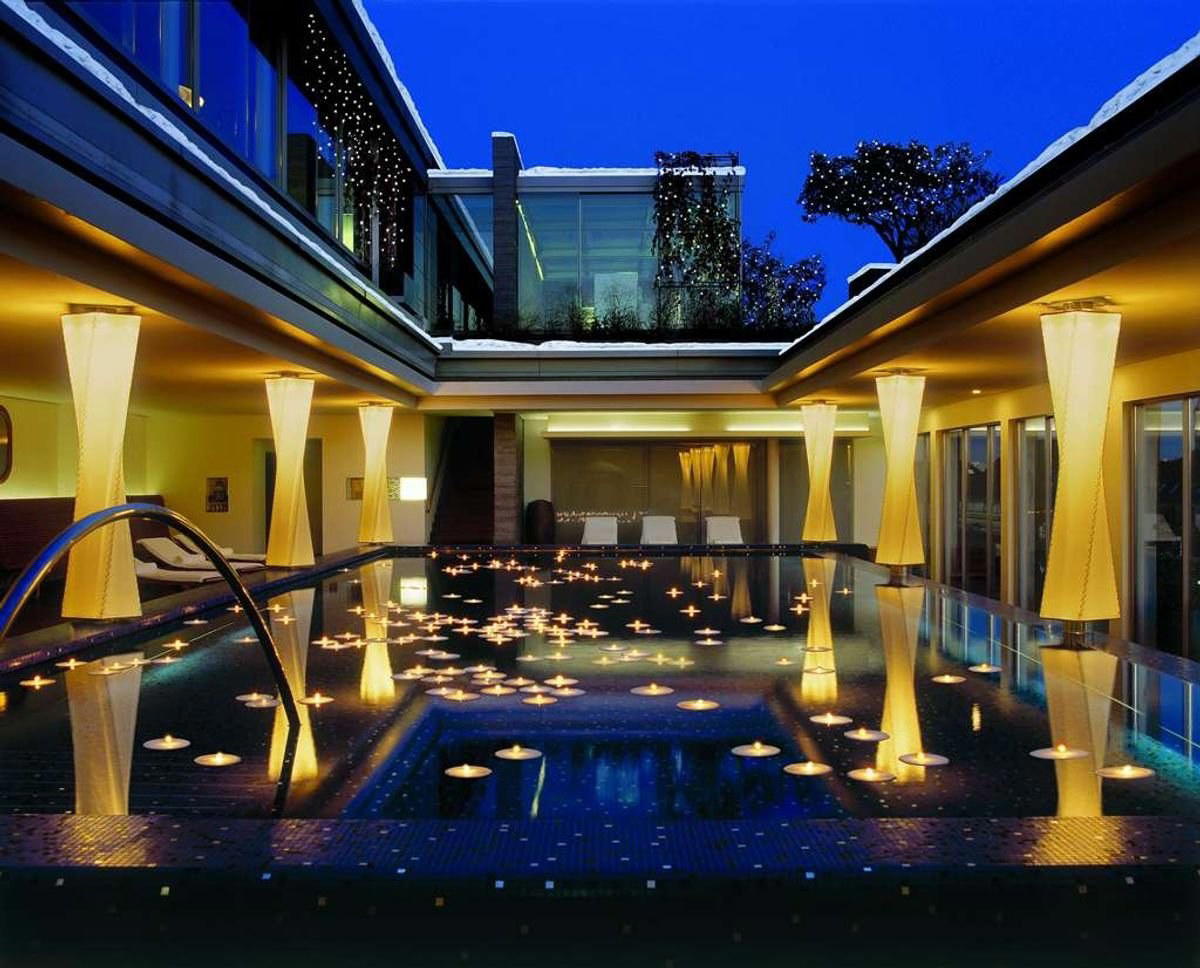
Promenadenplatz and What an Address Delivers
Munich's grand hotel geography has never been particularly spread out. The city's most established properties cluster within walking distance of the Altstadt, and Promenadenplatz 2-6 is as central as the city gets: two minutes from the Frauenkirche, five from the Viktualienmarkt, directly adjacent to the pedestrian shopping axis that connects the historic core. For a hotel of Bayerischer Hof's scale and operating model, that address is a structural advantage. Guests checking in for trade fairs at the Neue Messe can reach the venue without a car; those here for opera at the Nationaltheater are across two blocks. The proximity removes the friction that affects even good hotels when they sit in quieter residential districts.
That centrality has been in continuous use since 1841, when the property opened on what was then the site of a Bavarian royal palace used by King Ludwig I. The building's longevity, and the institutional weight it carries in Munich's hospitality memory, place it in a specific competitive tier alongside properties like the Mandarin Oriental Munich and the Rocco Forte Charles Hotel. Unlike the newer entrants to Munich's luxury market, including the Rosewood Munich or the Andaz Munich Schwabinger Tor, Bayerischer Hof carries the accumulated cultural identity of a property that has hosted aristocrats, film stars, and heads of state over nearly two centuries of operation.
What 337 Rooms Actually Means at This Scale
Grand hotels in the European tradition have always operated at a scale that boutique properties deliberately avoid. At 337 rooms, Bayerischer Hof belongs in the same category as the Fairmont Hotel Vier Jahreszeiten in Hamburg or the Excelsior Hotel Ernst in Cologne: properties where size enables a depth of programming, food and beverage infrastructure, and event capacity that smaller properties simply cannot match. Conference spaces here are extensive, and that function is inseparable from the hotel's positioning.
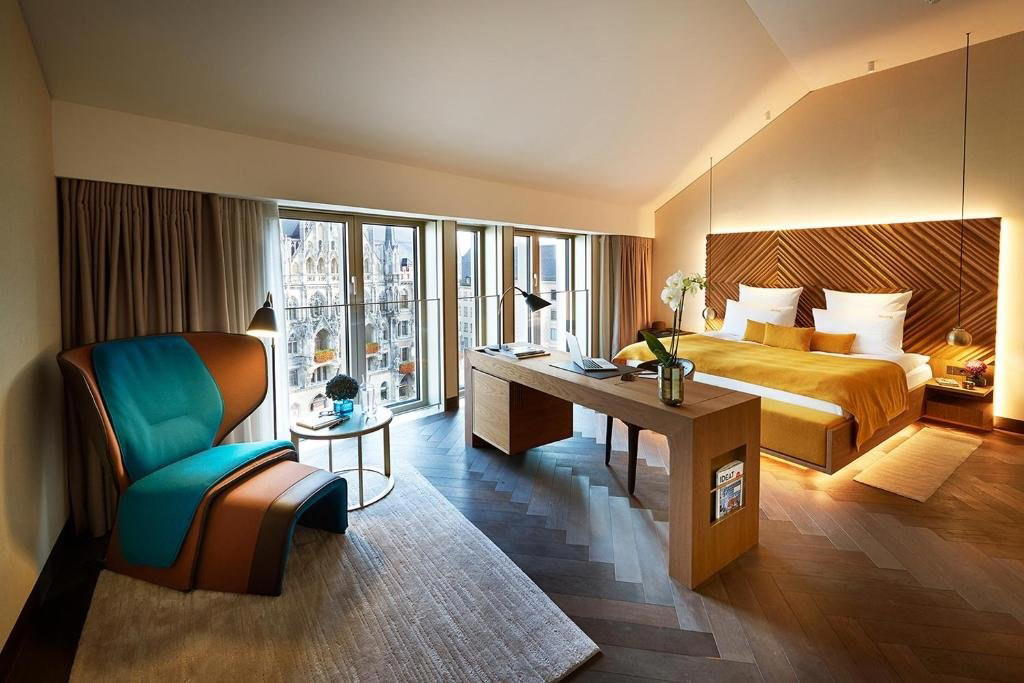
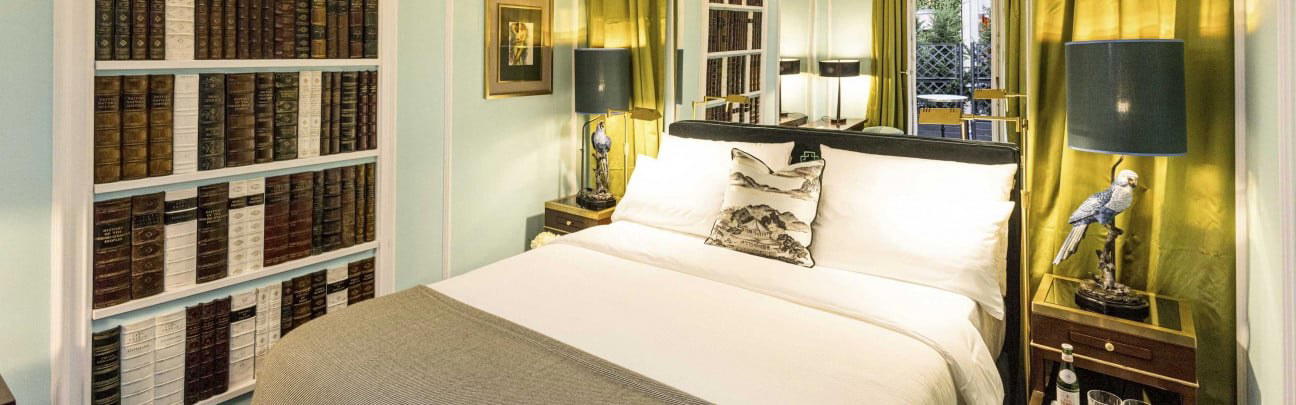
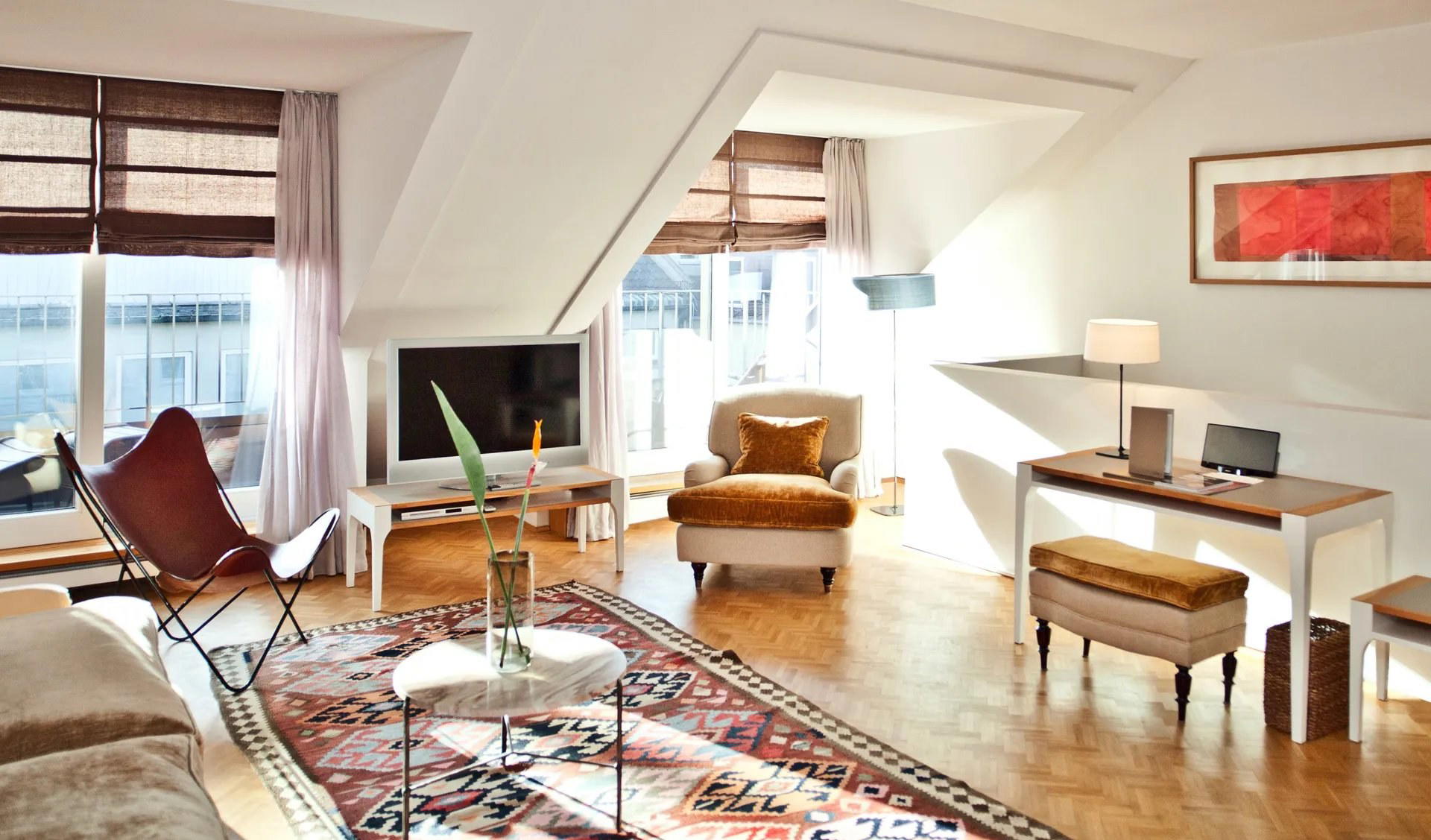
The trade-off is familiar to anyone who has stayed in large European city palaces: the rooms vary considerably. Bayerischer Hof's interior scheme reflects decades of phased renovation rather than a single design vision. The result is an unusually wide range of room characters within the same building. Rooms designed by Siegward Graf Pilati skew toward an Art Deco sensibility. Others carry Bavarian vernacular detailing by Hans Minarik, or an African-colonial aesthetic in quieter corridors. Two distinct English country-house schemes exist in separate wings: one monochromatic and restrained, the other in the Laura Ashley idiom, with chintz and floral patterns that read as deliberately traditional rather than updated. The consistency across all categories is in physical proportion: the rooms are large, the marble bathrooms generous, and the suites operate at a scale appropriate to the hotel's tier, with vaulted ceilings and separate sitting areas. Rates from approximately $430 per night position the hotel within Munich's upper-tier group, consistent with its La Liste Leading Hotels 2026 score of 94 points and its membership in The Leading Hotels of the World.
Food and Beverage as a Hotel's Second Argument
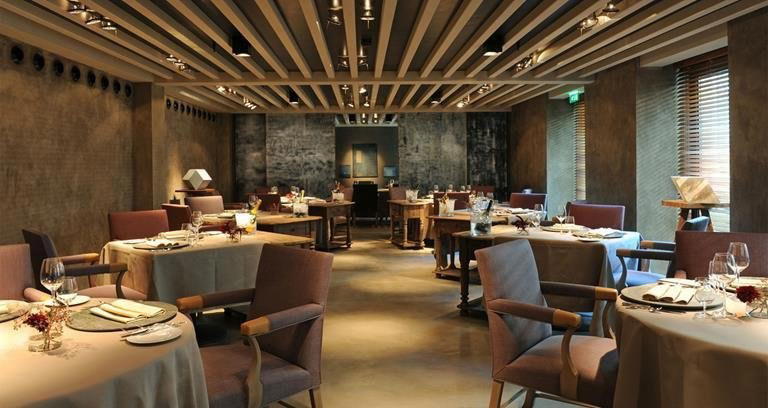
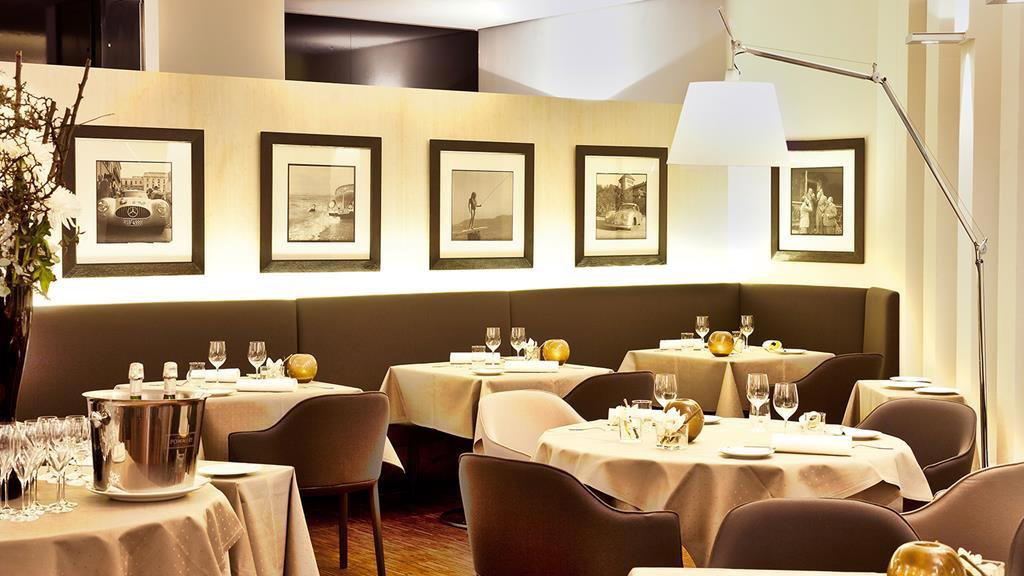
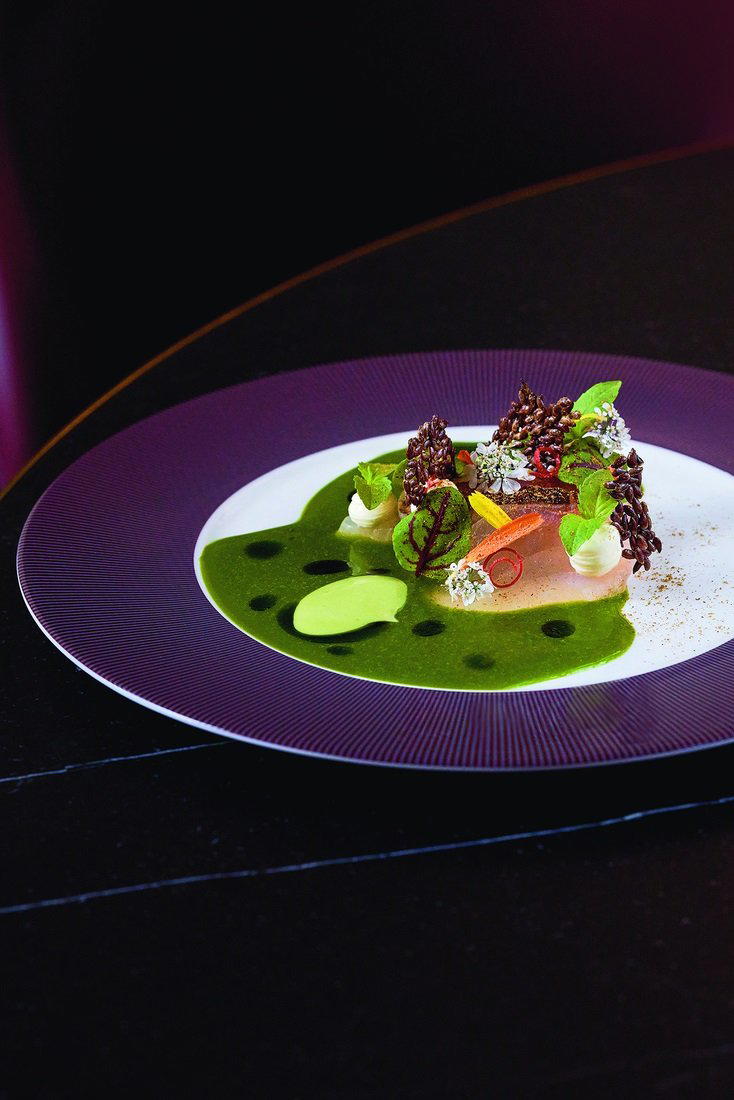
Germany's grand city hotels have historically treated their dining programs as supporting infrastructure rather than independent destinations. Bayerischer Hof is an exception to that pattern. Atelier, the hotel's flagship restaurant, holds two Michelin stars, which places it in a small national cohort of hotel restaurants with that level of recognition. In Munich's broader fine dining context, a two-star hotel restaurant is a meaningful credential: the city is not overloaded with starred hotel dining at that level, and Atelier functions as a draw independent of room bookings.
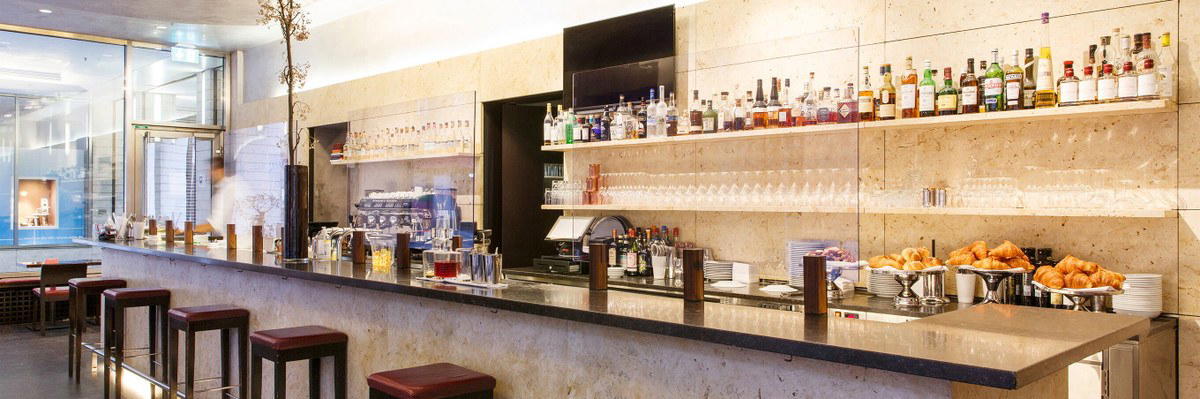
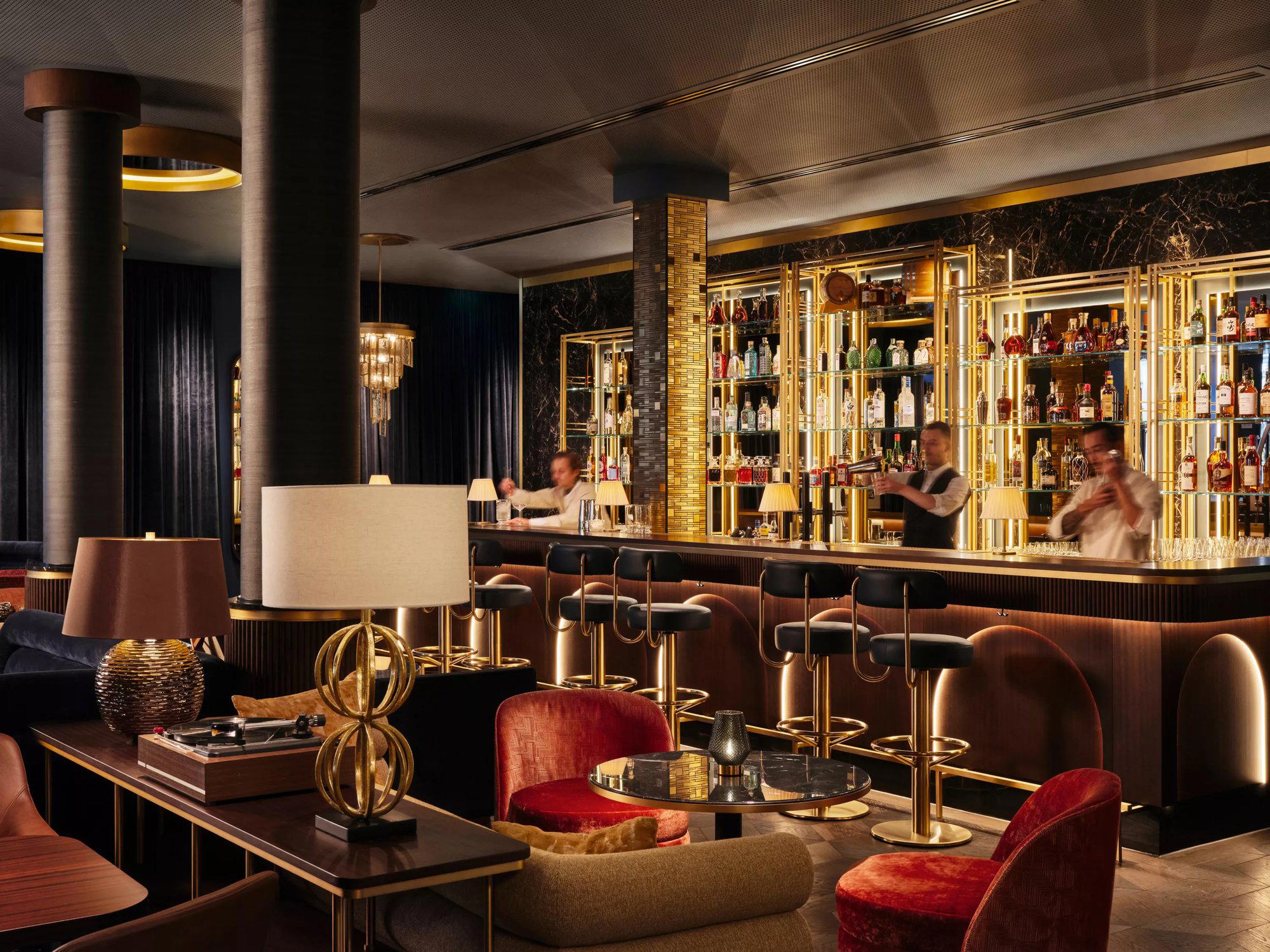
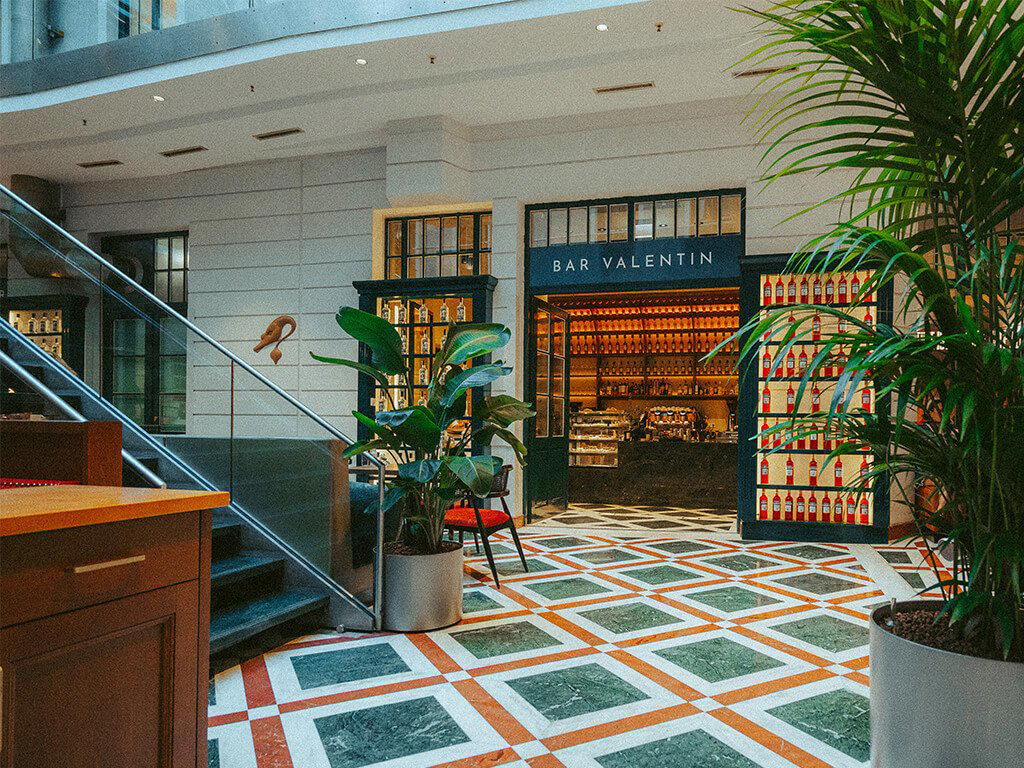
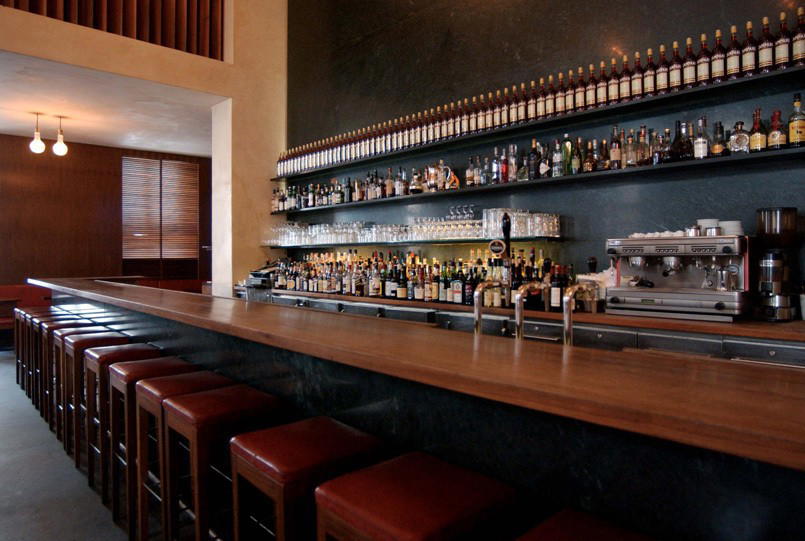
Beyond Atelier, the food and beverage program covers six bars and four restaurants in total. Falk's Bar anchors the cocktail side with a program that spans classic formats and more technically involved preparations. The Atrium bar operates under a glass dome, a physical setting that defines its appeal more clearly than any menu description could. The Night Club hosts jazz programming, a format that in Munich's context places it alongside a small number of hotel venues that maintain live music as a consistent rather than occasional offering. This breadth of programming is a function of the hotel's scale, and it sets Bayerischer Hof apart from focused boutique properties like Cortiina Hotel or BEYOND by Geisel, where the food and beverage scope is deliberately narrower.
The Rooftop and What It Adds to the Address
The Blue Spa on the rooftop, designed by the late French designer Andrée Putman, incorporates a pool, solarium, sauna, steam bath, and treatment rooms. In a city centre property at this density, rooftop amenity with an unobstructed view of the Altstadt skyline is not a given. The renovation of this space adds a spatial dimension to the hotel's appeal that is directly tied to its address: a rooftop pool here looks over Munich's historic core in a way that suburban resort properties, however well-appointed, cannot replicate. Guests looking for spa-forward retreats in Bavaria might consider alternatives like Althoff Seehotel Überfahrt in Rottach-Egern or Schloss Elmau Luxury Spa Retreat & Cultural Hideaway in Elmau, where the wellness infrastructure is the primary proposition; at Bayerischer Hof, the spa complements an already dense urban program.
Planning a Stay
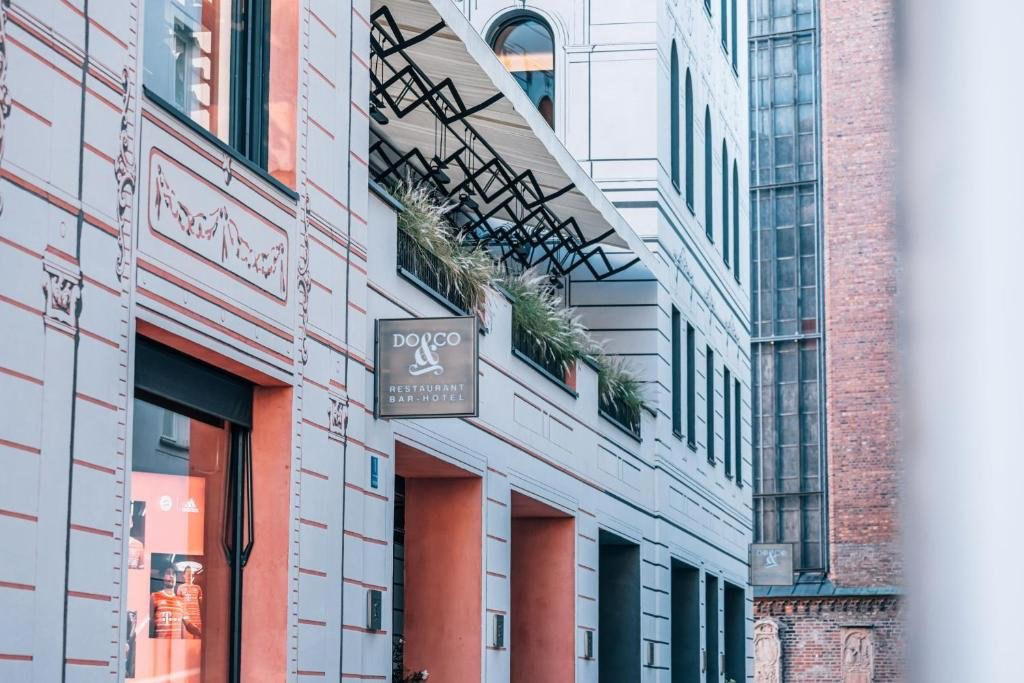
The hotel sits at Promenadenplatz 2-6. For dining at Atelier specifically, reservations operate independently of room bookings and should be secured separately, as two-Michelin-star restaurants at this occupancy level book ahead by weeks. The Leading Hotels of the World membership means the property participates in that consortium's preferred guest programs, a practical detail for frequent users of the network. Comparable city-centre luxury options in Munich include the Do & Co Hotel Munich for a more contemporary format, and the Hilton Munich Airport for those prioritising transit access over central positioning.
For German grand hotel comparisons beyond Munich, Breidenbacher Hof Düsseldorf, Hotel de Rome in Berlin, and Bülow Palais in Dresden represent the closest peer properties by format and positioning. Those seeking the Bavarian region more broadly might also consider Gut Steinbach Hotel Chalets Spa in Reit im Winkl, Das Kranzbach Hotel & Wellness Retreat in Kranzbach, or Hotel Bareiss in Baiersbronn for countryside alternatives with their own Michelin-starred dining. International equivalents in the grand city hotel category include The Fifth Avenue Hotel in New York City, Aman New York, and Aman Venice, though each represents a different operating philosophy at the luxury tier. Further afield, BUDERSAND Hotel in Hörnum, Esplanade Saarbrücken, and Der Öschberghof in Donaueschingen round out Germany's distributed luxury hotel network for those building multi-city itineraries.
A Lean Comparison
Comparable venues nearby, for context on price, style, and recognition.
| Venue | Price | Notes |
|---|---|---|
| Bayerischer Hof MunichThis venue — the venue you are viewing | $$$$ | Not listed |
| Hotel München Palace | $$$$ | Haidhausen, Private family-owned luxury boutique hotel reflecting contemporary classical design with uncompromising attention to quality and beauty. |
| Koenigshof, a Luxury Collection Hotel, Munich | $$$$ | Isarvorstadt, Contemporary luxury with Bavarian heritage influences, featuring curated local artworks and bespoke design elements celebrating Munich's cultural identity. |
| Hotel Vier Jahreszeiten Kempinski Munich | $$$$ | Lehel, Historic luxury grand hotel blending tradition with modern living. |
| BEYOND by Geisel | $$$$ | Isarvorstadt, Contemporary luxury boutique hotel with minimalist elegance and personalized service; member of Preferred Hotels & Resorts. |
| Andaz Munich Schwabinger Tor | $$$$ | Schwabing, Contemporary luxury lifestyle hotel designed for cosmopolitan travelers with emphasis on local Munich experiences and creative inspiration. |
Recognition history
Dated appearances from independent guides and award organizations, with the underlying list record or original source where available.
La Liste Top Hotels
La Liste
Virtuoso Luxury Hotel Partner
Virtuoso
Leading Hotels of World Member
Leading Hotels of World
Michelin 1 Key
Michelin
Preferred Hotels Member
Preferred Hotels
At a Glance
- Elegant
- Sophisticated
- Ornate
- Classic
- Well Known
- Business Trip
- Romantic Getaway
- Celebration
- Rooftop Pool
- Historic Building
- Panoramic View
- Pool
- Spa
- Fitness Center
- Room Service
- Concierge
- Business Center
- Valet Parking
- Skyline
- Pool
- Spa
- Fitness Center
- Room Service
- Concierge
- Business Center
- Valet Parking
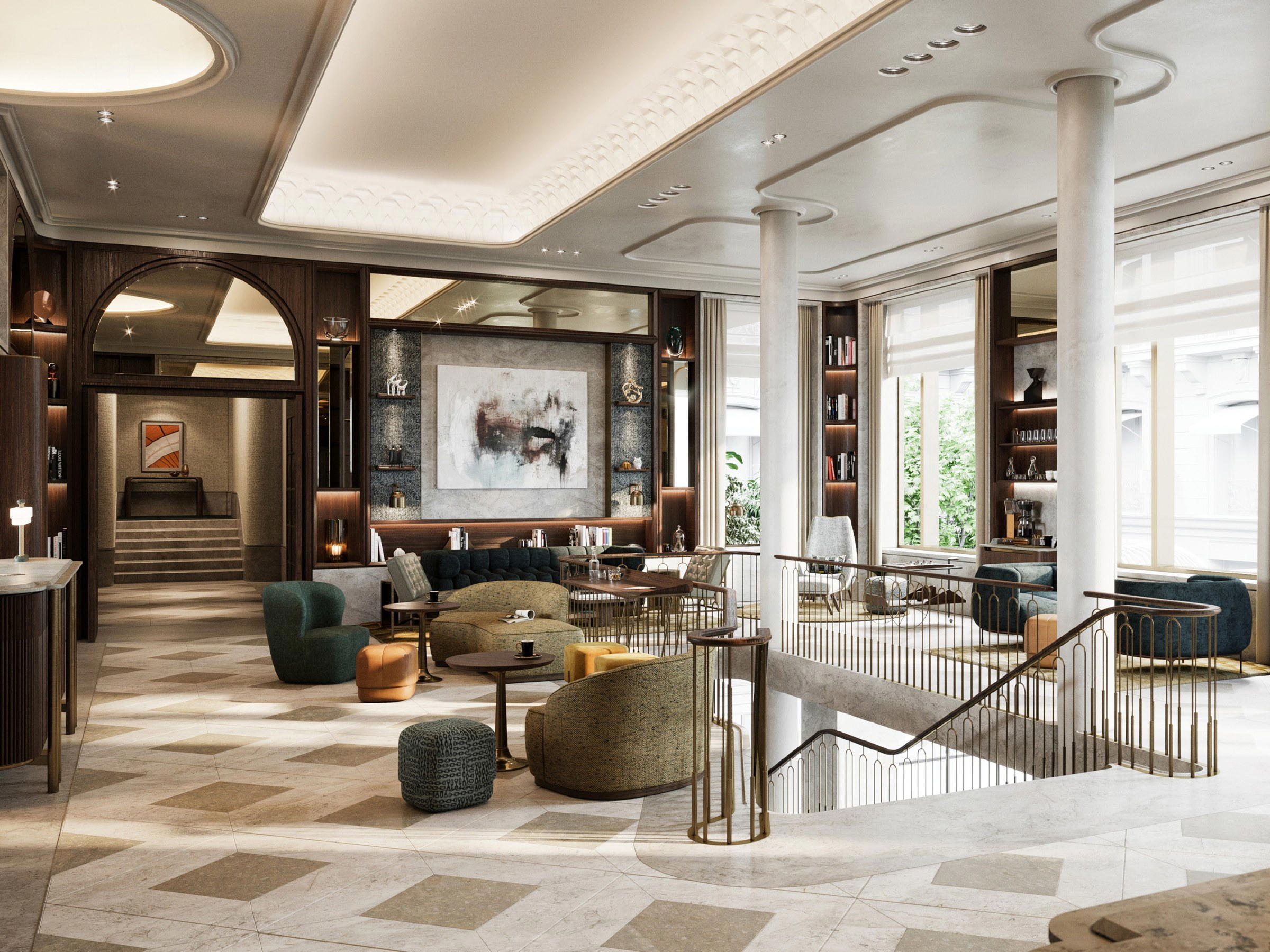
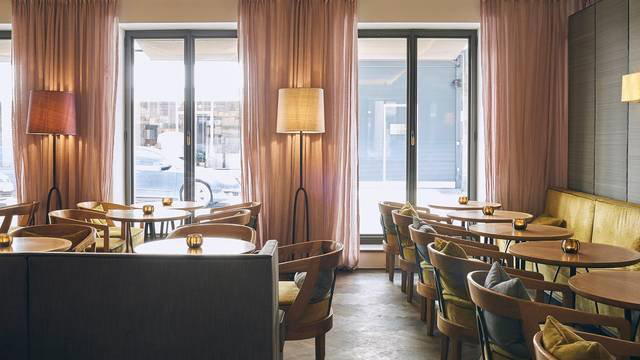
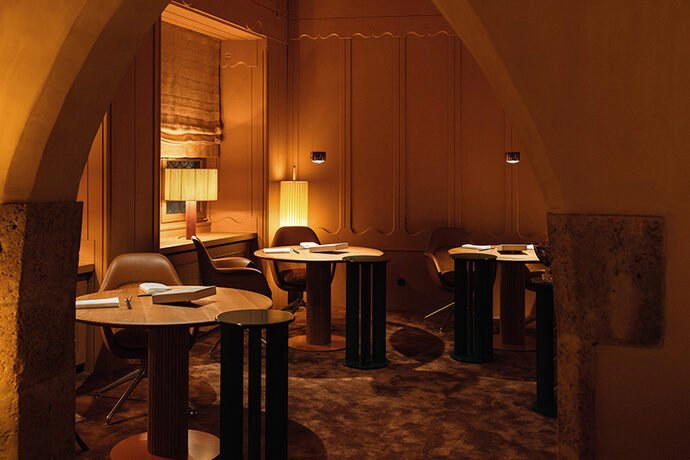
Elegant and traditional with ornate art deco elements, soft lighting in historic salons, and a quiet sophisticated atmosphere enhanced by live music venues.