Dr. Drooly sits on Häberlstraße in Munich's Ludwigsvorstadt district, a neighbourhood that trades the tourist polish of the Altstadt for something more locally grounded. The address places it within walking distance of the Oktoberfest grounds and the everyday rhythms of a working Munich quarter, making it a useful reference point for understanding where the city's less formal dining scene operates.
Pearl is the En Primeur Club membership app — saves, bookings, and concierge access live there. Same editors, same standards.
- Address
- Häberlstraße 7, 80337 München, Germany
- Phone
- +498951702709
- Website
- doctordrooly.de
- Directions
- Get directions
 Saves & bookings on Pearl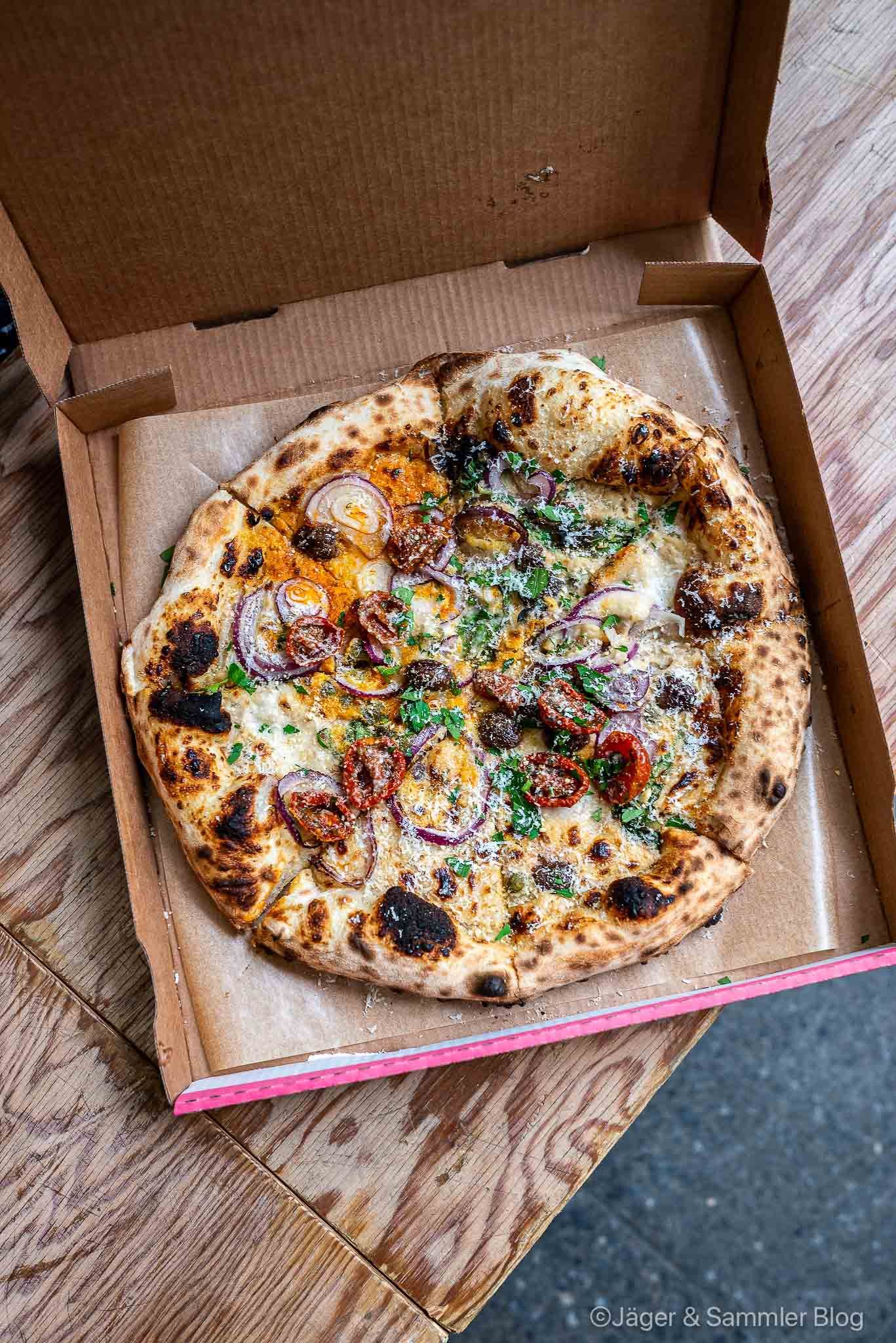
Häberlstraße and the Quarter That Surrounds It
Dr. Drooly is a restaurant in Munich serving Vegan Neapolitan Pizza, at Häberlstraße 7, 80337 München, Germany. Sitting between the Hauptbahnhof's commercial sprawl and the green corridor of the Theresienwiese, it occupies a middle register in Munich's urban geography: residential without being quiet, central without being polished. Häberlstraße 7, where Dr. Drooly is addressed, sits in this zone where the city's more self-conscious dining districts have not yet flattened the texture of daily life. The streets here feel used rather than curated, which tends to attract a certain kind of independent operator.
This matters for understanding what Dr. Drooly represents in Munich's broader food scene. The city's upper tier of formal dining, occupied by addresses like Tantris, Atelier, and Alois - Dallmayr Fine Dining, operates in a different register entirely, built around multi-course formats, Michelin recognition, and the institutional weight that comes with decades of fine dining infrastructure. The restaurant, addressed in a quieter stretch of the 3rd district, signals a different set of priorities from the outset.
Where Dr. Drooly Sits in Munich's Food Structure
Munich has one of the denser concentrations of Michelin-starred restaurants among German cities. The starred tier includes not just the obvious grand-room destinations but also a growing number of smaller, concept-led operations. Tohru in der Schreiberei and JAN both represent the type of focused, chef-driven format that has expanded Munich's fine dining range over the past decade. Below that tier, the city supports a significant number of neighbourhood-level restaurants that reflect the same quality instincts without the formal apparatus.
The restaurant operates in that secondary layer, which across Germany's major cities has become one of the more interesting areas to track. The country's dining culture rewards specificity and craft at every price point, and operations in Ludwigsvorstadt or comparable districts in Frankfurt, Hamburg, and Berlin often develop loyal followings precisely because they are not positioned as destination restaurants. The format, in other words, can become the point. For the wider German fine dining context, addresses like Schwarzwaldstube in Baiersbronn, Aqua in Wolfsburg, and Restaurant Haerlin in Hamburg illustrate the range of what formal and serious cooking looks like across different German contexts.
The Name as Signal
The name the restaurant is worth a moment's attention. In a city where restaurant naming conventions run toward either Bavarian vernacular or the kind of spare single-word minimalism associated with contemporary fine dining, a name like Dr. Drooly reads as deliberately irreverent. Across multiple European and North American dining markets, this naming approach has become a recognisable shorthand for a particular restaurant type: casual-first, likely quality-focused, resistant to the conventions of fine dining signalling. It is a position with real precedent. Operations like Lazy Bear in San Francisco have demonstrated that high-effort cooking can be communicated through formats and names that actively resist formality.
Whether Dr. The venue has no documented awards. What the address and name together suggest is an operation that has positioned itself outside the conventional signals of the Munich fine dining circuit, which is itself a form of editorial statement in a city where the fine dining framework is well-established.
The Neighbourhood as Context for the Visit
Arriving at Häberlstraße 7 means approaching through a part of Munich that rewards a slower pace. The western edge of Ludwigsvorstadt connects to the Theresienwiese, the broad open ground where the Oktoberfest is staged each autumn, and in non-festival periods the area reverts to something more ordinary: a neighbourhood of apartment blocks, independent shops, and the kind of restaurant density that comes from a local population rather than tourist flow. The U-Bahn stops at Goetheplatz and Poccistraße place the address within easy reach of the city centre without being absorbed by it.
For visitors constructing a Munich itinerary around food, this location creates a useful counterpoint to the more formalised dining destinations. After a meal at a Michelin-level address in Schwabing or the Altstadt, an evening in Ludwigsvorstadt tends to feel like a different city entirely. The same dynamic operates in other German cities: CODA Dessert Dining in Berlin has shown how a neighbourhood-first positioning can coexist with serious technical ambition, and Bagatelle in Trier illustrates how regional addresses outside the major cities develop their own dining character.
Comparable positioning across Germany's broader restaurant map includes Vendôme in Bergisch Gladbach, Victor's Fine Dining by Christian Bau in Perl, ES:SENZ in Grassau, Schanz in Piesport, and Waldhotel Sonnora in Dreis, each operating in settings removed from major urban centres but with distinct identities built on culinary focus. At the international level, Le Bernardin in New York City demonstrates how a singular culinary focus, sustained over decades, produces a kind of institutional gravity that neighbourhood restaurants rarely seek but occasionally achieve.
Know Before You Go
Recognition Snapshot
Comparable venues nearby, for context on price, style, and recognition.
| Venue | Cuisine | Price | Notes |
|---|---|---|---|
| Dr. DroolyThis venue — the venue you are viewing | Vegan Neapolitan Pizza | $$ | Not listed |
| Napoli Rush | Neapolitan Pizza | $$ | Neuhausen |
| vi vadi RUSTICO | Classic Italian with Wood-Fired Pizza | $$ | Neuhausen |
| Forza Napoli | Authentic Neapolitan Pizza | $$ | Haidhausen |
| Tutto | Neapolitan Pizza | $$ | Schwabing |
| La Vecchia Masseria | Classic Italian Trattoria | $$ | Isarvorstadt |
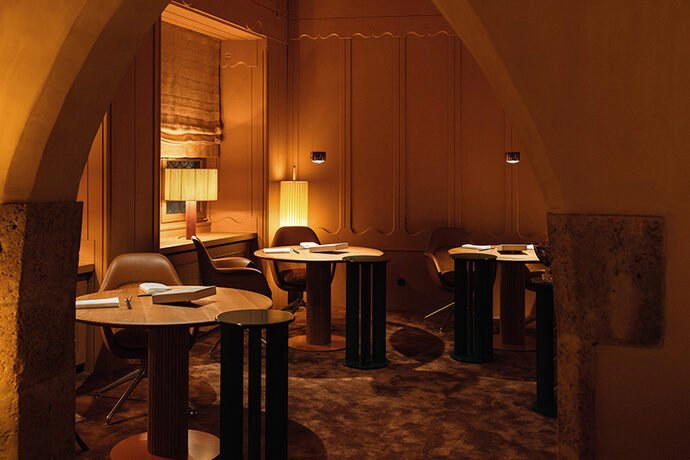
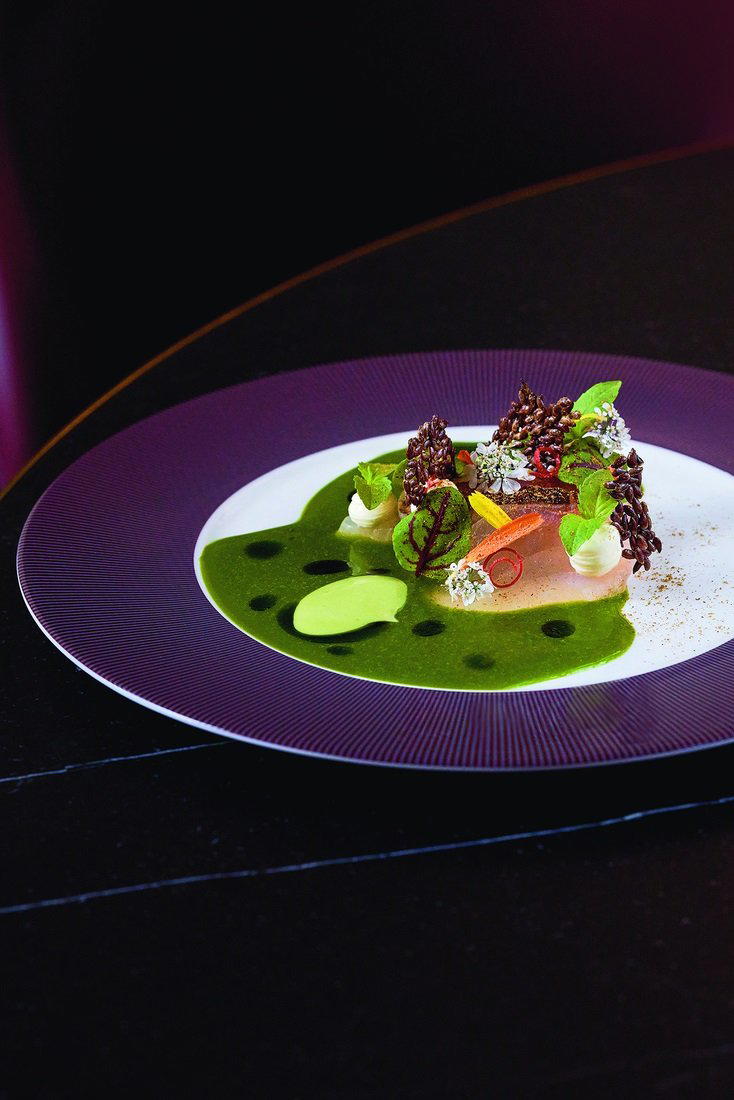
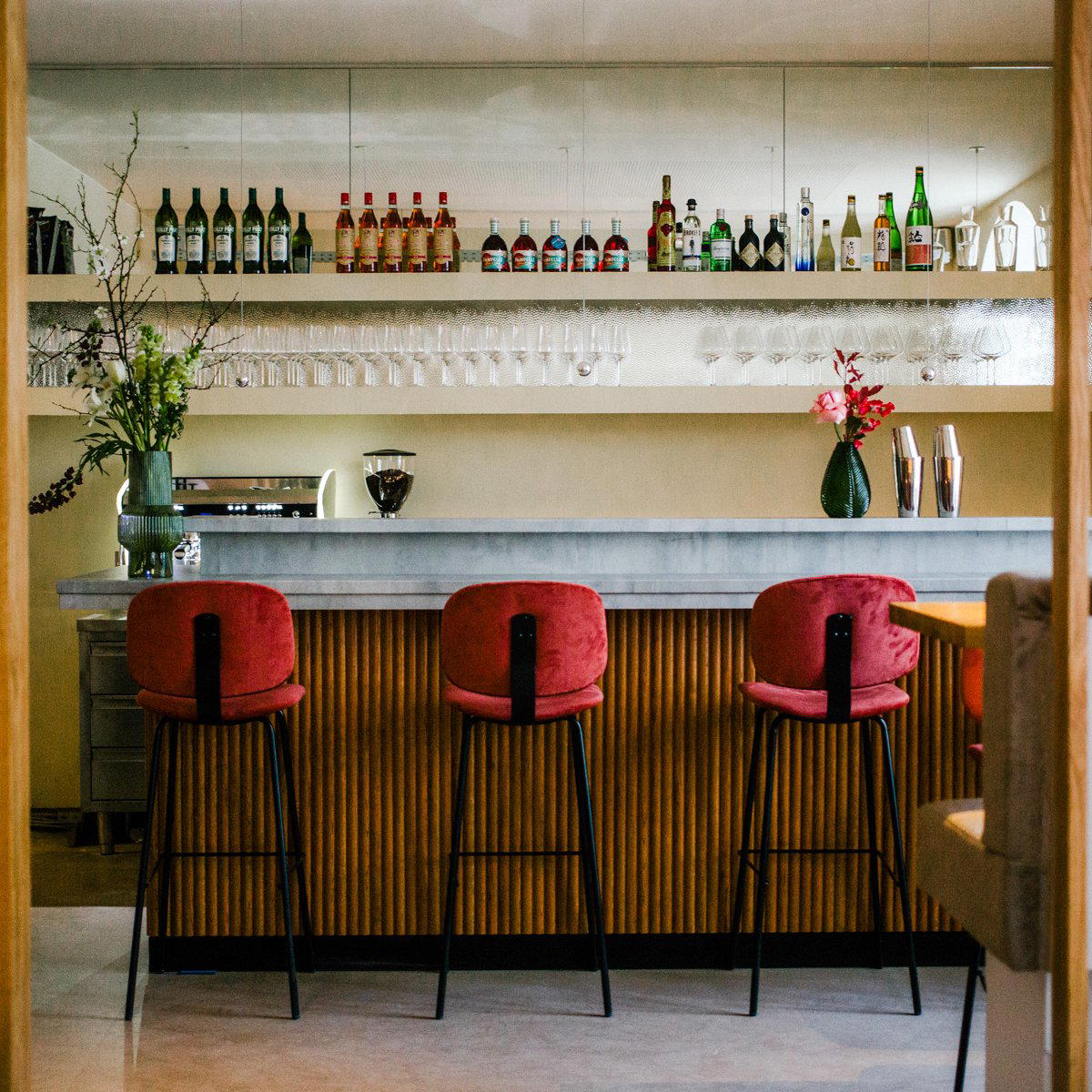
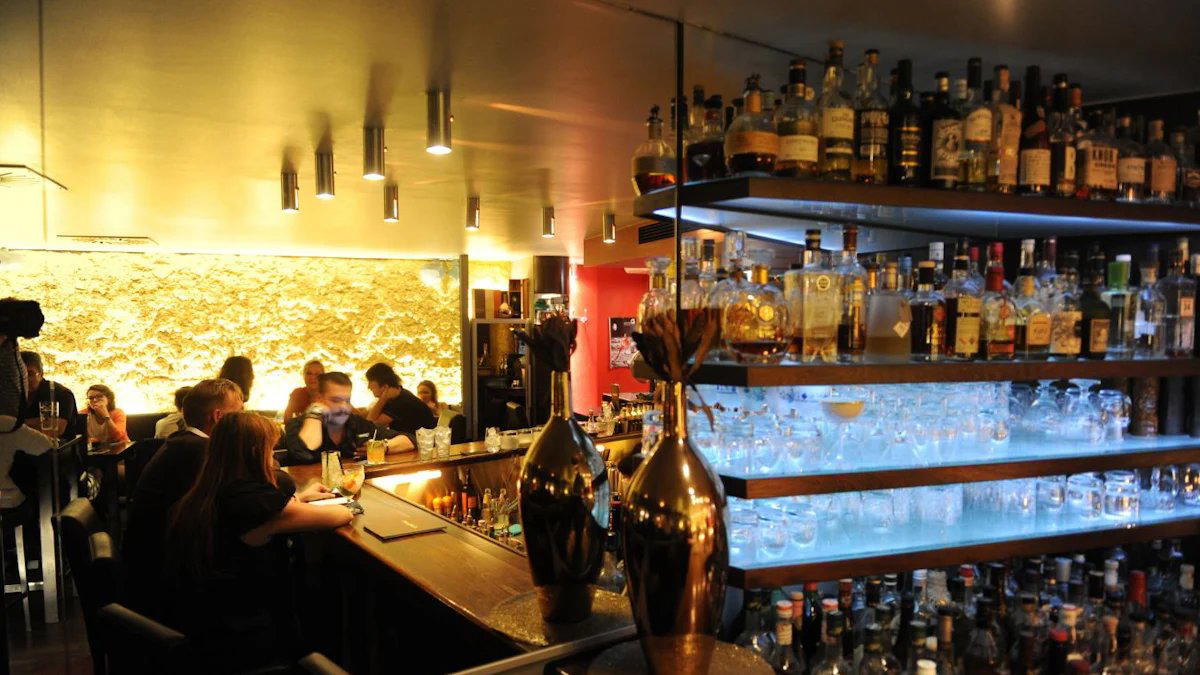
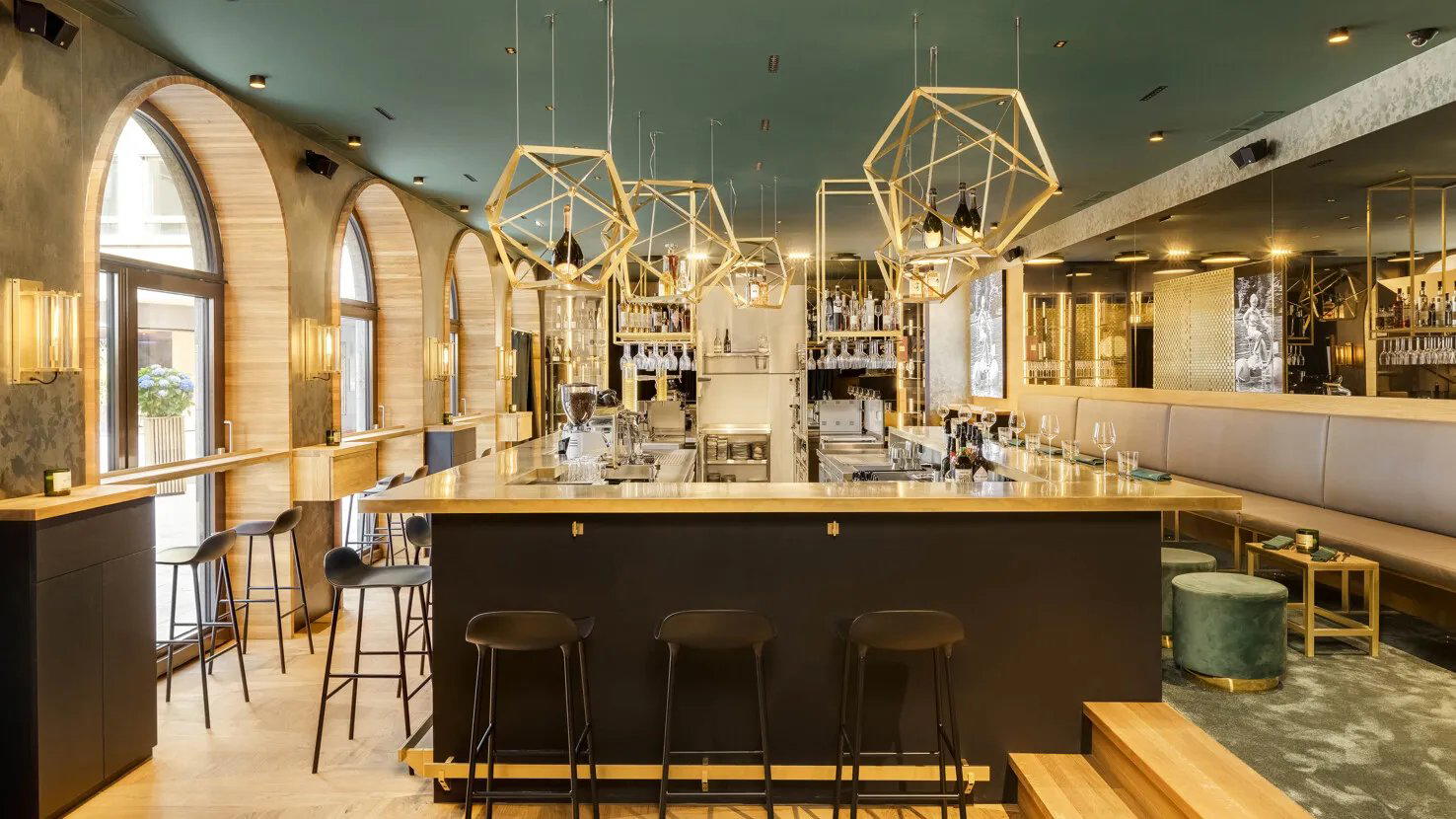
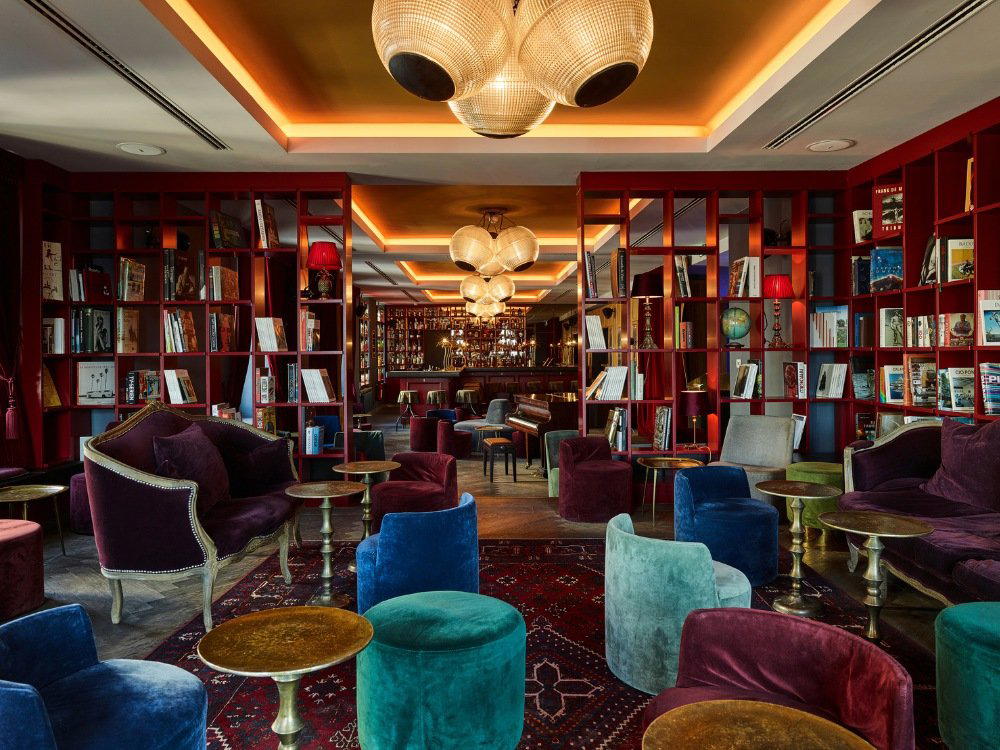
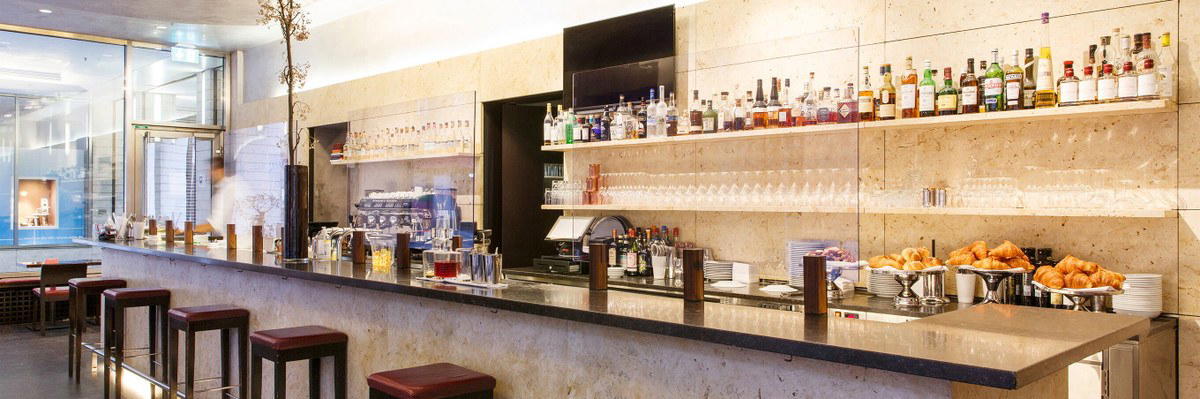
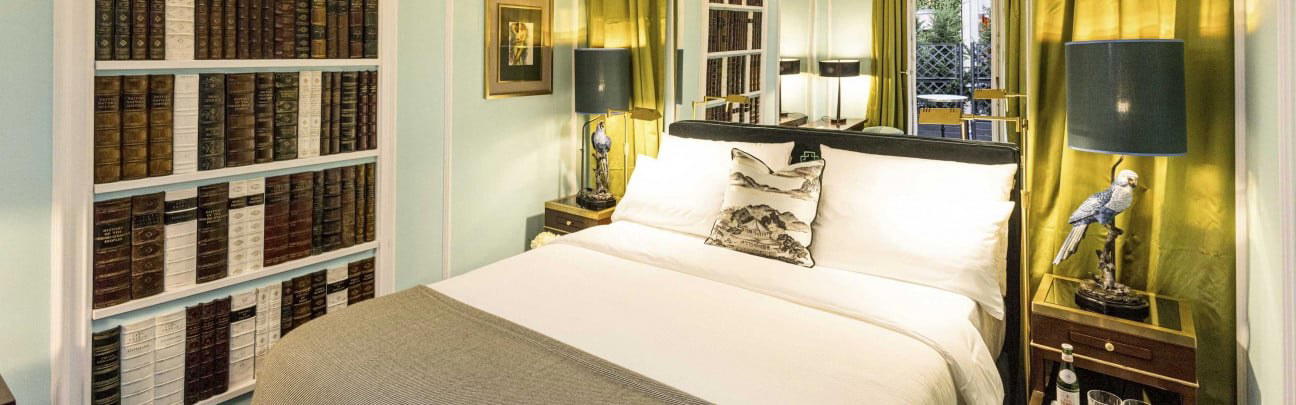
At a Glance
- Trendy
- Cozy
- Casual Hangout
- Open Kitchen
Current opening hours
- Monday
- Closed
- Tuesday
- Closed
- Wednesday
- 5–9:30 PM
- Thursday
- 5–9:30 PM
- Friday
- 5–9:30 PM
- Saturday
- 5–9:30 PM
- Sunday
- 12–9:30 PM
Hours can change for holidays and private events. Last verified .
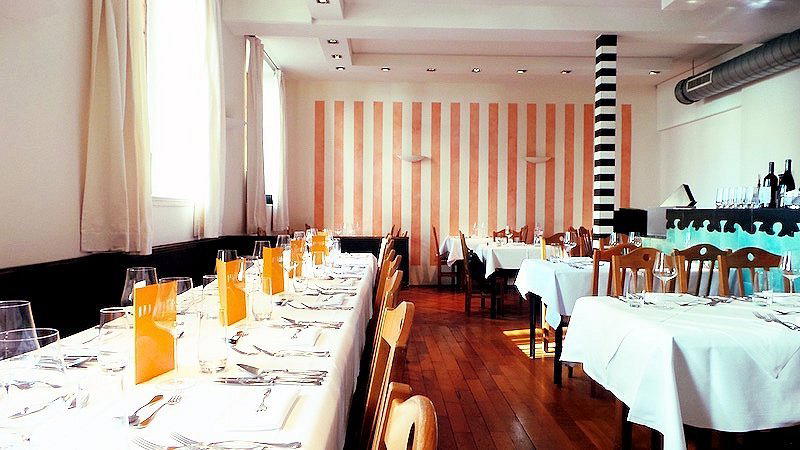
Hip, cool, and fun vibe with limited seating focused on takeout and delivery.