Dal Cavaliere occupies a quiet address on Weißenburger Strasse in Munich's Haidhausen district, a neighbourhood where Italian cooking traditions have found a serious foothold among the city's fine dining circuit. The restaurant sits in a tier where sourcing discipline and kitchen craft matter more than spectacle, making it a reference point for those tracking how European sustainability-led Italian dining is developing outside Italy.
Pearl is the En Primeur Club membership app — saves, bookings, and concierge access live there. Same editors, same standards.
- Address
- Weißenburger Str. 3, 81667 München, Germany
- Phone
- +494989488388
- Website
- dalcavaliere1980.de
- Directions
- Get directions
 Saves & bookings on Pearl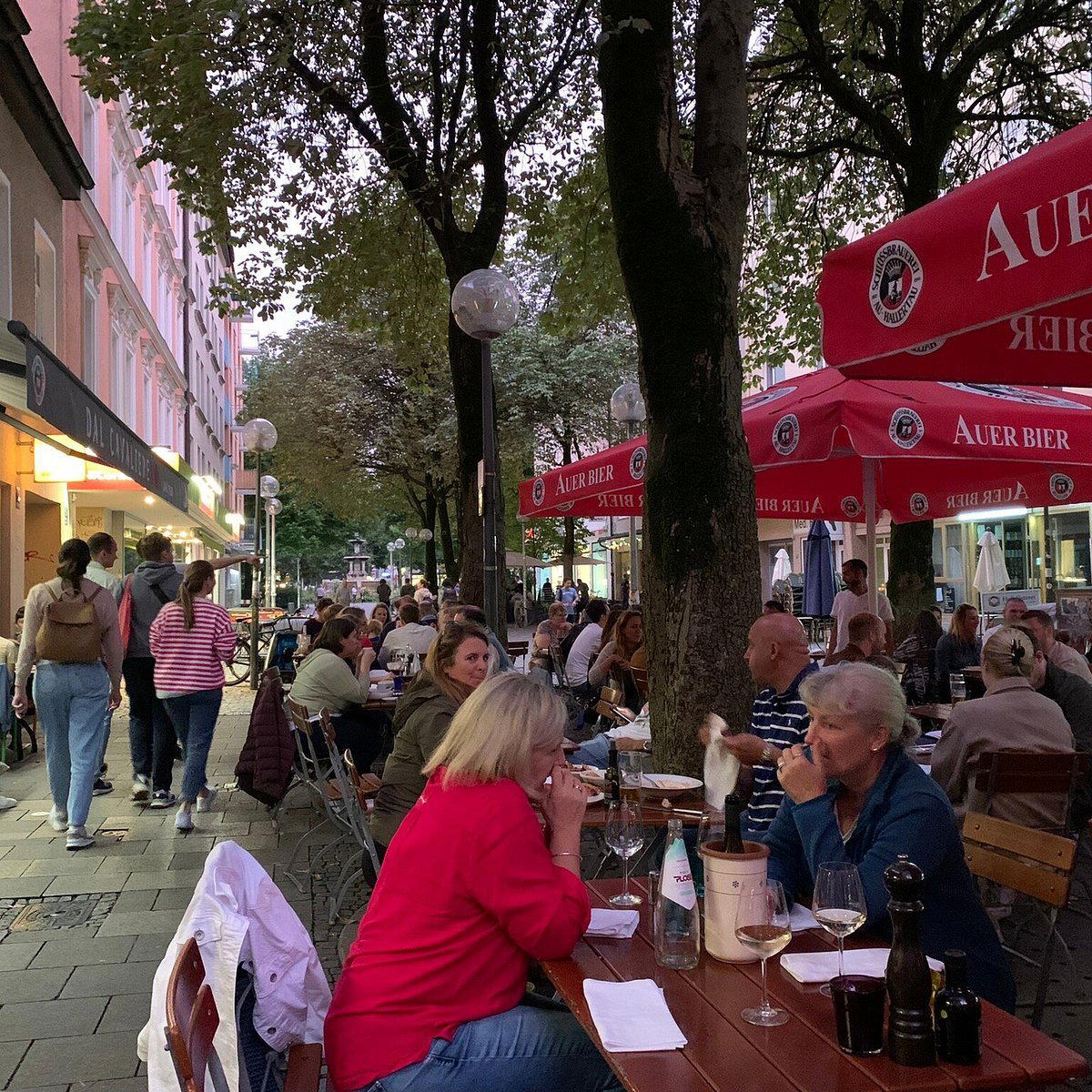
Where Haidhausen Places Dal Cavaliere
Munich's Italian dining scene divides more sharply than casual observation suggests. There is a large middle tier of neighbourhood trattorias and pizza-focused rooms, and then a considerably smaller group of kitchens treating Italian cuisine with the same sourcing rigour and technical precision you would expect of any serious European fine dining address. Dal Cavaliere, on Weißenburger Strasse in the Haidhausen district, operates in that second bracket. The address itself signals something: Haidhausen is one of Munich's older residential quarters east of the Isar, less conspicuous than the Maxvorstadt gallery corridor or the Michelin-dense stretch around Maximiliansplatz, and that relative quietness tends to attract restaurants whose confidence comes from the plate rather than the postcode.
In a city where the highest-recognition tables, Tantris, Atelier, Alois at Dallmayr, JAN, and Tohru in der Schreiberei, all carry Michelin recognition and price accordingly at €€€€, Dal Cavaliere occupies a position that invites comparison with Acquarello, Munich's other serious Italian-Mediterranean address. Both operate within a city that has historically imported its fine dining frameworks from French and modern German traditions, which means Italian cooking at this level is working against a slightly different set of assumptions than it would in Milan or Rome.
The Sustainability Frame Inside Italian Fine Dining
Across European fine dining, the shift toward ethical sourcing and reduced-waste kitchen practice has moved from a talking point to a structural expectation. Italian cuisine, with its deep tradition of cucina povera, the art of using every part of every ingredient, arrived at this position earlier than most. The philosophical foundations were always there; what changed is the explicitness with which serious Italian kitchens now communicate and systemise those principles.
At the level the restaurant occupies, that means the sourcing conversation happens before the cooking one. Which producers, which growing methods, which seasonal windows are being respected, these questions shape the menu architecture rather than decorating it after the fact. Germany as a whole has developed a strong regional sourcing culture among its serious kitchens: you can see the same discipline applied to different cuisines at ES:SENZ in Grassau in the Bavarian Alpine foothills, or at Schwarzwaldstube in Baiersbronn in the Black Forest. What distinguishes Italian-led kitchens within this national conversation is the way ingredient minimalism is already baked into the culinary grammar, fewer components, higher dependency on ingredient quality, and little tolerance for sourcing shortcuts.
For a restaurant in Haidhausen, that ethos translates practically into a kitchen that is likely working with a constrained, rotating roster of trusted suppliers rather than a broad seasonal catalogue. This is a model that demands more from the kitchen than abundance does: when the menu is defined by what is genuinely good right now rather than what is always available, consistency requires a different kind of discipline.
Reading Dal Cavaliere Against Germany's Fine Dining Map
Munich's fine dining circuit is densely competitive relative to its geographic footprint. Beyond the city itself, Bavaria and the wider German-speaking region contain some of Europe's most decorated tables: Aqua in Wolfsburg, Vendôme in Bergisch Gladbach, and Victor's Fine Dining by Christian Bau in Perl each represent the upper tier of formal recognition in Germany. At that altitude, the competitive markers are Michelin stars, awards from the Gault Millau, and tasting menu formats priced well above €150 per head.
The restaurant does not necessarily sit in that trophy tier, and that is not a limitation, it is a positioning choice that a certain kind of diner actively seeks. The same dynamic plays out at Bagatelle in Trier or Schanz in Piesport, where the draw is serious cooking at a register that does not demand the full ceremonial apparatus of a three-Michelin-star room. Internationally, you can see how this middle-tier seriousness operates by looking at what CODA Dessert Dining in Berlin has done with a format-led identity, or how Restaurant Haerlin in Hamburg balances formal recognition with accessibility. Outside Germany, Le Bernardin in New York and Atomix represent how a clear culinary identity, sustained over time, builds a comparable set that transcends geography. The restaurant's Italian specificity gives it a comparable kind of clarity within Munich's more eclectic restaurant map. See our full Munich restaurants guide for a broader view of where it sits across all categories.
What to Expect from the Experience
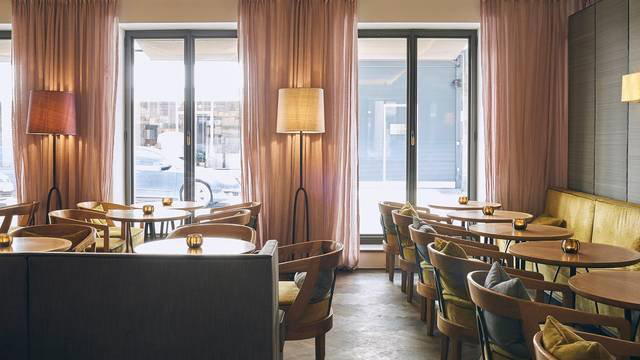
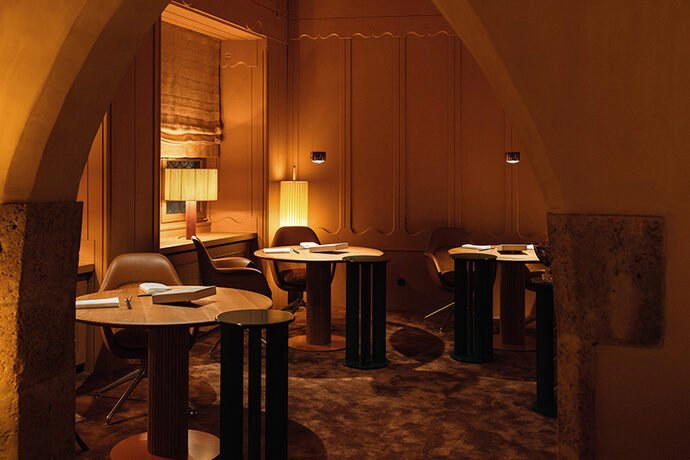
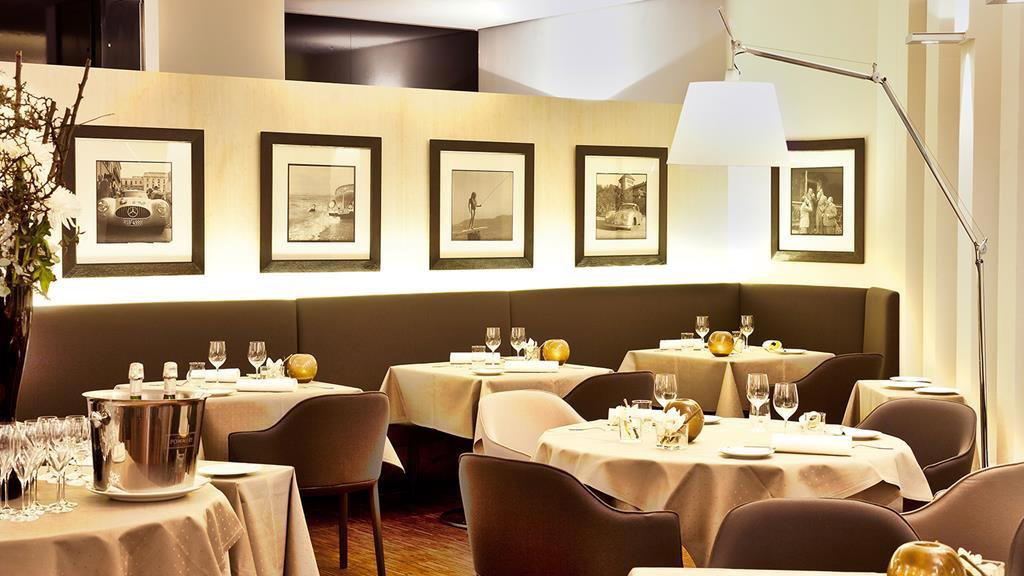
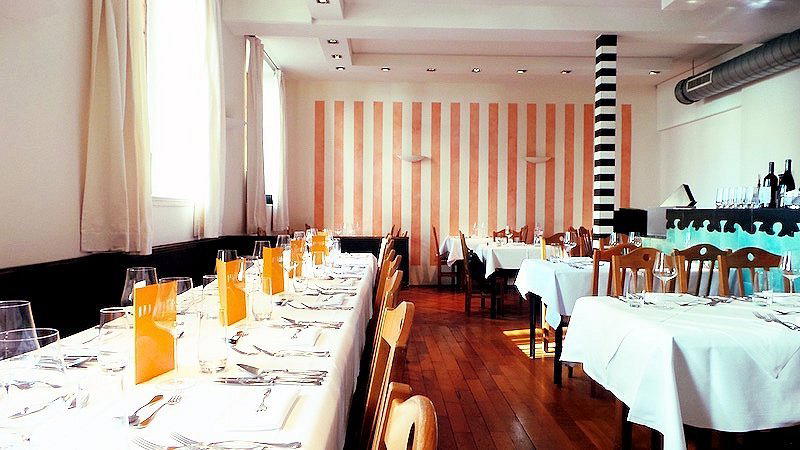
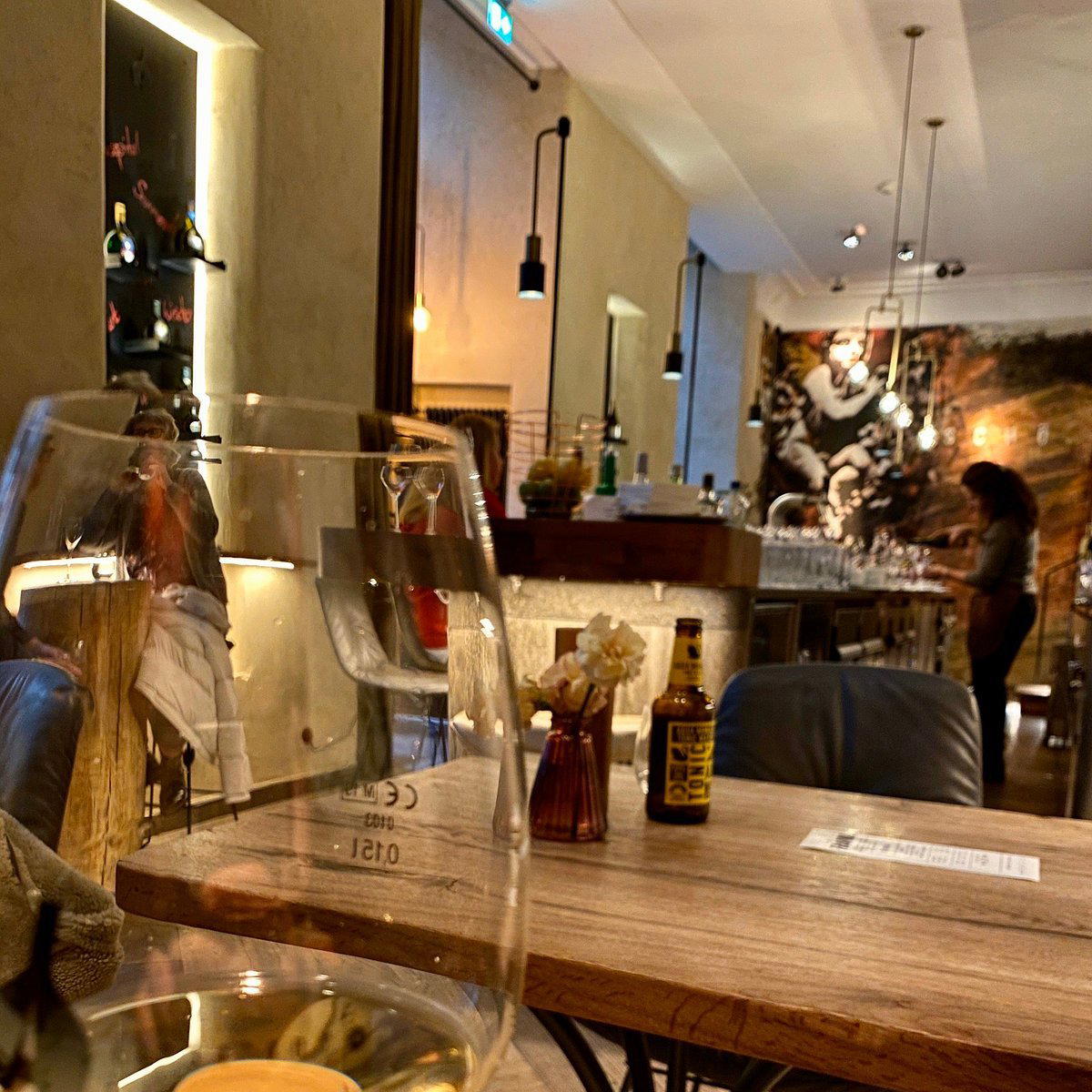
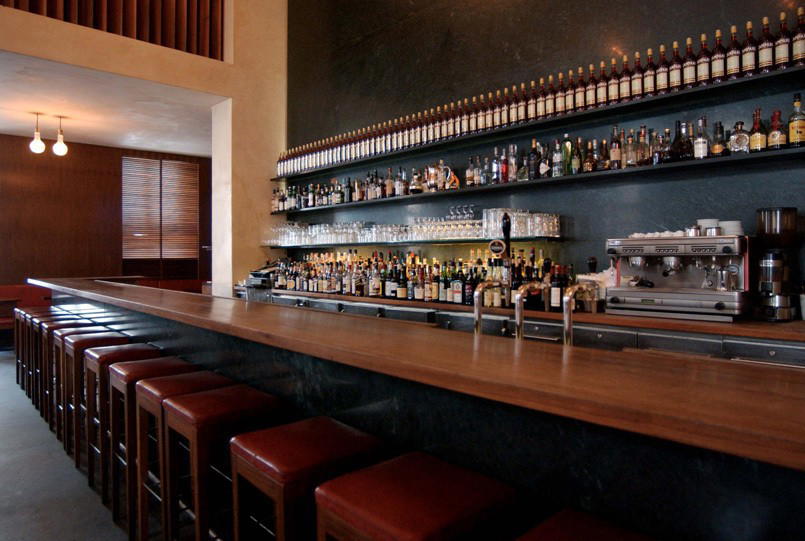
The address on Weißenburger Strasse places the restaurant in walking distance of the Ostbahnhof transport hub and the Haidhausen residential streets, which means the room is likely to mix local regulars with deliberate visitors rather than the tourist-adjacent footfall of more central locations. Italian restaurants operating at this level of care in German cities tend to run relatively compact rooms, the kitchen economics of sourcing-led cooking require either high prices or limited covers, and usually both in some combination.
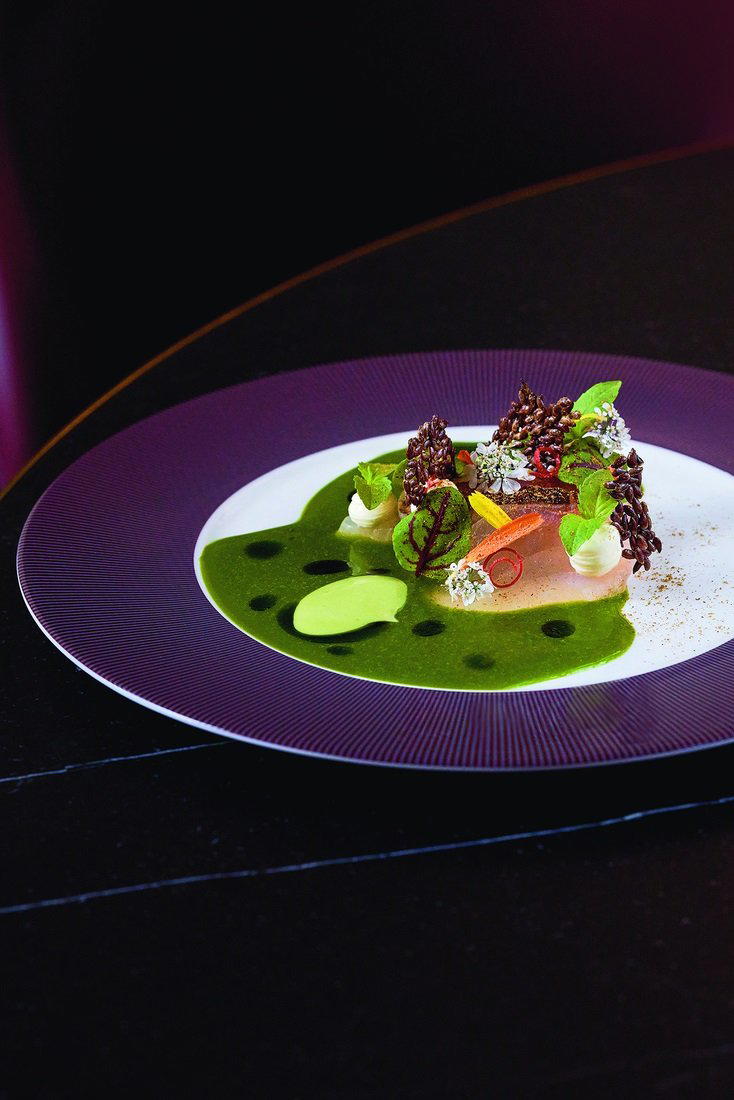
Given the sustainability-conscious sourcing frame that characterises kitchens at this register, expect a menu that changes with genuine seasonal rhythm rather than a fixed annual rotation. Dishes driven by what is arriving from the kitchen garden or a specific producer are a different proposition from menus built around year-round staples dressed seasonally. The former requires the kitchen to communicate actively with front-of-house, and that communication usually shows in how servers describe the food. For practical planning, given the specificity of this kind of operation, confirming reservations and any current menu format directly with the restaurant before visiting is advisable, contact details and current hours can be verified via the restaurant's own channels.
Cuisine and Awards Snapshot
Comparable venues nearby, for context on price, style, and recognition.
| Venue | Cuisine | Price | Notes |
|---|---|---|---|
| Dal CavaliereThis venue — the venue you are viewing | Authentic Italian Pizza and Pasta | $$ | Not listed |
| Ristorante Vicari | Authentic Southern Italian Pizzeria | $$ | Haidhausen |
| Trattoria Seitz | Classic Italian Trattoria | $$ | Lehel |
| La Casina | Authentic Italian | $$ | Milbertshofen |
| Forza Napoli | Authentic Neapolitan Pizza | $$ | Haidhausen |
| Pizza Verde | Neapolitan Pizza | $$ | Neuhausen |
At a Glance
- Classic
- Cozy
- Date Night
- Group Dining
- Casual Hangout
- Open Kitchen
- Extensive Wine List
Current opening hours
- Monday
- Closed
- Tuesday
- 6 PM–12 AM
- Wednesday
- 6 PM–12 AM
- Thursday
- 6 PM–12 AM
- Friday
- 6 PM–12 AM
- Saturday
- 6 PM–12 AM
- Sunday
- 12–11 PM
Hours can change for holidays and private events. Last verified .
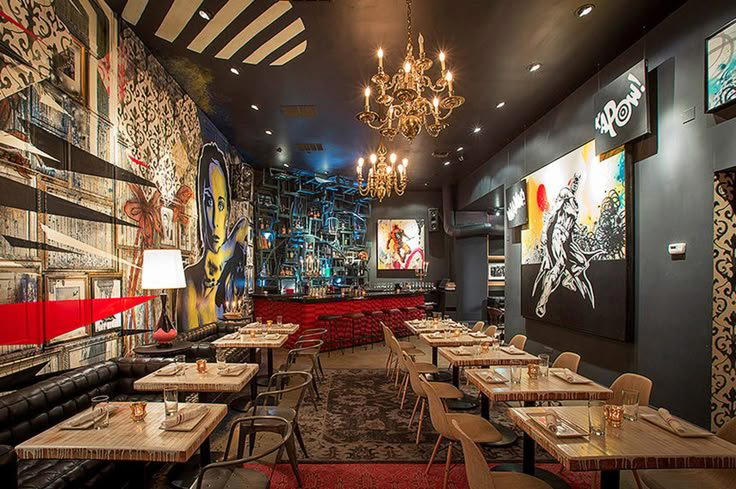
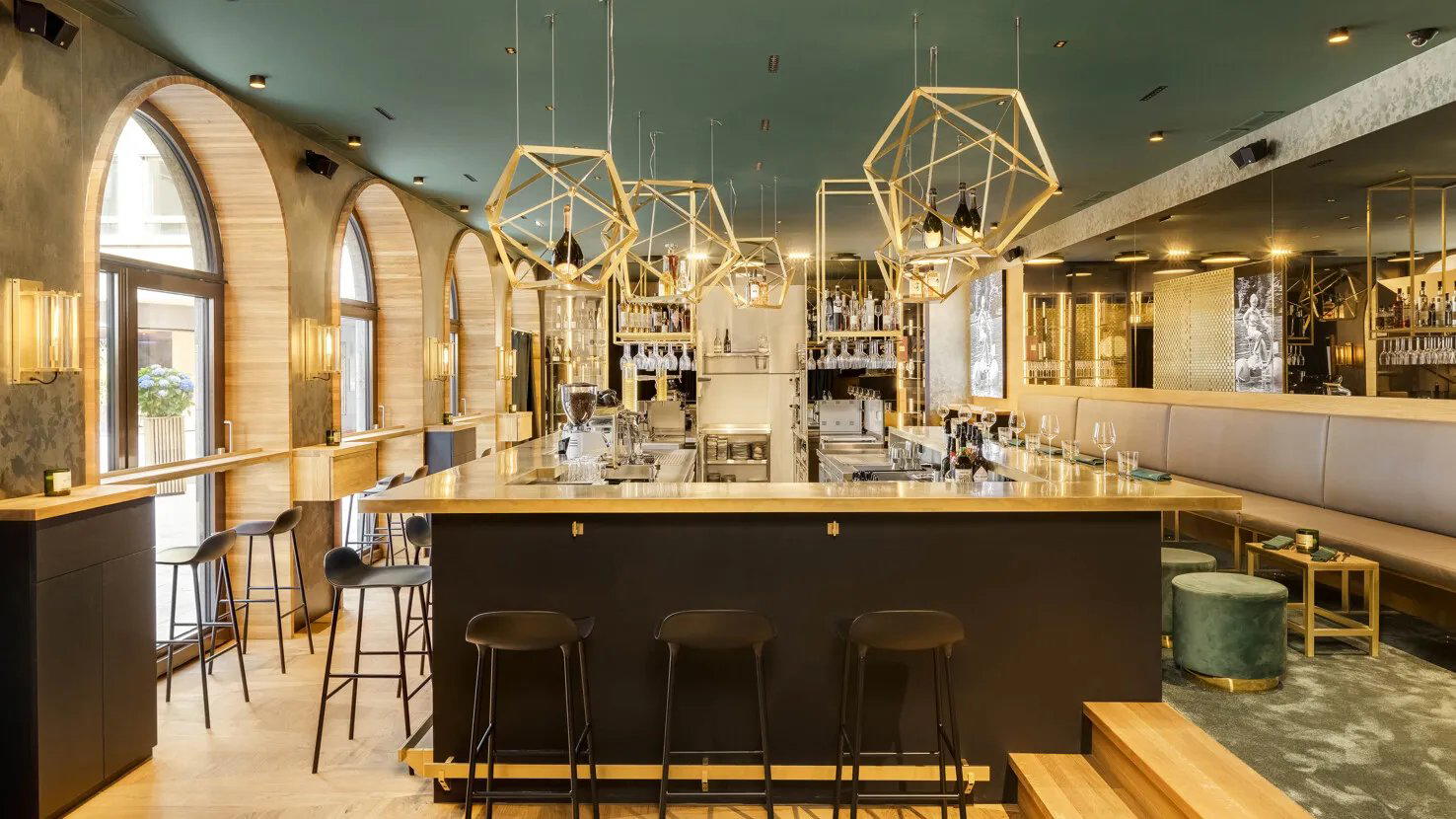
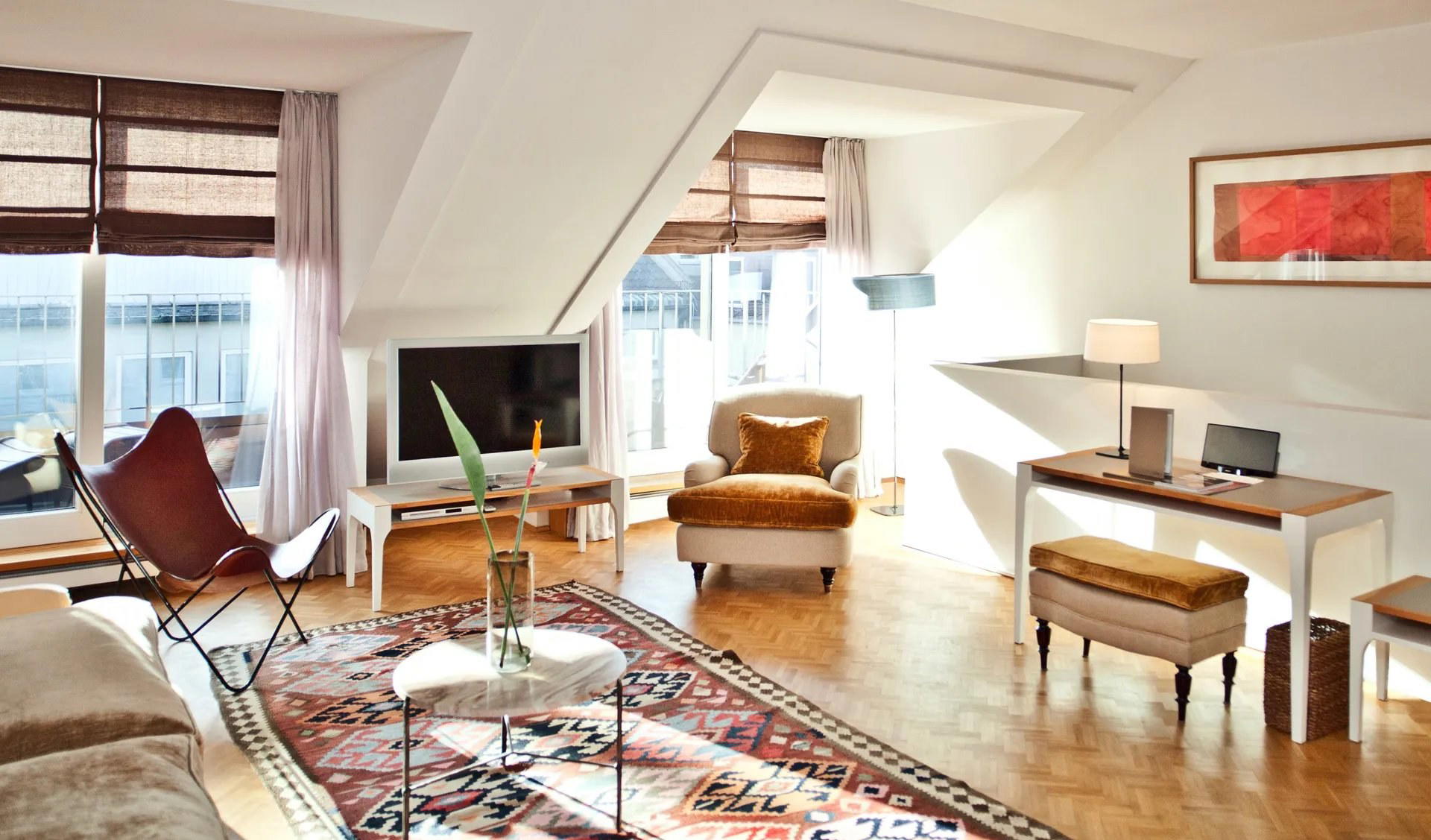
Classic Italian cafe atmosphere with comfortable seating, shabby-cool decor, and engaging service, though occasionally noisy.