


2 Michelin Stars · La Liste Top Restaurants · Falstaff Restaurant - 94 Falstaff Points
Our verdict
KOMU holds two Michelin stars and consistent La Liste recognition at 80 points across both 2025 and 2026, placing it among Munich's most decorated fine dining addresses. Chefs Yesoon Lee and Danny Lee operate from Hackenstraße 4 in the city's historic Altstadt, where classic cuisine technique meets a setting that draws from Munich's dense concentration of serious restaurants.

Pearl is the En Primeur Club membership app, where members save venues, book tables and use the concierge.
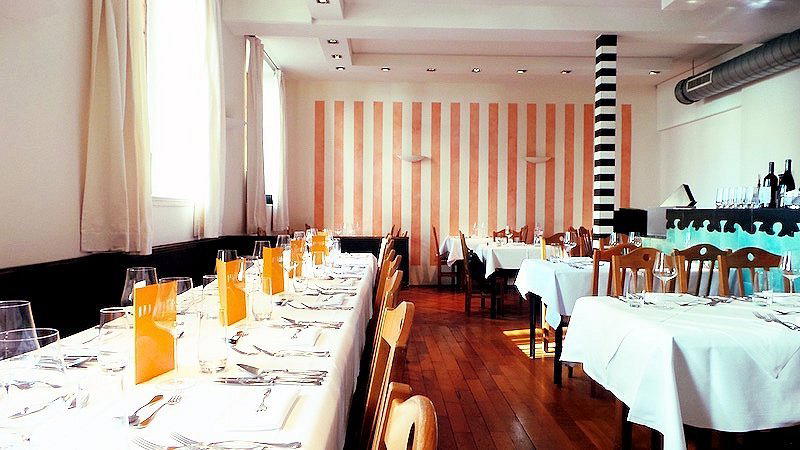
Hackenstraße and the Altstadt Fine Dining Concentration
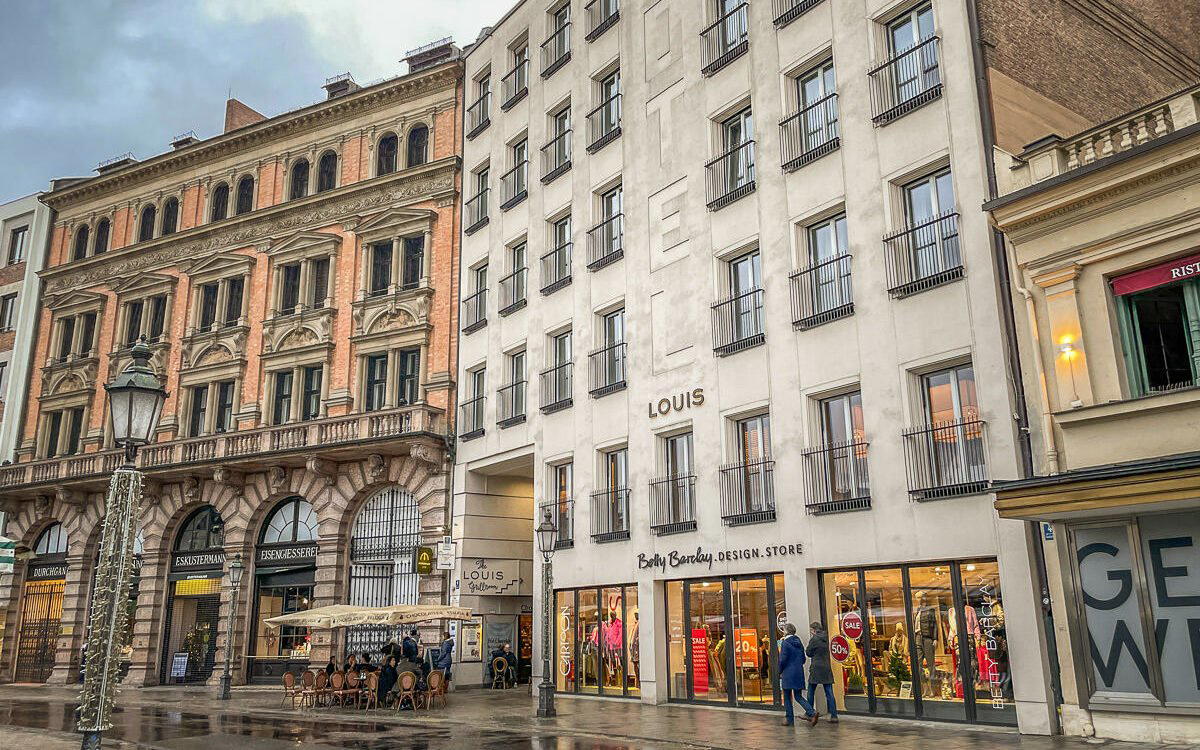
Munich's Altstadt carries more culinary weight per block than any other district in the city. The streets running south from Marienplatz toward the Sendlinger Tor have accumulated a concentration of serious kitchens over the past two decades, and Hackenstraße sits near the heart of that geography. The address puts KOMU within walking distance of other anchors in the city's fine dining circuit, which means guests arriving for a reservation here are, consciously or not, entering a neighbourhood that has come to define what premium dining looks like in Munich. For the broader context of how that circuit is mapped, our full Munich restaurants guide tracks the city's full spread from neighbourhood trattoria to three-star counter.
What the Altstadt location does specifically for KOMU is place it inside a competitive set rather than apart from it. The nearby Blauer Bock and Le Stollberg occupy the same neighbourhood, and Broeding operates just beyond the immediate radius. That density shapes how guests approach the area: this is not a destination in isolation, but a node in a district where the concentration of talent makes comparison natural and expectations correspondingly high.
Classic Cuisine in a City That Has Moved Toward Creative Formats
Munich's top tier has tilted toward creative and hybrid formats over the past several years. Tohru in der Schreiberei holds three Michelin stars with a Modern German-Japanese approach. JAN operates in the creative register. Tantris, one of the city's most historically significant dining rooms, now runs a Modern French and French Contemporary program. Against that backdrop, KOMU's classification as Classic Cuisine represents a deliberate counter-position: technical discipline rooted in established European tradition rather than genre-crossing experimentation.
Classic Cuisine at the two-star level in Germany tends to mean something specific: rigorous classical French-influenced technique, precision in sauce work, and a menu architecture that respects sequence and proportion. It is a harder category to distinguish in than creative formats, precisely because the vocabulary is shared with so many other serious kitchens. Comparison is instructive: Maison Rostang in Paris occupies a similar classical register in a far more crowded competitive environment, while Meierei Dirk Luther in Glücksburg demonstrates how classic technique can be anchored to a specific regional identity in Germany. KOMU's sustained recognition across back-to-back Michelin cycles suggests the kitchen holds its position without relying on novelty to drive notice.
The Award Record and What It Signals
Two Michelin stars in consecutive years (2024 and 2025) alongside La Liste scores of 80 points in both 2025 and 2026 is a consistency signal more than a ceiling. Michelin's two-star designation is defined as cooking worth a detour, which in practice means the kitchen is operating at a level where technique, product selection, and service are all held to a standard that inspires deliberate travel. La Liste's methodology aggregates critical opinion across a wide range of sources globally, so an 80-point score appearing twice in sequence points to sustained peer recognition rather than a single strong year.
Within the German two-star bracket, the company is serious. Aqua in Wolfsburg, Schwarzwaldstube in Baiersbronn, Vendôme in Bergisch Gladbach, and Restaurant Haerlin in Hamburg all operate within the same Michelin tier. ES:SENZ in Grassau and CODA Dessert Dining in Berlin extend the two-star spread across formats and regions. That KOMU holds its position in Munich, where the local competitive pressure from venues like Alois at Dallmayr and Atelier is sustained, adds weight to the recognition.
Yesoon Lee and Danny Lee: The Kitchen Behind the Stars
The two-chef structure at KOMU is worth noting for what it implies about kitchen organisation rather than personal narrative. Running a two-star program under dual leadership is less common than a single executive chef model, and it signals a shared ownership of the menu's direction that tends to produce more consistent output across service. Kitchens where creative and technical responsibilities are distributed between two senior figures often sustain quality more reliably than those dependent on a single presence.
The family connection between Yesoon Lee and Danny Lee (a mother-son pairing, on the public record) places KOMU within a small category of fine dining kitchens where generational relationship shapes the kitchen dynamic. That combination is rare enough in classical European fine dining that it becomes a form of institutional identity, distinct from the more common model of a single chef building a personal brand.
Pricing, Positioning, and the Munich Four-Star Tier
KOMU's €€€€ price designation places it at the upper bracket of Munich dining, alongside Tantris, Tohru, Alois, and Atelier. At this tier, the competitive question is not whether the kitchen justifies the price, but which of the city's leading tables leading matches a specific guest's priorities: classical depth, creative range, or cross-cultural synthesis. KOMU's classical orientation means it appeals most directly to guests who read a menu for technical execution and sequence rather than concept novelty.
For guests planning a broader Munich stay, the restaurant sits in an Altstadt neighbourhood that connects naturally to the city's hotel and bar circuits. Our full Munich hotels guide covers the city's accommodation range, while our full Munich bars guide maps the drinking options for before or after a dinner reservation. For guests interested in extending into wine or producer visits, our full Munich wineries guide and our full Munich experiences guide cover those registers.
Planning a Visit
Hackenstraße 4 sits in Munich's Altstadt-Lehel district, accessible on foot from S-Bahn and U-Bahn connections at Marienplatz, which is the city's central interchange. The €€€€ price point and two-star status mean bookings should be made well in advance; kitchens at this level in Munich typically operate on reservation windows of several weeks to a few months. Dress expectations at two-star classical kitchens in Germany generally tend toward smart and formal, though no dress code is formally published for KOMU specifically.
Frequently asked questions
at KOMU?
No specific menu items or dishes are published in verified sources at the time of writing, so naming individual plates would involve speculation. What the award record does confirm is that KOMU operates as a two-Michelin-star Classical Cuisine kitchen, a category where the cuisine is defined by technique, sequence, and product quality rather than single-dish signature moments. Guests whose priorities align with classical European cooking discipline, saucing, and structured tasting progressions are the most natural audience for what the kitchen produces. For cross-reference on what classical cooking at this level looks like in comparable European contexts, Maison Rostang in Paris provides a useful frame.
Where It Fits
| Venue | Cuisine | Price | Awards | Notes |
|---|---|---|---|---|
| KOMUThis venue (the venue you are viewing) | Modern French-Asian Fusion Fine Dining | Not listed | 2 Michelin Stars · La Liste Top Restaurants | Not listed |
| Tantris | Modern French Fine Dining | $300–500 | 2 Michelin Stars · World's 50 Best #73 | Modern French, French Contemporary |
| Tohru in der Schreiberei | Modern Japanese-European Fusion Fine Dining | $300–500 | Michelin Plate · La Liste Top Restaurants | Modern German - Japanese, Modern Cuisine |
| Alois - Dallmayr Fine Dining | Modern Bavarian Fine Dining with French and Nordic Influences | $300–500 | 2 Michelin Stars · La Liste Top Restaurants | Creative |
| Atelier | Charcoal-Grilled French Tasting Menu with Oita Wagyu | $100–150 | Tabelog 100 #51 | Creative French |
| Acquarello | Modern Italian Fine Dining | $100–150 | 1 Michelin Star | Italian - Mediterranean, Italian |
Recognition history
Dated appearances from independent guides and award organizations, with the underlying list record or original source where available.
Michelin 2 Stars
Michelin
La Liste Top Restaurants
La Liste
Falstaff Restaurant - 94 Falstaff Points
Falstaff
Opinionated About Dining Top Restaurants in Europe Recommended
Opinionated About Dining
Full recognition history (7 entries)
La Liste Top Restaurants
La Liste
Michelin 2 Stars
Michelin
Michelin 2 Stars
Michelin
Continue exploring
More in Munich
Restaurants in Munich
All restaurants in Munich →
Bars in Munich
All bars in Munich →
Details
- Modern
- Elegant
- Minimalist
- Sophisticated
- Intimate
- Special Occasion
- Celebration
- Date Night
- Business Dinner
- Chefs Counter
- Open Kitchen
- Extensive Wine List
- Tasting Menu
- Set Menu
- Vegetarian Friendly
Current opening hours
- Monday
- Closed
- Tuesday
- Closed
- Wednesday
- 6:30 PM–12 AM
- Thursday
- 12–3 PM, 6:30 PM–12 AM
- Friday
- 12–3 PM, 6:30 PM–12 AM
- Saturday
- 12–3 PM, 6:30 PM–12 AM
- Sunday
- Closed
Hours can change for holidays and private events. Hours as of .
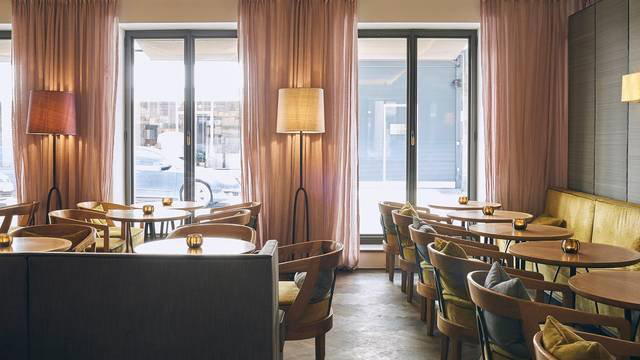
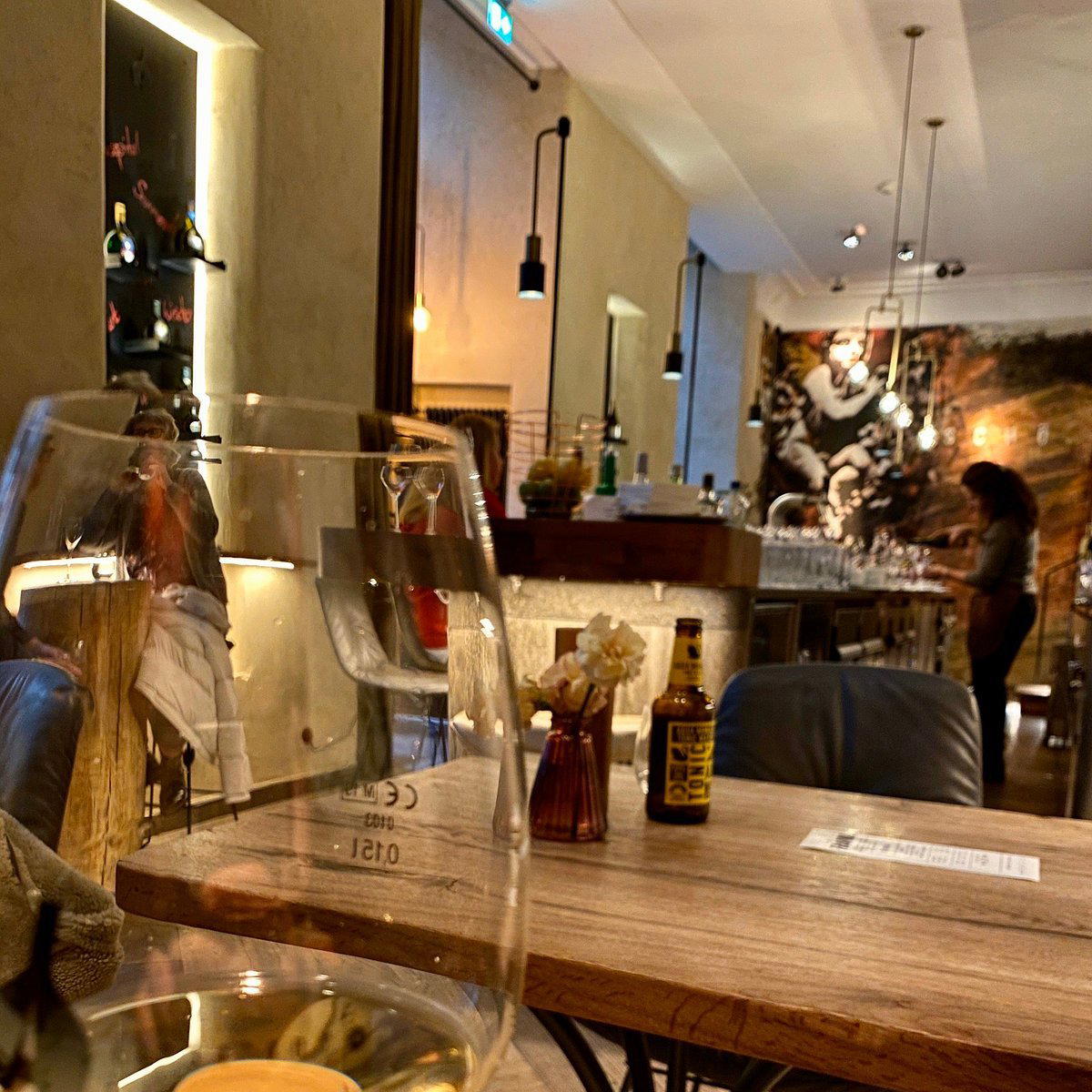
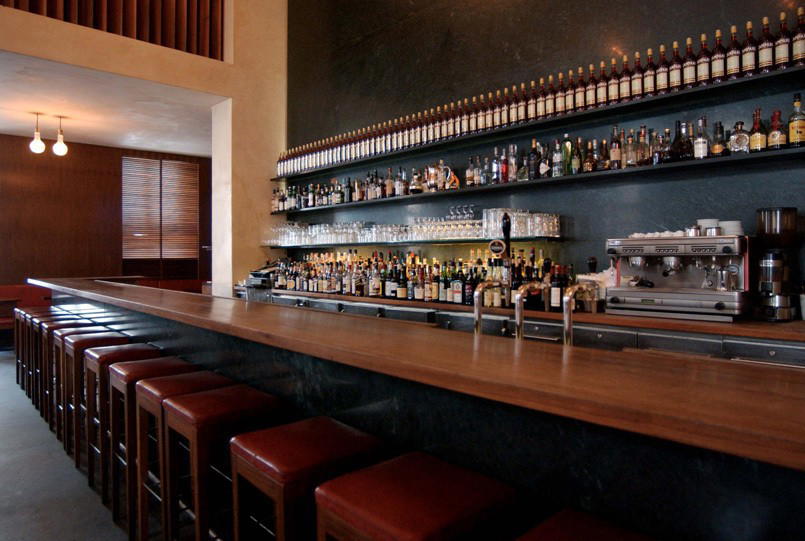
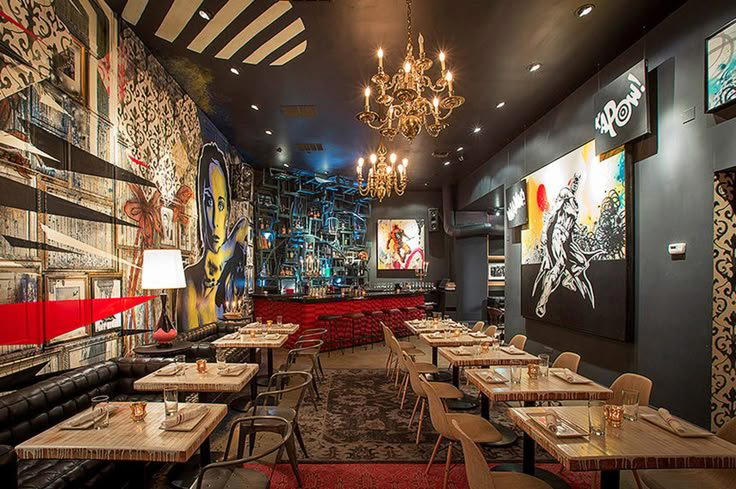
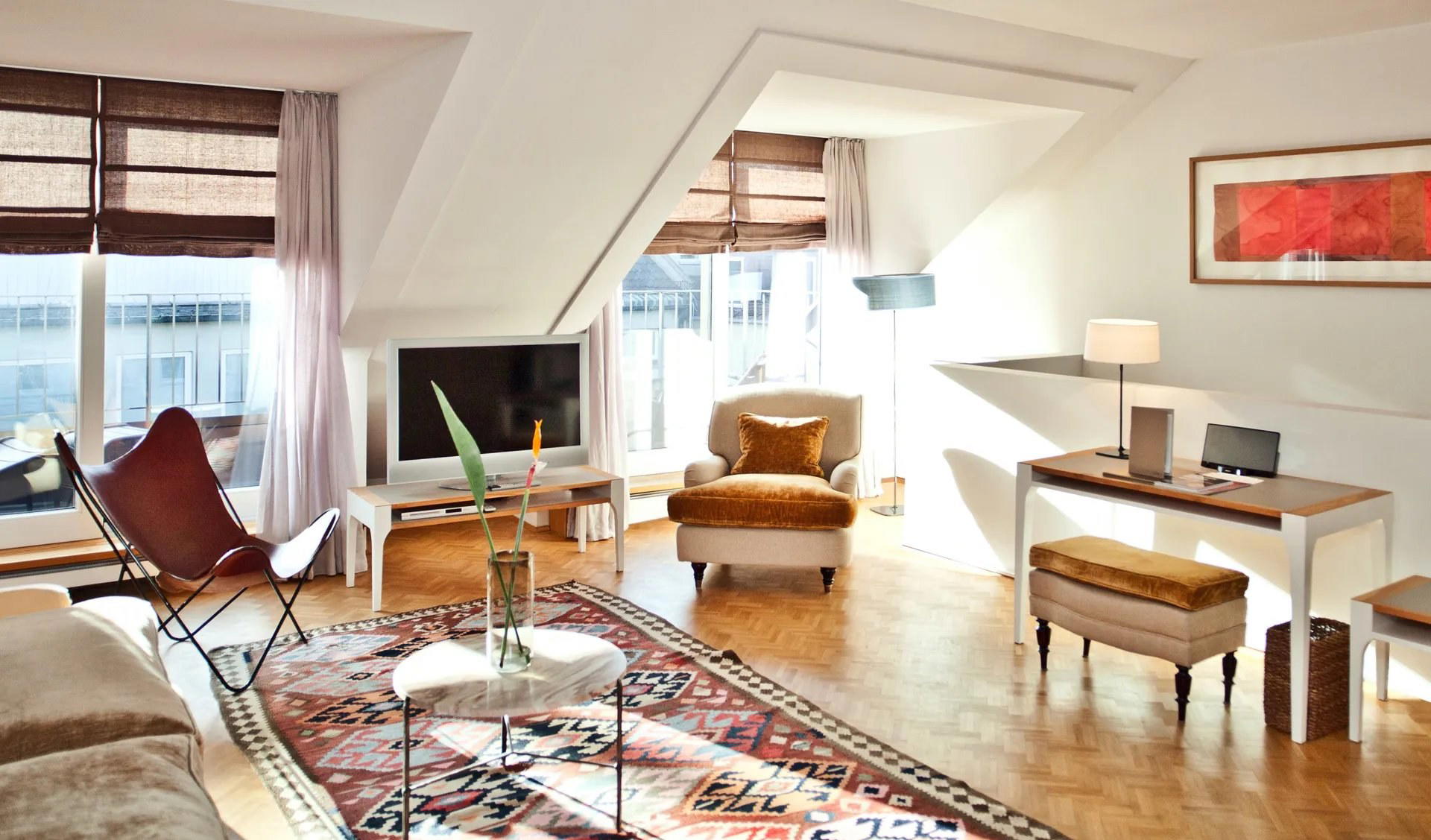
Chic, elegant, and modern with pale wood, sleek design, light-colored seating niches, and views into the open kitchen creating an intimate, stylish atmosphere.