




2 Michelin Stars · La Liste Top Restaurants · Falstaff Restaurant - 95 Falstaff Points
Our verdict
Tucked above one of Munich's oldest delicatessens on Dienerstraße, Alois earns two Michelin stars under chef Rosina Ostler with creative cooking that draws on the building's deep provenance. La Liste scored it 88 points in 2026, placing it among Germany's most closely watched fine dining addresses. Lunch and dinner service runs Thursday through Saturday; the room is closed Sunday through Wednesday.

Pearl is the En Primeur Club membership app, where members save venues, book tables and use the concierge.
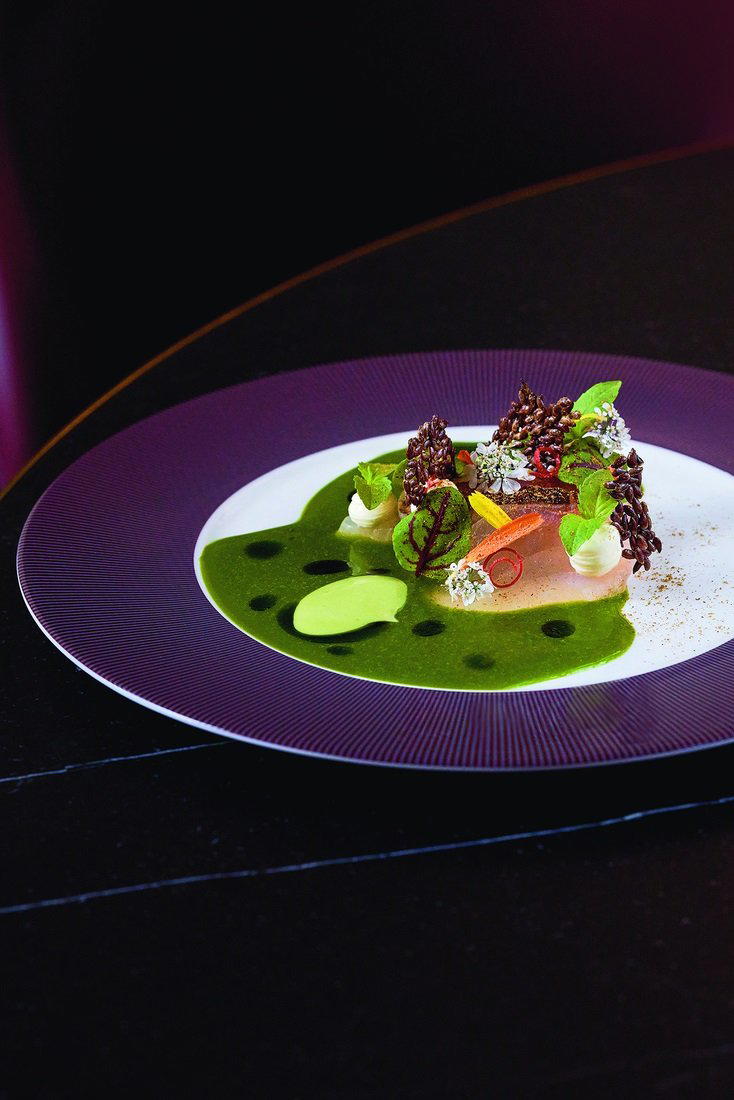
The menu
What to order
- Caviar popcorn amuse bouche
- Turbot with pomelo
- Wagyu tenderloin
Dienerstraße, Dallmayr, and the Weight of Address
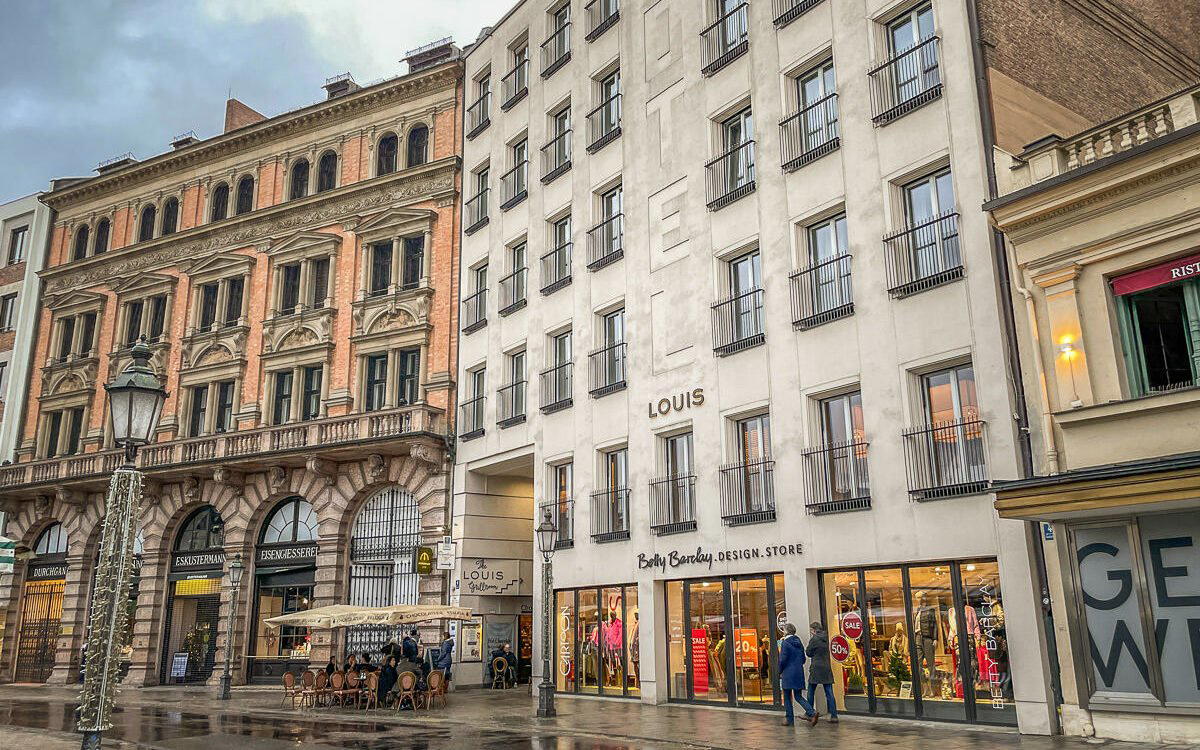
There are restaurants that happen to occupy historic buildings, and then there are restaurants whose address is part of the argument. Alois sits in the latter category. The space above the Dallmayr delicatessen on Dienerstraße 14–15 carries one of the most layered retail histories in central Munich: the ground floor has been a provisioner to royalty, a supplier of rarities, and a civic institution for well over two centuries. Arriving through that context, before a single plate appears, already shapes what you expect from the meal upstairs. The Altstadt address places it within a few minutes of Marienplatz and the cluster of institutional buildings that define Munich's historic core, which means the room draws a mix of serious diners from the city and visitors who understand that a two-star kitchen inside this particular building is a different proposition from a two-star room on a side street in Schwabing.
Munich's fine dining scene has always had a slightly formal backbone compared to Berlin's more experimental register. The city has tended to reward technical precision and classical underpinning, and its top tier, including Tantris (Modern French, French Contemporary) at two Michelin stars and Tohru in der Schreiberei at three, reflects that. Alois sits within that upper bracket but with a creative rather than classical French or German-Japanese framing, which positions it as one of the few addresses at this level where the cooking identity is defined primarily by invention rather than tradition.
Two Stars, One Inheritance
Michelin awarded Alois two stars in both 2024 and 2025, a consolidation that moves it past the point of being assessed as a newcomer. La Liste's scoring reinforces that position: 87.5 points in 2025 rising to 88 in 2026 places it in a competitive tier of German two-star kitchens that includes addresses such as Aqua in Wolfsburg, Schwarzwaldstube in Baiersbronn, and Vendôme in Bergisch Gladbach. The Opinionated About Dining recognition as a Highly Recommended entry in its Leading New Restaurants in Europe list for 2023 added a third credentialing axis, one that tends to capture technically ambitious kitchens before or alongside major guide recognition.
Chef Rosina Ostler leads the kitchen, and in a country where the two-star tier is still disproportionately male and disproportionately rooted in classical French training, her presence at this level is contextually significant without needing to be the whole story. The story, editorially, is that a creative kitchen inside a heritage provisioner in the heart of Munich's old town has held two Michelin stars across two consecutive years while also registering on the European new-restaurant radar. That combination of scale, address weight, and recognition breadth is not common at this price point in this city.
For comparison within Munich's top tier, the creative designation separates Alois from the French contemporary work at Tantris and from the Italian-Mediterranean precision of Acquarello. Internationally, the creative cooking category at this level shares a reference pool with Paris addresses such as Alléno Paris au Pavillon Ledoyen and Arpège, kitchens where the classification signals that cooking philosophy drives the menu rather than a national or regional culinary tradition serving as the fixed frame.
The Dallmayr Context and What It Adds
The Dallmayr building is not incidental backdrop. The delicatessen below Alois is one of the most prominent food retail addresses in Germany, a place where product sourcing and provenance have been central to the identity for generations. That context shapes what a kitchen in this building is implicitly expected to do with ingredients. There is a coherence argument available here that most fine dining rooms cannot make: the building itself is already a statement about product quality before the kitchen makes its own.
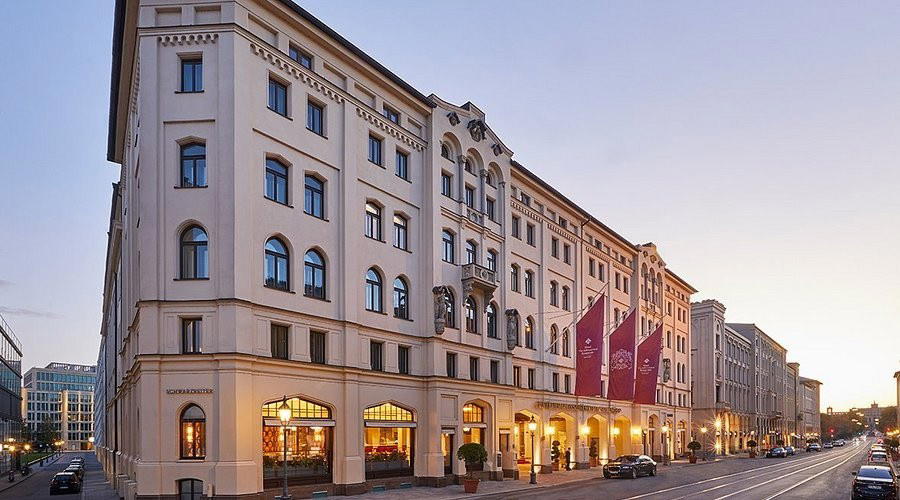
The Altstadt location also concentrates footfall from Munich's hotel corridor, which runs through the area around Maximiliansstraße and into the old town. Visitors staying at hotels in or near the centre arrive at Dienerstraße on foot in under ten minutes from most major addresses, which reduces the friction of a weekday or weekend dinner reservation compared to kitchens positioned further out toward the English Garden or the northern districts. Munich's other ambitious independents, including JAN, Showroom, mural, and Zauberberg, are distributed across the city in ways that require more deliberate routing. Alois, by contrast, sits at an address that most central Munich itineraries pass through regardless.
Service Format and Timing
Restaurant operates on a compressed weekly schedule: closed Sunday, Monday, and Tuesday, with lunch and dinner service running Thursday and Friday, and Saturday carrying the same pattern. Wednesday dinner service runs from 7 pm through midnight. That structure concentrates the kitchen's output across four days, which in operational terms tends to support tighter mise en place discipline and more consistent service pacing than a kitchen running six or seven days.
Price range sits at the leading bracket for Munich fine dining, consistent with the two-star tier across Germany. Comparable positioning applies at ES:SENZ in Grassau and Restaurant Haerlin in Hamburg, both of which operate at similar price and recognition levels within the German fine dining framework. Within Munich specifically, the €€€€ designation places Alois alongside Tantris, Atelier, and Acquarello as the city's consistent top-tier addresses by price and credential. CODA Dessert Dining in Berlin represents an outlier creative format at the same recognition tier nationally, showing how Germany's two-star creative category accommodates quite different conceptual approaches within shared price and award brackets.
Lunch on Thursday, Friday, and Saturday opens the kitchen to a different rhythm from the evening service, and at this tier, lunch often represents the more accessible entry point both in pacing and occasionally in format. Diners who prefer a slower midday approach over the formal progression of an evening booking will find the Thursday-to-Saturday lunch window the more practical option, particularly for visitors whose travel schedule doesn't reliably free evenings.
Where Alois Sits in the Broader Picture
Munich's fine dining tier has fewer two-star addresses than Paris or Tokyo, which means each one carries more relative weight in defining what the city is capable of producing at that level. The consistent two-star hold across 2024 and 2025, combined with La Liste's incremental score improvement from 87.5 to 88 points, signals a kitchen that is not static. That upward trajectory within a stable award position is one of the cleaner indicators available for gauging whether a kitchen is in its consolidation phase or still developing.
The creative classification at two stars in an address as contextually loaded as the Dallmayr building is a combination that does not appear elsewhere in Munich. Whether you approach it from the angle of Michelin's recognition, La Liste's scoring, or OAD's early European placement, the evidence points to a kitchen operating with sustained ambition inside one of the city's most historically resonant food addresses. That is a specific argument for a specific kind of dinner, and it is one that holds across multiple credentialing frameworks rather than resting on any single award's judgment.
For a broader map of where Alois sits within Munich's dining options, see our full Munich restaurants guide. For accommodation near Dienerstraße, our full Munich hotels guide covers the central corridor. Broader city planning, including bars, wineries, and experiences, is covered in our full Munich bars guide, our full Munich wineries guide, and our full Munich experiences guide.
Frequently asked questions
What should I budget for a meal at Alois - Dallmayr Fine Dining?
Pricing at Alois - Dallmayr Fine Dining is listed as €€€€.
Where is Alois - Dallmayr Fine Dining located?
Alois - Dallmayr Fine Dining is located at Dienerstraße 14–15, 80331 München, Germany, Munich.
Is there a head chef associated with Alois - Dallmayr Fine Dining?
The chef associated with Alois - Dallmayr Fine Dining is Rosina Ostler.
Reputation First
| Venue | Cuisine | Price | Awards | Notes |
|---|---|---|---|---|
| Alois - Dallmayr Fine DiningThis venue (the venue you are viewing) | Modern Bavarian Fine Dining with French and Nordic Influences | $300–500 | 2 Michelin Stars · La Liste Top Restaurants | Not listed |
| Tantris | Modern French Fine Dining | $300–500 | 2 Michelin Stars · World's 50 Best #73 | Modern French, French Contemporary |
| Tohru in der Schreiberei | Modern Japanese-European Fusion Fine Dining | $300–500 | Michelin Plate · La Liste Top Restaurants | Modern German - Japanese, Modern Cuisine |
| Atelier | Charcoal-Grilled French Tasting Menu with Oita Wagyu | $100–150 | Tabelog 100 #51 | Creative French |
| Acquarello | Modern Italian Fine Dining | $100–150 | 1 Michelin Star | Italian - Mediterranean, Italian |
| Les Deux | Modern French Fine Dining | Not listed | 1 Michelin Star · La Liste Top Restaurants | Contemporary French, Modern French |
Recognition history
Dated appearances from independent guides and award organizations, with the underlying list record or original source where available.
Michelin 2 Stars
Michelin
La Liste Top Restaurants
La Liste
Falstaff Restaurant - 95 Falstaff Points
Falstaff
The Best Chef One Knife
The Best Chef
Opinionated About Dining Top New Restaurants in Europe Highly Recommended
Opinionated About Dining
Full recognition history (8 entries)
La Liste Top Restaurants
La Liste
Michelin 2 Stars
Michelin
Michelin 2 Stars
Michelin
Continue exploring
More in Munich
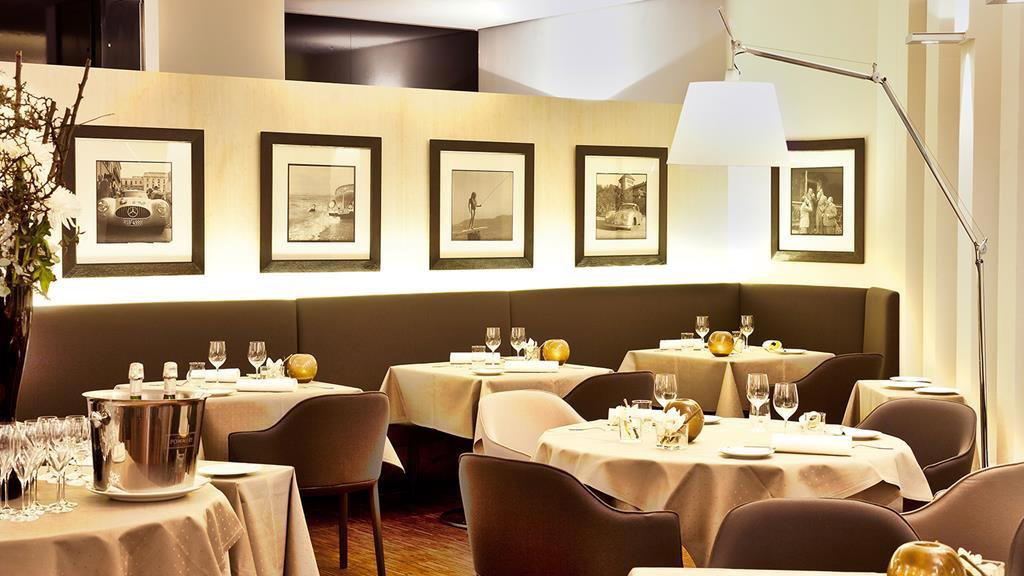
Restaurants in Munich
All restaurants in Munich →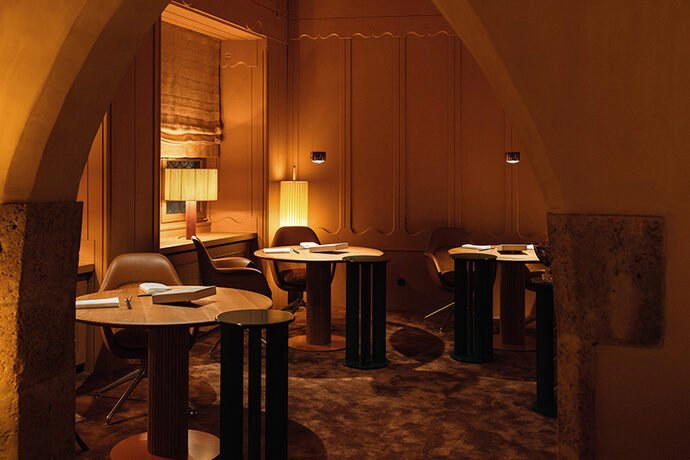
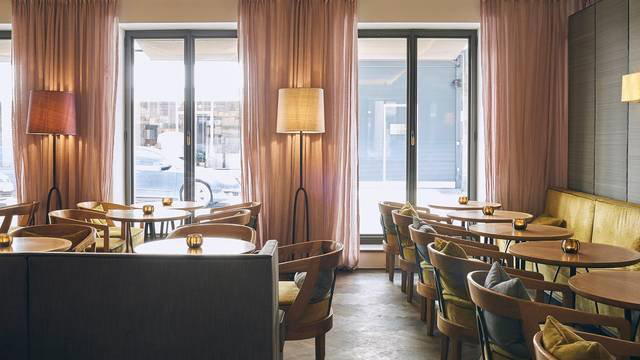
Bars in Munich
All bars in Munich →
Alois - Dallmayr Fine Dining
The wine
- Wine program
- Deep wine list
- Extensive wine list
- Sommelier-led
Details
- Elegant
- Sophisticated
- Intimate
- Modern
- Special Occasion
- Date Night
- Business Dinner
- Historic Building
- Open Kitchen
- Extensive Wine List
- Sommelier Led
- Local Sourcing
- Tasting Menu
- Wine Pairings
- Vegetarian Friendly
Current opening hours
- Monday
- Closed
- Tuesday
- Closed
- Wednesday
- 7 PM–12 AM
- Thursday
- 7 PM–12 AM
- Friday
- 12:30–3 PM, 7 PM–12 AM
- Saturday
- 12:30–3 PM, 7 PM–12 AM
- Sunday
- Closed
Hours can change for holidays and private events. Hours as of .
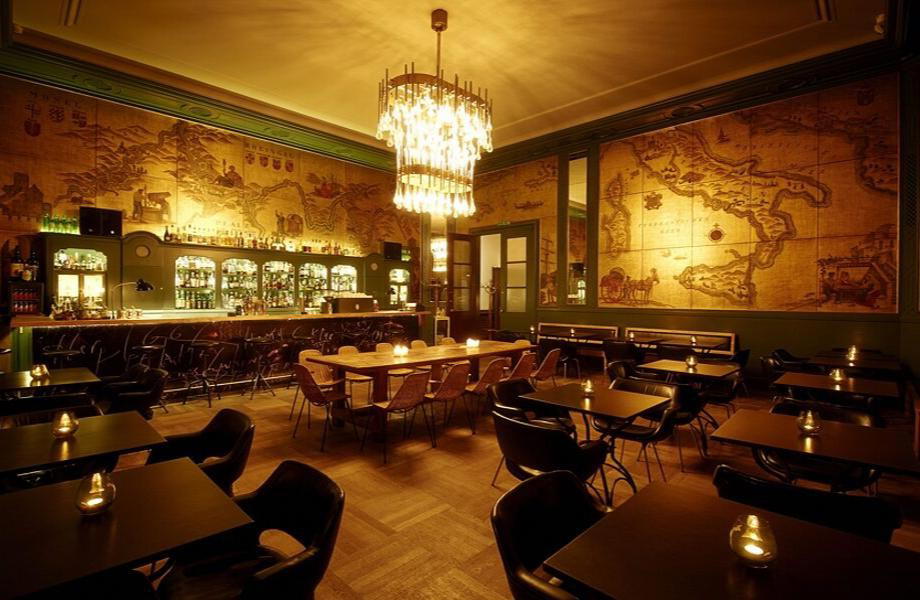
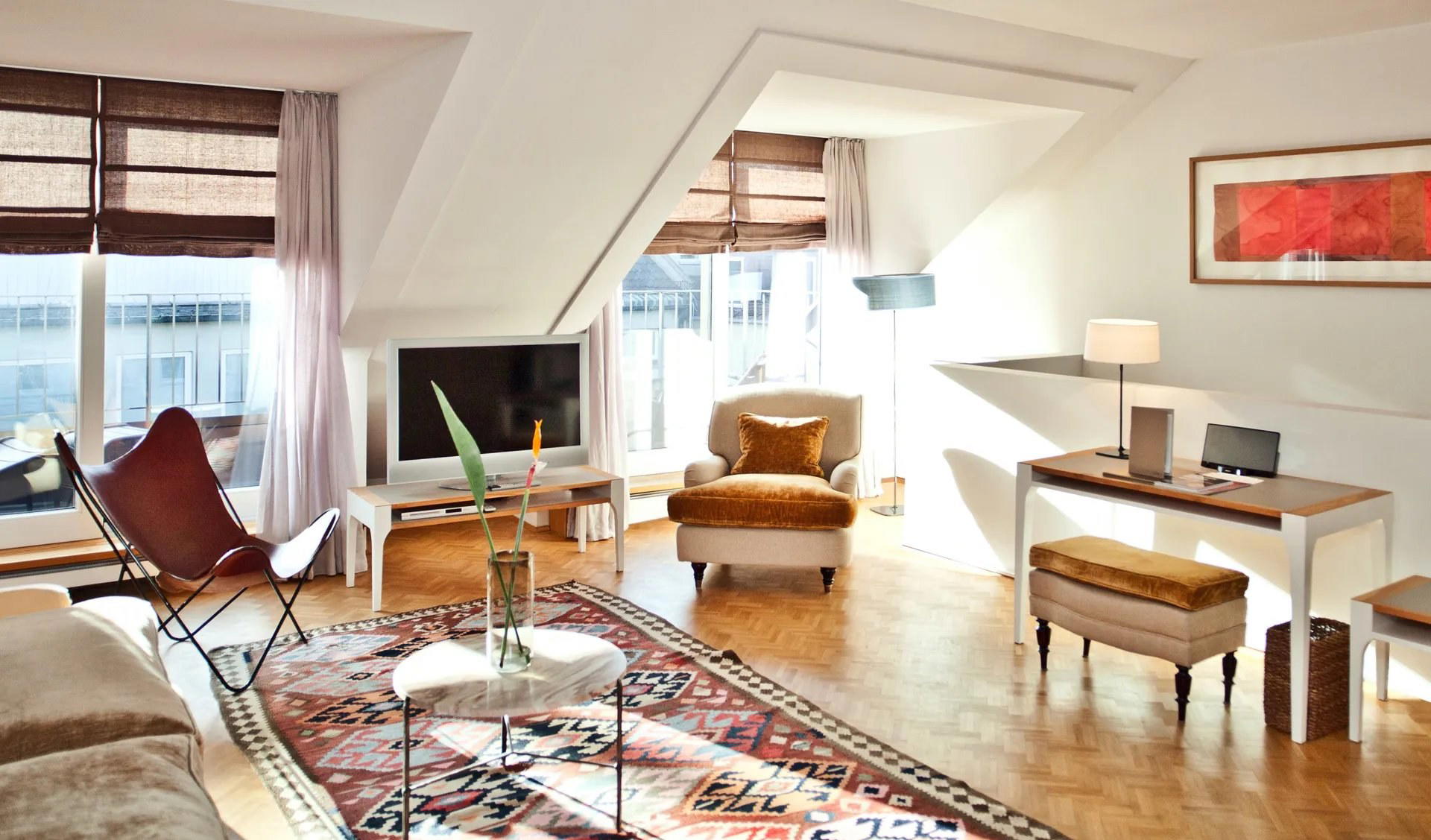
Chic and elegant setting with Far Eastern-style wallpaper, cosy colourful armchairs, fluffy carpets, calm and stylish atmosphere.