

1 Michelin Key · Virtuoso Luxury Hotel Partner
Positioned directly on Karlsplatz (Stachus), one of Munich's central transit squares, Koenigshof occupies a site where the city's historic core meets its forward-looking cosmopolitan self. The 106-room Luxury Collection property carries an art-forward interior, a spa, and a South American restaurant that holds its own in a city more accustomed to Bavarian tradition. Rates begin at $529 per night.

Pearl is the En Primeur Club membership app — saves, bookings, and concierge access live there. Same editors, same standards.
- Address
- Karlsplatz 25, 80335 München
- Phone
- +49 89 858407040
- Website
- marriott.com
- Directions
- Get directions
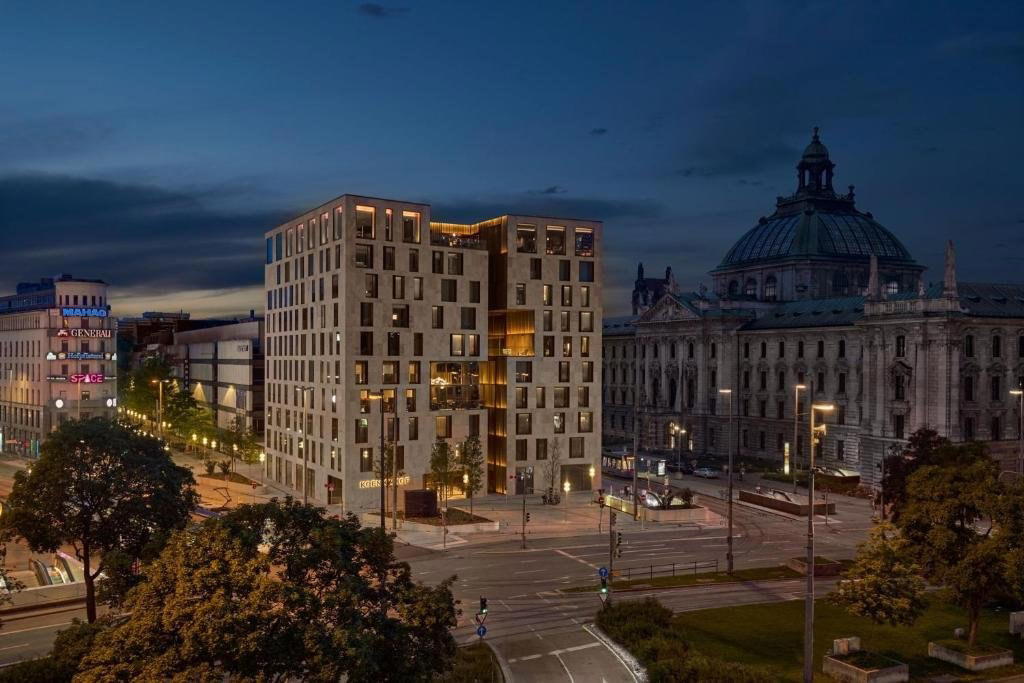
Stachus, Front and Centre
Munich's Stachus — the local shorthand for Karlsplatz — is a square that the city's residents use rather than admire from a distance. Trams, pedestrians, and commuters pass through it in a continuous churn, and the large fountain at its centre gets as much use from teenagers on a summer afternoon as from tourists pausing to photograph it. Hotels that position themselves on or immediately adjacent to this square occupy a different register from those that retreat to the quieter hotel corridors of Maximilianstrasse or the residential calm of Schwabing. They absorb the city's kinetic energy and, at their leading, convert it into an argument for staying central rather than secluded.
Koenigshof, a Luxury Collection Hotel, sits at Karlsplatz 25, directly on the square's edge. From this address, the Altstadt pedestrian zone is a short walk east, the Hauptbahnhof stands a few minutes west, and the Viktualienmarkt is reachable on foot in under fifteen minutes. For guests whose Munich itinerary involves spreading across the city rather than committing to one neighbourhood, this is a more functional base than the design-boutique properties concentrated further north toward Schwabing, or the heritage palaces clustered around the Maximilianstrasse corridor where the Mandarin Oriental Munich and the Rocco Forte Charles Hotel operate.
A Luxury Collection Property in a City That Takes Hotels Seriously
Munich's upper-tier hotel market is dense. The Rosewood Munich and the Andaz Munich Schwabinger Tor have joined longer-established properties like the Bayerischer Hof Munich in a competitive tier where design ambition, dining credentials, and art programming have become near-standard expectations. Within that field, the Luxury Collection positioning sits at a specific point: it signals quality without the ultra-premium pricing ceiling of Rosewood or Aman, and it carries the Marriott group's distribution infrastructure without presenting as a conventional chain hotel.
At 106 rooms, Koenigshof is not boutique in any strict sense. Properties like BEYOND by Geisel or the Cortiina Hotel operate at smaller scales and pitch themselves more directly against the design-led independent market. Koenigshof's scale places it in the mid-tier of Munich's luxury hotel count, large enough to support full-service amenities, small enough to maintain some coherence of atmosphere. Rates starting at $529 per night put it in a range consistent with the upper-four-star bracket across this competitive set, broadly below the Rosewood tier but above the volume-oriented business hotels that ring the Hauptbahnhof to the west.
The Interior Argument: Art and South American Cuisine
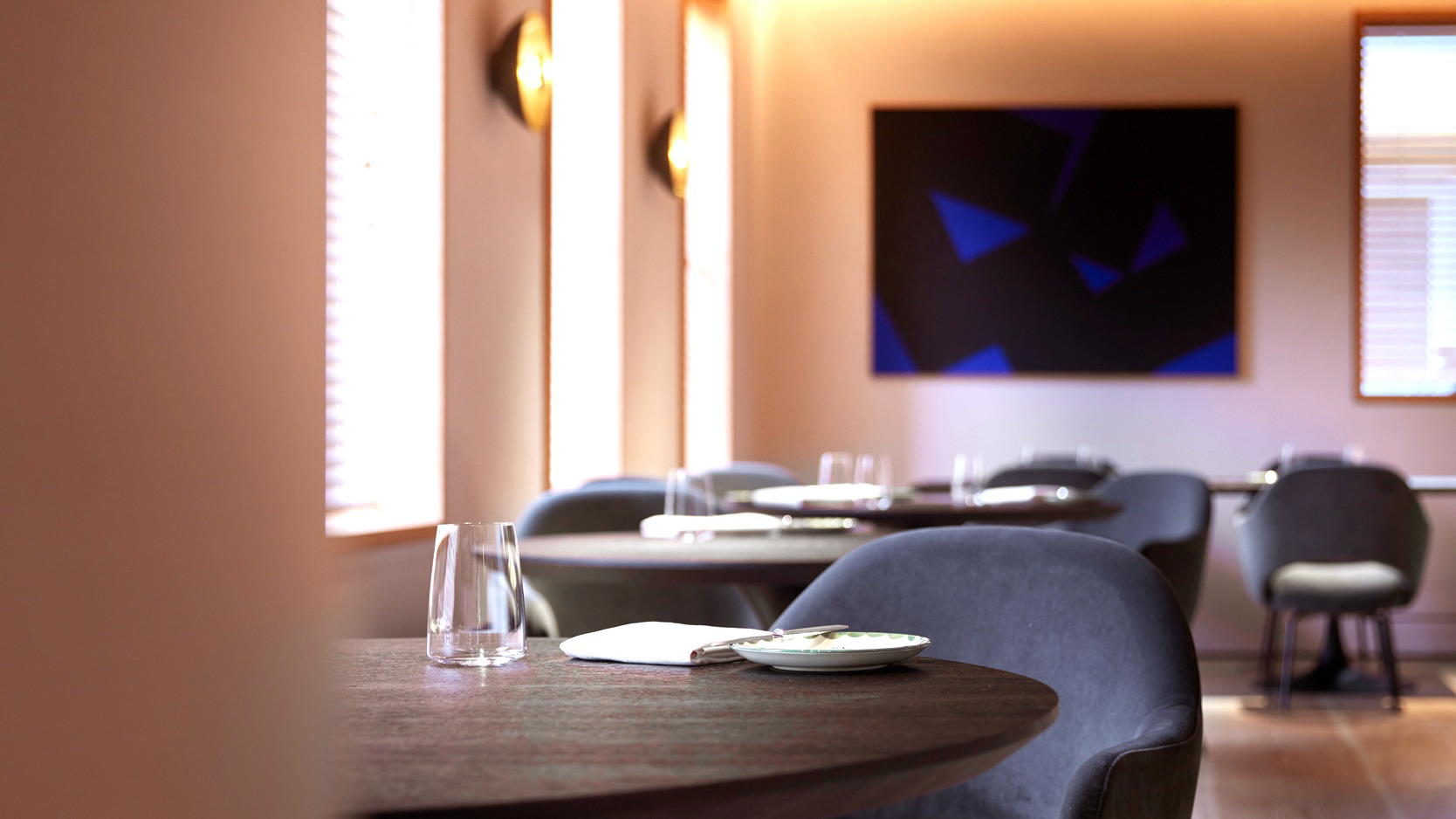
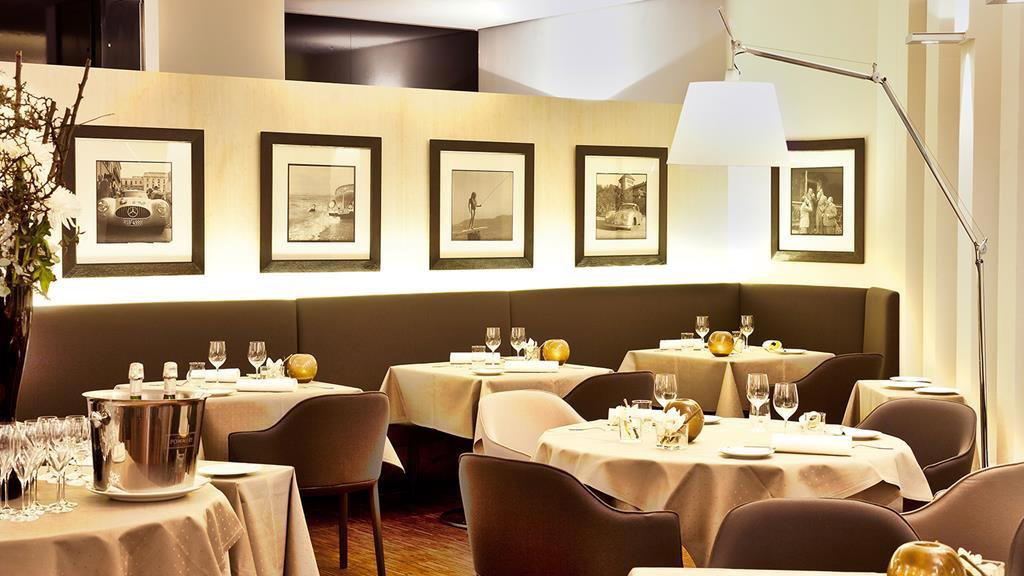
The decision to anchor Koenigshof's dining identity around South American cuisine is a meaningful one in a city where hotel restaurants default to Bavarian classics or generic European brasserie formats. Munich's South American restaurant scene has historically been thin relative to its broader dining ambition, which makes a well-executed programme of this kind worth noting. The hotel's art collection extends the same logic: rather than generic decorative work, the collection includes pieces by named modern and contemporary artists, functioning as a curatorial statement rather than mere interior dressing.
These choices position Koenigshof as a hotel trying to address Munich's cosmopolitan identity rather than its tourist-facing Bavarian brand. The city has always operated this tension, it is the birthplace of car culture, publishing, and tech startups as much as it is the home of Oktoberfest and lederhosen, and hotels that engage seriously with both registers tend to attract guests who understand and share that duality. Alongside the art and restaurant, the spa provides the wellness infrastructure now expected at this price point. For a wider view of where Koenigshof sits in the city's broader food and culture map, our full Munich guide covers the dining scene in more depth.
Positioning Against the Munich Luxury Field
The Luxury Collection brand's positioning across Europe tends toward properties with a sense of architectural or historical significance in their location: the Do & Co Hotel Munich on the nearby Marienplatz demonstrates what a strong location brief can do for a hotel's identity. Koenigshof's site on Karlsplatz carries a different kind of significance, civic rather than monumental, transit-adjacent rather than ceremonially positioned. That distinction matters to how the hotel feels from the outside. Once inside, however, the art collection, spa, and dining programme are designed to provide an interior world sufficiently autonomous from the noise of the Stachus to justify the premium.
Elsewhere in Germany, comparable luxury positioning is held by properties like the Excelsior Hotel Ernst in Cologne, the Breidenbacher Hof in Düsseldorf, or the Bülow Palais in Dresden, each operating in city-centre locations where proximity to urban life is the proposition rather than retreat from it. The Althoff Seehotel Überfahrt in Rottach-Egern or Schloss Elmau represent the alternative axis, Bavaria's landscape-retreat tier, for those whose priorities are reversed. Koenigshof is firmly in the urban-engagement camp.
Planning Your Stay
Munich runs on a seasonal rhythm that any visit should account for. The Oktoberfest period in late September and early October compresses hotel availability across the city and pushes rates significantly above baseline in almost every tier. Booking well in advance for that window is a practical requirement, not a preference. The winter Christmas market season, running through December, creates a secondary demand peak. The quieter months of January through March offer the most availability and relatively more moderate pricing, though the city's cultural calendar, opera season, trade shows, maintains demand through most of the year.
For guests using Koenigshof as a base for exploring Bavaria more broadly, the Hauptbahnhof's proximity makes day trips to the Alpine foothills, including the area around Kranzbach covered by Das Kranzbach Hotel and the Reit im Winkl properties like Gut Steinbach, direct by rail. The hotel's Karlsplatz address also connects directly to Munich's U-Bahn network, giving access to outlying areas including the Englischer Garten and the museum district along Prinzregentenstrasse without requiring a taxi or car.
Same-City Peers
Comparable venues nearby, for context on price, style, and recognition.
| Venue | Cuisine | Price | Awards | Notes |
|---|---|---|---|---|
| Koenigshof, a Luxury Collection Hotel, MunichThis venue — the venue you are viewing | Contemporary luxury with Bavarian heritage influences, featuring curated local artworks and bespoke design elements celebrating Munich's cultural identity. | $300–500 | 1 Michelin Key · Virtuoso Luxury Hotel Partner | Not listed |
| Hotel München Palace | Private family-owned luxury boutique hotel reflecting contemporary classical design with uncompromising attention to quality and beauty. | $300–500 | 1 Michelin Key · Forbes Recommended | Haidhausen |
| Do & Co Hotel Munich | Luxurious boutique hotel blending modern design with central historic location | $300–500 | 1 Michelin Key | Altstadt |
| Andaz Munich Schwabinger Tor | Contemporary luxury lifestyle hotel designed for cosmopolitan travelers with emphasis on local Munich experiences and creative inspiration. | $300–500 | 1 Michelin Key | Schwabing |
| BEYOND by Geisel | Contemporary luxury boutique hotel with minimalist elegance and personalized service; member of Preferred Hotels & Resorts. | $300–500 | 1 Michelin Key · Virtuoso Luxury Hotel Partner | Isarvorstadt |
| Hotel Vier Jahreszeiten Kempinski Munich | Historic luxury grand hotel blending tradition with modern living. | Not listed | 1 Michelin Key · La Liste Top Hotels | Lehel |
Recognition history
Dated appearances from independent guides and award organizations, with the underlying list record or original source where available.
Michelin 1 Key
Michelin
Virtuoso Luxury Hotel Partner
Virtuoso
Full recognition history (3 entries)
Michelin 1 Key
Michelin
Continue exploring
More in Munich
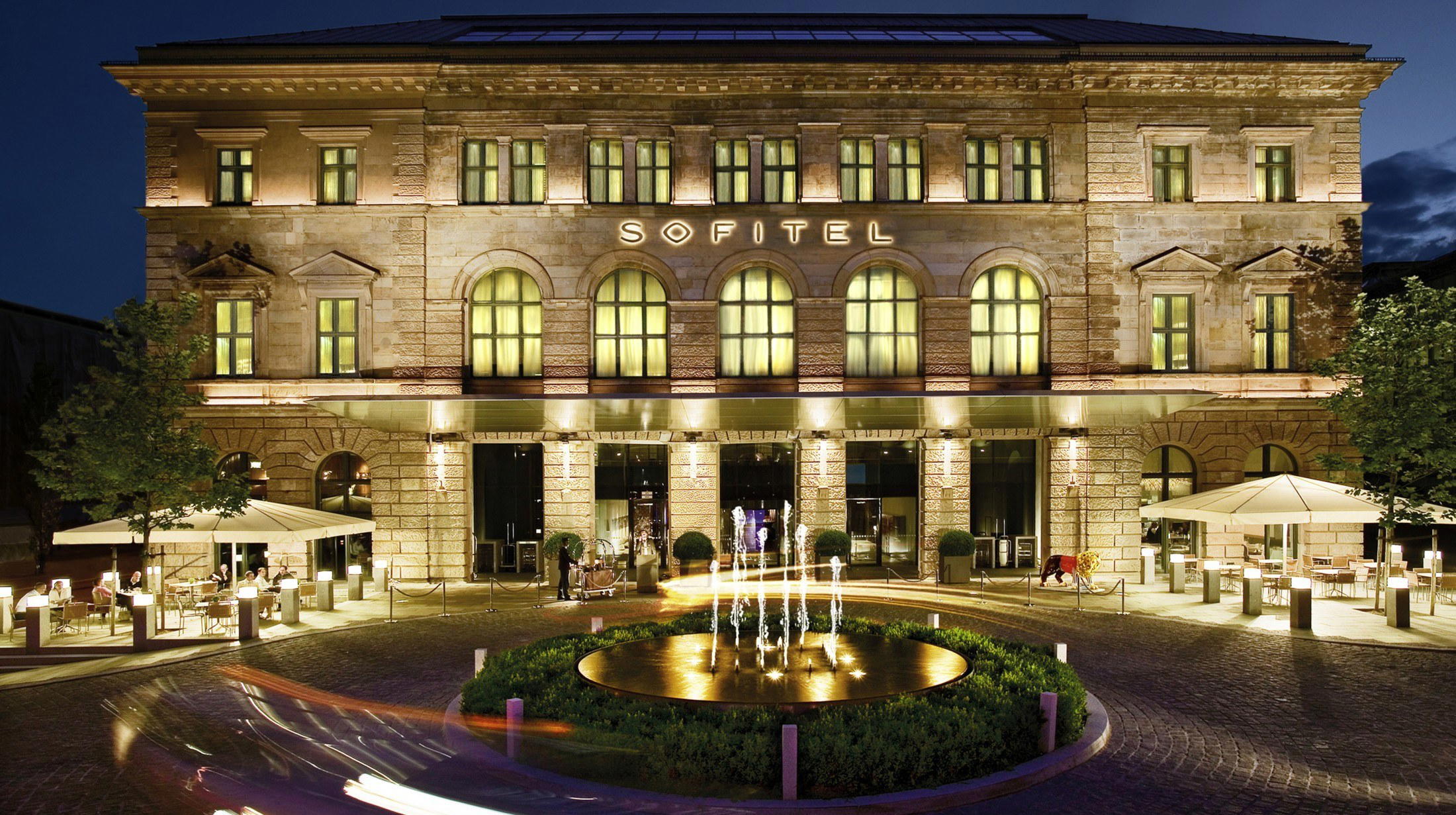
Hotels in Munich
Browse all →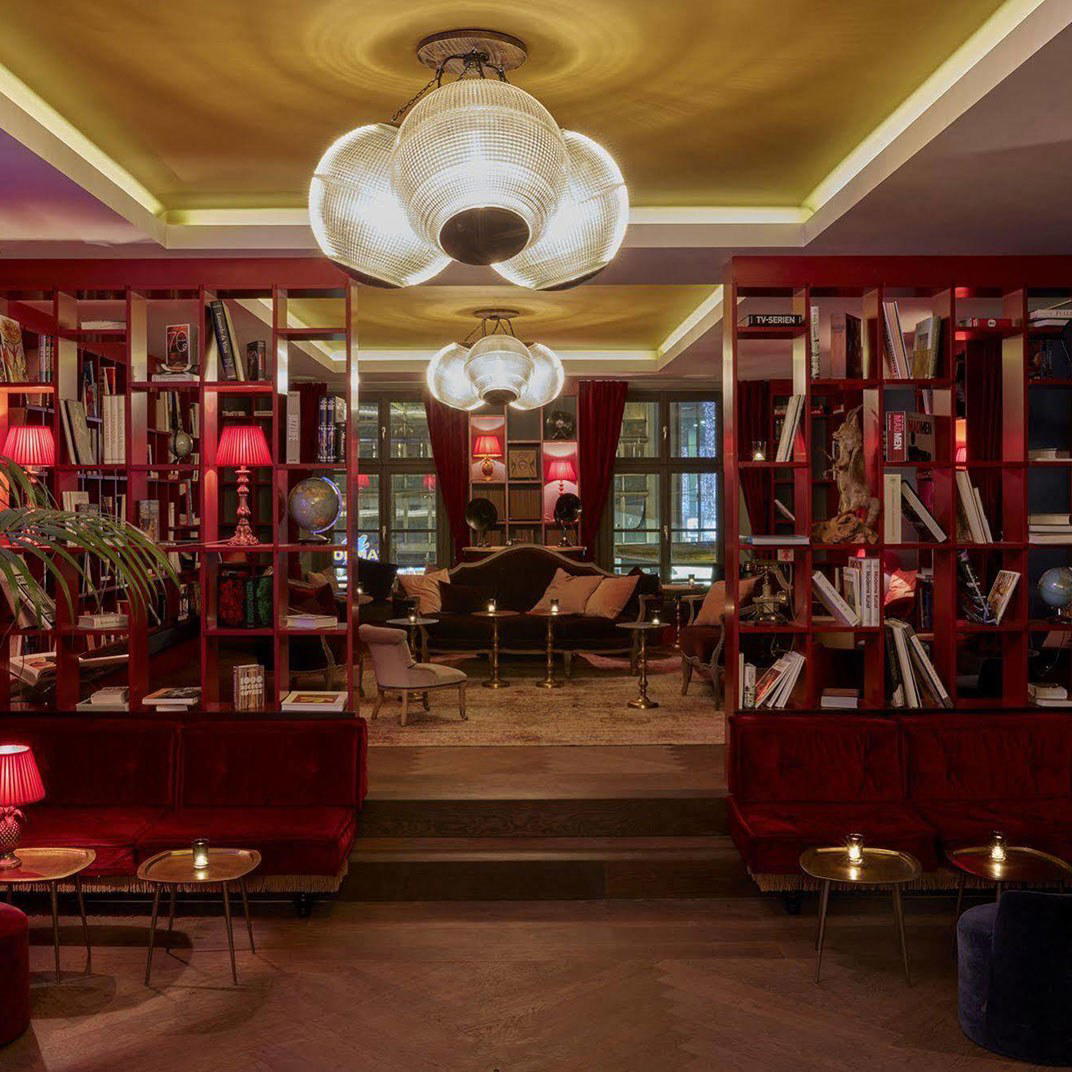
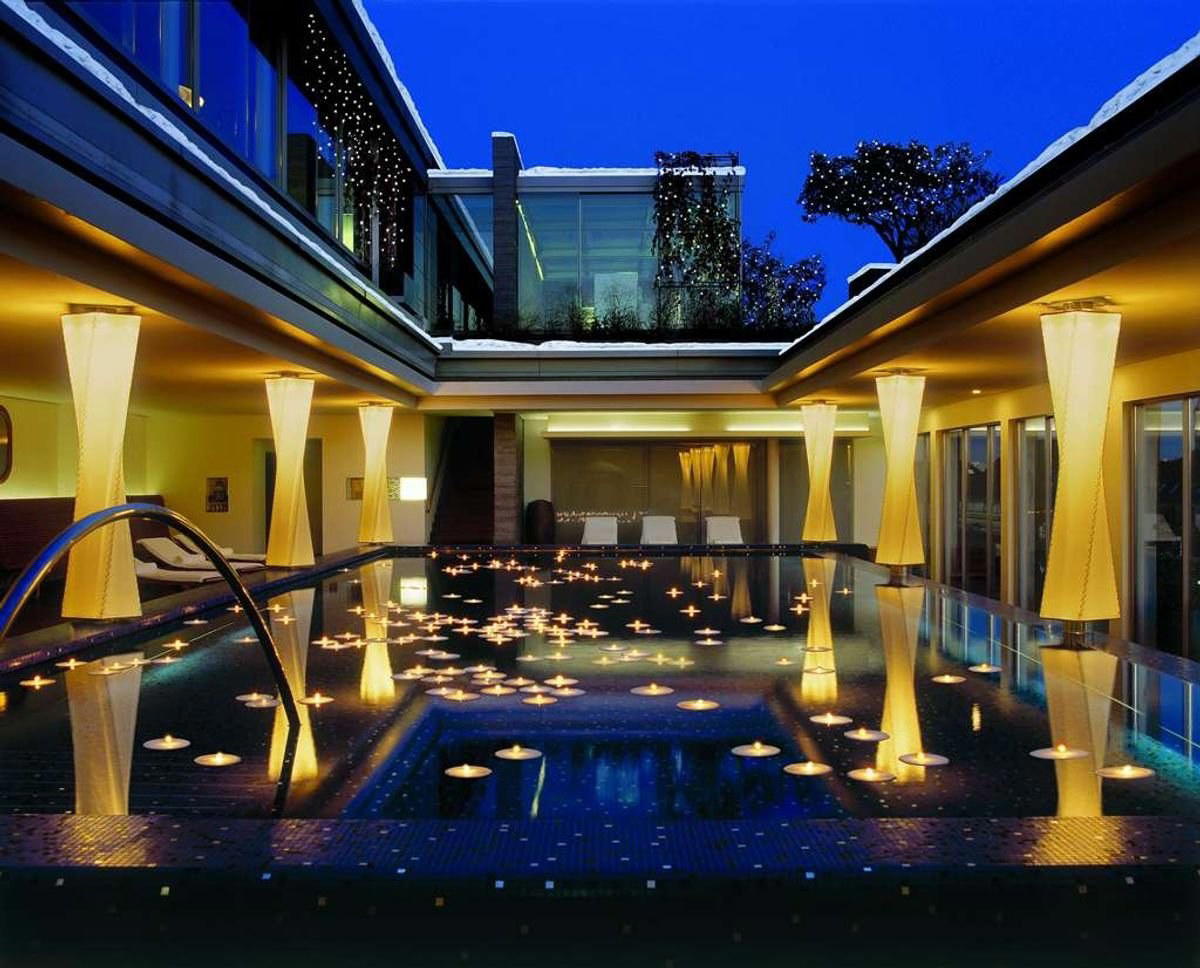
Bars in Munich
Browse all →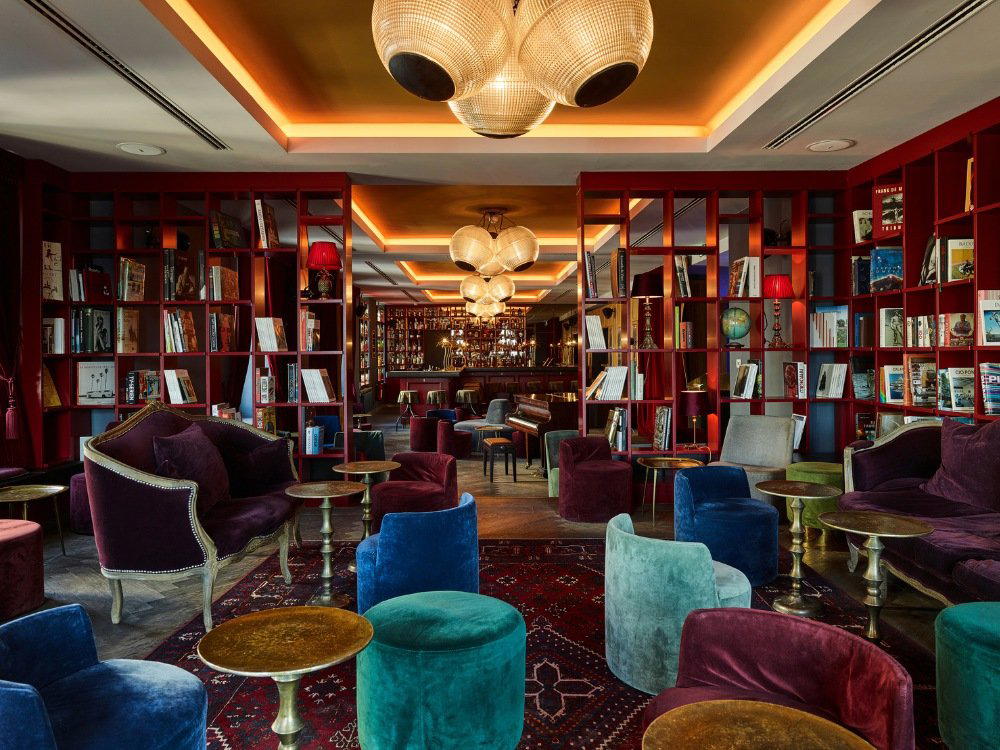
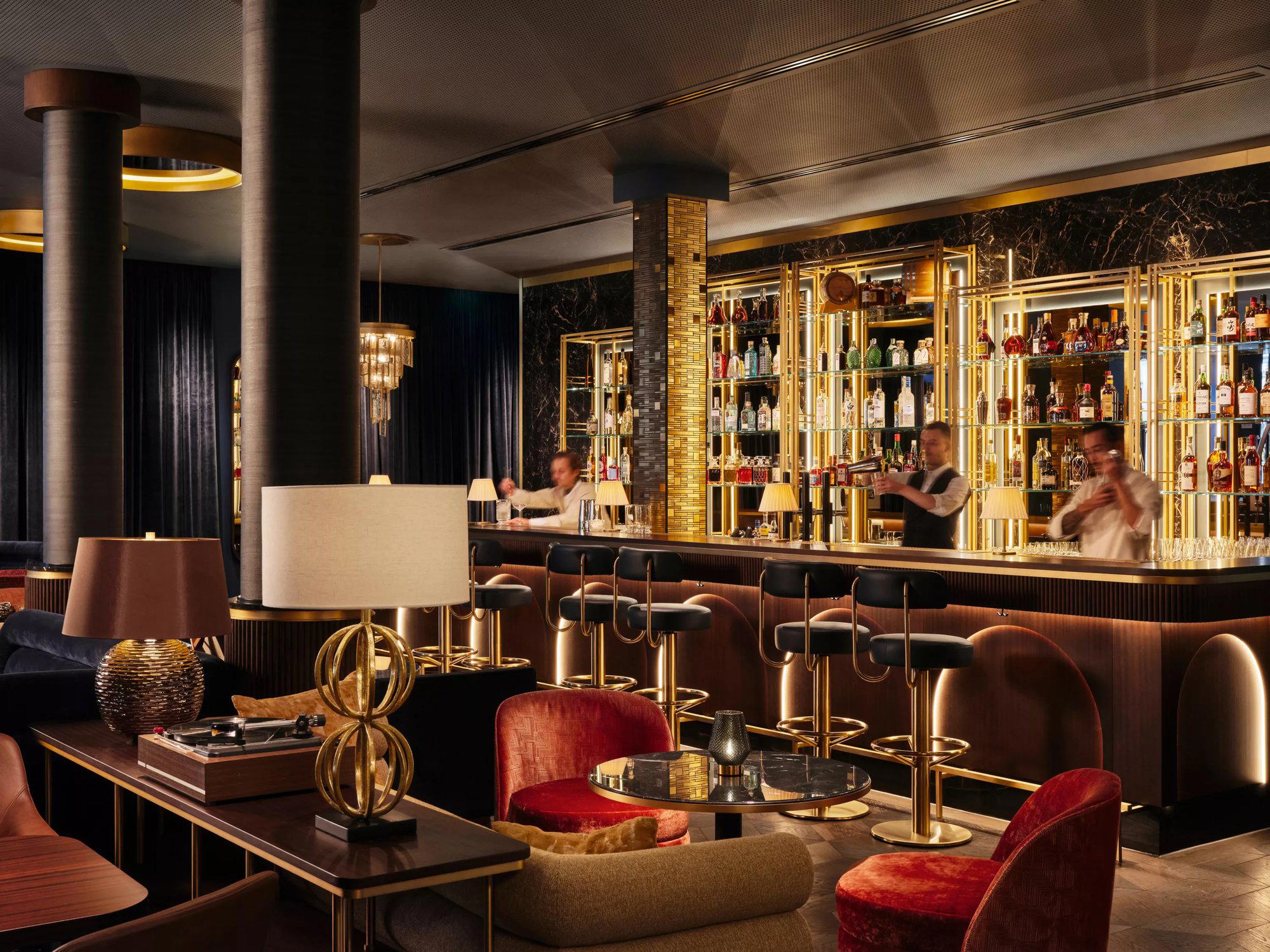
Restaurants in Munich
Browse all →
Details
- Sophisticated
- Elegant
- Modern
- Romantic
- Romantic Getaway
- Business Trip
- Anniversary
- Celebration
- Wellness Retreat
- Rooftop Pool
- Destination Spa
- Panoramic View
- Private Dining
- Design Destination
- Wi Fi
- Spa
- Fitness Center
- Room Service
- Concierge
- Business Center
- Valet Parking
- EV Charging
- Restaurant
- Bar
- Pool
- Skyline
- Mountain
- Wheelchair Accessible
- Elevator
- Accessible Restroom
- Step Free Entrance
- Accessible Parking
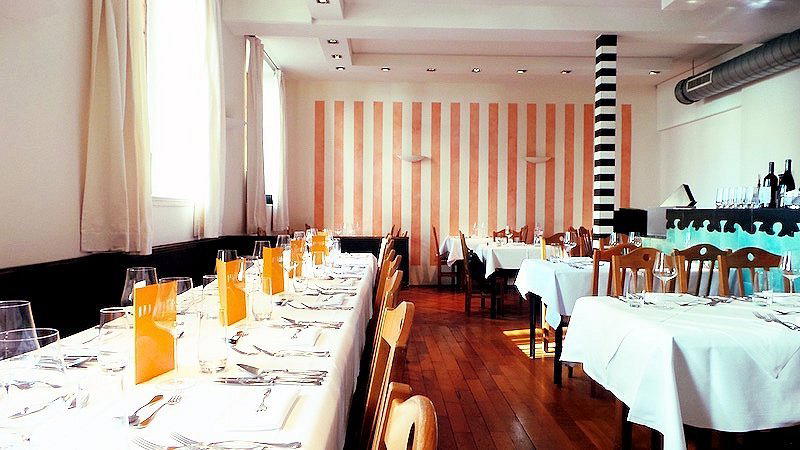
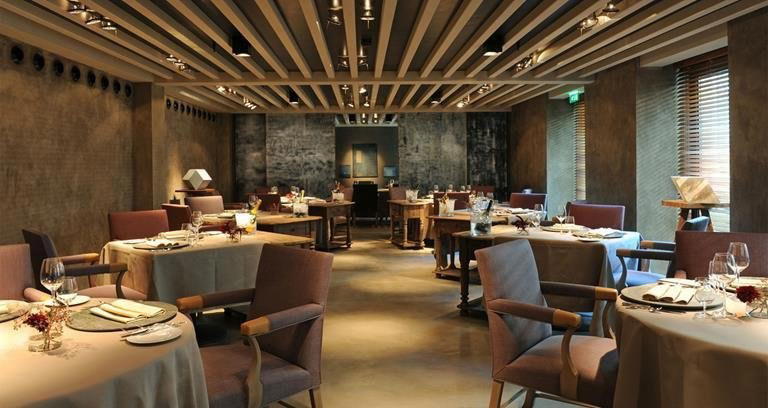
Serene and sophisticated with soft lighting, dark wood paneling, neutral tones, and floor-to-ceiling windows creating a tranquil sanctuary amid urban energy; weekend rooftop transitions to club-like atmosphere.