This listing is retired after a June 2026 status audit found the place inactive at its stored address.
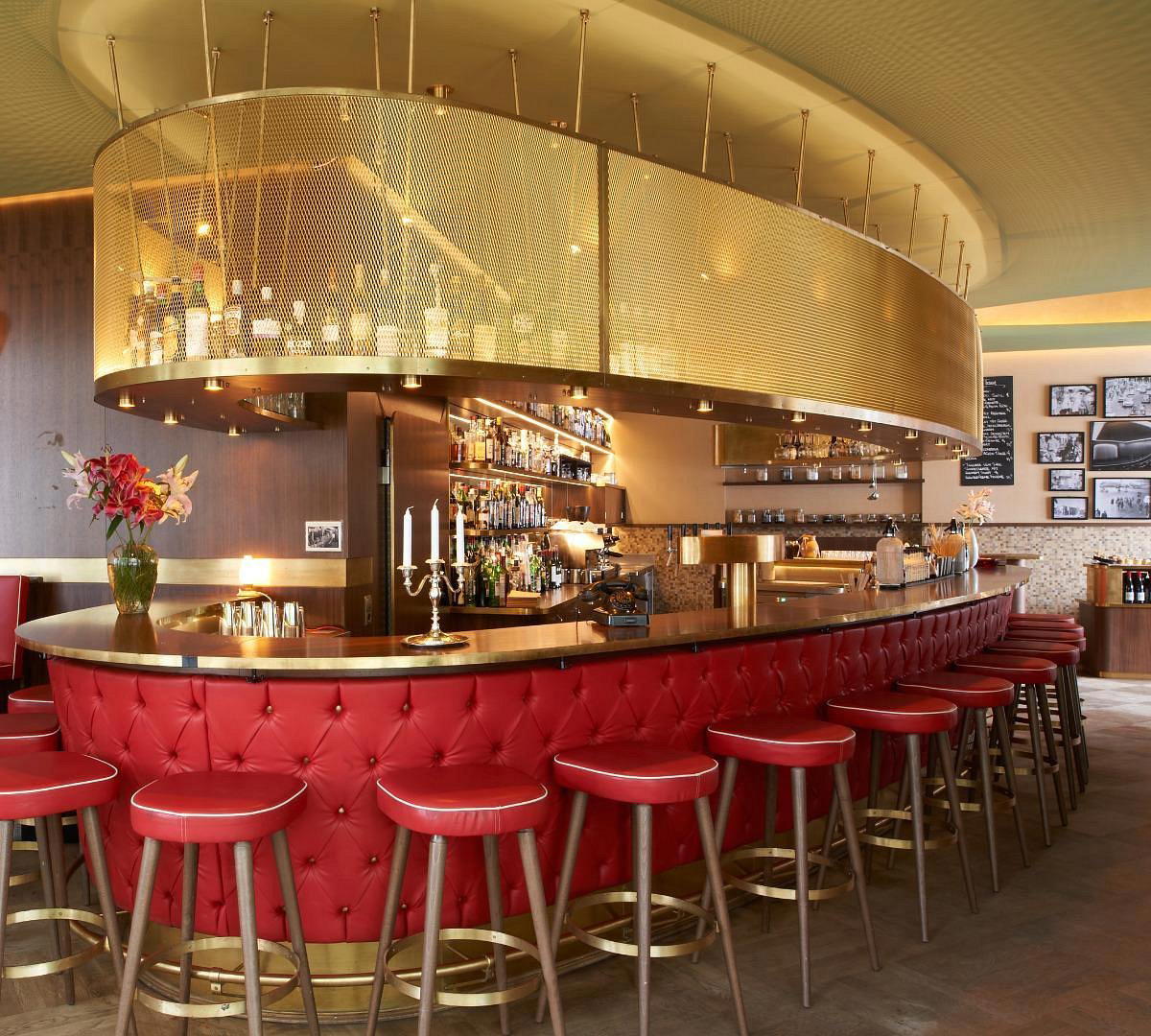
Where Munich's West Side Drinks
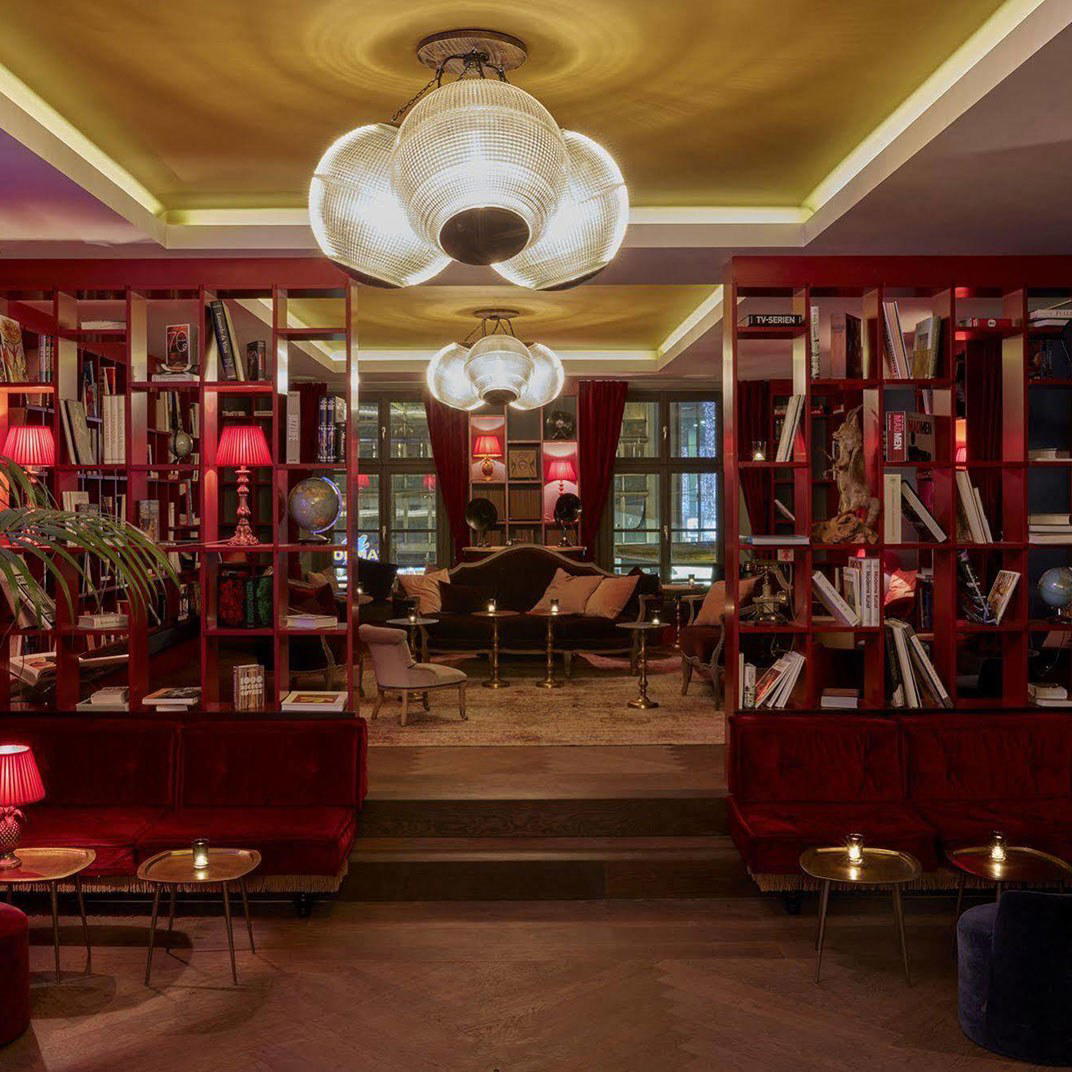
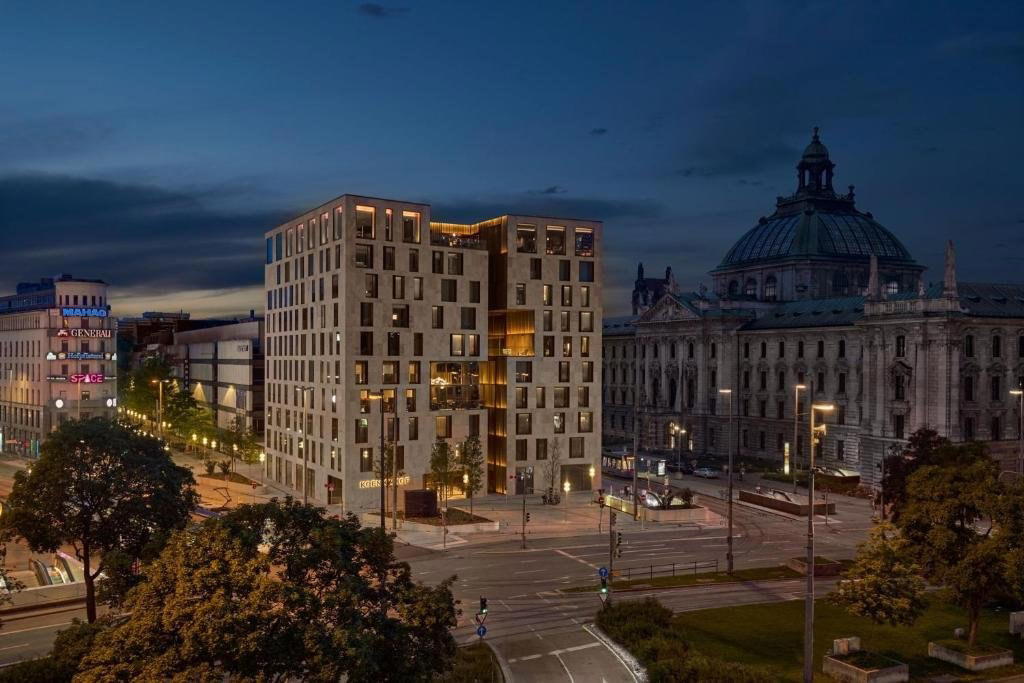
Munich's bar scene tends to cluster around the obvious coordinates: Maxvorstadt's gallery-adjacent cafés, Schwabing's long-established evening circuits, and the Altstadt counters that serve the tourist and finance crowds in roughly equal measure. Theresienhöhe 7 is a bar in Munich, with a smart casual dress code and reservations recommended. The Theresienhöhe district sits outside that gravitational pull. The address is residential in character, anchored at one end by the Theresienwiese, the open ground that transforms into Oktoberfest each autumn and returns to near-silence for the other ten months, and at the other by the Deutsches Museum island and the westward spread of the city's less-documented hospitality geography. Theresienhöhe 7 occupies this quieter register, at an address where the audience is predominantly local and the mood shifts noticeably between the midday and evening hours.
The Lunch-to-Evening Arc
In Munich, as in most German cities with a pronounced office and residential mix, the gap between daytime and evening service is less about menu engineering and more about pace and expectation. Lunchtime in neighbourhoods like Theresienhöhe draws workers and residents who want something purposeful: food and drink that fits inside a break, with a room that doesn't demand lingering. The evening service inverts that logic. The same address becomes somewhere to extend, to order a second round, to treat the table as a destination rather than a stop. This rhythm is common across western Munich, where venues tend to serve both functions without specialising aggressively in either, a contrast to the more sharply segmented formats found in the city centre, where a lunch-only bistro or a cocktail-only bar is a commercially viable proposition. At Theresienhöhe 7, the address itself implies this dual function, and visitors who arrive expecting only one register may find the other more interesting.
For context on how Munich's bar scene handles this split across different neighbourhoods, Goldene Bar in the Haus der Kunst operates on a more defined evening-and-event mode, while Augustiner Stammhaus sustains both lunch and dinner traffic through volume and tradition. Blaue Libelle occupies yet another position, with its lakeside setting making it more season-dependent than either. These contrasts help locate what makes western Munich addresses like Theresienhöhe function differently: less curated, more embedded in daily use.
The Neighbourhood as Context
The Theresienwiese effect on the surrounding streets is worth understanding for any visitor. For roughly three weeks each year, the entire district operates in a different mode: international crowds, accelerated service, prices that reflect the temporary demand surge. Outside that window, the neighbourhood reverts to a pace that the city's more tourist-facing districts rarely allow. The Oktoberfest footprint is significant, the fairgrounds cover around 42 hectares, and the surrounding hospitality infrastructure in Schwanthalerhöhe and Theresienhöhe has historically oriented itself toward that annual event while maintaining year-round local service. Venues at this address therefore operate in a dual temporal reality: the short high-season burst and the longer, steadier local-market year.
That seasonal pattern has a parallel in how Munich's beer culture and bar formats have evolved more broadly. The city's emphasis on Bavarian tradition, particularly the Maßkrug-centric festival format, coexists with a growing number of venues that treat cocktail and wine service with the same seriousness found in Frankfurt or Hamburg. Schuman's Bar on Odeonsplatz represents Munich's longest-running serious cocktail address, having operated since 1982, and its longevity has helped define what a sustained, non-novelty bar programme looks like in the city. The bars closer to Theresienhöhe tend to be less institutionalised and more reactive to their immediate catchment.
German Bar Culture in Comparative Frame
To understand what the bar represents within the broader German bar context, it helps to place Munich alongside its peer cities. Berlin's bar scene, typified by venues like Buck & Breck, has historically valued small-format, high-craft programmes aimed at a national and international enthusiast audience. Hamburg's Le Lion Bar de Paris has built a reputation on French-inflected formality and strict reservation discipline. Frankfurt's The Parlour sits within the city's finance-adjacent hospitality tier. Cologne's Bar Trattoria Celentano layers Italian food culture onto the bar format in a way that reflects that city's particular hospitality sensibility. Even further afield, Uerige in Düsseldorf and Kieler Brauerei am Alten Markt in Kiel demonstrate how deeply regional brewing identity shapes the bar format in German cities outside Munich. Against this map, Munich's western neighbourhoods represent a middle ground: less self-consciously craft-focused than Berlin, less formal than Hamburg, but with a depth of local drinking culture that occasionally surfaces in places visitors don't reach on a first trip.
Planning Your Visit
The Theresienhöhe address is accessible from the city centre via the U4 or U5 lines, with Theresienwiese station a short walk from the address. The neighbourhood's character makes it better suited to a deliberate visit than a spontaneous drop-in from the Altstadt, and timing matters: outside the Oktoberfest window (late September to early October), the area is considerably calmer, which is either an advantage or a drawback depending on what you're looking for.
Where It Fits
Comparable venues nearby, for context on price, style, and recognition.
| Venue | Cuisine | Price | Notes |
|---|---|---|---|
| Theresienhöhe 7This venue — the venue you are viewing | lounge | Not listed | Not listed |
| Restaurant Pfistermühle | Bar | Not listed | Altstadt |
| Cortiina Hotel | hotel_bar | Not listed | Altstadt |
| Paulaner am Nockherberg | beer_bar | $20–30 | Au |
Continue exploring
More in Munich
Bars in Munich
All bars in Munich →

Restaurants in Munich
All restaurants in Munich →
Details
- Intimate
- Sophisticated
- Cozy
- Date Night
- After Work
- Special Occasion
- Live Music
- Historic Building
- Standalone
- Seated Bar
- Lounge Seating
- Classic Cocktails
- Craft Cocktails