A fixture on Via Bafile, Jesolo's main coastal strip, Vesuvio sits within a dining scene shaped by Adriatic and northern Italian culinary tradition. The address places it among the restaurants that serve both seasonal beach visitors and year-round locals, where the competition runs from casual grilled fish spots to more considered neighbourhood tables. Visitors looking to understand the local eating culture will find this part of Jesolo a useful starting point.
Pearl is the En Primeur Club membership app — saves, bookings, and concierge access live there. Same editors, same standards.
- Address
- Via Bafile, 111, 30016 Jesolo VE, Italy
- Phone
- +393942191978
- Website
- vesuviojesolo.it
- Directions
- Get directions
 Saves & bookings on Pearl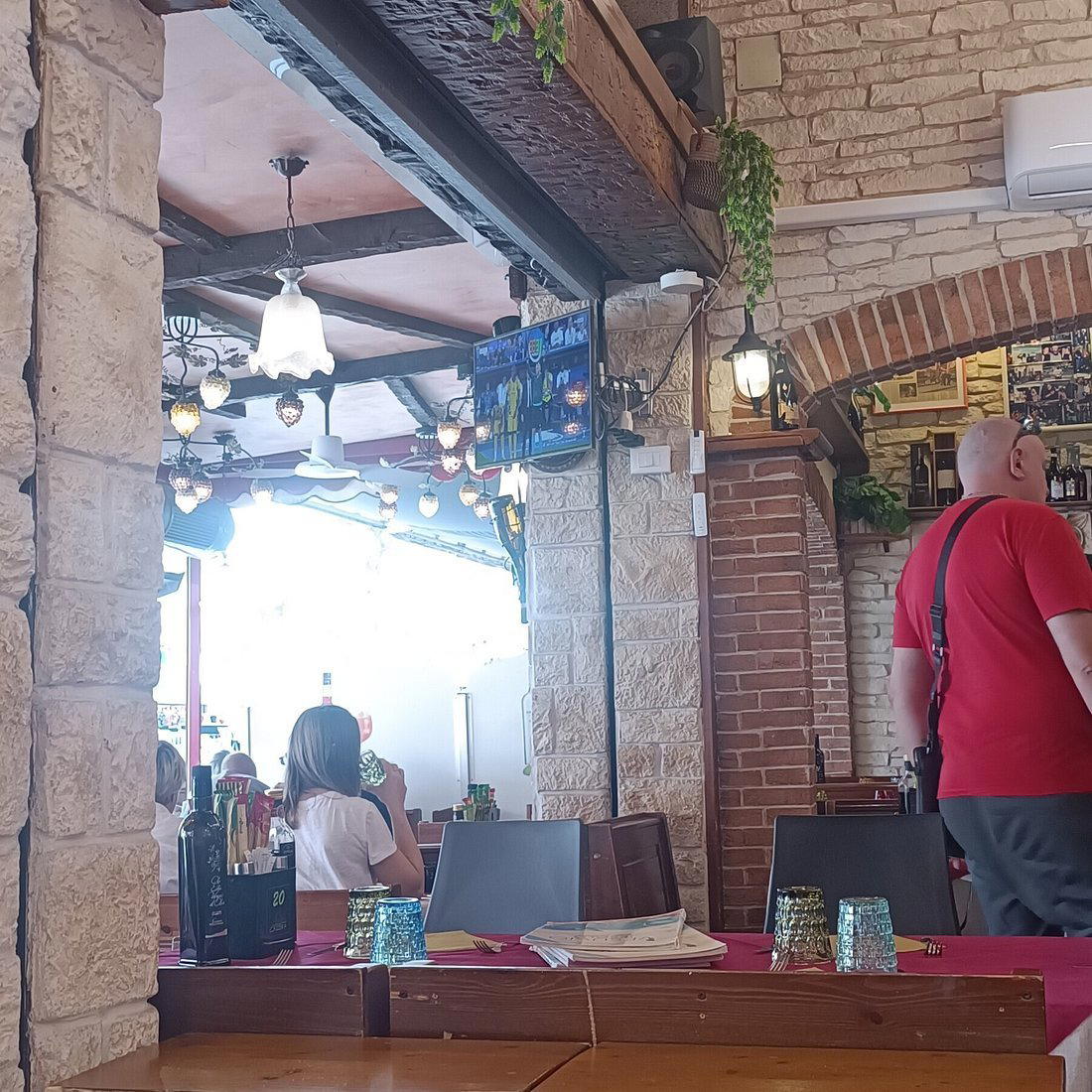
Via Bafile and the Coastal Dining Tradition It Shaped
Jesolo's Via Bafile runs nearly the full length of the town's beachfront, and the restaurants along it have been shaped by the same logic that governs most Italian Adriatic resort dining: seasonal rhythms, proximity to the water, and a clientele that ranges from day-trippers to returning families who have been eating at the same tables for decades. Vesuvio, at number 111, occupies a position on this strip that places it inside that tradition rather than apart from it. The name references Naples and the volcanic south, a common pattern in northern Italian coastal towns where the Neapolitan influence, through pizza, through the tomato's centrality in the kitchen, through the cultural weight of southern Italian migration, long ago became absorbed into the local eating culture.
That absorption matters as context. The Veneto coast around Jesolo has its own culinary identity, built on lagoon fish, risotto cooked with cuttlefish or clams, and a long tradition of treating the Adriatic catch simply, grilled, fried in light batter, or dressed with local olive oil and herbs. But the south's influence sits alongside this, visible in wood-fired ovens, in tomato-heavy sauces, and in the kind of trattoria format that owes as much to Campania as to Venice. A restaurant named Vesuvio is, by definition, signalling something about where it draws its culinary reference points.
Where Vesuvio Fits in Jesolo's Eating Scene
Jesolo is a resort town rather than a fine dining city, and nearby Venice generates institutions with decades of critical attention behind them. The comparison set for a Via Bafile address is better understood through the lens of seaside resort dining across northern Italy: places where the quality ceiling is set by the freshness of the catch and the skill in the kitchen, not by tasting menus or formal service. Al Torcio, Al Traghetto, and Bucintoro are among the names that appear alongside Vesuvio when visitors search for a sit-down meal in this part of town. Alla Grigliata and Bigoleria Pizzeria San Marco anchor other parts of the local range.
Against that peer group, positioning tends to come down to a few variables: the balance between seafood and meat-focused cooking, the presence or absence of a wood-fired element, the degree to which the kitchen leans into Veneto tradition versus the broader Italian repertoire, and how the room feels during the summer peak. At a resort dining address, atmosphere in season carries weight, an outdoor table in July operates differently from a winter weeknight in a half-empty dining room.
Italy's more formally recognized dining addresses in the northeast provide useful orientation for what Jesolo is not. Le Calandre in Rubano and Dal Pescatore in Runate represent the region's upper tier, where decades of Michelin recognition have built a different expectation around format, price, and the relationship between the kitchen and the guest. Osteria Francescana in Modena and Enoteca Pinchiorri in Florence anchor the national frame. Vesuvio operates well below that tier and in a different category entirely, a resort-town address serving a transient and local mixed clientele, where the measure of success is consistency across a long summer season rather than critical distinction.
The Campanian Name in a Veneto Setting
Across Italy, restaurants named after southern landmarks, Vesuvio, Capri, Positano, have historically served as shorthand for a certain kind of menu confidence: pizza cooked at high heat, tomato sauce made without apology, mozzarella treated as a primary ingredient rather than a garnish. In the Veneto, where the local palate was traditionally more restrained and butter-leaning, these references took on a slightly different character. They marked a kitchen willing to work in a mode that the north had once considered foreign but had since absorbed completely.
This context explains why a name like Vesuvio on the Adriatic coast carries a kind of casual authority. It is not making a claim to innovation. It is invoking a tradition that Italian diners understand immediately: the wood oven, the long-cooked ragu, the pizza that arrives blistered and light rather than thick and doughy. Whether or not a specific address delivers on that implied promise is a question of kitchen execution, but the frame itself is a meaningful signal about what kind of meal is on offer.
For context on how Italy's coastal seafood tradition plays out at its most considered level, Uliassi in Senigallia and Quattro Passi in Marina del Cantone show what happens when the Adriatic and Tyrrhenian catch receives formal treatment. Atelier Moessmer Norbert Niederkofler in Brunico, Piazza Duomo in Alba, Reale in Castel di Sangro, and Enrico Bartolini in Milan represent how Italian kitchens across different regions have formalized their culinary traditions into destination dining. The contrast with a resort-strip address like Vesuvio is not a hierarchy of quality so much as a difference in purpose and context.
Planning a Visit
Via Bafile is Jesolo's primary commercial and pedestrian artery running parallel to the beach, and number 111 is accessible on foot from most of the town's hotel accommodation during the summer season, which runs roughly from late May through September. Jesolo is reached most directly from Venice by road, approximately 40 kilometres northeast of the city, with bus connections running from Piazzale Roma for visitors arriving without a car. The season matters here: like most of the Adriatic resort strip, Jesolo operates at a different pace in summer than in the shoulder months, and the density of open restaurants, the energy on Via Bafile, and the availability of outdoor seating all shift considerably depending on when you arrive.
Booking and Cost Snapshot
Comparable venues nearby, for context on price, style, and recognition.
| Venue | Cuisine | Price | Notes |
|---|---|---|---|
| VesuvioThis venue — the venue you are viewing | Jesolo Lido, Neapolitan Pizza & Seafood | $$ | Not listed |
| La Taverna | Not listed | $$ | Cortellazzo, Traditional Italian Trattoria with Seafood and Pizza |
| Laguna | Jesolo Lido, Refined Italian Seafood | $$$ | Not listed |
| Mille Luci | Not listed | $$ | Lido di Jesolo, Venetian Italian with Pizza |
| Tempini | Jesolo Lido, Italian Seafood and Pizza | $$ | Not listed |
| Magazzino delle scope | Not listed | $$ | Lido di Jesolo, Italian Chicheteria - Venetian Tapas |
Continue exploring
More in Jesolo
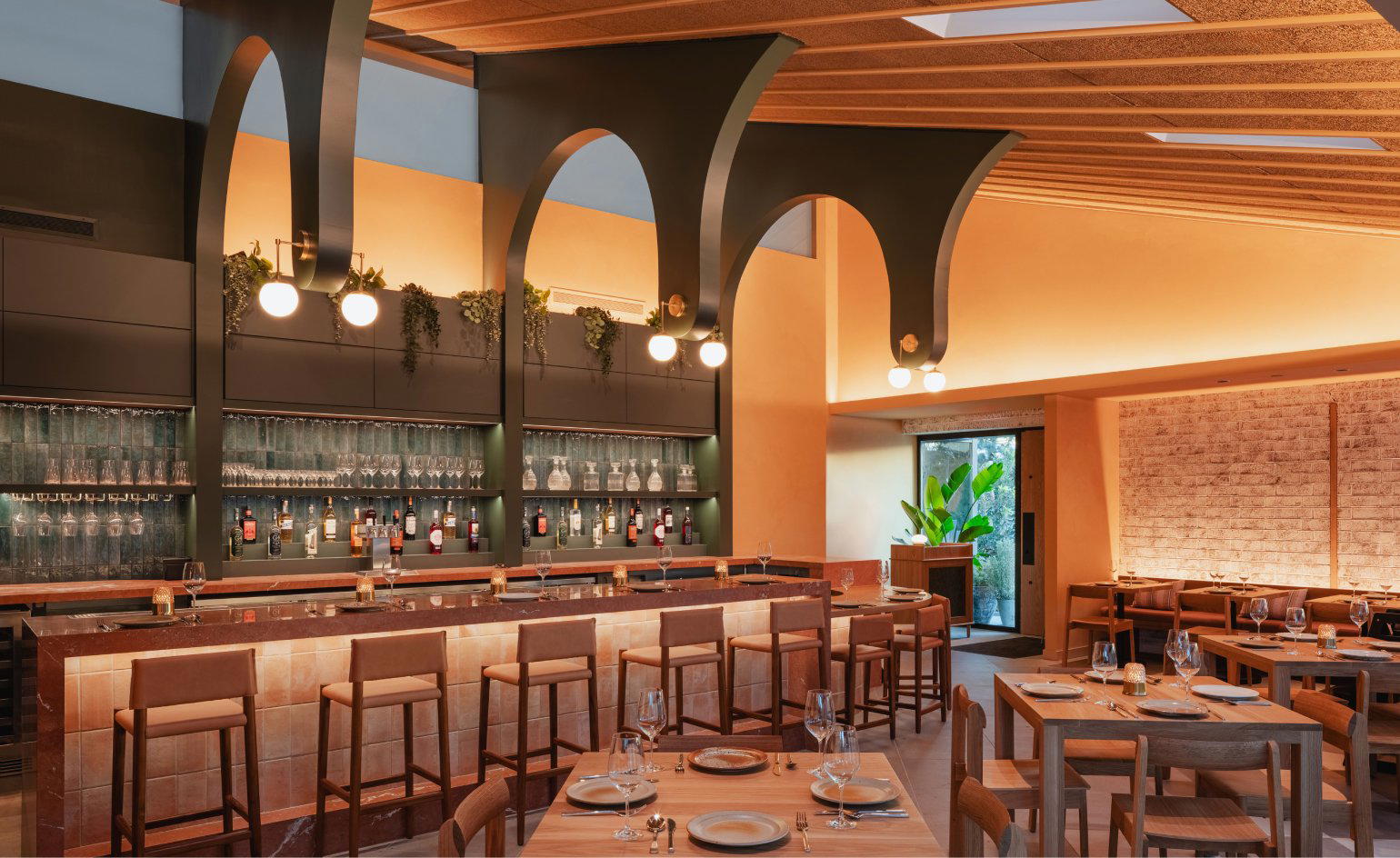
Restaurants in Jesolo
Browse all →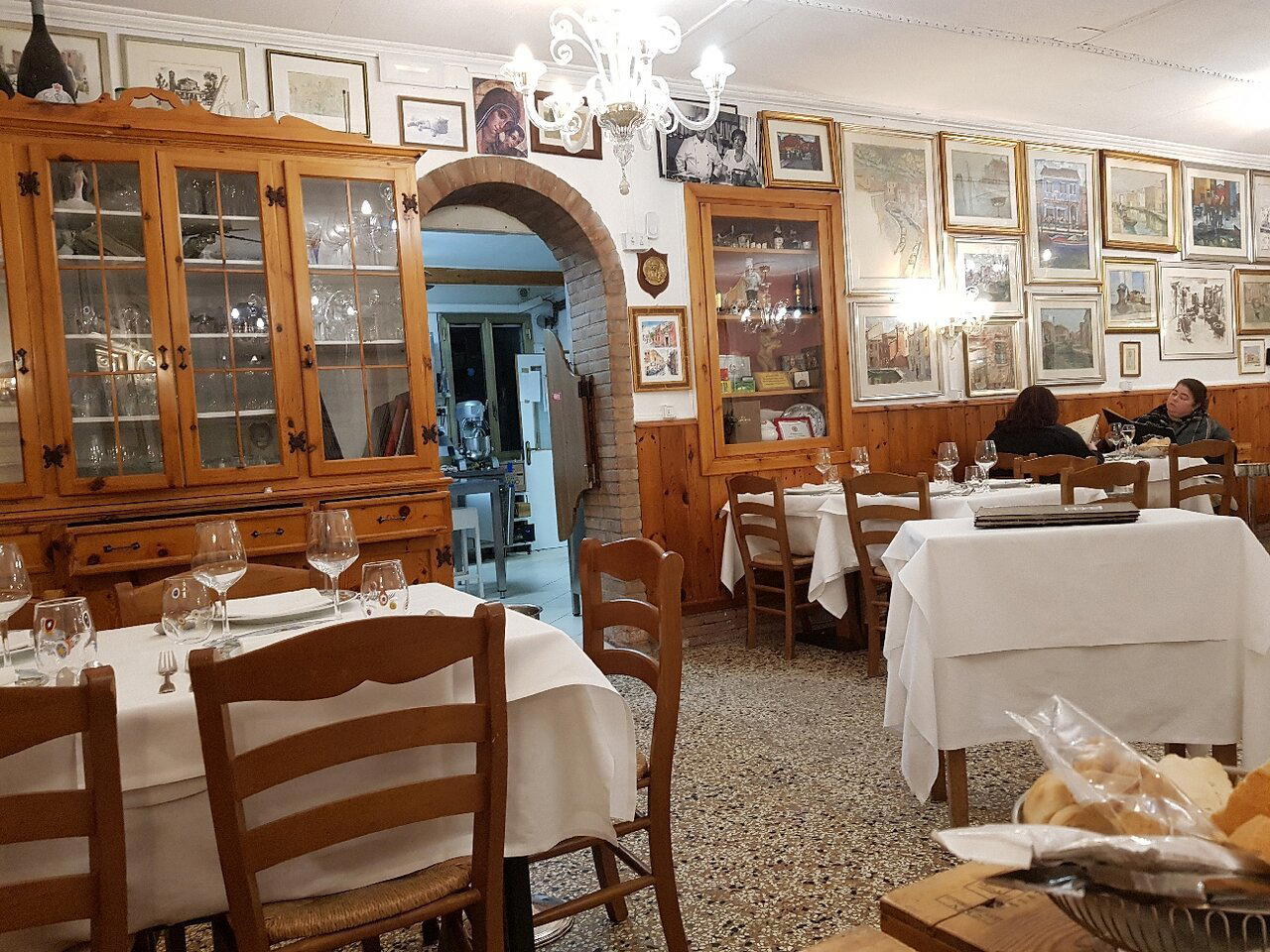
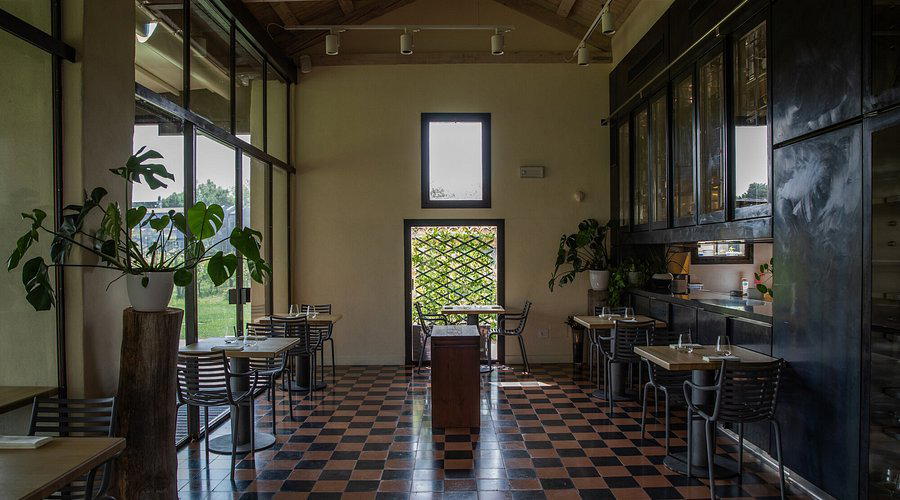
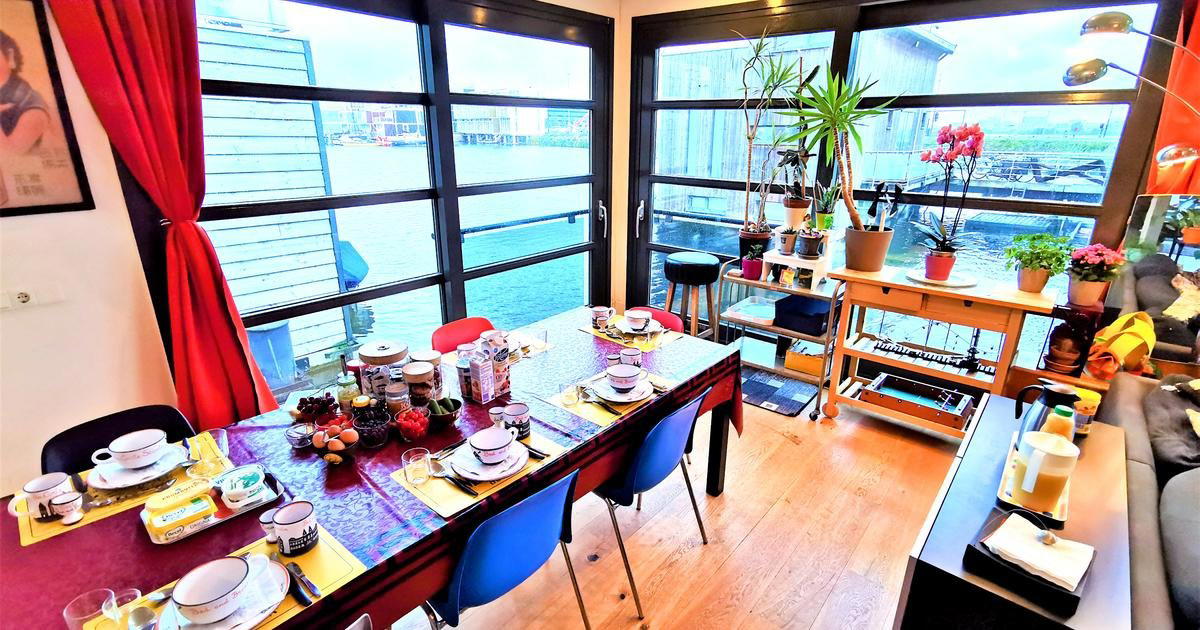
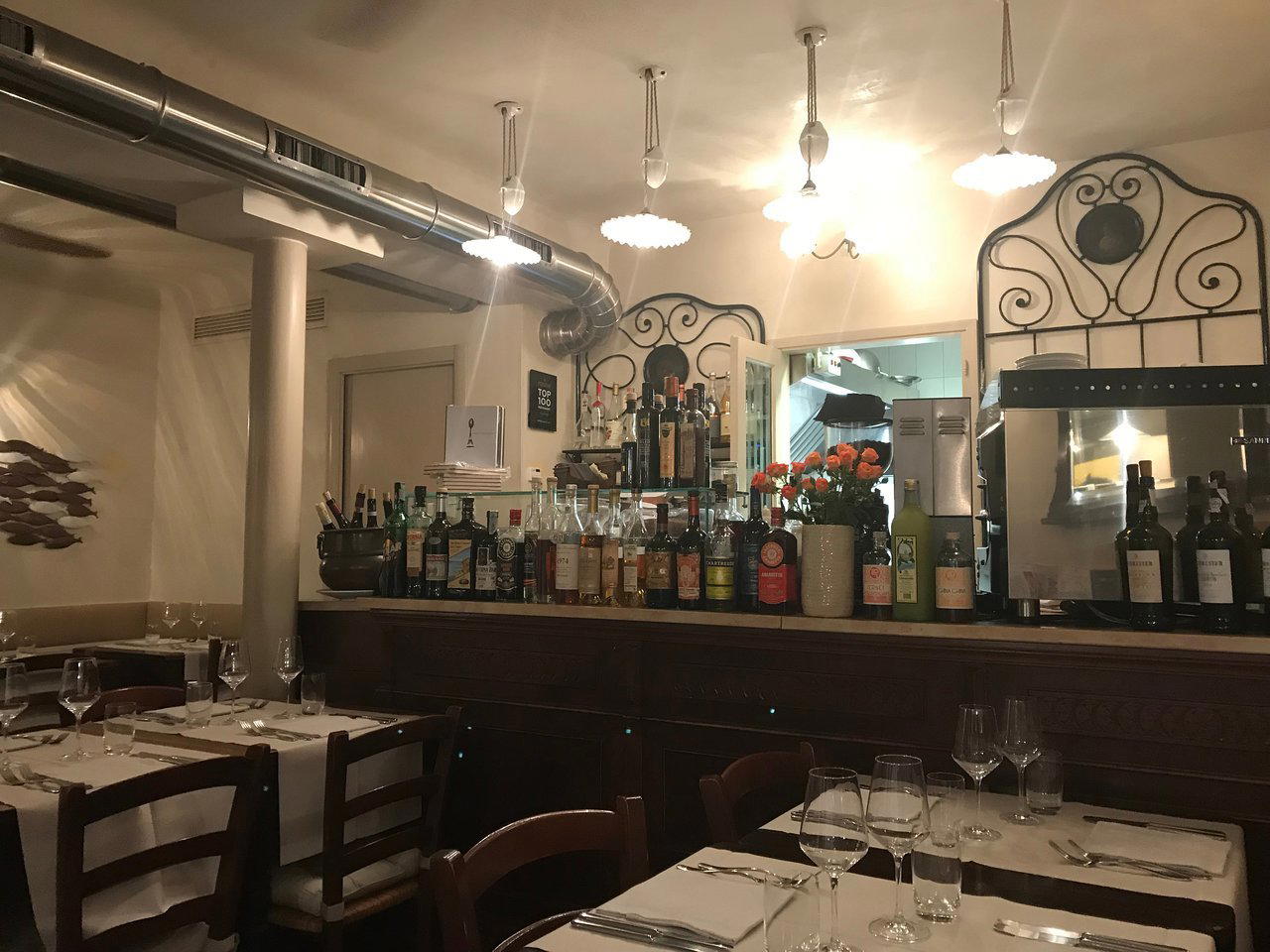
Bars in Jesolo
Browse all →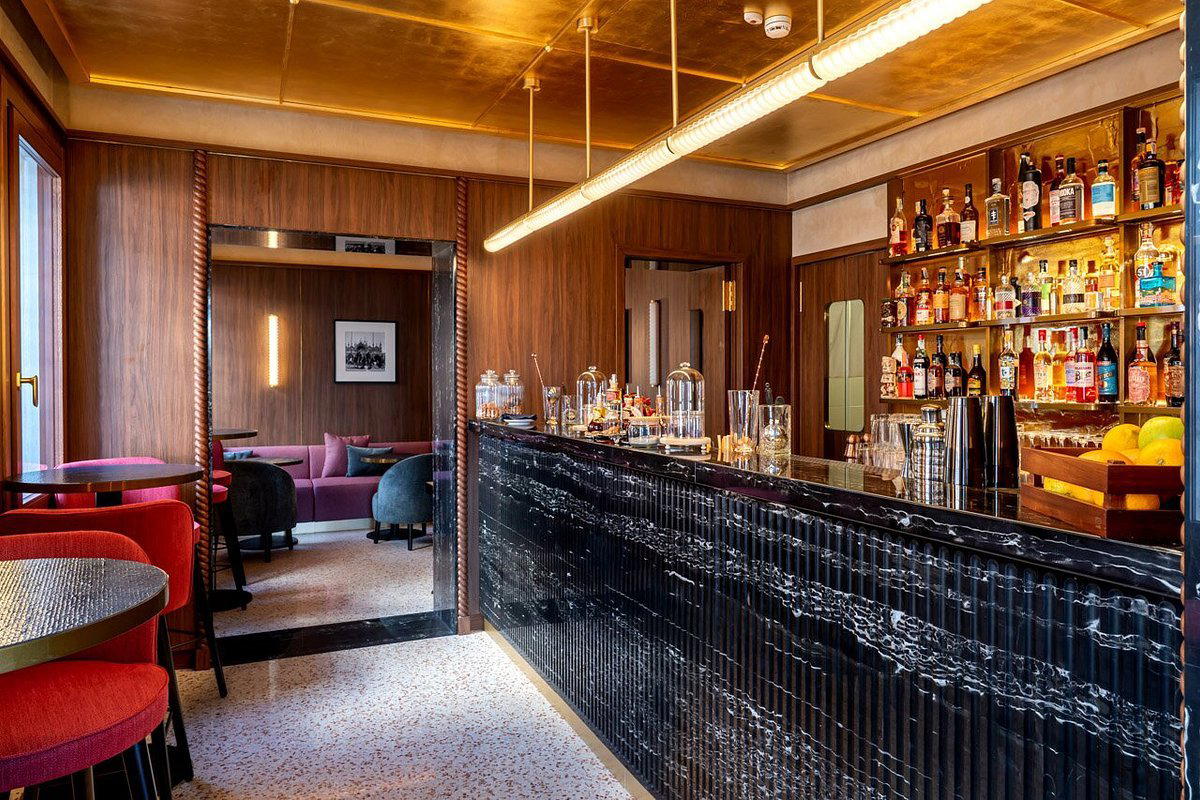
Hotels in Jesolo
Browse all →

At a Glance
- Casual
- Lively
- Rustic
- Family
- Casual Hangout
- Group Dining
- Terrace
- Waterfront
Current opening hours
- Monday
- 10 AM–11 PM
- Tuesday
- 10 AM–11 PM
- Wednesday
- 10 AM–11 PM
- Thursday
- 10 AM–11 PM
- Friday
- 10 AM–11 PM
- Saturday
- 10 AM–11 PM
- Sunday
- 10 AM–11 PM
Hours can change for holidays and private events. Last verified .
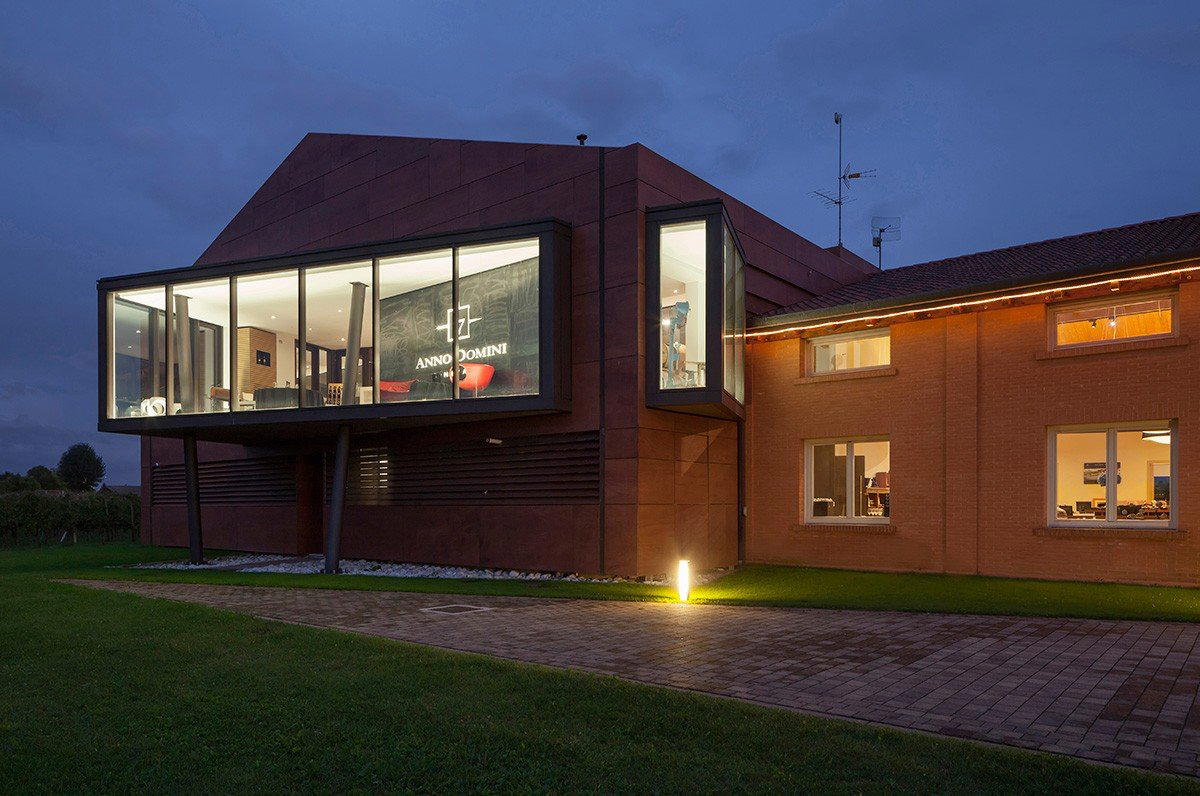
Bright, convivial trattoria atmosphere with a terrace; described as a typical tourist-oriented establishment with linear glass features and warm interior.