La Taverna sits on Via Amba Alagi in Jesolo, a seaside town on the Adriatic coast where the Venetian lagoon meets the open sea. The address places it within a dining scene shaped by proximity to some of Italy's most productive fishing waters and market gardens. For visitors working through Jesolo's restaurant options, it represents a local reference point worth understanding in context.
Pearl is the En Primeur Club membership app — saves, bookings, and concierge access live there. Same editors, same standards.
- Address
- Via Amba Alagi, 11, 30016 Jesolo VE, Italy
- Phone
- +39421980113
- Website
- lataverna.org
- Directions
- Get directions
 Saves & bookings on Pearl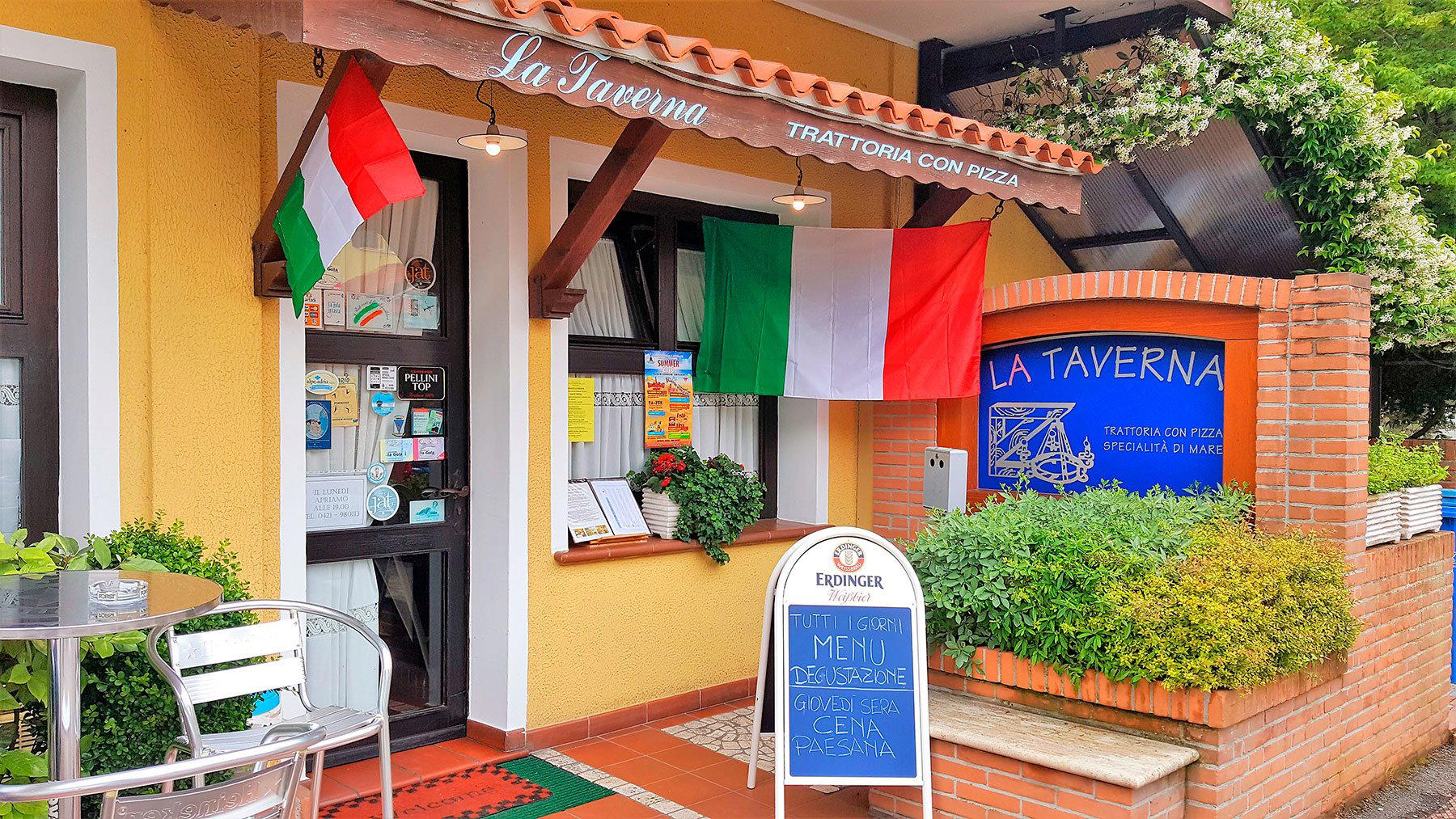
Where the Adriatic Coast Sets the Table
Jesolo occupies a particular position in northeastern Italy's dining geography. Pressed between the Venetian lagoon and the Adriatic Sea, it sits close enough to Venice to share supply chains with the Rialto fish market, yet far enough from the tourist circuit to operate on a different commercial logic. The restaurants here answer to local regulars and seasonal visitors. That dynamic shapes what ends up on the plate: ingredients drawn from nearby waters and the fertile flatlands of the Veneto interior, handled with practical skill.
La Taverna, addressed at Via Amba Alagi 11, sits within this context. The street runs through a residential quarter of Jesolo, away from the beachfront strip where seasonal volume tends to drive kitchen decisions. That location carries its own implications about the audience a restaurant expects and the rhythms it keeps.
The Ingredient Logic of the Northern Adriatic
To understand what a place like La Taverna represents, it helps to understand what the northern Adriatic supplies. The lagoon system around Venice and the open Adriatic shelf produce some of Italy's most respected seafood: moeche (soft-shell crab, available only in brief seasonal windows), seppie (cuttlefish), canoce (mantis shrimp), branzino, and a rotating cast of bivalves from the lagoon beds. These are not interchangeable commodities. The lagoon crab, for instance, is harvested at the precise moment of moulting, which means the supply is tightly seasonal and the window for serving it correctly is narrow.
Inland from the coast, the Veneto flatlands produce white asparagus from Bassano del Grappa and radicchio from Treviso, both of which carry protected designation of origin status and appear in kitchens across the region when in season. The Po Delta adds eels and freshwater fish to the regional vocabulary. A kitchen that sources intelligently in this geography is working with ingredients that have centuries of culinary tradition attached to them, and that tradition tends to resist heavy manipulation. The cooking that emerges is typically direct: grilling, braising, and curing that let the supply speak rather than obscuring it.
This is the broader tradition in which Jesolo's table restaurants operate, including those that have built local reputations over years of consistent sourcing. Across the town, the restaurants worth returning to tend to be those where the menu follows the market rather than the other way around. Comparison venues in Jesolo like Al Traghetto, Bucintoro, and Alla Grigliata each occupy a different position within this local framework, as does Al Torcio. The full range is mapped in our full Jesolo restaurants guide.
Jesolo in Italy's Broader Dining Frame
Northeast Italy carries significant culinary weight beyond what its beach-town reputation suggests. The region feeds into a national dining conversation that includes addresses like Le Calandre in Rubano and Casa Perbellini 12 Apostoli in Verona, both of which have built serious reputations on Veneto produce and technique. Further along the Italian peninsula, the question of ingredient provenance has driven the defining restaurants of the past two decades: Osteria Francescana in Modena and Piazza Duomo in Alba are built on the argument that Italian regional produce, handled with precision, needs no international reference points.
That argument runs all the way down to the coastal taverna level. The logic connecting Uliassi in Senigallia's Adriatic focus to a neighbourhood restaurant in Jesolo is the same logic: geography as the primary creative constraint. At the highest levels of that spectrum, kitchens like Atelier Moessmer Norbert Niederkofler in Brunico have formalised the alpine-sourcing philosophy into a programme. At the other end, local trattorias and taverne hold the same principle more quietly, through habit rather than manifesto.
Internationally, the reverence for hyper-local sourcing is not limited to Italy. Le Bernardin in New York City has built a decades-long reputation on the same discipline applied to Atlantic seafood, while Atomix in New York City demonstrates how sourcing specificity translates into tasting menus that carry genuine geographic identity. The principle scales in both directions.
Planning a Visit
Via Amba Alagi sits in a residential part of Jesolo, accessible by car and reasonably close to the town centre. Jesolo is reachable from Venice by bus via ATVO services (roughly 50-60 minutes depending on route), making it a feasible day trip or short stay from the city. For those already staying in Jesolo, the restaurant is walkable from much of the accommodation in the central zone. Reservation is recommended, and the venue is typically open Tue-Sun for lunch and dinner.
Comparable Venues
Comparable venues nearby, for context on price, style, and recognition.
| Venue | Cuisine | Price | Notes |
|---|---|---|---|
| La TavernaThis venue — the venue you are viewing | Traditional Italian Trattoria with Seafood and Pizza | $$ | Not listed |
| Bigoleria Pizzeria San Marco | Traditional Italian Pizzeria & Bigoleria | $$ | Lido di Jesolo |
| Tempini | Italian Seafood and Pizza | $$ | Jesolo Lido |
| QuBe | Modern Italian Burgers | $$ | Lido di Jesolo |
| Mille Luci | Venetian Italian with Pizza | $$ | Lido di Jesolo |
| Vesuvio | Neapolitan Pizza & Seafood | $$ | Jesolo Lido |
Continue exploring
More in Jesolo
Restaurants in Jesolo
Browse all →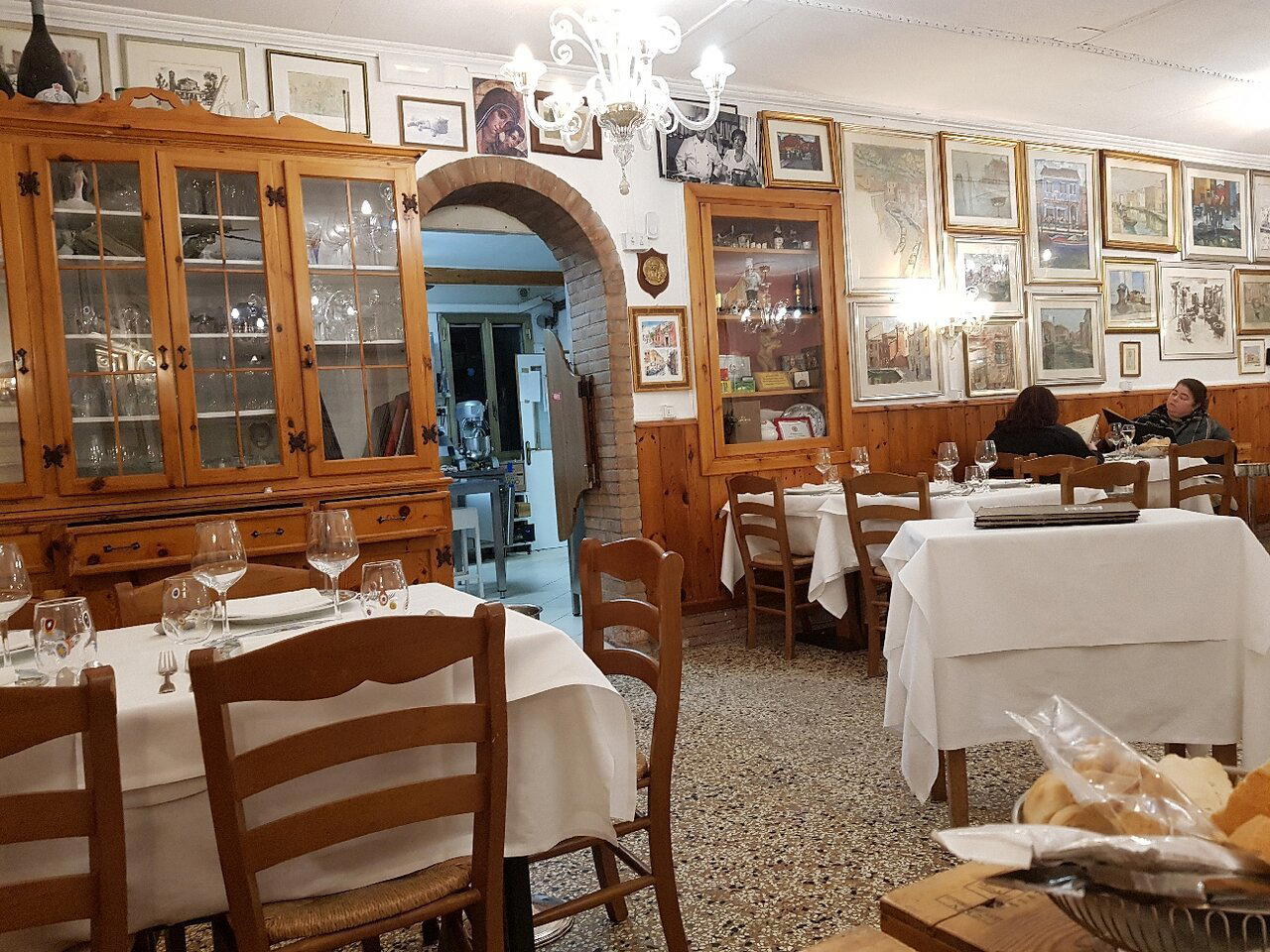
Bars in Jesolo
Browse all →
Hotels in Jesolo
Browse all →
At a Glance
- Classic
- Rustic
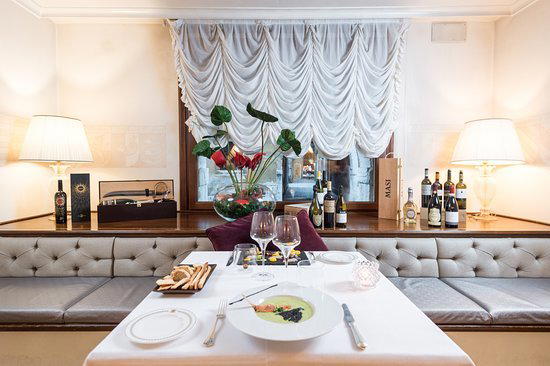
- Cozy
- Family
- Casual Hangout
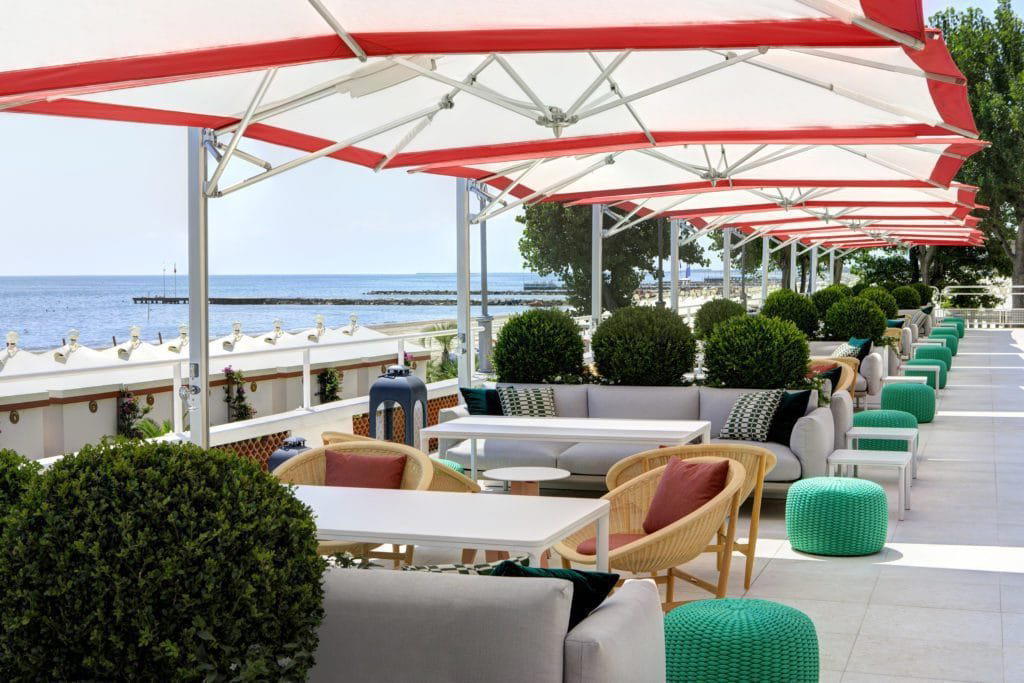
- Terrace
- Extensive Wine List
- Local Sourcing
Current opening hours
- Monday
- Closed
- Tuesday
- 12:15–2 PM, 7–10 PM
- Wednesday
- 12:15–2 PM, 7–10 PM
- Thursday
- 12:15–2 PM, 7–10 PM
- Friday
- 12:15–2 PM, 7–10 PM
- Saturday
- 12:15–2 PM, 7–10 PM
- Sunday
- 12:15–2 PM, 7–10 PM
Hours can change for holidays and private events. Last verified .
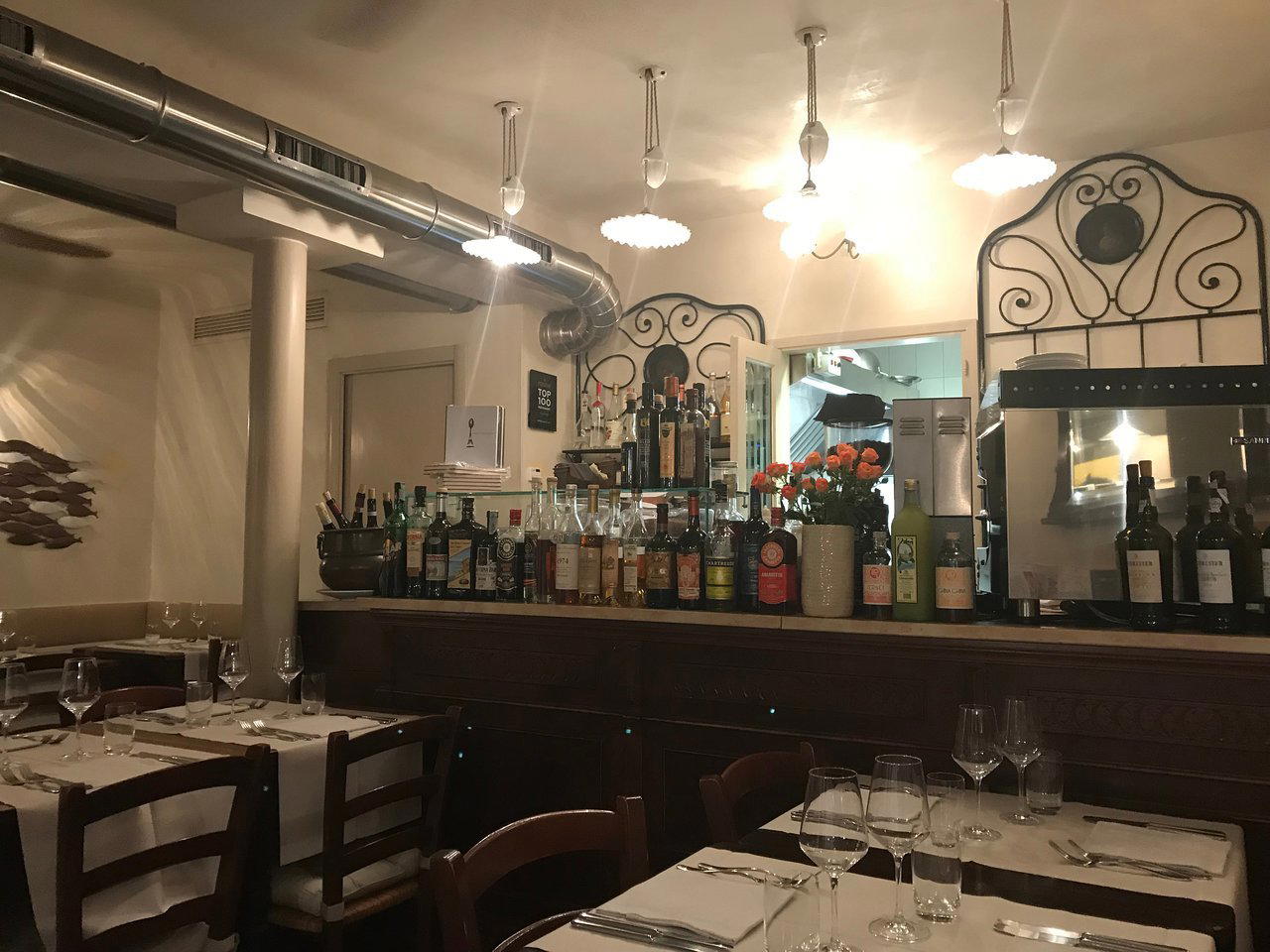
Warm and inviting old-fashioned trattoria atmosphere with a bright veranda that can be noisy.