Vecia Gorizia occupies a corner of Via S. Giovanni in one of Italy's most culturally layered border cities, where Friulian, Slovenian, and Habsburg culinary traditions converge on a single table. The restaurant draws visitors and locals alike to a room that carries the weight of Gorizia's complicated history in its cooking. For anyone tracing the Isonzo valley's distinct food identity, it is a natural first stop.
Pearl is the En Primeur Club membership app — saves, bookings, and concierge access live there. Same editors, same standards.
- Address
- Via S. Giovanni, 14, 34170 Gorizia GO, Italy
- Phone
- +393948132424
- Directions
- Get directions
 Saves & bookings on Pearl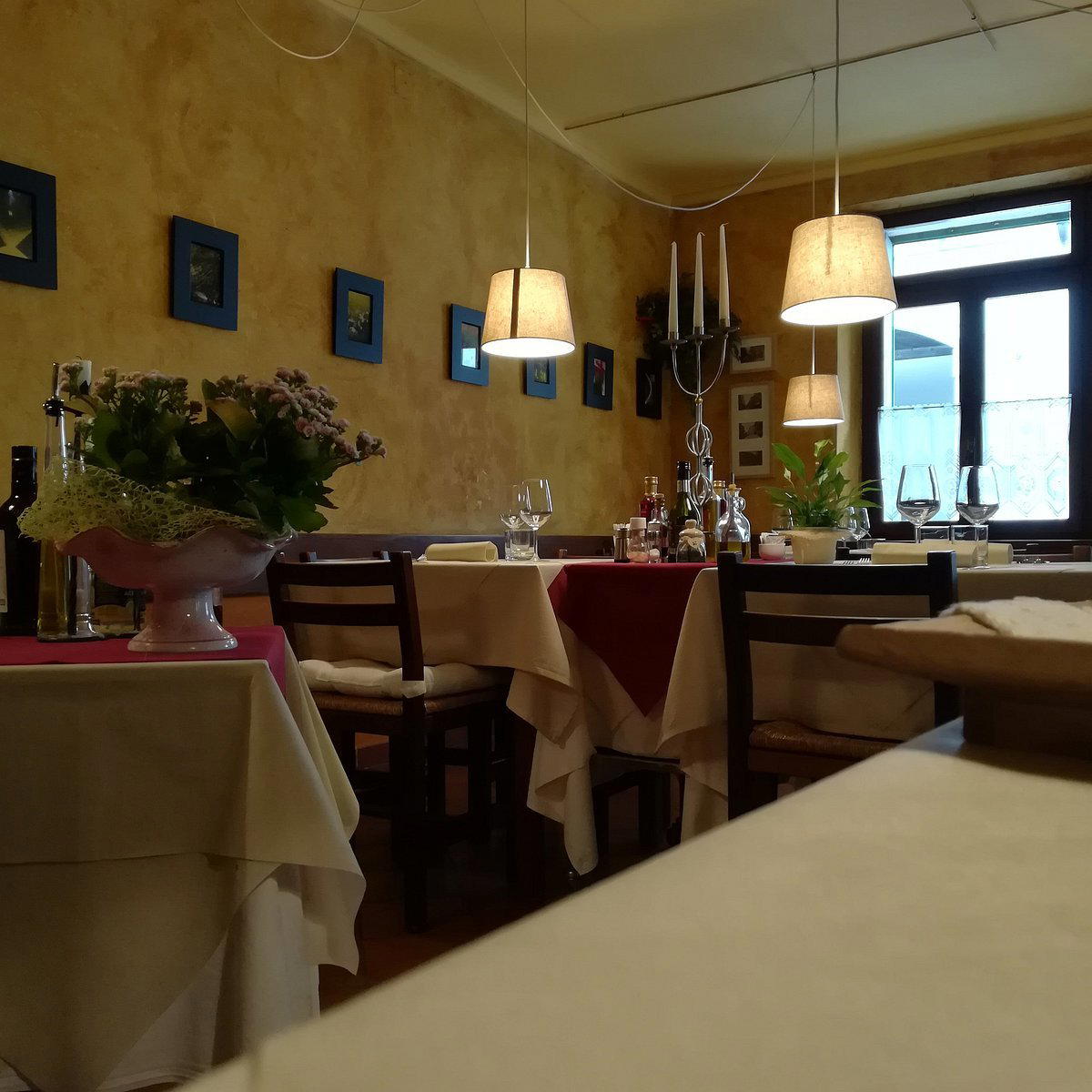
Where the Border Sits on the Plate
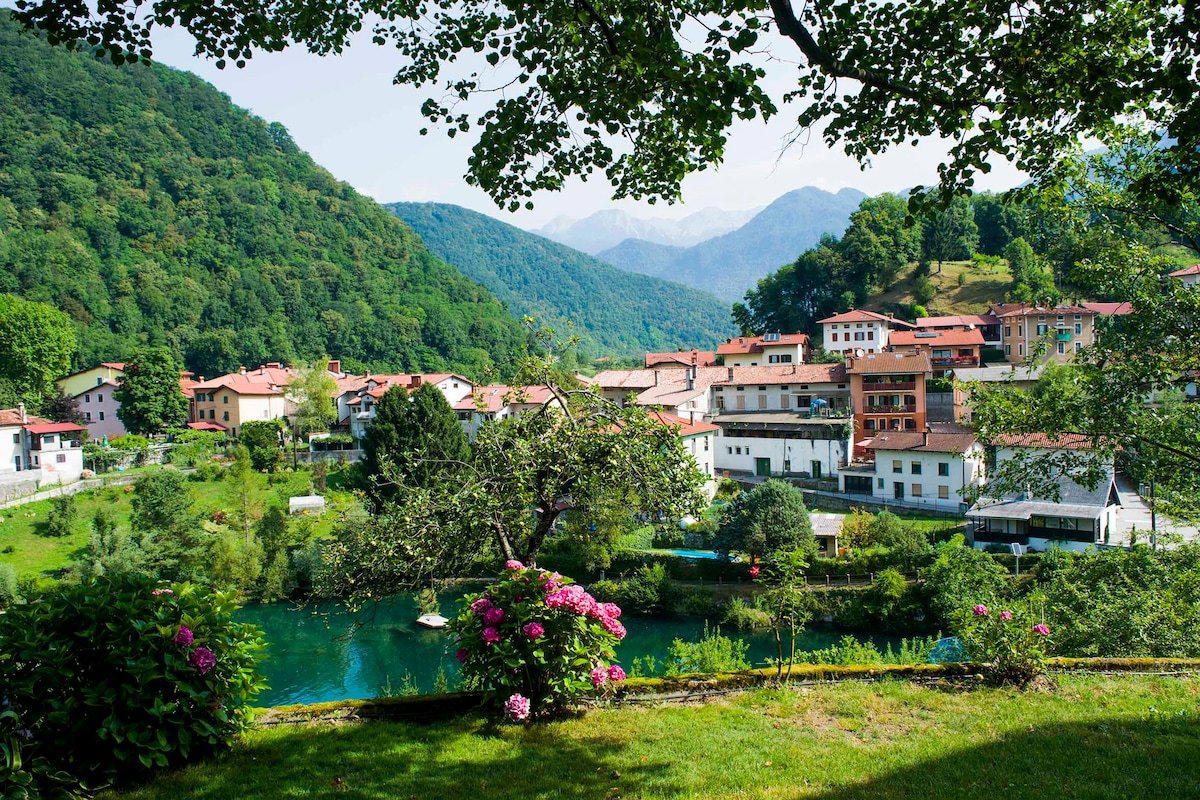
Gorizia is one of the few cities in Europe where you can walk from one country to another mid-afternoon and find the same grape variety grown differently on either side of the frontier. That geographical and cultural compression has shaped its cooking more than any single chef or trend. The city sits at the junction of the Friulian plain, the Slovenian hills, and a long Austro-Hungarian administrative memory, and those three forces argue openly in the local kitchen: the brace of smoked meats that recalls Mitteleuropean pantries, the olive oil that arrives from the Collio just a few kilometres south, the polenta that could be from Venice or from Ljubljana depending on who is serving it. Vecia Gorizia, on Via S. Giovanni in the older part of the city, is a restaurant serving Traditional Friulian Trattoria cooking in Gorizia.
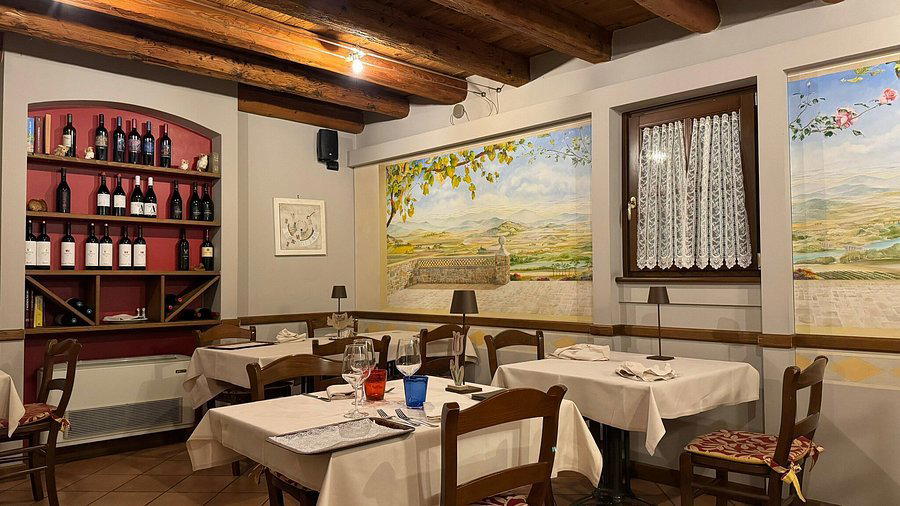
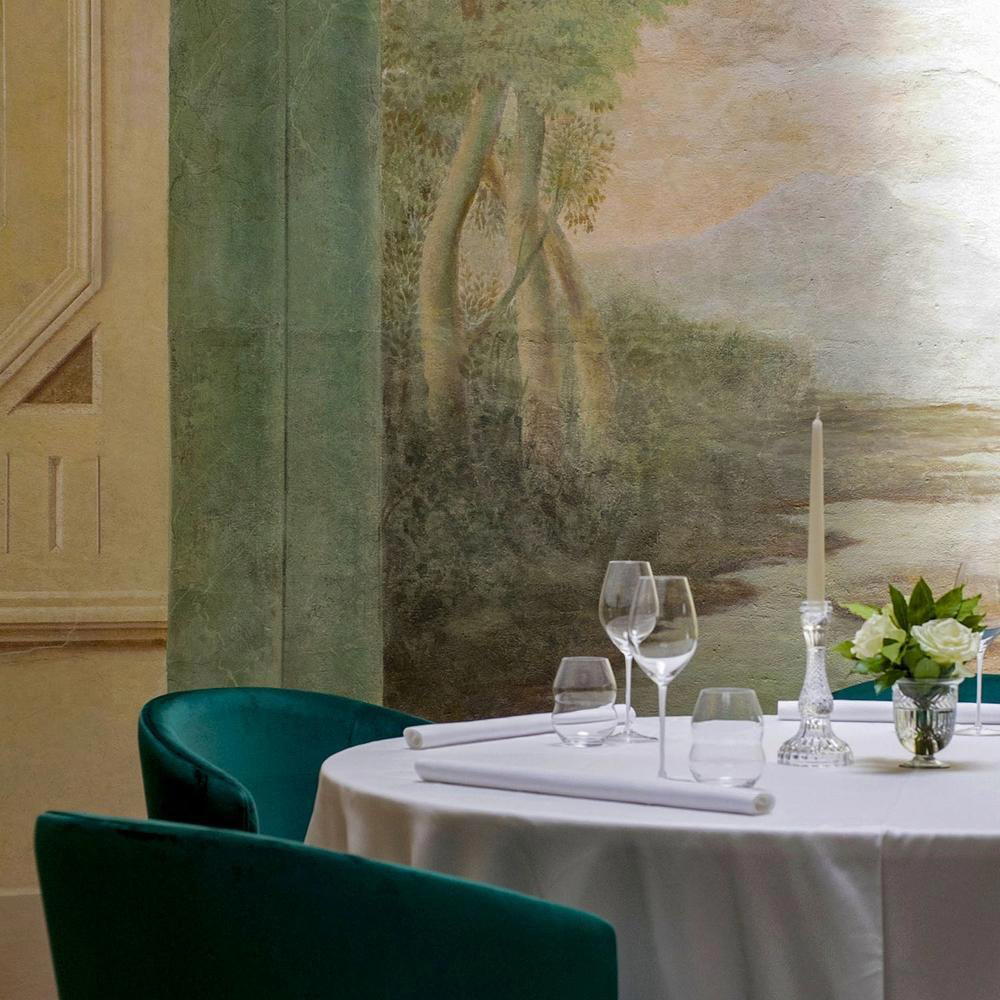
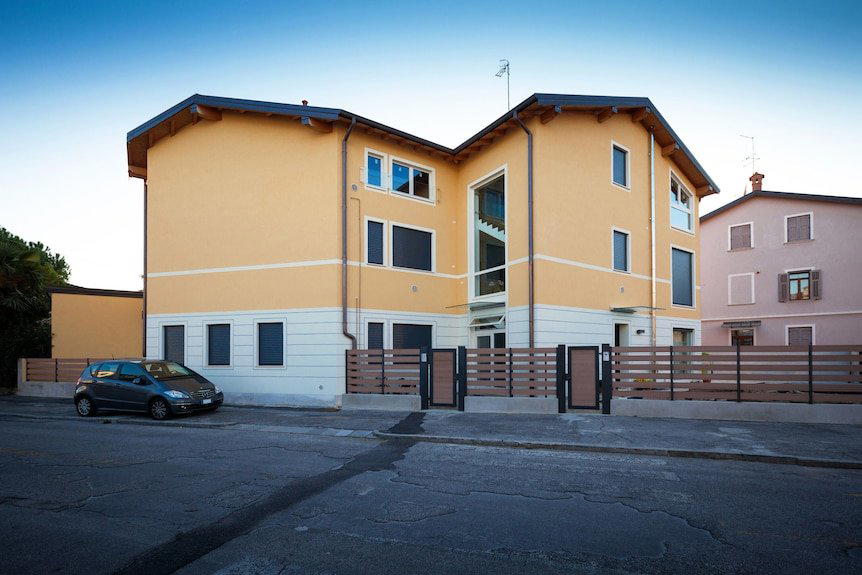
The address itself is part of the proposition. Via S. Giovanni runs through a section of Gorizia that survived the twentieth century's border redrawings with its architectural character largely intact, and the dining room reflects that layered quality: this is not a space that has been designed to look historic, it simply is. Coming in from the street, the shift in register is immediate, the noise of the city drops, the proportions change, and the logic of the meal ahead asserts itself before you have sat down.
A Cuisine That Resists Easy Classification
The cooking tradition that Gorizia represents does not fit neatly into the categories that guide most Italian restaurant criticism. It is not Venetian, it is not Slovenian, and it is only superficially Friulian in the regional-tourism sense. What it actually represents is the sediment of a city that was, for most of its modern history, administered from Vienna, contested between Rome and Belgrade, and populated by speakers of at least three languages simultaneously. That administrative and linguistic complexity left a food culture that is demonstrably different from what you find 60 kilometres west in Udine or 60 kilometres east in Nova Gorica.
Markers of that difference appear in specifics: the use of caraway and paprika alongside local herbs, the treatment of freshwater fish from the Isonzo alongside cured meats that owe more to Central European smokehouse tradition than to the Italian salumeria, and a relationship with wine that reflects the Collio and Brda appellations on both sides of the border rather than the broader Friuli DOC. Restaurants that operate within this tradition, including Vecia Gorizia, occupy a category that
For context on how other serious Italian restaurants handle regional specificity, the contrast with places like Osteria Francescana in Modena or Dal Pescatore in Runate is instructive: those kitchens have translated deep regional roots into an internationally readable language. The Gorizia approach, at its most honest, resists that translation. The cooking here speaks to a specific place and a specific history, and the reader either brings the context or acquires it at the table.
Gorizia's Dining Scene and Where Vecia Gorizia Sits
The city's restaurant scene is compact by any measure. The options worth serious attention can be counted without using both hands, which means every address carries more weight than it would in a larger centre. Among the places that draw informed visitors, Majda is the address most associated with cross-border cooking that engages the Slovenian side of Gorizia's identity directly, while Rosenbar operates in a different register, with a wine-bar format that suits the Collio's notable white wine production. Alla Luna and Ca' Di Pieri complete a comparable set that is collectively small but serious.
The restaurant's position within this set is that of a trattoria-adjacent address with genuine historical grounding. It does not compete on the terms that drive recognition at places like Le Calandre in Rubano or Piazza Duomo in Alba, where technical ambition and tasting-menu architecture are the primary signals. The point here is different: it is the preservation of a cooking logic that belongs specifically to this city and this border, served in a format that makes it accessible rather than ceremonial.
Planning Your Visit
Gorizia is reachable by train from Trieste in under an hour, and from Udine in a comparable journey, which makes it a viable day-trip from either city for visitors whose base is elsewhere in Friuli Venezia Giulia. The city itself is small enough that Via S. Giovanni is within walking distance of the central piazza and the castle hill, so a lunch at the restaurant fits naturally into an afternoon in the city. Visitors are advised to book ahead. The rhythm of a Gorizia meal tends toward the unhurried midday format rather than a late dinner service, which aligns with the broader northeastern Italian habit of treating lunch as the primary meal of the day.
Those whose Italian table is calibrated to the high-production kitchens of Enoteca Pinchiorri in Florence, Enrico Bartolini in Milan, or Uliassi in Senigallia will find Gorizia operating on different terms entirely. That is the point. The city's food culture refers back to its own province, its own history, and its own borders. The restaurant, by staying within that frame, offers something that the wider Italian fine-dining circuit cannot provide, even at places as regionally grounded as Reale in Castel di Sangro, Quattro Passi in Marina del Cantone, Atelier Moessmer Norbert Niederkofler in Brunico, or Casa Perbellini 12 Apostoli in Verona: the experience of eating in a city whose identity is genuinely contested, and whose kitchen has not resolved that contestation in favour of any single tradition.
Booking and Cost Snapshot
Comparable venues nearby, for context on price, style, and recognition.
| Venue | Cuisine | Price | Notes |
|---|---|---|---|
| Vecia GoriziaThis venue — the venue you are viewing | Centro, Traditional Friulian Trattoria | $$ | Not listed |
| Ca' Di Pieri | Not listed | $$ | Gorizia center, Traditional Italian Osteria |
| Majda | Not listed | $$ | Gorizia, Traditional Italian Gorizia Cuisine |
| Rosenbar | Not listed | $$ | historic center, Italian Seafood with Local Produce |
| Alla Luna | downtown, Mitteleuropean Trattoria | $$ | Not listed |
| Dal Moro's Fresh Pasta To Go | Castello, Fresh Pasta To Go | $$ | Not listed |
Continue exploring
More in Gorizia
Restaurants in Gorizia
Browse all →
Bars in Gorizia
Browse all →
Hotels in Gorizia
Browse all →
At a Glance
- Rustic
- Cozy
- Classic
- Family
- Casual Hangout
- Standalone
- Local Sourcing
Current opening hours
- Monday
- 12–3 PM, 7–11 PM
- Tuesday
- 12–3 PM, 7–11 PM
- Wednesday
- 12–3 PM, 7–11 PM
- Thursday
- 12–3 PM, 7–11 PM
- Friday
- 12–3 PM, 7–11 PM
- Saturday
- Closed
- Sunday
- Closed
Hours can change for holidays and private events. Last verified .
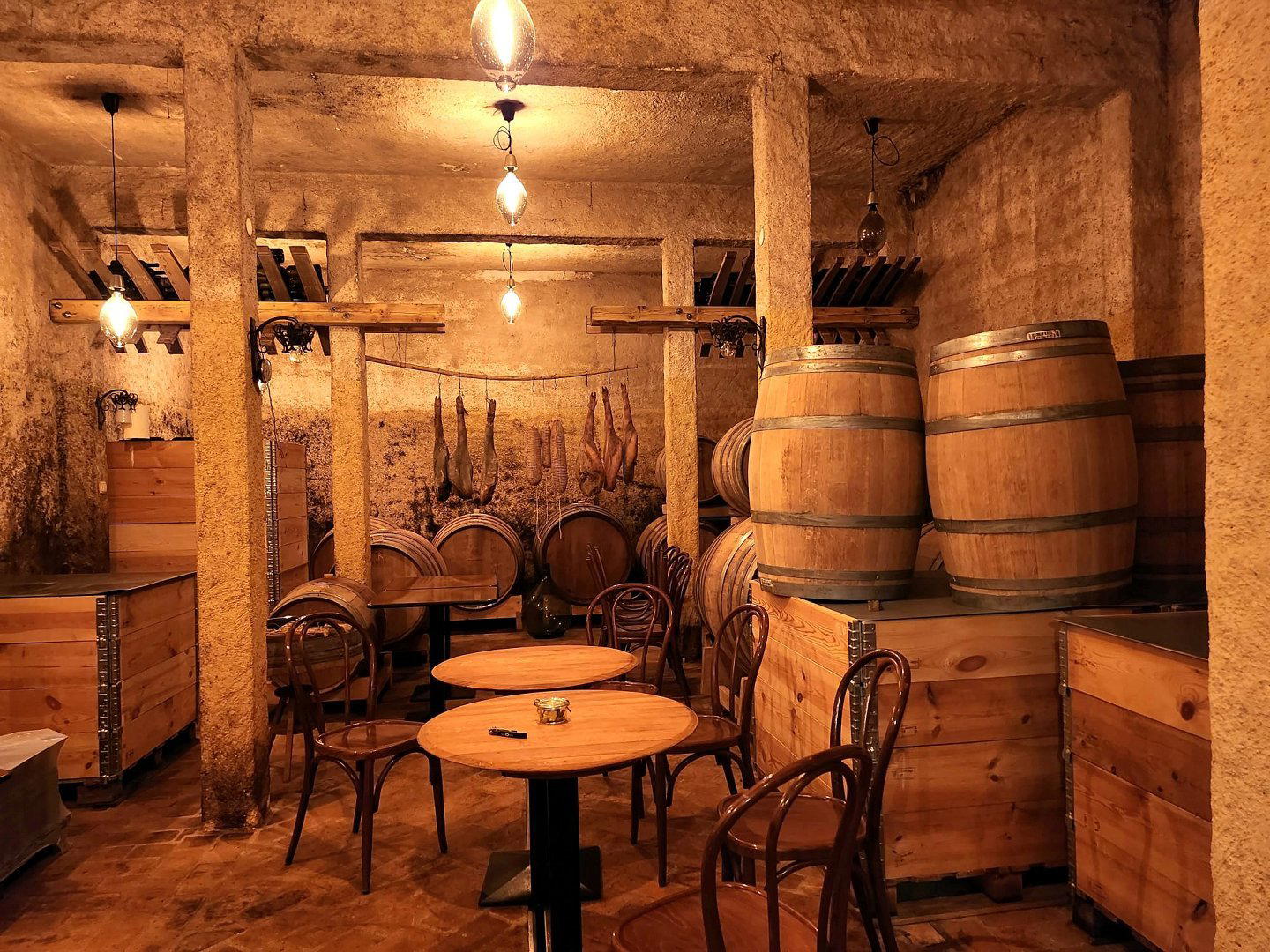
Simple, minimalist and welcoming with a cozy, rustic charm.