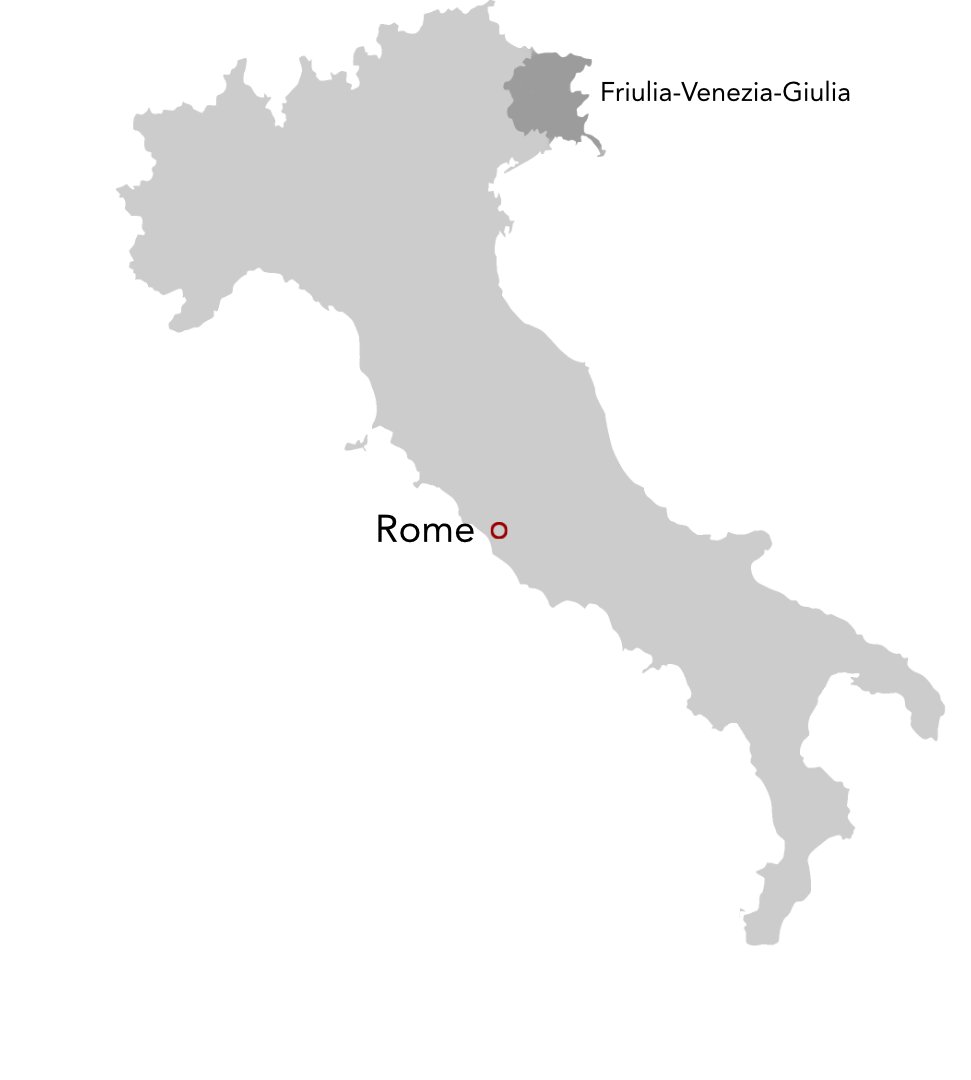
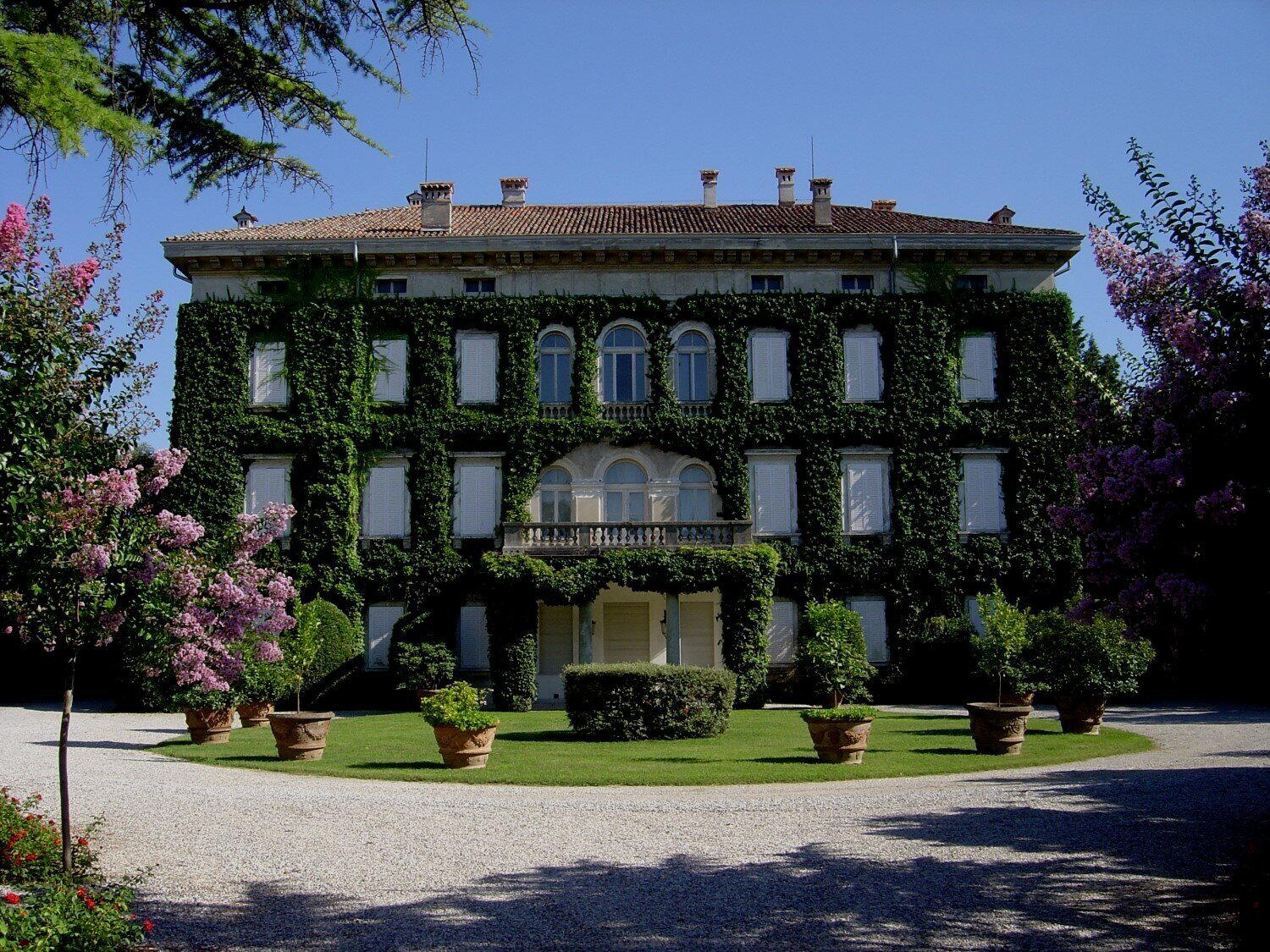
Rosenbar sits on Via Duca d'Aosta in Gorizia, a city that has spent decades straddling the Italian-Slovenian border and absorbing the dining customs of both. The address places it within a compact urban centre where the rituals of the table carry real cultural weight, and where the local appetite for cross-border cuisine shapes what ends up on the plate.
Pearl is the En Primeur Club membership app — saves, bookings, and concierge access live there. Same editors, same standards.
- Address
- Via Duca d'Aosta, 96, 34170 Gorizia GO, Italy
- Phone
- +39481522700
- Website
- rosenbar.it
- Directions
- Get directions
 Saves & bookings on Pearl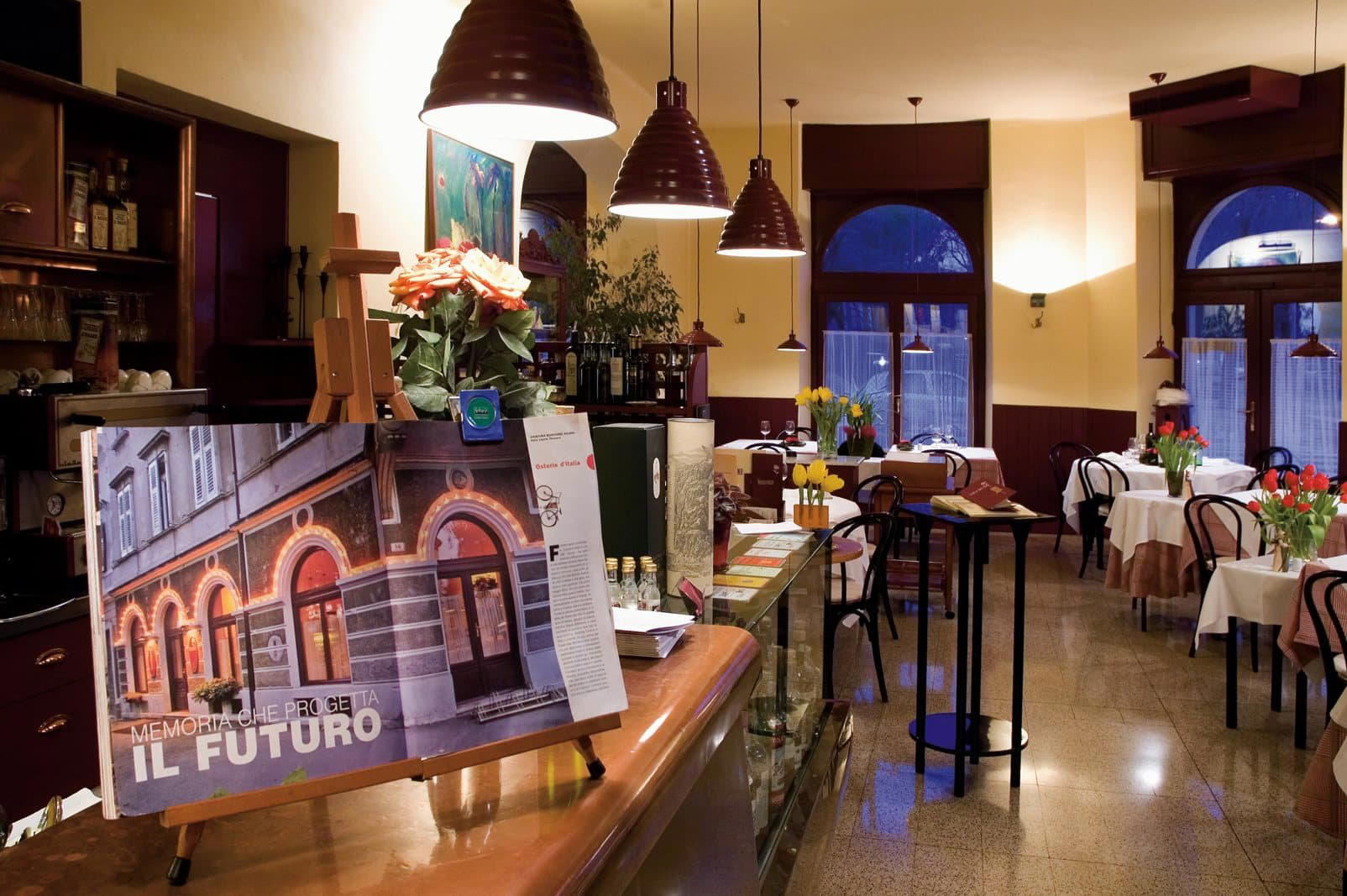
Where the Border Makes the Table
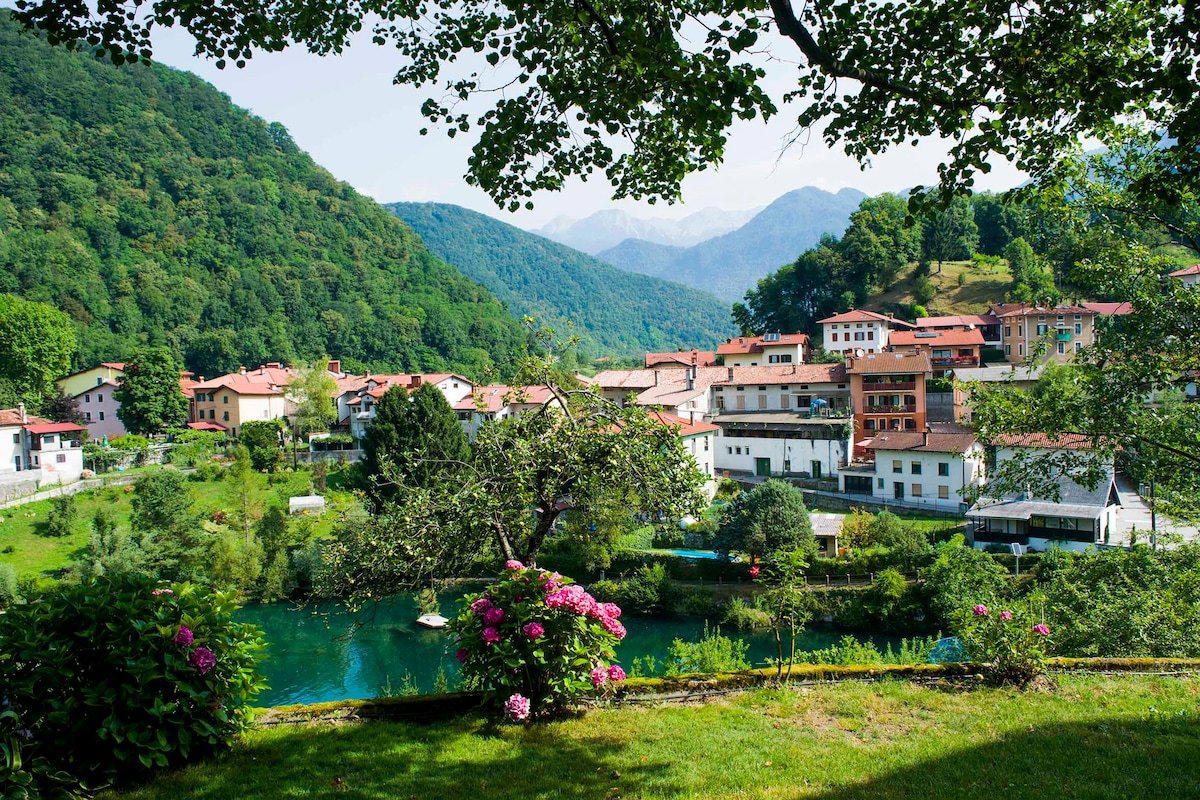
Gorizia is one of the more quietly compelling dining cities in northeastern Italy, not because of its restaurant density or any single celebrated address, but because its geography forces a kind of culinary bilingualism on everyone who cooks and eats here. The city shares a boundary with Nova Gorica across the former Iron Curtain divide, and that proximity has left permanent marks on what local kitchens do with braised meats, fermented vegetables, wine pours, and the pacing of a meal. Rosenbar is an Italian seafood restaurant with local produce at Via Duca d'Aosta, 96, 34170 Gorizia GO, Italy, where that context is impossible to ignore. In Gorizia, no address escapes the dual inheritance.
The dining ritual in this part of Friuli Venezia Giulia tends to be unhurried in a specific way: not the theatrical slowness of a tasting menu counter, but the organic extension of a meal among people who have no particular reason to leave. Courses arrive with genuine gaps between them. Wine decisions are made mid-meal rather than front-loaded. This rhythm, shaped partly by Central European café culture and partly by the agricultural calendar of the Collio hills to the north, defines what a good evening in Gorizia actually feels like. Rosenbar operates within that tradition by geography if nothing else.
The Gorizia Dining Scene and Where Rosenbar Sits
It does not attract the pilgrimage traffic of, say, Modena, where Osteria Francescana draws international visitors specifically for the address. Nor does it operate at the price register of Enoteca Pinchiorri in Florence or Le Calandre in Rubano, where tasting menus run deep into triple figures and cellar access is part of the proposition.
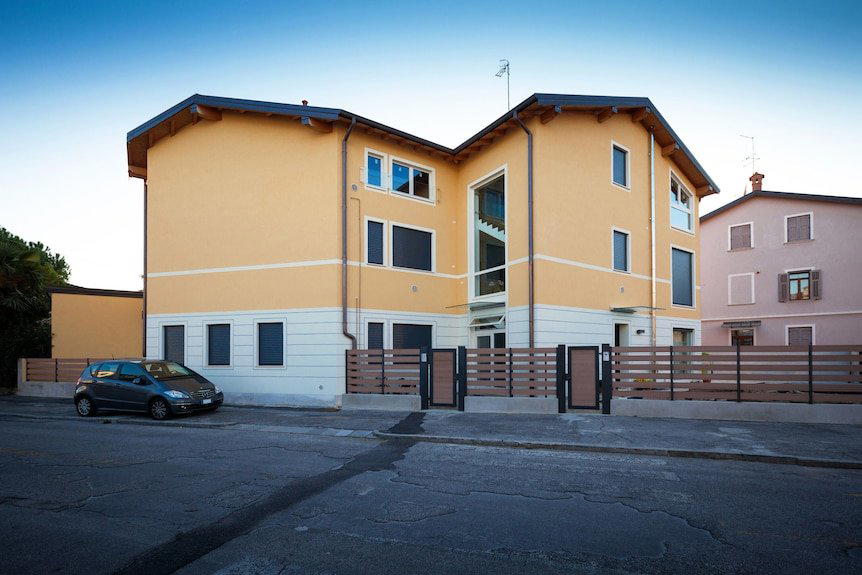
Within that local frame, the Via Duca d'Aosta address puts Rosenbar in a residential stretch of the city rather than on the tourist-facing central piazza. That matters for how the room operates. Regulars at such addresses tend to bring specific expectations: consistency over novelty, a kitchen that knows what it does rather than one that rotates concepts seasonally. For comparison within the city, Alla Luna and Vecia Gorizia each occupy slightly different registers of the same neighbourhood-loyal format, while Majda leans more explicitly into the cross-border Slovenian tradition. Ca' Di Pieri represents another point in the local grid. Rosenbar's positioning relative to these addresses is best understood through the lens of what the neighbourhood, rather than a specific menu brief, asks of it.
The Ritual of Eating in Friuli Venezia Giulia
What distinguishes serious eating in this region from the broader Italian norm is the degree to which Central European influence reshapes the template. The aperitivo hour is real here, but it shades into something closer to the Viennese Jause than to a Milanese spritz moment. First courses in Friuli often carry the weight that second courses bear elsewhere: a plate of cured meats from the Carso, a bowl of jota (the bean and sauerkraut soup that belongs to no single nationality), or a portion of frico, the frico aged cheese and potato cake that signals kitchen confidence more reliably than any decorative garnish. Italian fine dining at the level of Piazza Duomo in Alba or Reale in Castel di Sangro abstracts these traditions into composed courses. In Gorizia's neighbourhood addresses, the tradition often stays closer to its source material.
The wine dimension compounds this. The Collio DOC and Isonzo DOC zones begin almost immediately north and east of the city. White wines from these appellations, particularly those made from Friulano, Malvasia Istriana, and Ribolla Gialla, have developed a specific identity over the past three decades that sets them apart from the broader northeastern Italian white wine mainstream. A local address on Via Duca d'Aosta is well-placed to pour from these zones without the markup that destinations like Uliassi in Senigallia or Quattro Passi in Marina del Cantone would apply to the same bottles. Regional proximity to producers often shows up in list depth and price before it shows up in any formal recognition.
Cross-Border Culinary Identity
The 2011 designation of Gorizia and Nova Gorica as a shared European city, formalised further through their joint European Capital of Culture status for 2025, has drawn new attention to the border zone as a cultural and culinary subject. Chefs working in this zone increasingly engage with the question of what the border means for a menu, whether that means incorporating Slovenian karst-region ingredients, referencing Habsburg-era baking traditions, or simply refusing to sort dishes into national categories. This is the same conversation happening, at considerably higher budgets and with greater media coverage, at places like Atelier Moessmer Norbert Niederkofler in Brunico in South Tyrol, where Alpine identity and regional specificity have become the primary editorial frame. In Gorizia, the equivalent questions get answered more quietly, at neighbourhood scale, without the apparatus of a celebrated tasting counter.
For visitors arriving from the broader Italian fine dining circuit, where Enrico Bartolini in Milan, Dal Pescatore in Runate, or Casa Perbellini 12 Apostoli in Verona set the technical register, a neighbourhood address in Gorizia represents a deliberate step toward something less constructed. It is in the specific texture of eating in a city that has negotiated two cultures across one table for generations. Globally, that kind of specificity is what separates addresses worth seeking out from those that merely serve food competently. Even destinations as technically accomplished as Le Bernardin in New York City or Atomix in New York City derive much of their authority from the precision with which they occupy a particular cultural position.
Planning a Visit
Gorizia is reachable by train from Trieste (approximately 45 minutes) and from Udine (around 30 minutes), making it a practical day-trip or short-stay destination from either city.
What It’s Closest To
Comparable venues nearby, for context on price, style, and recognition.
| Venue | Cuisine | Price | Notes |
|---|---|---|---|
| RosenbarThis venue — the venue you are viewing | Italian Seafood with Local Produce | $$ | Not listed |
| Vecia Gorizia | Traditional Friulian Trattoria | $$ | Centro |
| Majda | Traditional Italian Gorizia Cuisine | $$ | Gorizia |
| Alla Luna | Mitteleuropean Trattoria | $$ | downtown |
| Ca' Di Pieri | Traditional Italian Osteria | $$ | Gorizia center |
| Taverna Al Pescatore | Traditional Seafood Trattoria | $$ | Marano Lagunare |
Continue exploring
More in Gorizia
Restaurants in Gorizia
Browse all →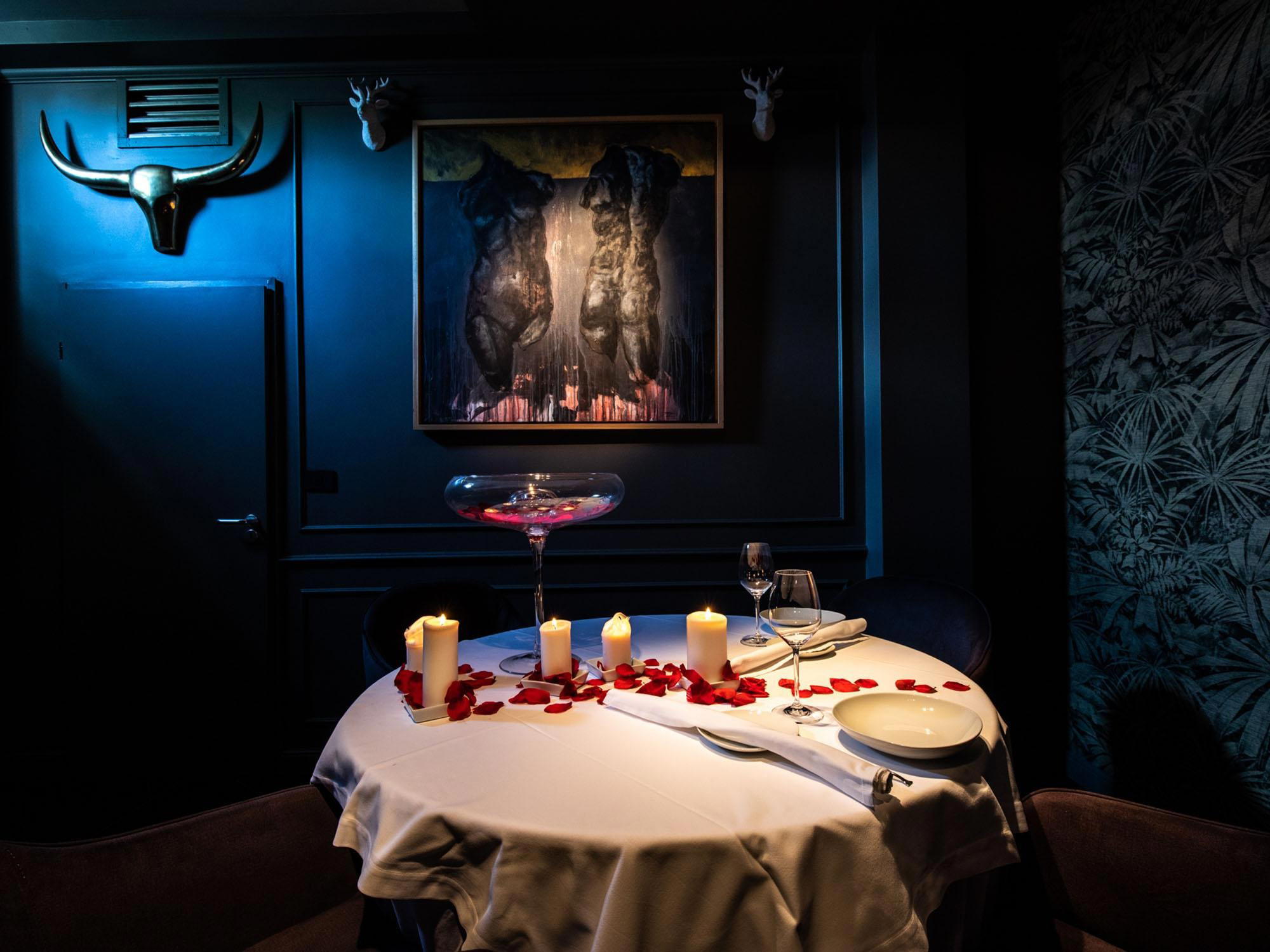
Bars in Gorizia
Browse all →
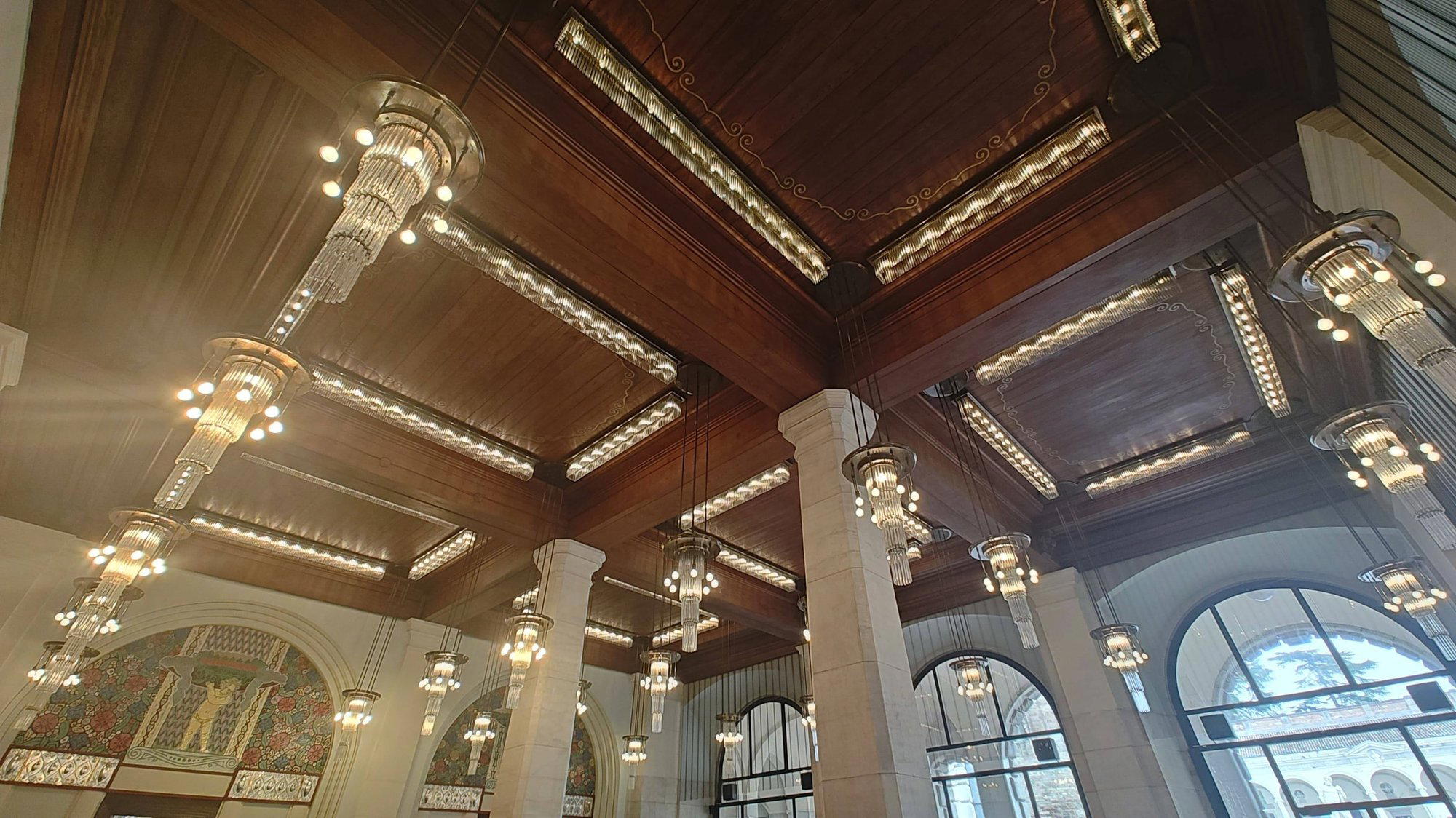
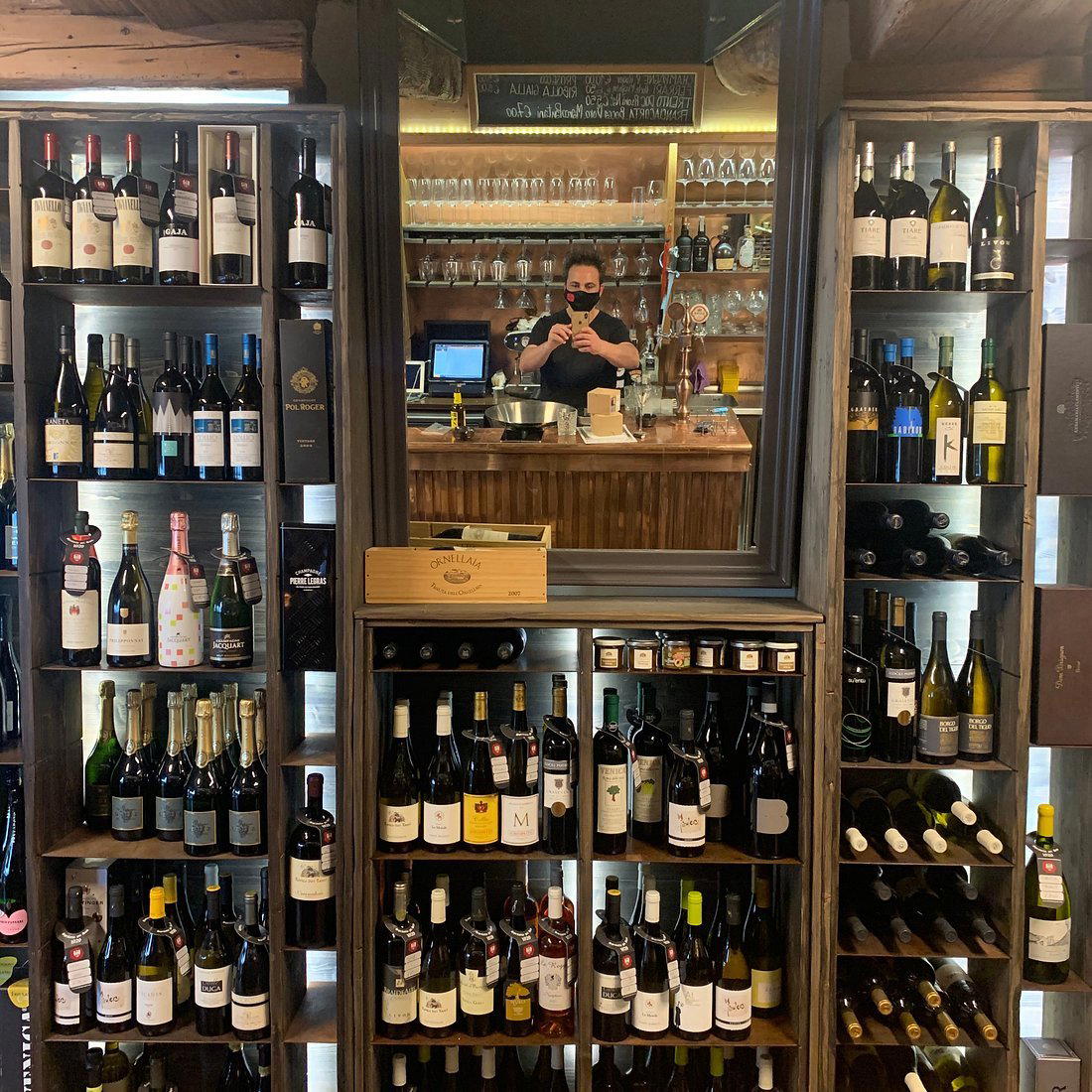
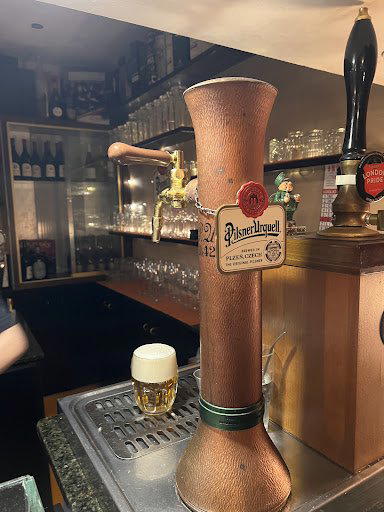
Hotels in Gorizia
Browse all →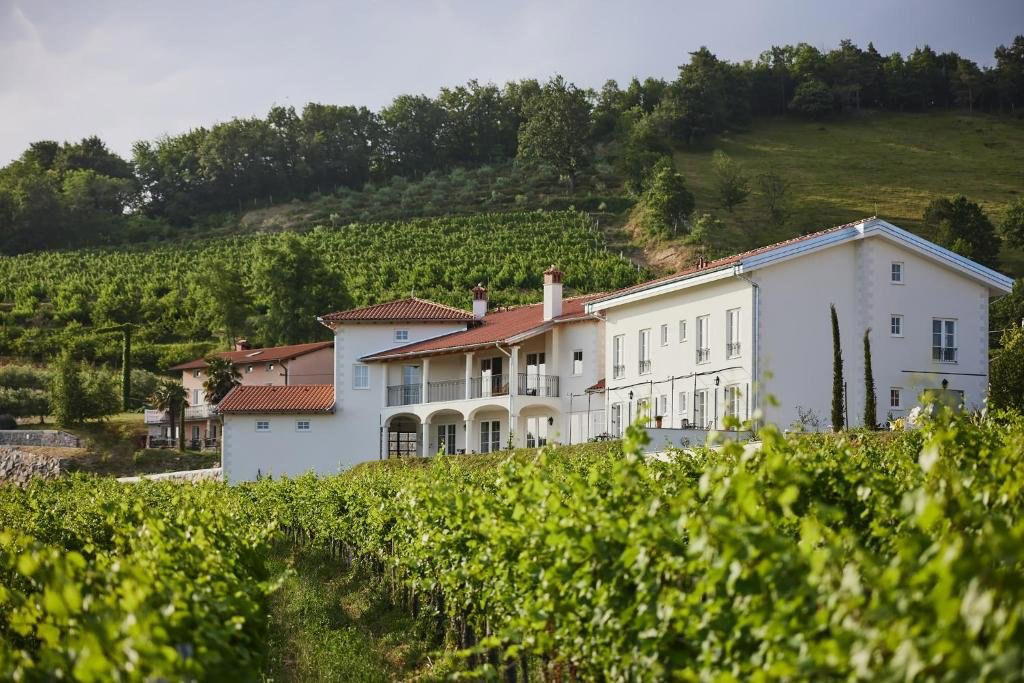
At a Glance
- Cozy
- Elegant
- Intimate
- Date Night
- Special Occasion
- Open Kitchen
- Extensive Wine List
- Local Sourcing
- Organic
Current opening hours
- Monday
- Closed
- Tuesday
- 12:30–2:30 PM, 7:30–9:30 PM
- Wednesday
- 12:30–2:30 PM, 7:30–9:30 PM
- Thursday
- 12:30–2:30 PM, 7:30–9:30 PM
- Friday
- 12:30–2:30 PM, 7:30–9:30 PM
- Saturday
- 12:30–2:30 PM, 7:30–9:30 PM
- Sunday
- 12:30–2:30 PM
Hours can change for holidays and private events. Last verified .
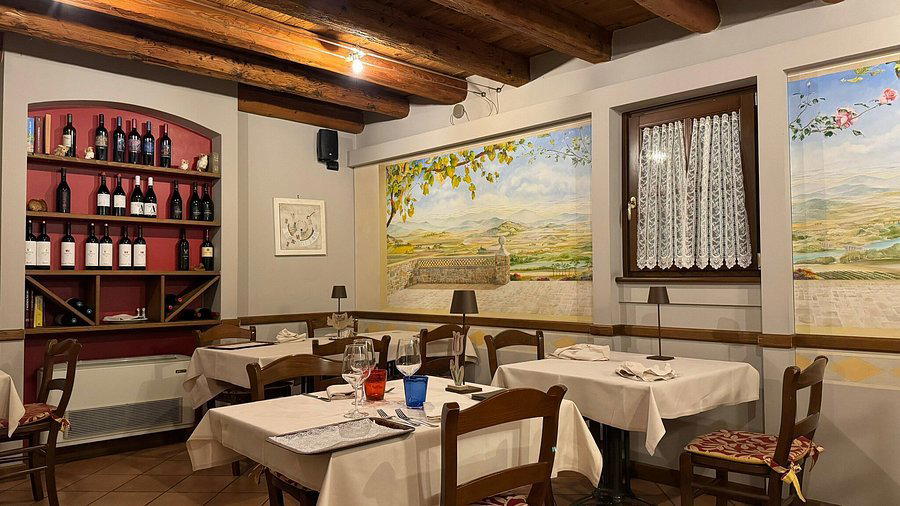
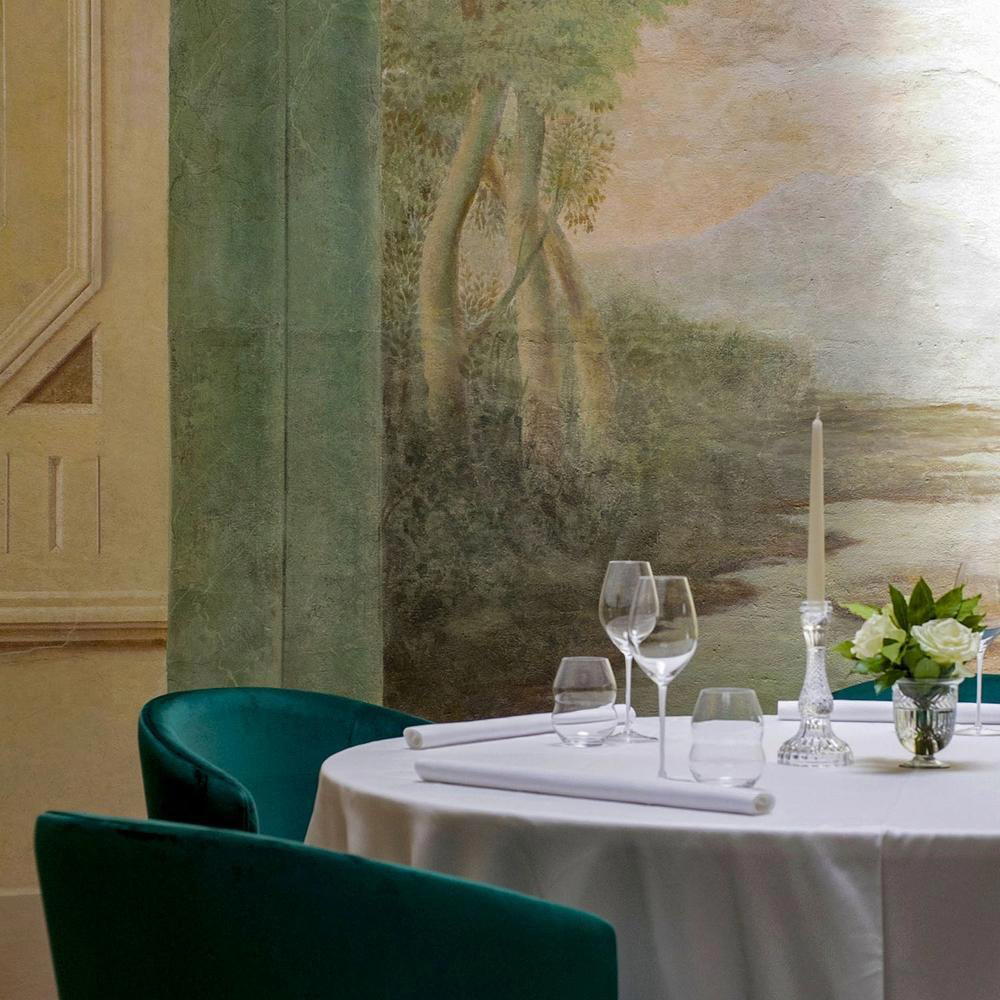
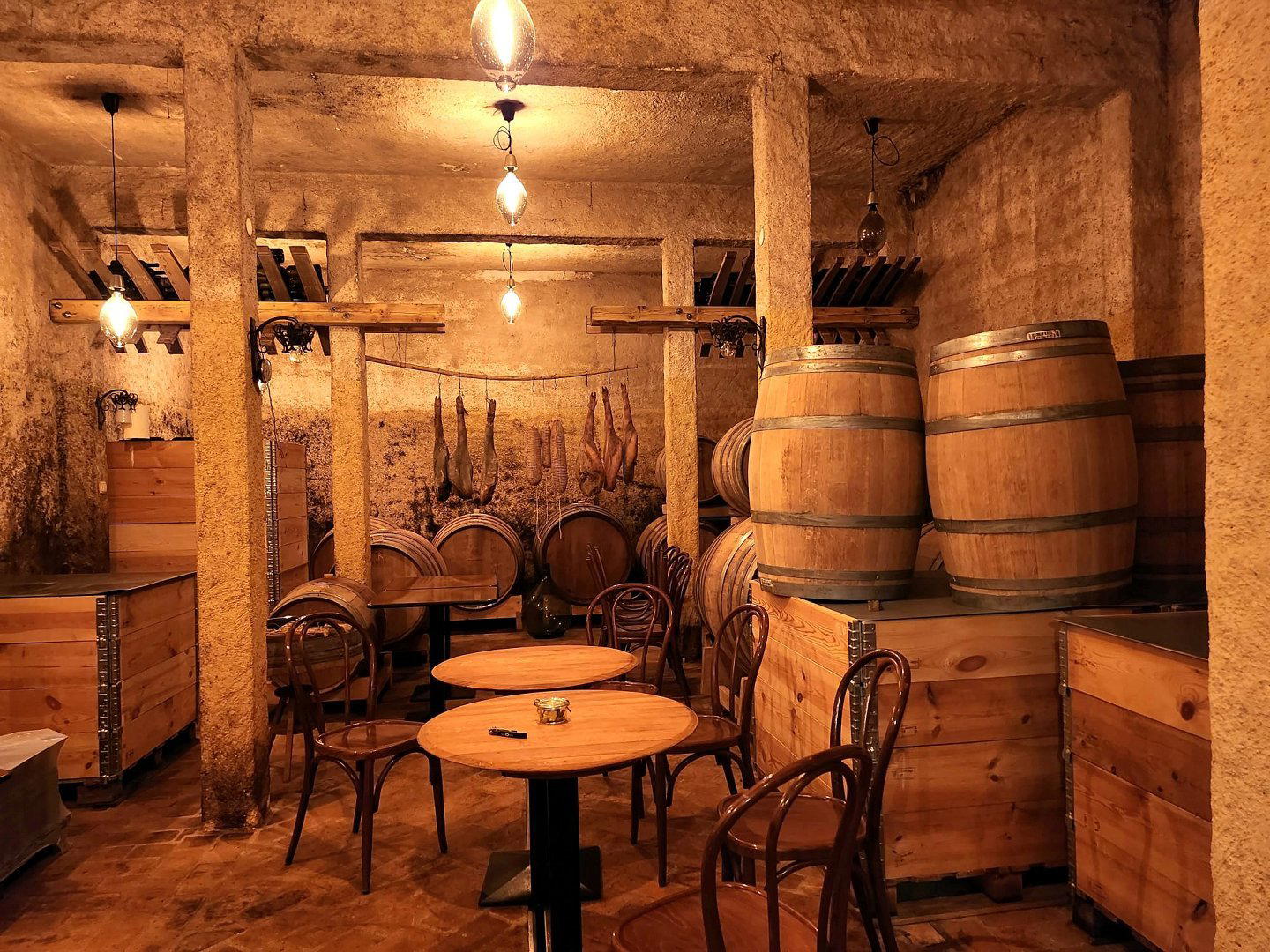
Cozy, refined, and friendly with a calm ambiance along a tree-lined street.