Ca' Di Pieri occupies a quietly significant address on Via P. Antonio Codelli in Gorizia, a city whose layered Austro-Hungarian and Italian identity shapes the table as much as the kitchen does. Sitting where Central European and Adriatic culinary traditions converge, the restaurant positions itself within a small comparable set of Gorizia establishments committed to regional specificity rather than broad-appeal Italian cooking.
Pearl is the En Primeur Club membership app — saves, bookings, and concierge access live there. Same editors, same standards.
- Address
- Via P. Antonio Codelli, 5, 34170 Gorizia GO, Italy
- Phone
- +39481533308
- Directions
- Get directions
 Saves & bookings on Pearl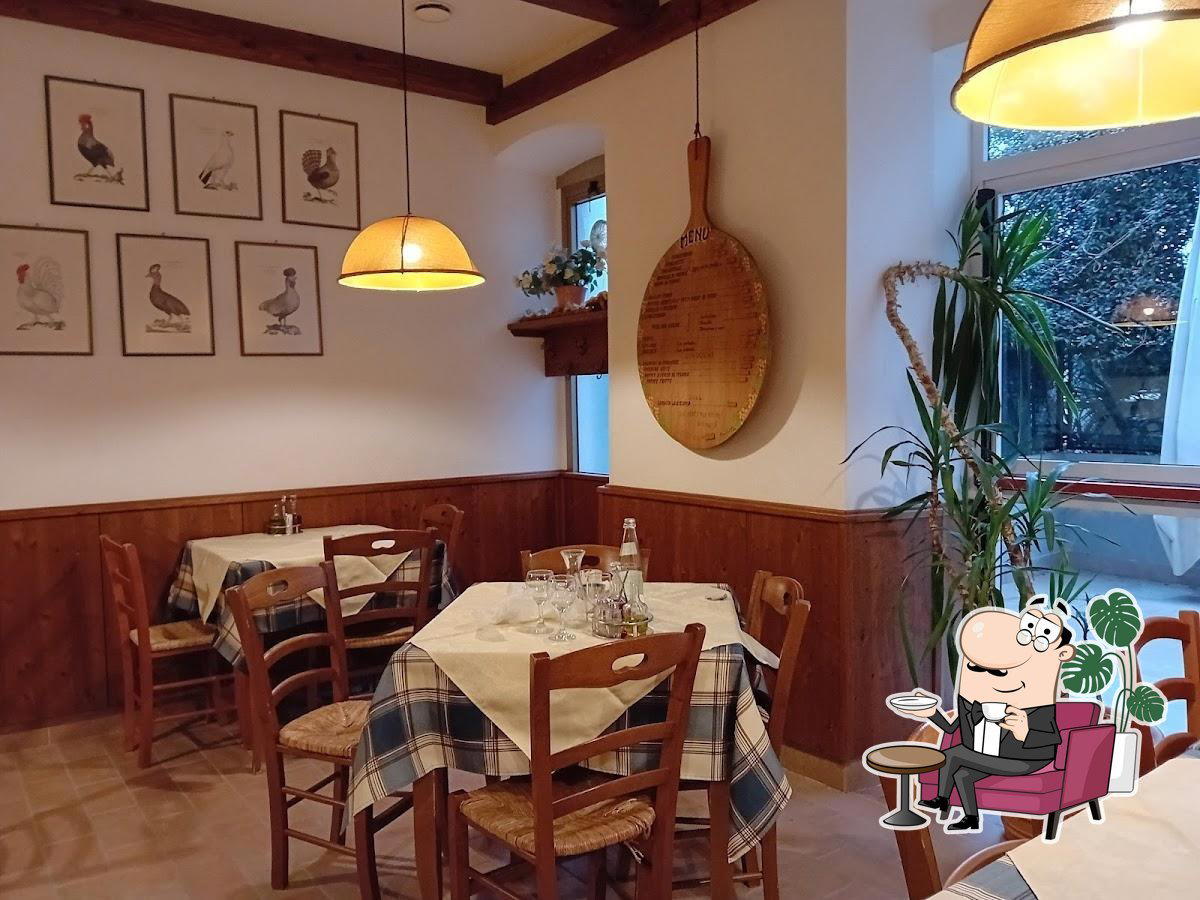
Where Two Empires Meet at the Table
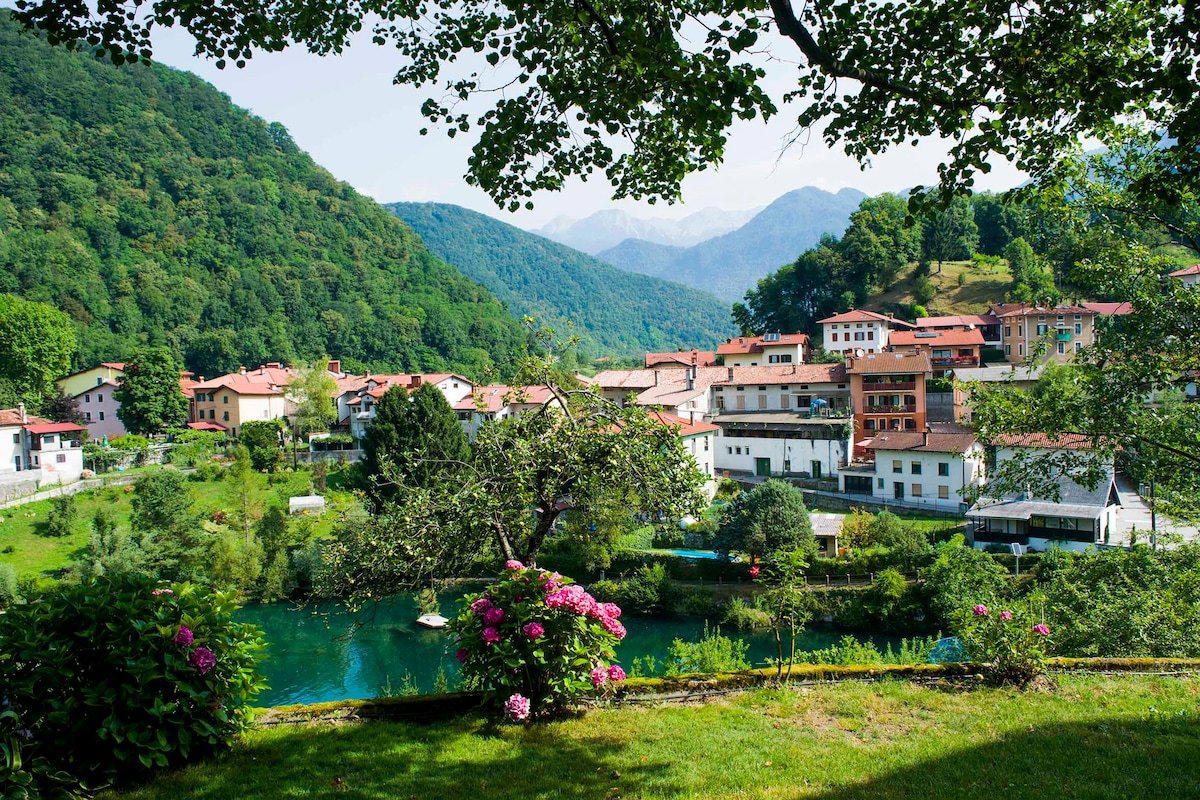
Gorizia occupies one of Europe's more quietly compelling cultural positions. The city was cleaved in two after the Second World War, its eastern half becoming the Slovenian city of Nova Gorica, and its western portion remaining Italian. That division, now softened by Schengen-era open borders, left a place defined by overlap: Austro-Hungarian civic architecture, Slovenian karst wines, Friulian cured meats, and Adriatic seafood currents all press against one another in the same market stalls and on the same menus. In 2025, the twin cities were designated a European Capital of Culture, a formal recognition of what residents have always known, that this border zone produces a cultural complexity most monocultural cities cannot replicate. Ca' Di Pieri, a Traditional Italian Osteria at Via P. Antonio Codelli 5 in Gorizia, sits inside that story. The address alone places it in a city where the question of what counts as local has never had a single answer.
The Friuli Venezia Giulia Table
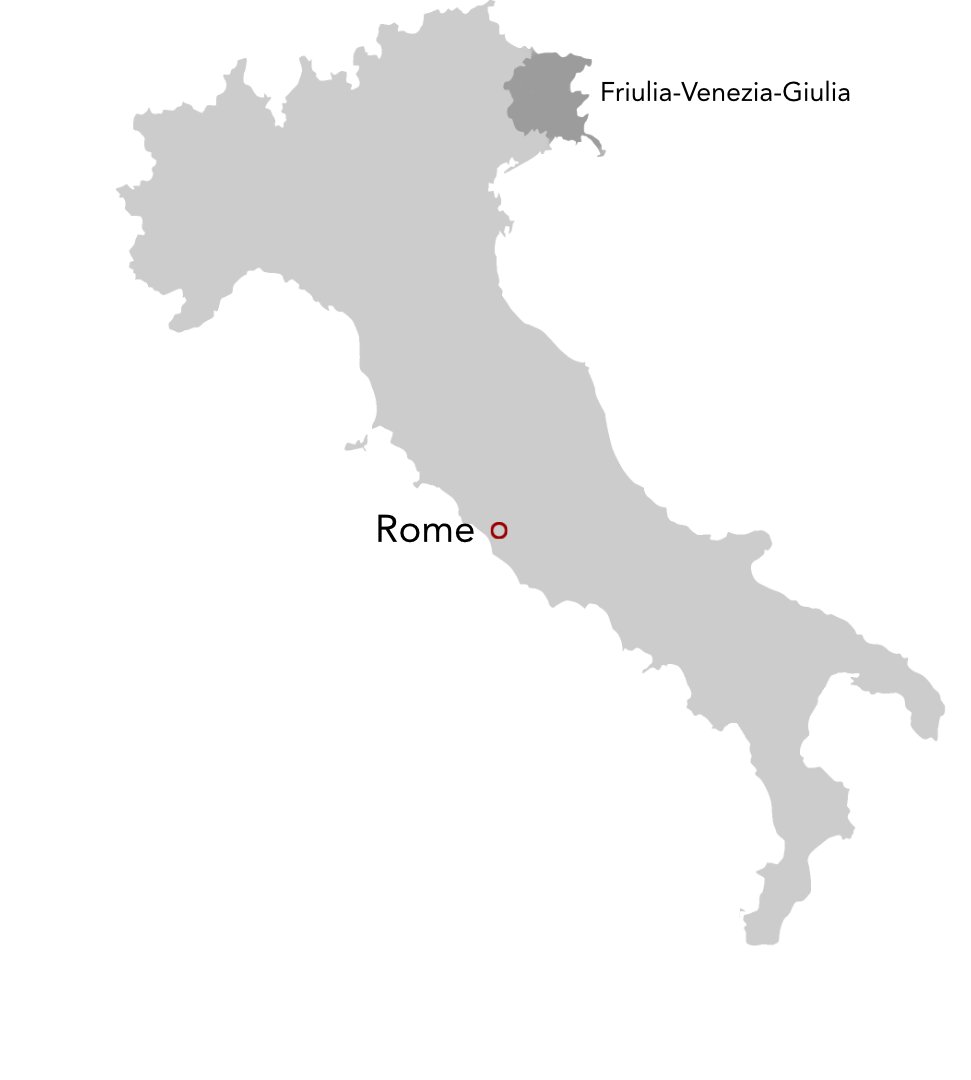
To understand a restaurant in Gorizia, you need to understand what the regional table looks like before any single chef interprets it. Friuli Venezia Giulia is Italy's northeastern outlier, a region that shares more culinary vocabulary with Slovenia, Croatia, and the old Habsburg lands than with the pasta-centric traditions of Emilia-Romagna or Campania. The Collio wine zone, which straddles the Italian-Slovenian border immediately outside Gorizia, produces some of Italy's most discussed white wines, particularly skin-contact and orange wines that have influenced dining rooms far beyond the region. Local ingredients carry similar specificity: prosciutto di San Daniele, brovada (turnips fermented in grape marc), iota (a soup built on beans, sauerkraut, and pork), and wild game from the Carso plateau all belong to a food culture that reads as Central European as much as Italian. A restaurant serious about this territory finds itself positioned against a canon that is neither direct Italian nor Slovenian but something generated by centuries of border life. This is the culinary context Ca' Di Pieri inhabits.
The broader pattern in Gorizia's dining scene mirrors what has happened in other recently spotlighted border cities: a division between establishments that trade on their geographical novelty and those that treat regional specificity as a working method rather than a marketing position. Among the addresses in the city, Alla Luna, Majda, Rosenbar, and Vecia Gorizia each represent a different angle on what border-city hospitality looks like in practice. Ca' Di Pieri occupies its own position within that set, shaped by its address, its format, and the expectations its name and location carry. For a fuller picture of how the city's restaurants compare,
Reading a Venue Through Its City
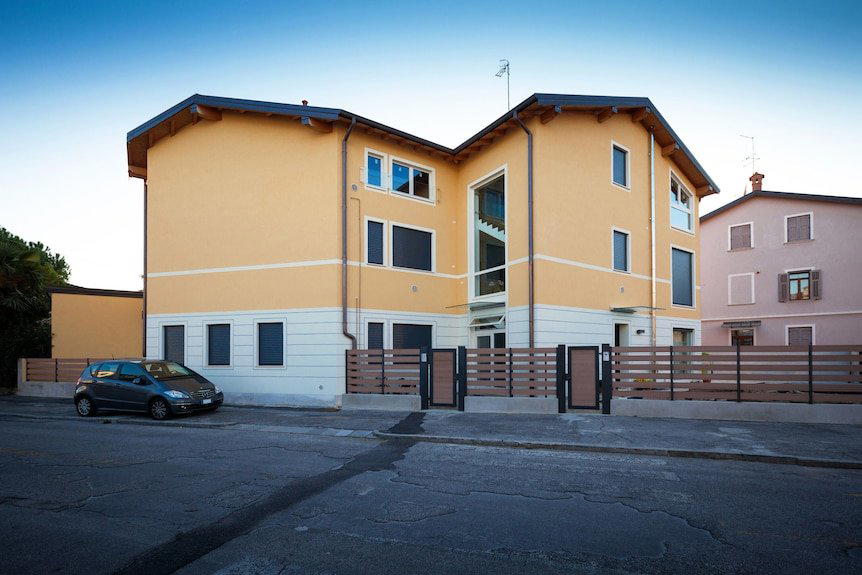
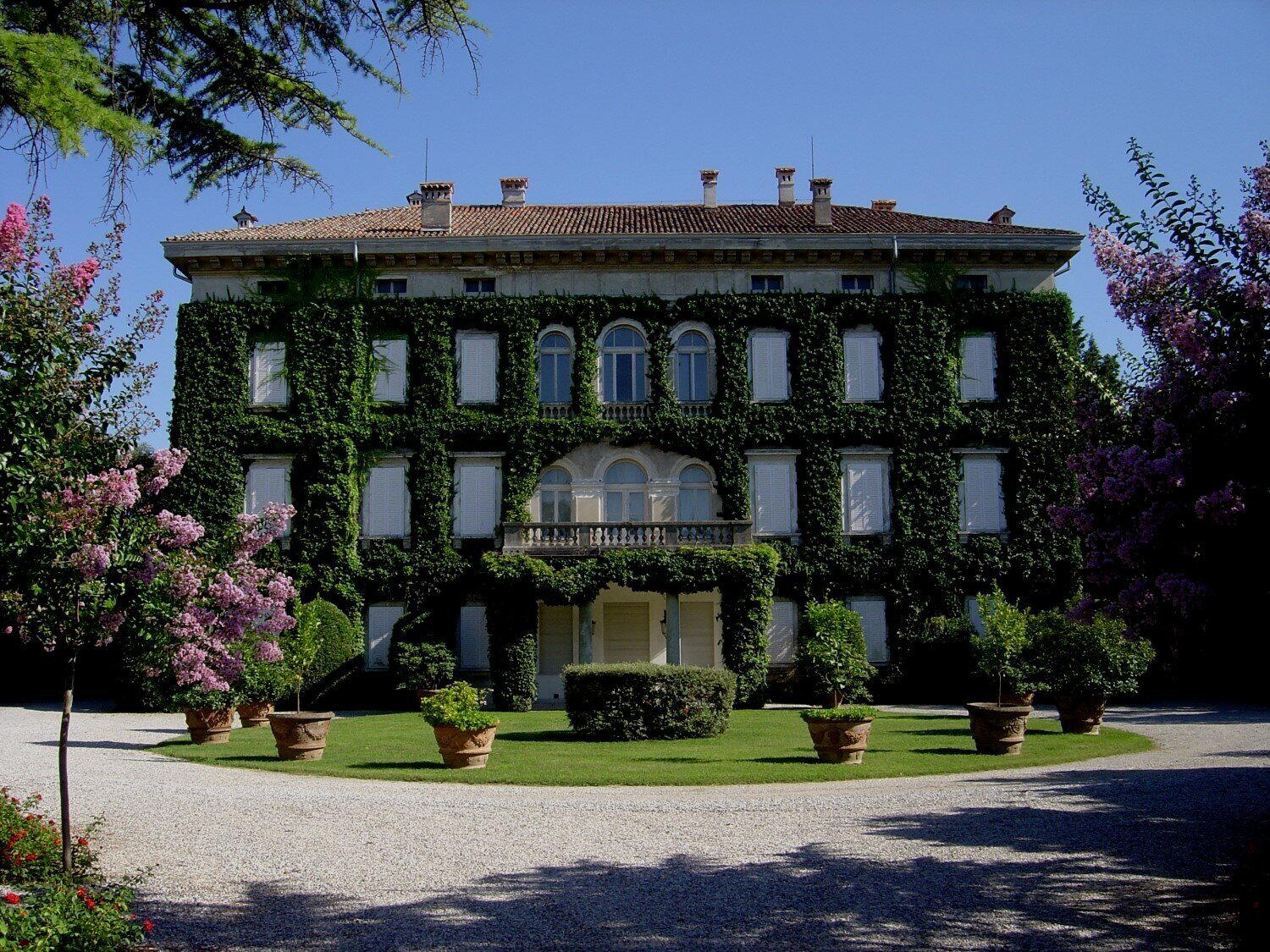
The physical approach to the restaurant along Via P. Antonio Codelli gives you the low-density, residential-commercial texture that characterises much of Gorizia away from the centro storico. The city moves at a different pace from Trieste to the south, and differently from Milan or Florence. There are no crowds competing for tables at peak season the way they do at, say, Osteria Francescana in Modena or Enoteca Pinchiorri in Florence. Gorizia's restaurant scene rewards visitors who arrive having done some research, because the city does not shout. The European Capital of Culture designation has introduced a new wave of cultural tourism. That shift is recent enough that lead times remain shorter than in comparable Italian cities with established gastronomic reputations,
Broader Italian fine dining tier provides a useful frame for understanding what ambition looks like in this region. Addresses like Le Calandre in Rubano, Piazza Duomo in Alba, and Dal Pescatore in Runate define what multi-generational Italian restaurant seriousness looks like at a national level. In Italy's northeast, Casa Perbellini 12 Apostoli in Verona represents the kind of deeply rooted regional cooking that accumulates both critical and popular weight over time. The restaurant operates in a city that sits outside Italy's primary gastronomic circuits, which historically has meant less visibility, but also less of the international price inflation that has reshaped tables at Uliassi in Senigallia or Reale in Castel di Sangro.
The Cultural Weight of the Collio at the Table
Any serious Gorizia restaurant conversation eventually arrives at wine, because the Collio is too close and too consequential to treat as background detail. The zone's producers, many operating on slopes that cross into Slovenia, where the same appellation is called Brda, have driven a worldwide conversation about native white varieties and extended-maceration technique. Ribolla Gialla, Friulano, and Malvasia Istriana carry regional identity in the glass the way DOP ingredients carry it on the plate. For a dining room like Ca' Di Pieri, the wine list is as much a cultural document as the menu. This is one of the more compelling wine-pairing territories in Italy for white wine, without the international queue that surrounds, for instance, the Burgundy allocations that shape menus at Atelier Moessmer Norbert Niederkofler in Brunico.
Planning Your Visit
Gorizia is accessible by rail from Trieste (roughly one hour) and by road from the A34 motorway, with connections toward Udine and the broader Friuli network. The city's compact scale means that the restaurant's address on Via P. Antonio Codelli is reachable on foot from the centro storico. Given Gorizia's elevation in cultural programming through 2025, contacting the restaurant directly for reservation details before travelling is advisable; the European Capital of Culture period has increased demand at quality addresses across the city. Reservations are recommended, and the dress code is smart casual. Visitors who time a Gorizia stay to include a cross-border afternoon in Nova Gorica will find the twin-city experience reinforces the cultural layering that shapes the table at the restaurant.
Booking and Cost Snapshot
Comparable venues nearby, for context on price, style, and recognition.
| Venue | Cuisine | Price | Notes |
|---|---|---|---|
| Ca' Di PieriThis venue — the venue you are viewing | Not listed | $$ | Not listed |
| Vecia Gorizia | Centro, Traditional Friulian Trattoria | $$ | Not listed |
| Majda | Not listed | $$ | Gorizia, Traditional Italian Gorizia Cuisine |
| Alla Luna | downtown, Mitteleuropean Trattoria | $$ | Not listed |
| Rosenbar | Not listed | $$ | historic center, Italian Seafood with Local Produce |
| Hostaria Malcanton | Centro, Traditional Triestina Seafood | $$ | Not listed |
Continue exploring
More in Gorizia
Restaurants in Gorizia
Browse all →
Bars in Gorizia
Browse all →
Hotels in Gorizia
Browse all →
At a Glance
- Cozy
- Rustic
- Intimate
- Family
- Casual Hangout
- Historic Building
- Local Sourcing
Current opening hours
- Monday
- 10 AM–3 PM
- Tuesday
- 10 AM–3 PM
- Wednesday
- 10 AM–3 PM
- Thursday
- 10 AM–3 PM
- Friday
- 10 AM–3 PM, 6:30–10:30 PM
- Saturday
- 10 AM–3 PM, 6:30–10:30 PM
- Sunday
- Closed
Hours can change for holidays and private events. Last verified .
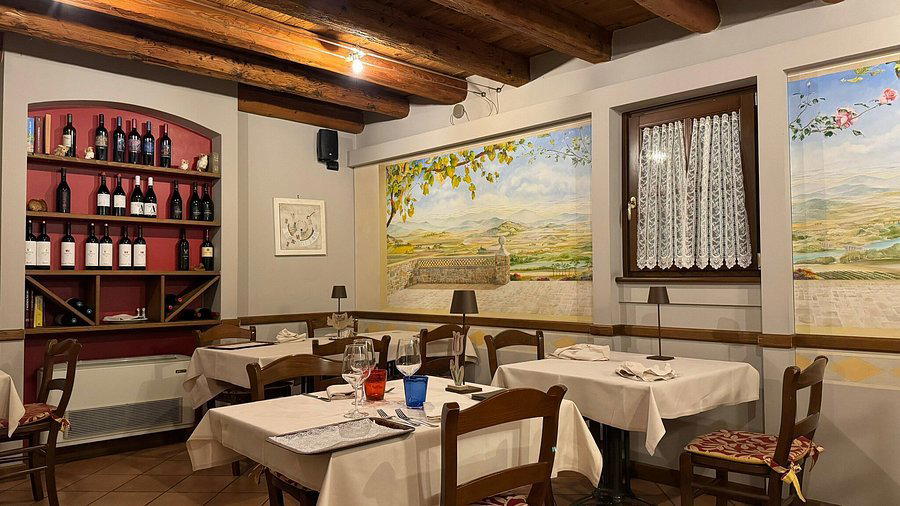
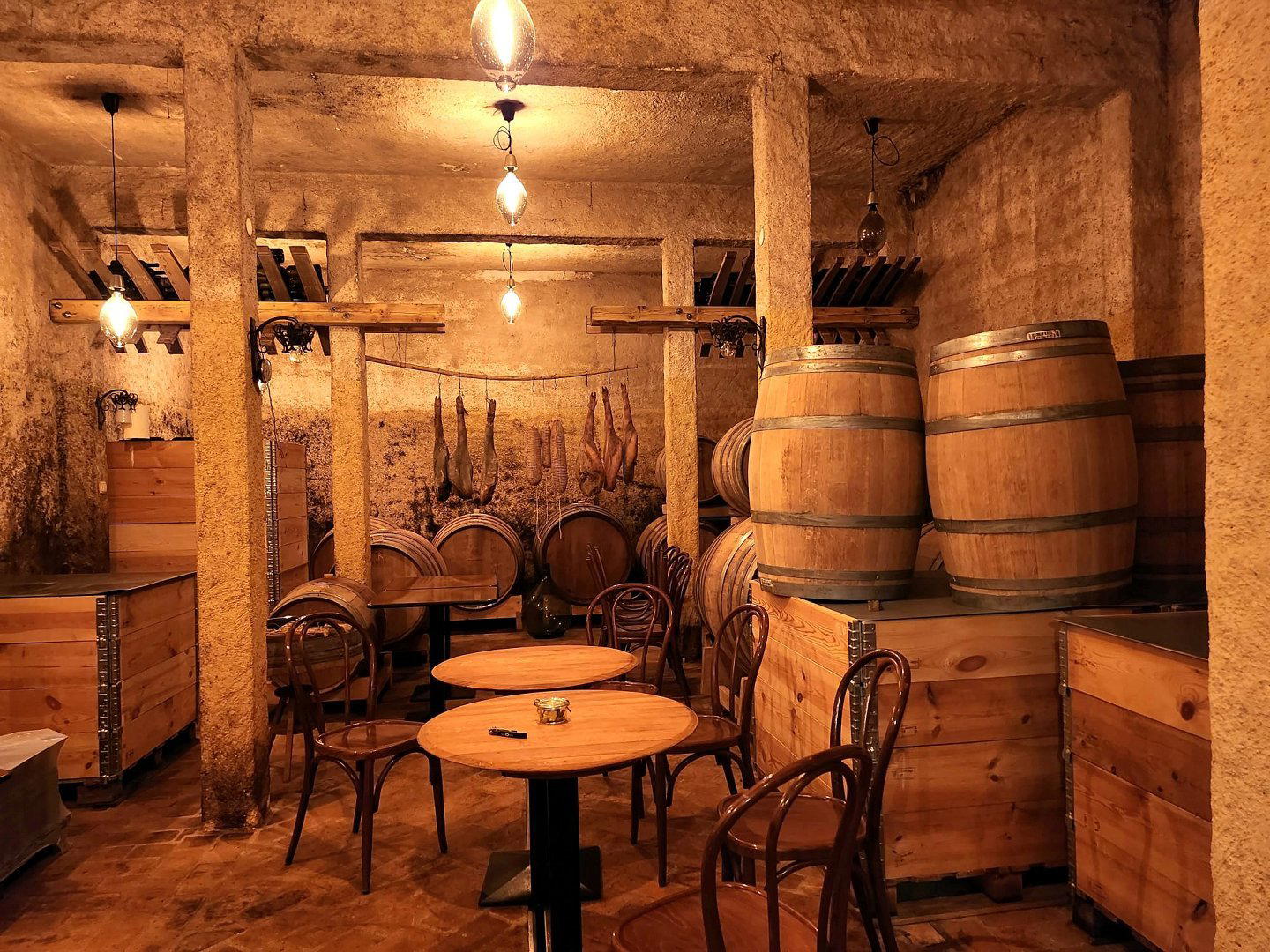
Cosy and refined atmosphere with warm hospitality.