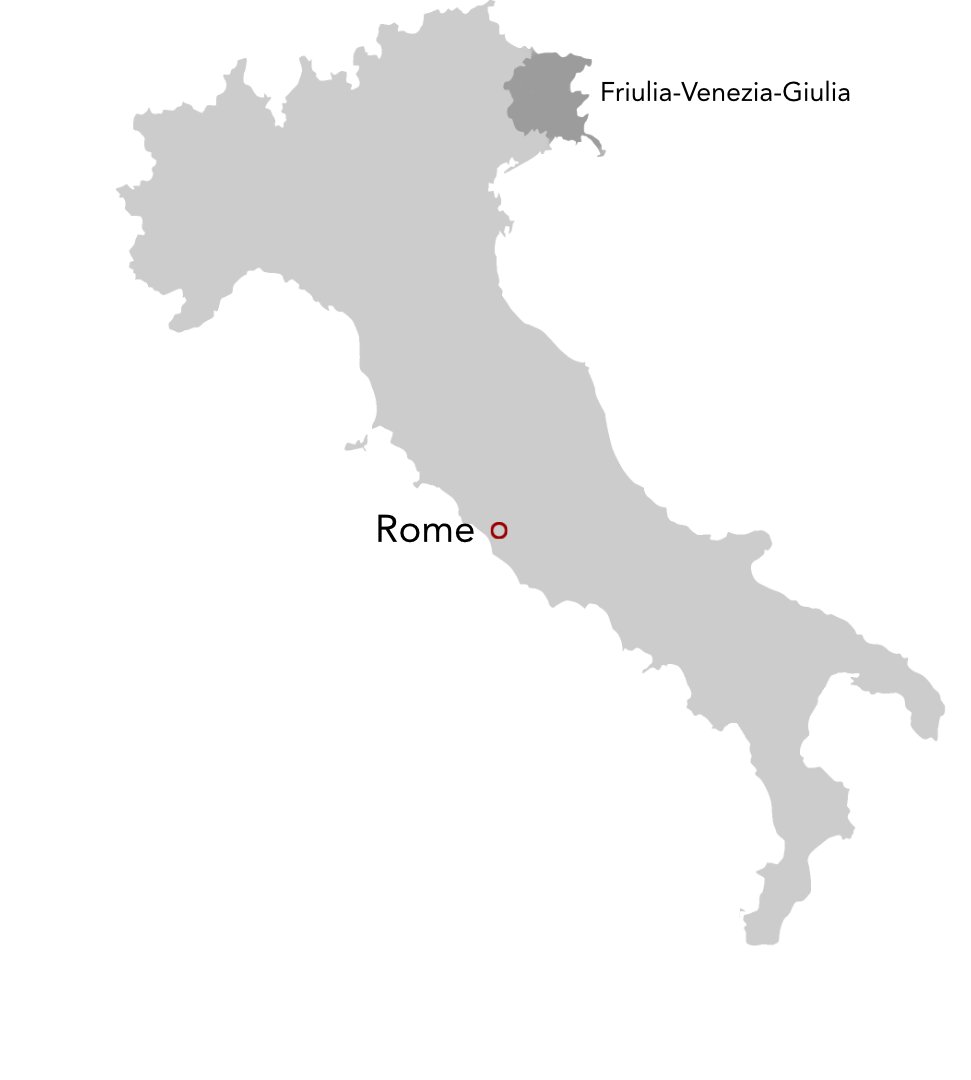
Majda sits on Via Duca d'Aosta in Gorizia, a city where the Italian and Slovenian food traditions have overlapped for generations. The kitchen draws on the agricultural and foraging wealth of the Karst plateau and the Soča Valley, placing it within a small tier of cross-border restaurants that treat ingredient provenance as the organizing principle of the menu. It is a reference point for understanding what this corner of the Friuli Venezia Giulia region actually tastes like.
Pearl is the En Primeur Club membership app — saves, bookings, and concierge access live there. Same editors, same standards.
- Address
- Via Duca d'Aosta, 71/73, 34170 Gorizia GO, Italy
- Phone
- +393713836184
- Directions
- Get directions
 Saves & bookings on Pearl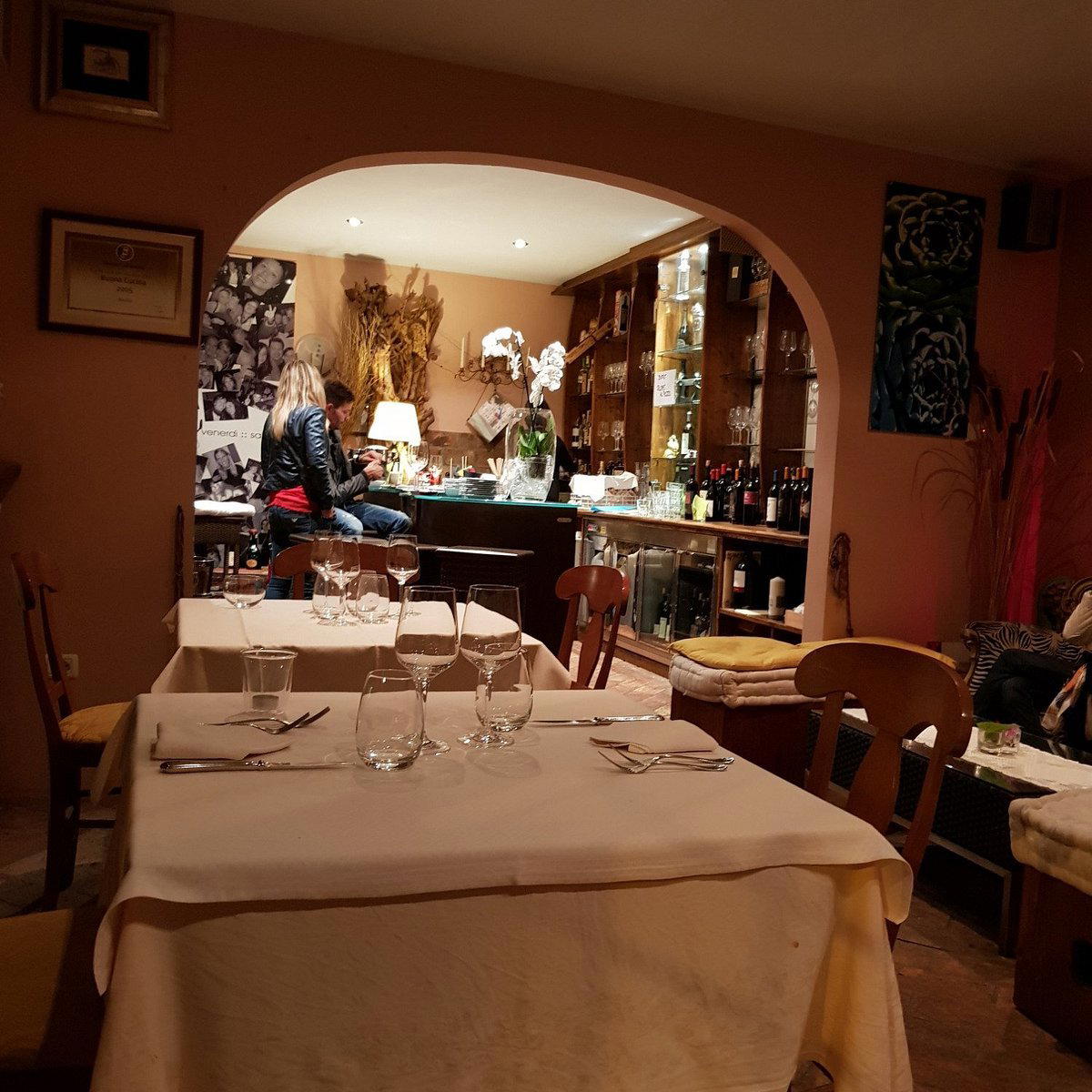
Where Two Tables Meet: The Cross-Border Kitchen of Gorizia
Gorizia is one of Europe's more instructive border cities. Split between Italy and Slovenia after the Second World War, reunited in practice if not entirely in administrative terms, the city has spent decades producing a cuisine that does not map cleanly onto either national tradition. The restaurants here draw from Friulian, Slovenian, and Austro-Hungarian reference points simultaneously, and strong examples among them do so without announcing it, the geography simply shows up on the plate. Majda, at Via Duca d'Aosta 71/73, sits inside that tradition. The address places it in a part of Gorizia where the city's layered identity is neither novelty nor theme but plain fact.
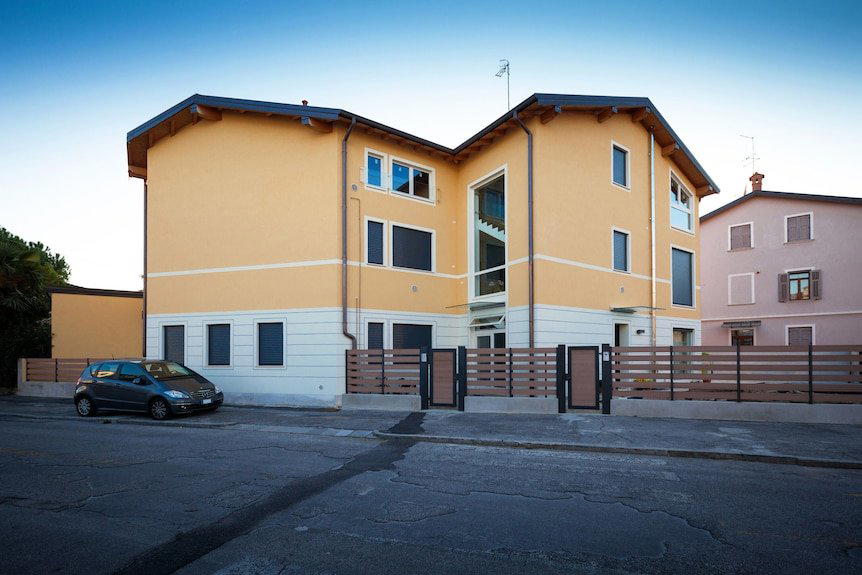
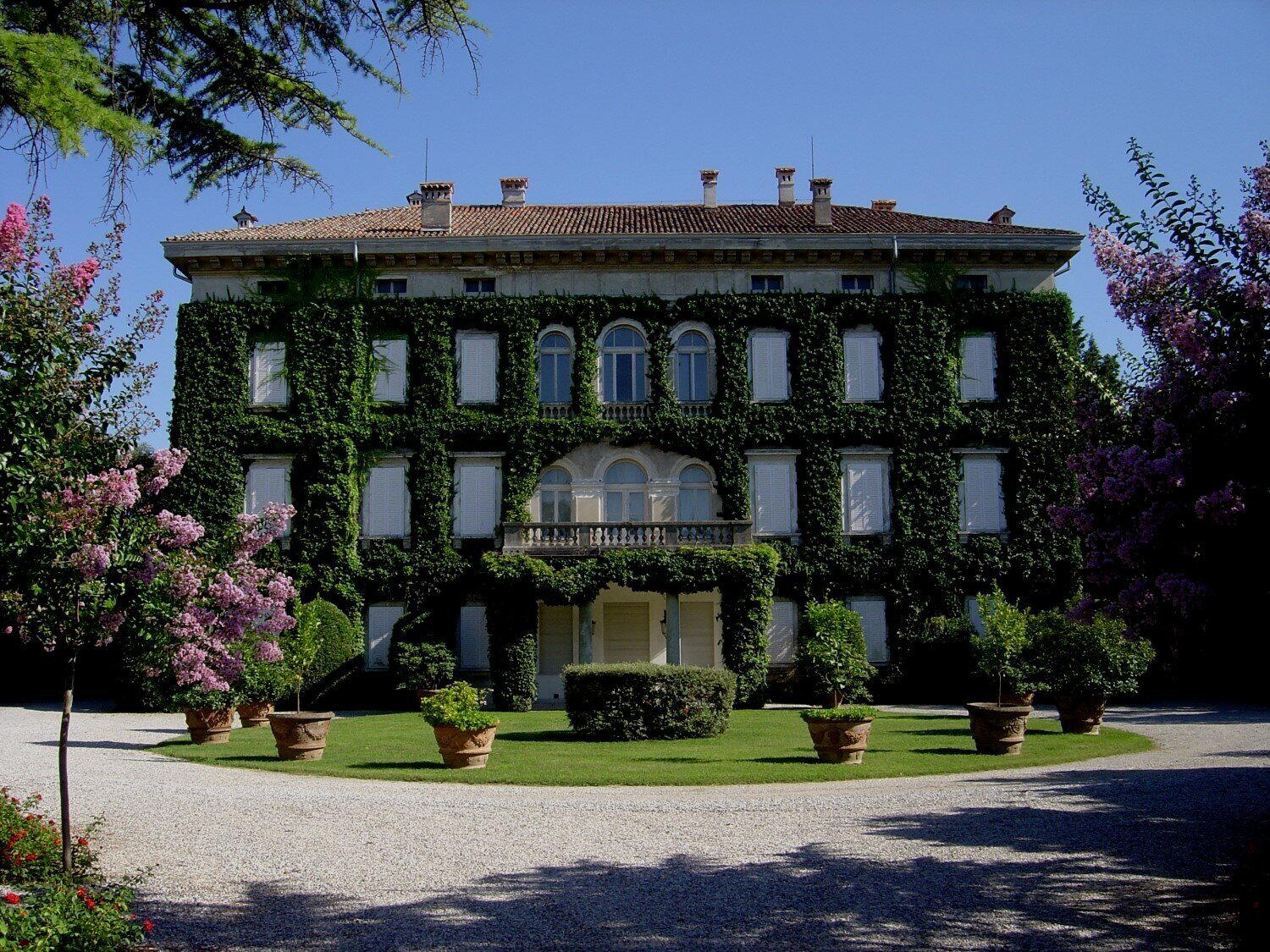
Approaching the address along Via Duca d'Aosta, the neighbourhood carries the quiet confidence of a city that has been important longer than most tourists realize. Gorizia was a Habsburg resort town before it was a contested border post, and that history left an architectural dignity that persists in the residential streets around the restaurant. The entrance is unassuming in the way that characterizes the better family-run trattorie of the northeast: nothing outside signals that what happens inside is worth a detour, which in this part of Italy is often one reliable signal that it is.
The Karst Plateau and the Soča Valley as Larder
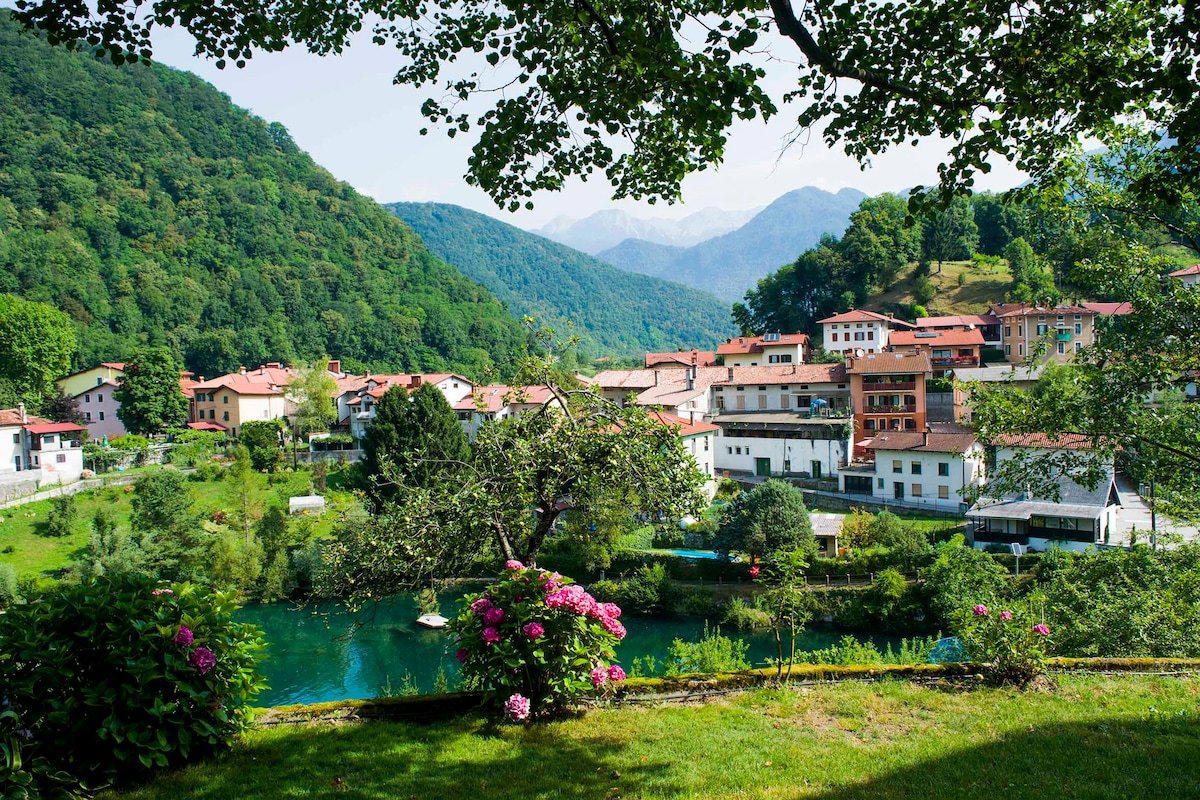
The editorial argument for Majda is not primarily about the room or the service format. It is about the cooking it serves. The Karst plateau, the limestone terrain that rises immediately behind Gorizia toward the Slovenian border, is one of the more interesting agricultural micro-regions in the Italian northeast. Prosciutto di Karst, the local cured ham that predates the more internationally recognized San Daniele and Parma versions, comes from pigs raised on this terrain. Wild herbs, mushrooms, and game from the plateau have supplied kitchens on both sides of the border for centuries. The Soča (Isonzo in Italian), one of the clearest rivers in Europe, runs through a valley that supplies freshwater fish, particularly trout, that appear on menus throughout the region.
Restaurants that anchor their cooking to this specific geography occupy a different position than those working within purely Italian or purely Slovenian frameworks. The cross-border sourcing tradition here is older than the current political borders, which means the ingredient logic predates the national categories used to describe it. Within Gorizia's dining scene, this places Majda alongside a small group of addresses, including Alla Luna, Ca' Di Pieri, Vecia Gorizia, and Rosenbar, that treat the border zone as a culinary asset rather than a complication.
Friuli Venezia Giulia's Place in the Italian Fine-Dining Conversation
Italian fine dining concentrates heavily in a few well-documented corridors. The Modena-Bologna axis, where Osteria Francescana anchors a dense cluster of serious kitchens, draws international attention. The Piedmont route, anchored by Piazza Duomo in Alba, runs a close second for ingredient-focused prestige dining. Veneto has Le Calandre in Rubano and Casa Perbellini 12 Apostoli in Verona. Further afield, Milan holds Enrico Bartolini, while Tuscany carries Enoteca Pinchiorri in Florence. Coastal kitchens like Uliassi in Senigallia, Quattro Passi in Marina del Cantone, and mountain formats like Atelier Moessmer Norbert Niederkofler in Brunico define the altitude and coastline poles of the national conversation. The Abruzzo interior has Reale in Castel di Sangro, and the Mantuan lowlands have Dal Pescatore in Runate.
Friuli Venezia Giulia sits outside most of these circuits in international travel writing, which is one reason its ingredient culture remains less processed by the premium-dining industry than comparable micro-regions further west. That relative obscurity is not a quality signal in itself, but it does mean the sourcing traditions here have evolved in response to local demand rather than export narrative, a meaningful distinction when assessing provenance-led kitchens.
By comparison, internationally recognized ingredient-first programs at restaurants like Le Bernardin in New York City or Atomix in New York City operate within a fully codified premium framework where sourcing is explicitly documented and marketed. Gorizia kitchens working in the Karst-Soča tradition do the same thing at a smaller scale, without the accompanying international apparatus.
Planning a Visit
Gorizia is reachable by train from Trieste in under an hour, and from Venice in roughly two and a half hours with a change at Monfalcone or Udine. The city itself is compact enough that Via Duca d'Aosta is a short walk or taxi ride from the central station. For visitors combining Gorizia with a broader Friuli itinerary, the wine zones of Collio and Brda (which straddle the same border that runs through the city) are a logical pairing with any meal focused on Karst-sourced ingredients. Reservations are recommended, particularly on weekends.
Does Majda work for a family meal?
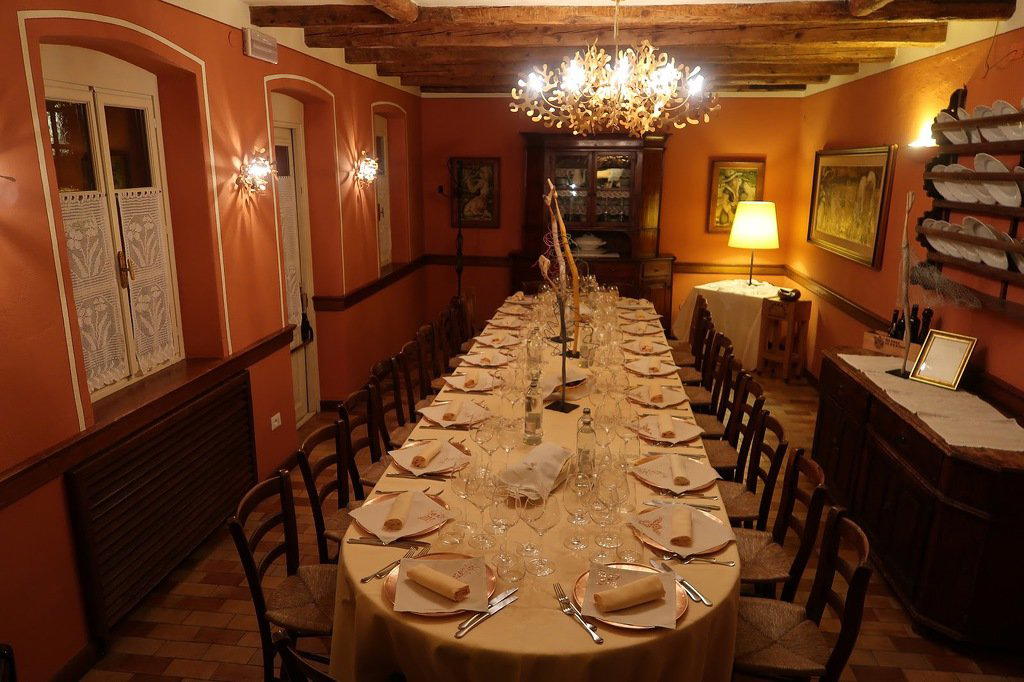
Gorizia's trattoria tradition is fundamentally family-oriented, and restaurants operating within it tend to accommodate multi-generational tables more naturally than tasting-menu-format restaurants in larger Italian cities. The northeast Italian kitchen, grounded in Friulian and Slovenian home-cooking traditions, is structured around shared formats and ingredient-driven cooking rather than chef-performance dining. Families with children should find the atmosphere at addresses like Majda more relaxed than the atmosphere at, say, a multi-course destination restaurant in Milan or Florence, though as with any restaurant,
What is the overall feel of Majda?
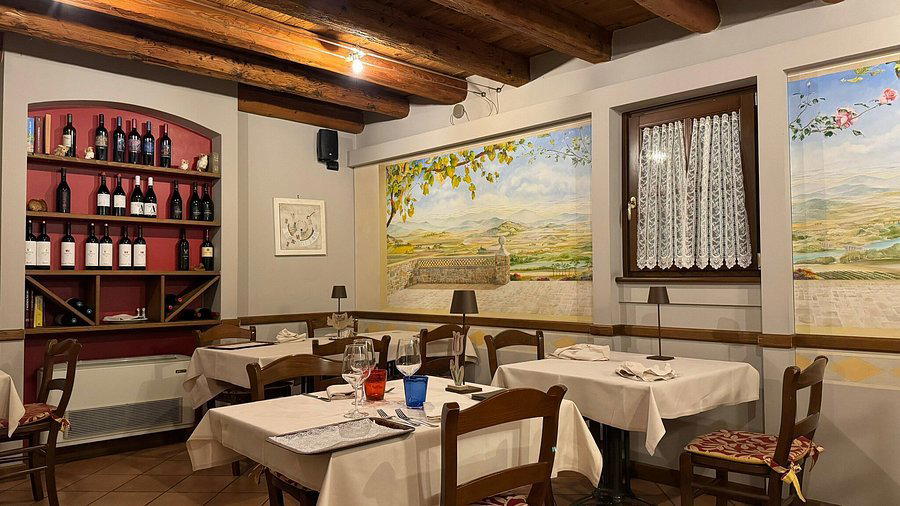
The feel is unhurried, rooted in cross-border ingredient traditions, and closer to an informed local trattoria than to fine dining. The city itself is quieter and more residential in character than Trieste or Udine, and the restaurants that define it reflect that register. Majda operates within that frame, a place shaped by its geography and its immediate community rather than by an external dining audience.
What dish is Majda famous for?
The kitchen draws on cured meats, freshwater fish, mushrooms, and game from the Karst plateau and Soča Valley. These ingredient categories are consistent markers of the regional cooking tradition rather than claims specific to any single menu.
Is Majda representative of the broader Slovenian-Italian border-kitchen tradition in Gorizia?
Gorizia holds one of the few places in Europe where a centuries-old cross-border cooking tradition is still practiced in an uninterrupted local context rather than reconstructed as a heritage tourism product. Restaurants on the Italian side of the city, including Majda, sit within a peer group shaped by Karst foraging, Slovenian curing techniques, and Friulian pasta traditions working in proximity to one another. That convergence is the defining culinary fact about Gorizia, and any address on Via Duca d'Aosta is positioned inside it, making the city itself, as much as any individual kitchen, the reference point worth understanding before arriving.
In Context: Similar Options
Comparable venues nearby, for context on price, style, and recognition.
| Venue | Cuisine | Price | Notes |
|---|---|---|---|
| MajdaThis venue — the venue you are viewing | Traditional Italian Gorizia Cuisine | $$ | Not listed |
| Rosenbar | Italian Seafood with Local Produce | $$ | historic center |
| Alla Luna | Mitteleuropean Trattoria | $$ | downtown |
| Vecia Gorizia | Traditional Friulian Trattoria | $$ | Centro |
| Ca' Di Pieri | Traditional Italian Osteria | $$ | Gorizia center |
| Bellariva | Italian Seafood Trattoria | $$ | Santa Croce |
Continue exploring
More in Gorizia
Restaurants in Gorizia
Browse all →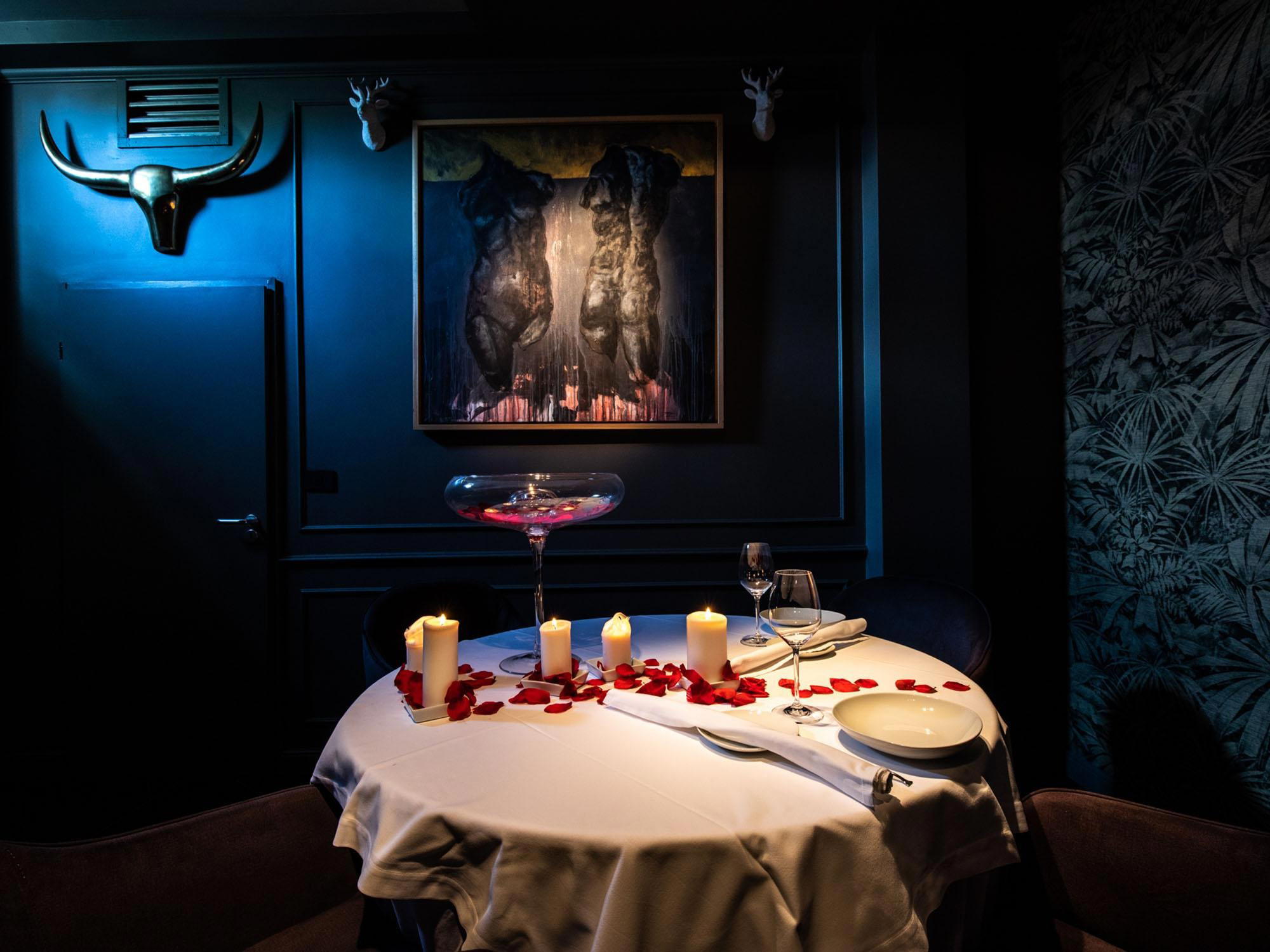
Bars in Gorizia
Browse all →
Hotels in Gorizia
Browse all →
At a Glance
- Cozy
- Intimate
- Charming
- Date Night
- Special Occasion
- Wine Cellar
- Extensive Wine List
- Local Sourcing
Current opening hours
- Monday
- 6–11 PM
- Tuesday
- 6–11 PM
- Wednesday
- Closed
- Thursday
- 6–11 PM
- Friday
- 6 PM–1 AM
- Saturday
- 6 PM–1 AM
- Sunday
- 6–11 PM
Hours can change for holidays and private events. Last verified .
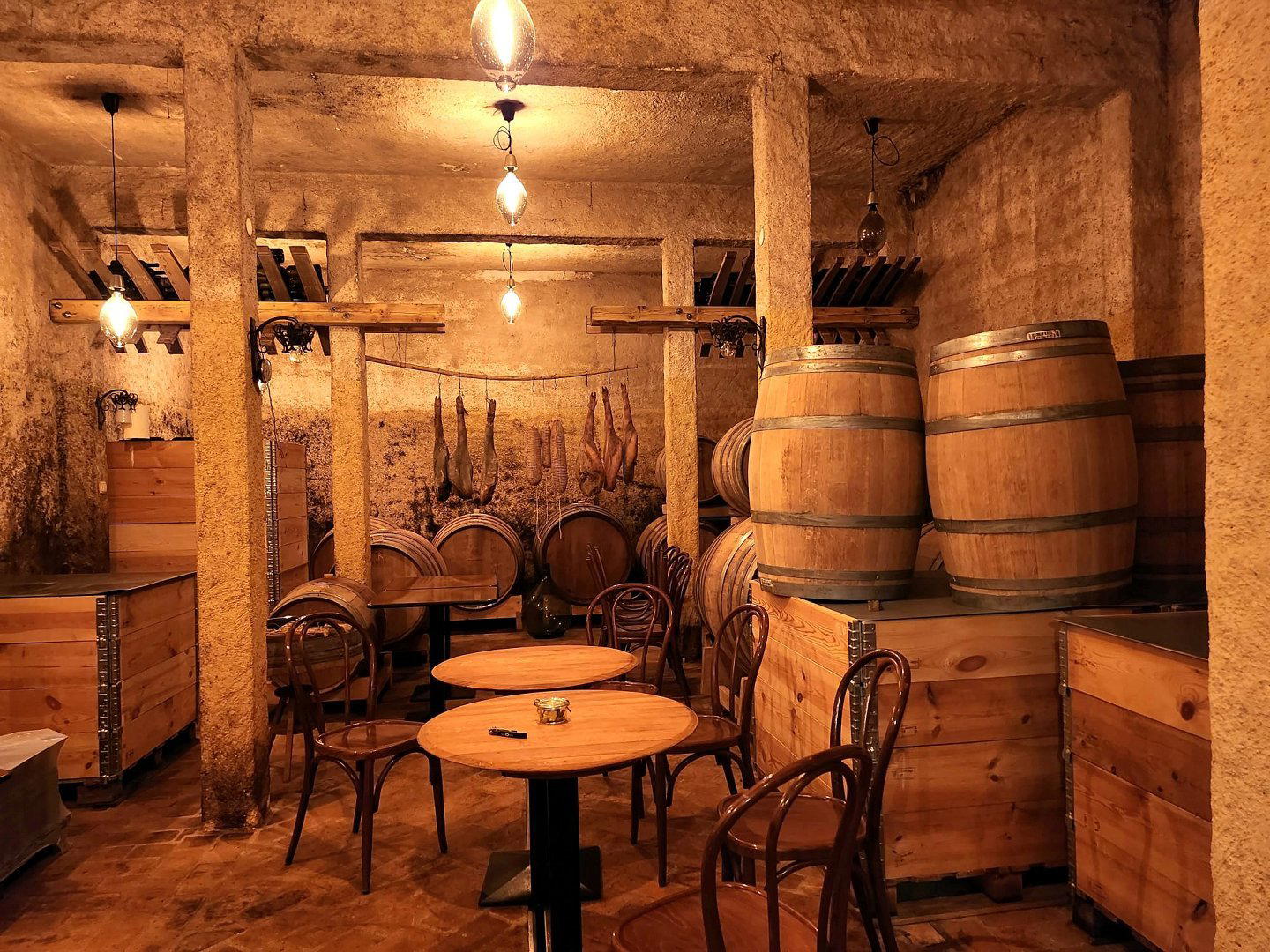
Warm, inviting, and cozy atmosphere well-suited for intimate dinners.