Alla Luna sits on Via Guglielmo Oberdan in Gorizia, a city whose identity has been shaped by centuries of Austro-Hungarian, Slovenian, and Italian influence. That layered geography defines the cooking here, where ingredients cross borders as naturally as the town's residents do. For anyone tracing the true character of the Friulian table, this address is a serious point of reference.
Pearl is the En Primeur Club membership app — saves, bookings, and concierge access live there. Same editors, same standards.
- Address
- Via Guglielmo Oberdan, 13, 34170 Gorizia GO, Italy
- Phone
- +39481530374
- Website
- trattoriaallaluna.com
- Directions
- Get directions
 Saves & bookings on Pearl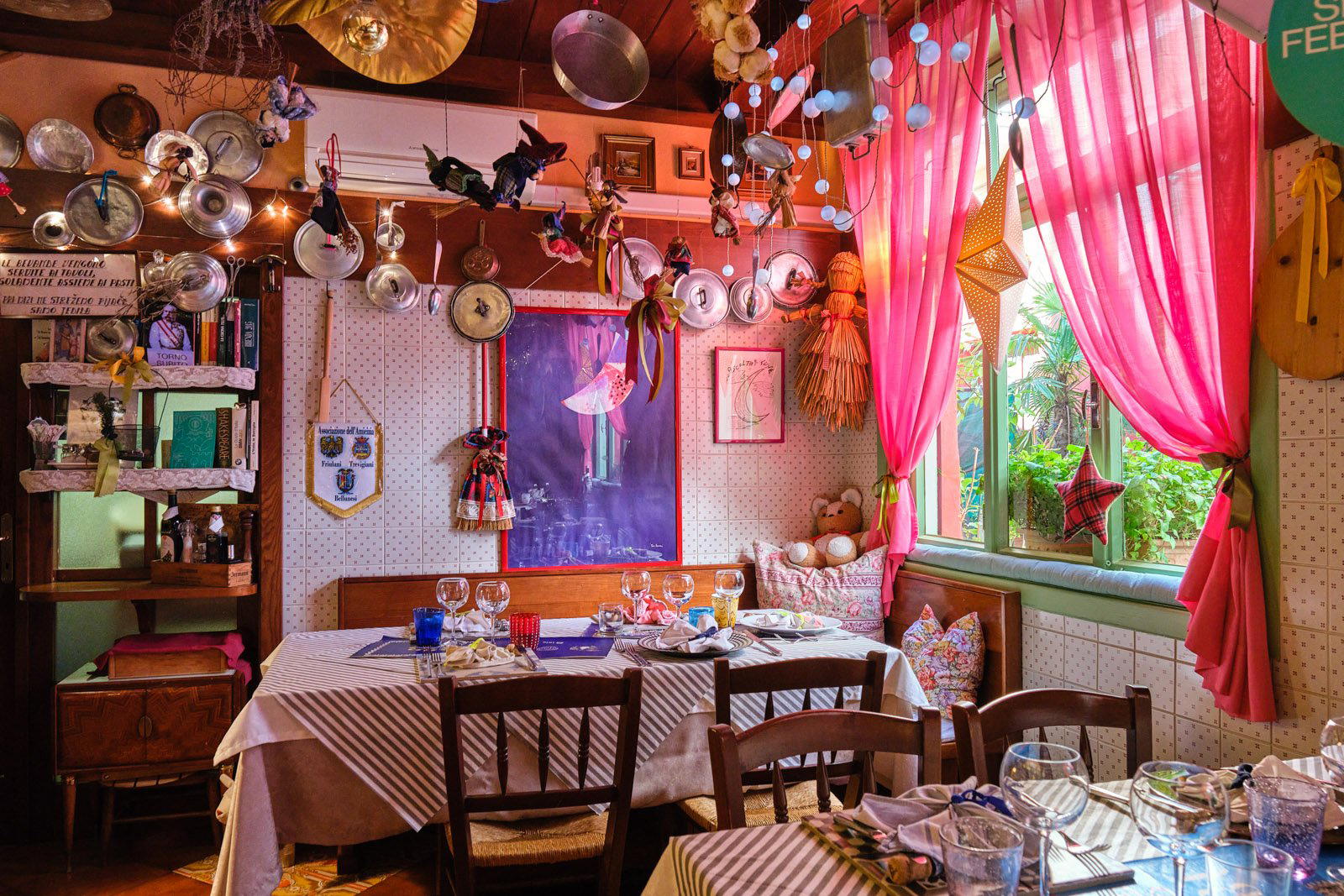
Where the Borders Come to the Table
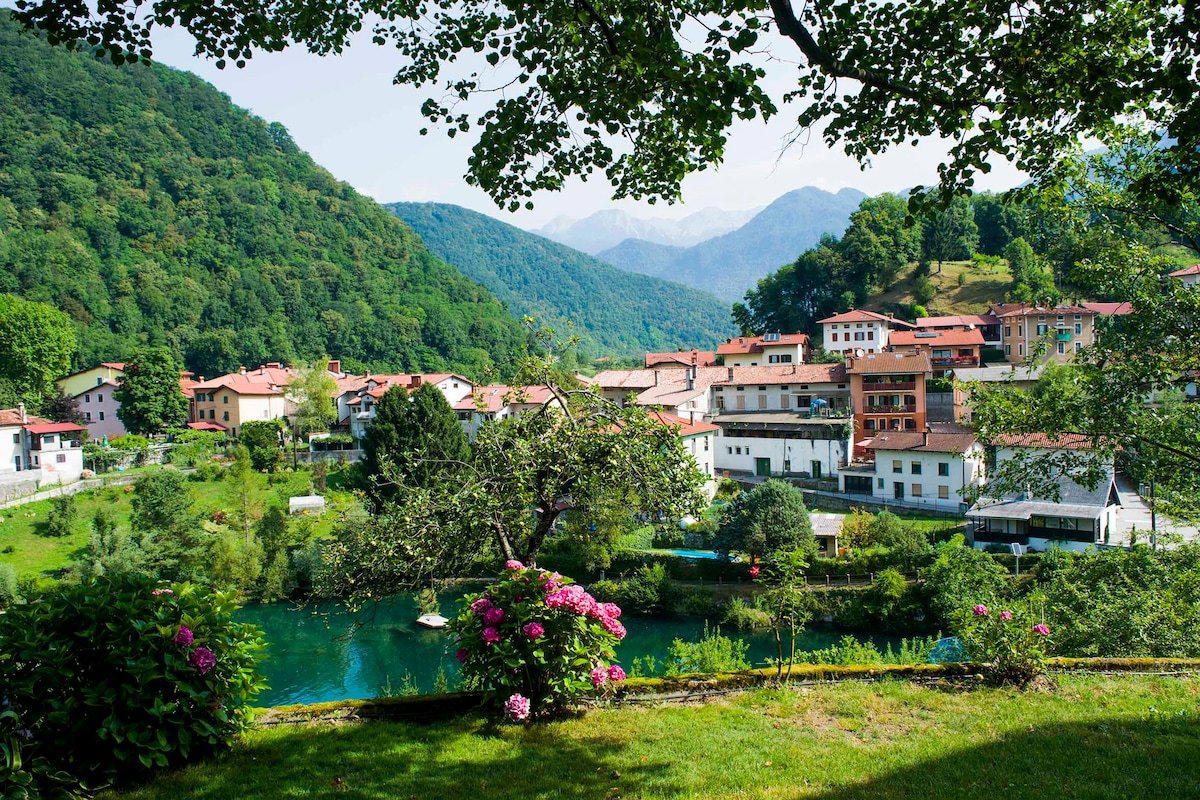
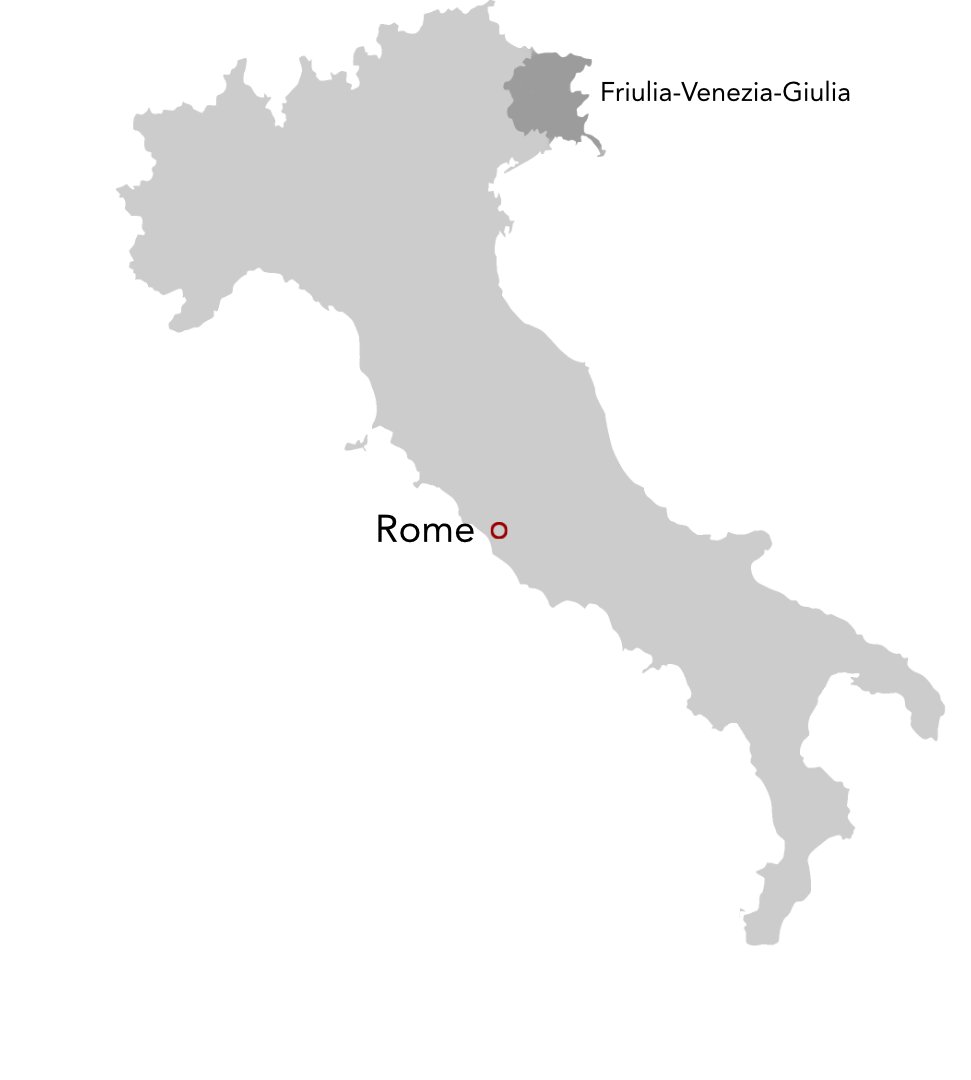
Gorizia is one of Europe's most instructive border towns. It sits at the seam where Italy, Slovenia, and the legacy of the Habsburg Empire meet, and that confluence has produced a culinary tradition that draws from all three without fully belonging to any. The markets on both sides of the crossing supply different things: Slovenian hill farms, Friulian plains producers, and the remnants of an Austro-Hungarian pantry tradition that never quite disappeared. At Alla Luna, a Mitteleuropean Trattoria in Gorizia, that geography comes into focus at the table.
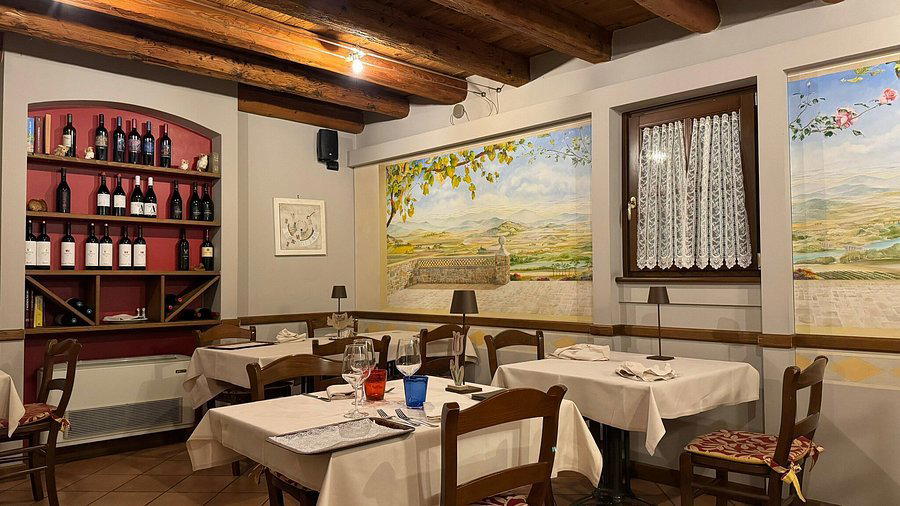
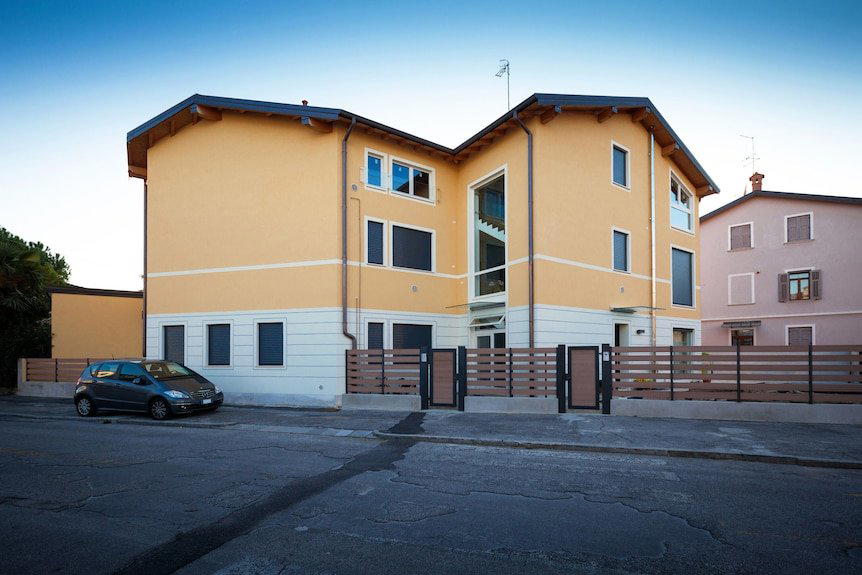
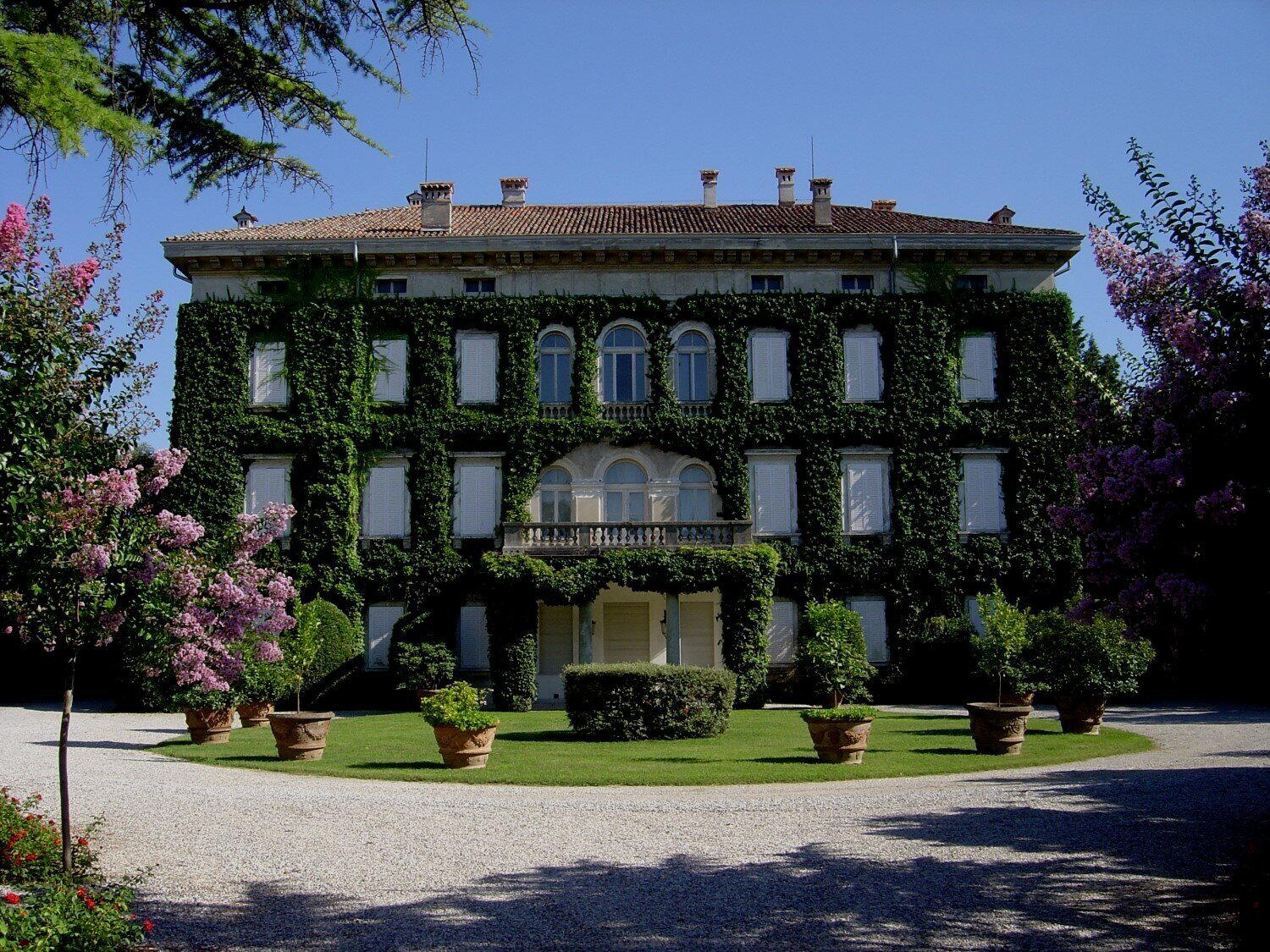
The street itself is typical of central Gorizia: stone-faced buildings with a faintly Mitteleuropean formality, the kind of address where a restaurant can exist without announcing itself loudly. Arriving here, you understand immediately that the audience is local first. There is no performance of tourism, no concession to the kind of stripped-back minimalism that communicates ambition in cities with more international foot traffic. What you find instead is a room that reads as considered rather than designed, oriented toward the act of eating rather than the act of being seen eating.
The Friulian Ingredient Logic
Northern Italian border cooking operates on a different sourcing logic than the Mediterranean south. Proximity to Slovenia and Austria means that cured meats, dairy, and foraged ingredients cross into the kitchen through channels that have existed for generations rather than through contemporary supply chains built around provenance marketing. The Collio hills, which straddle the Italian-Slovenian border just north of Gorizia, produce some of the country's most considered white wines and supply a microclimate suited to soft fruits, game, and wild greens. Prosciutto di San Daniele and Montasio cheese are both protected-designation products from this region, and kitchens working the Friulian tradition treat them as structural ingredients rather than garnishes.
Alla Luna's position on this terrain places it within a set of restaurants in Gorizia that work from local and cross-border sourcing as a matter of practical geography rather than ideological positioning. For comparison within the city, Majda leans explicitly into the Slovenian side of that border exchange, while Vecia Gorizia holds closer to the trattoria format of the Friulian interior. Ca' Di Pieri and Rosenbar each represent slightly different registers of the same regional conversation. Alla Luna sits within this context as a neighbourhood address in the historic centre.
What Gorizia Asks of Its Restaurants
Cities with complex geopolitical histories tend to produce restaurants that carry that complexity in their menus, consciously or not. Gorizia's dual identity, split into Italian Gorizia and Slovenian Nova Gorica until the Schengen agreement effectively reunified daily life across the border, created a dining culture that has always had access to two distinct culinary traditions. The result is not fusion in the commercially diluted sense of the term, but a pragmatic layering: a Friulian risotto base served with ingredients sourced from Slovenian farms, or a goulash that reflects the Habsburg kitchen but uses local wine in place of Hungarian paprika stock.
This is the tradition that restaurants on streets like Via Guglielmo Oberdan maintain without necessarily theorising about it. The context matters because it explains why Gorizia's cooking is more interesting than its tourism infrastructure would suggest. Compared to the destination-restaurant circuits that pull international visitors to addresses like Osteria Francescana in Modena or Piazza Duomo in Alba, the Friulian border scene operates almost entirely below the radar of fine-dining tourism, which is precisely why it repays the detour. The cooking here answers to a local clientele with long institutional memory, not to the expectations of an international press cycle.
Across northern Italy, there is a broader pattern of regional kitchens reasserting ingredient specificity against the homogenising pull of national fine-dining trends. Atelier Moessmer Norbert Niederkofler in Brunico has formalised this into a documented sourcing philosophy in the Dolomites; Uliassi in Senigallia does it through Adriatic catch. In Gorizia, the equivalent commitment is less formalised but no less embedded in the way restaurants like Alla Luna operate. For readers who have also followed the kind of ingredient-led cooking at Dal Pescatore in Runate or Reale in Castel di Sangro, the Friulian version of this sensibility will feel familiar in method if different in character.
Planning a Visit
The restaurant is located at Via Guglielmo Oberdan 13 in the centre of Gorizia, within walking distance of the town's main piazza and the former border crossing that connected to Nova Gorica. Gorizia is accessible by train from Trieste, roughly one hour east, and from Udine to the west. For anyone building a longer Friulian itinerary, the town sits naturally between the Collio wine country and the Carso plateau, both of which offer afternoon content before an evening table. Specific booking arrangements and hours are best confirmed directly with the restaurant. The restaurant is recommended for reservations and the average price is about $35 per person. The broader Gorizia restaurants guide maps the full range of options across different formats and price points. For readers planning around wider Italian dining, the regional conversation extends outward to Le Calandre in Rubano, Enoteca Pinchiorri in Florence, Enrico Bartolini in Milan, Quattro Passi in Marina del Cantone, and Casa Perbellini 12 Apostoli in Verona. For international reference points in the ingredient-led tradition, Le Bernardin in New York City and Lazy Bear in San Francisco represent how sourcing specificity translates in different market contexts.
Quick Comparison
Comparable venues nearby, for context on price, style, and recognition.
| Venue | Cuisine | Price | Notes |
|---|---|---|---|
| Alla LunaThis venue — the venue you are viewing | Mitteleuropean Trattoria | $$ | Not listed |
| Ca' Di Pieri | Traditional Italian Osteria | $$ | Gorizia center |
| Majda | Traditional Italian Gorizia Cuisine | $$ | Gorizia |
| Rosenbar | Italian Seafood with Local Produce | $$ | historic center |
| Vecia Gorizia | Traditional Friulian Trattoria | $$ | Centro |
| Trattoria Ca' D'Oro - Cucina Tipica Veneziana | Traditional Venetian Trattoria | $$ | Cannaregio |
Continue exploring
More in Gorizia
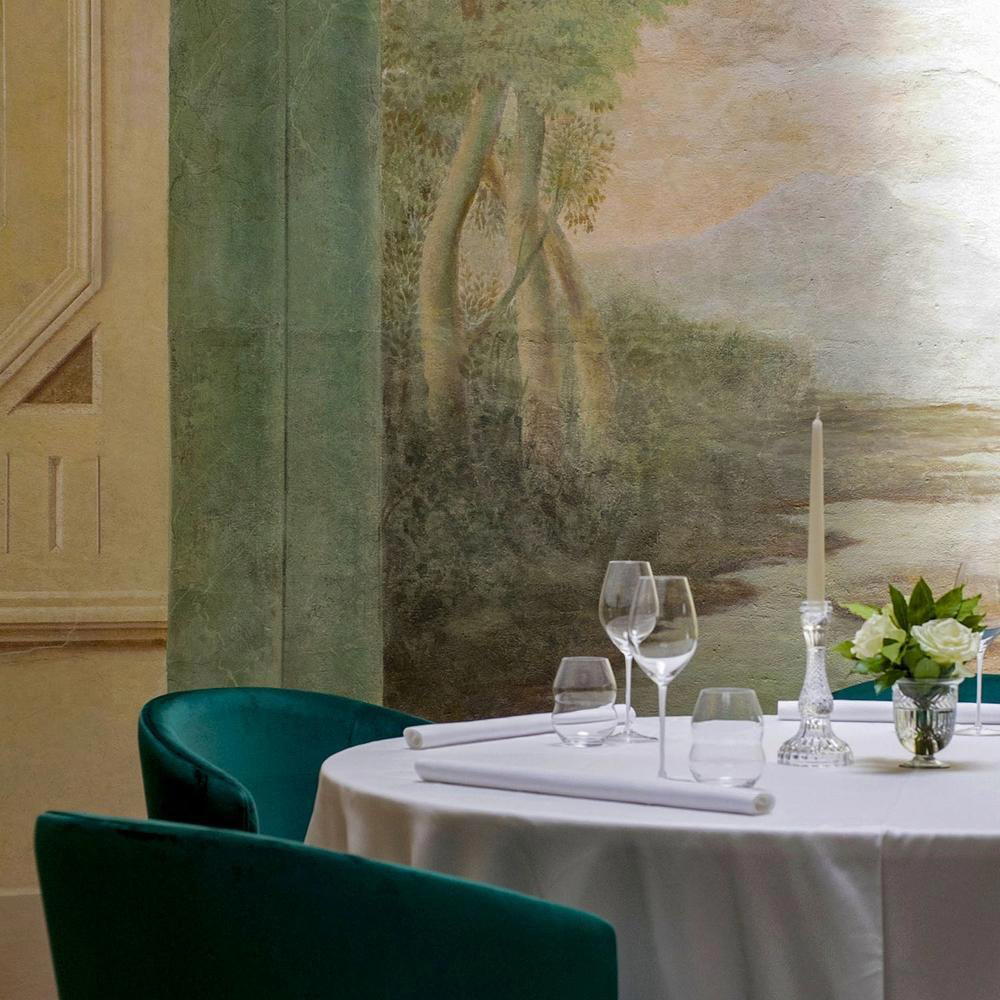
Restaurants in Gorizia
Browse all →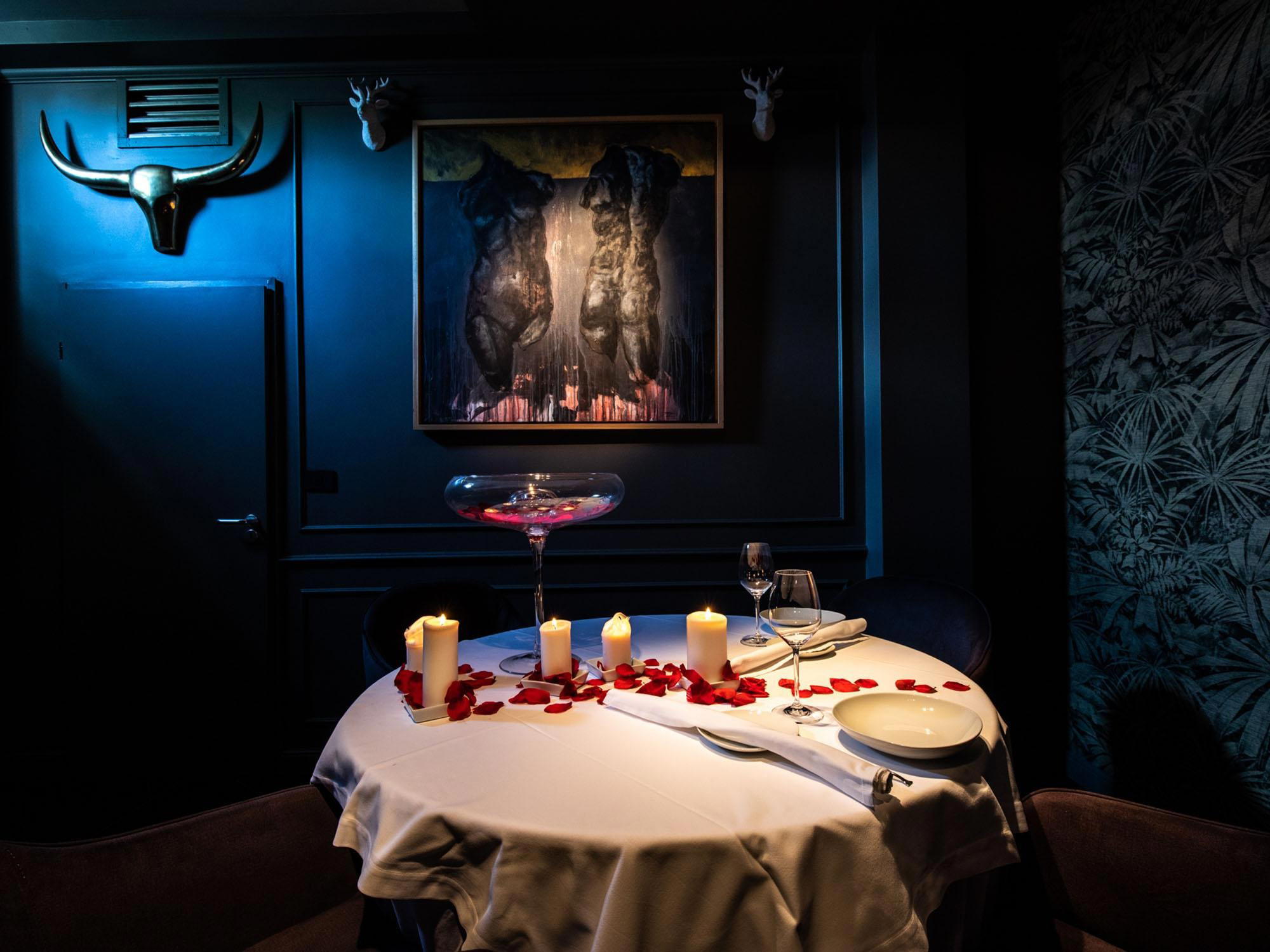
Bars in Gorizia
Browse all →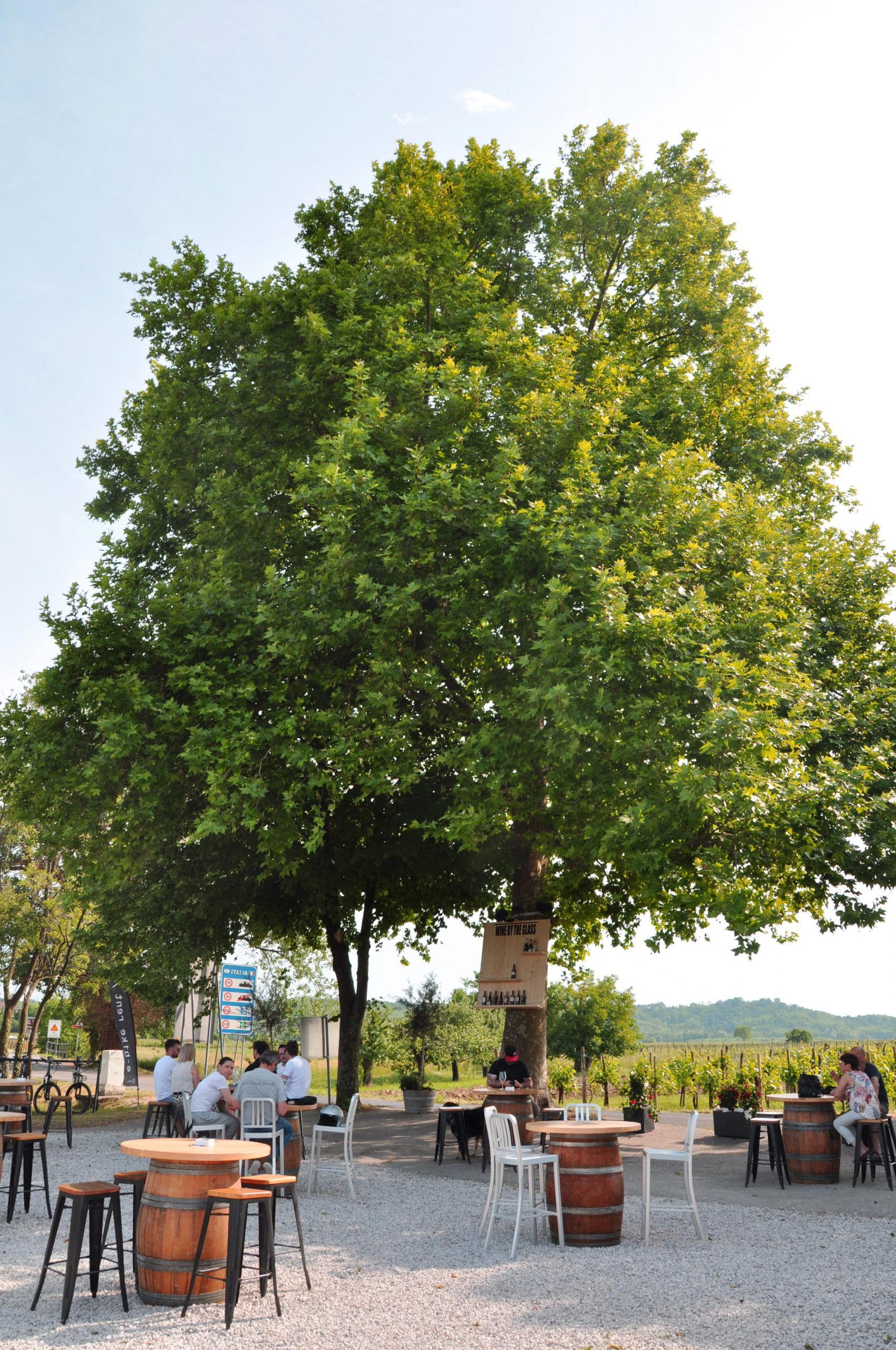
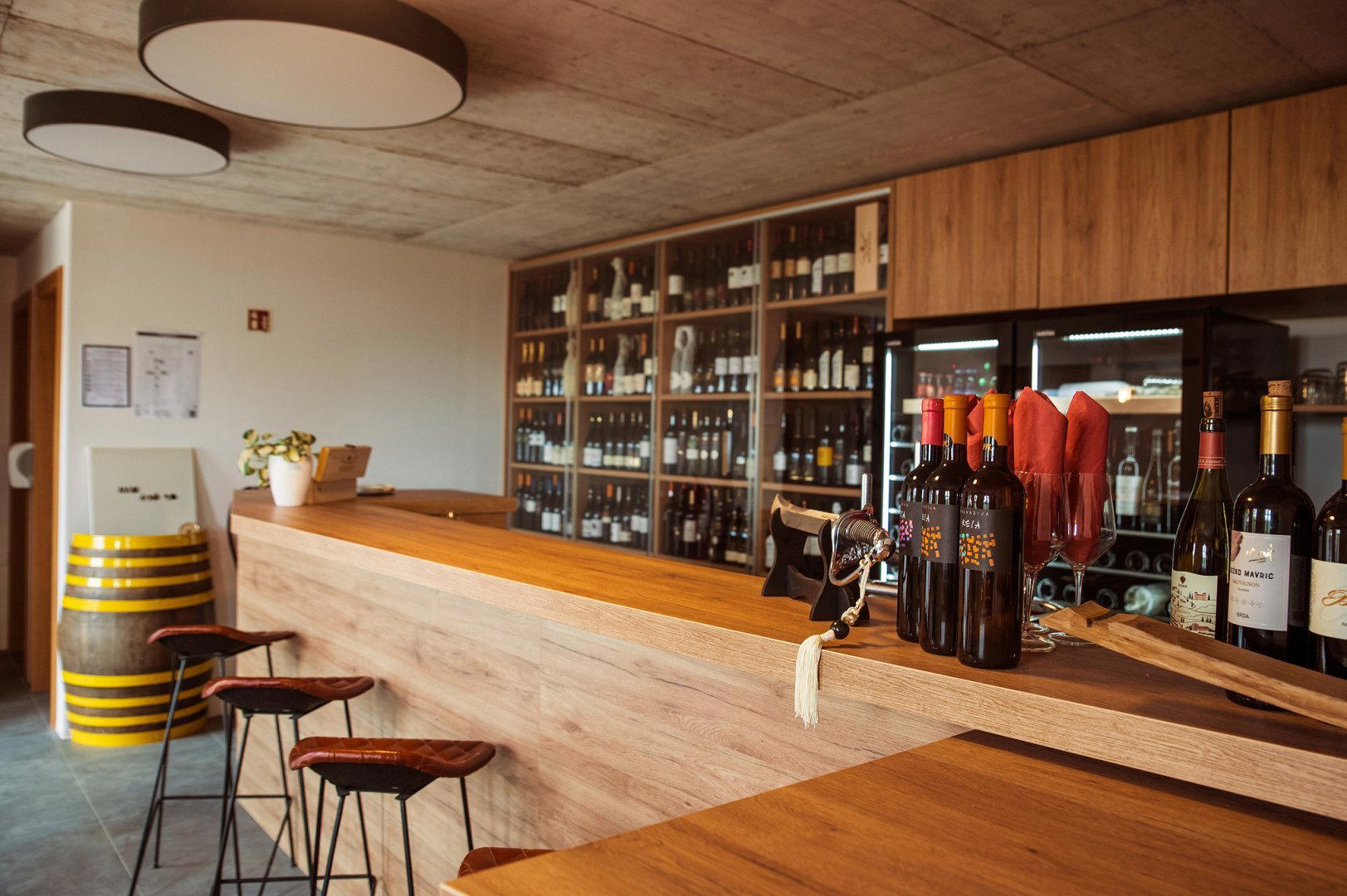
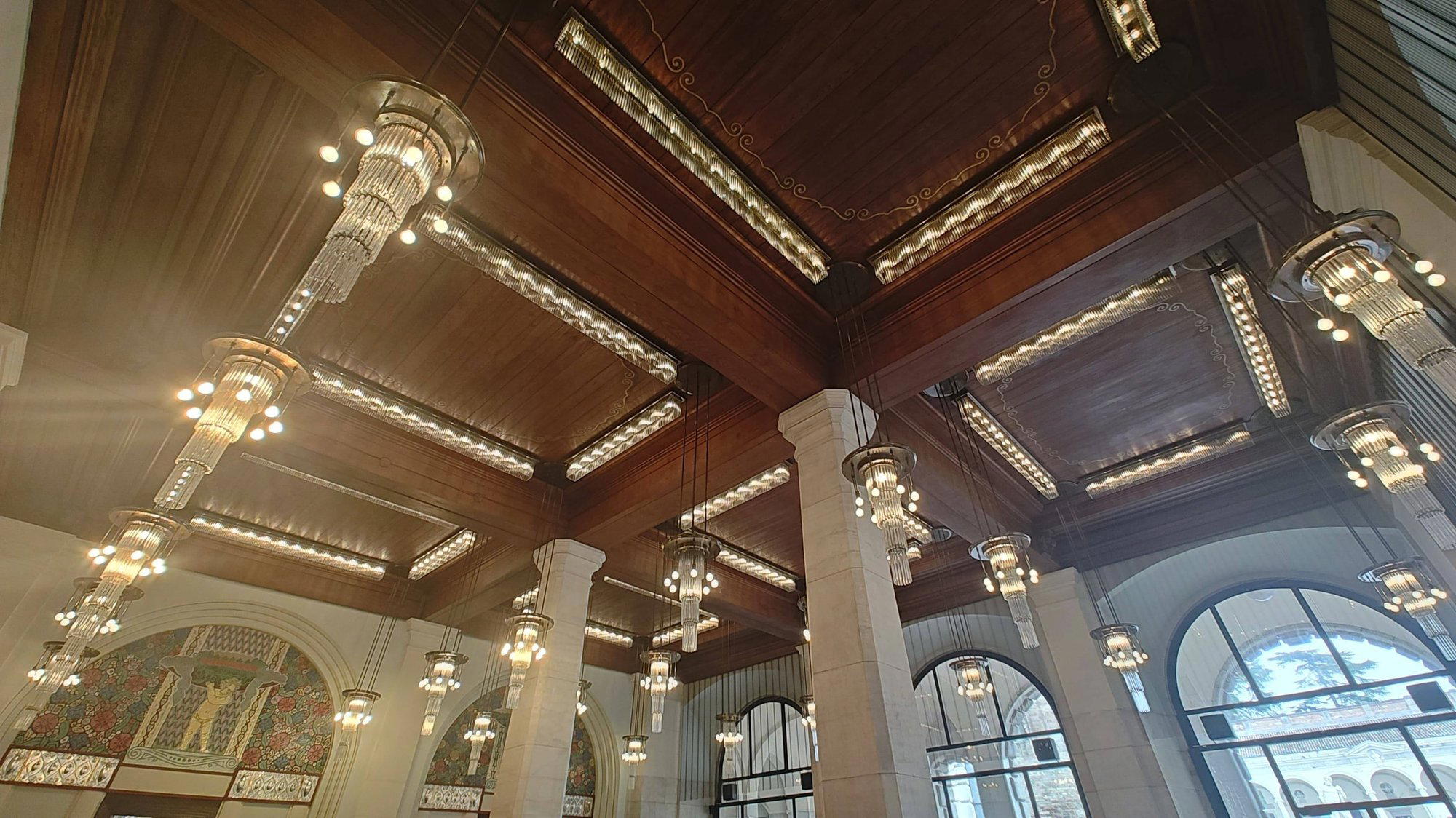
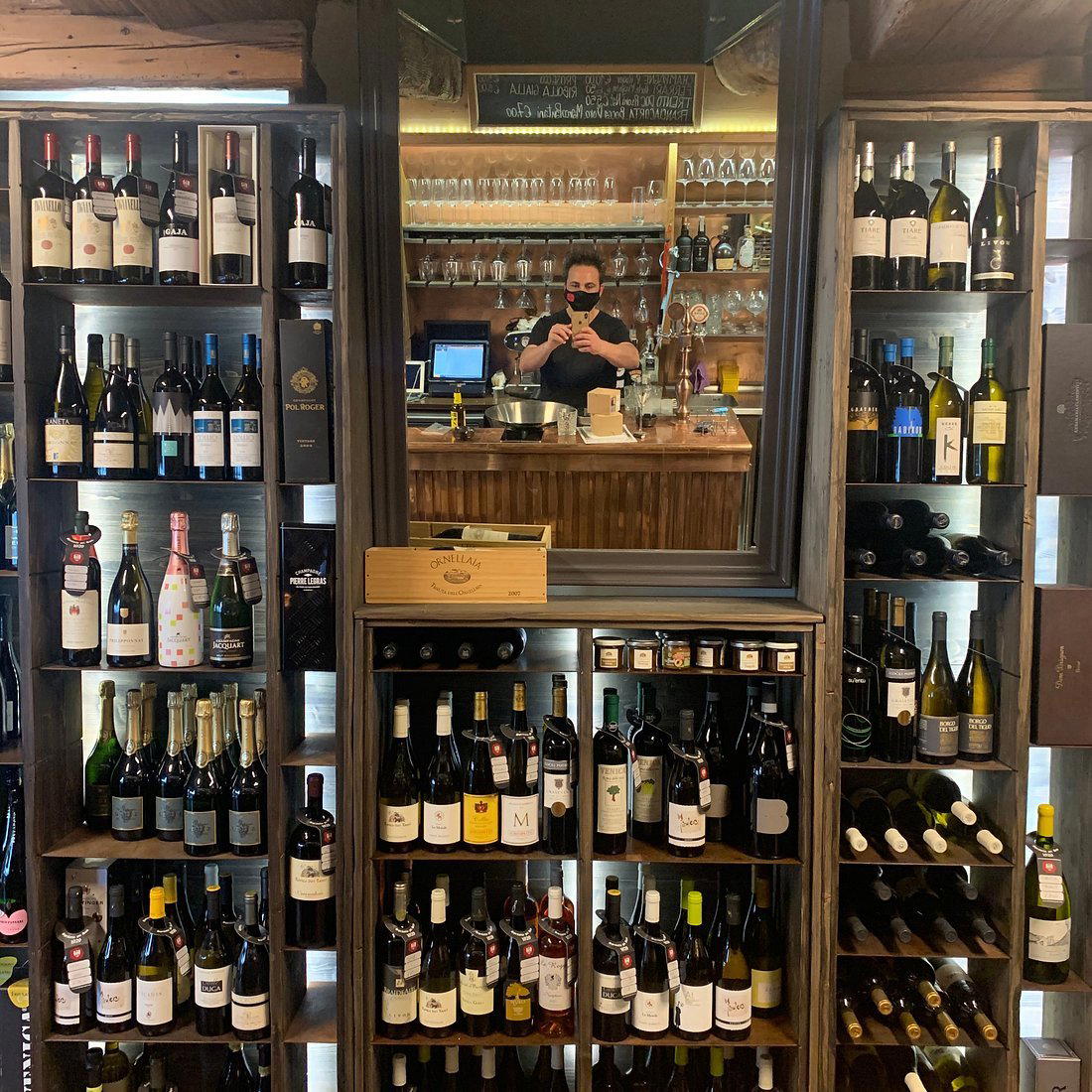
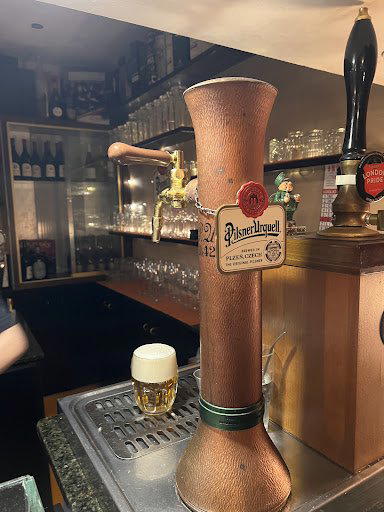
Hotels in Gorizia
Browse all →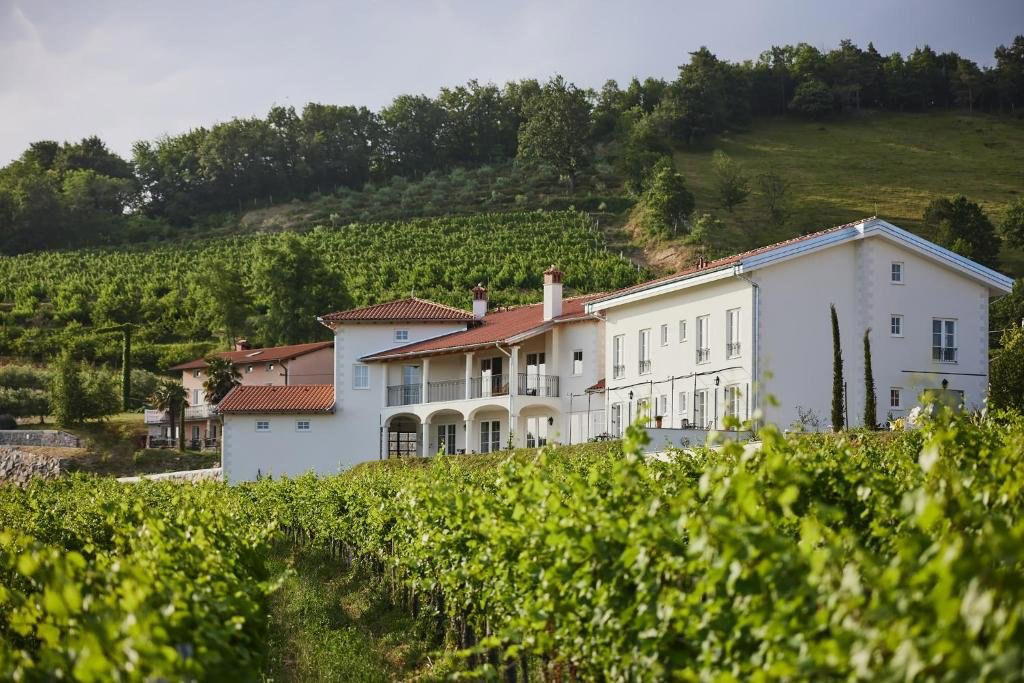
At a Glance
- Cozy
- Rustic
- Intimate
- Historic
- Date Night
- Group Dining
- Special Occasion
- Historic Building
- Extensive Wine List
- Local Sourcing
Current opening hours
- Monday
- Closed
- Tuesday
- Closed
- Wednesday
- 6:30–11 PM
- Thursday
- 11 AM–3 PM, 6:30–11 PM
- Friday
- 11 AM–3 PM, 6:30–11 PM
- Saturday
- 11 AM–3 PM, 6:30–11 PM
- Sunday
- 11 AM–3 PM
Hours can change for holidays and private events. Last verified .
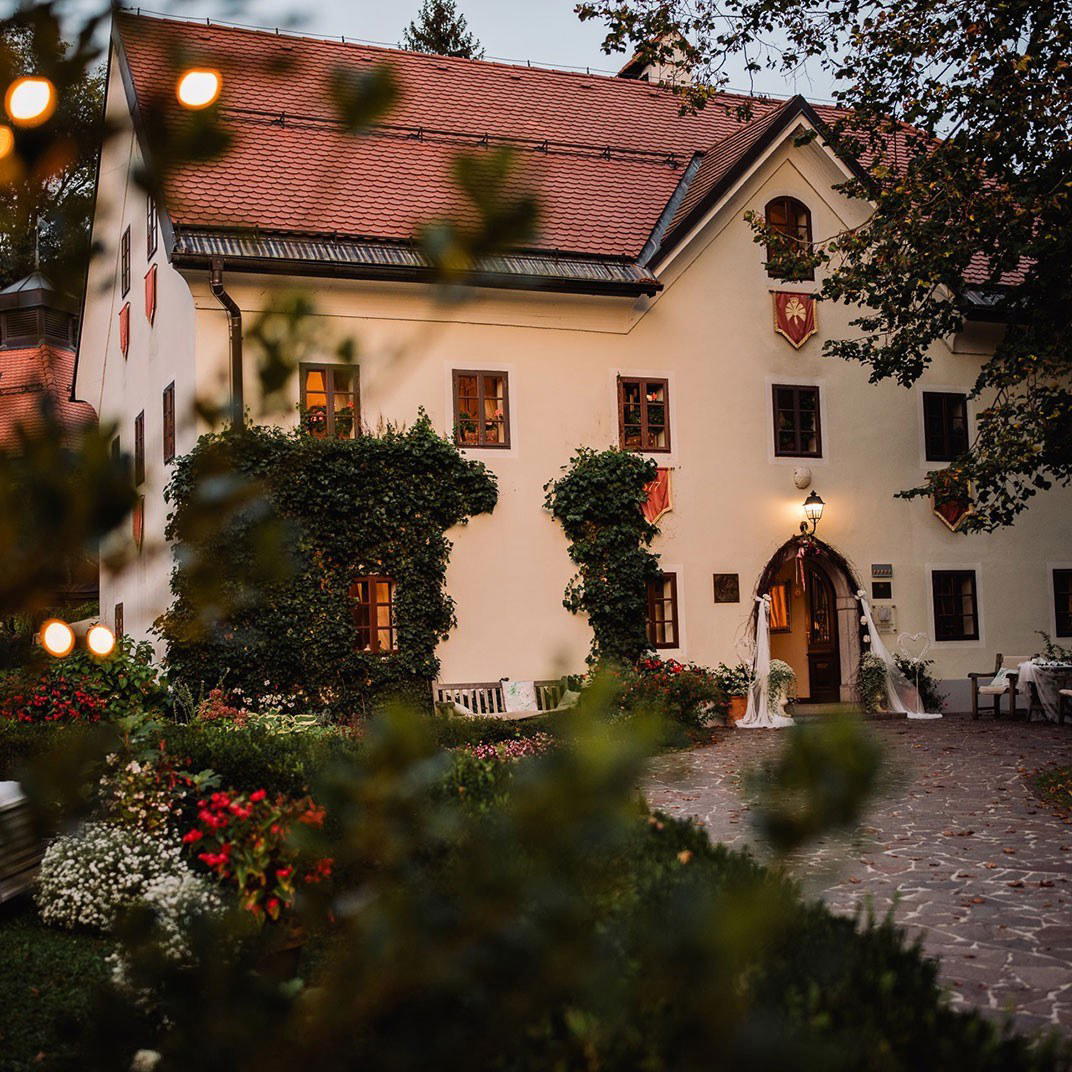
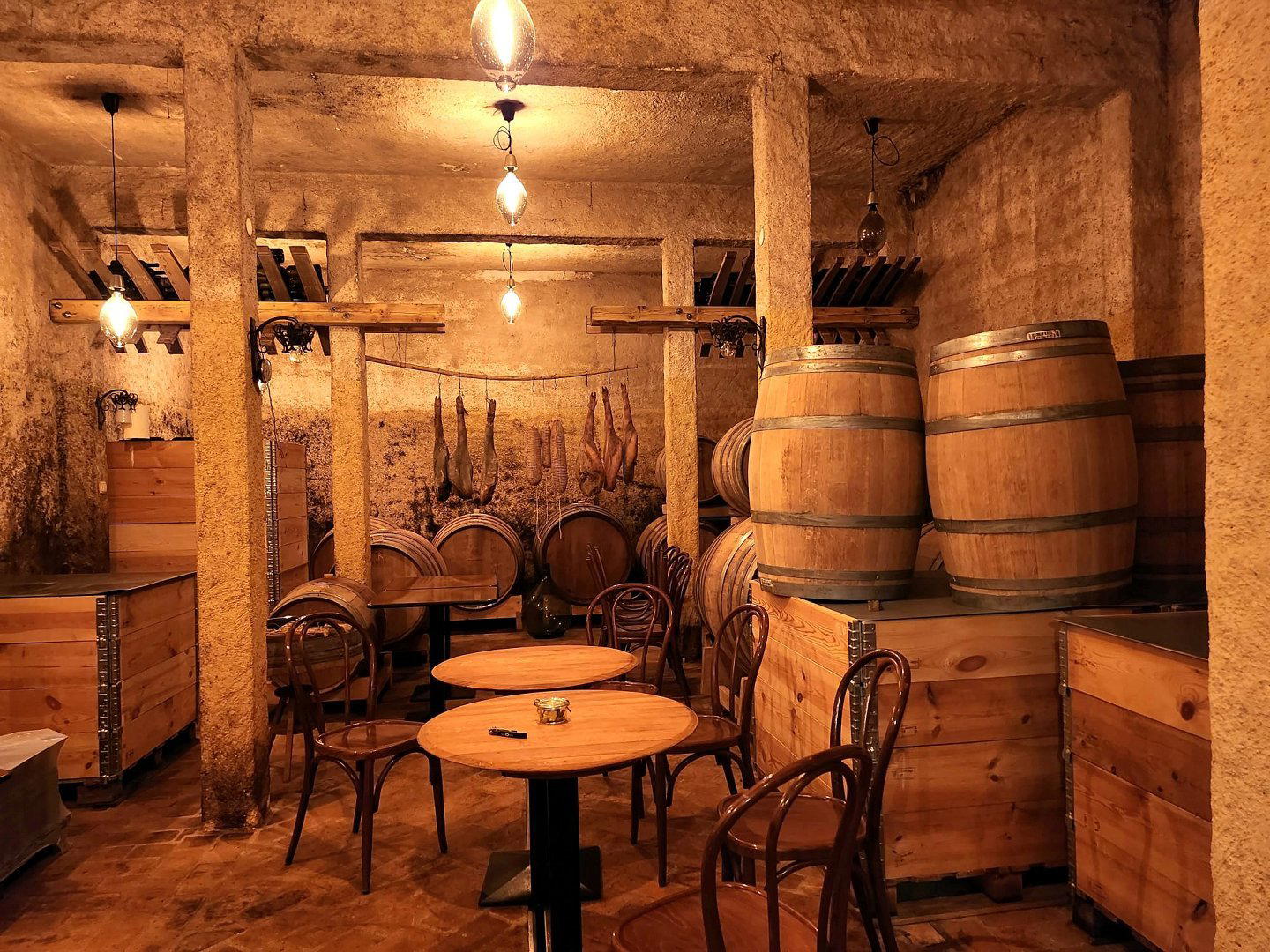
Charming historical ambiance with meticulous details like ambient music, warm lighting from fairy lights, and a fairy-tale-like cozy atmosphere.