On a quiet side street in Budapest's eighth district, Vas Manci occupies a position that places it closer to neighbourhood institution than destination restaurant. Compared to the Michelin-decorated tier represented by Costes or Stand, it operates at a different register: less ceremony, more immediacy. For visitors tracking Budapest's dining scene beyond the fine-dining circuit, it warrants attention.
Pearl is the En Primeur Club membership app — saves, bookings, and concierge access live there. Same editors, same standards.
- Address
- Budapest, Vas u. 3, 1088 Hungary
- Phone
- +36208008953
- Website
- vasmanci.hu
- Directions
- Get directions
 Saves & bookings on Pearl
The Eighth District and What It Means for a Restaurant Like This
Vas Manci is a restaurant in Budapest, at Vas u. 3, 1088 Hungary. The neighbourhood that once marked the edge of the city's serious dining map now sits within reasonable walking distance of the inner-city restaurant belt, close enough to attract curious diners but sufficiently removed to keep rents and expectations at a different pitch. Vas utca, the short street where Vas Manci operates at number three, reflects that in-between quality: not a tourist corridor, not a purely residential backwater, but a working street that happens to contain a restaurant worth finding.
That geographical positioning matters because it shapes the kind of dining experience that makes sense here. Budapest's premium dining tier, represented by addresses like Costes, Stand, and Babel, operates within a framework of ceremony, tasting menus, and wine pairings calibrated for international visitors and special-occasion spend. Vas Manci sits outside that bracket, in a register where the transaction is simpler and the neighbourhood audience carries more weight than the Tripadvisor algorithm.
Sustainability as Operating Logic, Not Marketing
Across European cities, the conversation around sustainable restaurant practice has split into two distinct tracks. The first is performative: printed statements about compostable packaging, a seasonal dish on an otherwise static menu, a chalkboard mentioning a local supplier. The second is structural: kitchens that build their entire procurement logic around what can be sourced within a compressed radius, that design menus around what producers have rather than what a fixed recipe demands, and that treat waste reduction as a cost discipline rather than a branding exercise.
The more credible version of that second track is increasingly visible in cities like Copenhagen, London, and Lyon, where it has moved from niche positioning to mainstream expectation at the mid-tier and above. In Budapest, the conversation is at an earlier stage. The city's fine-dining addresses have begun signalling seasonal sourcing through menu language, and venues like Borkonyha Winekitchen have made Hungarian wine and regional produce a central part of their identity at the €€€ tier. But at street level, in neighbourhood restaurants without a Michelin frame, the practice tends to be quieter and less legible to visitors.
What distinguishes the more serious operators in this space is not the language they use about sustainability but the structural decisions that follow from it: relationships with specific farms rather than wholesale markets, menus that rotate with genuine seasonal pressure, and kitchens that find uses for the whole animal or vegetable rather than the prestige cuts alone. These choices show up in the food as a kind of coherence, a sense that the plate reflects what was actually available rather than what was decided six months ago by a designer.
Where Vas Manci Sits in Budapest's Wider Scene
Budapest's restaurant scene in the mid-2020s is more stratified than it appears from the outside. The Michelin tier, which includes Costes and essência, operates on a different economic and experiential logic from the neighbourhood tier. Between them sits a productive middle ground of restaurants that price somewhere in the €€ to €€€ range and compete on food quality, local credibility, and repeat custom rather than on destination dining credentials.
The restaurant belongs in that middle band. Its address in Józsefváros places it among a cohort of Budapest restaurants that draw more from local professional and student populations than from hotel concierge recommendations. That is not a limitation; it is a quality signal of a different kind. Restaurants that survive and repeat in a neighbourhood audience tend to maintain a consistency that destination-driven venues are not always required to sustain.
For context on what the broader Hungarian scene looks like beyond the capital, the range is considerable. Platán Gourmet in Tata and Pajta in Őriszentpéter represent the serious regional end, where locally sourced produce and smaller-scale production underpin ambitious menus away from the capital's noise. BoriMami in Gyöngyös and Aranysárkány Vendéglő in Szentendre reflect the regional tradition end: cooking that reads as a document of place rather than a departure from it. The restaurant, in its Budapest eighth-district location, sits in an urban version of that same impulse.
How to Approach a Visit
Because the practical approach is to visit directly or contact the restaurant at its Vas utca 3 address in the 1088 postal district. For visitors building a Budapest itinerary around serious eating, it is worth treating the restaurant as a complement to rather than a replacement for the city's more documented dining addresses.
Visitors who want to understand Budapest's mid-tier dining scene more completely should also consider Borkonyha Winekitchen, which at the €€€ tier represents one developed expression of Hungarian wine and seasonal cuisine working in combination. For the upper end of the creative spectrum, Stand and Babel both sit at the €€€€ tier and carry awards recognition that anchors them in the international fine-dining conversation.
For points of international comparison, the structural logic of neighbourhood restaurants that operate on genuine ethical-sourcing principles is visible at different price points globally. Le Bernardin in New York City has long maintained rigorous sourcing standards at the high end of the market. Atomix, also in New York, represents a different approach: a fixed tasting format where every element of the supply chain is treated as part of the editorial statement.
Regional options for those extending beyond Budapest include Forst-Ház Étterem és Kávézó in Eger, Halasi Pince Panzió in Villány, Classic Grill Serbian Restaurant Underground in Szeged, Astro Tea and Kávéház in Győr, La Pizza Del Lupo in Onga, and Almalomb in Hosszúhetény, all of which represent the range of what dining looks like across the Hungarian regions.
Just the Basics
Comparable venues nearby, for context on price, style, and recognition.
| Venue | Cuisine | Price | Notes |
|---|---|---|---|
| Vas ManciThis venue — the venue you are viewing | Pest, Mediterranean Tapas Fusion | $$ | Not listed |
| Vogue Boat Restaurant | Not listed | $$$ | XIII (Angyalföld), Hungarian-Mediterranean Fusion with South Slavic Influences |
| Franziska Pest | Belvaros, Healthy Brunch Cafe | $$ | Not listed |
| Kispiac | Terézváros, Traditional Hungarian Bistro | $$ | Not listed |
| Fortuna | Varhegy, Contemporary Hungarian Bistro | $$ | Not listed |
| Pomodoro | Varhegy, Traditional Italian Trattoria | $$ | Not listed |
Continue exploring
More in Budapest
Restaurants in Budapest
Browse all →
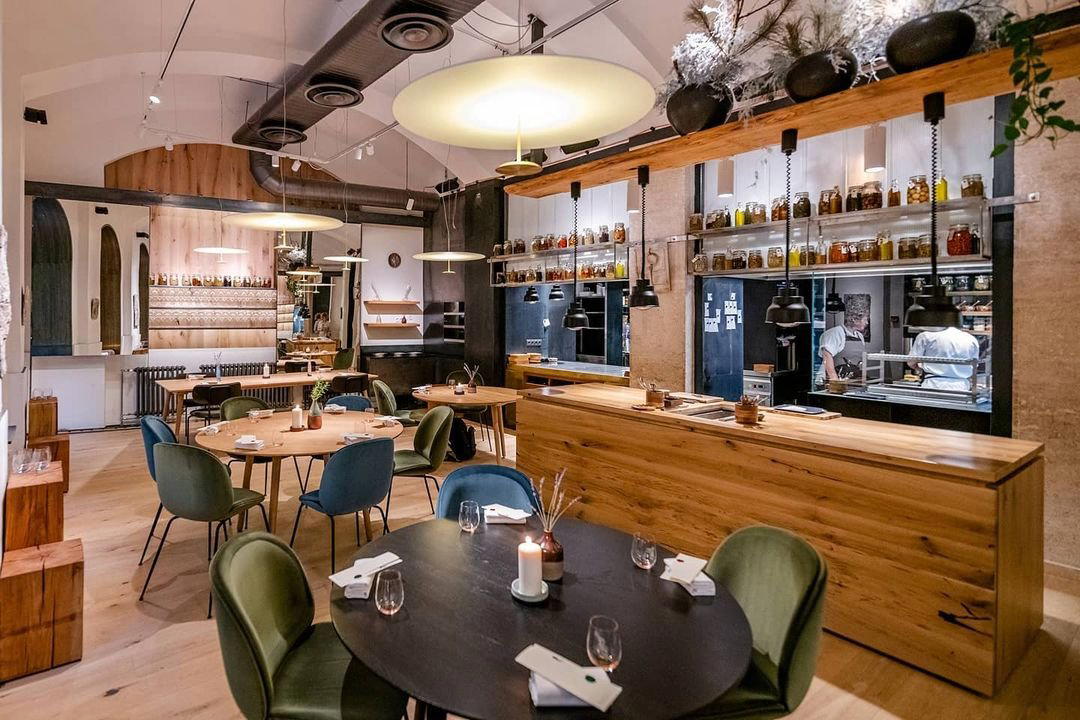
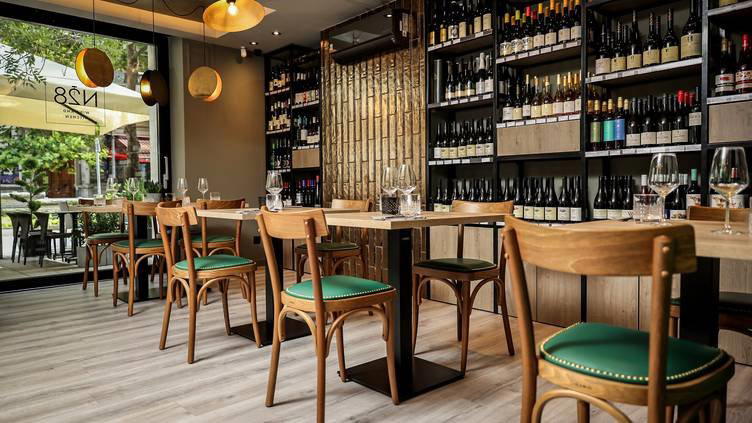
Bars in Budapest
Browse all →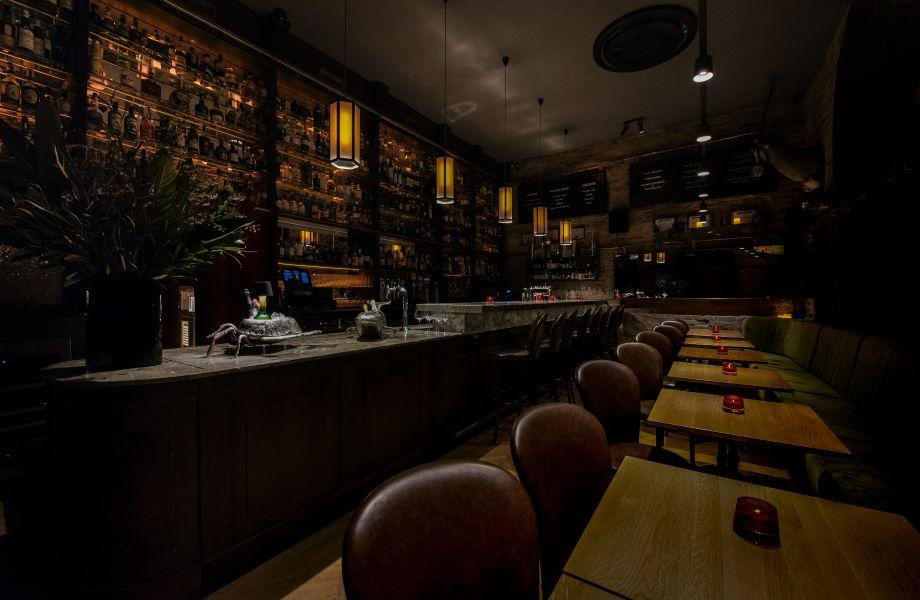
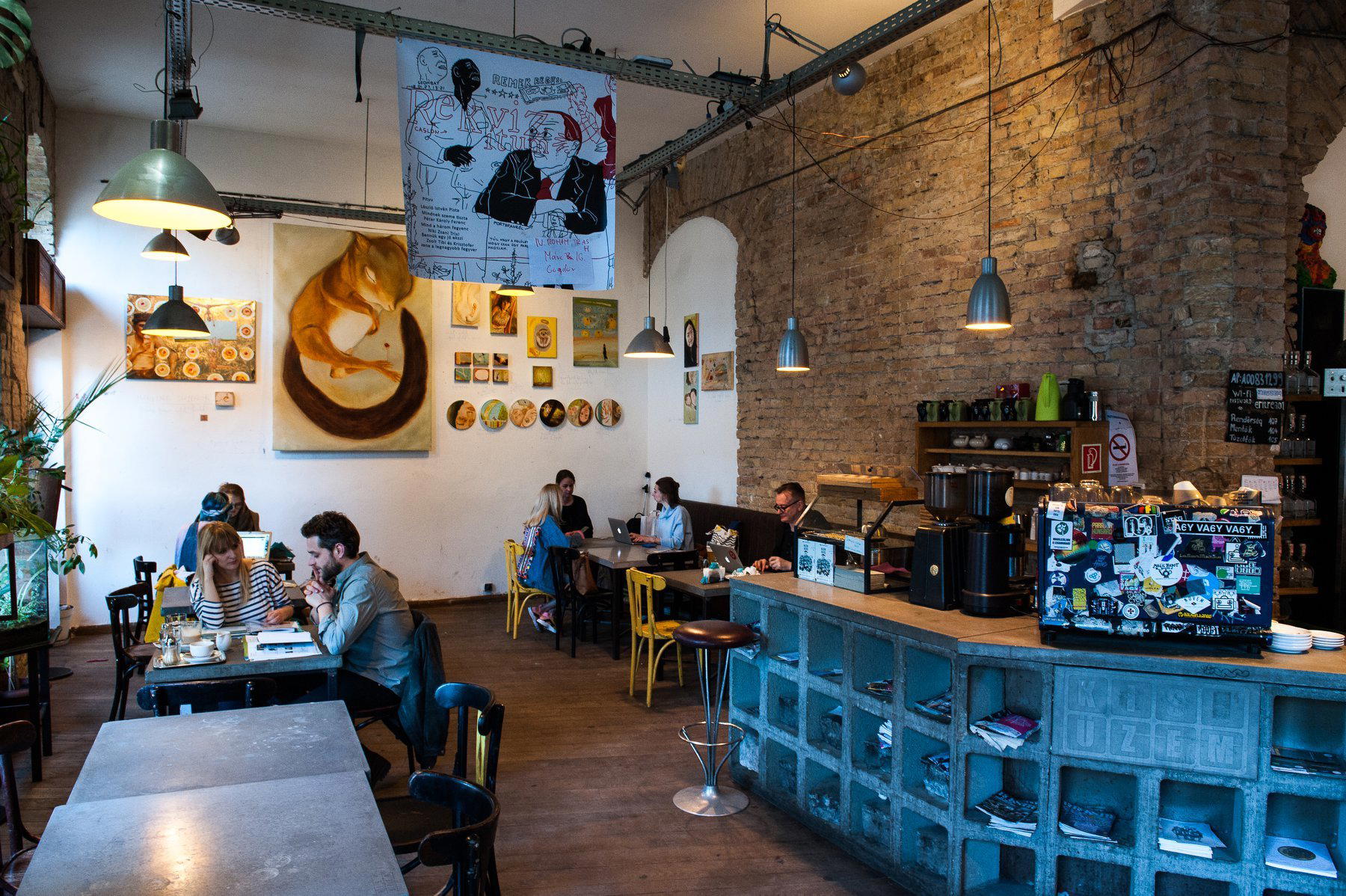
Hotels in Budapest
Browse all →


At a Glance
- Cozy
- Intimate
- Romantic
- Date Night
- Casual Hangout
- Local Sourcing
Current opening hours
- Monday
- 4–10 PM
- Tuesday
- 4–10 PM
- Wednesday
- 4–10 PM
- Thursday
- 4–10 PM
- Friday
- 4–10 PM
- Saturday
- Closed
- Sunday
- Closed
Hours can change for holidays and private events. Last verified .
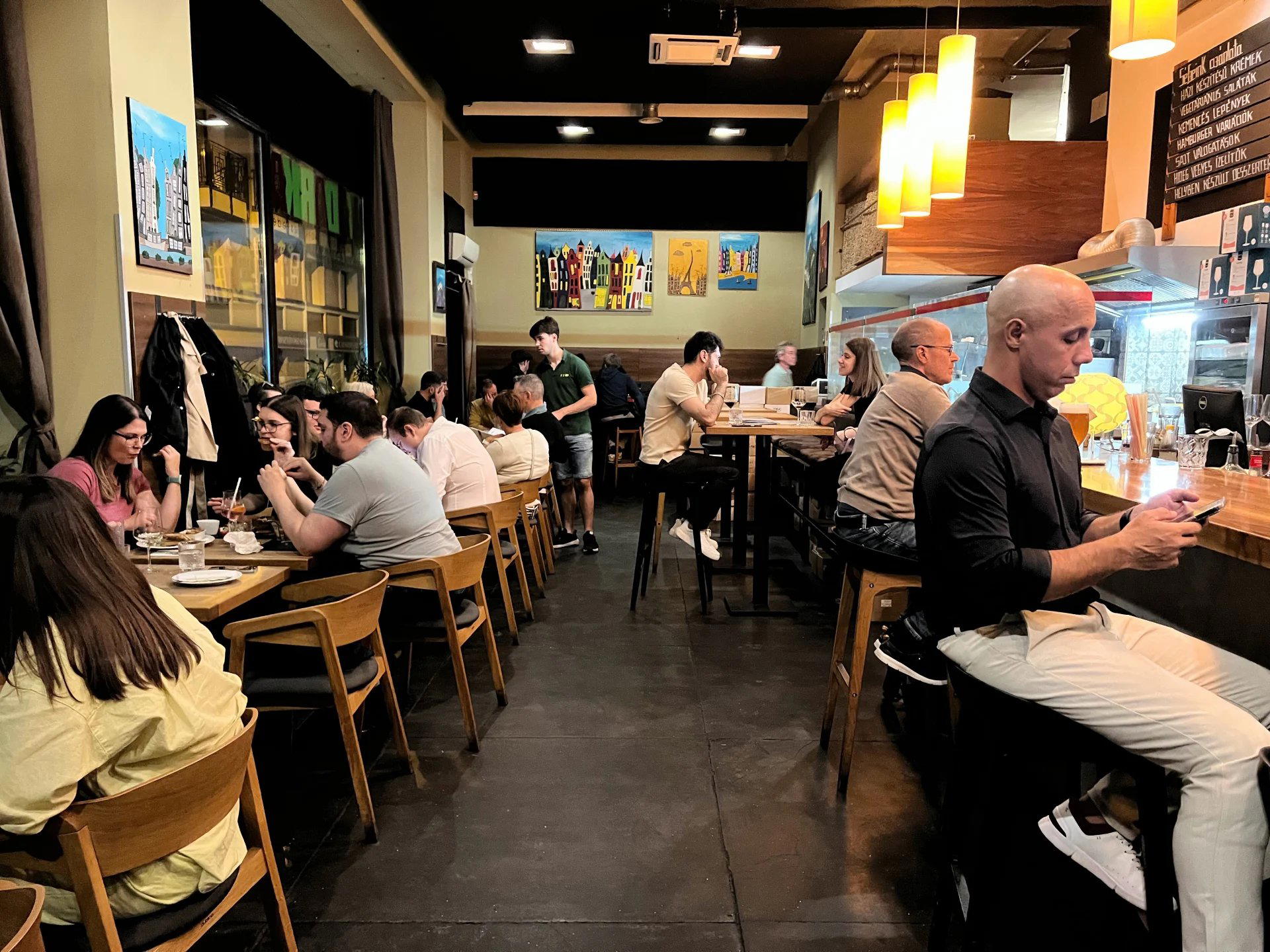
Cozy, calm, and intimate atmosphere with warm lighting well-suited for romantic dinners or small groups.