On Hold utca in Budapest's 5th district, Kispiac operates within a neighbourhood defined by the proximity of the old Belvárosi Market Hall. The kitchen draws on the cadence of Hungarian market cooking, where the meal unfolds in a sequence of locally sourced ingredients and seasonal produce. For visitors working through Budapest's mid-range dining tier, Kispiac offers a grounded alternative to the city's more formal modern Hungarian rooms.
Pearl is the En Primeur Club membership app — saves, bookings, and concierge access live there. Same editors, same standards.
- Address
- Budapest, Hold u. 13, 1054 Hungary
- Phone
- +36304300142
- Website
- kispiacbudapest.hu
- Directions
- Get directions
 Saves & bookings on Pearl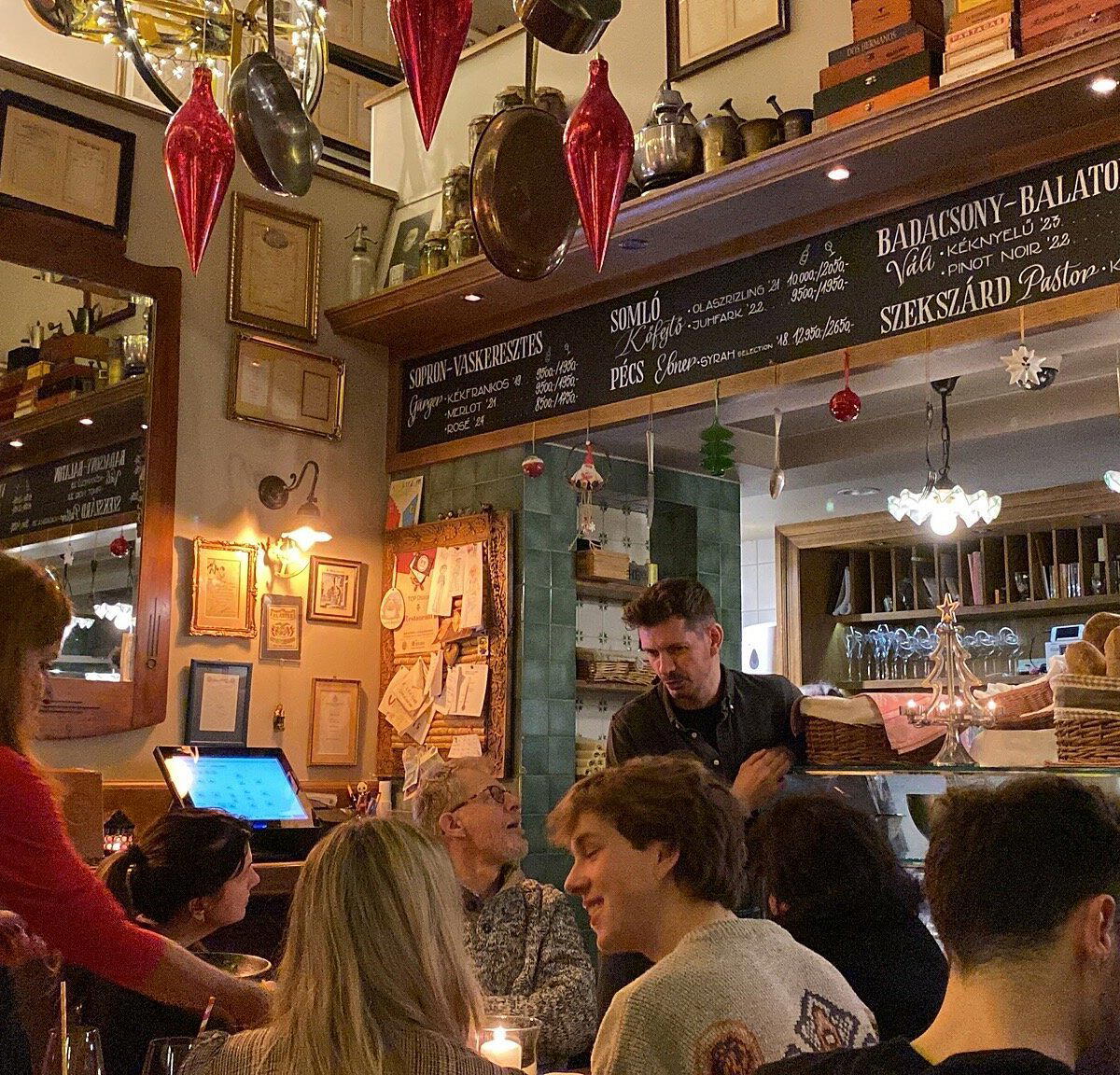
Hold Utca and the Market Hall Tradition
Kispiac is a Traditional Hungarian Bistro in Budapest's 5th district at Hold u. 13, where market-led cooking shapes the menu. The market hall sets a particular tempo: produce arrives daily, menus shift with it, and the meal tends to follow the rhythm of what was leading that morning. Kispiac, at Hold u. 13, sits inside that pattern, taking its cues from the market building a short walk away.
The Hold utca area occupies an interesting middle position in Budapest's dining geography. It is neither the tourist-heavy stretch of the inner Belváros nor the self-consciously creative zone of the 7th district. The neighbourhood draws office workers at lunch, local regulars in the evening, and a smaller number of visitors who have done enough research to know that the interesting eating in any European city tends to cluster around its food markets. That mix produces a room with less performance anxiety than you find at the four-crown tier occupied by Costes or Babel, and more culinary seriousness than the bistro strip near the Chain Bridge.
How the Meal Tends to Move
Market-anchored kitchens in Central Europe share a structural logic: the progression moves from preserved and fermented openers through a heavier middle built on braised or roasted protein, and resolves in something dairy-rich or fruit-forward. Hungarian cooking has always organised itself around this arc, partly because the climate demands it and partly because the peasant larder that underpins the tradition was built for sustenance rather than spectacle. At Kispiac, the expectation is that the meal will follow that inherited sequence rather than subvert it.
That approach places it in a different conversation from Borkonyha Winekitchen, where the wine list drives the sequencing, or from essência, where the tasting menu imposes its own narrative. The cooking here is closer in spirit to what you find at market-adjacent restaurants across the region: the progression is implicit rather than engineered, driven by what came in fresh rather than by a chef's designed arc. That is not a criticism. Particularly satisfying meals in Central Europe follow exactly this unrehearsed logic.
Seasonality operates differently in Hungary than it does in, say, Scandinavia, where the short growing season has become a marketing proposition in itself. Hungarian market cooking treats seasonality as a given rather than a concept to communicate. Summer brings paprika in its many forms, stone fruit, and freshwater fish from the Tisza and Balaton. Autumn pushes toward game, dried pulses, and the fermenting traditions that carry flavour through winter. A meal at Kispiac in October reads differently from one in June, and that variance is the point.
Where Kispiac Sits in Budapest's Dining Tiers
Budapest's restaurant sector has stratified sharply in the past decade. At the leading, a cluster of fine-dining rooms competes for Michelin recognition and international press attention. Below that sits a more interesting and less discussed middle tier: restaurants that cook seriously without the ceremony of a tasting menu or the pricing of a trophy table. Kispiac occupies this middle ground, alongside places like Stand25 Bisztró at the accessible end and Bilanx at the contemporary end of the same bracket.
For a visitor building a week's eating in Budapest, the city's Michelin-recognised rooms deserve at least one visit. Stand and Babel represent the formal Hungarian modern kitchen at its most polished. But a diet of four-crown restaurants across seven nights flattens the picture of what the city actually eats. Kispiac fills a different slot: the meal you want after two days of structured tasting menus, when you want Hungarian cooking without the architecture around it.
That positioning also makes it relevant to visitors exploring the wider country. Hungary's regional dining scene has been developing steadily, with kitchens like Platán Gourmet in Tata and Pajta in Őriszentpéter representing serious cooking outside the capital. Kispiac fits the Budapest end of that regional picture: a city restaurant that maintains the market-to-table logic you find more readily in smaller towns.
Planning a Visit
Hold utca is accessible on foot from most of the 5th district's central hotels and a short tram or metro ride from the 7th district accommodation cluster. The Belvárosi Piac is worth visiting before lunch if the timing works; understanding what the market carries contextualises what kitchens in its orbit are likely to do with it that day. Reservations for dinner are advisable, particularly from Thursday through Saturday when the neighbourhood draws a stronger local crowd. Lunch service tends to be less pressured and is often where market-led kitchens show their most relaxed and direct cooking.
Visitors with time to extend beyond Budapest will find a different register of Hungarian hospitality at Aranysárkány Vendéglő in Szentendre, a short HÉV ride north, or at BoriMami in Gyöngyös, which applies a similar market logic in a wine-producing town. For those heading to the wine regions, Halasi Pince Panzió in Villány pairs the table with a cellar in a way Budapest restaurants cannot replicate. Closer to the capital, Forst-Ház Étterem és Kávézó in Eger offers a useful reference point for comparing how the same Central European seasonal logic plays out in a smaller city. For broader reference points outside Hungary, the tasting-progression approach finds its most rigorous expression in rooms like Atomix in New York City, where the sequencing is architected to the minute, and its most classical form at Le Bernardin in New York City, where course order has been refined over decades. Kispiac operates far closer to the instinctive end of that spectrum.
Standing Among Peers
Comparable venues nearby, for context on price, style, and recognition.
| Venue | Cuisine | Price | Notes |
|---|---|---|---|
| KispiacThis venue — the venue you are viewing | Traditional Hungarian Bistro | $$ | Not listed |
| Macesz Bistro | Jewish-Hungarian Fusion Bistro | $$ | Belvaros |
| Franziska Buda | Healthy Cafe Breakfast & Brunch | $$ | Varhegy |
| Fortuna | Contemporary Hungarian Bistro | $$ | Varhegy |
| Remiz | Traditional Hungarian Gourmet | $$ | Huvosvolgy |
| Déryné | Modern Hungarian Bistro with French Influences | $$$ | Krisztina körút |
Continue exploring
More in Budapest
Restaurants in Budapest
Browse all →
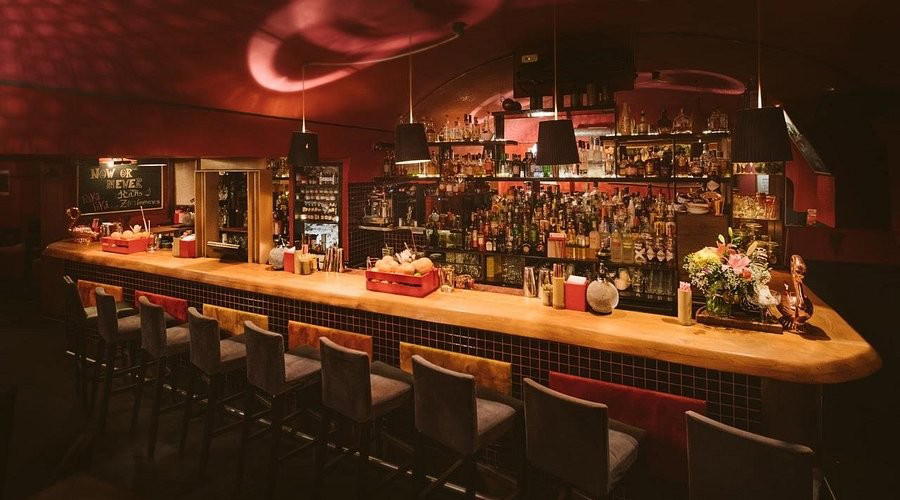
Bars in Budapest
Browse all →


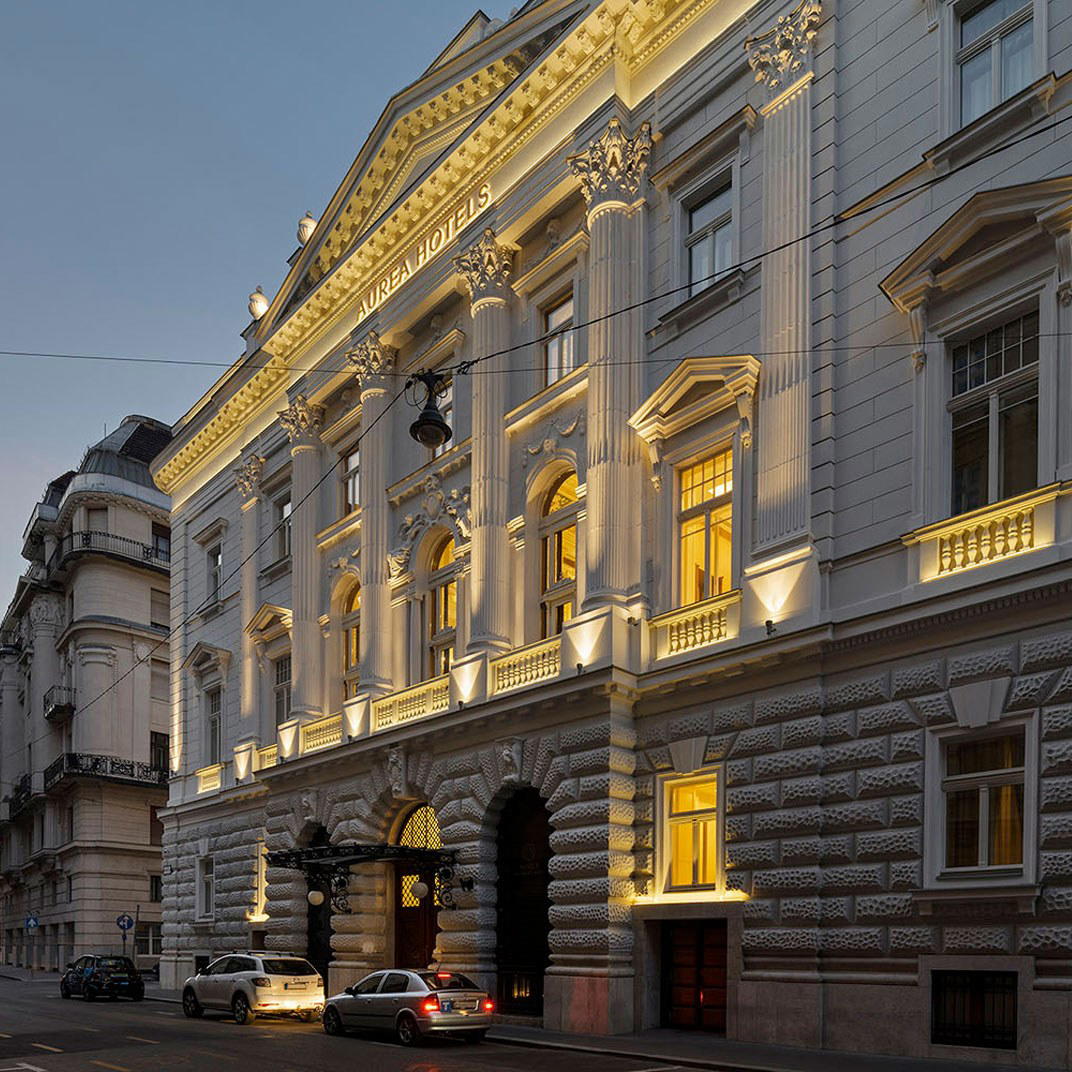
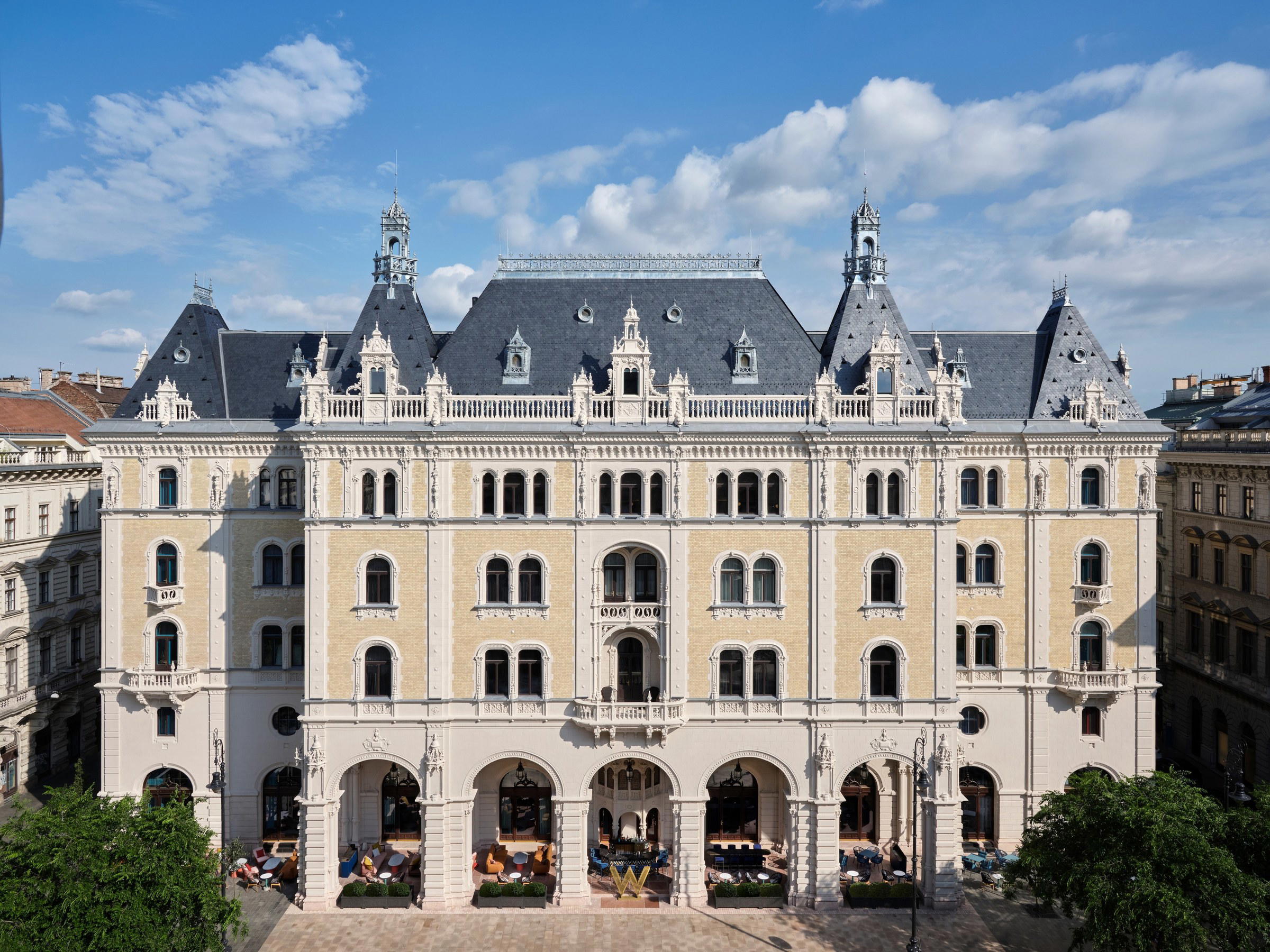
Hotels in Budapest
Browse all →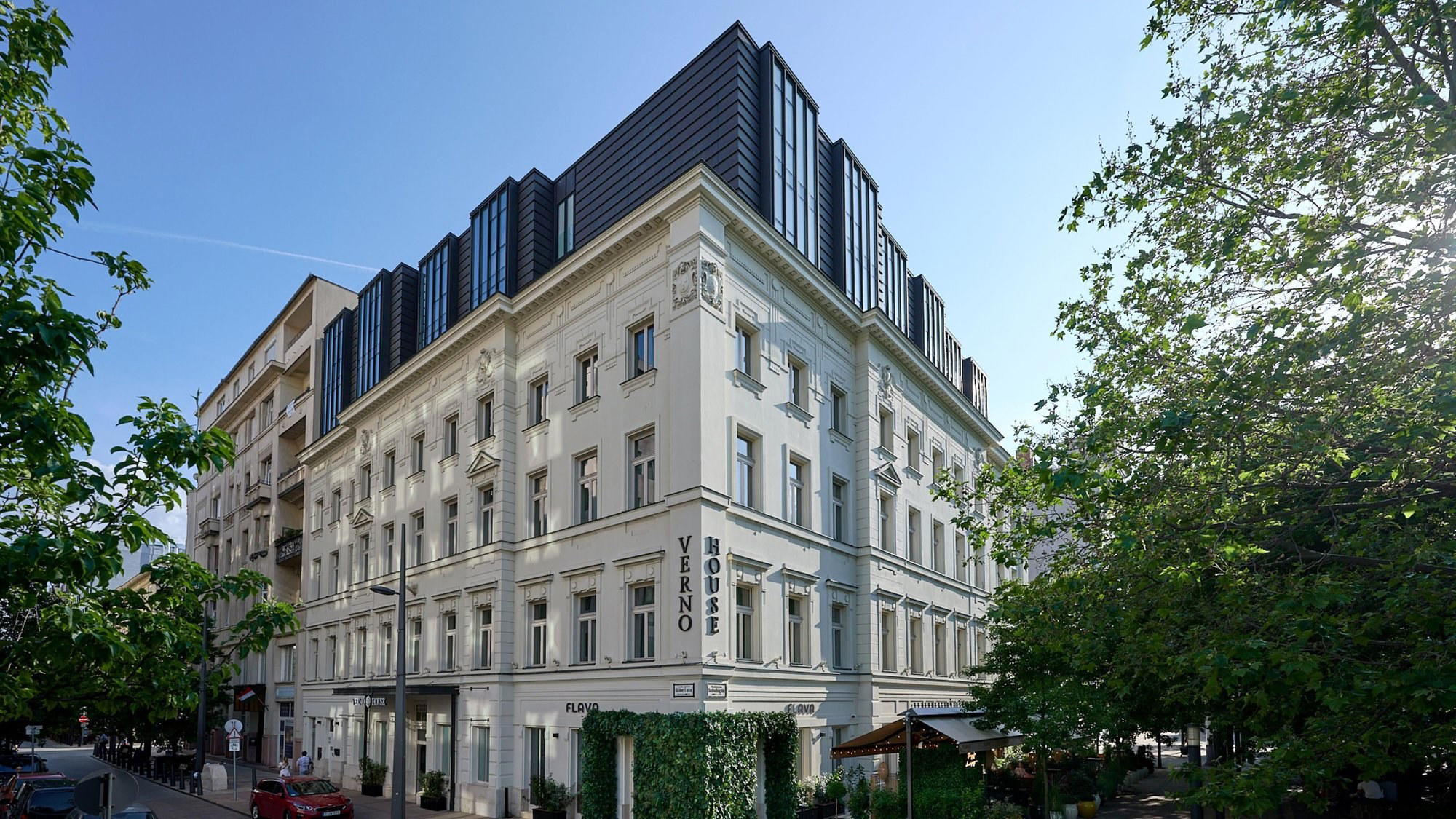

At a Glance
- Cozy
- Intimate
- Classic
- Date Night
- Casual Hangout
- Open Kitchen
Current opening hours
- Monday
- Closed
- Tuesday
- 12–10 PM
- Wednesday
- 12–10 PM
- Thursday
- 12–10 PM
- Friday
- 12–10 PM
- Saturday
- 12–10 PM
- Sunday
- Closed
Hours can change for holidays and private events. Last verified .
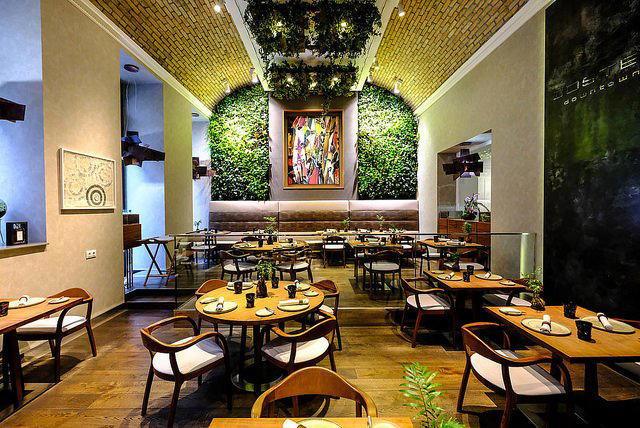
Cozy and intimate with warm, welcoming atmosphere, open kitchen, and attentive service creating a homey, living-room feel.