A lively selection of appetisers pairs with sake.
 Discover on Pearl
Pearl is the En Primeur Club membership app — saves, bookings, and concierge access live there. Same editors, same standards.
- Address
- Japan, 〒541-0053 Osaka, Chuo Ward, Honmachi, 3 Chome−2−1 カレー屋本舗カサ・デューク 2F
- Phone
- +81662818322
- Website
- ututuyo.jp
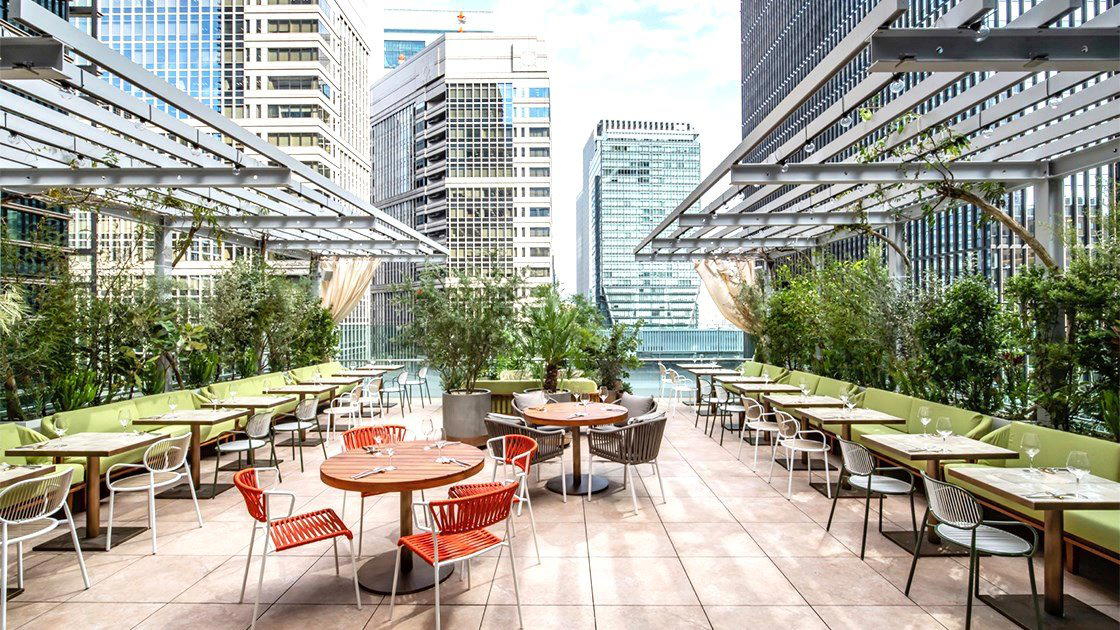
Honmachi, Chuo Ward: Where Osaka's Commercial Core Meets Considered Dining
The Honmachi district sits at the functional heart of Osaka's business infrastructure, a grid of mid-rise offices and transit corridors that, on first pass, reads more as a place people move through than linger in. Yet the neighbourhood has quietly accumulated a tier of restaurants that operate at a remove from the tourist circuits of Dotonbori and Namba. Utsutsuyo is a seasonal Japanese izakaya with sake pairings in Honmachi, Osaka, priced at about $80 per person. It occupies a floor of a building on Honmachi 3-chome, a location that rewards those who look beyond the obvious postcard districts for their dining. In a city where serious eating rarely announces itself loudly, this kind of address is entirely consistent with the broader pattern.
Sustainability as Operating Logic, Not Marketing
Across Japan's more considered restaurant scene, sustainability has shifted from a positioning choice to a structural one. The question is no longer whether a kitchen cares about sourcing, but how deeply that care is embedded into daily operations: procurement cycles, menu flexibility, waste handling, and the relationships maintained with producers over seasons rather than invoices. Osaka, as a city with deep historical ties to merchant culture and ingredient commerce, has a food tradition that predates the word sustainability but reflects many of its principles. The old Osaka concept of mottainai (a regret over waste) is not a contemporary import; it runs through the culture's relationship with food at a structural level.
Restaurants positioned within this tradition tend to build menus around what is available and appropriate rather than what is specifiable months in advance. That approach changes the rhythm of service, the flexibility expected of the kitchen, and the kind of relationship a diner should bring to the table. Proximity to Kuromon Ichiba and the broader network of Osaka's wholesale markets means that sourcing decisions can be made on tighter timescales than in many other cities, enabling a responsiveness that aligns with reduced waste and seasonal integrity. Utsutsuyo, located within this commercial and culinary geography, sits inside that broader operating logic.
The Chuo Ward Dining Tier: Comparative Context
Chuo Ward contains some of Osaka's most recognised addresses. HAJIME in Osaka operates at the three-Michelin-star level and has been a reference point for the city's haute cuisine conversation for over a decade. Ajikitcho Bunbuan and Aka to Shiro represent the ward's depth across kaiseki and modern Japanese formats. What this concentration demonstrates is that Chuo Ward has attracted a sustained critical mass of serious cooking, with enough variety in price tier, format, and culinary tradition to function as a destination in its own right rather than as a spillover from the more tourist-dense southern neighbourhoods.
Within that competitive set, restaurants without extended public records tend to operate at a format and scale where word-of-mouth and reservation-based discovery carry more weight than press visibility. This is a recognisable pattern across Japan's more intimate dining tier: the absence of a prominent digital footprint often signals a deliberate calibration toward a specific, local-leaning guest profile rather than international walk-in traffic.
Osaka Against the Wider Kansai and National Frame
Osaka's dining culture operates in productive tension with Kyoto. Where Kyoto kaiseki tends toward ceremony and restraint built over centuries of court influence, Osaka's food tradition is more mercantile, more generous in portion logic, and more willing to absorb influences from street-level and working-class food culture. Gion Sasaki in Kyoto illustrates that Kyoto paradigm clearly. Osaka answers with a different register: a city that produced takoyaki and kushikatsu but also some of Japan's most technically demanding kaiseki. The two traditions are not in opposition; they are different expressions of a shared regional ingredient base, separated by philosophy rather than distance.
Nationally, the comparison extends further. Harutaka in Tokyo operates in the capital's densely competitive omakase tier. Goh in Fukuoka reflects that city's tighter, producer-connected dining scene. akordu in Nara brings a European-inflected approach to a historically Japanese context. Each of these operations exists within a distinct culinary geography, and Osaka's own scene is best understood as one articulation among several rather than a hierarchy. For diners building a broader Japan itinerary, addresses like Ajihei Sonezaki, Az, and Calendrier offer entry points into the range of what Osaka's current dining moment can deliver.
Beyond Osaka, operations in less-trafficked regions of Japan often embed sustainability most deeply precisely because supply chain alternatives are fewer and producer relationships more direct. 一本木 奈加川制 in Nanao, 琵琶湖荘 in Takashima, and 庄羽屋 in Nishikawa Machi each operate in contexts where sourcing from immediate geography is less a positioning choice than a practical necessity, and that necessity often produces the clearest expression of what Japanese food at its most grounded actually looks like.
Planning a Visit: Practical Orientation
Honmachi station, served by the Midosuji and Chuo subway lines, places the address within direct reach of central Osaka. The building on 3-chome-2-1 is accessible on foot from the station in a few minutes. For international travellers, Osaka operates well as a base for day trips to Kyoto, Nara, and Kobe, meaning a dining schedule in the city can be combined with broader Kansai exploration. Diners planning to visit Utsutsuyo should note that reservation access for smaller Osaka restaurants typically requires either a hotel concierge with established contacts or direct outreach in Japanese. Advance planning is prudent.
For those comparing Osaka's offer against international reference points, Atomix in New York City provides an instructive contrast: a Korean fine dining operation that has built a rigorous sourcing and tasting format within a Western metropolitan context, demonstrating that the principles underlying considered Japanese dining translate, with adaptation, across culinary cultures. Le Bernardin in New York City similarly shows how sustained sourcing discipline at the highest end of a competitive market functions less as a story told to guests and more as an operational framework that quietly shapes everything on the plate.
A Minimal comparable set
Comparable venues nearby, for context on price, style, and recognition.
| Venue | Cuisine | Price | Notes |
|---|---|---|---|
| UtsutsuyoThis venue — the venue you are viewing | $$$ | ||
| 片町 川口 | Miyakojima, japanese | $$$ | |
| Hachi | $$$ | Tennōji, Binchōtan-Grilled Japanese Fine Dining | |
| Teppanyaki THE VILLAGE OSAKA | Fukushima, Teppanyaki | $$$ | |
| Moeyo Mensuke Ramen | Fukushima, Duck & Shellfish Ramen | $$ | |
| 太庵 | Chūō, Traditional Kaiseki | $$$$ |
Continue exploring
More in Osaka Shi
Restaurants in Osaka Shi
Browse all →

Bars in Osaka Shi
Browse all →
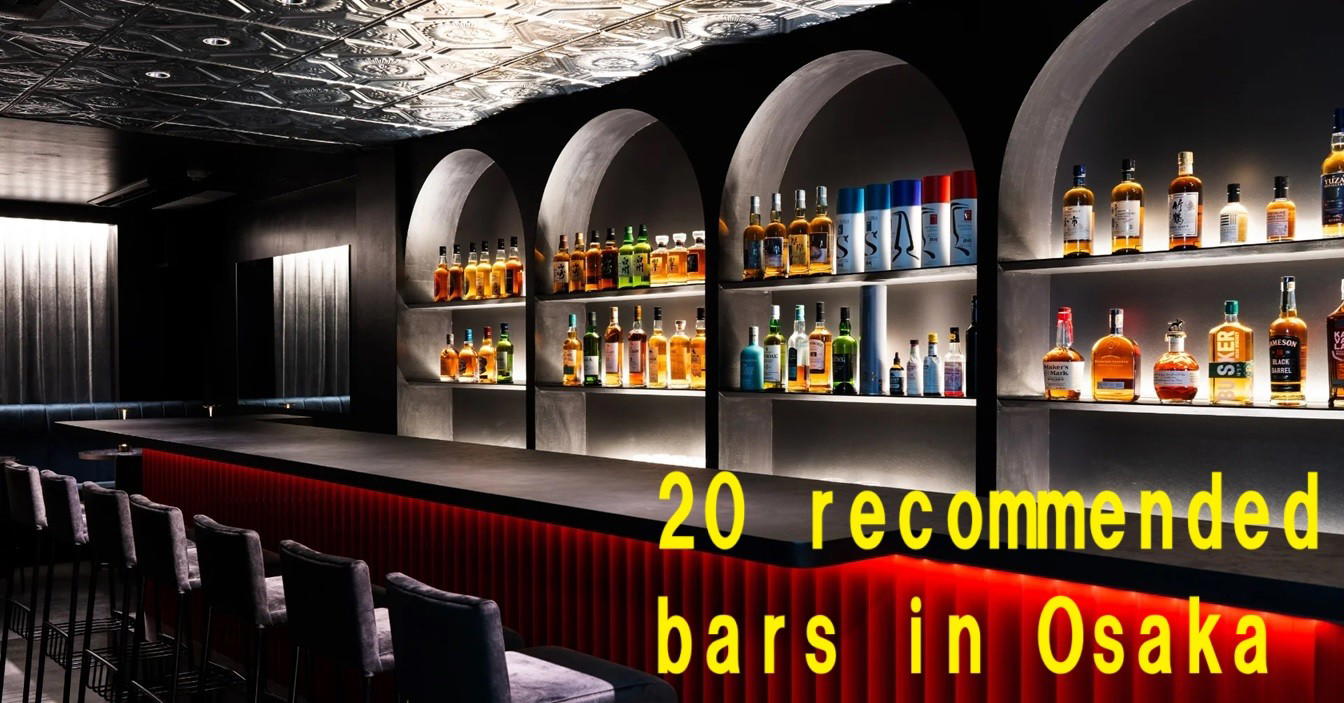
Hotels in Osaka Shi
Browse all →
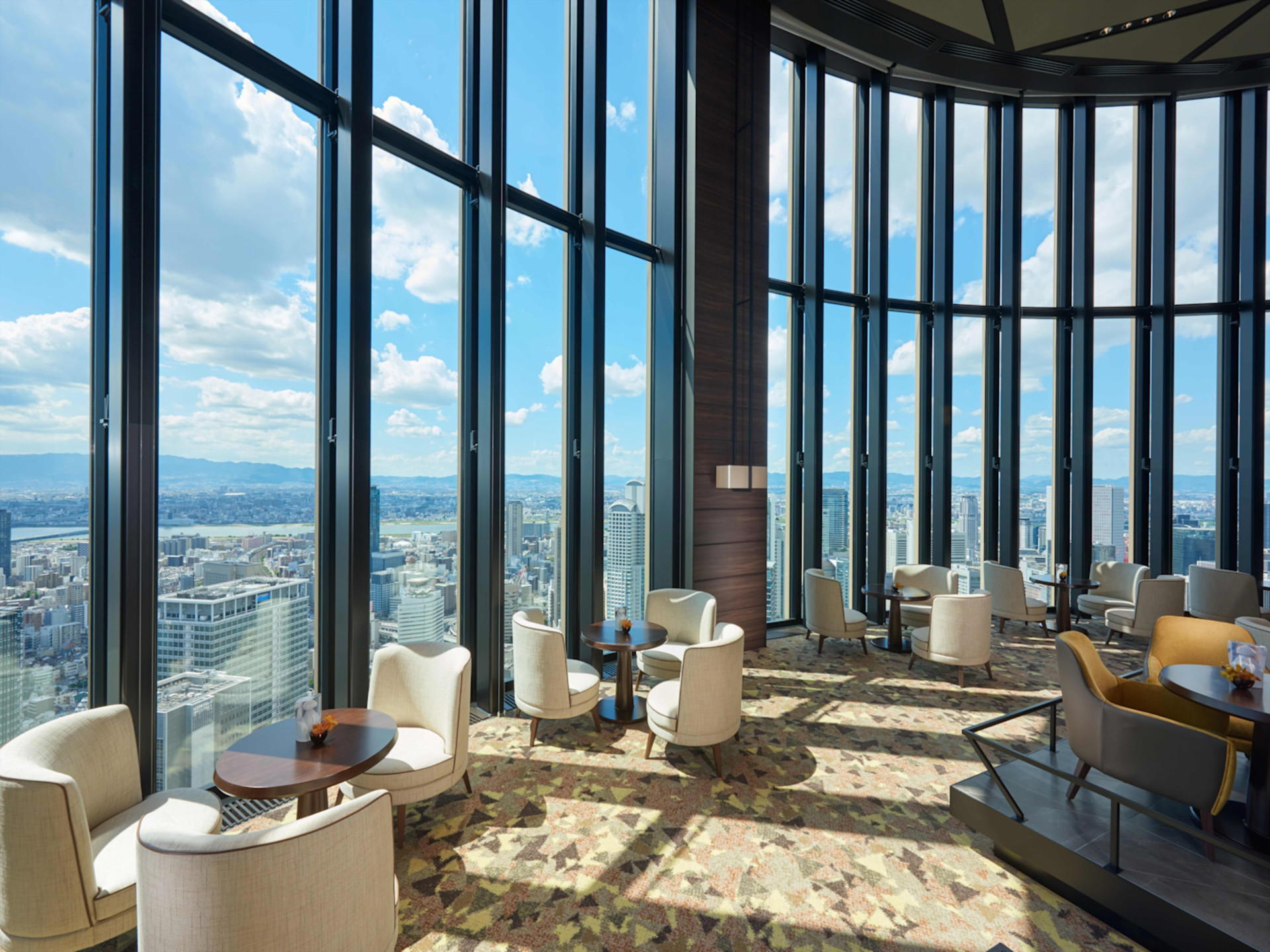


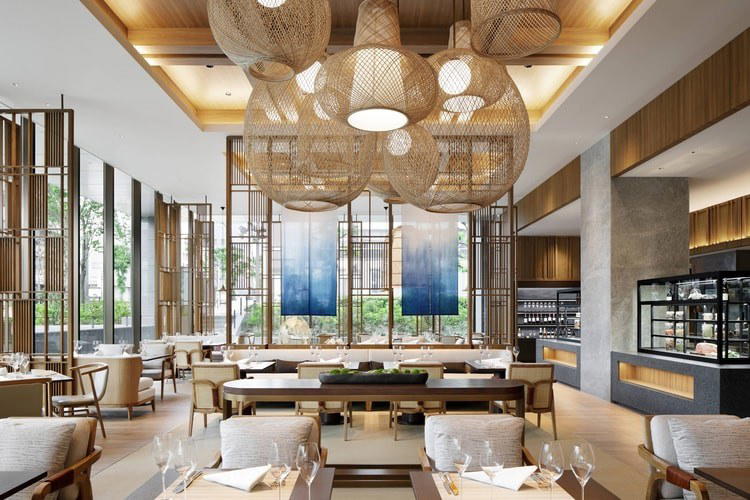
Wineries in Osaka Shi
Browse all →
At a Glance
- Cozy
- Intimate
- Hidden Gem
- Elegant
- Date Night
- Solo
- Special Occasion
- Open Kitchen
- Sake Program
- Sommelier Led
- Local Sourcing
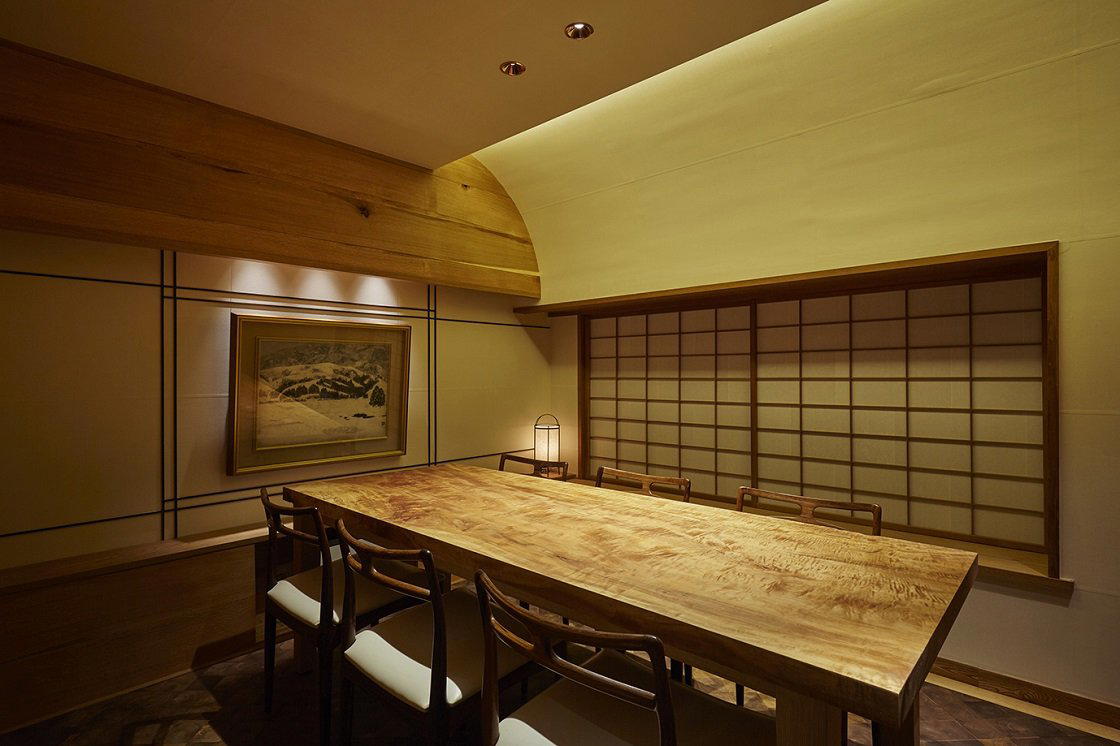
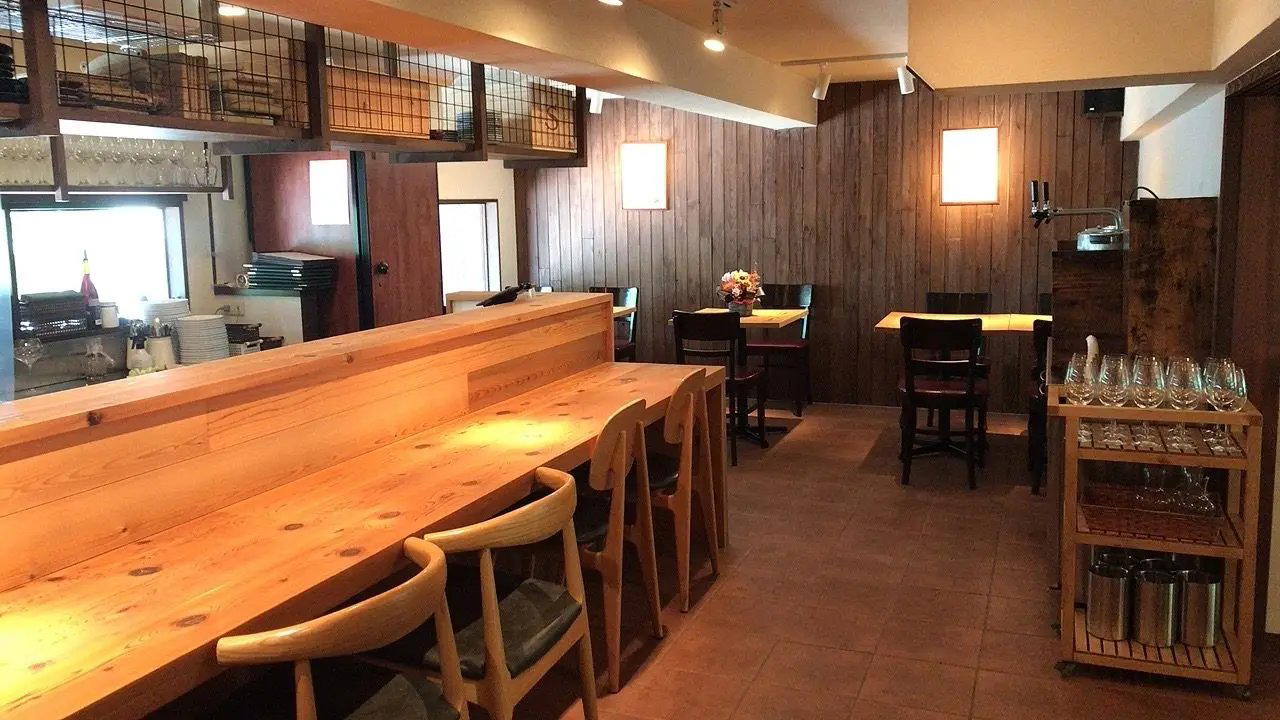
Low lantern-like lighting softens polished wood and ceramics, creating a warm, focused space that invites guests to slow down and savor the ritual of sake and kaiseki-style cuisine.