
Tabelog 100 #24
Our verdict
Roppongi’s okonomiyaki scene is often treated as casual fuel between bars, but USHIO occupies a more deliberate lane: vegetable-heavy Enshu-yaki, izakaya drinking habits, and a compact second-floor room rather than counter-theatre formality. Its repeated Tabelog Okonomiyaki 100 selections, including 2025, put it in a defined Tokyo bracket for travelers who want regional comfort cooking without the ceremony of a tasting-menu night.

Pearl is the En Primeur Club membership app, where members save venues, book tables and use the concierge.
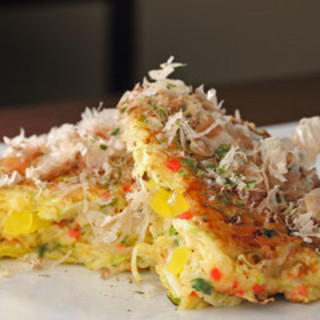
The menu
What to order
- Mixed okonomiyaki
- Seafood fried noodles
- Simmered tendon
Tokyo can make dinner feel like a negotiation between neon, elevators, and second-floor doors. Stronger city restaurants often hide away from the most obvious street-level flow, where the noise thins and the meal has to do quieter work. For okonomiyaki, that context matters: a social griddle dish can read as late-night snack, family table, or serious specialty depending on how it is framed.
USHIO sits in a practical Tokyo register: not a fairground-style snack stop, not a hushed luxury counter, and not the performance dining Tokyo sells too easily. The draw is okonomiyaki treated as a focused specialty rather than a generic after-drinks order. In Tokyo, where visitors often flatten griddle cooking into one category, that clarity gives the meal its spine.
A Tokyo room built for griddle food, not spectacle
Read the restaurant through purpose rather than spectacle. It belongs to Tokyo’s specialist-dining tradition: informal in spirit, but specific enough to avoid bar-snack drift. The appeal is a setting where the category itself carries the experience, important in a city built around pace, volume, and after-hours dining.
Okonomiyaki depends on proximity as a dining idea. Batter, cabbage, heat, sauce, and the shared table need the same social radius. Too anonymous, the dish loses its point; too overproduced, it feels miscast. A Tokyo setting gives the category the right pressure. The room needs no theatrical architecture because the format supplies its rhythm: food arrives, drinks extend the meal, and cooking tradition carries more weight than decoration.
That frames USHIO’s Tabelog Hyakumeiten recognition for okonomiyaki in 2025. Tabelog’s Hyakumeiten lists matter in Japan because they separate category specialists from general-purpose neighborhood restaurants. For okonomiyaki, the signal is not Michelin-style luxury; it is consistency in a crowded everyday field where many places never travel beyond local habit.
Tokyo changes how this restaurant reads. In quieter local contexts, okonomiyaki can feel tied to routine and memory. In the capital’s broader dining economy, it competes with many kinds of Tokyo dining, from formal rooms to casual chains, late bars, and expense-account restaurants. Names such as Tousenkaku, Seryna, ハードロックカフェ 東京, and YAKITORI Moe es show the city’s scattered dining identity: very different restaurant formats sharing the same night-out economy. A specialist okonomiyaki room has to be clear about itself.
Okonomiyaki gives the menu a focused argument
Okonomiyaki is often described as a Japanese savory pancake, accurate for orientation and inadequate for understanding the meal. The category carries regional associations, home-style comfort, and izakaya energy at once. At USHIO, the point is not to turn the dish into luxury theatre, but to let the format remain readable and specific.
That changes the traveler’s decision. This is not a long dégustation or pristine seafood ceremony, but a way to see how Japanese comfort food survives in Tokyo without becoming nostalgia merchandise. The restaurant’s listed categories include okonomiyaki, Japanese cuisine, and izakaya, placing the meal within a casual drinking-and-eating culture while the Tabelog recognition keeps it from reading as merely a drinking room with flour-based food.
The better comparison is not luxury Japanese dining, but Tokyo’s other modest-scale specialist formats. Some rooms organize dinner around timing, heat, or a single casual category. USHIO fits that Tokyo logic: choose a category, take it seriously, and keep the experience focused enough that the format stays legible.
For visitors planning around Tokyo’s high-profile dining economy, it is a useful corrective. Not every serious dinner needs a chef’s counter, wine pairing, or multi-hour tasting structure. Better casual specialists teach as much about Tokyo eating as famous counters, especially when they show how Japanese cooking adapts to a city built on nightlife and international traffic.
How to place it in a Tokyo dining itinerary
The smart use case is a Tokyo evening where dinner needs substance without formality. USHIO works best when approached as a focused okonomiyaki stop rather than a catch-all night-out venue. The appeal is shared dining energy, direct cooking, and a dish category that rewards attention without demanding ceremony.
Budget details shape expectations. Tabelog lists the dinner price range at JPY 5,000 - JPY 5,999, with lunch not listed. That places the operation in a familiar Tokyo middle ground: accessible enough for casual planning, still specific enough that it should not be treated as an interchangeable tavern. The value is in the category focus and the consistency implied by its 2025 Hyakumeiten selection.
Tokyo access makes it easy to fold into a wider city night, but the surrounding dining scene should not define the meal too narrowly. Travelers building a broader Tokyo restaurant map can pair this kind of regional-feeling comfort cooking with other unnamed specialist stops across the city. For the wider city edit, use Our full Tokyo restaurants guide, then cross-check sleep, drinking, and itinerary structure through Our full Tokyo hotels guide, Our full Tokyo bars guide, Our full Tokyo wineries guide, and Our full Tokyo experiences guide.
The broader Japan comparison is useful too. Regional specificity can mean many things: a focused dining format in one city, design-led café culture in another, local comfort cooking elsewhere, or a narrow casual category that helps diners understand a cuisine without pretending to summarize it. Outside Japan, the same category-first thinking appears in specialist rooms where a limited format gives the experience its shape.
USHIO’s value is that it makes okonomiyaki feel specific again. The category is defined, the recognition is tied to dish tradition rather than lifestyle theatre, and the price range sits in a practical Tokyo register. In the city’s crowded dining field, that restraint is the point.
Pricing, Compared
Comparable venues to calibrate price, style, and recognition.
| Venue | Cuisine | Price | Awards | Notes |
|---|---|---|---|---|
| USHIOThis venue (the venue you are viewing) | Okonomiyaki & Japanese comfort food | $20–30 | Tabelog 100 #24 | Not listed |
| Tonkatsu Maruichi (とんかつ丸一) | Tonkatsu Specialist | $20–30 | Tabelog 100 #44 | Fukagawa, Tonkatsu Specialist |
| 暗闇坂 宮下 | Kyoto Izakaya | Not listed | Not listed | Minato, Kyoto Izakaya |
| Teyandei | Creative Okinawan Izakaya | $30–50 | Not listed | Minato, Creative Okinawan Izakaya |
| Azabu Shogetsudo | Japanese Traditional Sweets (Wagashi) | $1–10 | Tabelog 100 #42 | Minato, Japanese Traditional Sweets (Wagashi) |
| 銀座久兵衛 | Chūō, japanese | Not listed | Not listed | Not listed |
Recognition history
Dated appearances from independent guides and award organizations, with the underlying list record or original source where available.
Tabelog 100 #24 · No. 24
Tabelog · Tabelog 100 - Okonomiyaki - 2025
Continue exploring
More in Tokyo
Restaurants in Tokyo
All restaurants in Tokyo →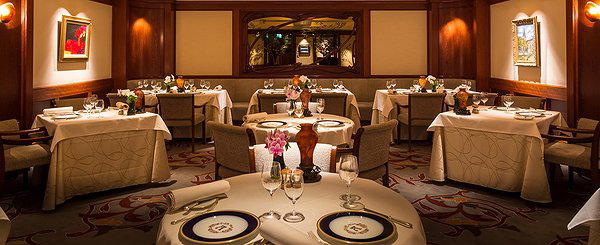
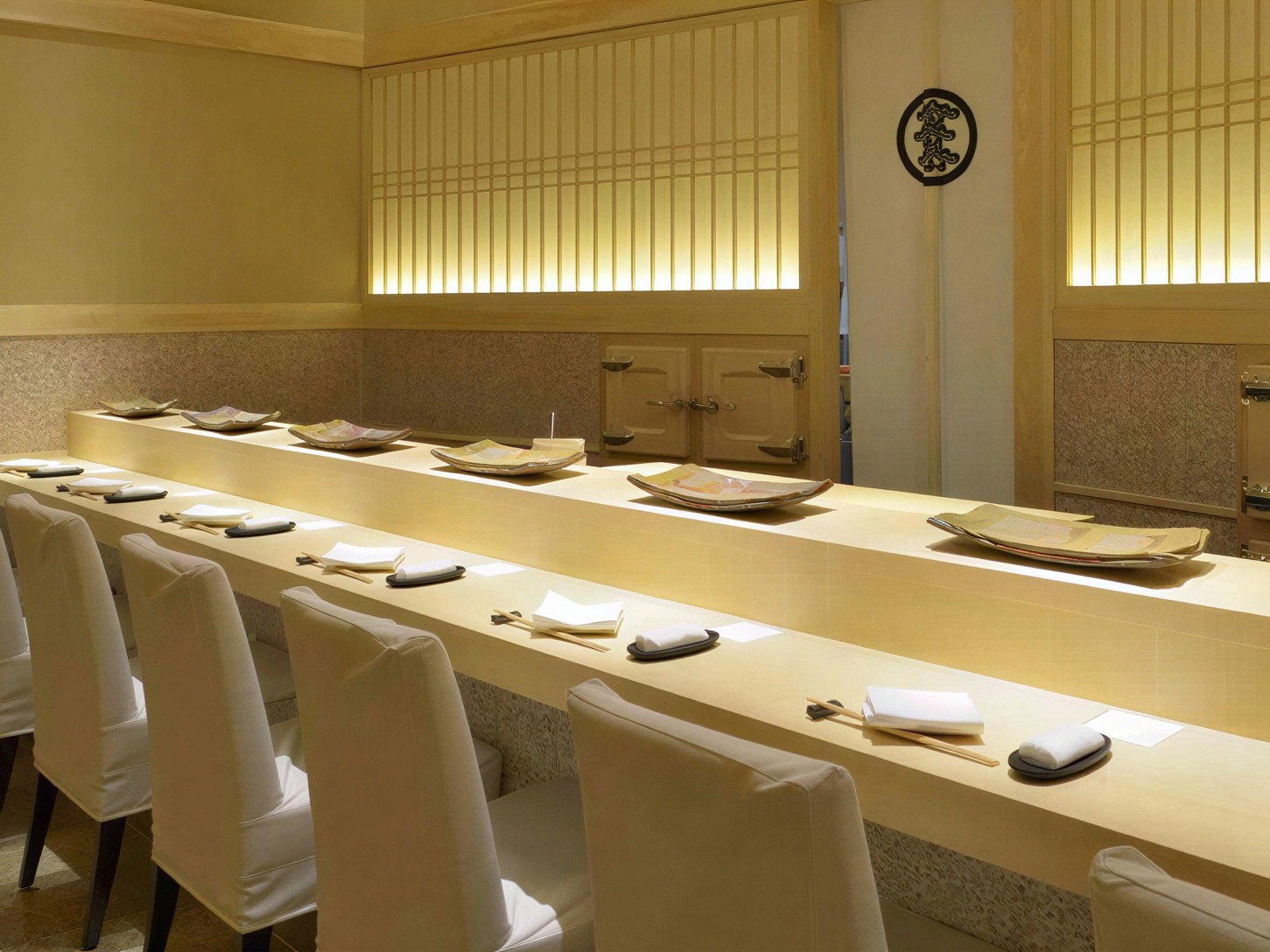

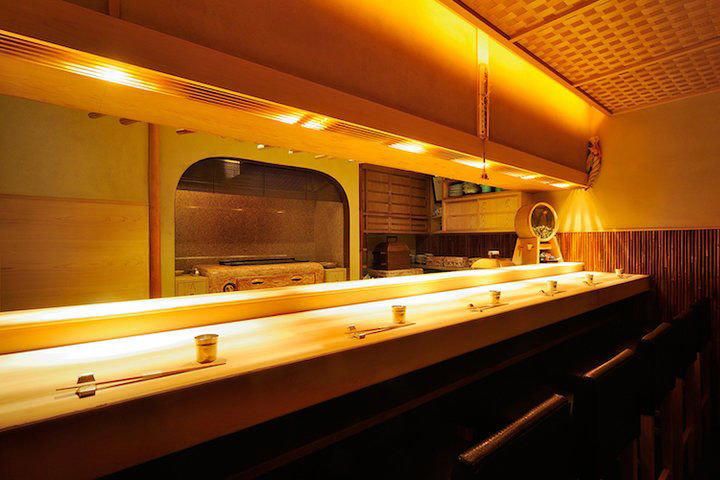
Bars in Tokyo
All bars in Tokyo →






Details
- Cozy
- Lively
- Classic
- Group Dining
- Casual Hangout
- After Work
- Family
- Standalone
- A La Carte
- Family Style
- Beer
- Sake
Current opening hours
- Monday
- 6–11 PM
- Tuesday
- 6–11 PM
- Wednesday
- 6–11 PM
- Thursday
- 6–11 PM
- Friday
- 6–11 PM
- Saturday
- 6–10 PM
- Sunday
- Closed
Hours can change for holidays and private events. Hours as of .
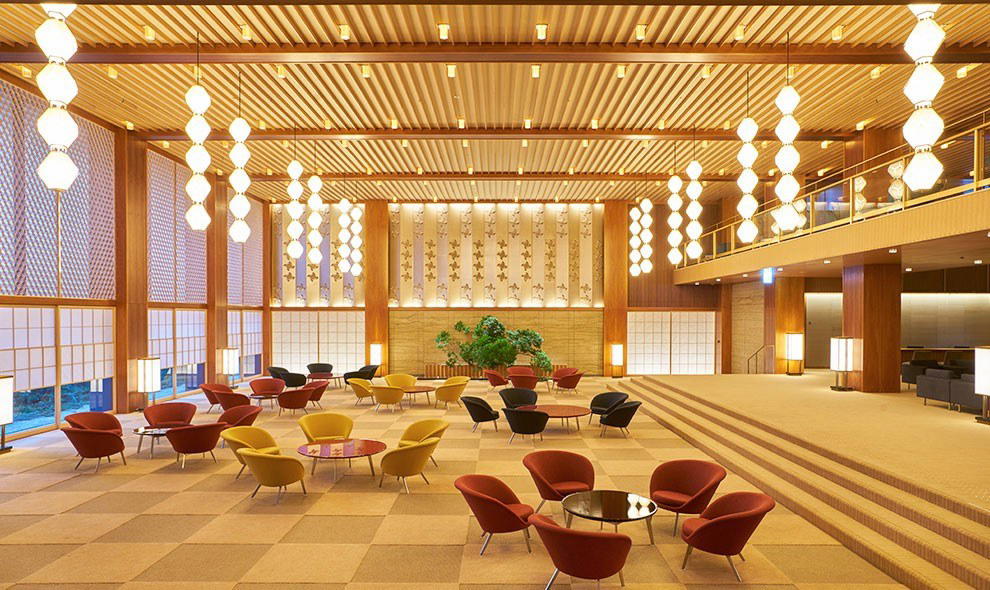
Informal and homey with the feel of a classic local izakaya; guests cook or finish okonomiyaki on the griddle at the table, creating a warm, bustling atmosphere suited to relaxed group dinners rather than quiet, intimate meals.