
Tabelog 100 #42
Our verdict
Azabu Shogetsudo sits in Tokyo’s wagashi tradition rather than the city’s tasting-menu economy: small-format, daytime, and grounded in Japanese sweets craft. Its 2023 selection for Tabelog 100 in Tokyo’s Japanese traditional sweets and sweets-cafe category, 8-seat eat-in space, and Nishiazabu location make it a useful counterpoint to Minato’s higher-spend sushi and yakitori rooms.

Pearl is the En Primeur Club membership app, where members save venues, book tables and use the concierge.
The menu
What to order
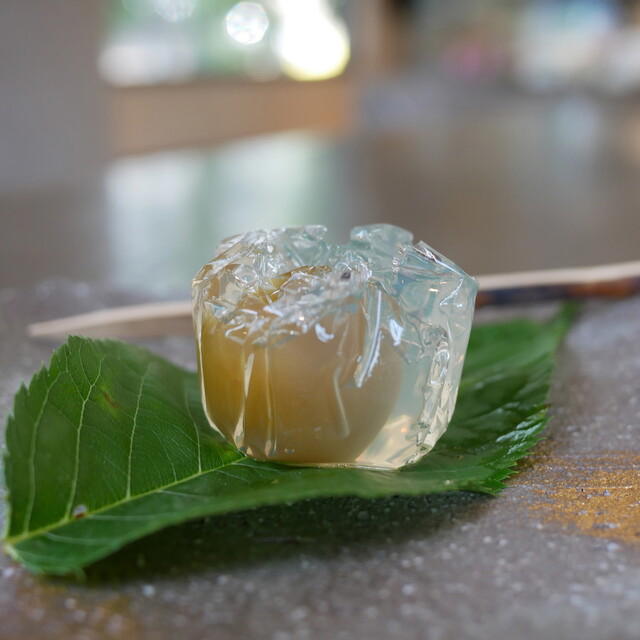
- Mizu yokan
- Shrimp-shaped anmitsu
- Pekan-nut yokan
- Red bean confectionery
Nishiazabu is usually read through dinner reservations, black cars, and expense-account counters. A wagashi shop changes the tempo: daytime rhythm, a compact room, sweets treated as seasonal craft rather than dessert afterthought, and precision without long tasting-menu theatre. Azabu Shogetsudo belongs to a smaller Tokyo conversation about how Japanese sweets preserve seasonality, portion discipline, and material restraint in a city associated with maximal choice.
That restraint matters. Wagashi is among Japan’s more resource-conscious food traditions not as sustainability branding, but because it has long relied on small servings, plant-forward ingredients, and seasonally coded production. Rice, beans, sugar, agar, and fruit can carry meaning without animal-heavy luxury signals. The craft is not automatically low-impact, and sourcing claims need maker-stated proof, but the category corrects Tokyo dining’s high-consumption end: less volume, less excess, and a sharper link between what is made and when it is sold.
Tokyo wagashi, read against Nishiazabu's high-spend dining rooms
Minato’s dining map is dense with specialist counters, from sushi rooms such as Sudachi and Nishiazabu Sushi Shin to yakitori formats like Minami Aoyama Nanachome. Those restaurants belong to Tokyo’s reservation-led dinner culture, where scarcity, chef proximity, and high average spend shape the experience before the first course. A sweets house in the same broader district works differently. It does not compete for the same occasion; it gives the neighbourhood a daytime axis and shows serious Japanese craft outside the omakase economy.
The 2023 Tabelog 100 selection for Japanese traditional sweets and sweets cafes in Tokyo is the key trust signal. Tabelog’s Hyakumeiten lists matter in Japan because they separate category specialists from general popularity. For wagashi, that is useful: the field includes department-store counters, tea rooms, souvenir sellers, and old-line neighbourhood shops. Selection places Azabu Shogetsudo in a curated Tokyo group where consistency and category identity outweigh spectacle.
The format reinforces that reading. An 8-seat eat-in area makes this a small tasting pause rather than a sprawling cafe session. Small rooms limit lingering, group dining, and improvisation, while focusing attention on turnover and freshness, crucial in a sweets tradition where texture and timing separate competent from serious. The point is not grandeur; it is control.
Why wagashi is one of Tokyo's quiet sustainability stories
Tokyo’s sustainability conversation often attaches to new Nordic-influenced tasting menus, zero-waste cocktail programs, or hotels with visible environmental policies. Wagashi offers an older, less performative model. Seasonal design limits the pressure to make every ingredient available year-round. Small pieces discourage excess. Many sweets use pantry-stable or plant-derived foundations rather than imported luxury proteins. Where premium dining can lean on rare seafood, beef, and global wine logistics, the Japanese sweets counter gives sustainability another vocabulary: measured production, edible symbolism, and low-waste portioning.
That does not make every sweet ethically sourced or environmentally neutral. Tradition is not proof. What can be said confidently is that the category’s mechanics align with thrift: batch discipline, compact service, limited seating, and a product range that does not need multi-course restaurant infrastructure. For travellers, a wagashi stop adds cultural depth without another long dinner, and puts Japanese seasonality into a form understood in minutes rather than hours.
There is also useful contrast with Tokyo’s visual cafe culture. Places such as 2D Cafe turn the room into the hook; wagashi asks visitors to notice scale, finish, and seasonal reference. Curry counters like 3 Chome no Curry Ya San and grill-focused addresses such as . 鮪と炭火焼き うお炭 秋葉原店 show Tokyo’s appetite for tight specialization. Japanese sweets follow the same specialist logic, but with a lighter footprint and different clock.
How to place it in a Tokyo food itinerary
Azabu Shogetsudo works well as a cultural counterweight, not a replacement for a major meal. Pair a sweets stop with sushi, yakitori, or kaiseki-adjacent dinner and the day reads Japanese craft more broadly: knife work and sourcing in one format, confectionery, seasonality, and restraint in another. For travellers using our full Tokyo restaurants guide, it sits with small specialist stops that make the city more legible between headline reservations.
It also suits a Minato or Aoyama day rather than a cross-city detour for one sweet. The area already supports serious dining, design retail, galleries, and hotel-based itineraries, so a compact wagashi visit can sit between larger commitments. Travellers comparing the district with Shinjuku or Kagurazaka might also look at 12/10 Shinjuku ten or 124. KAGURAZAKA (Yakitori) to see how differently Tokyo neighbourhoods express specialization.
The practical reading is simple: this is a small-capacity sweets address with recognition in a Tokyo-specific category, not a conventional restaurant. The eat-in space is limited, the style is daytime-oriented, and the appeal is strongest for travellers who care about Japanese food culture beyond sushi and ramen. Payment flexibility and wheelchair access add convenience, while the non-smoking policy suits the delicacy of the category. Private rooms and private use are not part of the format, consistent with the shop-scale character.
For a wider itinerary, the contrast extends beyond restaurants. Our full Tokyo hotels guide places Nishiazabu within a stay pattern; our full Tokyo bars guide and our full Tokyo experiences guide cover later-evening and cultural layers wagashi does not try to serve. Our full Tokyo wineries guide helps readers track Japan’s broader drinks context, even if wagashi sits closer to tea than wine.
The broader Japanese map shows how specialist formats travel and mutate: -Grilled beef Sukiyaki- KAMAKURA TANUKIAN 鎌倉 たぬき庵 in Kamakura reads regional comfort through beef;.cafe in Osaka and.know in Kumamoto show cafe culture outside Tokyo; (Shoku) Vietnam in Kawasaki points to imported cuisines in the commuter belt; [Curry Senmon Ten] Maruyama Kyoju. in Sapporo and [ki:] in Kyoto underline how local context changes the meaning of a small-format stop. Overseas, Japanese casual craft appears as Jōdo Saké Bar in Los Angeles and Onigiri Time in Pasadena. Against that field, Azabu Shogetsudo’s value is clear: a Tokyo wagashi address where small scale, category recognition, and seasonal sweets tradition make the argument without needing a long meal.
Frequently asked questions
How much does it cost to eat at Azabu Shogetsudo?
Pricing at Azabu Shogetsudo is listed as JPY 1,000 - JPY 1,999 JPY 1,000 - JPY 1,999 View spending breakdown.
What's Azabu Shogetsudo's location?
Azabu Shogetsudo is located in Tokyo.
What days is Azabu Shogetsudo closed?
Hours at Azabu Shogetsudo: Mon: 10 AM–5 PM; Tue: 10 AM–5 PM; Wed: 10 AM–5 PM; Thu: 10 AM–5 PM; Fri: 10 AM–5 PM; Sat: 10 AM–5 PM; Sun: Closed.
What's the defining dish or idea at Azabu Shogetsudo?
Azabu Shogetsudo is about Japanese traditional sweets, served from an 8-seat eat-in space in Nishiazabu, Minato City. Its Tabelog 100 selection in Tokyo for 2023 places it in the city’s documented wagashi set rather than the broader dessert-cafe category.
Is Azabu Shogetsudo allergy-friendly?
The shop accepts reservations and sits at 4 Chome-22-12 Nishiazabu, Tokyo, but allergy handling depends on the sweets being served that day. For a wagashi counter, ingredient checks should be made before ordering, especially if soy, nuts, or gluten are a concern.
Is Azabu Shogetsudo okay with children?
Yes, provided the child is comfortable in a compact 8-seat sweets counter rather than a large cafe. The daytime hours, 10 AM to 5 PM Monday through Saturday, make it an easy stop in Tokyo for a short visit.
Where It Fits
Comparable venues at the same tier for side-by-side context.
| Venue | Cuisine | Price | Awards | Notes |
|---|---|---|---|---|
| Azabu ShogetsudoThis venue (the venue you are viewing) | Japanese Traditional Sweets (Wagashi) | $1–10 | Tabelog 100 #42 | Not listed |
| Yukinoshita Pancake | Japanese Thick Pancakes & Shaved Ice | $10–20 | Not listed | Ginza |
| 白寧 | Modern French-Japanese Fusion | $200–300 | 1 Michelin Star | Minato |
| breadworks Omotesando | Bakery-Cafe | $10–20 | Tabelog 100 #85 | Minato |
| Sora to Mugi to | Organic Vegan Bakery & Café | $10–20 | Tabelog 100 #51 | Shibuya |
| Takenoshita Soba | Traditional Japanese Soba | $20–30 | Tabelog 100 #50 | Shibuya |
Recognition history
Dated appearances from independent guides and award organizations, with the underlying list record or original source where available.
Tabelog 100 #42 · No. 42
Tabelog · Tabelog 100 - Japanese traditional sweets / Japanese sweets cafe - TOKYO - 2023
Continue exploring
More in Tokyo
Restaurants in Tokyo
All restaurants in Tokyo →




Bars in Tokyo
All bars in Tokyo →








Details
- Classic
- Cozy
- Intimate
- Quiet
- Solo
- Casual Hangout
- Family
- Celebration
- Standalone
- Local Sourcing
- Street Scene
- A La Carte
- Vegetarian Friendly
Current opening hours
- Monday
- 10 AM–5 PM
- Tuesday
- 10 AM–5 PM
- Wednesday
- 10 AM–5 PM
- Thursday
- 10 AM–5 PM
- Friday
- 10 AM–5 PM
- Saturday
- 10 AM–5 PM
- Sunday
- Closed
Hours can change for holidays and private events. Hours as of .
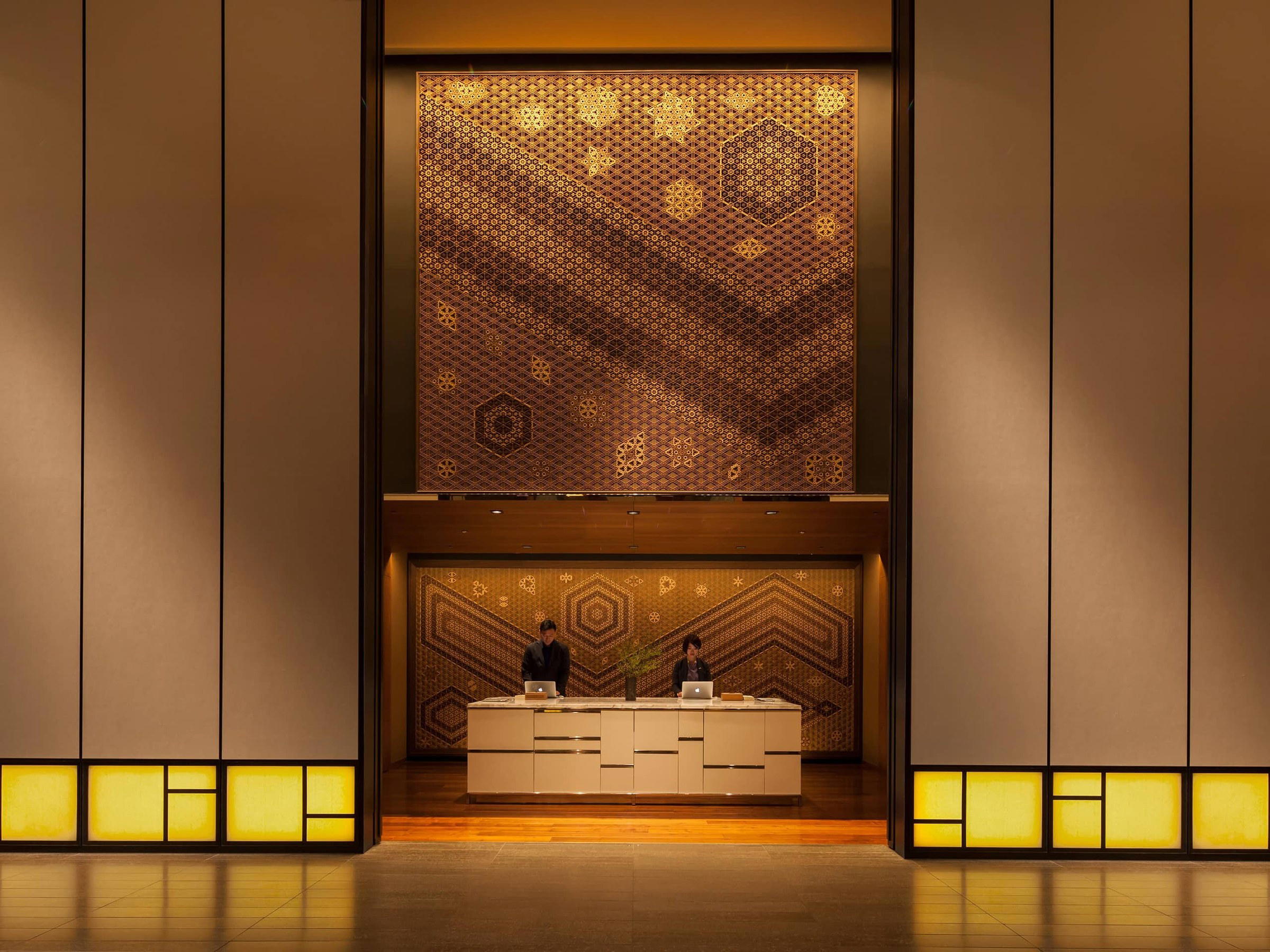
Quiet, old-school Japanese confectionery atmosphere with a small, intimate dine-in space and a traditional neighborhood-shop feel.