
Unazen serves traditional Japanese unagi with shirayaki, kabayaki, uzaku, and liver yaki, plus a sake program; the pace is quiet and leisurely.
Pearl is the En Primeur Club membership app — saves, bookings, and concierge access live there. Same editors, same standards.
- Address
- 1 Chome-14-7-1 Takasago, Chuo Ward, Fukuoka, 810-0011, Japan
- Phone
- +81925243608
- Website
- unazen.net
- Directions
- Get directions
 Saves & bookings on Pearl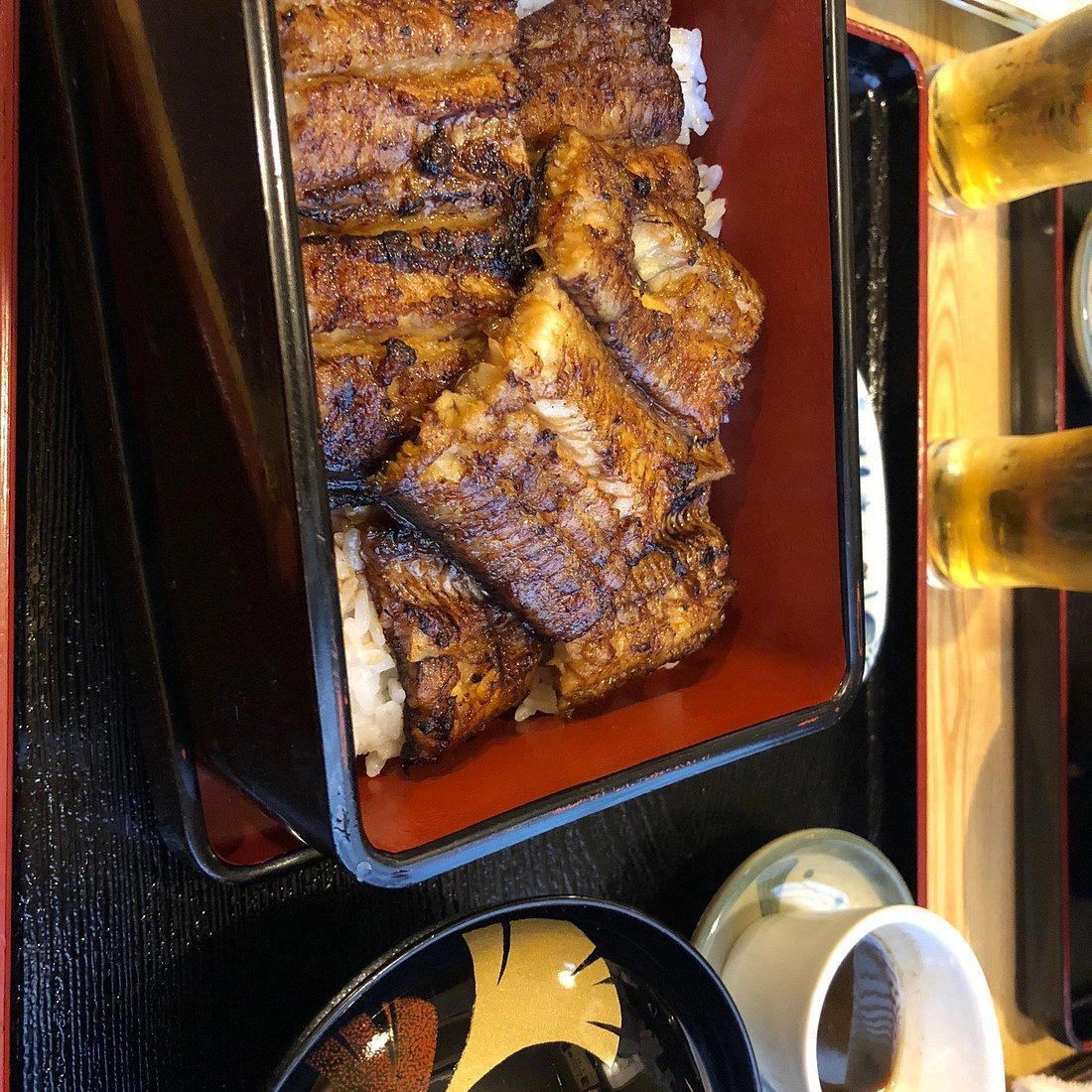
Eel and Ritual: What Unagi Restaurants Tell You About Fukuoka
There is a particular discipline to Japanese unagi cooking that separates it from almost every other specialist cuisine in the country. The eel must be split, skewered, grilled, steamed, and grilled again, each stage compressing the fat and opening the flesh to absorb tare in layers rather than on the surface alone. In Fukuoka's Chuo Ward, on a quiet stretch of Takasago, Unazen operates within that tradition.
Fukuoka has long occupied an interesting position in Japan's dining conversation. It is the largest city on Kyushu, a regional capital with its own culinary identity anchored in tonkotsu ramen, mentaiko, and the yakitori-adjacent culture of yatai street stalls. Yet beyond those headline categories, the city supports a quieter layer of specialist restaurants, the kind that rarely appear in international press but hold the loyalty of residents across decades. Unagi houses sit firmly in that layer. They attract a clientele that visits on occasions rather than impulse, and they tend to earn their reputation through consistency over years rather than through a single season of media attention.
The Cultural Weight of Unagi in Japan
Unagi dining carries historical and seasonal significance in Japan that goes beyond the plate. The tradition of eating grilled eel on Doyo no Ushi no Hi, the midsummer day of the ox designated by the traditional calendar, has been observed for centuries, and unagi restaurants across the country see their busiest single day of the year on that date, typically falling in late July. But the better unagi houses make the case for eating eel year-round: winter eel, fattened before hibernation, is widely considered among the more flavourful. This seasonal argument is precisely where specialist restaurants like Unazen distinguish themselves from casual eel options. The form is also geographically split: Kanto-style eel is steamed before the final grilling, producing a softer, almost cloud-like texture, while Kansai-style skips the steam, yielding a crispier exterior. Fukuoka, positioned between these traditions, tends toward the Kansai approach, though individual houses make their own choices.
Compared to the more globally recognised specialist formats in Japan, such as the high-counter omakase sushi culture visible at venues like Harutaka in Tokyo or the kaiseki tradition represented by Gion Sasaki in Kyoto, the unagi house occupies a quieter niche in international travel writing. This is partly because the format is less photogenic in the conventional sense: the meal arrives in lacquered boxes, the visual grammar is restrained, and the experience rewards familiarity with the tradition rather than novelty. That restraint is, to many regulars, precisely the point.
Fukuoka's Specialist Restaurant Layer
Fukuoka's culinary identity is broader than its street-food reputation suggests. The city supports French-inflected fine dining, as seen at Goh (French), serious Japanese beef through venues like Beef Taigen, and sushi at the level of Chikamatsu. Unazen sits in a different tier: the specialist mono-cuisine restaurant where the product and the technique are the entire proposition. Venues in this category, whether they are tofu houses, tempura counters, or eel specialists, compete on sourcing, on the consistency of their tare across years or decades, and on the clarity of their execution rather than on menu breadth or tasting-format ambition.
The Takasago neighbourhood itself, in Chuo Ward, is a useful indicator of where Fukuoka keeps some of its more embedded, less performative dining. It is not a destination district in the way that parts of Daimyo or Yakuin are marketed to visitors, but it holds a density of long-running restaurants that serve the same families and offices year after year. That kind of address signals a restaurant that is not optimising for first-time visitors.
Placing Unazen in the Broader Japanese Specialist Context
Across Japan, the unagi specialist category has faced genuine pressure from two directions: the rising wholesale cost of Japanese eel, which has been subject to supply restrictions and price increases over the past two decades due to declining wild stocks, and competition from lower-cost Chinese and Taiwanese eel imports used by casual chains. Restaurants that have maintained position in the specialist tier have done so by committing to Japanese eel sourcing, by holding their tare recipes across ownership generations, and by keeping their operations small enough to control quality at each stage. These are not marketing claims but structural choices that define the business model.
This broader context applies to any serious unagi restaurant in Japan, from Kyushu to the Kanto plain. Unazen's presence in Fukuoka's Chuo Ward places it within that national tradition, and visitors approaching it with that frame of reference will find the experience more legible than those arriving without it. For a sense of how Kyushu's wider fine dining scene connects to the rest of Japan, the comparison set includes HAJIME in Osaka and regional specialists such as akordu in Nara, though the genre differences are significant. Internationally, the gulf between this kind of focused Japanese specialist and, say, Le Bernardin in New York City or Atomix in New York City is less about quality than about culinary grammar: the unagi house asks you to bring your attention to a single ingredient and a single technique, sustained over the full meal.
Other Fukuoka options worth understanding in relation to Unazen: Asago and Bekk represent different points on the city's spectrum.
Planning Your Visit
Unazen is located at 1 Chome-14-7-1 Takasago, Chuo Ward, Fukuoka, 810-0011, Japan. Chuo Ward is served by the Fukuoka City Subway's Nanakuma Line and is accessible from Tenjin in under fifteen minutes by taxi. Given the specialist nature of the restaurant and Fukuoka's generally high demand for quality unagi, booking in advance is strongly advised; walk-in availability at well-regarded eel houses in Japanese cities is not reliably offered, particularly on weekends or around the midsummer eel-eating period. Contact details and hours are listed below. For additional context on how Fukuoka's specialist dining tier compares to other Japanese cities, venues like a specialist restaurant in Nanao or counterparts in Sapporo illustrate the range of regional Japanese dining at this level.
Budget and Context
Comparable venues nearby, for context on price, style, and recognition.
| Venue | Cuisine | Price | Notes |
|---|---|---|---|
| UnazenThis venue — the venue you are viewing | Chūō, Traditional Japanese Unagi | $$$ | Not listed |
| Nishishin Hatsuki Honten | Not listed | $$$ | Sawara, Traditional Wagyu Shabu-shabu & Sukiyaki |
| Nishimura | Hakata, Edomae Sushi Omakase | $$$ | Not listed |
| 鮨おさむ | Takamiya, Hakata-style Omakase Sushi | $$$$ | Not listed |
| Warayaki Mikan | Not listed | $$$ | Chūō, Traditional Japanese Izakaya & Warayaki |
| Yakiniku Sudou Haruyoshi | Chūō, Premium Yakiniku Omakase | $$$$ | Not listed |
Recognition history
Dated appearances from independent guides and award organizations, with the underlying list record or original source where available.
Tabelog 100 #42 · No. 42
Tabelog · Tabelog 100 - Unagi - 2024

At a Glance
- Cozy
- Intimate
- Classic
- Special Occasion
- Date Night
- Sake Program
Current opening hours
- Monday
- 12–2 PM, 6–9 PM
- Tuesday
- 12–2 PM, 6–9 PM
- Wednesday
- 12–2 PM, 6–9 PM
- Thursday
- 12–2 PM, 6–9 PM
- Friday
- 12–2 PM, 6–9 PM
- Saturday
- 12–2 PM, 6–9 PM
- Sunday
- Closed
Hours can change for holidays and private events. Last verified .
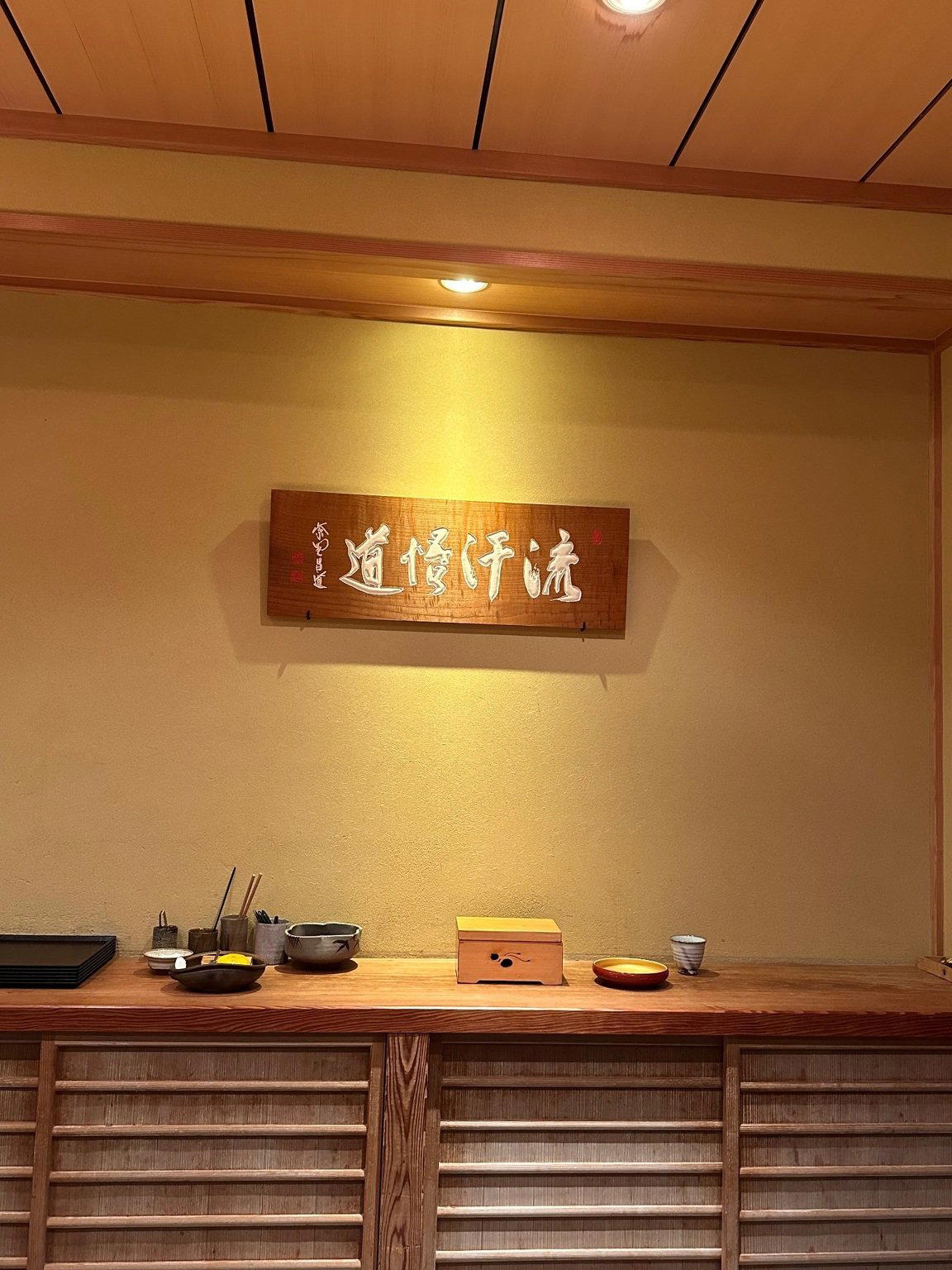
Cozy traditional setting with vintage decor and warm family service.