
Nishimura places Hakata’s Sumiyoshi district inside Japan’s serious sushi conversation: an eight-seat counter, a 2025 Tabelog Sushi WEST 100 selection, and a format closer to destination omakase than casual neighborhood dining. Its value is not spectacle, but how a small Fukuoka counter reads against the city’s broader appetite for seafood, sake, and tightly run rooms.
Pearl is the En Primeur Club membership app — saves, bookings, and concierge access live there. Same editors, same standards.
- Address
- Japan, 〒812-0018 Fukuoka, Hakata Ward, Sumiyoshi, 2 Chome−11−13-1 NJKミュトス 2階
- Phone
- +81 92-292-4618
- Website
- nishimura-sushi.com
 Saves & bookings on Pearl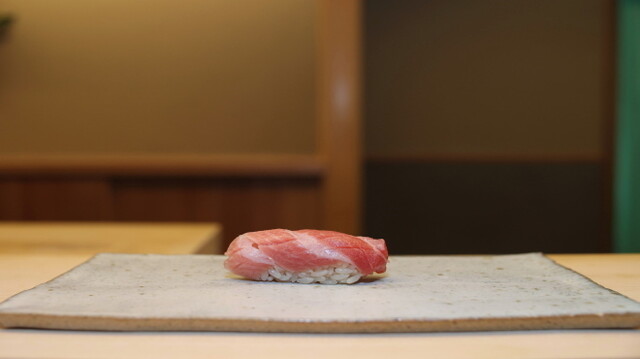
Sumiyoshi sits close to Hakata’s commercial gravity but apart from the station-front rush: quieter side streets, low-rise buildings, and restaurants that rely less on passing traffic than on diners arriving with intent. Here, the small sushi counter is one of Fukuoka’s more revealing formats, reducing the city’s seafood reputation to sequence, pacing, rice, knife work, and a room where every seat sees the same gestures.
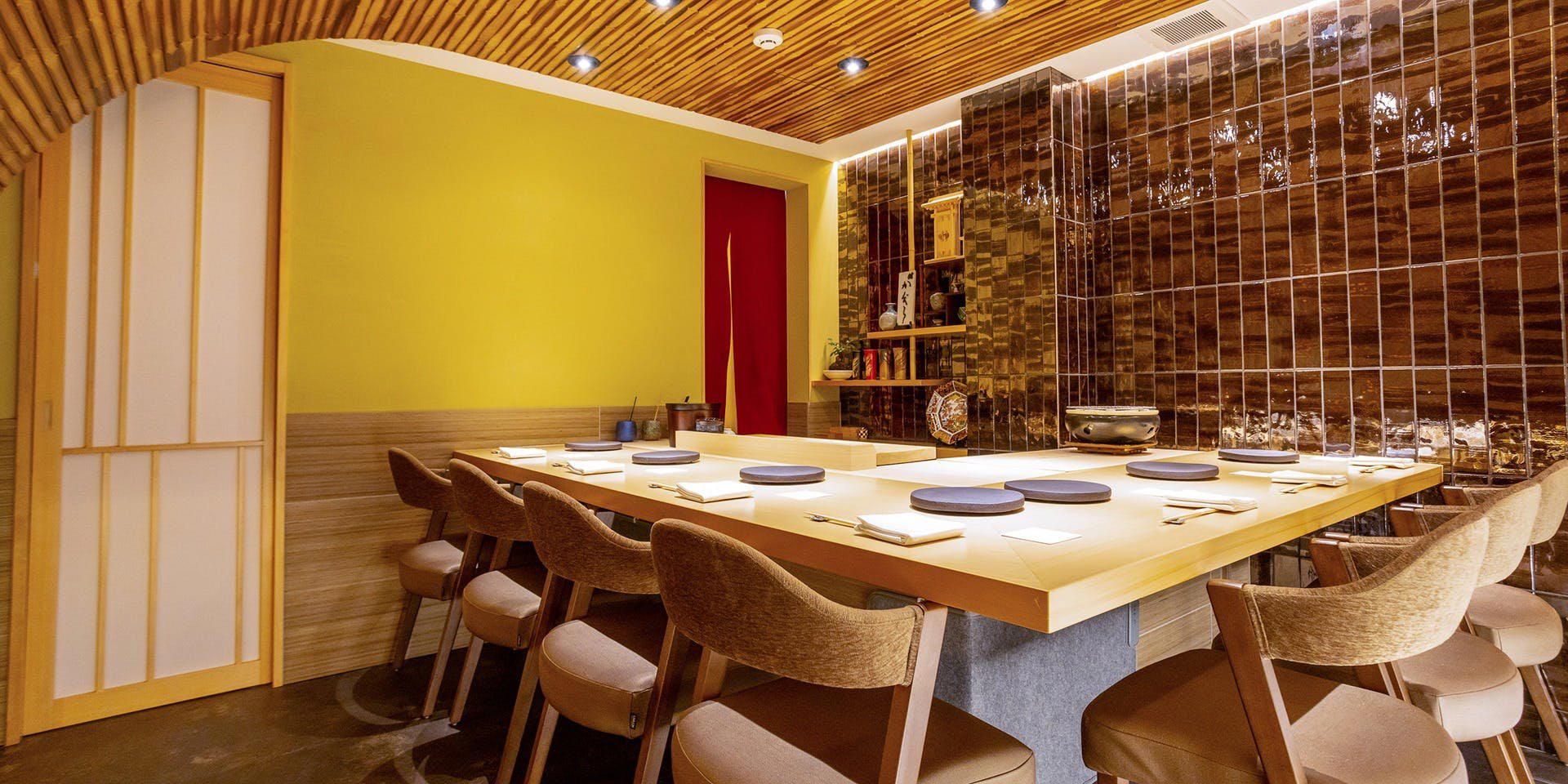
Nishimura belongs to that compact, high-commitment tier. Eight counter seats change the meal’s terms: conversation drops, timing tightens, and the kitchen’s rhythm becomes the atmosphere. Fukuoka has plenty of informal, loud, generous eating, but this is the other side of its food culture: a controlled sushi setting where local appetite meets the expectations of Japan’s destination counters.
Sumiyoshi gives Fukuoka sushi a quieter stage
Fukuoka’s food identity is often told through ramen, yatai, and late-night drinking, but its sushi culture follows another logic. The city sits close to fishing grounds, has deep sake and shochu habits, and draws diners who know Kyushu produce can carry a serious counter without Tokyo’s theater of scarcity. The question is not whether Fukuoka can support expensive sushi; it is how that sushi behaves away from Ginza’s competitive performance, inside Hakata’s more practical dining ecology.
Sumiyoshi suits that answer. It is central without feeling ceremonial, close enough to Hakata’s hotels and transport spine for a planned dinner, yet outside denser restaurant clusters that reward casual drifting. That geography matters. A counter here does not need postcard urban drama; it asks diners to value precision in a deliberately narrow room.
The 2025 Tabelog Sushi WEST 100 selection gives the restaurant a clear external signal in western Japan’s sushi field. Tabelog’s Hyakumeiten lists are not Michelin-style star systems, but in Japan they are serious consumer recognition, especially for genre-specific categories such as sushi. For Fukuoka, inclusion places a Hakata counter in conversation with the broader western Japan sushi circuit, not only the city’s local dining map.
An eight-seat counter changes the meal's social contract
Small sushi counters are not just intimate larger restaurants. They operate under different pressure. With eight seats, no table can vanish into its own evening, and the margin for uneven pacing narrows. The format rewards diners comfortable with attention, silence, and a meal unfolding as sequence rather than menu negotiation. Nishimura is better understood as a focused sushi appointment than a flexible night out.
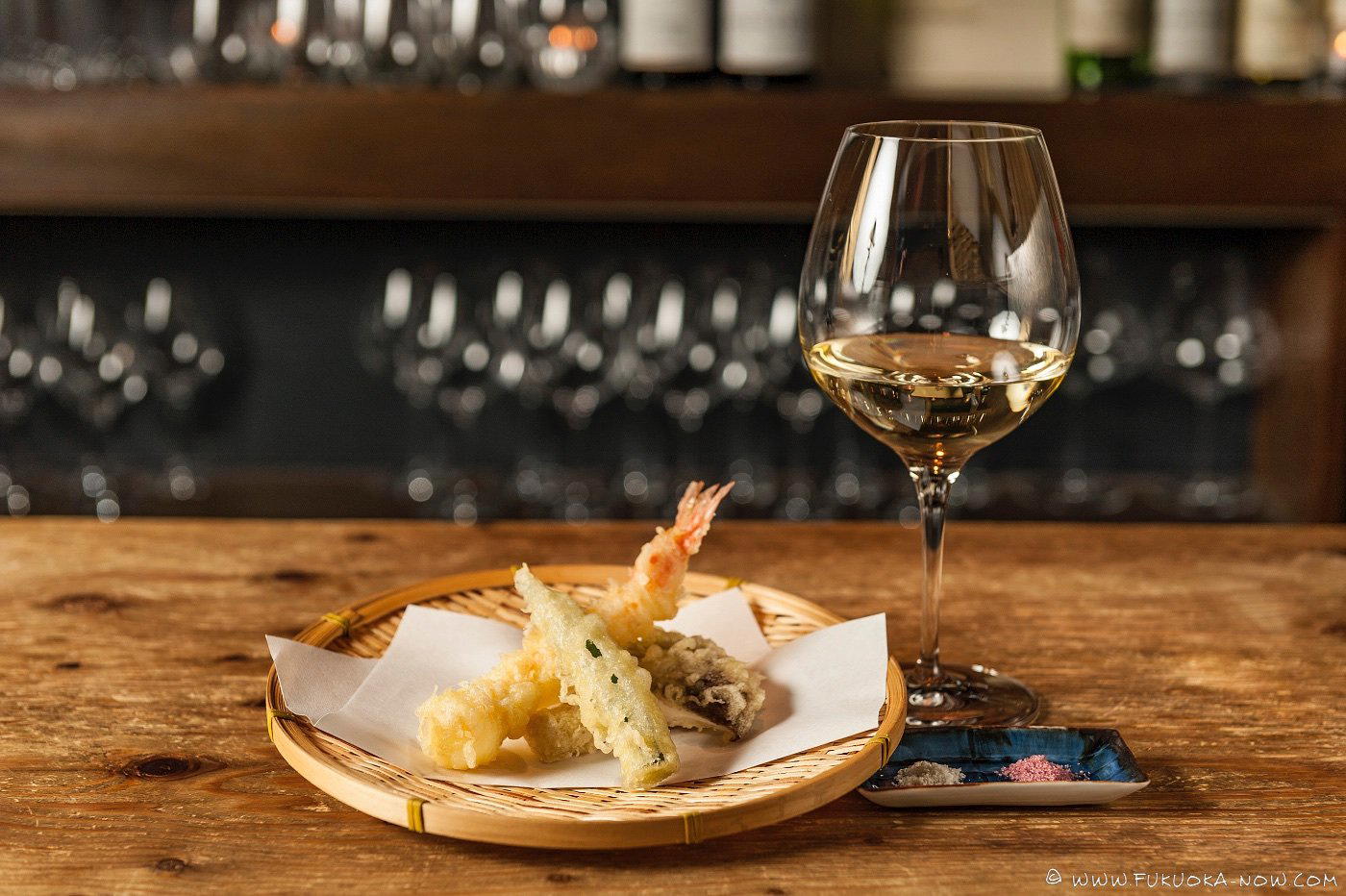
The drinks framework also points to Japanese dining grammar rather than a wine-led luxury template. Sake, shochu, and wine are all part of the stated range, with particular emphasis on nihonshu. In Fukuoka, that matters because seafood dining often sits between sushi precision and Kyushu drinking conviviality. A counter at this level must decide how much of the second energy to admit. Here, the format suggests restraint first, pairing culture second.
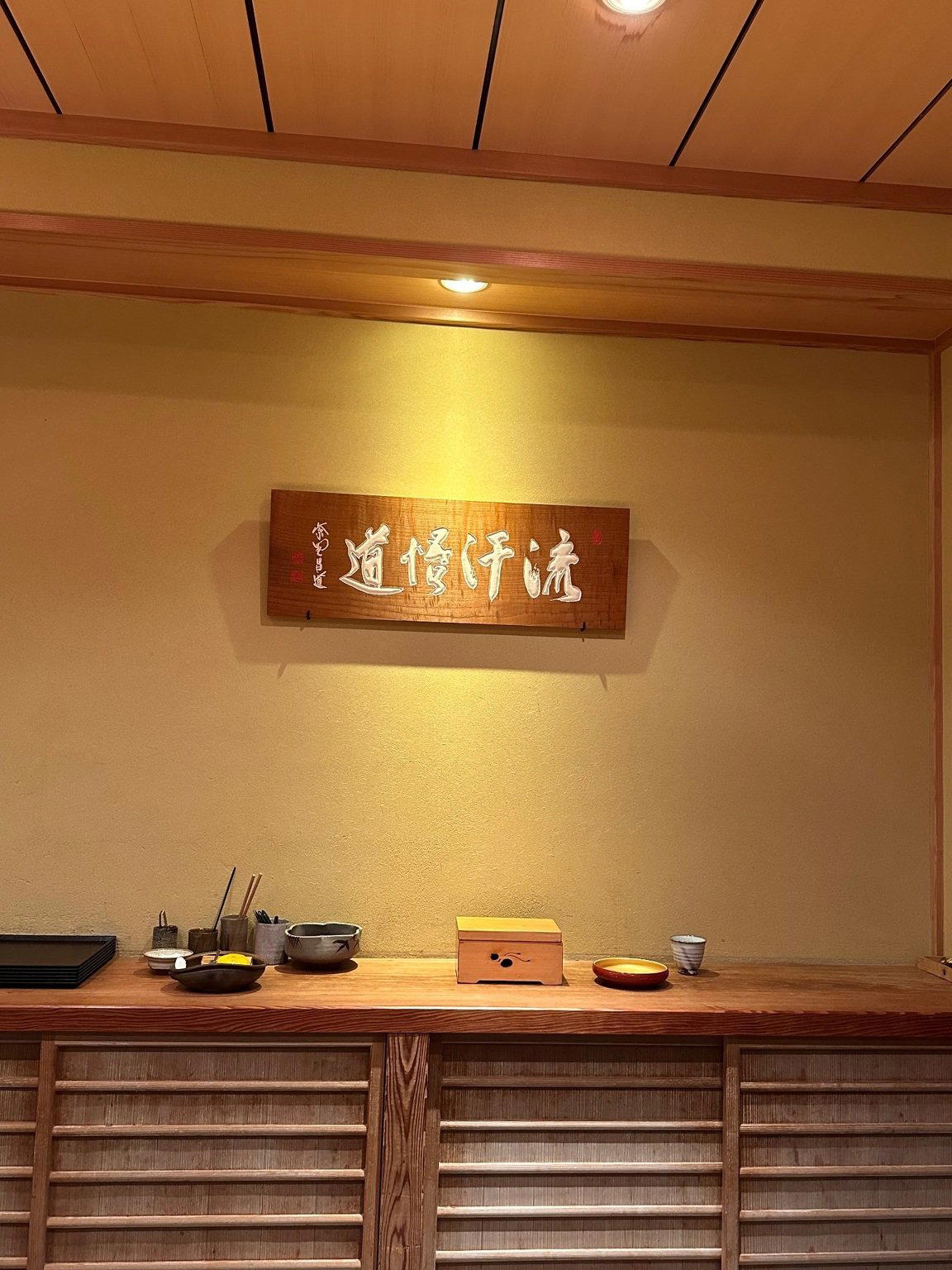
The room’s rules reinforce that reading. Shoes come off before entering, strong scents are discouraged, smoking is not part of the meal, and the counter is not family-friendly. These details define the etiquette. In Japan, high-end sushi depends on shared restraint as much as craft; fragrance, noise, and loosened formality can interfere with a room where rice temperature, vinegar balance, and fish condition are read at close range.
Price also clarifies the competitive set, even if the right-rail details carry the figure. This is neither Hakata’s everyday sushi economy nor its midrange izakaya circuit. It sits in the destination-counter bracket, where diners compare the evening with serious sushi rooms across western Japan. That is more useful than asking whether it is expensive by local casual standards; the relevant question is whether format, recognition, and seat scarcity justify planning a night around it.
How it fits into a Fukuoka dining itinerary
The sharper way to use Fukuoka is not to make every meal formal. The city works because its range is compressed: refined counters, curry rooms, South Indian kitchens, fried fish specialists, izakaya, and late drinking can fit within a short stay. A serious sushi dinner gains meaning when set against that breadth, not isolated as the city’s single expression.
For a wider sense of the local restaurant field, Our full Fukuoka restaurants guide maps the city beyond sushi. Diners building contrast around a counter meal can look at 106 South Indian Fukuoka tenjin ten for the city’s non-Japanese range, Afterglow for spice-led cooking, Aji Dokoro Taro Gen Sougyou ten for a different local register, Aji Furai Shokudo Kaba for fried fish culture, and Aji no Katsueda for another everyday counterpoint.
Fukuoka planning also benefits from separating dinner from the rest of the trip. Our full Fukuoka hotels guide helps place a stay near Hakata or Tenjin, while Our full Fukuoka bars guide keeps the post-dinner plan measured rather than improvised. Broader city context sits in Our full Fukuoka experiences guide, and the regional drinks question can extend through Our full Fukuoka wineries guide.
For travelers comparing Japanese dining across cities, the contrast is instructive. A sushi counter in Hakata does not answer the same question as -Grilled beef Sukiyaki- KAMAKURA TANUKIAN 鎌倉 たぬき庵 in Kamakura. 鮪と炭火焼き うお炭 秋葉原店 in Tokyo.cafe in Osaka.know in Kumamoto, (Shoku) Vietnam in Kawasaki, or [Curry Senmon Ten] Maruyama Kyoju. in Sapporo. Even outside Japan, sake and rice culture take different forms at Jōdo Saké Bar in Los Angeles and Onigiri Time in Pasadena. Against those references, Nishimura’s appeal is specific: a small Hakata sushi counter with recognized standing in western Japan, built for diners who want concentration rather than volume.
Just the Basics
Comparable venues by cuisine and category.
| Venue | Cuisine | Price | Notes |
|---|---|---|---|
| NishimuraThis venue — the venue you are viewing | Hakata, Edomae Sushi Omakase | $$$ | Not listed |
| Unazen | Chūō, Traditional Japanese Unagi | $$$ | Not listed |
| Yakitori Morimoto | Chūō, Yakitori | $$$ | Not listed |
| Sushi to Amakusa Daio Amane | Not listed | $$$ | Chūō, Omakase Sushi & Amakusa Daio Chicken |
| Tori Kami Garden City | Chūō, Yakitori | $$$ | Not listed |
| Mihara Tofuten | Chūō, Traditional Japanese Tofu Izakaya | $$$ | Not listed |
Recognition history
Dated appearances from independent guides and award organizations, with the underlying list record or original source where available.
Tabelog 100 #64 · No. 64
Tabelog · Tabelog 100 - Sushi - WEST - 2025
At a Glance
- Sophisticated
- Elegant
- Intimate
- Classic
- Special Occasion
- Date Night
- Solo
- Business Dinner
- Chefs Counter
- Standalone
- Sake Program
- Local Sourcing
Current opening hours
- Monday
- 6–10:30 PM
- Tuesday
- 12–2 PM, 6–10:30 PM
- Wednesday
- 12–2 PM, 6–10:30 PM
- Thursday
- 12–2 PM, 6–10:30 PM
- Friday
- 12–2 PM, 6–10:30 PM
- Saturday
- 12–2 PM, 6–10:30 PM
- Sunday
- Closed
Hours can change for holidays and private events. Last verified .
Quiet, intimate, and refined, with a hidden-gem atmosphere that suits a focused sushi counter experience.