

Warayaki Mikan is a Fukuoka izakaya in Haruyoshi with recognition from Tabelog 100 Izakaya WEST 2024 and 2025 and OAD Casual in Japan 2026. Its appeal sits in the city’s after-dark tavern culture: counter-led, ingredient-focused, and better suited to diners treating izakaya cooking as a serious meal rather than a loose snack stop.
Pearl is the En Primeur Club membership app — saves, bookings, and concierge access live there. Same editors, same standards.
- Address
- 福岡県福岡市中央区春吉2-12-20
- Phone
- +81927120388
- Website
- tabelog.com
 Saves & bookings on Pearl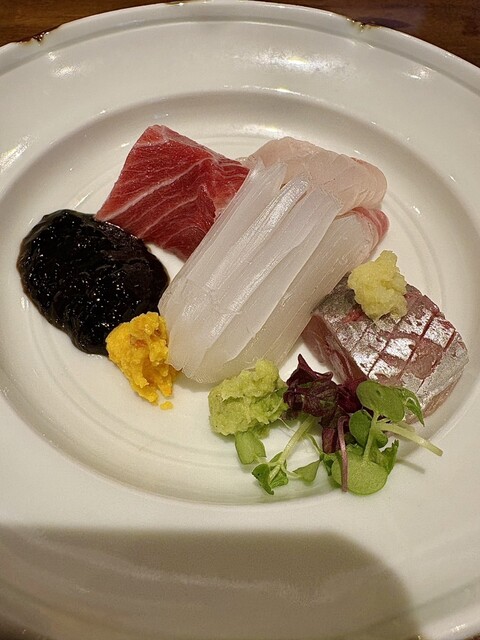
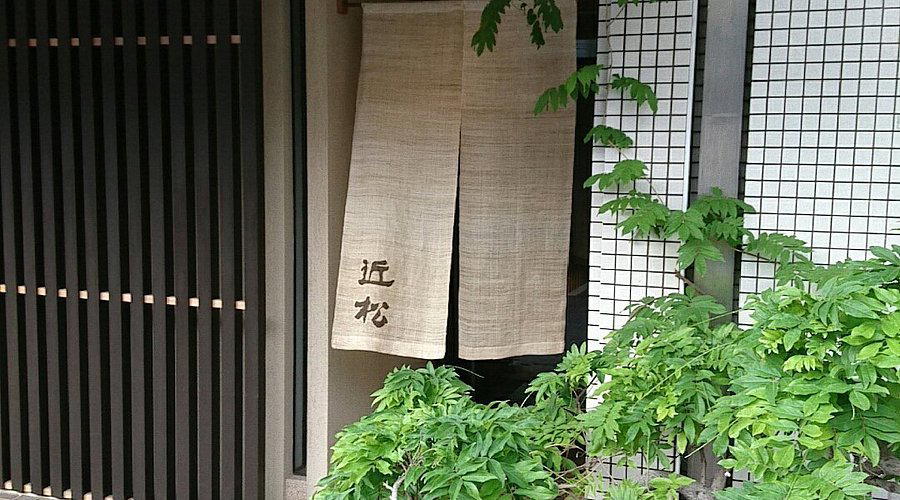
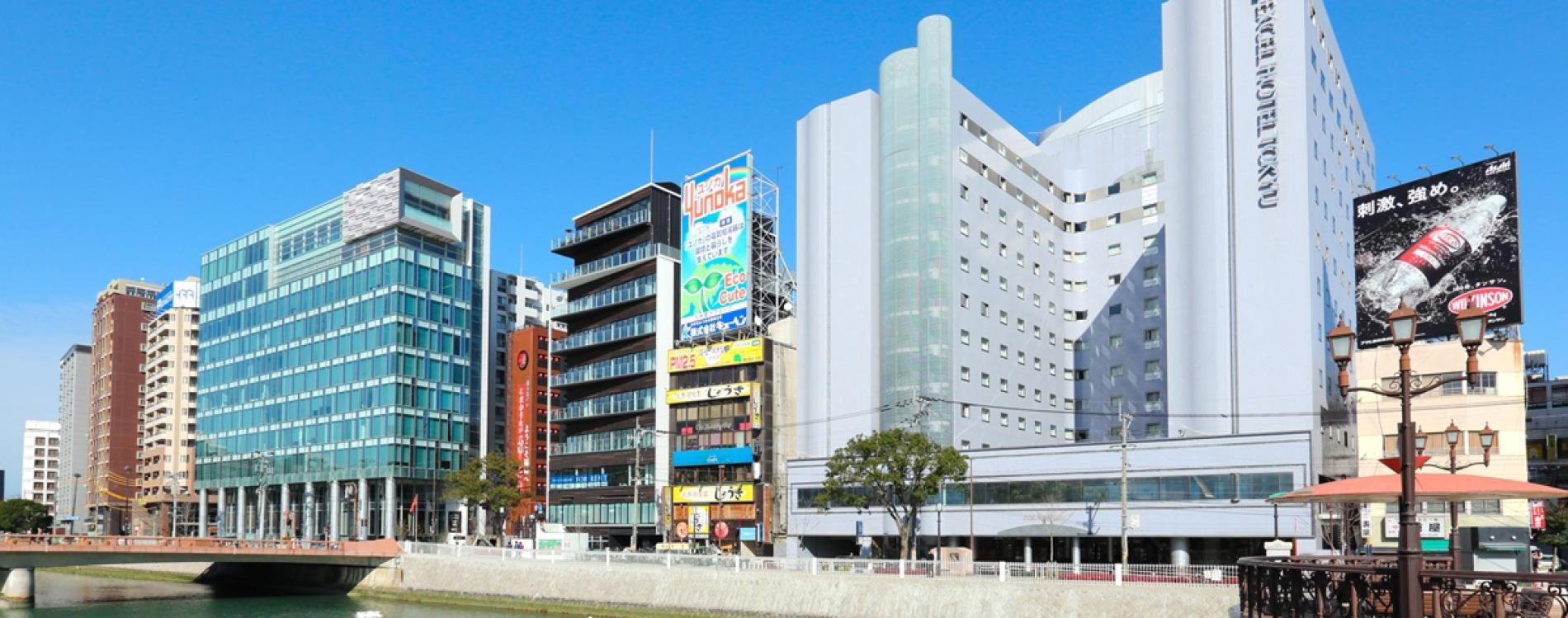
Haruyoshi has a different cadence from Tenjin’s brighter commercial blocks and Nakasu’s harder nightlife glare. The streets narrow, the river sits close, and the better izakaya addresses tend to reveal themselves through modest frontage rather than theatre. In that setting, Warayaki Mikan belongs to a Fukuoka tradition that treats the izakaya not as a fallback after drinks, but as a full dinner format with craft, pacing, and repeat local scrutiny.
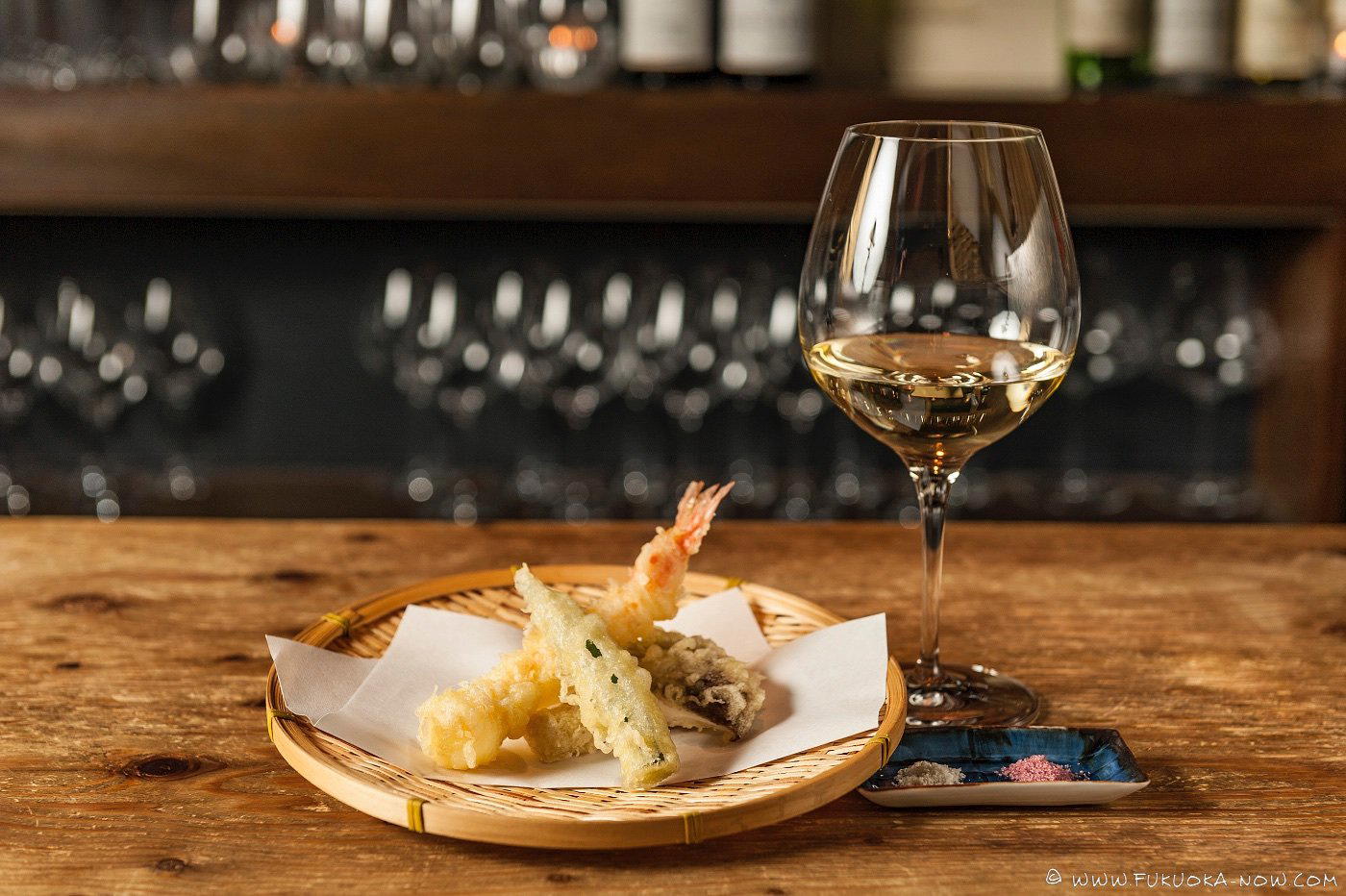
That distinction matters in Fukuoka. The city is often compressed in travel shorthand into ramen, yatai, and seafood, but its stronger dining identity is broader: small rooms, counter culture, seasonal purchasing, and a willingness to make casual formats compete on seriousness. Warayaki, straw-fire cooking, adds another layer to that pattern. The technique is associated with high, fast heat and smoke rather than slow grill marks, and it gives an izakaya a more elemental rhythm than the usual sequence of fried, simmered, and raw plates.
Straw-fire cooking inside Fukuoka's serious izakaya tier
The restaurant’s recognition places it in a narrow band of Japanese tavern dining where the word casual describes the format, not the ambition. It was selected for Tabelog 100 Izakaya WEST in both 2024 and 2025, and appears in OAD’s 2026 Casual in Japan ranking. Those signals are useful because izakaya quality is difficult to read from genre alone: the same word can describe a beer hall, a neighborhood counter, or a destination dinner built around product and timing.
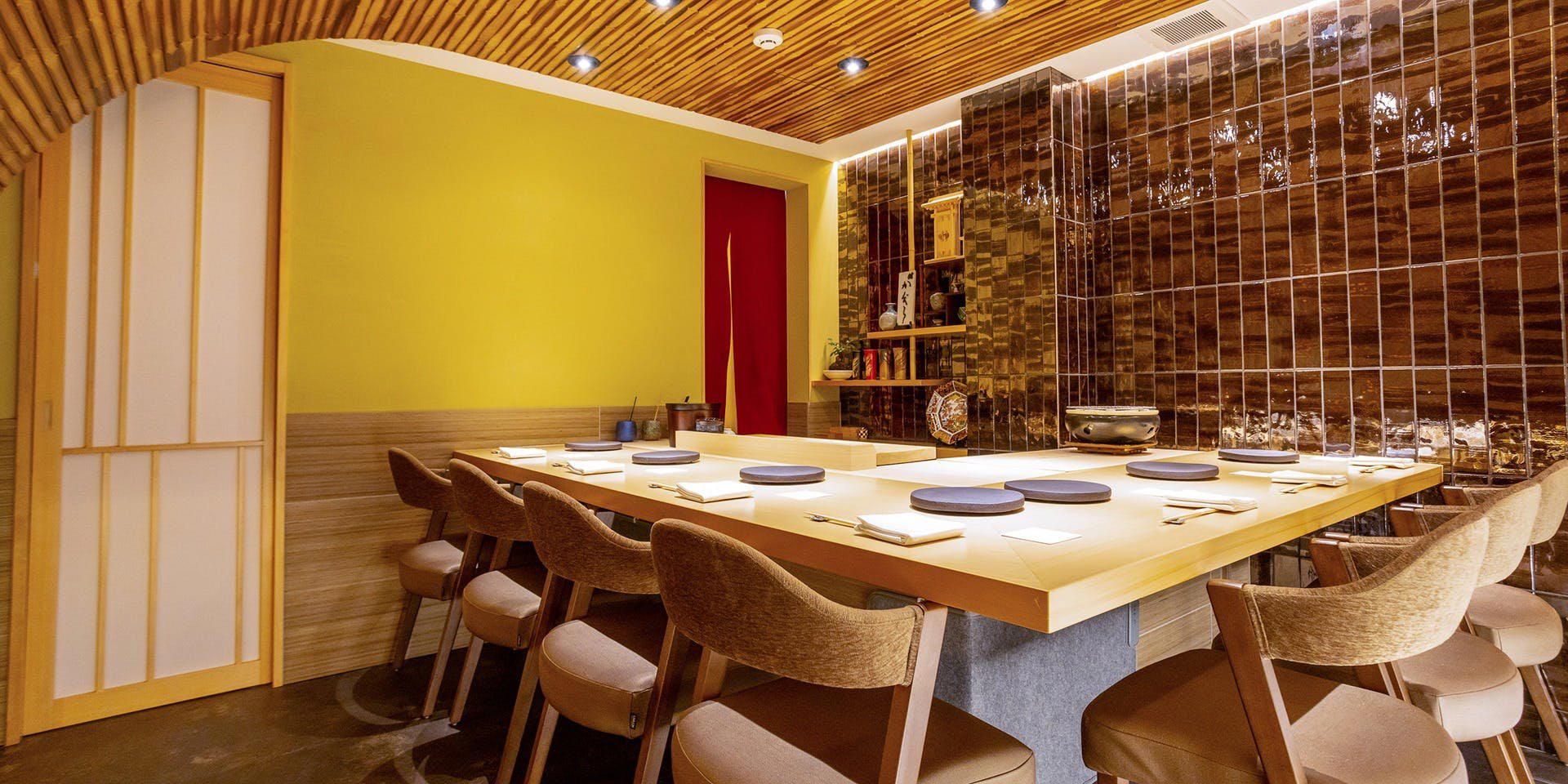
Warayaki Mikan sits closer to the latter category. The room is small enough that the counter shapes the meal, with tatami seating adding a more traditional register without turning the place formal. That combination says much about Fukuoka dining at this level. The city’s better taverns do not need the choreography of a tasting-menu restaurant to feel precise; they rely on heat, knife work, sourcing, and the discipline of a compact service. A Tabelog score of 3.74 in this category also carries weight in Japan, where izakaya ratings tend to be harder to inflate than tourist-facing enthusiasm suggests.
Within the local comparison set, the positioning is clear. Oryori Yamanokuchi occupies a similar spend band with a more explicitly composed Japanese-dining signal, while Kuwaman and F ridge sit higher in budget terms. Sagano keeps the izakaya label closer to the category’s familiar center, and AKAMIYACOWSI points toward a different meat-led evening. Warayaki Mikan’s argument is the fire technique inside an izakaya frame, rather than luxury coding or broad-menu convenience.
Why the izakaya matters more in Fukuoka than visitors expect
Fukuoka rewards diners who resist building every evening around a single famous dish. The city’s food culture is pragmatic and social: seafood from nearby waters, Kyushu produce, shochu and sake habits, and a preference for rooms that can absorb both office dinners and ingredient-driven eating. In that ecosystem, an izakaya can be a serious culinary address without losing the looseness that makes the format useful.
That is the cultural value of a place like Warayaki Mikan. It shows how Japanese tavern dining can hold technique without becoming ceremonial. Straw-fire cooking gives the kitchen a central grammar, but the broader experience belongs to the izakaya tradition: varied plates, drink compatibility, counter proximity, and a dinner tempo that allows a meal to be shaped by appetite rather than a fixed procession. Chef Takurou Sueyasu’s name appears in OAD’s listing, but the more relevant point is not biography. It is that a named chef and two independent recognition signals move this address out of the anonymous tavern category and into the city’s more scrutinized casual tier.
Haruyoshi also helps explain the appeal. The neighborhood works well for diners who want to stay central without defaulting to the easiest Tenjin choices. It has enough nightlife energy to feel alive, but the better addresses here often operate at a smaller scale. That makes the meal feel less like a tourism transaction and more like entry into Fukuoka’s ordinary standard for eating well.
How to place it in a Fukuoka food itinerary
The smartest use of Warayaki Mikan is as a dinner anchor, not a quick prelude. Its category, awards, and compact format point toward a meal planned with intention. Visitors mapping several nights in the city might contrast it with South Indian cooking at 106 South Indian Fukuoka tenjin ten, spice-led dining at Afterglow, long-running local Japanese cooking at Aji Dokoro Taro Gen Sougyou ten, focused fried-fish specialization at Aji Furai Shokudo Kaba, or the everyday comfort register of Aji no Katsueda. Together, those addresses show a city whose dining identity is far wider than its ramen reputation.
For broader planning, Our full Fukuoka restaurants guide is the natural place to compare categories, while Our full Fukuoka hotels guide, Our full Fukuoka bars guide, Our full Fukuoka wineries guide, and Our full Fukuoka experiences guide help set the rest of the itinerary around the evening meal rather than against it.
Travelers extending the same genre logic across Japan can read Warayaki Mikan alongside beef-focused dining at -Grilled beef Sukiyaki- KAMAKURA TANUKIAN 鎌倉 たぬき庵 in Kamakura, seafood and charcoal cooking at. 鮪と炭火焼き うお炭 秋葉原店 in Tokyo, café culture at.cafe in Osaka, contemporary dining at.know in Kumamoto, Vietnamese cooking at (Shoku) Vietnam in Kawasaki, curry specialization at [Curry Senmon Ten] Maruyama Kyoju. in Sapporo, sake-bar culture abroad at Jōdo Saké Bar in Los Angeles, and Japanese comfort food overseas at Onigiri Time in Pasadena. The useful comparison is not cuisine similarity, but format clarity: small concepts that know exactly what role they play.
The editorial case is simple. Fukuoka’s izakaya culture is not secondary to its famous street-food mythology; it is one of the city’s clearest expressions of how locals eat when quality matters but formality does not. Warayaki Mikan belongs in that conversation because its scale, counter orientation, straw-fire identity, and repeated recognition all point in the same direction: a casual restaurant judged by serious standards.
Price Lens
Side-by-side context: comparable cuisine and price.
| Venue | Cuisine | Price | Awards | Notes |
|---|---|---|---|---|
| Warayaki MikanThis venue — the venue you are viewing | $$$ | , | ||
| あ三五 | Chūō, Masterful Soba Kaiseki | $$$ | , | |
| Shin-shin Nishinakasu shop | Chūō, Traditional Japanese Izakaya | $$$ | , | |
| Hyaku Shiki | $$$ | , | Chūō, Seasonal Japanese Izakaya & Robatayaki | |
| Kamoryori Marimo Honten | $$$ | , | Hakata, Duck hot pot & kaiseki-style Japanese | |
| Sushi to Amakusa Daio Amane | $$$ | , | Chūō, Omakase Sushi & Amakusa Daio Chicken |
At a Glance
- Lively
- Cozy
- Hidden Gem
- Intimate
- Rustic
- After Work
- Group Dining
- Date Night
- Casual Hangout
- Solo
- Celebration
- Chefs Counter
- Open Kitchen
- Standalone
- Sake Program
- Craft Cocktails
- Beer Program
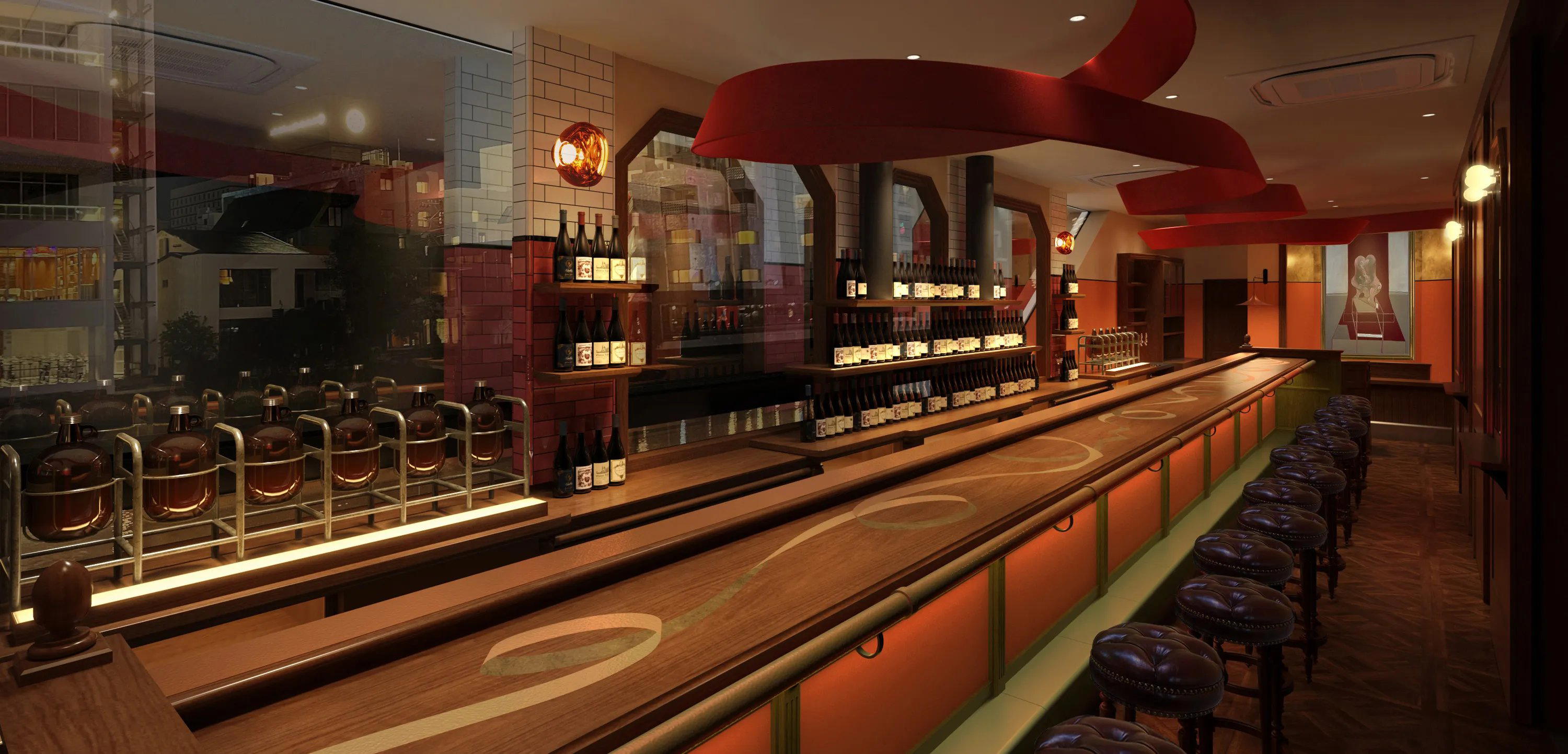
Warm, lively, and slightly rustic, centered around counter seating and the theater of straw-grilling, with the feel of a cozy neighborhood hideout rather than a formal restaurant.