
Nishishin Hatsuki Honten belongs to Fukuoka’s serious hot-pot tier: shabu-shabu, sukiyaki, and izakaya drinking culture in a 70-seat Nishijin room with private tatami and sunken kotatsu options. Its 2024 Tabelog 100 - Hot Pot selection gives the restaurant a stronger signal than a neighborhood address alone would suggest.
Pearl is the En Primeur Club membership app — saves, bookings, and concierge access live there. Same editors, same standards.
- Address
- Japan, 〒814-0002 Fukuoka, Sawara Ward, Nishijin, 5 Chome−6−30 初喜ビル 2階
- Phone
- +81 92-833-5330
- Website
- nishijin-hatsuki.jp
 Saves & bookings on Pearl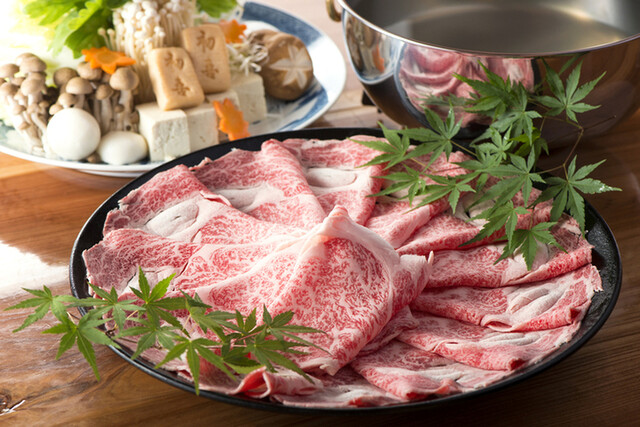
Approach Nishijin from the shopping-street side and the rhythm is local rather than ceremonial: commuters, students, families, small groups heading toward dinner rather than a staged tasting-menu room. Upstairs, the format shifts into Japanese hot-pot hospitality, with tatami rooms, sunken seating, and private rooms built for conversation as much as cooking. That matters in Fukuoka, where the city’s dining identity is often reduced to ramen, yatai, and seafood. The stronger read is broader: Fukuoka is also a city of specialist comfort formats, and hot pot sits in the category where ingredient buying, table pacing, and room design decide the meal.
Nishishin Hatsuki Honten fits that local grammar. Its public category spans shabu-shabu, sukiyaki, and izakaya, a combination that points to beef-led hot pot with drinks rather than a chef-counter performance. Selection for Tabelog 100 - Hot Pot - 2024 puts it inside a national hot-pot conversation, not merely a Sawara-ku neighborhood rotation. The Tabelog score of 3.60 is useful context in Japan, where scores tend to move conservatively and category lists often say more than star-style publicity.
Beef hot pot as sourcing culture, not spectacle
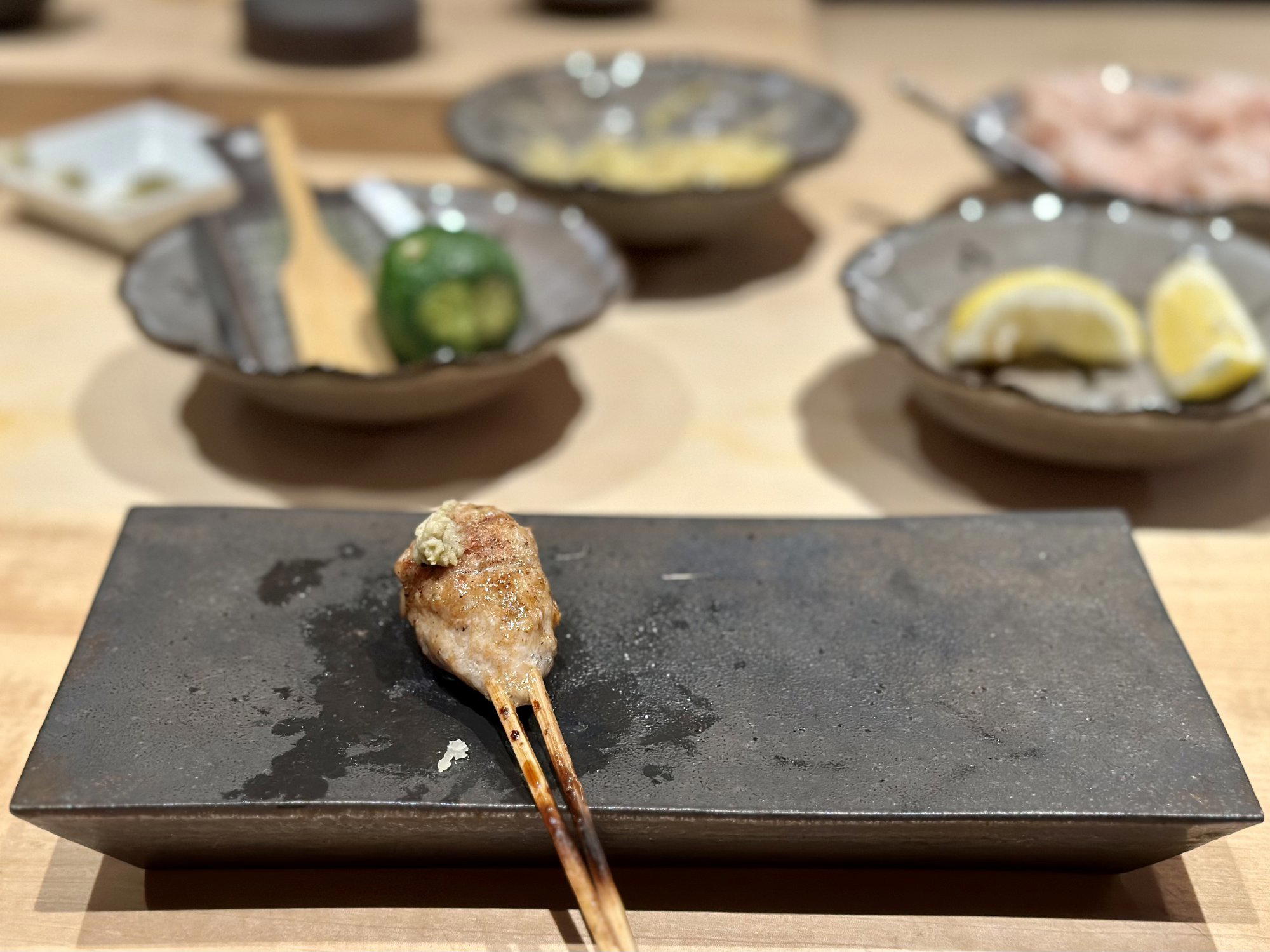
Shabu-shabu and sukiyaki depend on procurement discipline because the cooking is intentionally exposed. There is no heavy sauce architecture to hide weak meat, no long braise to flatten texture, and no multi-course progression to distract from the central ingredient. The table does much of the work: thin slices, heat control, dipping, pacing, and shared timing. In that sense, the format is closer to a market test than a theatrical meal.
The restaurant’s own public positioning emphasizes carefully selected meats, which is the right axis for this genre. In Kyushu, beef culture has real regional depth, from wagyu production to the everyday expectation that meat restaurants should be able to handle both celebratory and casual groups. Fukuoka’s hot-pot audience is not just tourists chasing a checklist dish; it includes families, office groups, and locals who understand the difference between a room built for group dining and a room merely tolerating it.
That distinction separates this address from many small izakaya in the same price universe. Rojiura Sakaba Gompoji, Yakitori Benkei Nishijin ten, Shokudo Shiotosake, Bajo So, and Tsukune Seisakusho all sit in Fukuoka’s accessible evening economy, but their formats pull in different directions: tavern drinking, yakitori, set-meal casualness, and skewer-focused repetition. Hot pot asks for a longer table commitment. It rewards groups that want a meal to unfold communally rather than arrive plate by plate.
Nishijin gives the meal a local register
Nishijin is not the glossy dining shorthand outsiders use for Fukuoka. It is west of the city-center circuits that pull most visitor attention, and its food culture is tied to daily-use streets as much as destination dining. That makes the setting useful for hot pot. The format benefits from a neighborhood where larger tables, family use, and repeat social meals feel natural, not like concessions made around a prestige kitchen.
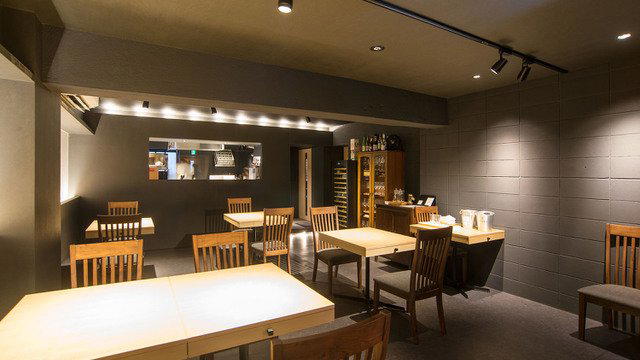
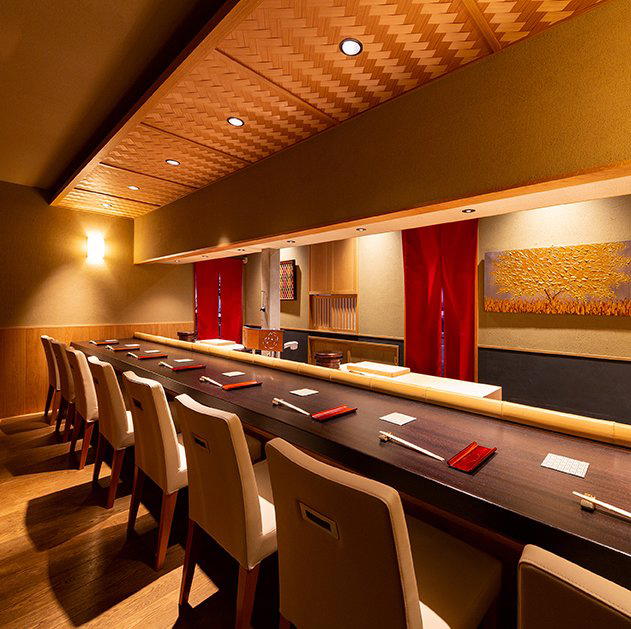
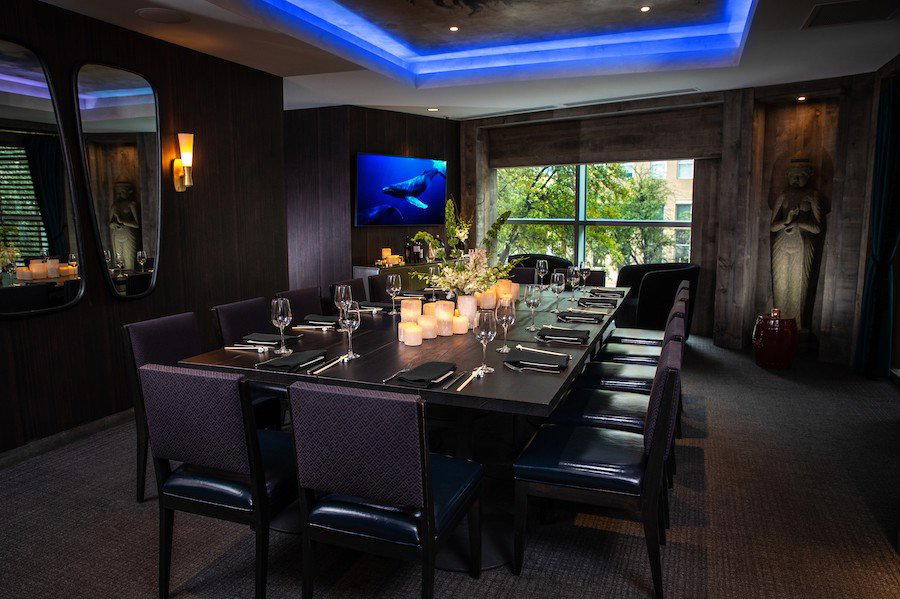
The 70-seat scale also changes the reading. A small counter can manufacture scarcity; a larger hot-pot room has to prove itself through consistency, turnover, and the ability to host different occasions without losing its category identity. Private tatami rooms and sunken kotatsu rooms for small groups indicate the meal is designed around face-to-face dining. Private use for large parties pushes the format further toward Fukuoka’s gathering culture, where business meals, family celebrations, and friends’ dinners often overlap in the same restaurant category.
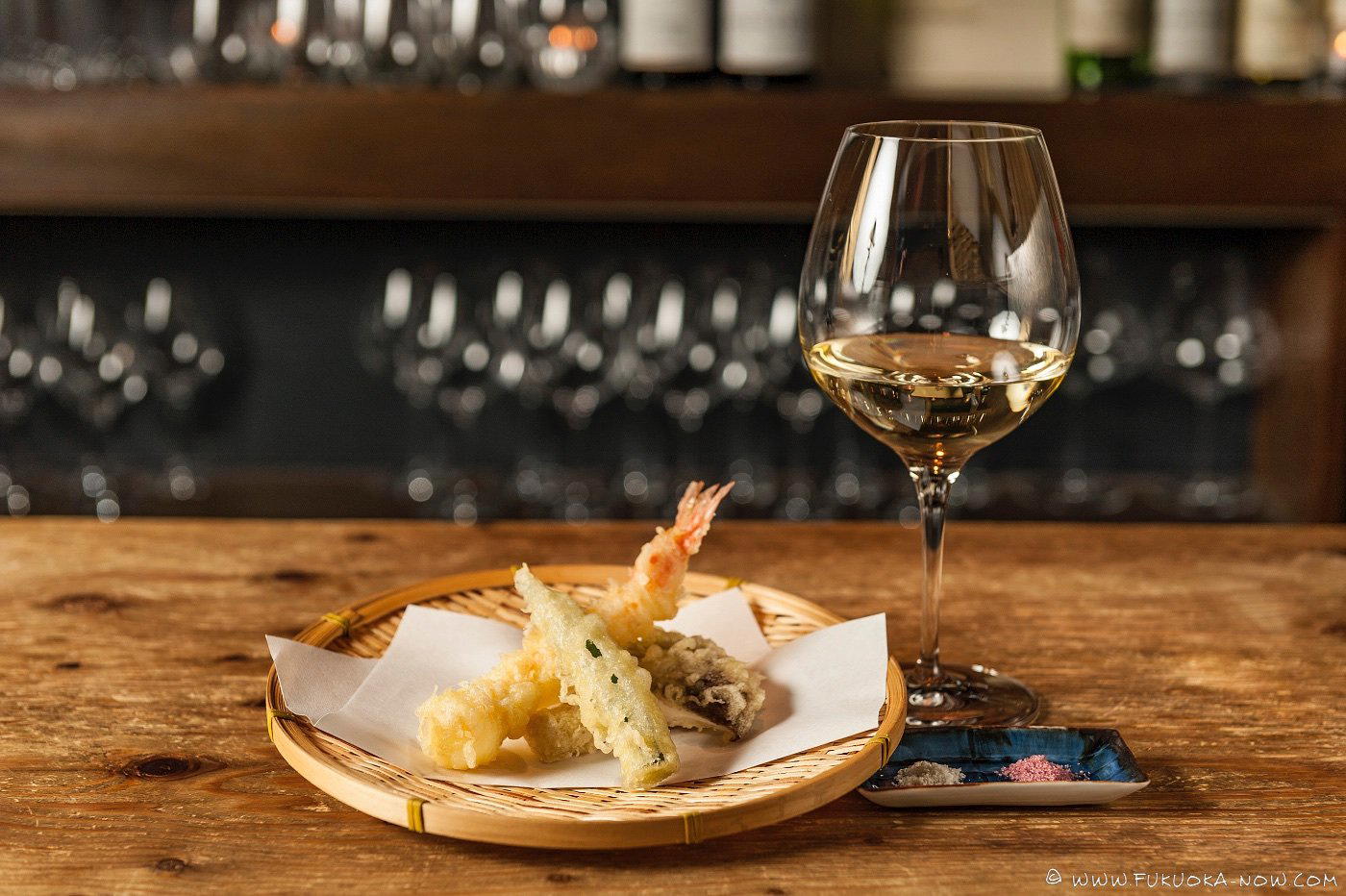
Drinks strengthen that point. Sake, shochu, wine, and cocktails are listed, with particular attention to sake, shochu, and cocktails. That range is not incidental. Sukiyaki and shabu-shabu can be read as formal Japanese food, but in Fukuoka they also sit comfortably beside izakaya habits: shared dishes, repeated pours, and a room that can handle conversation. The multilingual English menu adds practical value for visitors without changing the local shape of the place.
How to read it within a Fukuoka itinerary
For travelers building a Fukuoka food plan, this is a useful counterweight to the city’s faster meals. It belongs after a day built around neighborhoods rather than immediately before a bar crawl. Nishijin’s location makes sense when the evening is anchored in the west side of the city, or when the goal is to see how Fukuoka residents dine outside the Tenjin and Hakata gravity field.
The wider city comparison is instructive. South Indian cooking at 106 South Indian Fukuoka tenjin ten, spice-led dining at Afterglow, and Japanese comfort formats such as Aji Dokoro Taro Gen Sougyou ten, Aji Furai Shokudo Kaba, and Aji no Katsueda show how varied Fukuoka’s casual and mid-range dining field has become. Hot pot occupies a different role: slower, more group-oriented, and more dependent on sourcing than menu novelty.
Readers mapping the city can use Our full Fukuoka restaurants guide alongside Our full Fukuoka hotels guide, Our full Fukuoka bars guide, Our full Fukuoka wineries guide, and Our full Fukuoka experiences guide to build the rest of the trip around neighborhood movement rather than single-stop dining. For a broader Japan comparison, beef sukiyaki at -Grilled beef Sukiyaki- KAMAKURA TANUKIAN 鎌倉 たぬき庵 in Kamakura shows how the category travels across regions, while. 鮪と炭火焼き うお炭 秋葉原店 in Tokyo.cafe in Osaka.know in Kumamoto, (Shoku) Vietnam in Kawasaki, [Curry Senmon Ten] Maruyama Kyoju. in Sapporo, Jōdo Saké Bar in Los Angeles, and Onigiri Time in Pasadena broaden the frame from hot pot to Japanese dining culture abroad and across the country.
The editorial case is simple: choose Nishishin Hatsuki Honten when the meal needs to be social, meat-centered, and grounded in Fukuoka’s local dining habits rather than staged around chef biography. The award recognition supplies the trust signal; the format supplies the reason to go.
Side-by-Side Snapshot
Nearby venues at a similar price tier for orientation.
| Venue | Cuisine | Price | Notes |
|---|---|---|---|
| Nishishin Hatsuki HontenThis venue — the venue you are viewing | Traditional Wagyu Shabu-shabu & Sukiyaki | $$$ | Not listed |
| Hyaku Shiki | Seasonal Japanese Izakaya & Robatayaki | $$$ | Chūō |
| Nishimura | Edomae Sushi Omakase | $$$ | Hakata |
| Oryori Uchiyama | Japanese Izakaya | $$$ | Chūō |
| Tatsu Sho | Sushi Omakase | $$$ | Chūō |
| Kamoryori Marimo Honten | Duck hot pot & kaiseki-style Japanese | $$$ | Hakata |
Recognition history
Dated appearances from independent guides and award organizations, with the underlying list record or original source where available.
Tabelog 100 #46 · No. 46
Tabelog · Tabelog 100 - Hot Pot - 2024
At a Glance
- Classic
- Cozy
- Intimate
- Group Dining
- Family
- Business Dinner
- Celebration
- Date Night
- Special Occasion
- Private Dining
- Standalone
- Sake Program
- Beer Program
- Local Sourcing
Current opening hours
- Monday
- 12–3:30 PM, 5–11 PM
- Tuesday
- Closed
- Wednesday
- 12–3:30 PM, 5–11 PM
- Thursday
- 12–3:30 PM, 5–11 PM
- Friday
- 12–3:30 PM, 5–11 PM
- Saturday
- 12–3:30 PM, 5–11 PM
- Sunday
- 12–3:30 PM, 5–11 PM
Hours can change for holidays and private events. Last verified .
Traditional Japanese private rooms and tatami-style spaces create a calm, classic atmosphere well suited to relaxed hotpot meals and banquets.