Our verdict
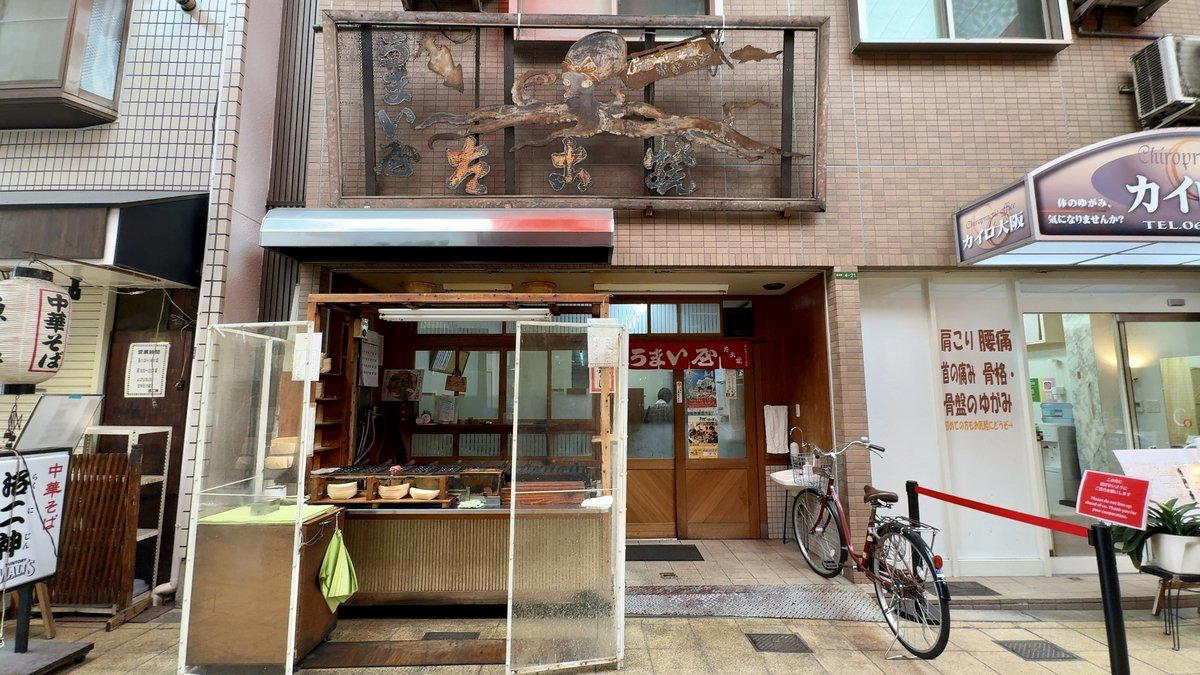
Umaiya Takoyaki sits inside Osaka's most democratic food tradition: the takoyaki stall, where batter, octopus, and a hot iron griddle define an entire civic identity. In a city where Michelin-starred kaiseki counters and street-level snacks occupy the same conversation, this is where that street-level conversation begins, and often ends.

Pearl is the En Primeur Club membership app, where members save venues, book tables and use the concierge.
The menu
What to order
- Takoyaki (8 pieces)
- Takoyaki (12 pieces)
Where Osaka Eats Standing Up
Approach any takoyaki stand in Osaka on a weekday afternoon and you encounter the same sensory sequence: the hiss of batter hitting cast iron, the smell of dashi and tenkasu drifting into the street, and the sight of a vendor working eight rows of spherical moulds with practiced, unhurried wrists. Takoyaki is not a snack category that Osaka happens to produce. It is, in the view of most food historians, something the city invented and has since exported to every corner of Japan and beyond. Umaiya Takoyaki operates within that tradition, in a city that measures takoyaki quality with the same seriousness it applies to kaiseki.
The physical experience of eating takoyaki in Osaka is unlike eating it anywhere else. The balls arrive so hot that the outer shell has already formed its skin while the interior remains liquid, a textural contrast that requires a particular eating rhythm: pierce too soon and the centre collapses, wait too long and the shell hardens past its leading moment. In summer, the combination of street heat and radiant griddle warmth is part of the context. In autumn and winter, that same heat becomes the point. Street-level Osaka dining rewards those who time their visits by season rather than by convenience.
The Takoyaki Tradition in Context
Osaka's reputation as Japan's eating city, what locals call kuidaore or "eat until you drop," is built on a structure that runs from three-Michelin-star houses down to grilled skewers under train arches. The takoyaki stall sits at a specific register within that structure: not casual in the dismissive sense, but democratic in the precise sense. Anyone pays the same price, eats from the same container, and stands in the same proximity to the griddle. The egalitarianism is part of the form.
At the high end of Osaka's dining hierarchy, places like HAJIME and La Cime operate in French-influenced territory with ¥¥¥¥ price points and long booking horizons. Kaiseki counters such as Kashiwaya Osaka Senriyama and Taian occupy the ¥¥¥ tier with tasting formats built on ceremony and seasonal progression. Fujiya 1935 operates in innovative territory at the same premium bracket. None of these are in competition with a takoyaki stall. What they share with it is Osaka's collective insistence that the food is the point, regardless of which floor of the price structure you occupy.
Across the Kansai region, the same logic applies at different scales. Gion Sasaki in Kyoto and akordu in Nara each represent their cities' premium dining registers, while Osaka's street food operates as its own parallel institution. For visitors moving through Japan's food circuit, the contrast between a kaiseki dinner in Kyoto and a takoyaki stop in Osaka is not a step down. It is a lateral move into a different set of values.
The Sensory Geometry of the Griddle
What makes a takoyaki stand worth choosing over another is rarely visible on a sign. The indicators are operational: the consistency of the vendor's rotation (each ball must be turned four times during cooking), the ratio of octopus to batter by volume, and the temperature at which the finished product leaves the griddle. Okonomi sauce, aonori (dried seaweed), katsuobushi (bonito flakes), and Japanese mayonnaise each layer additional sensory data on top of what is already a complete flavour structure. The katsuobushi moves in the steam. That movement is not decorative, it signals that the product is still at serving temperature.
These details matter because takoyaki quality is expressed through precision rather than elaboration. There is no garnish to distract, no plating to compensate. The form imposes honesty: a poorly made takoyaki ball cannot be dressed up, and a well-made one requires nothing added.
Osaka as a Food City, Mapped Outward
For travellers building an itinerary across Japan's food cities, Osaka typically anchors the Kansai portion. Harutaka in Tokyo and Goh in Fukuoka represent the northern and southern poles of Japan's premium dining geography. Further afield, destinations like restaurants in Nanao, Sapporo, Takashima, and Nishikawa Machi each extend the map into Japan's regional dining culture beyond the major hubs. Osaka sits at the centre of that map, both geographically and gastronomically.
Within Osaka's own orbit, Birdland in Sakai represents the city's adjacent culinary geography, while broader regional comparisons can extend to Bistro Ange in Toyohashi. For an international reference frame, the kind of technical discipline visible at Le Bernardin in New York City or Atomix in New York City operates in a different register entirely, but the underlying principle, that form constrains and clarifies quality, applies across categories and continents.
For a complete view of where Umaiya Takoyaki sits within Osaka's broader food map, the full Osaka restaurants guide covers the city's dining from street level to starred counter.
Planning Your Visit
Takoyaki stalls in Osaka operate at street level and do not require reservations. The practical calculus is direct: arrive when the griddle is active, order when a fresh batch is starting, and eat immediately. Summer visits reward early evening timing when the outdoor heat has begun to ease. Autumn and winter are the seasons when standing at a griddle with a hot container makes the most sensory sense. There is no dress code and no booking apparatus, the queue, when there is one, moves in the time it takes to cook a batch.
Frequently asked questions
Is Umaiya Takoyaki suitable for visitors who have never tried takoyaki before?
Osaka is the city where takoyaki originated, making it the most context-rich place to try the dish for the first time. Street stands like Umaiya Takoyaki require no Japanese language ability, you point, pay, and receive your tray. The format is entirely self-contained and operates at pavement level without any booking or prior knowledge needed.
What do regulars order at Umaiya Takoyaki?
Takoyaki is the entire menu, which is the point. At any Osaka stand operating in this tradition, the order is a portion of freshly turned octopus balls, served in a tray, eaten standing, topped with bonito flakes, okonomi sauce, and mayonnaise. The question isn't what to order but how many: four or six is the standard starting point in Osaka's street stall culture.
How hard is it to get a table at Umaiya Takoyaki?
There are no tables. Takoyaki stands in Osaka operate at street level, you order, you wait for the griddle to finish its rotation, and you eat on your feet. Peak hours around lunchtime and early evening typically produce short queues, but the turnover is fast by the nature of the format.
What is Umaiya Takoyaki known for?
Umaiya Takoyaki operates within Osaka's street-food tradition that locals call kuidaore, eating at the city's most immediate, democratic level. Takoyaki stands represent the base layer of a food culture that runs all the way up to Michelin-starred kaiseki, and Osaka's affiliation with the dish is well-documented across Japan. The stand format is the credential: no reservations, no menus, one product done repeatedly.
Comparable Spots
Comparable venues nearby, for context on price, style, and recognition.
| Venue | Cuisine | Price | Awards | Notes |
|---|---|---|---|---|
| Umaiya TakoyakiThis venue (the venue you are viewing) | Traditional Osaka Takoyaki | $1–10 | Not listed | Not listed |
| Udon Bo Oosaka honten | Traditional Sanuki Udon Noodle Shop | $10–20 | Tabelog 100 #45 | Kita |
| Motsuyaki Doppo Tenma ten | Japanese motsuyaki standing bar | $20–30 | Tabelog 100 #60 | Kita |
| New Astoria | Japanese Kissaten / Café | $1–10 | Tabelog 100 | Senri Chuo |
| Curry Ya Madras | Japanese Curry | $1–10 | Tabelog 100 #66 | Naniwa |
| Karakuchi Meshiya Morigen | Spicy Japanese Curry House | $1–10 | Tabelog 100 #71 | Kita |
Continue exploring
More in Osaka
Restaurants in Osaka
All restaurants in Osaka →


Bars in Osaka
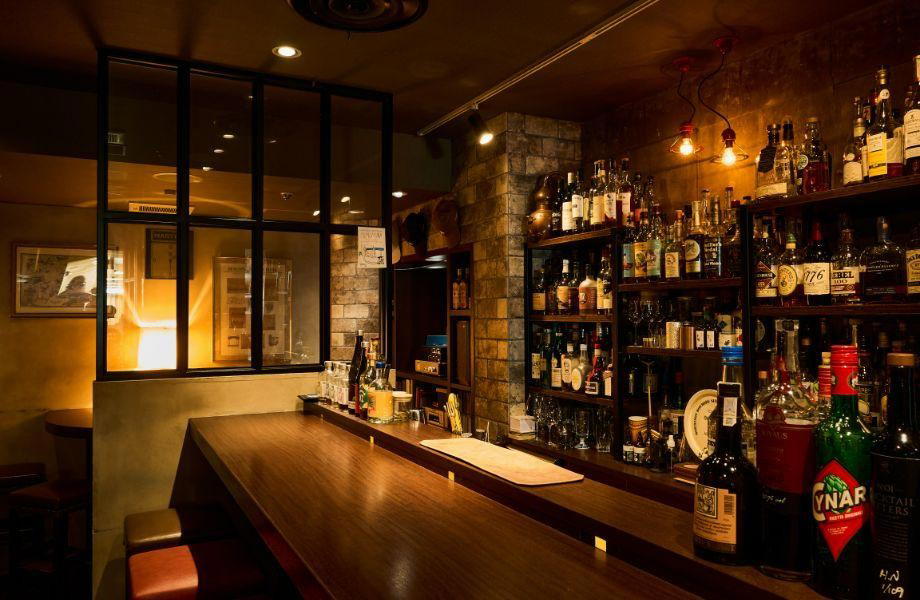
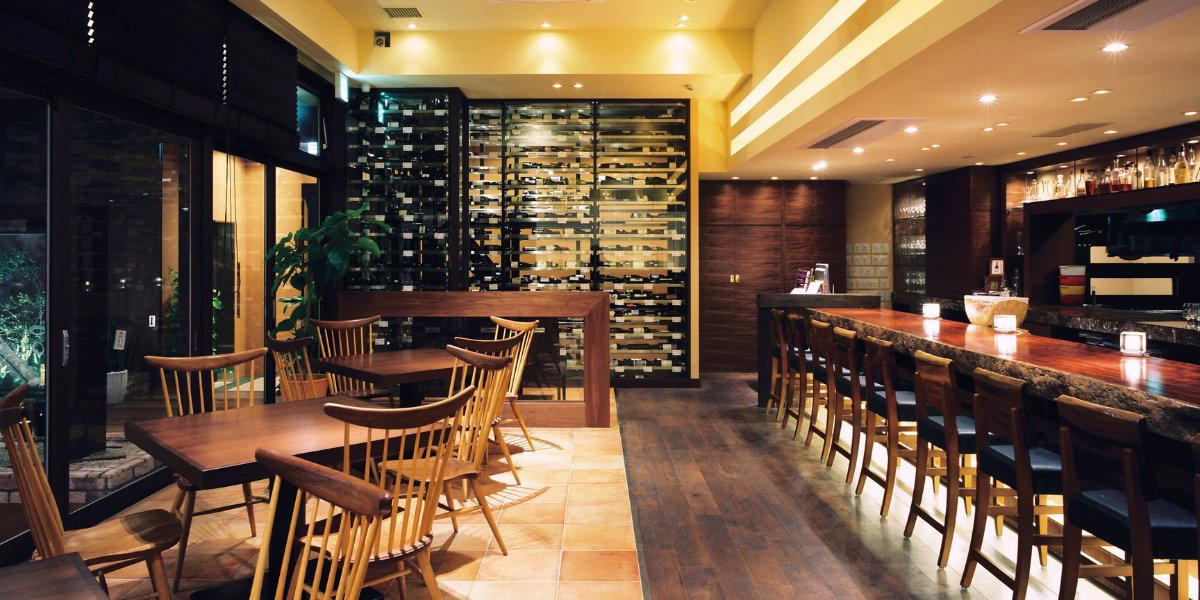
All bars in Osaka →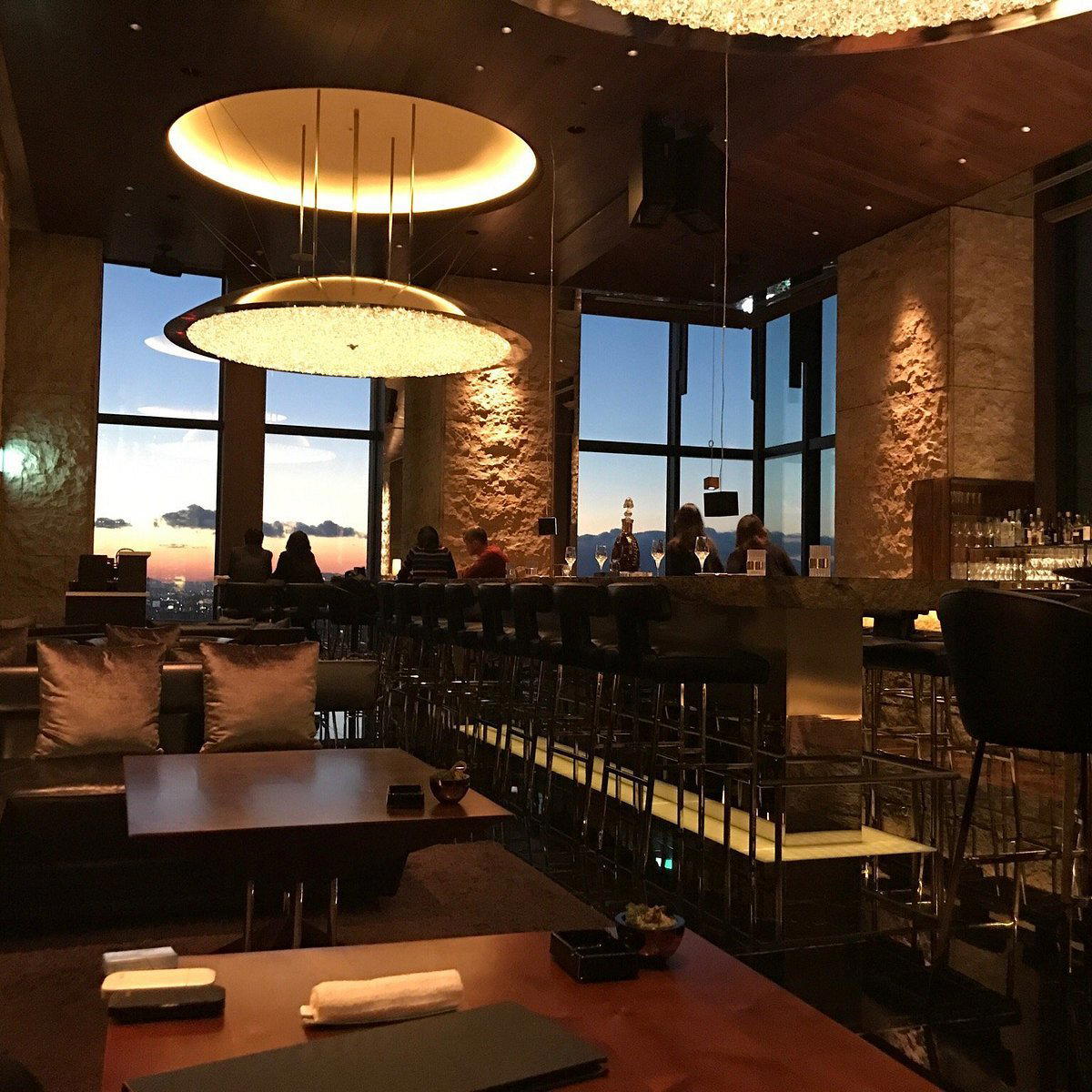
Hotels in Osaka
All hotels in Osaka →


Wineries in Osaka
Browse all →
Details
- Classic
- Casual Hangout
- Standalone
- Beer Program
- A La Carte
Current opening hours
- Monday
- 11:30 AM–6:30 PM
- Tuesday
- Closed
- Wednesday
- 11:30 AM–6:30 PM
- Thursday
- 11:30 AM–6:30 PM
- Friday
- 11:30 AM–6:30 PM
- Saturday
- 11:30 AM–6:30 PM
- Sunday
- 11:30 AM–6:30 PM
Hours can change for holidays and private events. Last verified .
Old-school street food stall with unassuming, no-frills atmosphere focused on authentic takoyaki preparation.