
Tabelog 100
Our verdict
New Astoria belongs to Osaka’s older kissaten culture rather than its chef-counter dining circuit: small, practical, station-adjacent, and built around coffee-shop rhythms. Its Tabelog Kissaten 100 selections in 2021 and 2022 place it among Japan’s recognized classic café addresses, with sandwich-and-café cooking in a low-spend register.

Pearl is the En Primeur Club membership app — saves, bookings, and concierge access live there. Same editors, same standards.
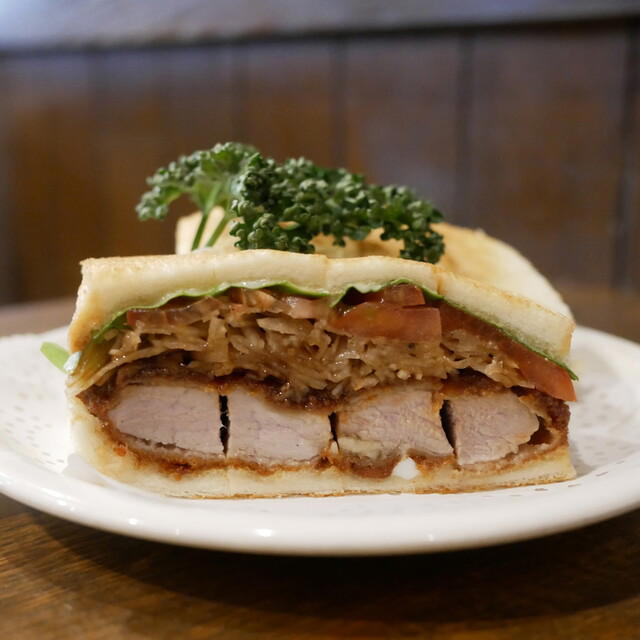
The modest scale of the format sharpens the point. New Astoria reads as a low-key, daily-use address, but not in the luxury sense. This is everyday utility: a simple stop, a short meal, and coffee-shop timing around a practical schedule. The city rewards queues for famous snacks near major stations and serious reservations at small counters. Sandwiches carry particular weight in this tradition. They are portable, orderly, and suited to rooms where coffee and a simple plate can define the meal. The point is directness rather than ceremony: an offering framed by coffee-shop habits, simple food, and a format that does not need a long explanation.
Price frames the experience. The listed price and budget sit at - JPY 999 - JPY 999, with both dinner and lunch shown as - JPY 999. New Astoria’s appeal is not value as marketing; it is the coherence between category, city, and spend.
The Tabelog score of 3.72 adds another signal, but numbers need care in this category. Kissaten are not judged by the same cues as contemporary tasting-menu restaurants. The relevant measures are repeatability, clarity, and whether the room remains legible as a place for coffee, a sandwich, and a short pause. Its 2022 Tabelog Kissaten 100 recognition is more useful as a category marker than as a cue to expect spectacle. The stronger use case is lunch or a simple meal before moving on through the city. The informal coffee-shop format keeps expectations grounded, while the compact nature of the experience means timing matters more than planning drama. Other dining rooms point to imported formats adapted to the city’s habits. Against those, the kissaten feels less trend-led and more infrastructural: a place where daily appetite is organized in coffee, bread, and routine.
Nationally, the comparison broadens.
The editorial case for New Astoria is precise. It is not for readers chasing ceremony or chef biography.
Frequently asked questions
Can I bring kids to New Astoria?
No specific age policy is provided in the available details, so the clearest read is a casual kissaten in Osaka rather than a formal dining room.
What should I expect atmosphere-wise at New Astoria?
Expect a straightforward kissaten format in Osaka, with the listed categories of Kissa, Sandwich, and Cafe shaping the experience around coffee-shop routine rather than destination dining ceremony.
What should I budget for a meal at New Astoria?
Pricing at New Astoria is listed as - JPY 999 - JPY 999, with the budget shown as Dinner: - JPY 999; Lunch: - JPY 999.
What is New Astoria known for?
New Astoria is known as an Osaka kissaten in the Sandwich and Cafe categories, with a Tabelog score of 3.72 and Tabelog Kissaten 100 recognition in 2022.
The Short List
Comparable venues by cuisine and price in the same metro.
| Venue | Cuisine | Price | Awards | Notes |
|---|---|---|---|---|
| New AstoriaThis venue (the venue you are viewing) | Japanese Kissaten / Café | $1–10 | Tabelog 100 | Not listed |
| Kissa Ichi | Japanese Kissaten | Not listed | Tabelog 100 | JPY 1,000 - JPY 1,999 JPY 1,000 - JPY 1,999 |
| Sakura Grill | Western restaurant | Not listed | Tabelog 100 #95 | JPY 4,000 - JPY 4,999 JPY 1,000 - JPY 1,999 View spending breakdown |
| Soba-ya Kida | Traditional Soba Noodle House | $20–30 | Tabelog 100 #94 | JPY 2,000 - JPY 2,999 JPY 1,000 - JPY 1,999 View spending breakdown |
| Nick&Renée Toyonaka honten | Gourmet Burgers | $10–20 | Tabelog 100 #44 | JPY 2,000 - JPY 2,999 JPY 2,000 - JPY 2,999 View spending breakdown |
| AT THE 21 | Osaka okonomiyaki & teppan-yaki | $20–30 | Tabelog 100 #75 | JPY 1,000 - JPY 1,999 JPY 1,000 - JPY 1,999 |
Recognition history
Dated appearances from independent guides and award organizations, with the underlying list record or original source where available.
Tabelog 100
Tabelog · Tabelog 100 - Kissaten - 2026
Full recognition history (2 entries)
Tabelog 100 #94 · No. 94
Tabelog · Tabelog 100 - Kissaten - 2022
Continue exploring
More in Osaka
Restaurants in Osaka
All restaurants in Osaka →


Bars in Osaka
All bars in Osaka →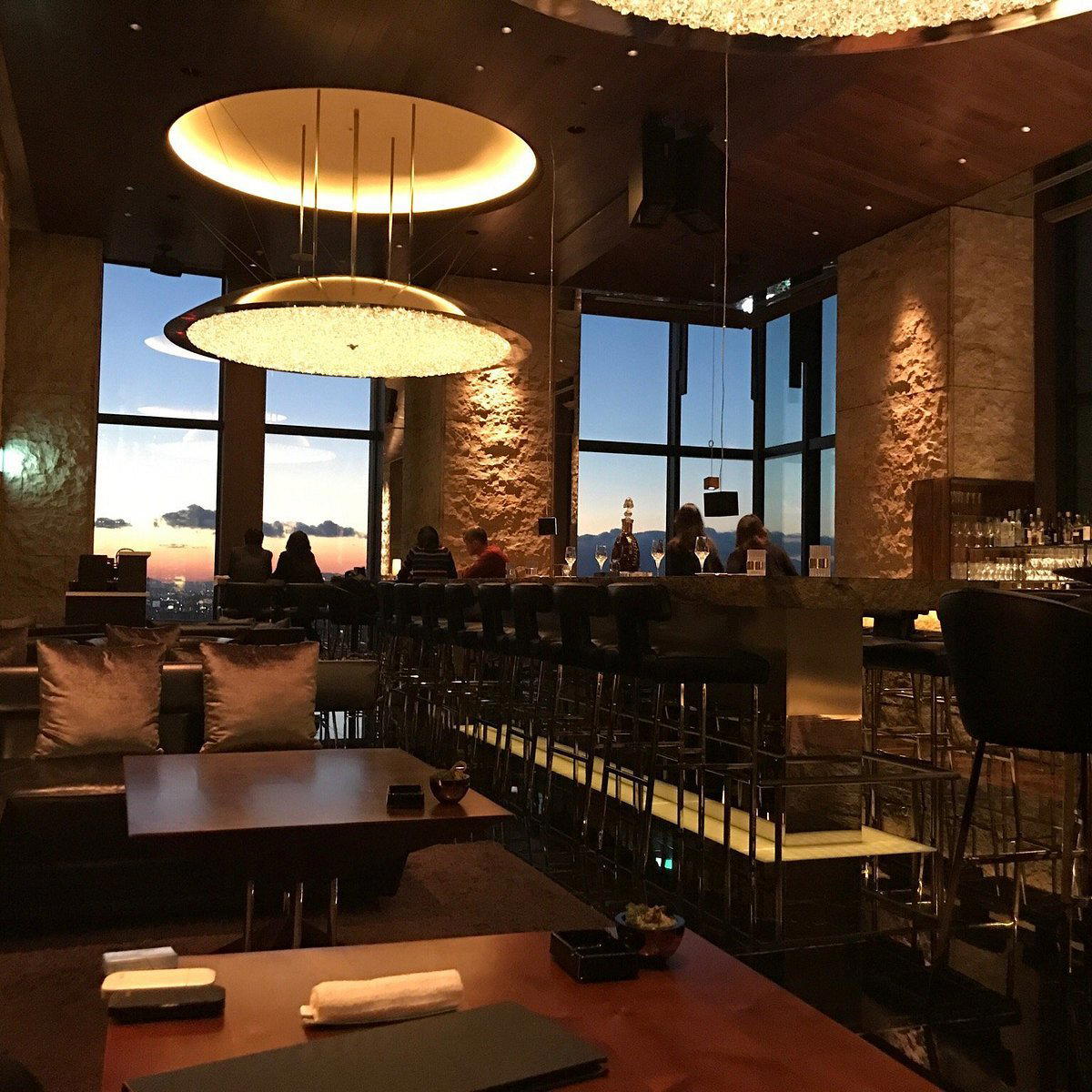


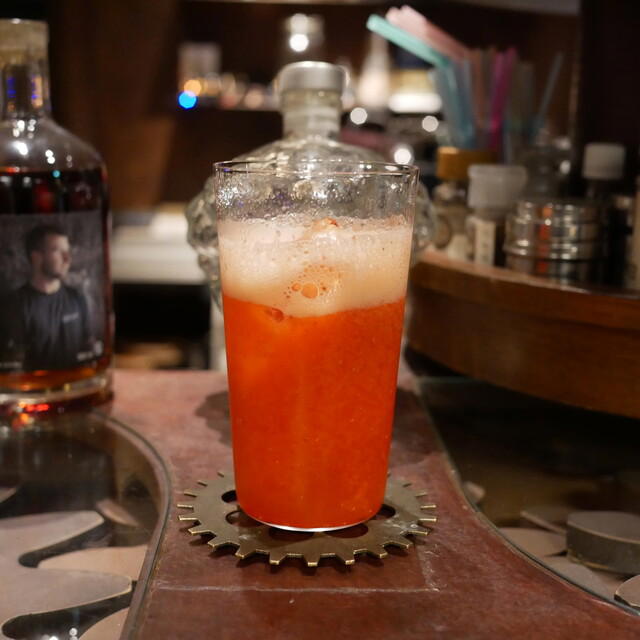

Hotels in Osaka
All hotels in Osaka →



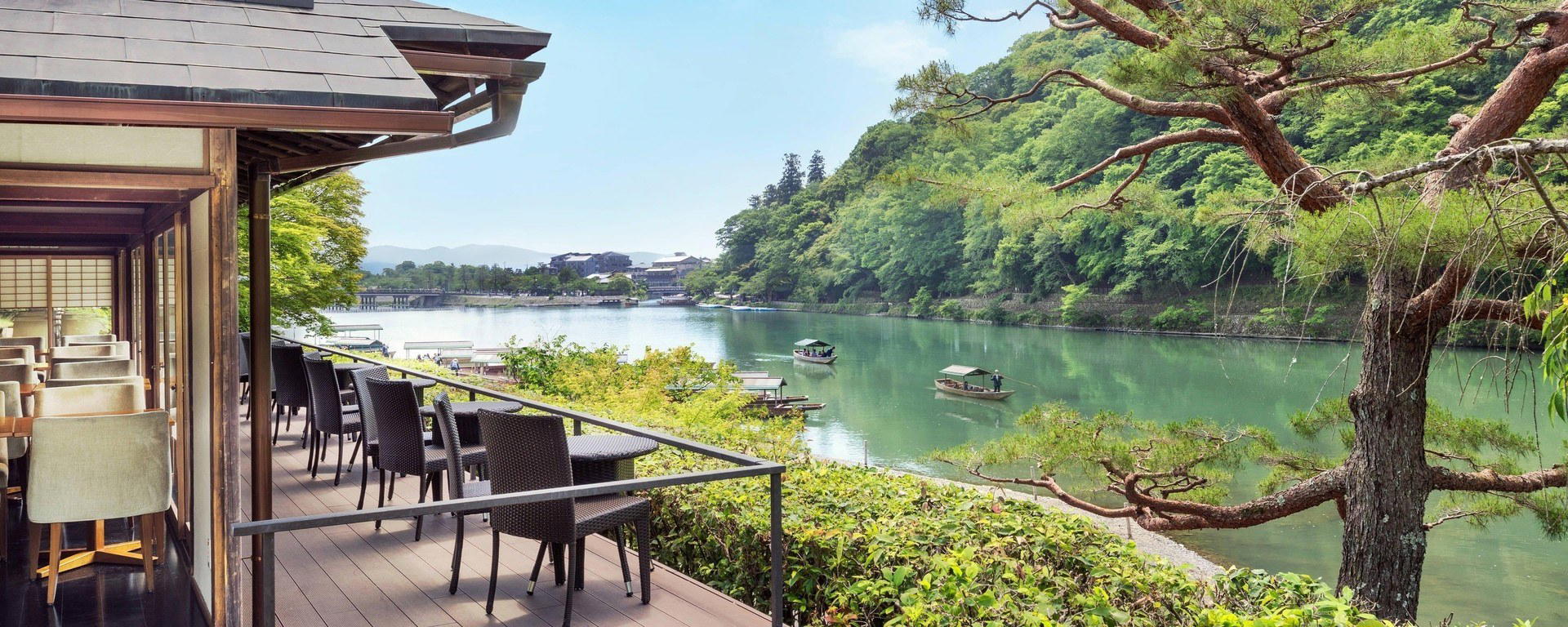
Wineries in Osaka
Browse all →
Details
- Classic
- Cozy
- Solo
- Casual Hangout
- After Work
- Standalone
- Beer Program
- A La Carte
- Counter Dining
- Coffee
- Juice
Current opening hours
- Monday
- 8 AM–3:30 PM
- Tuesday
- 8 AM–3:30 PM
- Wednesday
- Closed
- Thursday
- Closed
- Friday
- 8 AM–3:30 PM
- Saturday
- 8 AM–3:30 PM
- Sunday
- 8 AM–3:30 PM
Hours can change for holidays and private events. Last verified .
Relaxing, old-school café atmosphere with a quiet, nostalgic feel and views over the station concourse.