
Michelin Plate
Our verdict
A Michelin Plate-recognised Japanese restaurant in Taipei's Da'an District, Uke operates at the upper end of the city's Japanese dining tier alongside a competitive set that includes tempura specialists and kappo counters.
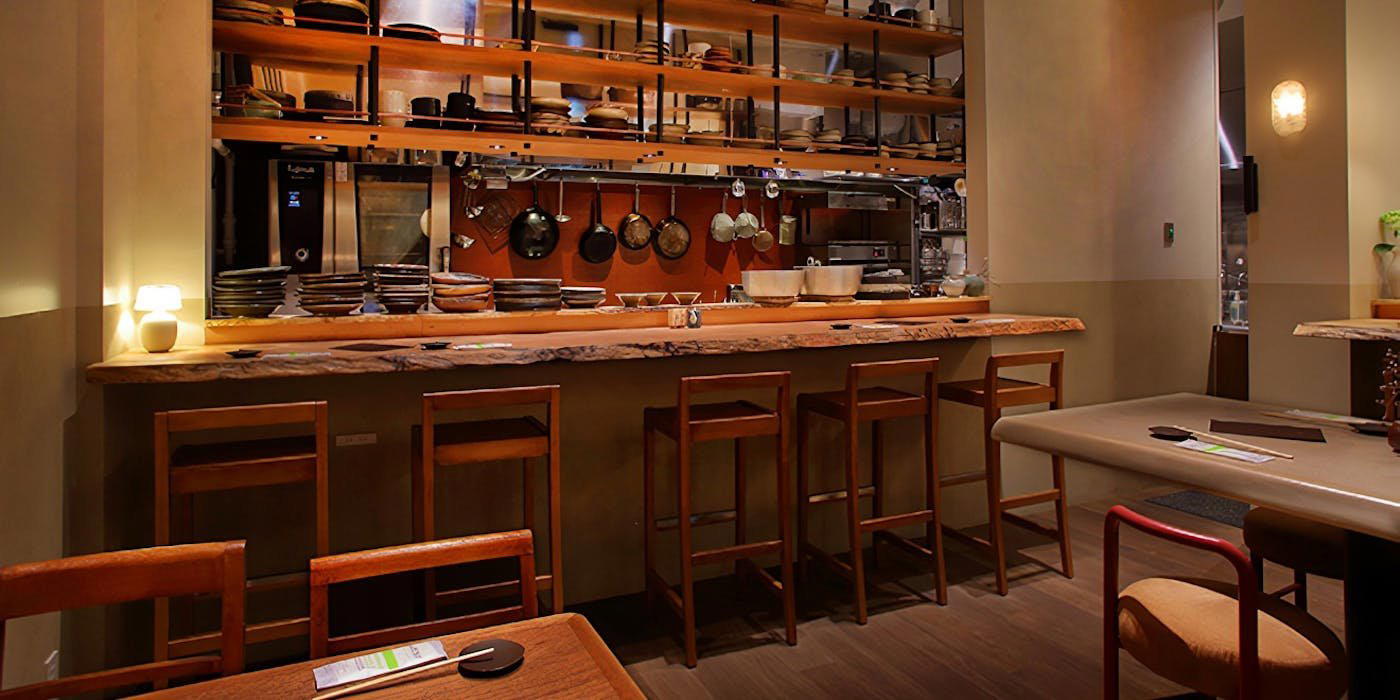
The Ritual of the Japanese Table in Taipei
Da'an District has become Taipei's most reliable address for Japanese dining that takes the source material seriously. Along the residential lanes off Ren'ai Road, the format is familiar to anyone who has spent time at counters in Tokyo or Kyoto: a room kept deliberately quiet, a pace set by the kitchen, and a sequence of courses that rewards attention rather than conversation. Uke, at No. 9, Lane 91, Section 4 of Ren'ai Road, occupies exactly this register. The physical approach, a narrow lane, understated signage, a building that makes no effort to announce itself, signals the same contract that governs most serious Japanese dining: the food will speak, and everything else will step back.
That contract is worth understanding before you arrive. The Japanese dining ritual, whether in its home country or in the diaspora kitchens that have taken root across East Asia, asks the guest to surrender the timeline. Courses arrive when the kitchen decides. The sequence has internal logic, lighter preparations before heavier, raw before cooked, delicate before assertive, and disrupting it by rushing is a kind of breach. Taipei's top-tier Japanese restaurants have absorbed this structure completely, and Uke's sustained reputation among a large and discerning local audience suggests it holds that structure with some rigour.
Where Uke Sits in Taipei's Japanese Tier
Taipei's Japanese restaurant population is unusually deep for a city outside Japan. The historical and cultural proximity between Taiwan and Japan, combined with decades of Japanese culinary investment in the city, has produced a tier of restaurants that price and position against each other rather than against the broader Taipei dining market. At the $$$$ price point, Uke competes in a bracket that includes tempura specialists such as Dasuke and Kiku, alongside Japanese-inflected counters like Ken Anhe and seafood-focused formats such as Yu Kapo. The comparison set also extends to precision Japanese cooking at AJIMI.
The Michelin Plate recognition Uke received in 2024 places it in a specific band within that tier. The Plate, awarded to restaurants that Michelin inspectors consider worthy of attention without yet meeting star criteria, functions as a credibility signal rather than a ceiling. In Taipei's Japanese segment, it confirms that Uke is operating at a level that commands institutional attention, not merely local affection.
For context across Taiwan's broader award-recognised dining scene, JL Studio in Taichung and GEN in Kaohsiung represent the Michelin-starred tier in other cities, while Taipei's own Taïrroir and Le Palais anchor the fine dining conversation in Taiwanese-French and Cantonese directions respectively. Uke's position is specifically within Japanese cuisine's upper bracket, not the city-wide fine dining conversation in general.
The Pace and Logic of the Meal
Japanese cuisine at this price point in Taipei almost universally follows a structured format: a set sequence, a fixed number of courses, and a kitchen that controls the rhythm from first bite to last. The ritual begins before the food arrives. Seating is precise. The room's temperature, sound level, and lighting are calibrated to direct attention downward, toward the table and the plate. This is not an accident of design but an active editorial decision that the leading Japanese kitchens make deliberately.
Within that framework, the etiquette expected of the guest is worth noting for first-timers. Dietary restrictions are leading communicated well before arrival, not at the table; the structured format leaves little room for mid-service adjustment. Photography has become broadly accepted at this tier of Taipei dining, but the practice of standing or disrupting adjacent guests remains poorly received. Arriving on time matters more here than at casual restaurants because the kitchen sequences multiple tables simultaneously, and a late guest delays the room.
The comparison with how the same cuisine is practiced in Japan is instructive. At counters in Tokyo, such as Myojaku or Azabu Kadowaki, and in Kyoto's traditional ryotei tradition as practiced at establishments like Isshisoden Nakamura, the ritual carries an additional weight of historical obligation. Taipei's versions operate with somewhat less ceremony while maintaining the core structure. The result, at its finest, is Japanese dining that is rigorous without being intimidating.
Da'an as a Dining Address
The Da'an District location shapes the experience before and after the meal as much as the restaurant itself. Ren'ai Road's side lanes have accumulated a concentration of serious Japanese restaurants, smaller wine bars, and a handful of European-format fine dining rooms that collectively make Da'an the most consistent neighbourhood for this kind of evening in Taipei. The area is not a nightlife district; it winds down early by Taipei standards, which means post-dinner options are quieter and more considered. A walk along the tree-lined boulevard after dinner is a practical pleasure in most seasons.
For a fuller read on the city's dining geography, our full Taipei restaurants guide maps the Japanese, Taiwanese contemporary, and European tiers across neighbourhoods. Uke fits the Da'an Japanese cluster precisely, which also means that if it is full on your target date, the neighbourhood offers several direct alternatives without requiring a district change. The Taipei bars guide and hotels guide can help frame the wider stay, and for those extending beyond Taipei, the experiences guide and wineries guide cover the broader city offering. Regionally, A Cun Beef Soup in Tainan, Akame in Wutai Township, and Volando Urai Spring Spa and Resort in Wulai District extend the Taiwan dining circuit for visitors building a longer itinerary.
Price and Recognition
| Venue | Cuisine | Price | Awards | Notes |
|---|---|---|---|---|
| UkeThis venue (the venue you are viewing) | Edomae-style Omakase | Not listed | Michelin Plate | Not listed |
| logy | Modern Japanese-Taiwanese Fusion Omakase | $100–150 | 2 Michelin Stars · World's 50 Best #22 | Modern European, Asian Contemporary |
| Le Palais | Fine Dining Cantonese | $150–200 | 3 Michelin Stars · La Liste Top Restaurants | Cantonese |
| Taïrroir | Taiwanese-French Fusion Fine Dining | $150–200 | 3 Michelin Stars · La Liste Top Restaurants | Taiwanese/French, Taiwanese contemporary |
| Mudan Tempura | Michelin-Starred Tempura | Not listed | 2 Michelin Stars · La Liste Top Restaurants | Tempura |
| de nuit | Contemporary French | $150–200 | 1 Michelin Star · Star Wine List | French Contemporary |
Recognition history
Dated appearances from independent guides and award organizations, with the underlying list record or original source where available.
Michelin Plate
Michelin
Continue exploring
More in Taipei
Restaurants in Taipei
All restaurants in Taipei →
Bars in Taipei
All bars in Taipei →
Hotels in Taipei
All hotels in Taipei →
Wineries in Taipei
Browse all →
Details
- Intimate
- Minimalist
- Elegant
- Quiet
- Sophisticated
- Date Night
- Special Occasion
- Chefs Counter
- Omakase
- Counter Dining
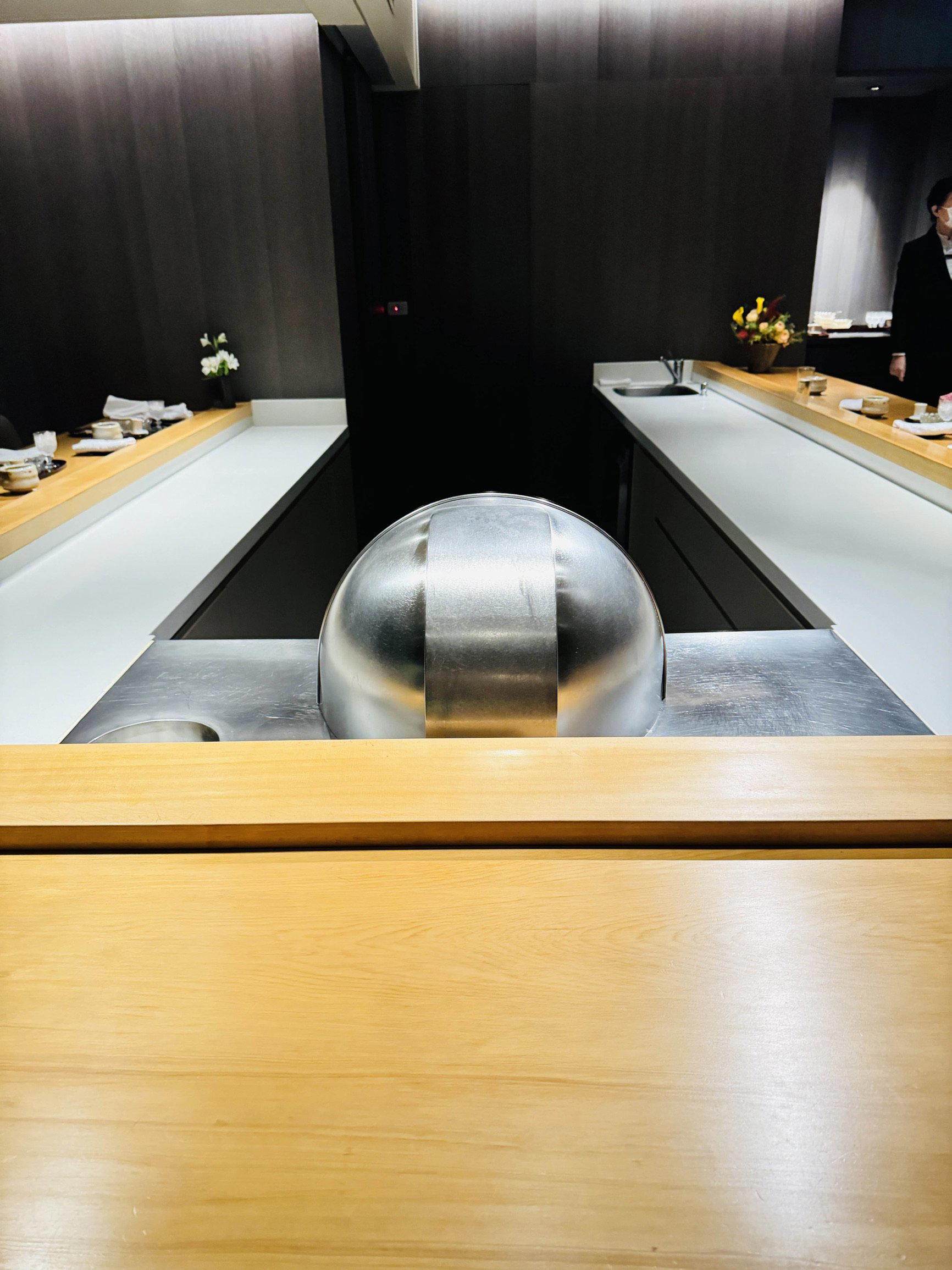
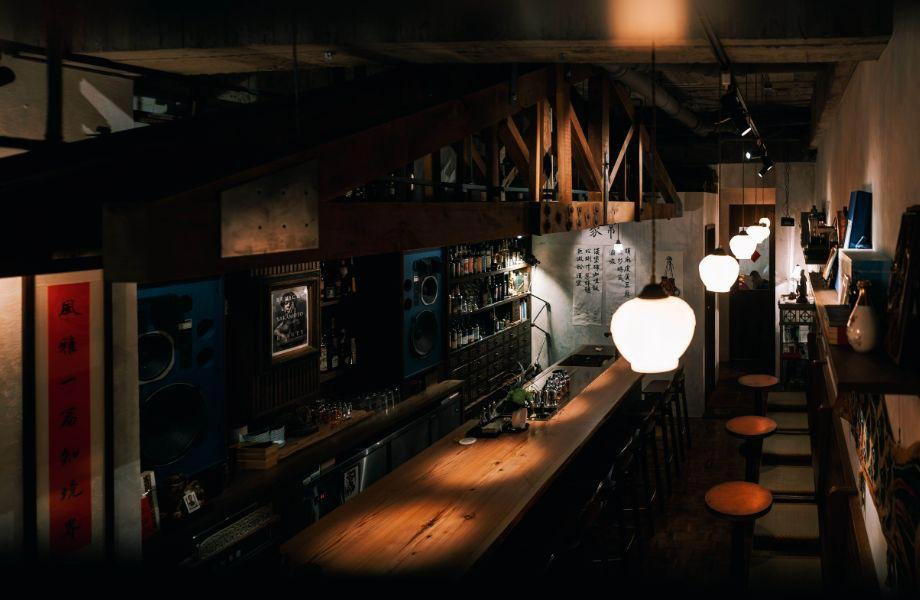
Hushed dining room with minimalist Zen garden entry, intentional elements, and contemplative atmosphere centered around the ancient wooden counter.