
A Michelin Plate recipient on Dunhua North Road, Tajimaya brings the precision of Japanese shabu-shabu to Taipei's Songshan dining corridor. The format centres on quality broth and thinly sliced protein, with an approach that sits closer to the Japanese hotpot tradition than the looser Taiwanese adaptations common elsewhere in the city.
Pearl is the En Primeur Club membership app — saves, bookings, and concierge access live there. Same editors, same standards.
- Address
- 105, Taiwan, Taipei City, Songshan District, DunHua N Rd, 166號3 樓
- Phone
- +886 2 2712 5600
- Website
- instagram.com
- Directions
- Get directions
 Saves & bookings on Pearl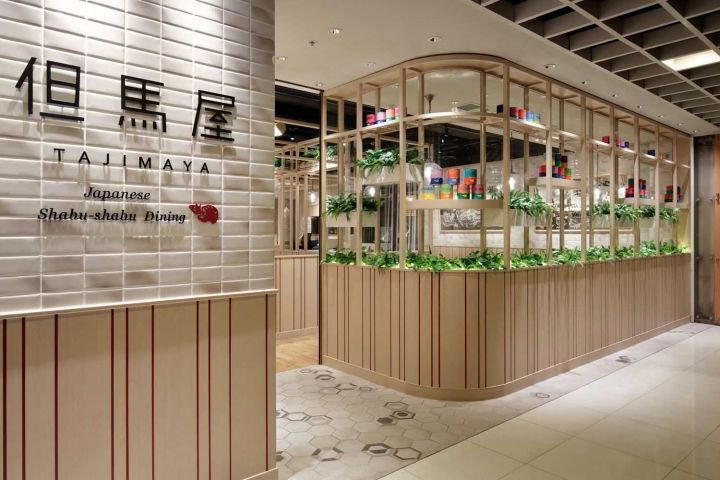
Shabu-Shabu in Taipei: Where the Japanese Hotpot Tradition Holds Its Form
The third floor of a building on Dunhua North Road in Songshan is not the kind of address that announces itself. There is no ground-floor frontage drawing pedestrian attention, no neon above a busy intersection. That relative quietness is characteristic of how serious hotpot in Taipei often operates: the format speaks for itself, and the room functions as a controlled environment for the ritual rather than a stage for spectacle. Tajimaya Shabu Shabu occupies exactly this register, and it has done so with enough consistency to earn a Michelin Plate in the 2024 guide, a signal that the execution meets a standard the inspectors considered worth documenting.
Shabu-shabu as a dining category sits in an interesting position across Taiwan. The country has developed its own hotpot vocabulary, from the beef-soup counters of Tainan (see A Cun Beef Soup on Baoan Road) to the individual-pot format now dominant in casual chains. Tajimaya, as the name implies, operates closer to the Japanese source, a lineage that prioritises broth clarity, protein grade, and table-side discipline over the heavier, spiced bases that have become standard in the broader Taiwanese market.
The Logic of a Controlled Broth
The editorial case for shabu-shabu rests almost entirely on ingredients. Unlike Korean barbecue or Sichuan mala hotpot, where the cooking medium transforms and dominates, the Japanese hotpot format treats broth as a neutral conductor. Dashi-based preparations, built from kombu and sometimes katsuobushi, are designed to transmit rather than overwrite. This places enormous pressure on the quality of what passes through the pot: fat marbling, slice thickness, and protein temperature at the point of entry all become legible in a way they would not be in a more assertive cooking environment.
That discipline is a form of technique as much as any brigade-kitchen method. Restaurants operating in this register, whether in Tokyo's Ginza, Osaka's Namba, or in Taipei, are essentially making an argument about ingredient sourcing each time a plate arrives at the table. The Michelin Plate designation for Tajimaya, a recognition awarded to restaurants where inspectors find cooking of good quality without necessarily reaching starred level, suggests the argument is being made coherently.
Songshan and the Mid-Premium Hotpot Tier
Dunhua North Road sits at the commercial edge of Songshan District, a corridor that has accumulated a particular density of mid-to-premium dining over the past decade. It is not Xinyi's luxury-hotel dining cluster, nor is it the experimental-restaurant concentration around Da'an. What it offers is a functional dining environment for residents and office workers who want a meal that outperforms casual without requiring the full commitment of a tasting-menu format.
Within that neighbourhood context, Tajimaya occupies the mid-premium tier, priced at $$$ against Taipei's dining range, which places it above chain hotpot operators but below the $$$$ bracket occupied by Taipei's Michelin-starred addresses. Restaurants in the starred category, from Le Palais to Taïrroir to logy, operate at a different price point and with a different format logic. Tajimaya's comparable set is smaller: serious shabu-shabu operators who have maintained quality standards without expanding into the kind of multi-branch model that tends to dilute execution.
8 across 871 reviews is a useful data point here. For a format as ingredient-dependent as shabu-shabu, sustained high ratings across a volume of reviews suggest that sourcing and preparation have remained consistent rather than spiking for inspection periods and declining in ordinary service.
Japanese Method, Taipei Context
The editorial angle that matters most for Tajimaya is the relationship between an imported technique and its operation within a local food culture. Taiwan has absorbed Japanese culinary influence across multiple formats, tempura, ramen, kaiseki, and in most cases the results exist on a spectrum between strict fidelity to Japanese practice and localised adaptation. Shabu-shabu sits at the fidelity end of that spectrum when executed well.
What makes that fidelity interesting in Taipei rather than Tokyo is the sourcing environment. Taiwan's agricultural output, its cold-chain access to Japanese wagyu and domestic black pork, and the density of quality-focused suppliers in the Taipei market all create conditions where a Japanese hotpot format can be executed at a high level without importing every component from Japan. The technique travels; the ingredients are assembled locally. This intersection of method and local supply chain is where restaurants like Tajimaya make their operational case.
For broader context on how this kind of culinary exchange plays out across Taiwan, the Michelin-recognised work at JL Studio in Taichung and the indigenous-ingredient focus at Akame in Wutai Township represent different points on the same continuum of technique meeting local material. Even internationally, the question of imported method applied to local sourcing animates the work at places as different as Le Bernardin in New York or Atomix, where Korean technique operates within an American ingredient environment.
Planning Your Visit
Tajimaya Shabu Shabu is located at 166 Dunhua North Road, 3rd Floor, Songshan District, Taipei. The Michelin Plate recognition in 2024 makes it a relevant stop for anyone assembling a Taipei dining itinerary that covers more than the tasting-menu circuit. For the wider picture of where to eat, drink, and stay in the city, see our full Taipei restaurants guide, our Taipei bars guide, and our Taipei hotels guide. Additional Taiwan coverage includes GEN in Kaohsiung and the resort dining context at Volando Urai Spring Spa and Resort in Wulai.
How Tajimaya Compares Within Taipei's Mid-Premium Tier
| Venue | Cuisine | Price | Recognition | Format |
|---|---|---|---|---|
| Tajimaya Shabu Shabu | Shabu-shabu | $$$ | Michelin Plate 2024 | Hotpot, table service |
| logy | Modern European / Asian Contemporary | $$$$ | Michelin starred | Tasting menu |
| Le Palais | Cantonese | $$$$ | Michelin starred | À la carte / set menu |
| Taïrroir | Taiwanese / French Contemporary | $$$$ | Michelin starred | Tasting menu |
| L'Atelier de Joël Robuchon | French | $$$$ | Michelin starred | Counter / à la carte |
| Molino de Urdániz | Spanish Contemporary | $$$$ | Michelin starred | Tasting menu |
What to Know Before Booking
Reservations are recommended, particularly for weekend service.
Cuisine-First Comparison
Comparable venues nearby, for context on price, style, and recognition.
| Venue | Cuisine | Price | Awards | Notes |
|---|---|---|---|---|
| Tajimaya Shabu ShabuThis venue — the venue you are viewing | Japanese Shabu Shabu | $$$ | Michelin Plate | Not listed |
| Dasuke | Modern Niigata-inspired Japanese Izakaya | $$$ | Michelin Plate | Huxiao |
| Uosho | Kanto-style Unagi | $$$$ | Michelin Plate | Sanzhong |
| Tempura Sugimura | Japanese Tempura Counter | $$$$ | Michelin Plate | Xikang |
| Thai & Thai | Authentic Fine Dining Thai | $$$ | Michelin Plate | Songji |
| AJIMI | Kappo Omakase | $$$$ | Michelin Plate | De'an |
Recognition history
Dated appearances from independent guides and award organizations, with the underlying list record or original source where available.
Michelin Plate
Michelin
Michelin Plate
Michelin
Continue exploring
More in Taipei
Restaurants in Taipei
Browse all →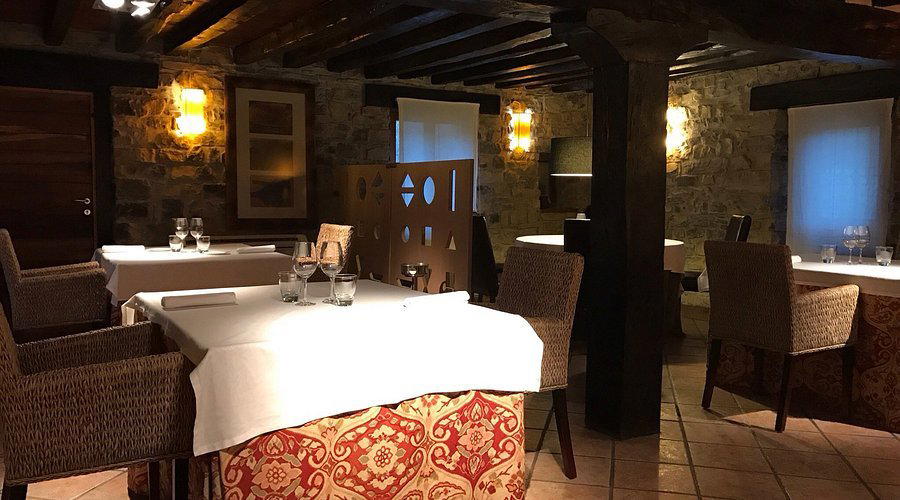
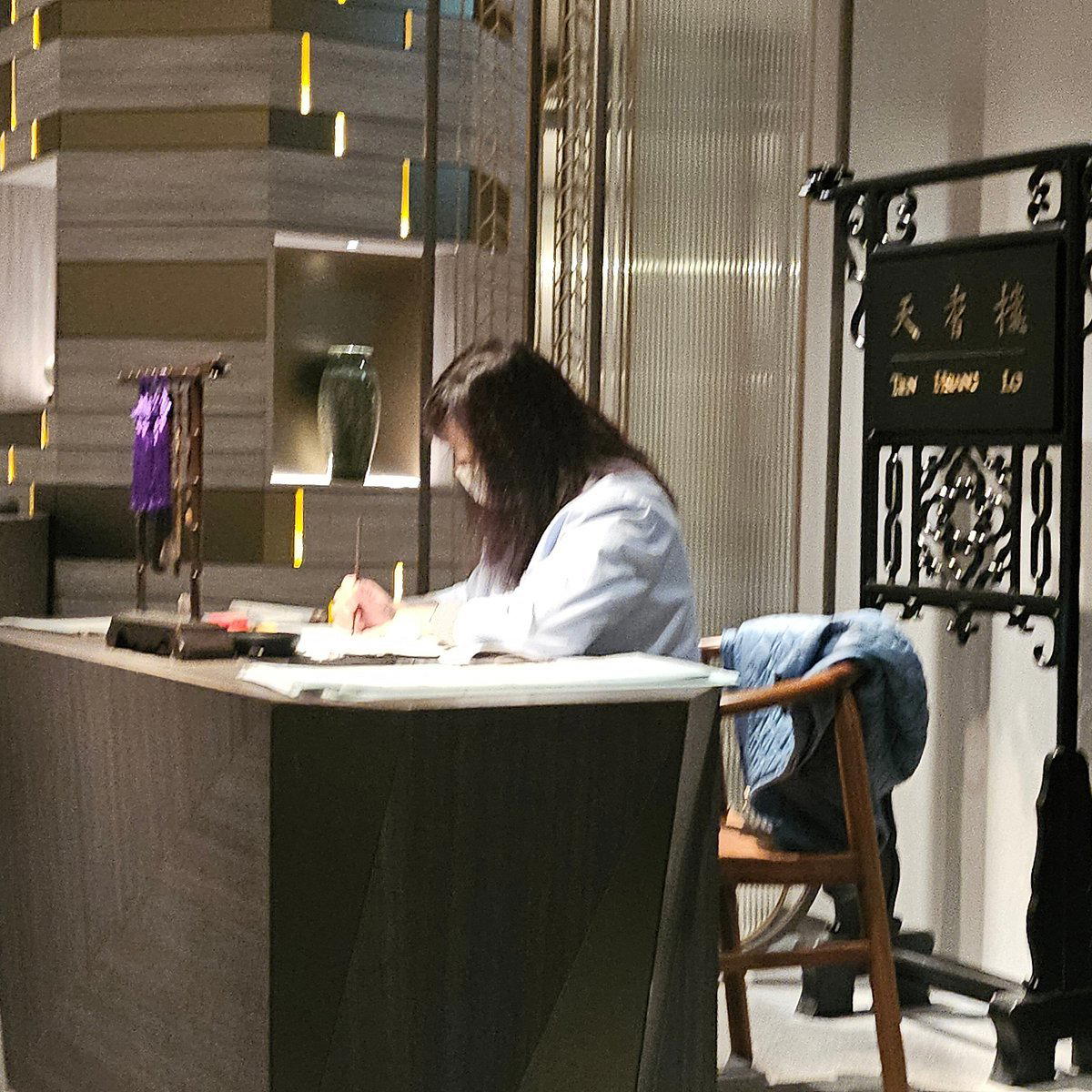
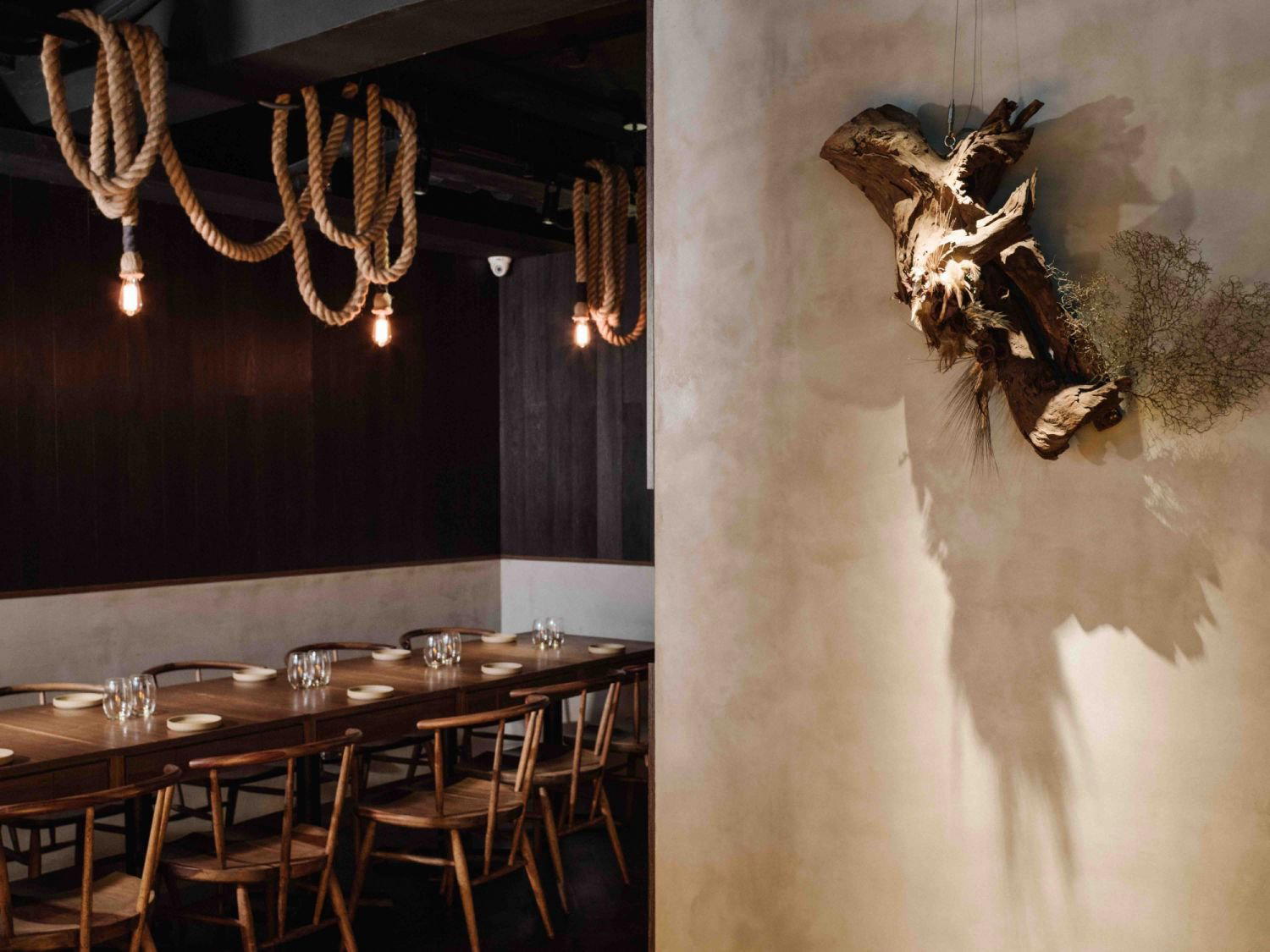
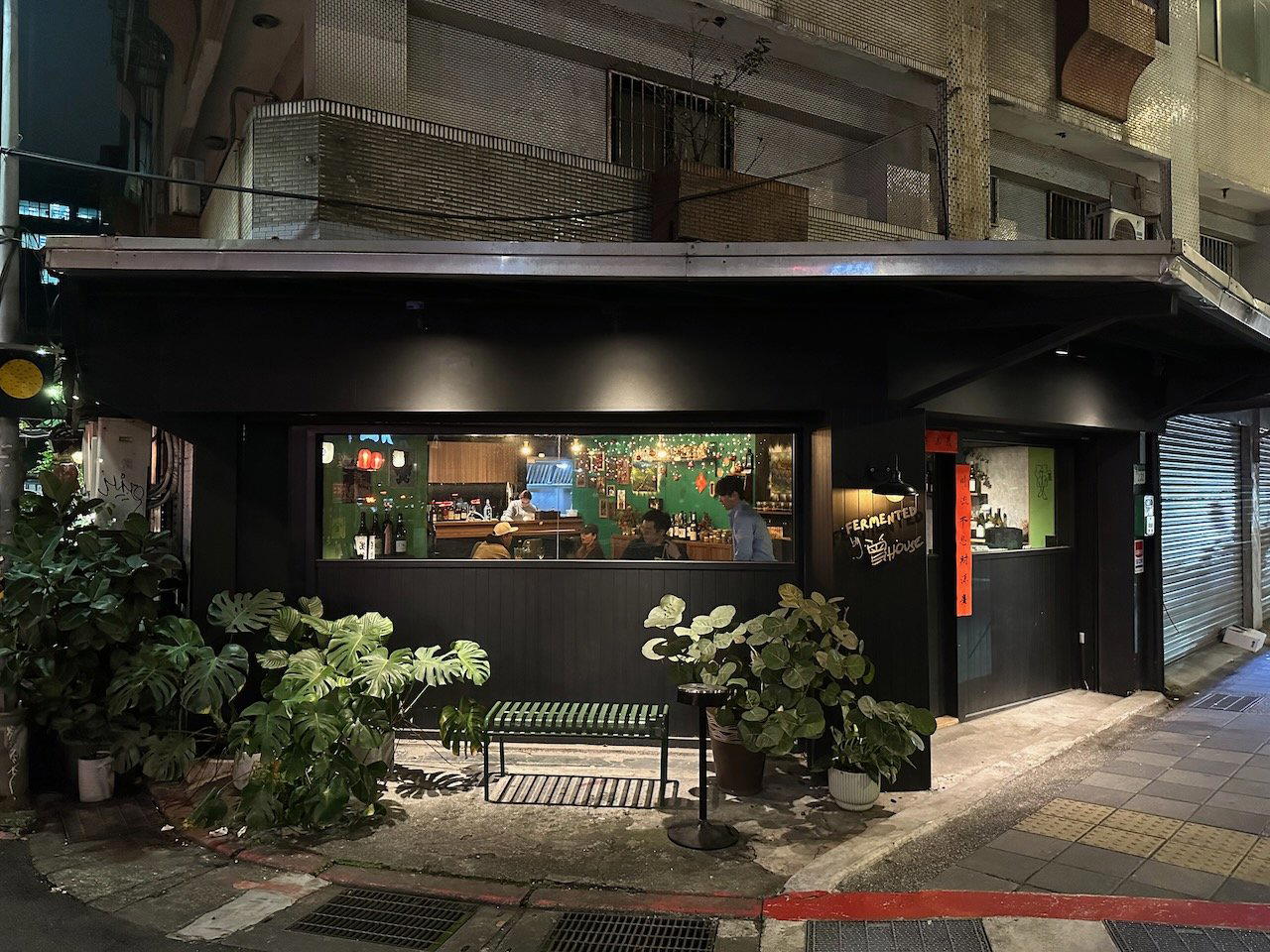
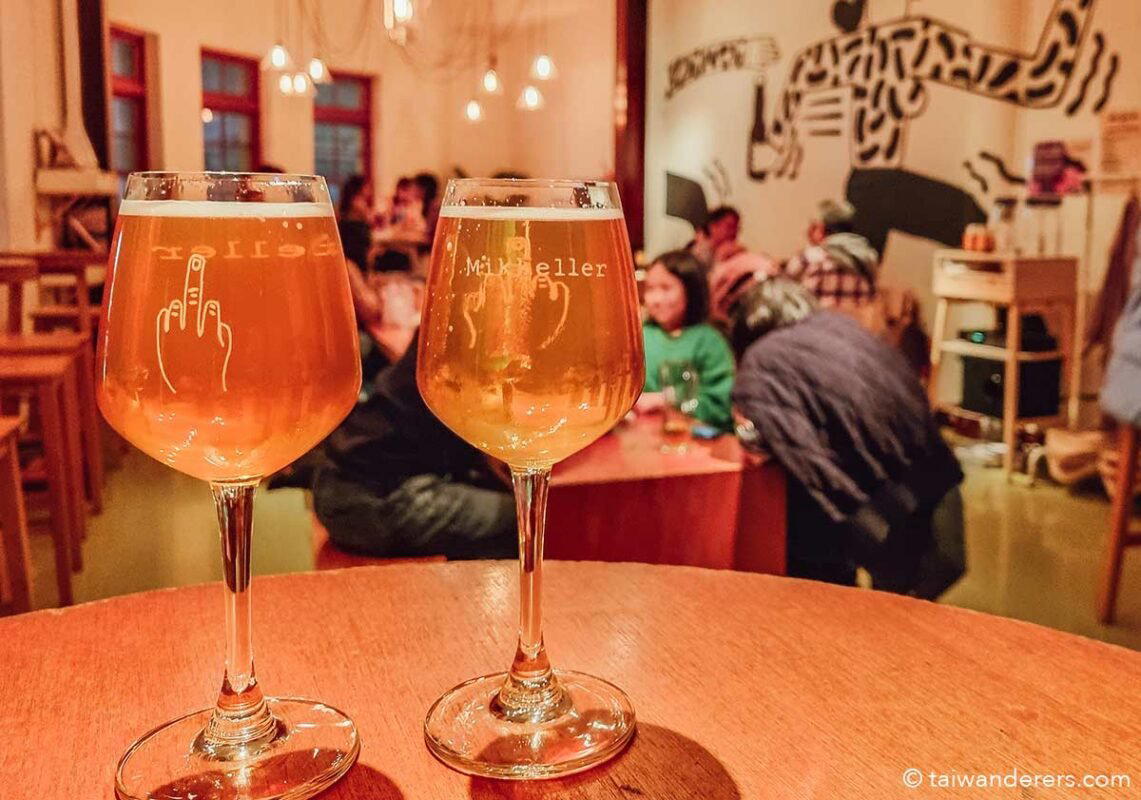
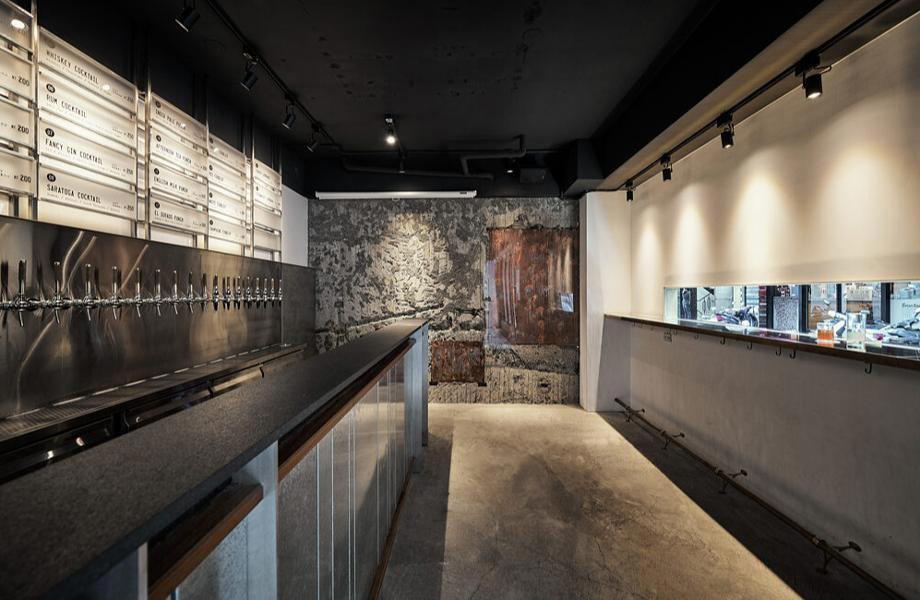
Bars in Taipei
Browse all →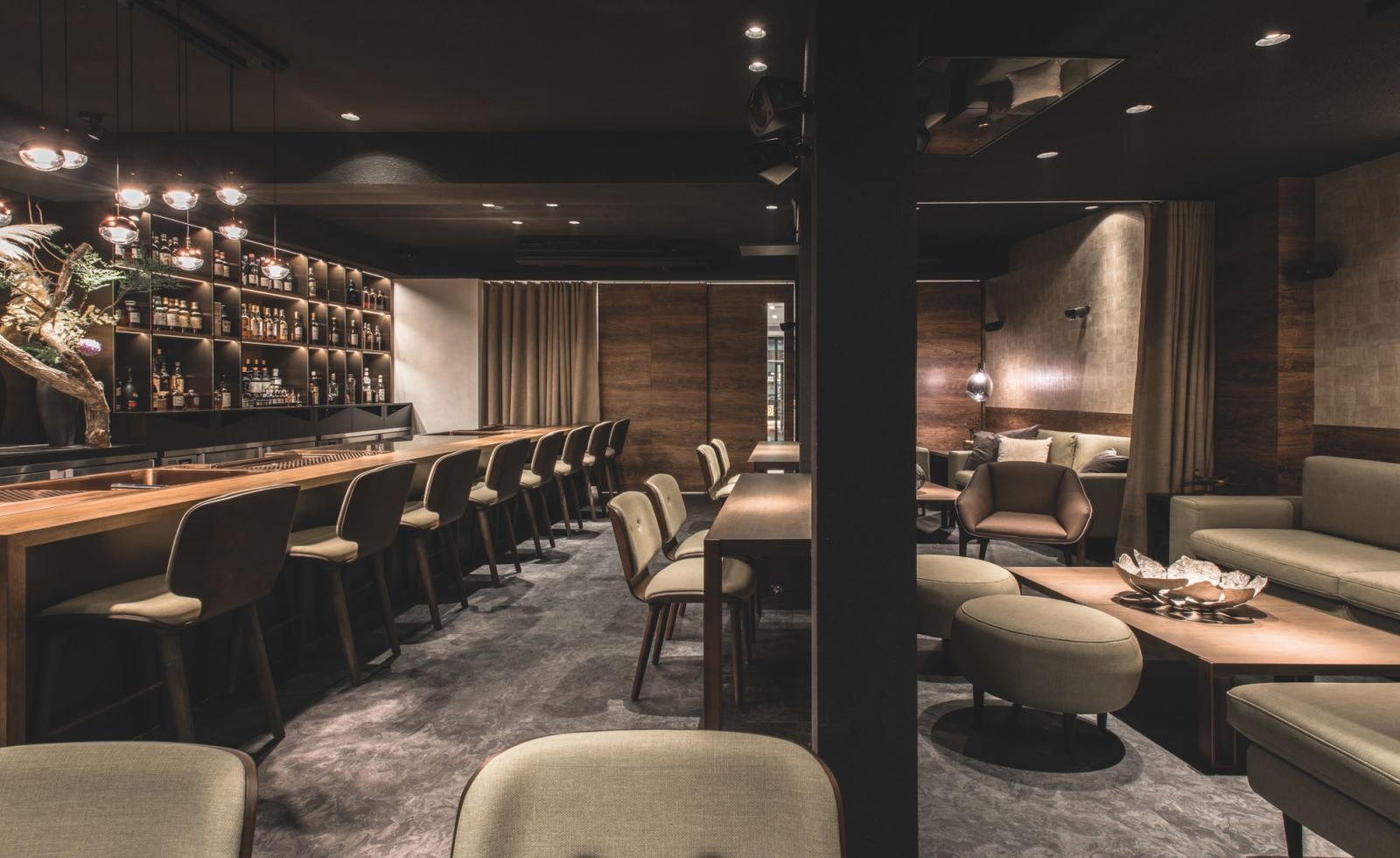
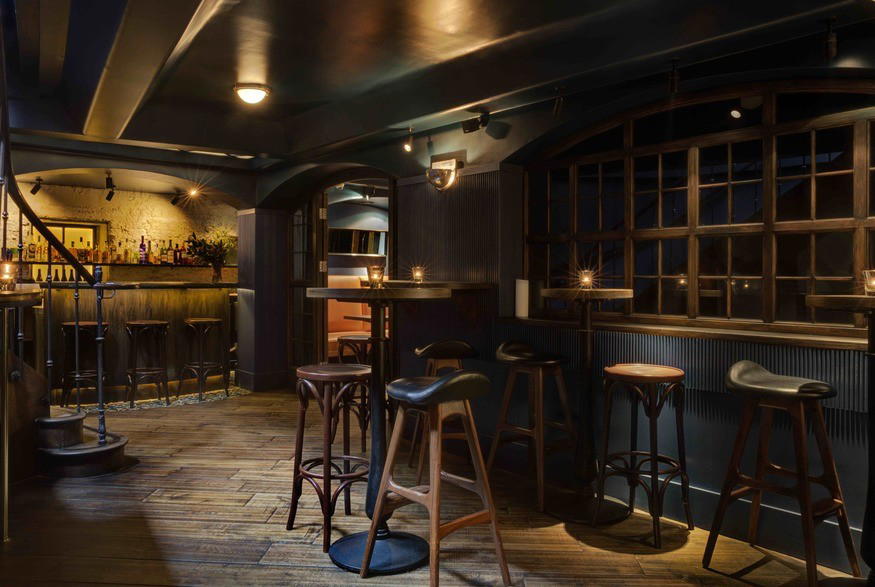
Hotels in Taipei
Browse all →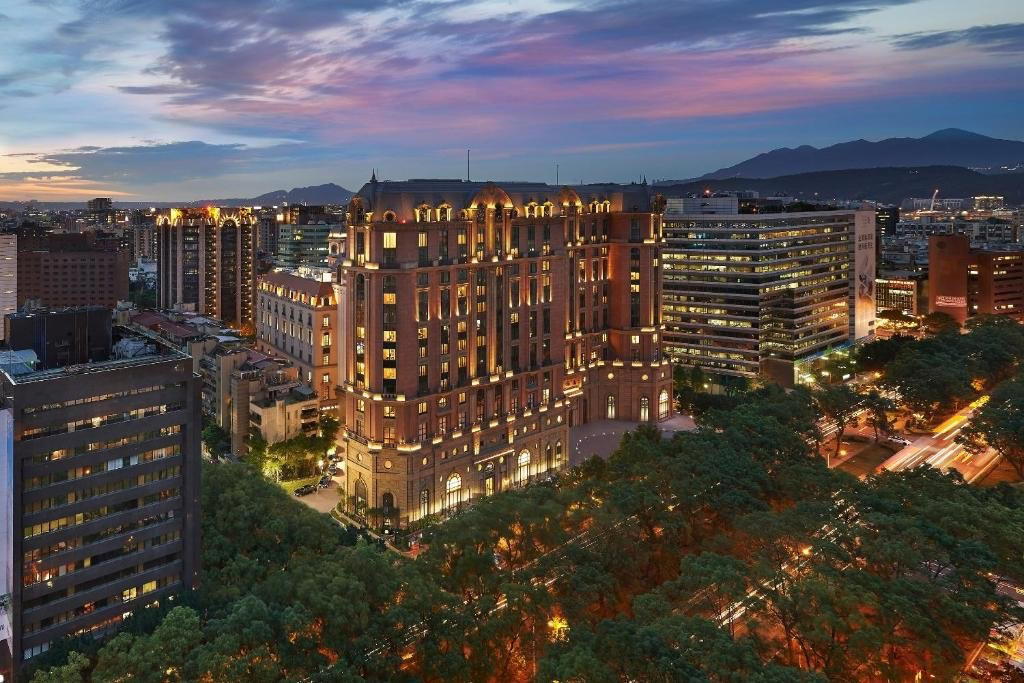
Wineries in Taipei
Browse all →
At a Glance
- Elegant
- Sophisticated
- Intimate
- Date Night
- Group Dining
- Special Occasion
- Private Dining
- Sake Program
Current opening hours
- Monday
- 11:30 AM–4 PM, 5:30–10 PM
- Tuesday
- 11:30 AM–4 PM, 5:30–10 PM
- Wednesday
- 11:30 AM–4 PM, 5:30–10 PM
- Thursday
- 11:30 AM–4 PM, 5:30–10 PM
- Friday
- 11:30 AM–4 PM, 5:30–10 PM
- Saturday
- 11:30 AM–4 PM, 5:30–10 PM
- Sunday
- 11:30 AM–4 PM, 5:30–10 PM
Hours can change for holidays and private events. Last verified .
Elegant with partitioned private seating, wine display hallway, premium marble designs, and a cozy, sophisticated atmosphere.