Udagawa occupies a quiet address on Feuerbachstraße in Berlin's Steglitz district, operating in the space where Japanese culinary discipline meets the city's appetite for understated precision. The restaurant sits outside Berlin's central fine-dining corridor, which places it in a different register from the Michelin-decorated rooms of Mitte and Prenzlauer Berg, closer in spirit to the kind of neighbourhood Japanese counter that rewards prior knowledge over passing foot traffic.
Pearl is the En Primeur Club membership app — saves, bookings, and concierge access live there. Same editors, same standards.
- Address
- Feuerbachstraße 24, 12163 Berlin, Germany
- Phone
- +4949307922373
- Directions
- Get directions
 Saves & bookings on Pearl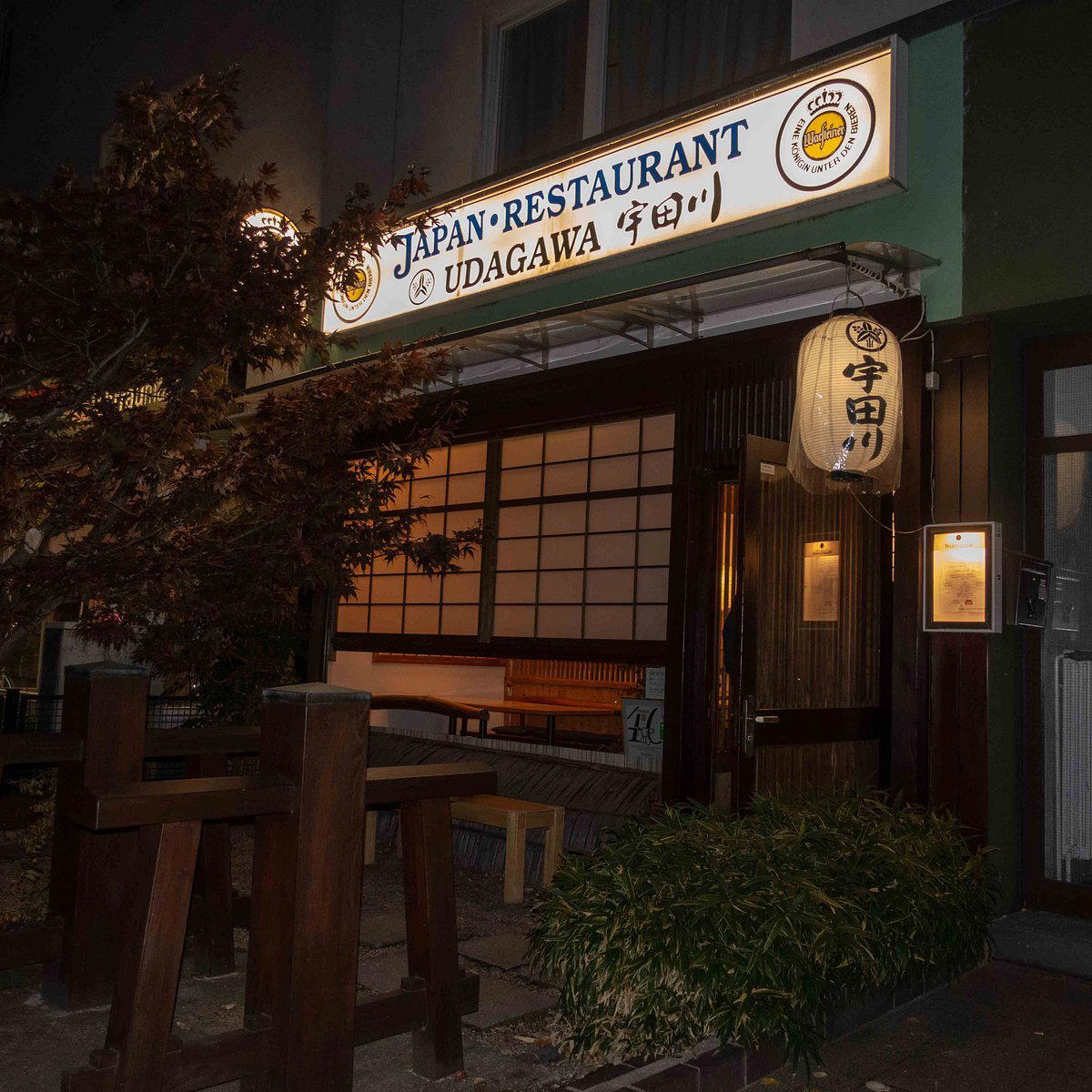
A Quiet Address in Steglitz, a Specific Kind of Ambition
Berlin's serious Japanese dining scene has never been concentrated in one district. Where Tokyo organises its leading counters by postal code and price tier, Ginza at one end, Shibuya at another, Berlin's equivalents are scattered across neighbourhoods that rarely market themselves as dining destinations. Steglitz is one of those neighbourhoods. Feuerbachstraße, where Udagawa operates, sits well south of the capital's tourist axis, and that distance functions as a filter: the guests who arrive here have done their research.
That kind of self-selection matters in the context of how contemporary Japanese restaurants position themselves in European cities. Particularly instructive models, Atomix in New York City, which restructured the Korean tasting format into a card-based narrative, or Le Bernardin in New York City, which for decades has let the structure of the menu communicate the restaurant's values before a single dish arrives, suggest that how a menu is organised tells you almost everything about what the kitchen believes. Udagawa, operating on a residential street with minimal visibility, is making a choice about its audience before service even begins.
How the Menu Structure Reads
In Japanese dining, menu architecture is rarely accidental. The sequence of a kaiseki progression, the ratio of raw to cooked, the decision to offer a single format versus multiple options, each signals the kitchen's position within a tradition. European cities have absorbed Japanese dining in waves: first sushi delivery and conveyor belts, then mid-market izakaya formats, then a smaller cohort of precision-led counters that operate closer to the original kaiseki or omakase logic of a fixed, sequenced meal where the chef determines the pace.
Berlin's premium end of this spectrum is not large. The city's Michelin attention has concentrated on European formats: Rutz and its modern European programme, Nobelhart & Schmutzig with its radical sourcing constraints, FACIL's contemporary European approach, and CODA Dessert Dining's inversion of the savoury-to-sweet ratio. Restaurant Tim Raue is the one Berlin name that works consistently with Asian flavour architecture at a decorated level. Outside that cluster, serious Japanese rooms have operated with lower institutional recognition but often with a loyal local following that functions as its own kind of credentialing.
Udagawa serves Japanese counter dining in Berlin's Steglitz district at Feuerbachstraße 24, 12163 Berlin, Germany. What the address, the neighbourhood context, and the absence of a broad marketing footprint collectively suggest is a format built for return visits rather than single-occasion spectacle, the kind of programme where the logic of the meal becomes clearer over time, not on first encounter.
Berlin in the Broader German Fine-Dining Context
Germany's most decorated kitchens are rarely in its capital. Aqua in Wolfsburg, Schwarzwaldstube in Baiersbronn, Vendôme in Bergisch Gladbach, Victor's Fine Dining by Christian Bau in Perl, and Waldhotel Sonnora in Dreis represent the country's highest Michelin tier, and none of them are in Berlin. The capital's dining identity is shaped instead by creative momentum, a dense independent restaurant culture, and a price sensitivity that keeps tasting menu formats honest. Restaurant Haerlin in Hamburg, Schanz in Piesport, Bagatelle in Trier, JAN in Munich, and ES:SENZ in Grassau reflect how Germany's serious dining is distributed across smaller cities rather than concentrated in any one place.
Berlin's advantage is volume and diversity. The city has more active restaurant concepts per square kilometre than most German cities, and its international population sustains cuisine types that would be commercially marginal elsewhere. Japanese dining in particular has a credible following in Berlin, with a community of Japanese residents and a broader audience that has developed real literacy around the difference between formats. That audience is the natural peer group for a restaurant like Udagawa, not tourists looking for a sushi reference point, but repeat visitors calibrating against a mental map of what Japanese cooking can be in a European context.
What the Location Implies About the Format
Restaurants that choose residential addresses in unfashionable districts are usually making a deliberate trade. They give up walk-in traffic, passing visibility, and the ambient credibility of a well-known postcode. In exchange, they get lower rents, a more controllable guest profile, and the freedom to structure the experience on their own terms rather than the terms imposed by a high-footfall location. The Japanese restaurant tradition in Europe has historically been comfortable with that trade, particularly respected counters in London, Paris, and Amsterdam operate on streets that require navigation rather than proximity to a landmark.
Feuerbachstraße in Steglitz fits that pattern. The neighbourhood is residential and quiet, the kind of street where a small restaurant with no signage beyond a name can operate for years as a known quantity among a specific community without ever breaking into the wider city conversation. Whether that describes Udagawa's current situation cannot be confirmed from available data, but the address logic is consistent with a format that values depth of relationship with its guests over breadth of reach.
Planning Your Visit
Reservations are walk-in friendly, the dress code is casual, and the price tier is budget-friendly at about $15 per person. Udagawa opens Monday and Wednesday through Sunday from 6:00 PM to 10:30 PM and is closed on Tuesday.
Pricing, Compared
Comparable venues nearby, for context on price, style, and recognition.
| Venue | Cuisine | Price | Notes |
|---|---|---|---|
| UdagawaThis venue — the venue you are viewing | Steglitz, Japanese | $ | Not listed |
| Tsu Tsu | Not listed | $$ | Kreuzberg, Japanese Karaage (Vegan Options) |
| Iimori Ramen | Mitte, Japanese Ramen | $$ | Not listed |
| Hachiko | Schoneberg, Japanese Ramen & Sushi | $$ | Not listed |
| Niko Niko Ramen | Friedrichshain, Authentic Japanese Ramen | $$ | Not listed |
| Aspendos | Schöneberg, Turkish Döner & Grill | $ | Not listed |
Continue exploring
More in Berlin
Restaurants in Berlin
Browse all →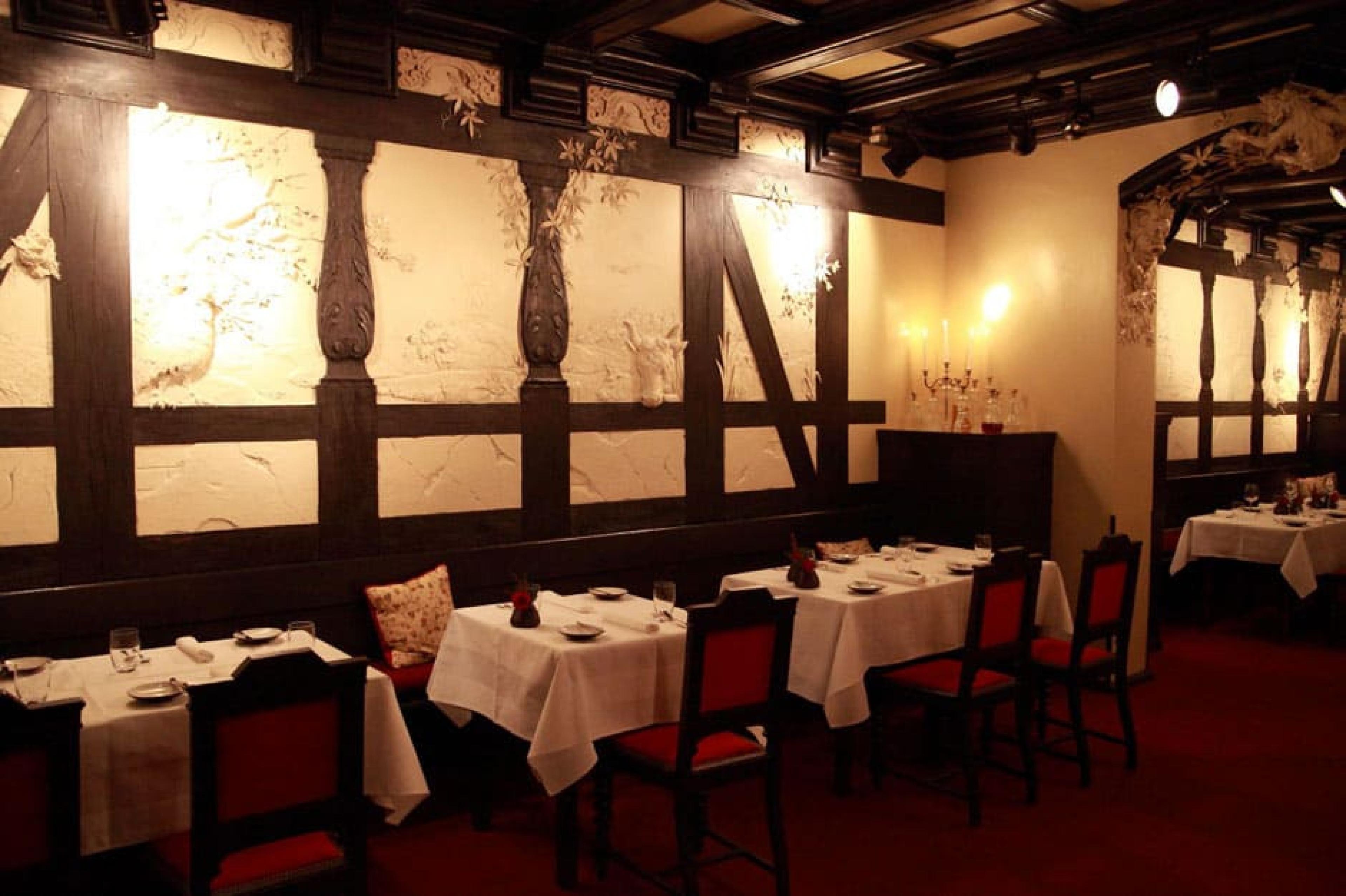
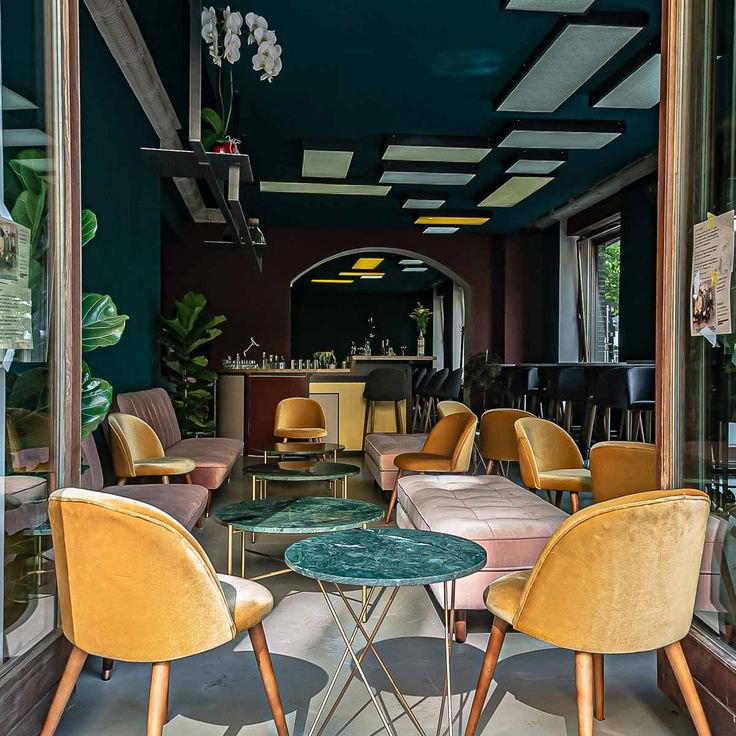
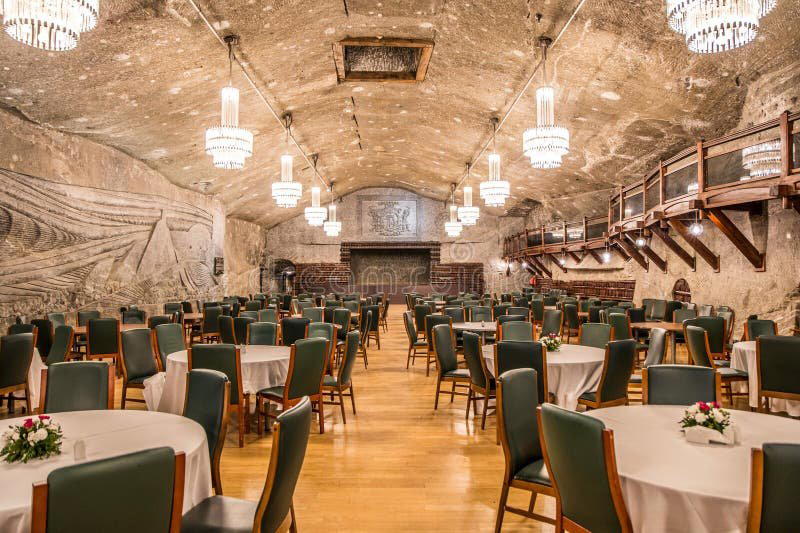
Bars in Berlin
Browse all →
Hotels in Berlin
Browse all →

At a Glance
- Casual
- Cozy
- Casual Hangout
- Open Kitchen
Current opening hours
- Monday
- 6–10:30 PM
- Tuesday
- Closed
- Wednesday
- 6–10:30 PM
- Thursday
- 6–10:30 PM
- Friday
- 6–10:30 PM
- Saturday
- 6–10:30 PM
- Sunday
- 6–10:30 PM
Hours can change for holidays and private events. Last verified .
Casual and unpretentious atmosphere resembling a traditional Japanese imbiss with dated charm.