On Grunewaldstraße in Schöneberg, Hachiko occupies a corner of Berlin's broader conversation about Japanese culinary technique applied to local European ingredients. The address places it within easy reach of the city's Michelin-tracked dining corridor, where precision-led cooking and imported methodology increasingly define the upper tier of the restaurant scene.
Pearl is the En Primeur Club membership app — saves, bookings, and concierge access live there. Same editors, same standards.
- Address
- Grunewaldstraße 10, 10823 Berlin, Germany
- Phone
- +4917670491754
- Directions
- Get directions
 Saves & bookings on Pearl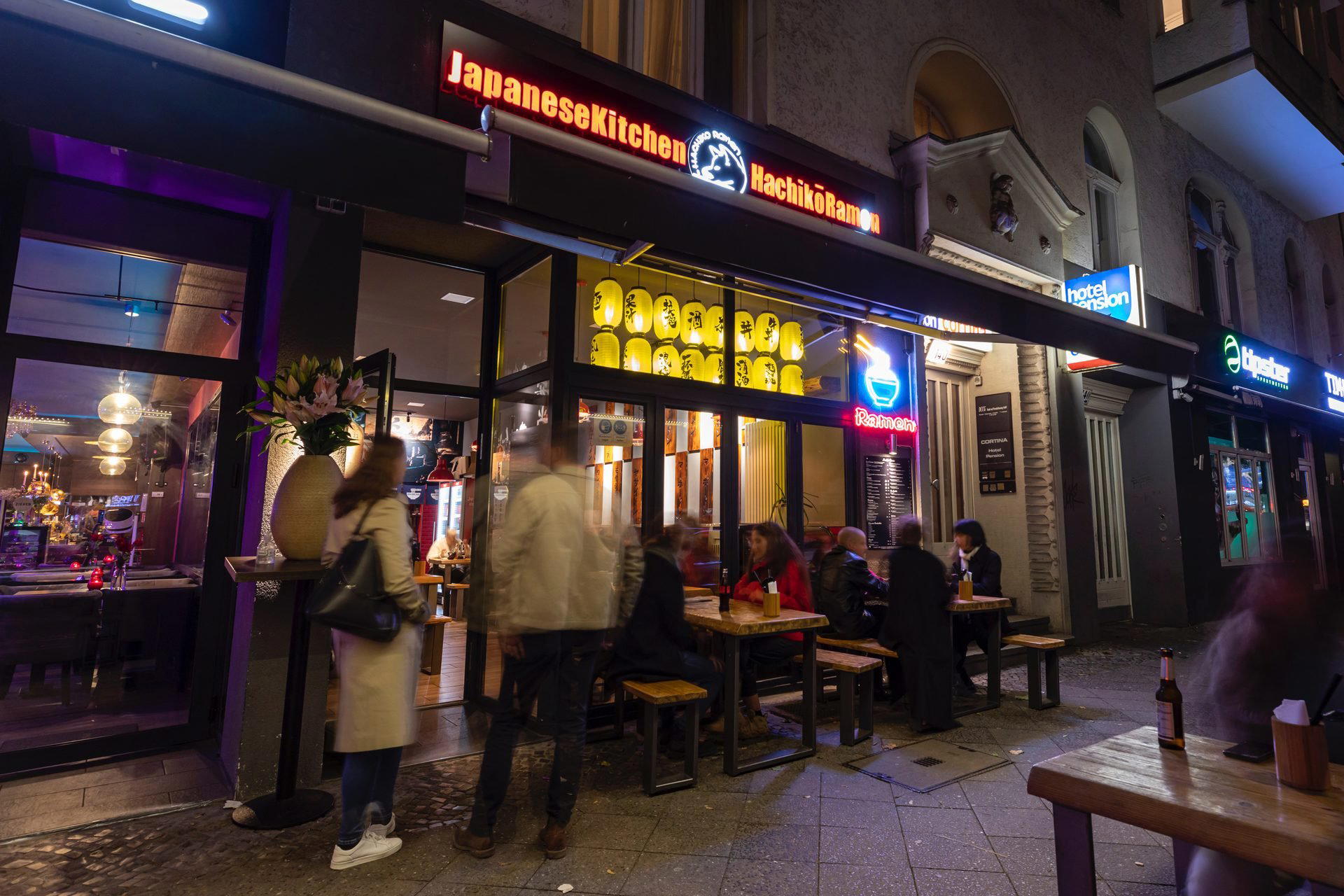
Schöneberg and the Grammar of Japanese Technique in Berlin
Grunewaldstraße runs through Schöneberg with the particular quietness of a district that has always preferred substance to spectacle. The street-level calm here is deceptive: this pocket of Berlin has accumulated a density of serious restaurants over the past decade, operating in a city where the distance between a neighbourhood wine bar and a Michelin-tracked counter can be a single block. Hachiko is a Japanese ramen and sushi restaurant at Grunewaldstraße 10 in Berlin's Schöneberg district.
That integration is the defining story of Berlin's upper-mid dining tier right now. Across the city, particularly interesting restaurants are not those importing a cuisine wholesale, but those using Japanese precision, knife discipline, temperature control, ingredient-first minimalism, as a structural grammar applied to Central European and German produce. It is a movement visible elsewhere in Germany's serious dining scene: JAN in Munich and ES:SENZ in Grassau both demonstrate how non-European technique can be absorbed into a recognisably regional cooking identity without producing mere fusion. Hachiko's address in Schöneberg places it inside this broader pattern rather than outside it.
The Intersection of Imported Method and Local Material
The editorial angle that matters most when assessing a restaurant like Hachiko is not the biography of its kitchen, but the question of whether the methodology being applied actually serves the ingredients it encounters. Japanese technique, at its most disciplined, is ingredient-protective: it minimises intervention, respects texture, and uses heat with surgical restraint. Applied to German and wider European produce, Brandenburg root vegetables, North Sea fish, locally sourced proteins, this approach can produce something genuinely coherent, where the technique is invisible and the ingredient is amplified.
This is the same tension that runs through Berlin's most discussed restaurants. Nobelhart & Schmutzig has made regional sourcing its public position, building a menu that explicitly refuses imported luxury ingredients in favour of Brandenburg and surrounding-region produce. Rutz operates in the Modern European register with a wine programme that contextualises the kitchen's sourcing decisions. Both carry Michelin recognition and both demonstrate that Berlin's serious dining scene has moved past novelty and into a phase of consolidation around genuine culinary positions.
Where Hachiko sits in that consolidation is determined by the same criteria: does the kitchen have a coherent point of view about its ingredients, and does the technique serve that point of view rather than override it? In the broader European context, restaurants from Atomix in New York City to Le Bernardin have shown that Asian precision and European produce are not in conflict, they require only a kitchen with the discipline to hold both without collapsing one into the other.
Berlin's Dining Tier: Where the Pressure Points Are
Berlin's restaurant scene stratifies more sharply than its reputation for casual dining might suggest. At the upper end, restaurants like FACIL and CODA Dessert Dining occupy a bracket where format discipline and concept clarity matter as much as plate execution. Restaurant Tim Raue holds two Michelin stars with a Chinese-influenced kitchen that sits well outside the European mainstream, demonstrating that Berlin's Michelin-tracked tier accommodates strong individual positions rather than demanding convergence toward a house style.
The pressure in this tier falls on originality and consistency in equal measure. Originality without consistency produces interesting restaurants that don't sustain long careers. Consistency without originality produces technically competent work that the guide inspectors note but critics don't discuss. The restaurants that persist in Berlin's serious conversation are those that have locked both, often around a defining ingredient philosophy or a technique-to-product relationship that the kitchen has made its own.
Hachiko's Schöneberg address is a practical signal as much as a geographic one. The neighbourhood is not the tourist-facing corridor of Mitte or Prenzlauer Berg; it is a district where a restaurant has to earn its audience without the footfall dividend of proximity to a landmark. That tends to self-select for a more deliberate diner, and restaurants that choose this kind of location are often making a statement about where they expect their regulars to come from.
Planning Your Visit
| Restaurant | Neighbourhood | Price Tier | Cuisine Direction | Booking Lead Time |
|---|---|---|---|---|
| Hachiko | Schöneberg | Not confirmed | Japanese-influenced | Confirm directly |
| Nobelhart & Schmutzig | Kreuzberg | €€€€ | Modern German, Creative | Several weeks ahead |
| Rutz | Mitte | €€€€ | Modern European | 2-4 weeks ahead |
| FACIL | Tiergarten | €€€€ | Contemporary European | 2-4 weeks ahead |
| CODA Dessert Dining | Neukölln | €€€€ | Creative, Dessert-led | Several weeks ahead |
Recognition Snapshot
Comparable venues nearby, for context on price, style, and recognition.
| Venue | Cuisine | Price | Notes |
|---|---|---|---|
| HachikoThis venue — the venue you are viewing | Japanese Ramen & Sushi | $$ | Not listed |
| est. | Modern Japanese Fusion | $$$ | Charlottenburg |
| Cocolo Ramen | Authentic Japanese Ramen | $$ | Mitte |
| Sasaya | Traditional Japanese Sushi | $$ | Prenzlauer Berg |
| Niko Izakaya | Authentic Japanese Izakaya | $$$ | Gesundbrunnen |
| Osteria Centrale | Classic Tuscan Italian | $$ | Charlottenburg |
Continue exploring
More in Berlin
Restaurants in Berlin
Browse all →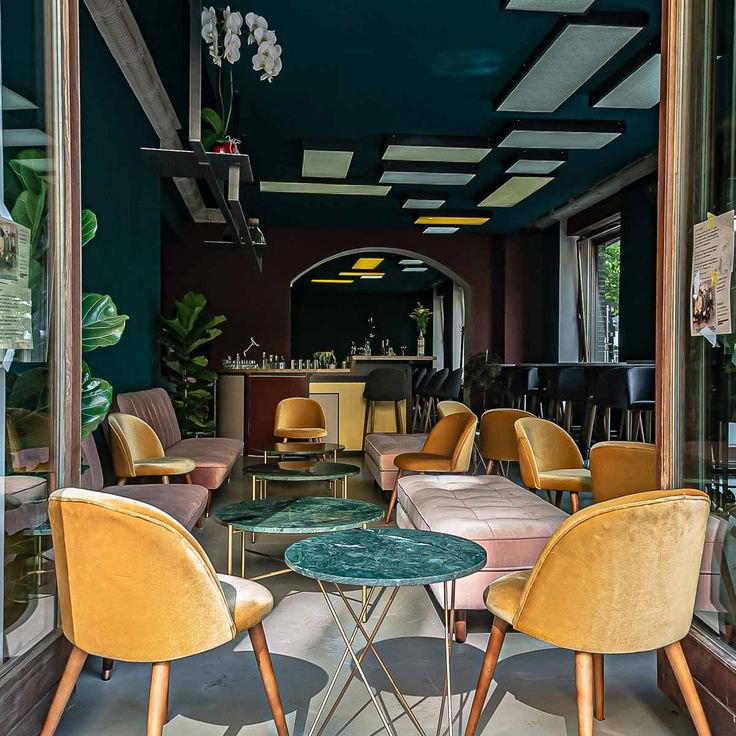
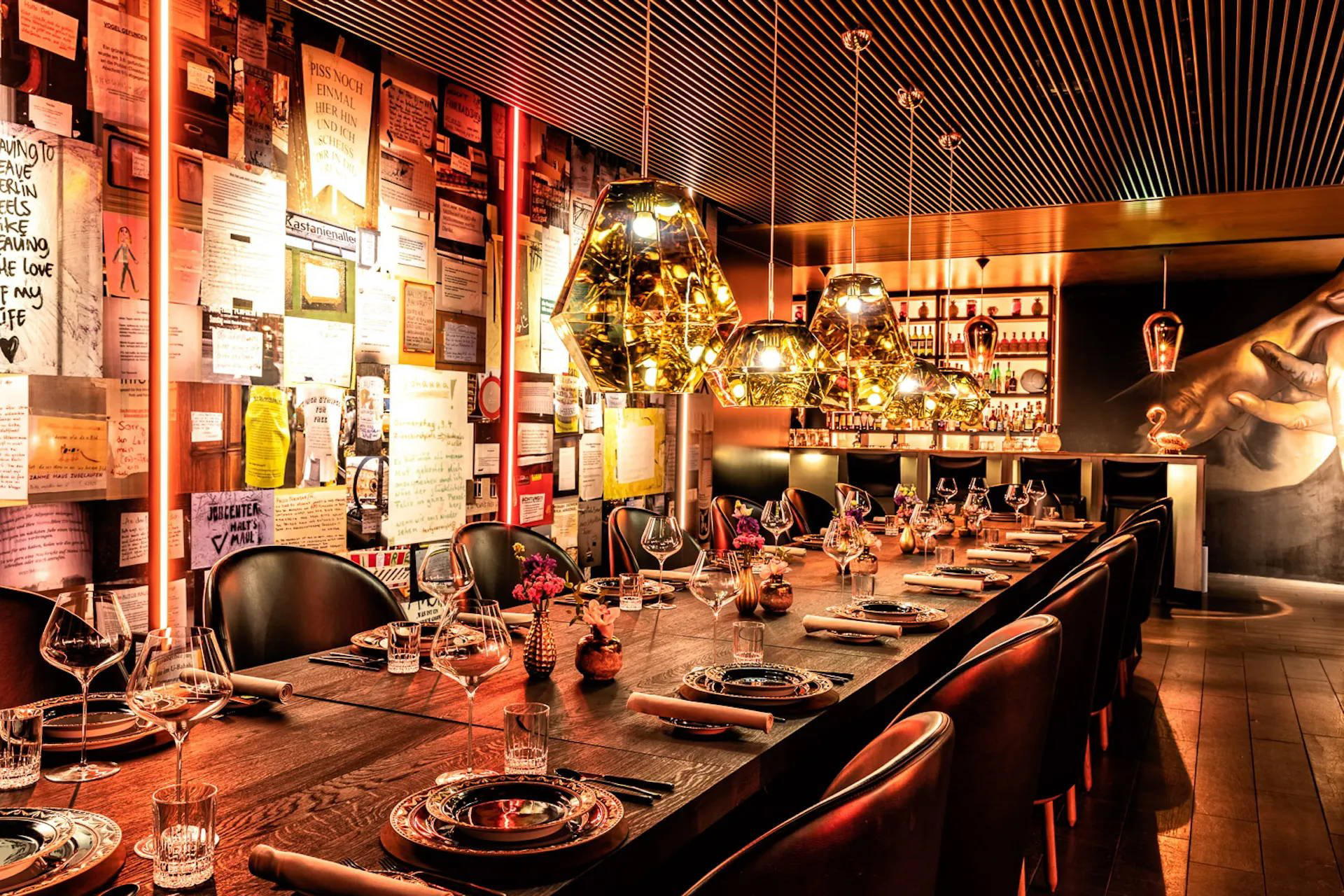
Bars in Berlin
Browse all →
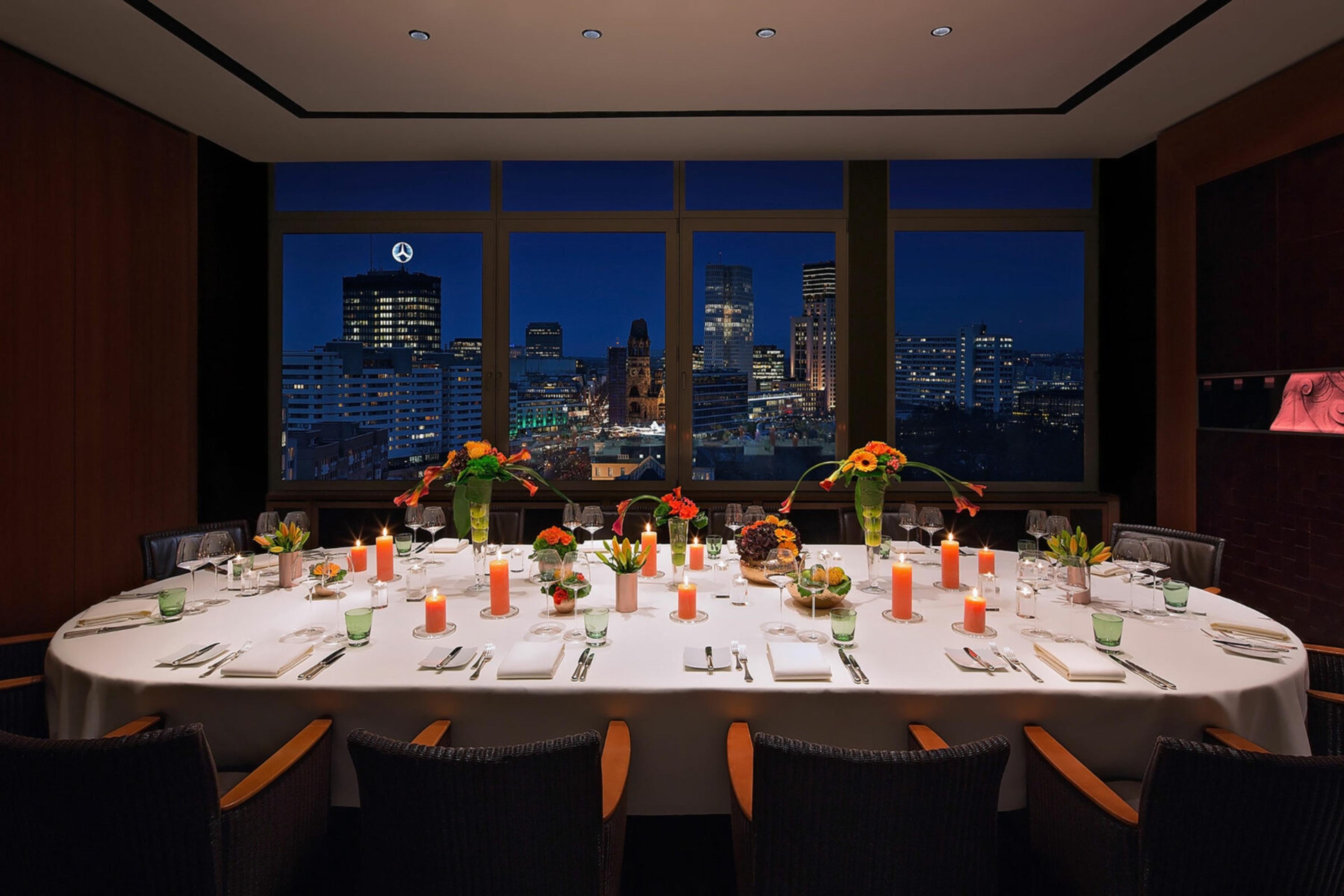
Hotels in Berlin
Browse all →


At a Glance
- Cozy
- Casual Hangout
- Solo
- Open Kitchen
- Sake Program
Current opening hours
- Monday
- 12–10 PM
- Tuesday
- 12–10 PM
- Wednesday
- 12–10 PM
- Thursday
- 12–10 PM
- Friday
- 12–10:30 PM
- Saturday
- Closed
- Sunday
- 4–10 PM
Hours can change for holidays and private events. Last verified .
Cozy and homely with light wood elements that create a welcoming, Shibuya-like escape from the city hustle.