Tullio Pizza sits on Via della Balduina in Rome's Prati-adjacent residential northwest, operating in the tradition of neighbourhood pizzerias that outlast trends by serving the same address for decades. The venue represents the particular Roman approach to pizza: a format shaped by local flour sourcing, long fermentation culture, and the kind of regulars who notice when anything changes.
 Discover on Pearl
Pearl is the En Primeur Club membership app — saves, bookings, and concierge access live there. Same editors, same standards.
- Address
- Via della Balduina, 211, 00136 Roma RM, Italy
- Phone
- +39635347252
- Website
- datulliopizza.it
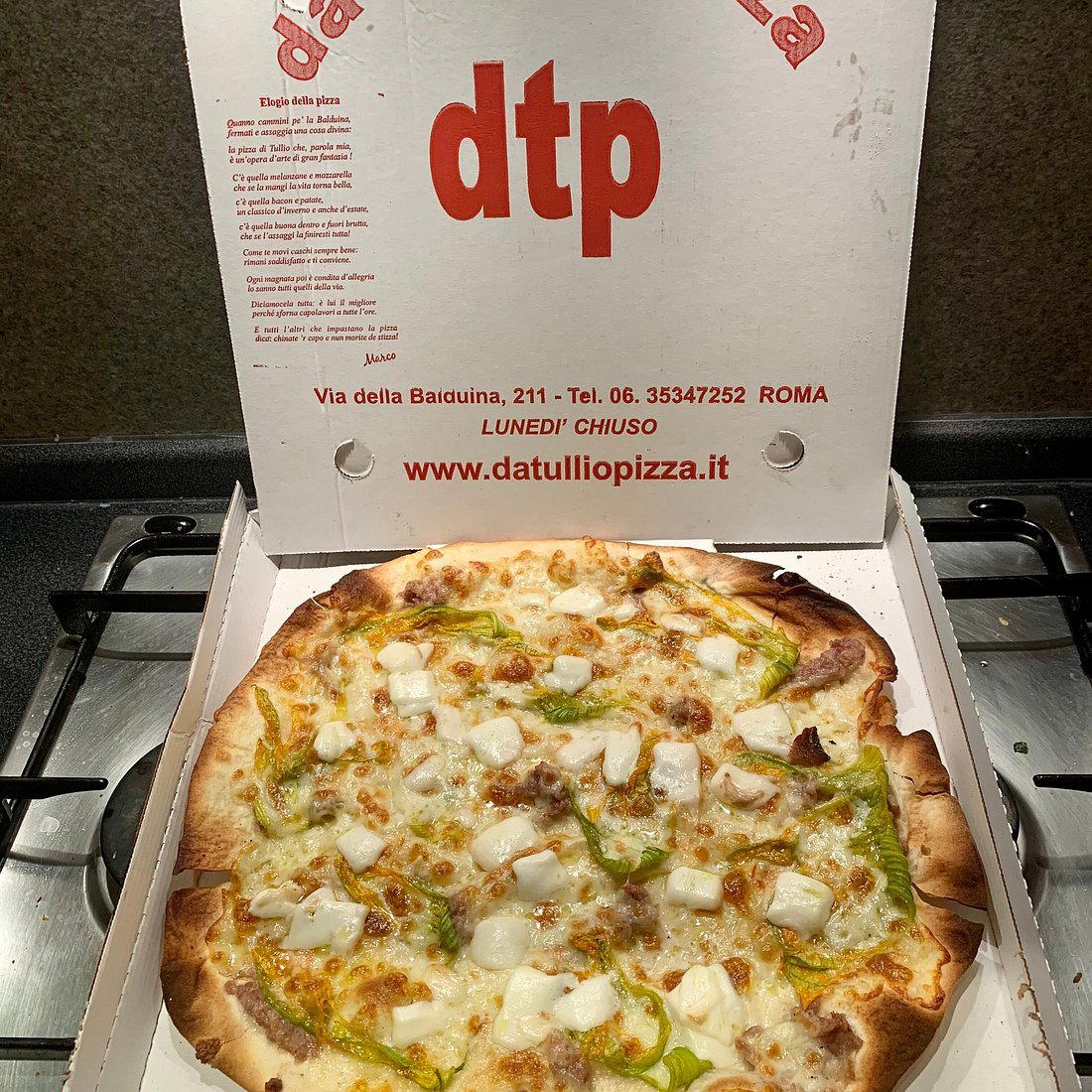
Pizza on the Balduina: What a Neighbourhood Pizzeria Tells You About Rome
Via della Balduina runs through one of Rome's quieter residential quarters, far from the tourist circuits of Trastevere or the centro storico. The street is lined with the kind of shops and restaurants that exist because people live here, not because visitors wander past. Arriving at a pizzeria on this stretch, you are already outside the performance economy of Roman dining. That context matters. The leading evidence of a pizzeria's quality in Rome is a dining room that fills with the same faces week after week.
Rome's pizza tradition occupies a distinct position within Italian food culture. Unlike Naples, which exports its round, charred, wet-centred Neapolitan pies as a recognisable global format, Rome's pizza is defined by two competing vernaculars: the thin, crisp pizza tonda romana baked in a wood or gas deck oven, and the thick, airy pizza in teglia sold by weight from trays. Both rely on extended fermentation, high-hydration doughs, and flour sourced for specific protein content. These are not decorative differences. They produce distinct textures, digestion profiles, and topping logics that practitioners here take seriously.
Indigenous Products, Borrowed Rigour
The editorial angle worth pressing on in Rome's contemporary pizza scene is the quiet absorption of technique from other traditions into a format that remains defiantly local in its ingredients. The movement that sharpened Neapolitan pizza through the work of figures like Franco Pepe and Enzo Coccia — treating fermentation as a science rather than an accident — reached Roman pizzerias with a lag, but it landed. Roman pizza makers began specifying single-origin flours, timing fermentation in temperature-controlled environments, and sourcing San Marzano tomatoes, fior di latte from Campania, and local buffalo mozzarella from named dairies. The technique is imported; the product identity stays regional.
This intersection of method and provenance is now the operative standard for serious pizza in Rome, regardless of format. A neighbourhood address like Tullio Pizza on the Balduina sits within that broader current. The Roman periphery has historically been where this kind of cooking survives without the self-consciousness it develops once critics arrive. For comparison, the tasting-menu tier of Roman dining, which includes La Pergola, Acquolina, Enoteca La Torre, Il Pagliaccio, and Achilli al Parlamento, operates on entirely different logic: reservation windows months out, fixed menus, and wine pairings priced against European fine-dining peers. A neighbourhood pizzeria competes on none of those terms. It competes on consistency, on how the dough behaves on a Tuesday versus a Saturday, and on whether the regulars keep coming back.
How Roman Pizza Fits Into Italy's Wider Dining Argument
Italy's high-end restaurant conversation is dominated by destinations that frame local ingredients through elaborate technique: Osteria Francescana in Modena, Piazza Duomo in Alba, Le Calandre in Rubano, Dal Pescatore in Runate, Enoteca Pinchiorri in Florence, Reale in Castel di Sangro, Uliassi in Senigallia, Atelier Moessmer Norbert Niederkofler in Brunico, Quattro Passi in Marina del Cantone, and Enrico Bartolini in Milan. These are destinations that require planning, often weeks or months of it, and meals that cost several hundred euros per person. They represent one valid argument about what Italian food can be.
The neighbourhood pizzeria makes a different and not lesser argument. It says that the most important ingredient in Italian cooking is repetition: the same dough, the same oven temperature, the same hands, for years. That argument has global parallels. In New York, Le Bernardin and Atomix represent the formal, technique-led end of a similar spectrum; the pizza parlour two blocks from a regular's apartment represents another. Neither is wrong. They are answering different questions.
What to Order, and Why It Matters
What can be said about Roman pizzerias in this neighbourhood tier is that the tonda romana format, if offered, rewards attention to the crust edge: it should blister without charring, flex without cracking, and hold its structure under wet toppings without going limp. A simple margherita, ordered early in an unfamiliar pizzeria, tells you almost everything about dough quality, tomato acidity balance, and heat management. Supplementary toppings are secondary information.
The fritti, if available, are worth ordering alongside. Roman pizza culture includes fried starters, suppli (rice croquettes with mozzarella centres) chief among them, and these often run out before the dining room reaches capacity.
Know Before You Go
Neighbourhood: Balduina, northwestern Rome (residential quarter, outside central tourist circuits)
Price range: About €10 per person
Booking: Walk-in friendly
Hours: Mon: Closed; Tue: 8 AM–9:30 PM; Wed: 8 AM–9:30 PM; Thu: 8 AM–9:30 PM; Fri: 8 AM–9:30 PM; Sat: 8 AM–9:30 PM; Sun: 8 AM–9:30 PM
For broader context on Rome's dining scene across price tiers and formats, see our full Rome restaurants guide.
Price and Recognition
Comparable venues nearby, for context on price, style, and recognition.
| Venue | Cuisine | Price | Awards |
|---|---|---|---|
| Tullio PizzaThis venue — the venue you are viewing | Monte Mario, Roman Pizza al Taglio | $ | , |
| Pizza Florida | Pigna, Roman Pizza al Taglio | $ | , |
| Ai Marmi | Trastevere, Roman-Style Pizza | $ | , |
| Metropolita | Flaminio, Italian Fusion Wine Bar | $$ | , |
| Pizza Gegè | Tor di Quinto, Roman Pizza | $ | , |
| Borgo Nuovo | Borgo, Roman Trattoria & Pizzeria | $$ | , |
Continue exploring
More in Rome
Restaurants in Rome
Browse all →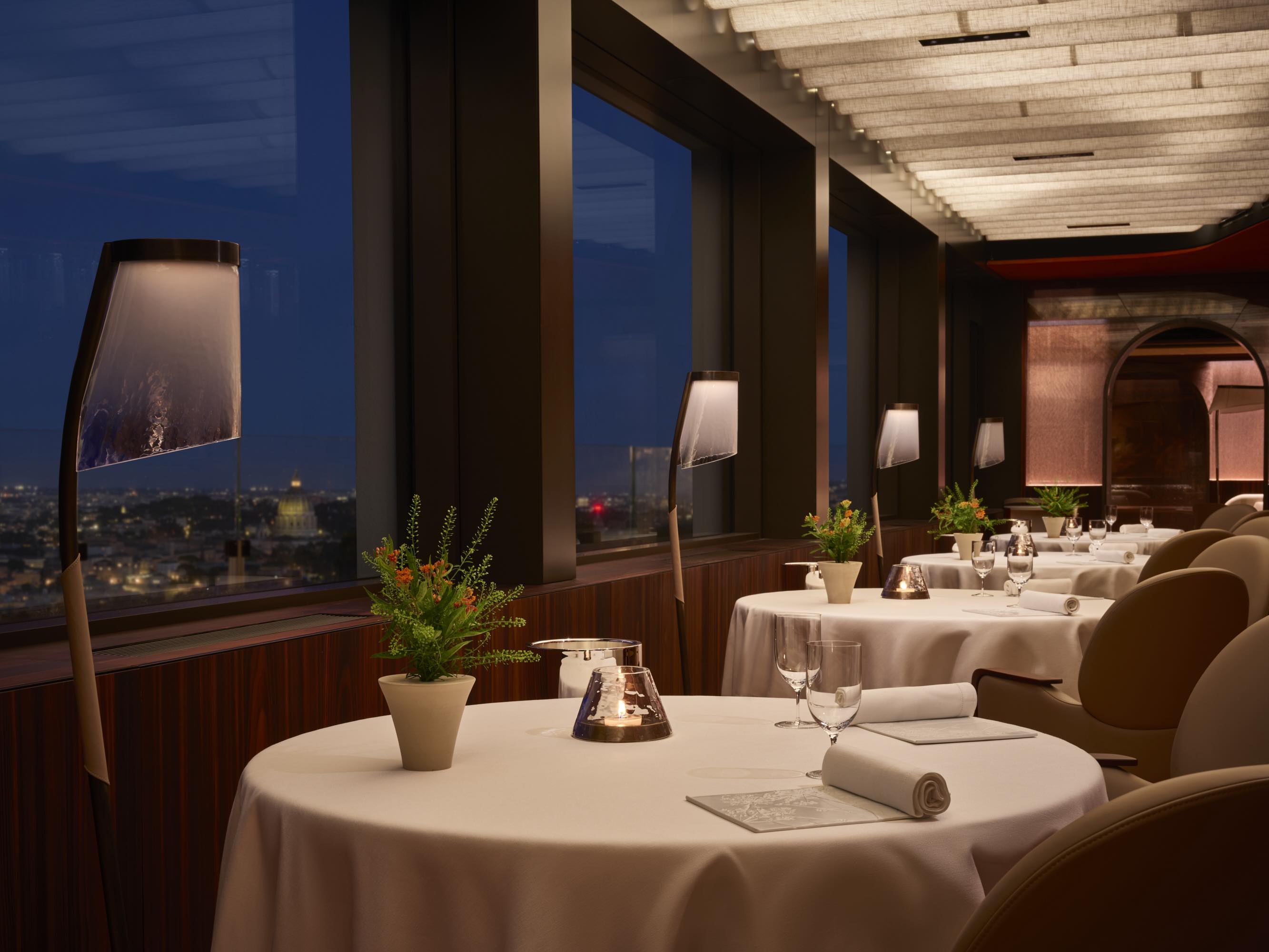
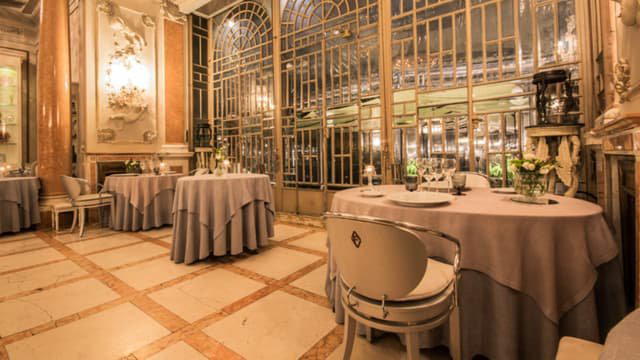
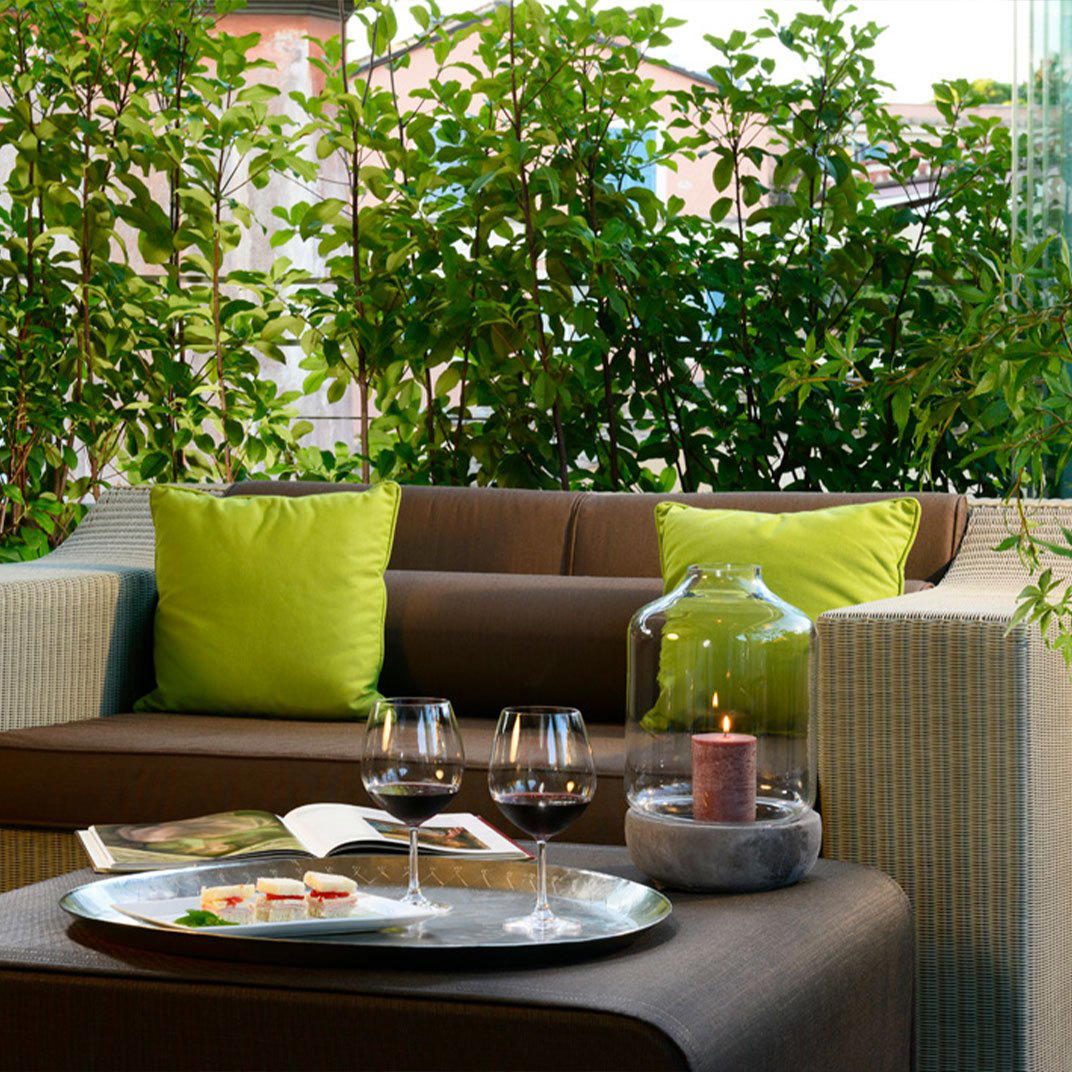
Bars in Rome
Browse all →
Hotels in Rome
Browse all →
Wineries in Rome
Browse all →
At a Glance
- Rustic
- Cozy
- Casual Hangout
- Late Night
- Standalone
- Beer Program
Casual takeout atmosphere with a small standing table outside, focused on quick, fresh pizza slices.