Tabelog Bronze #426
Our verdict
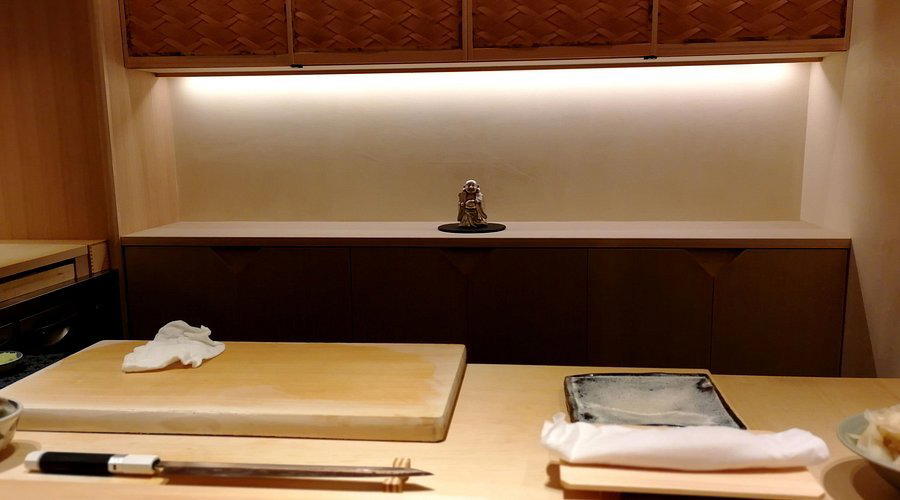
An eight-seat omakase counter in Higashi-Azabu, Sushi Sugaya has held the Tabelog Bronze Award every year from 2021 through 2026 and appears in the Tabelog Sushi Tokyo 100 list for three consecutive cycles. Ranked as high as #214 in Japan by Opinionated About Dining, the counter operates on strict reservation-only terms at a base price of ¥53,800 and up, placing it firmly in Tokyo's upper-tier omakase bracket.

Pearl is the En Primeur Club membership app, where members save venues, book tables and use the concierge.
A Quiet Corner of Minato-ku and What It Signals
Tokyo's premium omakase circuit has, over the past decade, largely consolidated around two postal codes: Ginza and Minami-Aoyama. That makes the Higashi-Azabu placement of Sushi Sugaya worth reading carefully. The neighbourhood sits at the edge of Minato-ku, closer to the residential calm of Azabu-Juban than to the trophy-address density of Ginza, and that geography is a deliberate statement. Counters in this bracket that choose addresses slightly off the main circuit tend to do so because their reservation lists are full regardless of postcode. Sushi Sugaya opened on 7 December 2018, and within three years had secured consecutive Tabelog Bronze Awards and its first placement on the Tabelog Sushi Tokyo 100 list. The location, catalogued by Tabelog under the tag "Hideout," fits that reading.
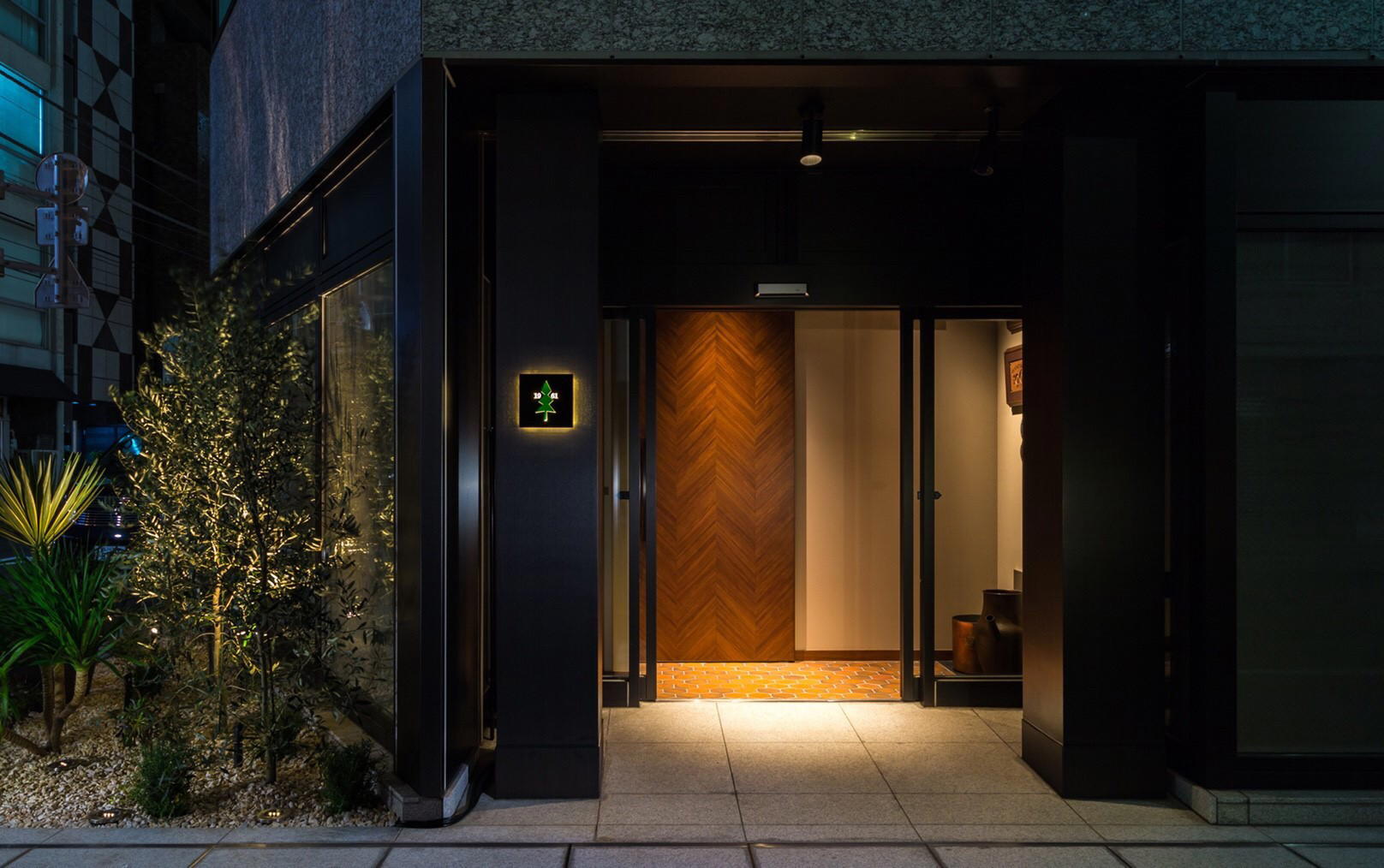
The address itself is a ground-floor unit inside the Higashi-Azabu 296 Building on Chome 1-29-15. Access is cleaner than the area's backstreet reputation suggests: the restaurant sits two minutes on foot from Akabanebashi Station (Nakanohashi Exit) on the Toei Oedo Line, seven minutes from Azabu-Juban Station (Exit 3) on the Tokyo Metro, and ten minutes from Shibakoen Station on the Toei Mita Line. For visitors staying in hotels across Minato-ku, Roppongi, or central Azabu, none of those walks are taxing. Coin parking is available nearby for those arriving by car, though no dedicated parking exists on site.
Where Sushi Sugaya Sits in the Tokyo Omakase Tier
Tokyo's omakase market has stratified sharply since the mid-2010s. At the entry level, counter dinners in the ¥15,000 to ¥25,000 range remain accessible with reasonable booking lead times. The middle tier, from roughly ¥30,000 to ¥50,000, contains the largest volume of recognised counters. Above ¥50,000 per head, the field thins, and the competitive set shifts: at that price point, counters price against one another rather than against the broader market, and the credentialling mechanisms that matter most are peer recognition systems like Tabelog's Bronze and above tier, Michelin stars, and appearance on OAD's Japan rankings.
Sushi Sugaya sits in that upper bracket. The base omakase course is priced at ¥53,800 tax-included, with a 10 percent service charge added separately, bringing the floor to approximately ¥59,180. Seasonal and market-driven price variation of ¥5,500 to ¥11,000 above that base is explicitly stated in the restaurant's terms, with premium ingredients including abalone, crab, and truffle factored into that range. A realistic upper ceiling for a full evening with beverage, depending on sake selection, runs meaningfully higher. Peers in this price tier include Harutaka and Sushi Kanesaka, both of which operate with similar counter formats and comparable price positioning. Sukiyabashi Jiro Roppongiten represents the Roppongi-adjacent end of this same tier, while Edomae Sushi Hanabusa offers a point of comparison for Edomae-style work at high price points.
Six Consecutive Tabelog Bronzes and the OAD Signal
Recognition for Sushi Sugaya arrived quickly and has held consistently. The Tabelog Bronze Award, awarded to counters achieving sustained high scores from Tabelog's reviewer base, has been given to Sushi Sugaya every year from 2021 through 2026, six consecutive years since opening. The accompanying Tabelog score sits at 4.08 as of the 2026 award cycle. Separately, the counter has been included in the Tabelog Sushi Tokyo 100 list in 2021, 2022, and 2025, making it one of a relatively small group of counters with multiple appearances across that list's different annual editions.
The Opinionated About Dining ranking places the picture in sharper relief. OAD ranked Sushi Sugaya at Highly Recommended in 2023, then moved it to #248 in Japan in 2024, and #214 in Japan in 2025. That trajectory, from highly recommended to a specific numerical ranking that has improved year-on-year, reflects growing recognition from the serious dining audience that feeds OAD's survey.
Chef Takayuki Sugaya leads the counter. The restaurant's track record since the December 2018 opening places it among the more rapidly credentialled counters to have emerged from that vintage of Tokyo sushi openings. For comparison points across other Japanese cities, HAJIME in Osaka, Gion Sasaki in Kyoto, and Goh in Fukuoka represent how different regional scenes have developed their own upper tiers alongside Tokyo. For sushi specifically outside Japan, Sushi Shikon in Hong Kong and Shoukouwa in Singapore illustrate how Tokyo-trained counters have replicated the format across Asia.
The Format and What It Demands of the Diner
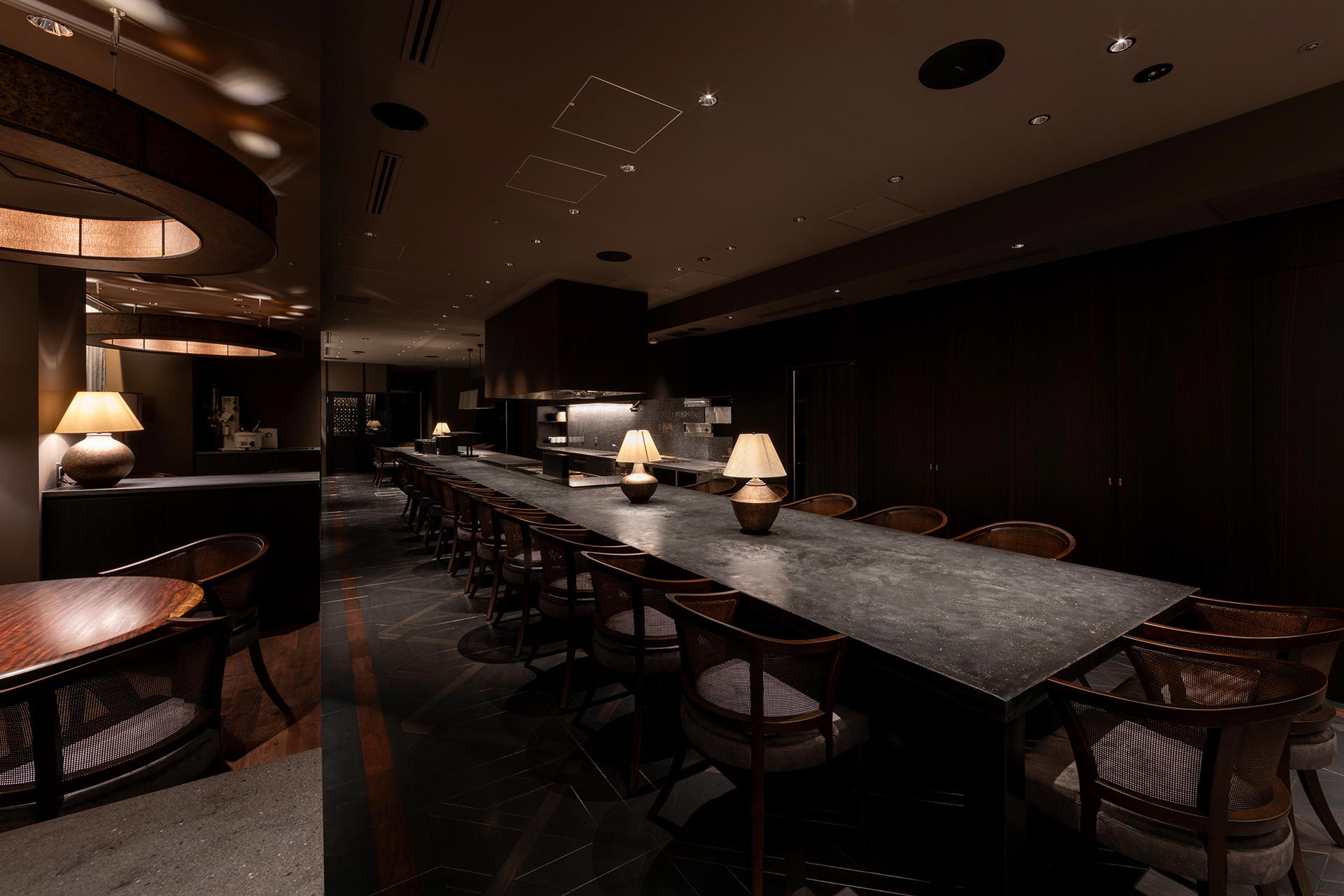
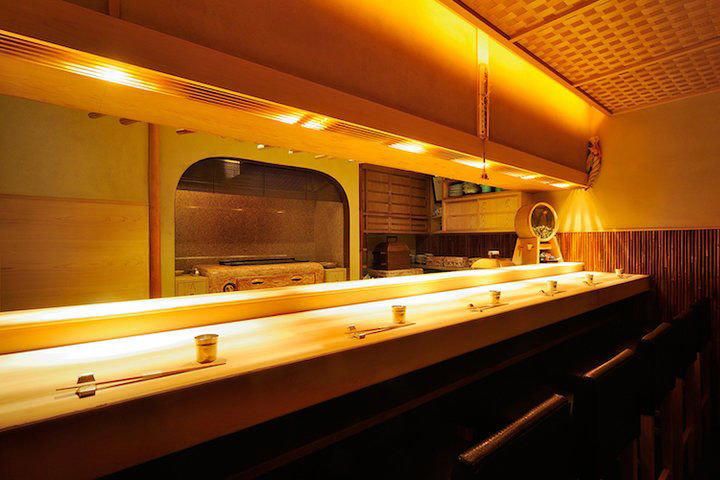
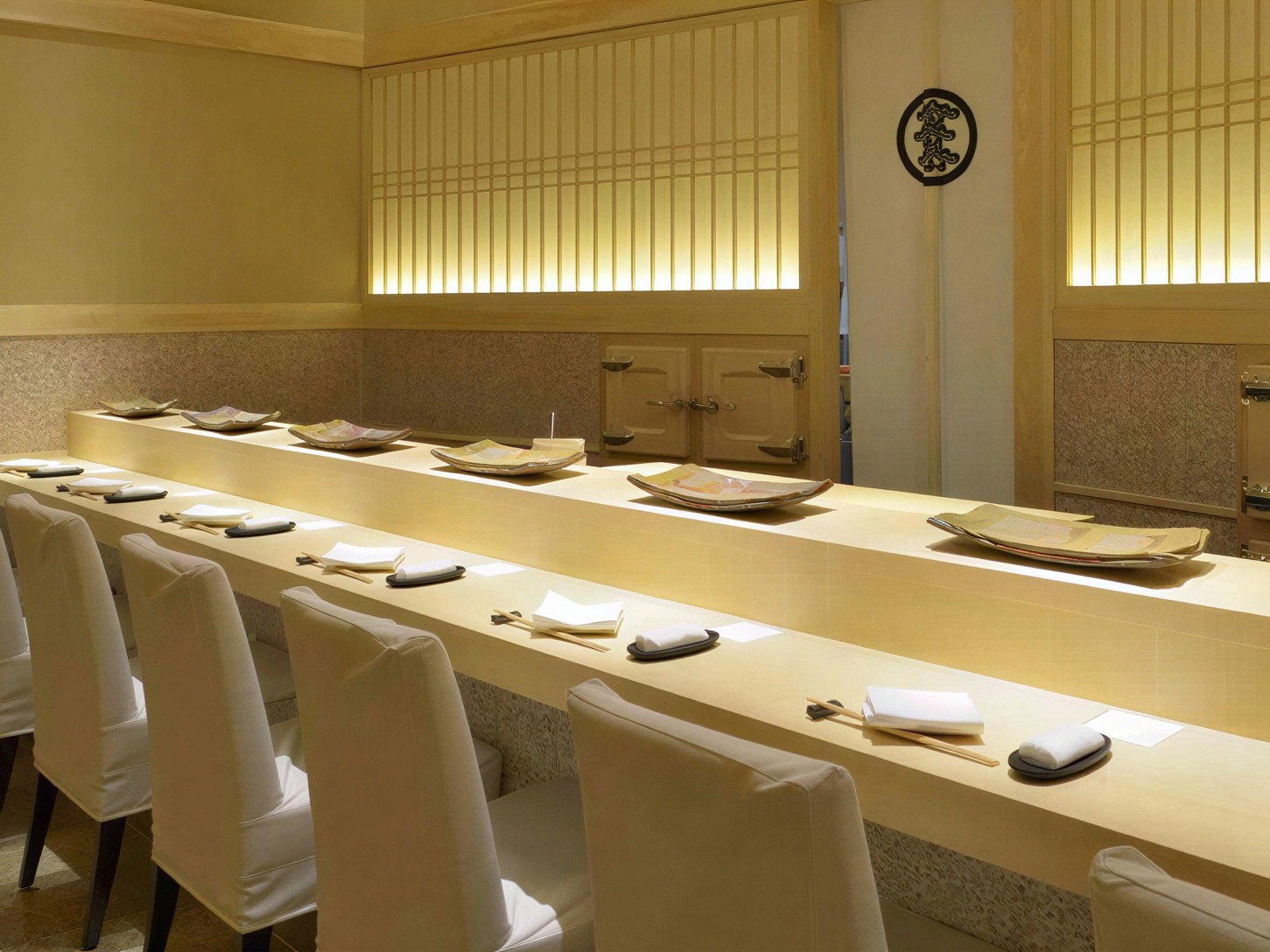
The counter seats eight, and the format is counter-only with no private rooms available. Two seatings run on most service days: on Monday, Tuesday, Friday, and Saturday, Part 1 begins at 18:00 and Part 2 at 20:45; on Sundays and public holidays, Part 1 begins at 17:00 and Part 2 at 19:45. Wednesday and Thursday are closed, along with periodic additional closures that the restaurant advises confirming at booking. The eight-seat, two-seating structure means a maximum of sixteen covers per service day, which makes total weekly capacity extremely limited.
The reservation policy is strict and worth understanding before approaching a booking. Reservations are taken by phone only, and international guests are directed to book through hotel or credit card concierge services rather than calling directly. This is a common gatekeeping mechanism at high-demand Tokyo counters and effectively means that guests without access to a concierge relationship will find direct access difficult. Once booked, the cancellation policy escalates sharply: 10 percent on any post-reservation cancellation, 50 percent from 31 days prior, and 100 percent from 7 days prior. Changes to party size are treated as cancellations. The reservation also specifies that the person who made the booking must be present to dine; non-matching guests constitute a cancellation.
Operational rules during the meal are similarly specific. Strong perfumes or hair products may result in refused entry. Large bags are not permitted inside. Photography is allowed only of dishes, without shutter sound or flash, and no other guests or staff should appear in images. Video recording is prohibited. These are standard protocols at counters where the dining experience depends on controlled sensory conditions and minimising disruption across a small shared space.
On the drink side, the counter has a noted focus on sake (nihonshu), shochu, and wine. Staff speak English and Chinese, which removes a meaningful friction point for non-Japanese-speaking guests at a counter that otherwise operates with Japanese-language reservation infrastructure. Credit cards are accepted across all major networks, VISA, Mastercard, JCB, AMEX, and Diners, though electronic money and QR-code payments are not. Qualified invoice receipts are available for business purposes.
Sushi Sugaya describes itself as particularly suited to solo dining, a designation that resonates with how single-seat counter omakase has developed as a format: eight seats means the dynamic changes when even one guest is absent, and the counter's pace and seating arrangement reward guests who engage directly with what's in front of them rather than managing a group.
For broader Tokyo restaurant context, the full Tokyo restaurants guide covers the city's dining scene across formats and price points. Tokyo hotels, bars, wineries, and experiences round out the full picture for planning. For Japanese restaurants with comparable standing in Minato-ku's surrounding areas, Hiroo Ishizaka offers a different cuisine format at a similar price tier, and akordu in Nara and 1000 in Yokohama extend the conversation to Japan's wider premium dining geography. 6 in Okinawa illustrates how the country's most peripheral island prefecture has developed its own serious dining tier.
Planning Your Visit: Quick Reference
Sushi Sugaya operates Tuesday through Sunday evenings, closed Wednesday and Thursday, with two seatings per service. The eight-seat counter takes reservations only; international guests must book through a hotel or credit card concierge by phone. The omakase course starts at ¥53,800 (tax included) with a 10 percent service charge added, and market-driven price variation of up to ¥11,000 above base applies depending on season and ingredient supply. Nearest station: Akabanebashi (Toei Oedo Line), two minutes on foot.
Frequently asked questions
What type of food is Sushi Sugaya known for?
Where do I go for Sushi Sugaya?
Sushi Sugaya is located at Japan, 〒106-0044 Tokyo, Minato City, Higashiazabu, 1 Chome−29−15 296ビル 1階, Tokyo.
What's Sushi Sugaya known for in terms of accolades?
Sushi Sugaya has received recognition including:
What's the signature dish at Sushi Sugaya?
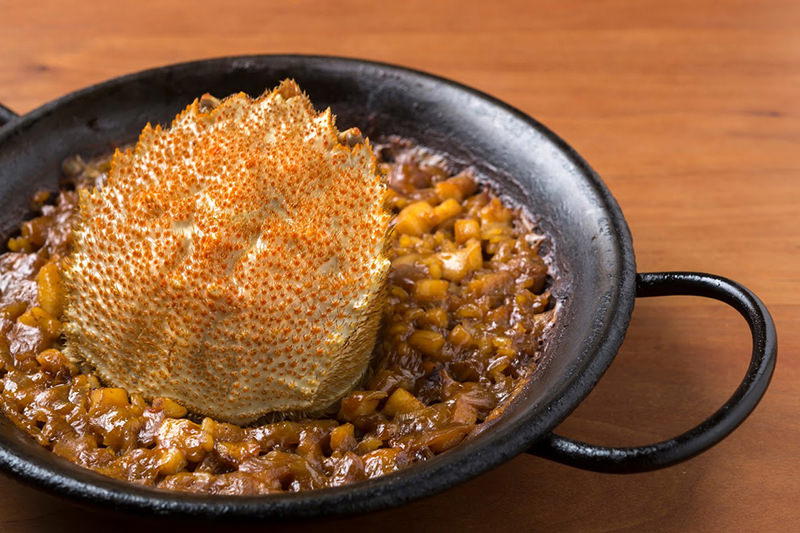
Sushi Sugaya does not publish a fixed signature item, which is consistent with the omakase format: the course shifts with market availability and daily supply conditions. Pricing reflects this directly, the base course starts at ¥53,800 (tax included) but can vary by ¥5,500 to ¥11,000 depending on the day's fish, with premium ingredients such as abalone, crab, and truffle priced according to seasonal supply. The counter's six consecutive Tabelog Bronze Awards and repeated selection for the Tabelog Sushi Tokyo 100 are grounded in consistency of technique across that changing menu, not in any one set piece.
A Credentials Check
Comparable venues nearby, for context on price, style, and recognition.
| Venue | Cuisine | Price | Awards | Notes |
|---|---|---|---|---|
| Sushi SugayaThis venue (the venue you are viewing) | Edomae Omakase Sushi | $300–500 | Tabelog Bronze #426 | Not listed |
| Tomura | Kyoto-style Kaiseki | $300–500 | Tabelog Bronze #469 | Minato |
| Sushi Akira | Premium Omakase | $300–500 | Tabelog Silver #6 · Black Pearl 1 Diamond | Shibuya |
| Ginza Fujiyama | Kyoto Kaiseki | $300–500 | Tabelog Bronze #76 | Chūō |
| Mikawa Zezankyo | Edo-style Tempura Omakase | $200–300 | Tabelog Bronze #274 | Kōtō |
| SUKIYAKI ASAI | Traditional Omi Beef Sukiyaki | $200–300 | Michelin Plate | Minato |
Recognition history
Dated appearances from independent guides and award organizations, with the underlying list record or original source where available.
Opinionated About Dining Top Restaurants in Japan Recommended
Opinionated About Dining
Tabelog Bronze #426
Tabelog
Full recognition history (7 entries)
Opinionated About Dining Top Restaurants in Japan Ranked #214
Opinionated About Dining
Tabelog Bronze
Tabelog
Tabelog 100 #63 · No. 63
Tabelog · Tabelog 100 - Sushi - TOKYO - 2025
Opinionated About Dining Top Restaurants in Japan Ranked #248
Opinionated About Dining
Opinionated About Dining Top Restaurants in Japan Highly Recommended
Opinionated About Dining