
Tsukemen Kirari brings Kyoto’s ramen conversation into a compact Fushimi counter built around dipping noodles rather than temple-district formality. Its Tabelog Ramen WEST “Tabelog 100” selection for 2025, counter-only format, and low price bracket place it in the serious everyday-eating tier: technical, quick, and aimed at diners who value noodle craft over ceremony.
Pearl is the En Primeur Club membership app — saves, bookings, and concierge access live there. Same editors, same standards.
- Address
- 660-3 Higashihamaminamicho, Fushimi Ward, Kyoto, 612-8213, Japan
- Phone
- +81 75-611-0565
- Website
- twitter.com
 Saves & bookings on Pearl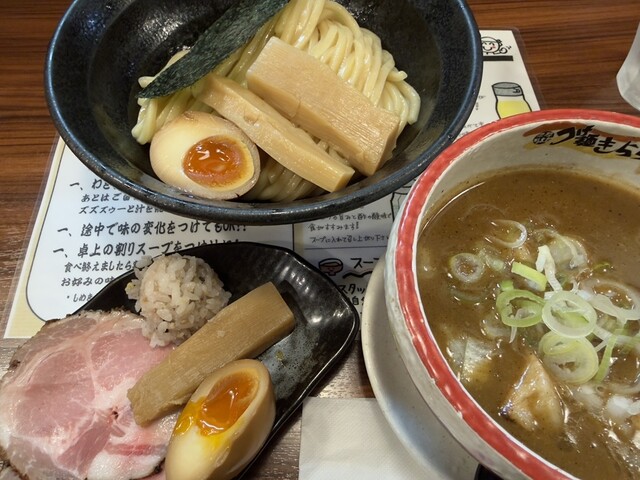
Approaching a ramen counter in Fushimi is not like entering Kyoto’s polished kaiseki rooms. The rhythm is tighter: short service window, counter seats, steam, ticket-machine logic, and diners who understand speed as part of the format, not failed hospitality. Tsukemen Kirari belongs to the practical Kyoto behind the postcard city, where a bowl can carry as much local conviction as a multi-course dinner.
Kyoto’s restaurant identity is often reduced to temples, tea, and seasonal formality, but its noodle culture is more direct. Ramen and tsukemen counters run on fewer seats, lower spend, sharper turnover, and customers willing to cross neighbourhood lines for a particular broth style or noodle texture. Luxury dining rooms may dominate international itineraries, yet the ramen tier is where repeat local judgment is merciless. A Tabelog Ramen WEST “Tabelog 100” selection in 2025 matters because it reflects a crowded regional field, not a tourist-facing accolade.
Fushimi's counter culture, not downtown dining theatre
Fushimi changes the meal’s terms. This is not Kyoto of hotel concierges and river-view reservations; it is a working district tied to sake brewing, rail connections, and everyday eating. That suits tsukemen. Dipping noodles reward concentration, not lingering: noodles and broth arrive separately, the diner controls pace, and the meal turns on texture, temperature, and repetition rather than a procession of courses.
Tsukemen Kirari’s 11-seat counter places it at the small-capacity end of Kyoto’s noodle scene. That matters more than decor. In a room this size, inconsistency has little margin, and the queue is part of the economics. Reservations are unavailable, so arrive with time, understand the limited seat count, and treat the meal as a focused stop, not a flexible social plan.
The pricing clarifies the category. With an average listed under JPY 999, this is not luxury dining dressed as street culture. It sits in the disciplined everyday bracket, where value is measured by craft density, not service length. In Kyoto, that places it nearer low-spend specialists such as eight than a formal high-ticket room like Teuchi Soba Sushi Imafuku, where dinner pricing is an entirely different decision class. For travellers mapping the city through meals, the contrast is useful: Kyoto seriousness is not confined to expensive rooms.
Dipping noodles as the organising principle
Tsukemen is not ramen with a sidecar; it is a separate grammar. Noodles need structure to stand outside the soup, the dipping broth needs concentration without bluntness, and the final minutes reveal whether the format has been calibrated or merely intensified. The appeal is tactile and procedural: each bite is assembled by the diner, making the counter feel closer to a craft workshop than a presentation-led dining room.
That is where Tsukemen Kirari’s recognition has editorial weight. Selection for Tabelog Ramen WEST “Tabelog 100” in 2017, 2018, 2023, 2024, and 2025 signals staying power beyond one hype cycle. The restaurant opened in 2010, giving it a different profile from newer ramen counters shaped by social-media velocity. Longevity in this genre usually means the core bowl has kept regulars returning while new openings compete for the same lunch-hour appetite.
The amenities explain the format without theatre. Water is self-service, aprons and hair ties are provided, and a microwave is available for reheating tsukemen, with guidance to heat for about one minute and not warm eggs at the same time. These are practical details: temperature drops, broth thickens, and diners get tools to keep the format working. In a city where high-end service can be choreographed to the second, this is specific hospitality.
A wine-list assignment for a ramen counter would be a revealing category error. Some Kyoto meals are about cellar depth, sommelier language, and pairings; this one follows a narrower curation. Its equivalent of cellar discipline is a restricted, repeatable format: tsukemen and ramen, counter seating, no private rooms, no card payments, no QR payments, no electronic money. The discipline is subtraction. Diners seeking beverage theatre should build it elsewhere in the day, through Our full Kyoto bars guide or sake-focused planning via Our full Kyoto wineries guide.
How to place it in a Kyoto itinerary
The restaurant corrects over-scheduled Kyoto eating. It asks for patience but not ceremony, and rewards diners comfortable making lunch the anchor. The nearest station is Chushojima, making the meal logical when the day already points south rather than toward Gion, Nishiki, or the hotel-heavy central corridor. Four parking spaces also signal a local catchment beyond walk-in tourists, though rail remains the cleaner visitor plan.
For a broader Kyoto table map, the contrast is instructive. 3TOKU6MI Shijo karasuma ten, 551蓬莱, [ki:], Abbesses, and Aburi Mochi Honke Nemoto Kazariya each solve a different Kyoto problem: quick comfort, contemporary dining, French technique, sweets tradition, or neighbourhood specificity. The point is not ranking them, but understanding Kyoto food culture as distinct operating systems; tsukemen belongs to the one where counter, queue, and bowl do the work.
Travellers should use Our full Kyoto restaurants guide for meal planning, then pair it with Our full Kyoto hotels guide and Our full Kyoto experiences guide to avoid crossing town for every reservation. For context beyond Kyoto, useful contrasts include -Grilled beef Sukiyaki- KAMAKURA TANUKIAN 鎌倉 たぬき庵 in Kamakura. 鮪と炭火焼き うお炭 秋葉原店 in Tokyo.cafe in Osaka.know in Kumamoto, (Shoku) Vietnam in Kawasaki, [Curry Senmon Ten] Maruyama Kyoju. in Sapporo, Jōdo Saké Bar in Los Angeles, and Onigiri Time in Pasadena. Together, they show how Japanese casual formats travel, adapt, and sometimes lose the tightness small domestic counters preserve.
The right expectation is precision without ceremony. The restaurant is a serious stop for diners who know Kyoto’s food intelligence is not always quiet, expensive, or seasonal in the kaiseki sense. Sometimes it is an 11-seat counter in Fushimi, repeatedly selected for a regional ramen list, serving a format that lives or dies by noodle structure, broth concentration, and the diner’s timing.
- Gyokai tonkotsu tsukemen
- Spicy gyokai tonkotsu tsukemen (kara tsuke)
- Shrimp tsukemen
- Niboshi tsukemen (limited)
- Ebi maze soba (limited)
- Hiyashi tsukemen (summer limited)
Cuisine and Awards Snapshot
Comparable venues to anchor price and recognition.
| Venue | Cuisine | Price | Notes |
|---|---|---|---|
| Tsukemen KirariThis venue — the venue you are viewing | Kyoto tsukemen & ramen shop | $ | Not listed |
| 京都 鶏白湯そば 純 | Kyoto Creamy Chicken Broth Soba | $ | Nakagyo-ku |
| Flip up! | Kyoto bakery & bagel shop | $ | Nakagyō |
| Saruya | Traditional Japanese sweets & tea | $ | Sakyō |
| Kamo Mitarashi Chaya | Traditional Japanese sweets café & mitarashi dango shop | $ | Sakyō |
| Inari Futaba | Traditional Japanese wagashi & mochi shop | $ | Fushimi |
Recognition history
Dated appearances from independent guides and award organizations, with the underlying list record or original source where available.
Tabelog 100 #1 · No. 1
Tabelog · Tabelog 100 - Ramen - WEST - 2025
Continue exploring
More in Kyoto
Restaurants in Kyoto
Browse all →
Bars in Kyoto
Browse all →
Hotels in Kyoto
Browse all →
Wineries in Kyoto
Browse all →
At a Glance
- Cozy
- Lively
- Intimate
- Solo
- Casual Hangout
- After Work
- Chefs Counter
- Standalone
Current opening hours
- Monday
- 11 AM–2:30 PM
- Tuesday
- 11 AM–2:30 PM
- Wednesday
- Closed
- Thursday
- Closed
- Friday
- 11 AM–2:30 PM
- Saturday
- 11 AM–2:30 PM
- Sunday
- 11 AM–2:30 PM
Hours can change for holidays and private events. Last verified .
A direct, counter-only ramen shop with 11 seats, a casual and energetic lunch-time atmosphere, and a focus on efficient service rather than decor.