
Saruya places Kyoto’s wagashi tradition inside the shrine-side rhythm of Shimogamo, where sweets function less as dessert than as a pause between walking, worship, and the old forest paths. Its Tabelog 100 selection for Japanese traditional sweets and sweets cafes in western Japan gives it a credible position in a category often judged by restraint rather than spectacle.
Pearl is the En Primeur Club membership app — saves, bookings, and concierge access live there. Same editors, same standards.
- Address
- Japan, 〒606-0807 Kyoto, Sakyo Ward, Shimogamo Izumikawacho, 59
- Phone
- +81 75-781-0010
- Website
- shimogamo-jinja.or.jp
 Saves & bookings on Pearl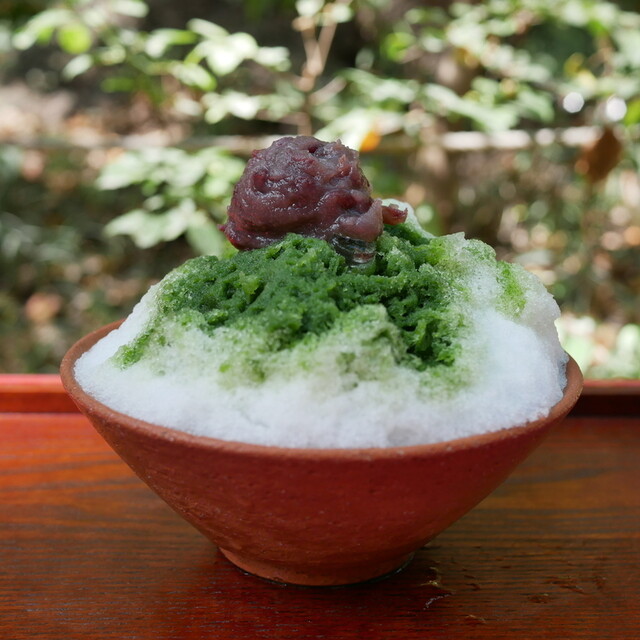
The approach to Shimogamo has a different tempo from central Kyoto’s restaurant streets. The shrine precinct and Tadasu no Mori reduce the city to footfall, gravel, trees, and pauses before the next gate. Here, wagashi is not a final course after a formal meal but the meal’s quieter cousin: a measured interval around tea, sweetness, texture, and the discipline of stopping before appetite turns heavy.
That matters because visitors trained to chase long tasting menus can misread Kyoto’s sweets culture. The progression is smaller but no less deliberate: the shrine approach frames the mind, the room slows the pace, and the sweets work through proportion. Saruya belongs to this compact Kyoto lineage, where a short sequence can carry as much local meaning as a multi-course counter.
Wagashi as a short-form tasting sequence
Kyoto’s formal dining reputation leans on kaiseki, but its sweets houses teach a related lesson in compression. Instead of seasonal plates in long procession, the arc is abbreviated: arrive from a temple or shrine walk, sit, take tea or a sweet, and leave before the afternoon loses shape. It is casual only in the Kyoto sense: a narrow ritual made repeatable.
Saruya’s recognition in the Tabelog 100 list for Japanese traditional sweets and sweets cafes in western Japan places it in a serious regional category, not a generic cafe bracket. Western Japan’s wagashi culture rewards restraint, texture, and setting; a 3.65 Tabelog score matters less as a number than as a signal that local users place the shop within a competitive sweets field. In Kyoto, that field includes shrine-adjacent tea stops, long-running mochi houses, and neighborhood counters sustained by repetition, not novelty.
The comparison with Aburi Mochi Honke Nemoto Kazariya is instructive. Aburi Mochi Honke Nemoto Kazariya represents another older Kyoto pattern: a specific preparation linked to a specific approach route and ritualized pause. Saruya sits in a different shrine context, but the logic is similar. The food is inseparable from the preceding walk, and the value lies in how little the format needs to explain itself.
That short-form progression suits travelers who have overbooked Kyoto. The city punishes schedules built only around lunches and dinners. A sweets cafe can reset an itinerary between temples, shopping streets, and evening reservations, especially when the strongest food days often include one formal meal and one lighter cultural stop. For a broader map, Our full Kyoto restaurants guide gives the wider dining frame, from casual counters to higher-formality rooms.
Shimogamo gives the room its context
Kyoto neighborhoods change a meal’s meaning. Around Shijo and Karasuma, the city tilts toward offices, department stores, and tight urban dining rooms; see how a central address such as 3TOKU6MI Shijo karasuma ten plays in a more commercial grid. Shimogamo works differently, with water, shrine approaches, residential calm, and an older northern rhythm that makes a small sweet stop feel less like a detour and more like the point of the walk.
Here the tasting-progression idea becomes physical. The sequence begins before the first order because the setting paces the visit. Kyoto has many restaurants that ask for concentration at the table; Shimogamo asks for attention before it. That makes Saruya more persuasive as an afternoon interlude than as a destination judged by portion size or menu breadth. The category is wagashi cafe, not grand restaurant, and the standard should match the form.
Within Kyoto’s dining spread, this stop sits far from the high-formality end represented by Kichisen or Kyokaiseki Kichisen. It also differs from casual city eating such as 551蓬莱, where immediacy and volume define the appeal. The point is use-case, not hierarchy. Kyoto rewards readers who know when to choose a sweets house, a bowl or bun, or to save appetite for formal dinner.
For travelers building a full Kyoto day, surrounding categories matter as much as the single table. Pairing a shrine-area sweet stop with a considered hotel base changes the city’s pace; Our full Kyoto hotels guide is the right planning layer. Evening drinking belongs to another rhythm, mapped in Our full Kyoto bars guide. Kyoto-area wine references are rarer but useful for cellar-minded readers, with context in Our full Kyoto wineries guide, while shrine walks, craft formats, and cultural bookings sit in Our full Kyoto experiences guide.
How to place it in a Kyoto eating day
The strongest way to read Saruya is as a precise middle movement. It is not replacing lunch or competing with a dinner tasting menu. It belongs between them, especially on a northern Kyoto route where appetite, walking, and cultural attention need a lighter cadence. In a city where visitors confuse density with depth, this stop makes the day feel edited rather than crowded.
Kyoto’s newer and cross-genre dining gives contrast. [ki:] and Abbesses point toward contemporary and European-inflected readings of the city. Saruya works from the opposite direction: minimal format, inherited category, shrine-side pacing. Together, they show why Kyoto should not be reduced to temple snacks or formal kaiseki. Its strength is how small formats and serious rooms coexist without needing the same vocabulary.
Readers extending a Japan itinerary can use the same lens outside Kyoto. A casual specialist in Osaka such as.cafe in Osaka, a focused regional address like.know in Kumamoto, or a city-counter format such as. 鮪と炭火焼き うお炭 秋葉原店 in Tokyo each depends on matching format to moment. The same applies farther afield, whether the itinerary includes -Grilled beef Sukiyaki- KAMAKURA TANUKIAN 鎌倉 たぬき庵 in Kamakura, (Shoku) Vietnam in Kawasaki, or [Curry Senmon Ten] Maruyama Kyoju. in Sapporo.
That principle travels beyond Japan. A sake-led Los Angeles night at Jōdo Saké Bar in Los Angeles or a rice-focused stop such as Onigiri Time in Pasadena asks the same question: what is the format built to do, and where does it belong in the day? Saruya’s answer is clear: a Kyoto sweets pause with credible recognition, a shrine-side setting, and enough category discipline to make a short visit feel complete.
Comparison Snapshot
Comparable venues for context, by category and price tier.
| Venue | Cuisine | Price | Awards | Notes |
|---|---|---|---|---|
| SaruyaThis venue — the venue you are viewing | Traditional Japanese sweets & tea | $ | , | |
| Daigokuden Honpo Rokkaku ten | Japanese Sweets Cafe | $ | , | Nakagyō |
| Takagi Coffee Ten Takatsuji honten | Japanese kissaten & coffee shop | $ | , | Shimogyō |
| Gyoza Dokoro Takatsuji Sukemasa Honten | Kyoto-style Gyoza Specialty Shop | $ | , | Shimogyō |
| Mitama Ya | Traditional Japanese confectionery (wagashi) | $ | , | Sakyō |
| Marie France Kitayama ten | Traditional Japanese Bakery | $ | , | Sakyō |
Continue exploring
More in Kyoto
Restaurants in Kyoto
Browse all →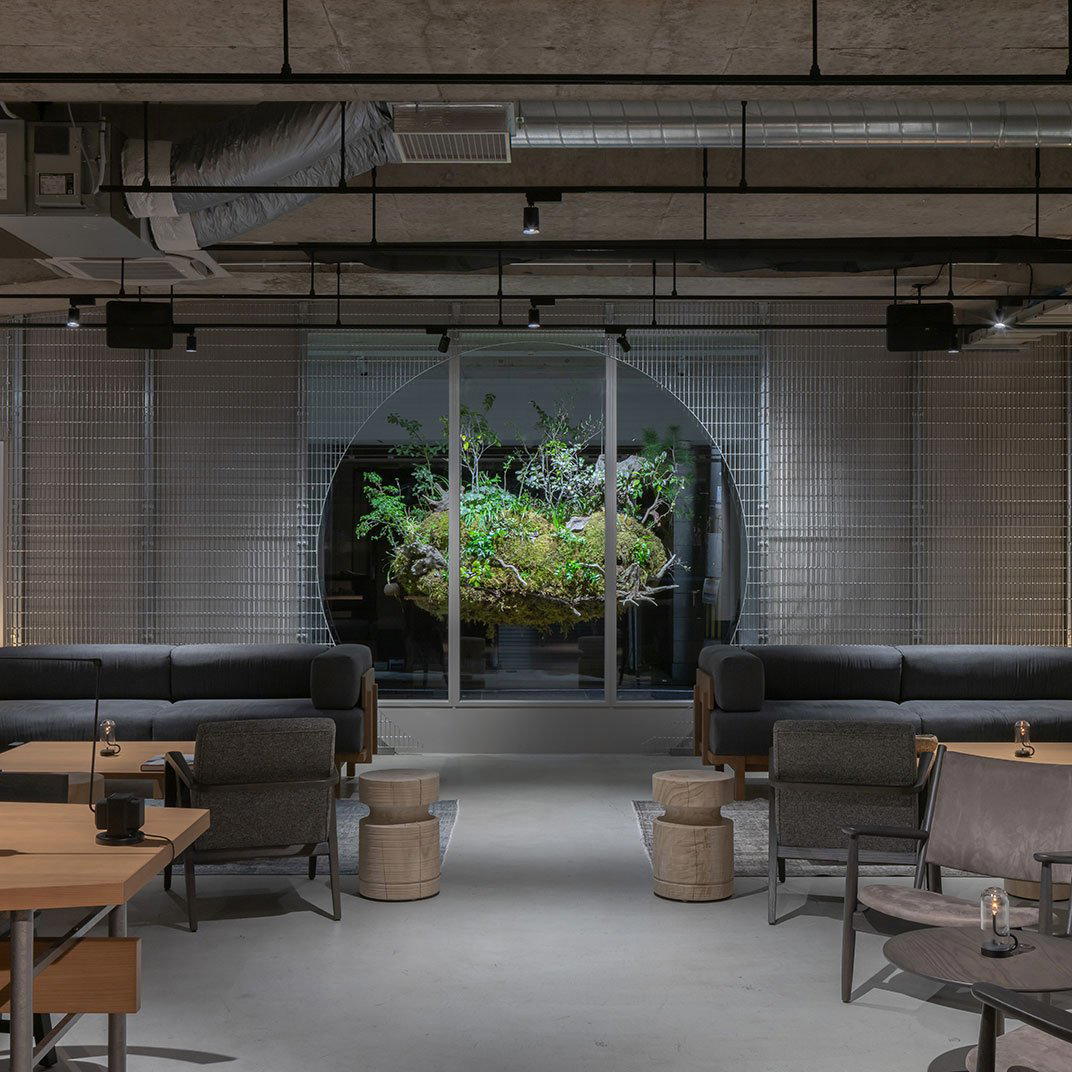
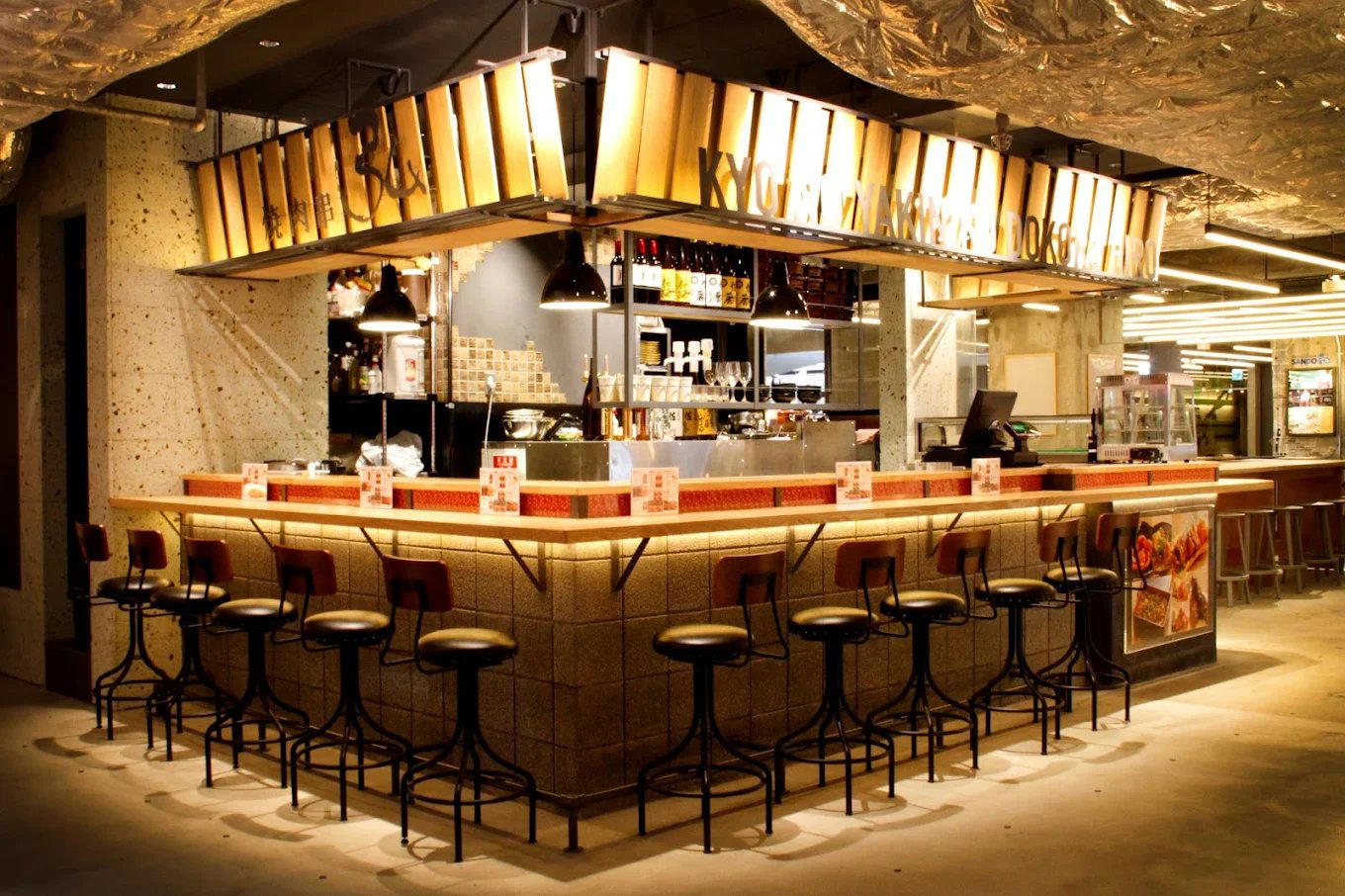
Bars in Kyoto
Browse all →

Hotels in Kyoto
Browse all →

Wineries in Kyoto
Browse all →
At a Glance
- Classic
- Scenic
- Cozy
- Iconic
- Family
- Casual Hangout
- Date Night
- Solo
- Special Occasion
- Garden
- Historic Building
- Standalone
- Design Destination
- Garden
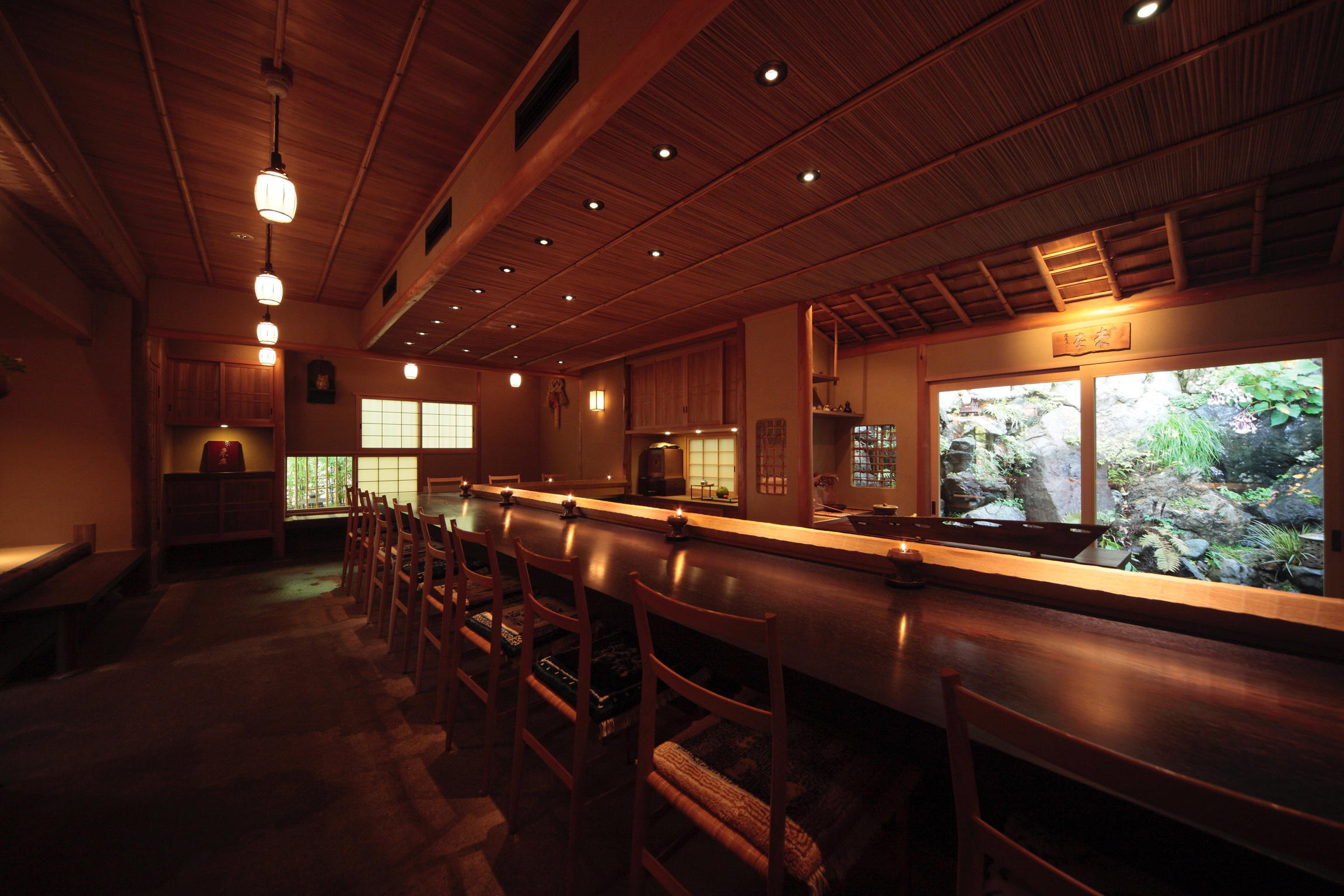
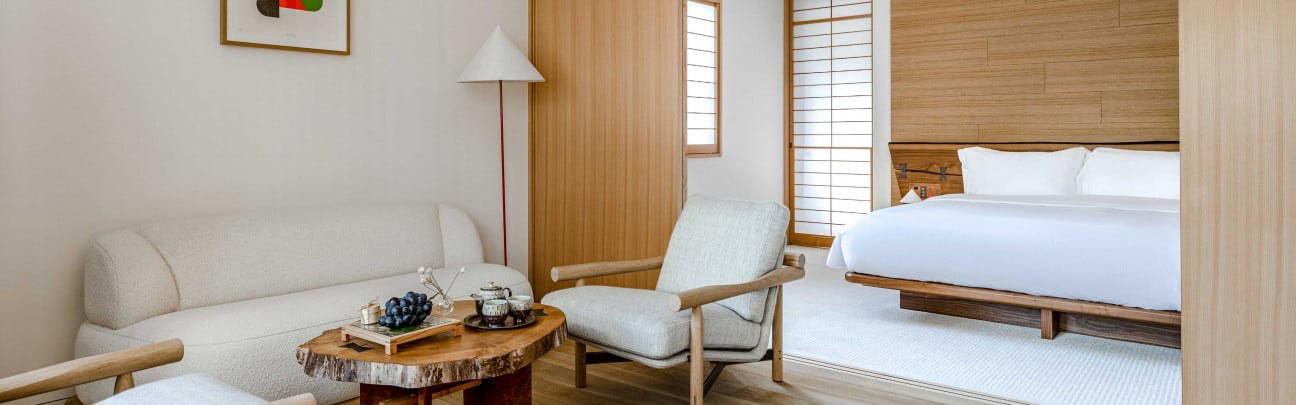
Calm, daylight-filled rest house atmosphere with views of shrine greenery and forest; simple wooden furnishings and seasonal touches create a classic, low-key tea-house feel rather than a formal restaurant.