
Flip up! is a Kyoto bakery in Nakagyo-ku with a takeaway rhythm rather than a café routine: bread, bagels, and sandwiches are the point, not lingering. Its Tabelog Bread WEST 100 selection places it within Kansai’s serious bakery conversation, while the everyday format keeps the visit closer to a morning errand than a formal dining appointment.
Pearl is the En Primeur Club membership app — saves, bookings, and concierge access live there. Same editors, same standards.
- Address
- Japan, 〒604-0021 Kyoto, Nakagyo Ward, Takoyakushicho, 292-2
- Phone
- +81 75-213-2833
- Website
- instagram.com
 Saves & bookings on Pearl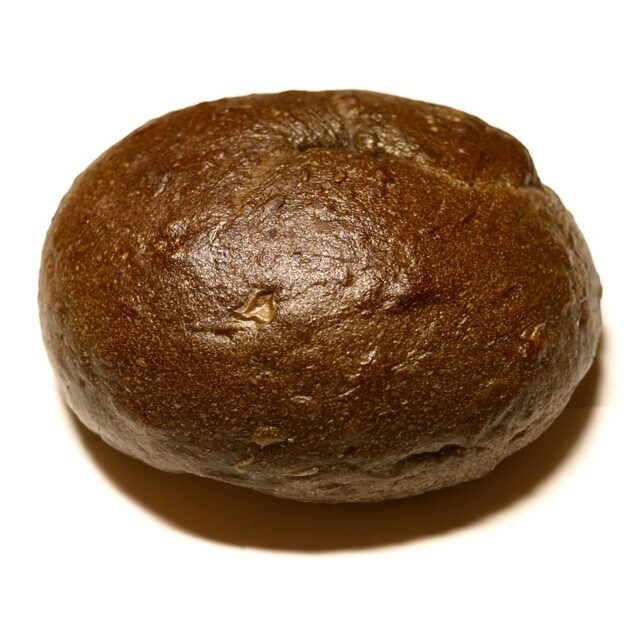
Oshikoji Street gives this kind of Kyoto eating its proper scale: low buildings, quick foot traffic, and the particular hush of a neighbourhood where a bakery run can feel as deliberate as a tea reservation. The ritual at Flip up! is not about settling in. It is about arriving with intent, reading the shelves quickly, and leaving with bread before the day has fully declared itself.
Kyoto is often read through kaiseki, temple sweets, and counter dining, but the city’s bakery culture deserves the same close attention. Bread here is not merely imported café culture. It has been absorbed into daily routines: breakfast before the subway, a wrapped sandwich between appointments, a bagel carried back to a hotel room, a small purchase treated with the same seriousness as wagashi. In that context, a takeaway bakery can tell a sharper story about local life than another polished dining room.
Kyoto's bread ritual is quick, precise, and rarely casual in execution
The strongest bakeries in Japan often operate with a contradiction: service is fast, but the buying decision is careful. Customers move through compact rooms with the discipline of commuters and the concentration of collectors. Categories matter. Bread, bagel, and sandwich are not interchangeable labels; they mark different uses of the shop, from breakfast to picnic to train food. This is where Flip up! fits Kyoto’s daily dining grammar, as a place built around selection and departure rather than table service.
Its inclusion in Tabelog’s Bread WEST 100 in 2022 gives the bakery a clear signal beyond neighbourhood affection. The list is regional rather than national in framing, which matters in Kansai, where Kyoto, Osaka, Kobe, and surrounding bakery cultures compete on different terms. Kyoto tends to reward restraint, compact formats, and a sense of order. Osaka often reads louder and more abundant. Kobe carries a longer association with Western-style baking. A Kyoto bakery recognized in that field is being measured against a serious regional bench, not only against nearby morning traffic.
The format also separates it from Kyoto’s reservation-led dining economy. Torisaki, KOKE, shiro, and Muromachi Yui belong to a different register: higher-spend rooms where the evening is planned and the meal is the event. A bakery visit works on another clock. The purchase may take minutes, but the judgment is not lighter. In Japan, the bakery counter is a place where texture, portion, packaging, timing, and turnover are assessed with quiet severity.
Takeaway changes the etiquette: choose cleanly, carry well, eat soon
A no-chair, takeaway-only setup changes the reader’s expectations. There is no table to rescue an indecisive order, no service arc, no wine pairing, no lingering second act. The etiquette is practical: arrive prepared, move with the room, and treat the purchase as part of the day’s route. This is especially useful in central Kyoto, where food planning often means stitching together small, precise stops instead of building every day around long meals.
That rhythm suits Nakagyo-ku. The district sits between office Kyoto, shopping Kyoto, and the older grid of residential lanes, so quick food has to serve several audiences without becoming generic. A bakery in this setting must work for the person buying breakfast, the parent picking up something child-friendly, the visitor building a picnic, and the office worker who cannot afford a slow lunch. The strength of the format is its compression: a small transaction can carry a large amount of craft.
There is also a useful distinction between a bakery and Kyoto’s better-known sweets culture. Wagashi often asks the diner to notice season, ceremony, and visual code. Bread asks for a different literacy: crust, crumb, chew, filling balance, and how well the item survives being carried. The city has room for both traditions. Pairing a bakery stop with older sweet shops such as Aburi Mochi Honke Nemoto Kazariya shows how Kyoto’s casual eating can move between grilled mochi and modern bread without treating either as secondary.
How to place it within a Kyoto food day
The smartest use of Flip up! is as a morning or early-day anchor, not as a substitute for a restaurant booking. It can sit before a museum day, between hotel checkout and a train, or as part of a Nakagyo-ku grazing route. Nearby and central Kyoto planning benefits from contrast: a bakery stop here, then a different register later at 3TOKU6MI Shijo karasuma ten, 551蓬莱, [ki:], or Abbesses. The point is not to rank them against each other; it is to let Kyoto’s dayparts do different work.
Travelers building a broader Kyoto map should keep categories separate. Restaurants answer one set of needs, hotels another, bars another, and experiences another. For citywide planning, use Our full Kyoto restaurants guide, Our full Kyoto hotels guide, Our full Kyoto bars guide, Our full Kyoto wineries guide, and Our full Kyoto experiences guide. The bakery belongs in the restaurant map, but its value is logistical as much as culinary: it gives the day flexibility without lowering standards.
For readers comparing casual Japanese formats beyond Kyoto, the same principle applies across cities. A compact purchase can carry regional identity as clearly as a full meal, whether the reference point is -Grilled beef Sukiyaki- KAMAKURA TANUKIAN 鎌倉 たぬき庵 in Kamakura. 鮪と炭火焼き うお炭 秋葉原店 in Tokyo.cafe in Osaka.know in Kumamoto, (Shoku) Vietnam in Kawasaki, [Curry Senmon Ten] Maruyama Kyoju. in Sapporo, Jōdo Saké Bar in Los Angeles, or Onigiri Time in Pasadena. The lesson is consistent: casual does not mean careless. In Kyoto, the bakery ritual proves it in a few well-chosen minutes.
Style and Standing
Comparable venues to calibrate price, style, and recognition.
| Venue | Cuisine | Price | Notes |
|---|---|---|---|
| Flip up!This venue — the venue you are viewing | Kyoto bakery & bagel shop | $ | Not listed |
| Gyoza Hohei (ぎょうざ 歩兵) | Japanese Gyoza Specialist | $ | Gion |
| Sukesama (ぎょうざ処 亮昌) | Kyoto Gyoza Specialist | $ | Gion |
| suba | Contemporary standing soba | $ | Shimogyō |
| Kissho Karyo Gion honten | Kinako Japanese sweets cafe | $ | Higashiyama |
| Okashi Tsukasa Nakamura Ken | Traditional Kyoto Wagashi & Cafe | $ | Nishikyō |
Recognition history
Dated appearances from independent guides and award organizations, with the underlying list record or original source where available.
Tabelog 100 #58 · No. 58
Tabelog · Tabelog 100 - Bread - WEST - 2022
Continue exploring
More in Kyoto
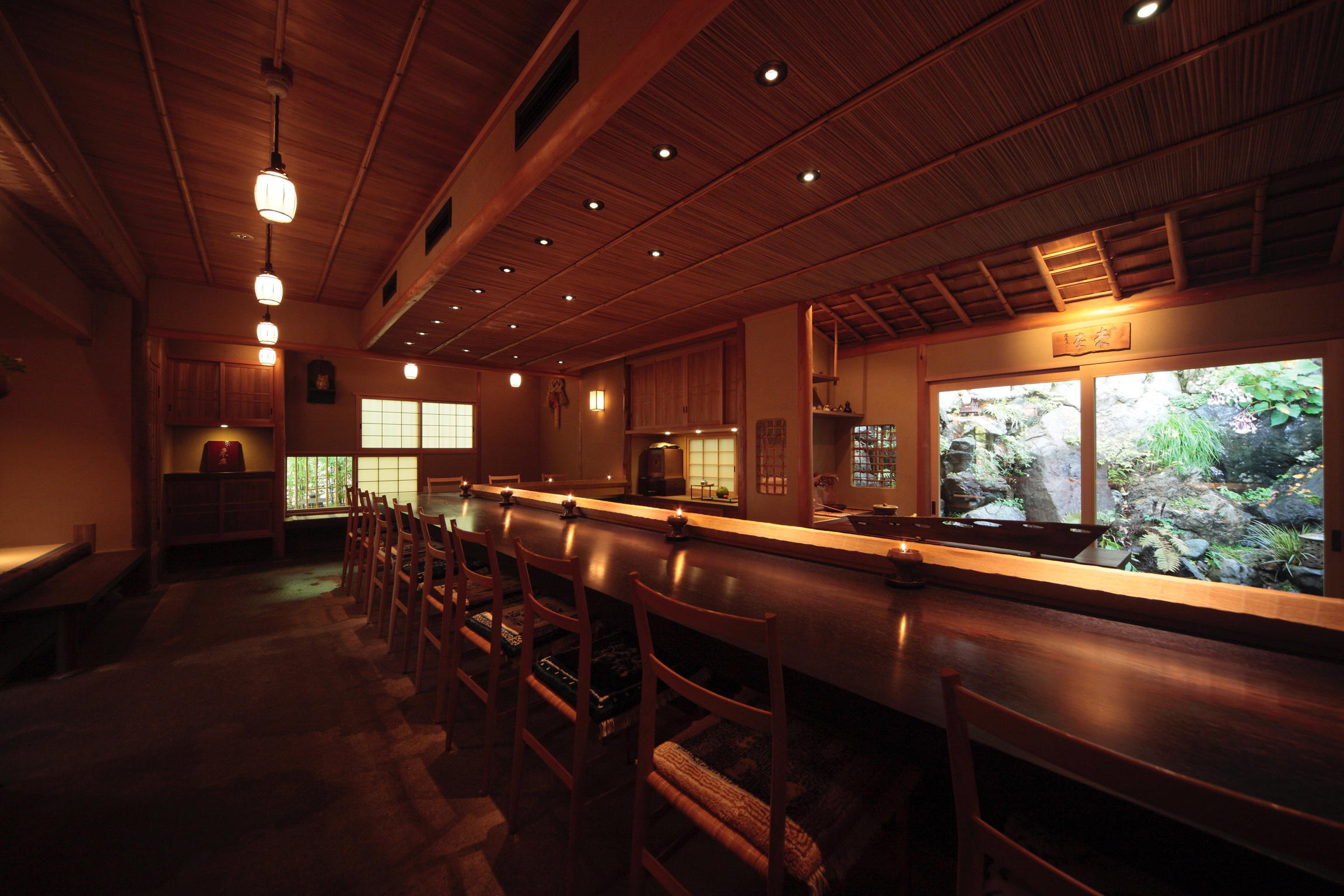
Restaurants in Kyoto
Browse all →

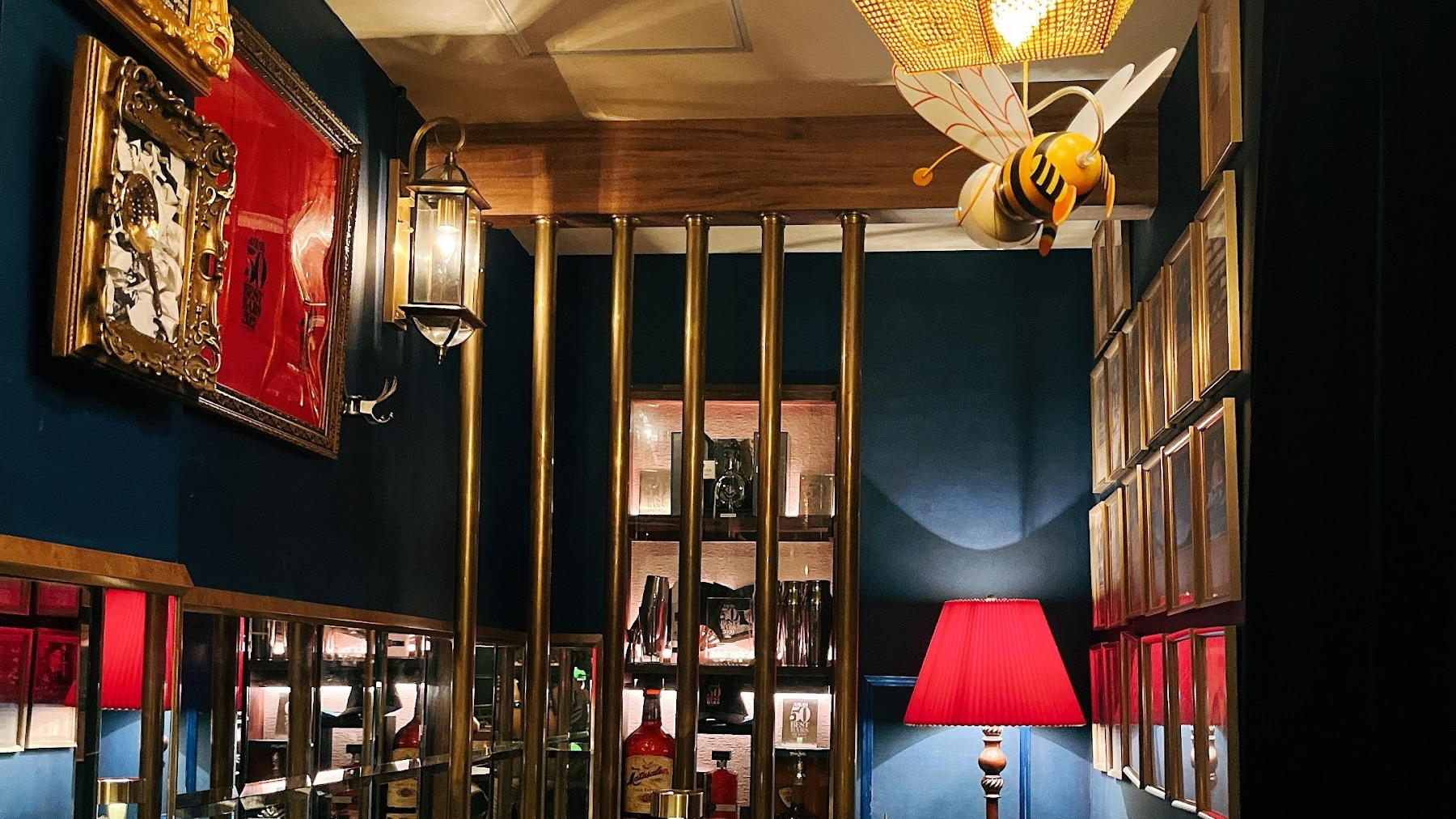
Bars in Kyoto
Browse all →



Hotels in Kyoto
Browse all →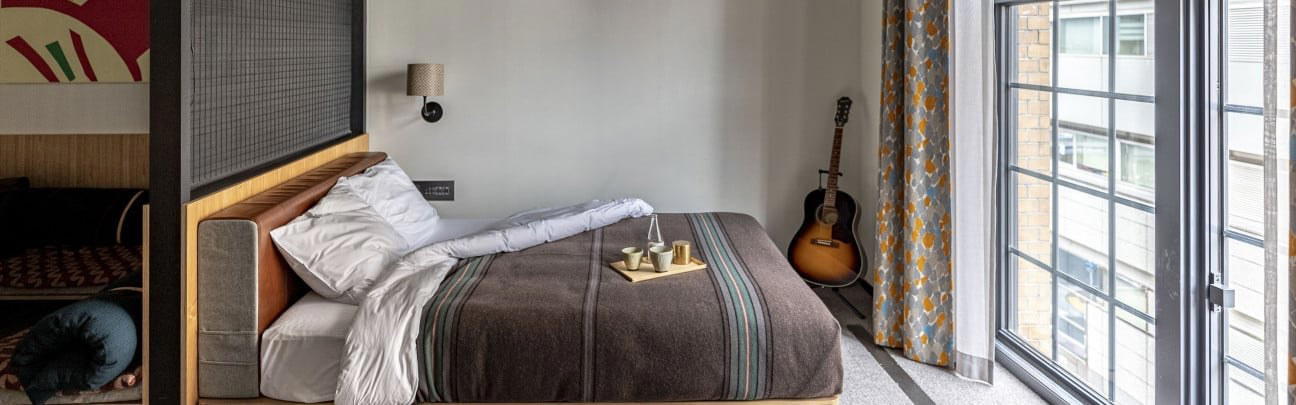
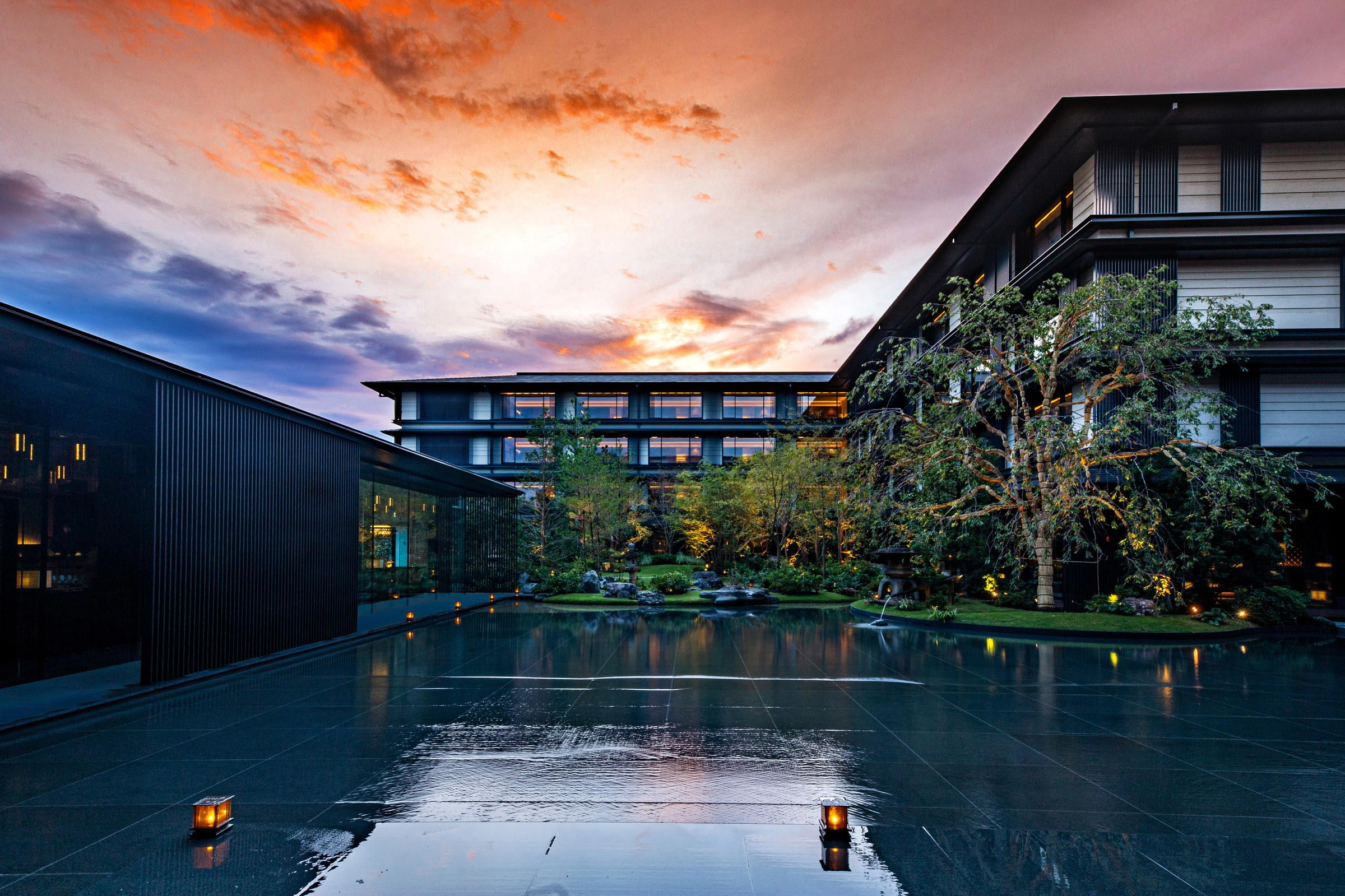

Wineries in Kyoto
Browse all →
At a Glance
- Cozy
- Trendy
- Solo
- Casual Hangout
- After Work
- Standalone
- Design Destination
Current opening hours
- Monday
- 7 AM–6 PM
- Tuesday
- 7 AM–6 PM
- Wednesday
- 7 AM–6 PM
- Thursday
- 7 AM–6 PM
- Friday
- 7 AM–6 PM
- Saturday
- 7 AM–6 PM
- Sunday
- 7 AM–4 PM
Hours can change for holidays and private events. Last verified .