Café Botanico occupies a corner of Neukölln that Berlin's dining scene has been quietly building around for years. With an ingredient-led approach rooted in what the neighbourhood and its surrounding region can produce, it sits in a tier of Berlin restaurants where sourcing philosophy carries as much weight as kitchen technique. An address for readers who want to eat with some geographical logic behind the plate.
Pearl is the En Primeur Club membership app — saves, bookings, and concierge access live there. Same editors, same standards.
- Address
- Richardstraße 100, 12043 Berlin, Germany
- Phone
- +493089622000
- Website
- cafe-botanico.de
- Directions
- Get directions
 Saves & bookings on Pearl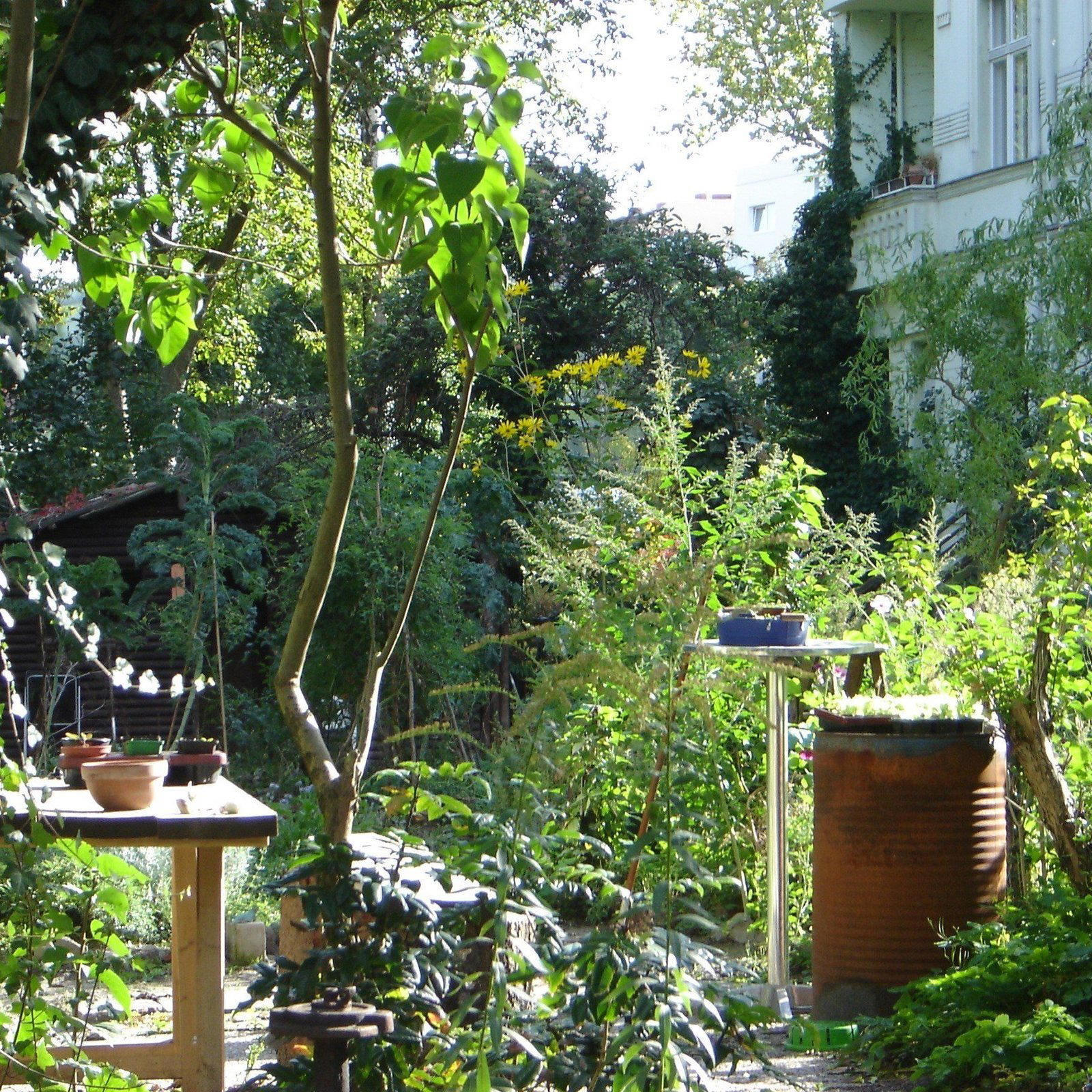
Where Neukölln Meets the Plate
Richardstraße 100 puts Café Botanico squarely in the residential heart of Neukölln, a district that has spent the better part of a decade shifting from affordable bohemian enclave to one of Berlin's most closely watched dining corridors. The transition has not been seamless, rents have climbed, some early restaurants have given way to more ambitious projects, but what has persisted is a particular kind of eating culture: ingredient-focused, neighbourhood-scaled, and deliberately unpretentious.
In that context, Café Botanico is a logical address. The name points to a botanical sensibility that fits Berlin's contemporary restaurant identity. Berlin's conversation around where food comes from has been unusually sustained, in part because of Neukölln's proximity to the Brandenburg agricultural belt and in part because a generation of cooks shaped by natural wine and new Nordic ideas has settled here.
The Sourcing Logic Behind the Menu
Berlin's ingredient-led restaurants share a structural commitment: they build menus around supply rather than fixed recipe sets. That approach requires supplier relationships that hold across seasons, and it tends to produce kitchens that read more like edited larders than fixed proposition restaurants. Nobelhart & Schmutzig, which has operated a strict regional sourcing policy since opening on Friedrichstraße, represents one rigid version of this model in Berlin, no ingredient enters the kitchen unless it comes from within a defined German geography. Café Botanico operates in the same current.
The botanical framing suggests a kitchen oriented around leaves, roots, herbs, and foraged or cultivated plant material at a time when Berlin's dining culture has moved toward vegetable-forward cooking. This is not a trend born of ethical marketing, it reflects genuine shifts in how younger kitchens in the city think about protein's role on the plate. The same logic shows up in CODA Dessert Dining, which has taken the savoury-sweet boundary apart entirely, and in the tasting menu format at FACIL, where seasonal produce from the kitchen garden shapes the arc of the meal.
Ingredient sourcing at this level requires proximity to the supply chain. Brandenburg's market gardens, the Spreewald further southeast, and the city's established network of small-scale producers give Berlin kitchens access to a seasonal range that many European capitals cannot easily replicate. A restaurant with a botanical identity in this city is not making an abstract claim, it is working within a real and specific ecosystem of growers and foragers whose output changes week to week.
How Café Botanico Sits in the Berlin Restaurant Conversation
Berlin's fine-dining tier tends to cluster around Michelin-recognised names: Rutz on Chausseestraße, Restaurant Tim Raue in Kreuzberg, and the contemporary European work at FACIL inside the Mandala Hotel. The restaurant does not appear in that formal recognition tier, which places it in a different and in some ways more interesting bracket: the mid-range neighbourhood restaurant that earns its audience through consistency and sourcing specificity rather than through awards infrastructure.
That positioning is not a deficit. Some of Berlin's most interesting eating in recent years has happened below the Michelin visibility threshold, in rooms where the covers are small, the mark-up on wine is modest, and the kitchen is answering to a local clientele rather than to international dining tourism. Neukölln, more than any other district, has been where that kind of restaurant has taken root.
Compared to the destination dining experiences available elsewhere in Germany, the three-Michelin-star weight of Schwarzwaldstube in Baiersbronn, the technical precision of Aqua in Wolfsburg, or the produce-led ambition of JAN in Munich, the restaurant operates closer to ground level. That is precisely where it belongs. Its comparable set is not the country's starred rooms but rather the neighbourhood restaurants across Berlin doing careful, sourcing-led work without the infrastructure of a dedicated PR operation or a tasting menu format that requires two hours and a wine pairing to decode.
Further afield, the ingredient-first philosophy has international analogues. Lazy Bear in San Francisco built its reputation on a similar commitment to local supply chains and communal dining formats. Le Bernardin in New York City demonstrates a different version of the same discipline, product-first, technique in service of the ingredient rather than the reverse. Both are instructive comparisons not because they share a cuisine with the restaurant but because they represent what ingredient discipline looks like when it is applied at consistent volume over time.
Planning Your Visit
Neukölln is accessible by U-Bahn from central Berlin, with connections that make the journey from Mitte or Prenzlauer Berg direct. Richardstraße sits within the denser residential grid south of Hermannplatz, an area where street-level commerce is dominated by local businesses rather than tourist-facing retail. The dining character of the immediate neighbourhood reflects that, these are restaurants built for return visits, not first encounters.
For readers building a broader itinerary around Germany's serious restaurants, the EP Club covers a range of relevant addresses: Vendôme in Bergisch Gladbach, Victor's Fine Dining by Christian Bau in Perl, ES:SENZ in Grassau, Schanz in Piesport, Waldhotel Sonnora in Dreis, Restaurant Haerlin in Hamburg, and Bagatelle in Trier. For the full Berlin picture, the EP Club Berlin guide maps the city's serious dining across districts and price tiers.
Know Before You Go
- Address: Richardstraße 100, 12043 Berlin, Germany
- District: Neukölln
- Booking: Reservations recommended
- Nearest U-Bahn: Hermannplatz (U8/U7), then a short walk south
Cuisine and Credentials
Comparable venues nearby, for context on price, style, and recognition.
| Venue | Cuisine | Price | Notes |
|---|---|---|---|
| Café BotanicoThis venue — the venue you are viewing | Italian Farm-to-Table | $$ | Not listed |
| Gazzo | Neapolitan Sourdough Pizza | $$ | Neukolln |
| Ristorante Il Castello | Classic Italian Trattoria | $$ | Charlottenburg |
| Weltwirtschaft | Italian-Inspired Global with Pizza | $$ | Moabit |
| 12 Apostel Berlin | Traditional Italian Pizzeria | $$ | Charlottenburg |
| Rasoterra | Contemporary Sicilian Pizza | $$ | Wilmersdorf |
Continue exploring
More in Berlin
Restaurants in Berlin
Browse all →
Bars in Berlin
Browse all →
Hotels in Berlin
Browse all →
Wineries in Berlin
Browse all →
At a Glance
- Cozy
- Scenic
- Rustic
- Casual Hangout
- Date Night
- Garden
- Farm To Table
- Local Sourcing
- Garden
Current opening hours
- Monday
- Closed
- Tuesday
- 5–10 PM
- Wednesday
- 12–10 PM
- Thursday
- 12–10 PM
- Friday
- 12–10 PM
- Saturday
- 3–10 PM
- Sunday
- 3–10 PM
Hours can change for holidays and private events. Last verified .
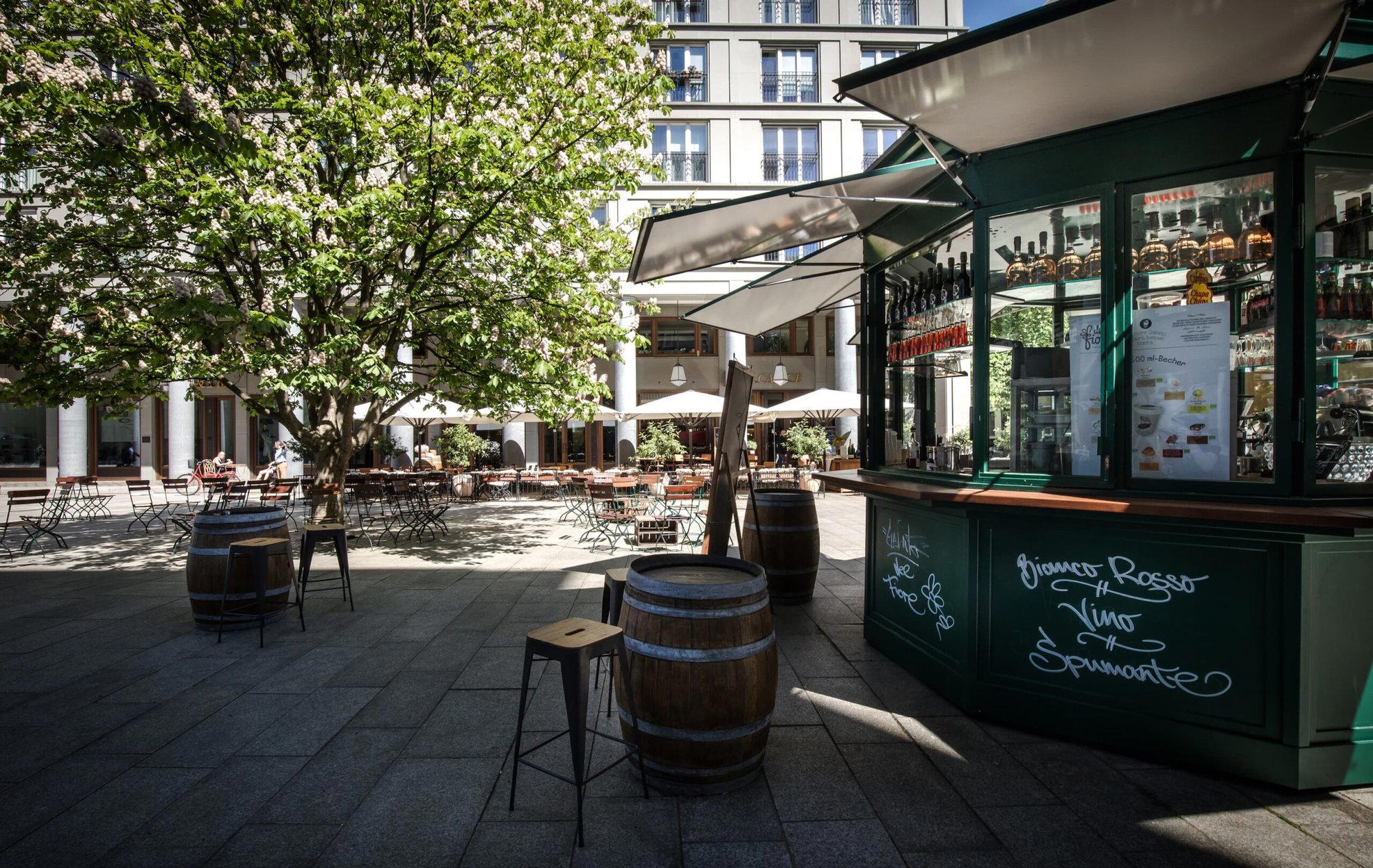
Cozy oasis full of plants with an idyllic backyard garden and terrace, creating a green, peaceful atmosphere amid the city.