On a narrow Oltrarno side street, Trattoria 4 Leoni occupies the territory that defines Florentine neighbourhood dining: honest Tuscan cooking served without ceremony in a room that feels unchanged by fashion. The address sits within walking distance of the Ponte Vecchio, placing it between the city's tourist-heavy centre and its more resident-facing southern quarters. For travellers who want the substance of Florentine cuisine without the formality of the city's tasting-menu tier, it represents a reliable point of entry.
Pearl is the En Primeur Club membership app — saves, bookings, and concierge access live there. Same editors, same standards.
- Address
- Via dei Vellutini, 1r, 50125 Firenze FI, Italy
- Phone
- +39 055 218562
- Website
- 4leoni.it
- Directions
- Get directions
 Saves & bookings on Pearl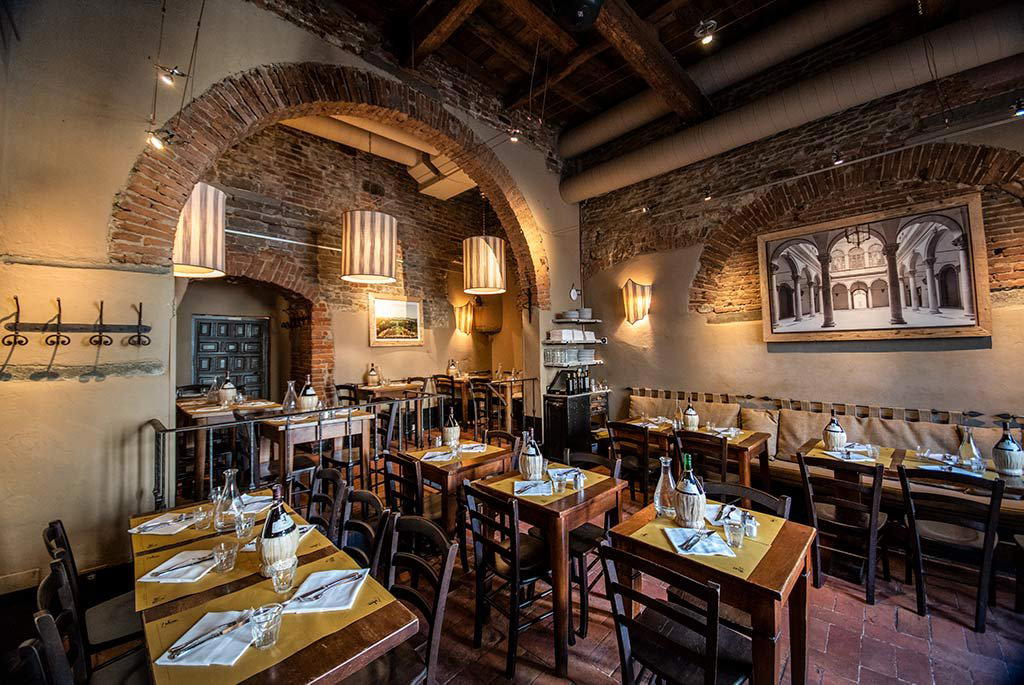
Oltrarno and the Tradition of the Neighbourhood Trattoria
Arrive on Via dei Vellutini on a weekday evening and the scene reads immediately: a narrow stone-flagged street south of the Arno, the kind that still carries the grain of a working Florentine neighbourhood beneath its tourist-facing surface. Trattoria 4 Leoni sits at Via dei Vellutini, 1r, 50125 Firenze FI, Italy, in the Oltrarno quarter, a district that has historically preserved more of Florence's everyday character than the centro storico across the river. The dining room, by most accounts, runs to the familiar trattoria format: close-set tables, modest décor, a room temperature kept by the number of people in it. That format is not accidental. It is the product of a specific Florentine dining tradition that the city's premium tier, the tasting-menu rooms at Enoteca Pinchiorri or the creative Italian cooking at Santa Elisabetta, deliberately left behind.
The trattoria as a category occupies a distinct and durable place in Italian culinary culture. It sits below the ristorante in price and ambition but above the osteria in its expectation of a full meal. In Tuscany specifically, the trattoria has long been the primary vehicle for regional cooking: ribollita, pappardelle with wild boar ragù, bistecca alla fiorentina, the braised secondary cuts that Florentine butchery made famous. These dishes reward neither novelty nor refinement so much as they reward correct execution and honest sourcing. The trattoria is, in this sense, a discipline as much as a format.
Where 4 Leoni Sits in the Florence Dining Picture
Florence's restaurant scene in the current period has stratified in a recognisable way. At the upper end, a cluster of formal addresses, among them Atto di Vito Mollica, Borgo San Jacopo, and Gucci Osteria da Massimo Bottura, operate in the €€€€ bracket, with prix-fixe structures, wine pairings, and a degree of conceptual distance from traditional Florentine cooking. Below that tier, the middle ground is crowded with tourist-facing restaurants that borrow the trattoria name without the substance. Trattoria 4 Leoni occupies a different position: a neighbourhood address that has sustained a local following in a quarter where locals still eat, which is itself a meaningful signal in a city whose historic centre has been progressively colonised by visitor-oriented operations.
The Oltrarno context matters here. The neighbourhood on the south bank of the Arno, bounded roughly by the Ponte Vecchio to the north and the Boboli Gardens to the south, has traditionally housed craftspeople, artists, and long-term Florentine residents. Its restaurants and wine bars have, as a result, maintained a different calibration than those a few hundred metres north: lower theatrics, more emphasis on the food itself, pricing that reflects a local rather than a captive-tourist customer base. An address on Via dei Vellutini places 4 Leoni squarely inside that character.
The Cuisine and Its Regional Logic
Florentine trattoria cooking is among the least internationally understood of Italy's major regional cuisines, largely because it resists the simplifications that travel well. It is not the tomato-forward simplicity of Neapolitan cooking, nor the butter-enriched refinement of Milanese cuisine. It is built on Tuscan frugality: bread-thickened soups, offal dishes, beans cooked long in olive oil, pasta cuts designed to hold dense meat sauces. The bistecca alla fiorentina, a thick-cut T-bone from Chianina cattle, cooked over wood coals to rare, is the city's single most significant dish, and the one that most directly demonstrates the tradition's preference for quality of raw ingredient over complexity of technique.
That emphasis on ingredient quality over technique is precisely what makes the trattoria format demanding to sustain. A kitchen that cannot source well has nowhere to hide. The same logic that applies to Tuscany's neighbourhood trattorias applies across Italy's leading regional cooking: at Dal Pescatore in Runate, decades of operation have been built on sourcing discipline rather than menu novelty; at Uliassi in Senigallia, the Adriatic catch drives everything. The trattoria at the neighbourhood level operates under the same pressure, just with lower margins and fewer resources to absorb the cost of getting it right.
Beyond the Florentine context, the broader arc of Italian fine dining, from Osteria Francescana in Modena to Piazza Duomo in Alba to Reale in Castel di Sangro, derives much of its credibility from deep knowledge of the regional cooking it either builds on or departs from. Understanding what a Florentine trattoria should be is, in that sense, a precondition for understanding what the city's ambitious restaurants are doing differently. Addresses like Le Calandre in Rubano, Quattro Passi in Marina del Cantone, and Enrico Bartolini in Milan all operate in full awareness of the regional foundations they are working above or against.
Planning a Visit
Via dei Vellutini, 1r places Trattoria 4 Leoni a short walk from the Ponte Vecchio, making it accessible from both the centro storico and the Oltrarno's main pedestrian routes. For the full Florence restaurants picture, including how the trattoria tier compares to the city's formal addresses, see our full Florence restaurants guide. Specific booking windows, current hours, and dietary accommodation policies are best confirmed directly with the venue. Travellers comparing trattorias to the northern Italian creative tier might also consider Casa Perbellini 12 Apostoli in Verona or, for international reference points outside Italy, Le Bernardin in New York City and Lazy Bear in San Francisco, both of which approach the relationship between culinary tradition and formal dining from different cultural starting points. For Alpine Italy and its own version of ingredient-led restraint, Atelier Moessmer Norbert Niederkofler in Brunico offers a useful comparison.
Comparable Venues
Comparable venues nearby, for context on price, style, and recognition.
| Venue | Cuisine | Price | Notes |
|---|---|---|---|
| Trattoria 4 LeoniThis venue — the venue you are viewing | Tuscan Trattoria | $$ | Not listed |
| Osteria del Cinghiale Bianco | Authentic Tuscan Trattoria | $$ | Santo Spirito |
| Trattoria Mario | Traditional Tuscan Trattoria | $$ | Santo Spirito |
| Trattoria 13 Gobbi | Traditional Florentine Trattoria | $$ | San Frediano |
| C.BIO - Cibo, buono italiano e onesto | Organic Italian Deli | $$ | Ricorboli |
| La Bottega di Parigi | Modern Tuscan with Southern Italian Influences | $$$ | Castello |
Continue exploring
More in Florence
Restaurants in Florence
Browse all →
Bars in Florence
Browse all →
Hotels in Florence
Browse all →
At a Glance
- Rustic
- Cozy
- Elegant
- Classic
- Date Night
- Casual Hangout
- Terrace
- Historic Building
- Extensive Wine List
- Street Scene
Current opening hours
- Monday
- 12–11 PM
- Tuesday
- 12–11 PM
- Wednesday
- 12–11 PM
- Thursday
- 12–11 PM
- Friday
- 12–11 PM
- Saturday
- 12–11 PM
- Sunday
- 12–11 PM
Hours can change for holidays and private events. Last verified .
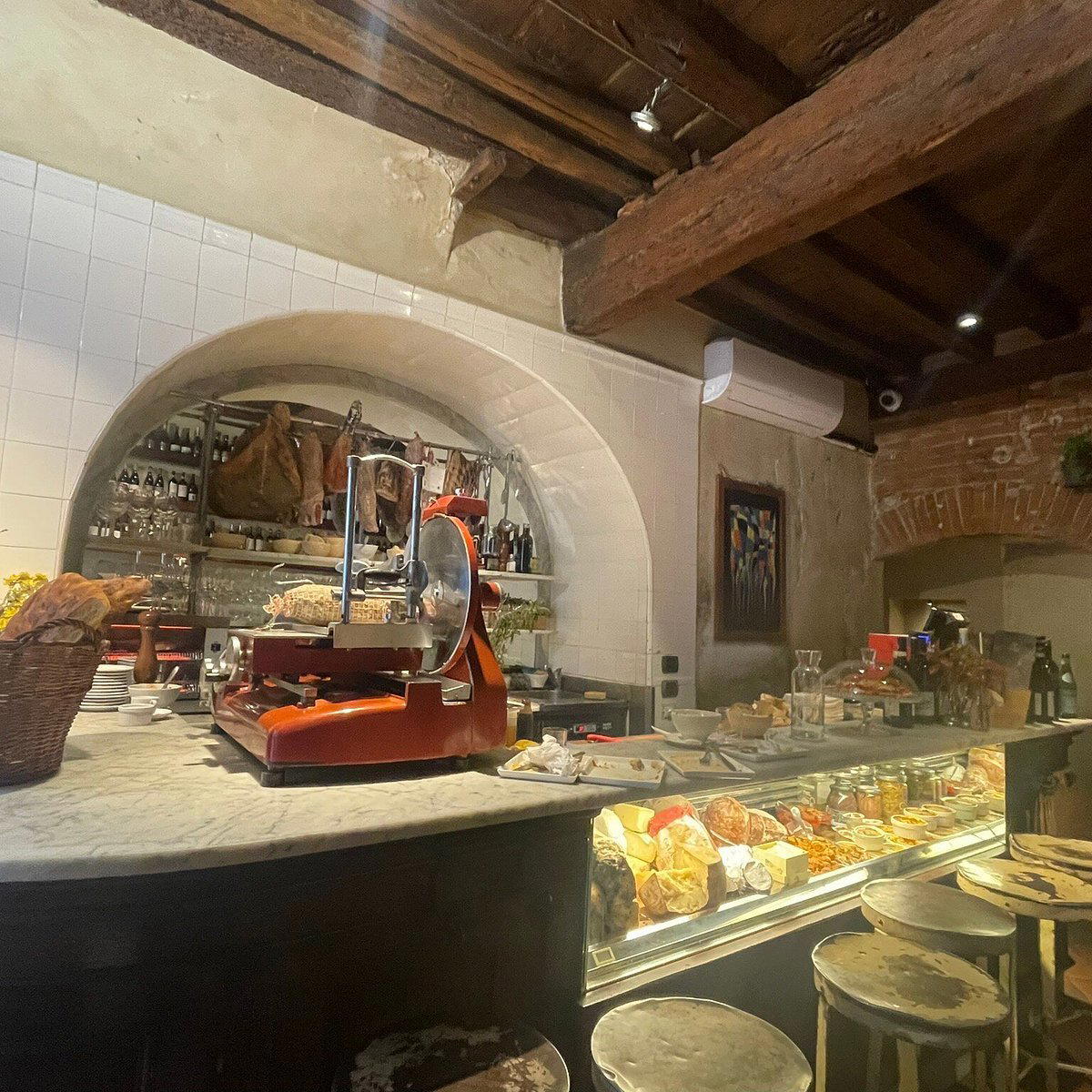
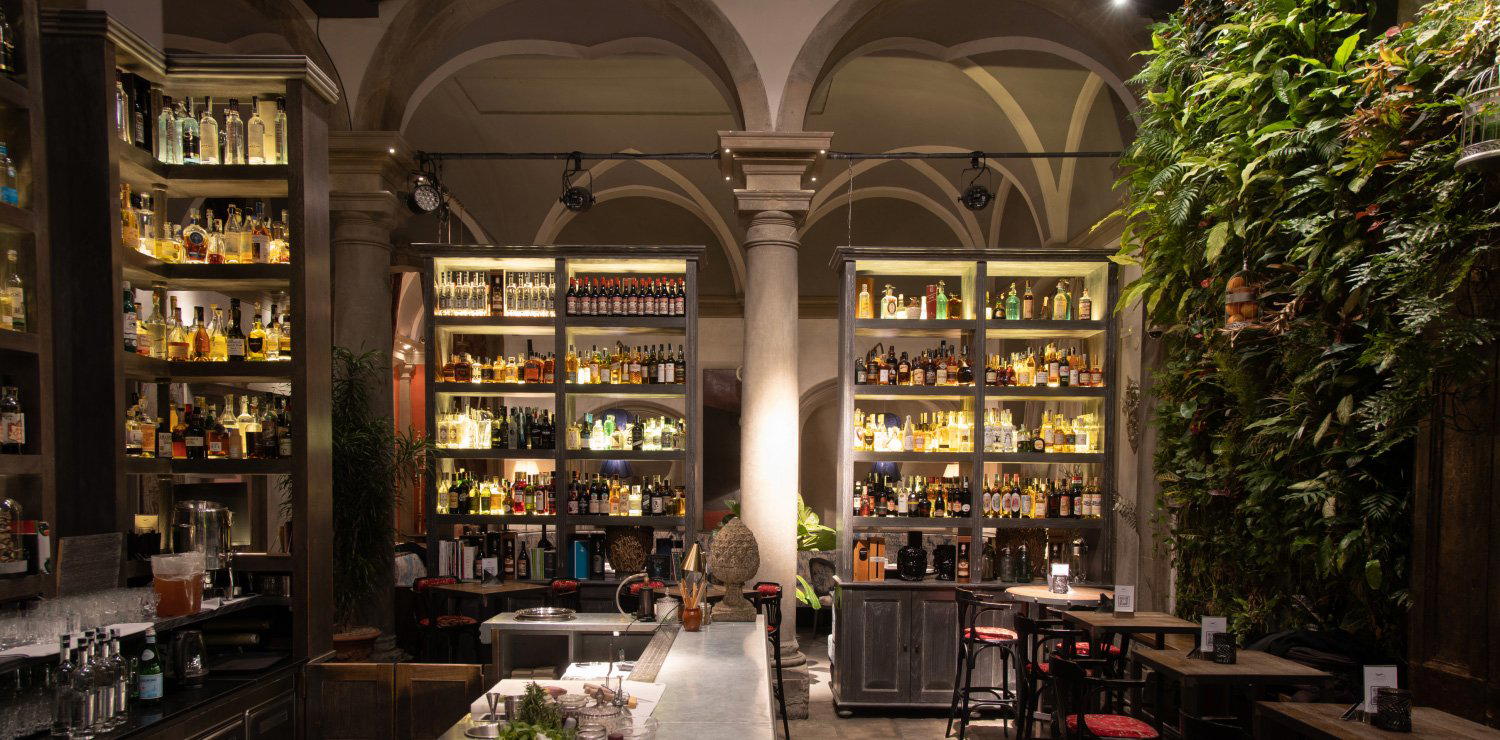
Cozy and rustic with exposed brick, welcoming interior, and pleasant outdoor patio overlooking a charming piazza.