
Our verdict
A Florentine trattoria on Via del Porcellana operating within the Oltrarno tradition of honest, ingredient-led Tuscan cooking.

Pearl is the En Primeur Club membership app — saves, bookings, and concierge access live there. Same editors, same standards.
The menu
What to order
- Rigatoni
- Bistecca alla fiorentina
- Eggplant parmigiana
Via del Porcellana and the Room You Walk Into
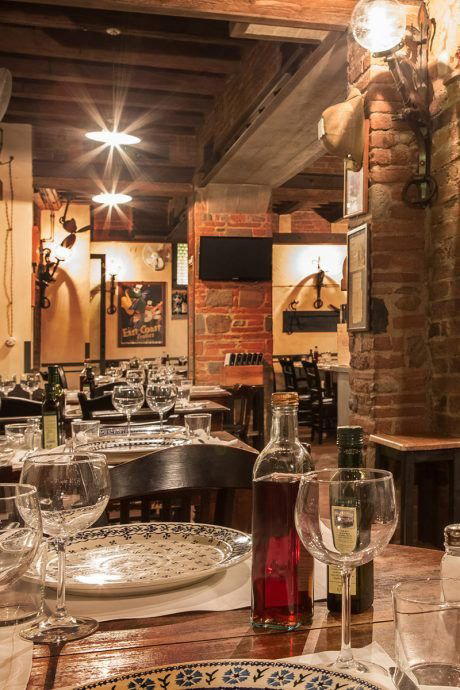
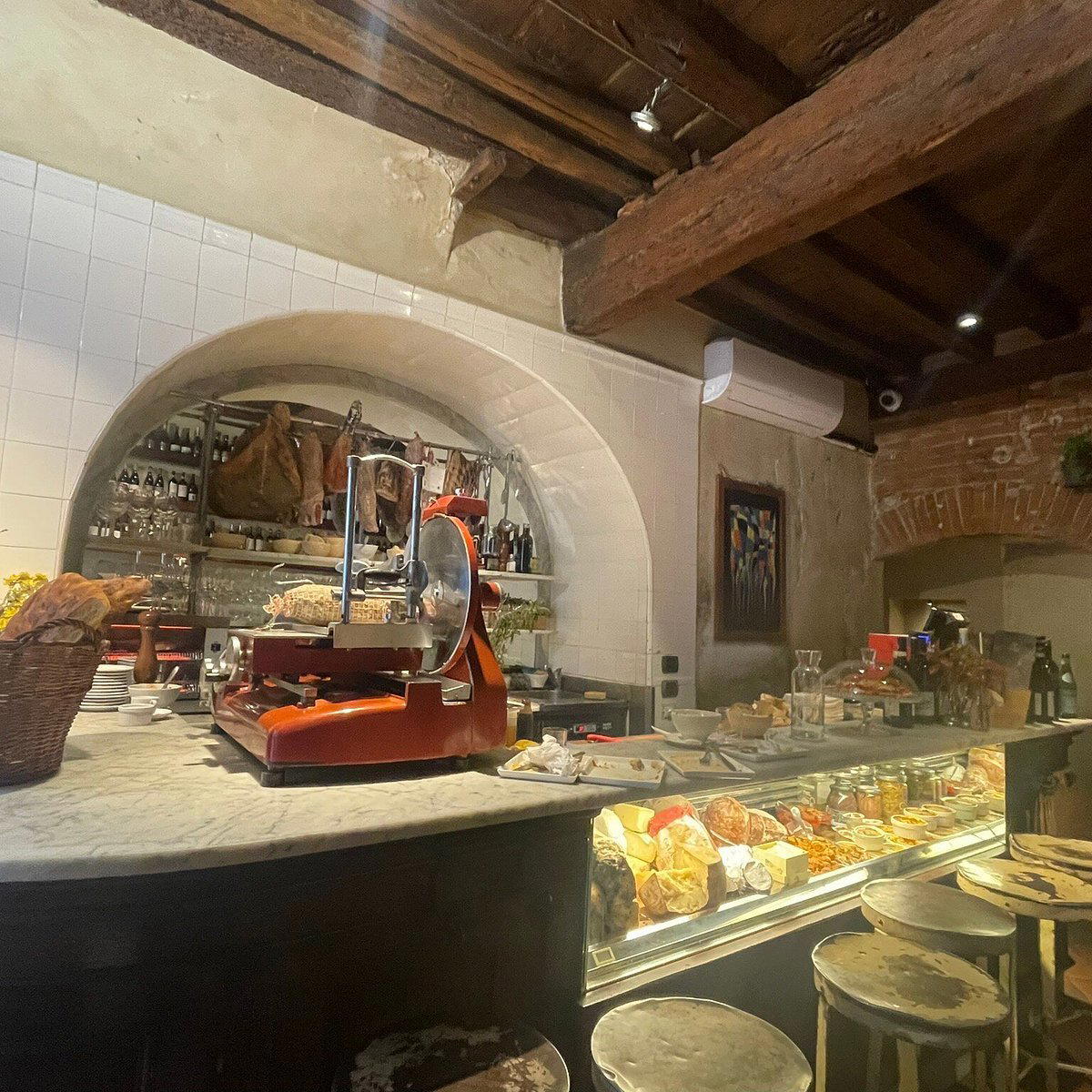
The western edge of central Florence, between the Arno and the Santa Maria Novella quarter, has long occupied an awkward position in the city's dining map. It is close enough to the major hotels and the train station to attract passing trade, yet the streets around Via del Porcellana have historically belonged to a different kind of clientele: Florentines eating lunch on a weekday, neighbourhood regulars arriving at half past seven before the second sitting fills in. Trattoria 13 Gobbi sits on that street, and the room announces its allegiances immediately. This is not a renovated space performing a curated version of rustic authenticity. The interior belongs to the older Florentine trattoria typology: compact, direct, with the physical container doing the work of setting expectations rather than managing them through design layers. Stone walls, wooden furniture, the modest scale that keeps table service personal rather than procedural — these are the spatial grammar of a specific tradition, one that several of Florence's more ambitious restaurants have spent considerable effort either abandoning or imitating.
The Tuscan Trattoria as a Distinct Category
It helps to position 13 Gobbi within Florence's broader restaurant structure before narrowing to what happens inside. At the high end of the city, places like Enoteca Pinchiorri and Santa Elisabetta operate at the four-price-symbol tier, with contemporary Italian frameworks and formal service disciplines that owe as much to Paris and Copenhagen as to Tuscany. Borgo San Jacopo and Gucci Osteria da Massimo Bottura pursue modern Italian registers in premium settings. These are not competitors to 13 Gobbi in any meaningful sense. The competitive frame here is the mid-tier trattoria, a category Florence produces in large numbers but where quality variance is high and the gap between a genuinely good kitchen and a credible-looking approximation is not always visible from the outside.
Opinionated About Dining — a ratings system with strong credibility among informed European diners, has recognised 13 Gobbi twice: a recommendation in 2023 and a placement at #445 in its Casual Europe ranking in 2024. That ranking methodology weights food quality above atmosphere or service polish, which makes it a more reliable signal for kitchen performance than general review aggregators.
What the Room Tells You About the Kitchen
The editorial angle assigned to this kind of space is useful here, because with Tuscan trattorias the design is not decorative, it is operational information. A room this size, with this configuration, cannot sustain the kind of kitchen ambition that requires brigade depth and complex plating. It is built for direct cooking: ribollita that has been made the same way for decades, bistecca that depends on sourcing and fire management rather than technique, pasta that earns its reputation through repetition and proportion rather than invention. The physical container at 13 Gobbi describes a kitchen operating in that register. The space is not a constraint on the food; it is a declaration of what the food will be.
That alignment between room and plate is rarer than it sounds. Florence has a persistent problem with trattorias that have adopted the physical vocabulary of the tradition, stone walls, printed menus, checked tablecloths, without the kitchen discipline to back it. The OAD recognition at 13 Gobbi is, in part, a signal that the cooking matches the room's stated intent. For context on how Tuscan cooking operates at higher levels of ambition and formality, Caino in Montemerano and L'Asinello in Castelnuovo Berardenga represent the region's more refined end of the spectrum, where the same ingredient traditions are expressed through longer kitchen hours and more complex construction.
Seating, Timing, and How the Space Works in Practice
The trattoria operates a split service across all seven days: lunch runs from 12:30 to 3:00 pm, dinner from 7:30 to 11:00 pm. That schedule is itself telling. A kitchen committed to two full services daily, seven days a week, with no closure day, is running at a pace that requires either strong systems or a very focused menu, often both. The consistency signals in the review data suggest the former. Lunch at this type of Florentine address tends to be the more Florentine-skewed sitting; dinner draws a broader mix. For anyone visiting specifically to understand the trattoria as a neighbourhood institution rather than a tourist destination, a weekday lunch is the more instructive session. The room at that hour operates differently: faster, less performed, the food arriving without the ambient self-consciousness that evening dining in Florence sometimes generates.
The address, Via del Porcellana, 9R, places the restaurant within walking distance of Santa Croce and the major Oltrarno landmarks, making it a workable anchor for an afternoon or evening in that part of the city. For a broader orientation to eating in Florence, our full Florence restaurants guide maps the full range of the city's dining, from neighbourhood trattorias to the formal rooms at the top of the price range.
Where 13 Gobbi Sits in the Wider Italian Context
Italy's critical dining conversation in 2024 and 2025 has concentrated heavily on the country's high-end contemporary restaurants: Osteria Francescana in Modena, Uliassi in Senigallia, Enrico Bartolini in Milan, Atelier Moessmer Norbert Niederkofler in Brunico, Quattro Passi in Marina del Cantone, and Dal Pescatore in Runate. These are valid endpoints of the country's fine dining arc. But the trattoria format, when executed with the discipline that OAD recognition implies, represents a different kind of argument about Italian cooking: that the most durable expression of regional identity is not the tasting menu but the midday table, the familiar dish made correctly, the room that has not changed because it does not need to.
Within Florence specifically, other addresses that draw serious critical attention include Cibrèo, Cucina, Da Burde, Osteria delle Tre Panche, and Podere 39. Each occupies a different segment of the city's trattoria and osteria register, and together they describe the range of what serious Tuscan cooking looks like at the casual-to-mid tier. 13 Gobbi's OAD position places it within that cohort's upper range.
For visitors spending time beyond restaurants, our Florence hotels guide, Florence bars guide, Florence wineries guide, and Florence experiences guide cover the wider itinerary.
Frequently asked questions
at Trattoria 13 Gobbi?
What the OAD Casual Europe ranking At any trattoria in this tradition, the safest editorial advice is to follow the handwritten or verbally communicated specials, which reflect seasonal produce and daily sourcing decisions rather than the fixed menu. The depth of positive reviews across more than 4,200 occasions suggests the kitchen's consistency is a genuine asset, and that ordering conservatively within the Tuscan canon, rather than reaching for anything outside the regional brief, is the right approach here.
Budget and Context
| Venue | Cuisine | Price | Awards | Notes |
|---|---|---|---|---|
| Trattoria 13 GobbiThis venue — the venue you are viewing | Traditional Florentine Trattoria | $30–50 | Not listed | Not listed |
| Enoteca Pinchiorri | Contemporary Italian Fine Dining | $200–300 | 3 Michelin Stars · World's 50 Best #32 | Italian - French, Italian Contemporary |
| Santa Elisabetta | Modern Italian Fine Dining with Seafood Focus | $200–300 | 2 Michelin Stars · La Liste Top Restaurants | Italian, Creative |
| Borgo San Jacopo | Michelin-starred Modern Tuscan & Italian Fine Dining | $150–200 | 1 Michelin Star · Falstaff Restaurant - 94 Falstaff Points | Italian, Modern Cuisine |
| Gucci Osteria da Massimo Bottura | Contemporary Italian with Japanese and Mexican Influences | $200–300 | 1 Michelin Star · Wine Spectator Best of Award of Excellence | Modern Italian, Italian Contemporary |
| Il Palagio | Modern Tuscan Fine Dining | $100–150 | 1 Michelin Star · Star Wine List | Italian Contemporary |
Recognition history
Dated appearances from independent guides and award organizations, with the underlying list record or original source where available.
Opinionated About Dining Casual in Europe Recommended
Opinionated About Dining
Full recognition history (3 entries)
Opinionated About Dining Casual in Europe Ranked #445
Opinionated About Dining
Opinionated About Dining Casual in Europe Recommended
Opinionated About Dining
Continue exploring
More in Florence
Restaurants in Florence
All restaurants in Florence →
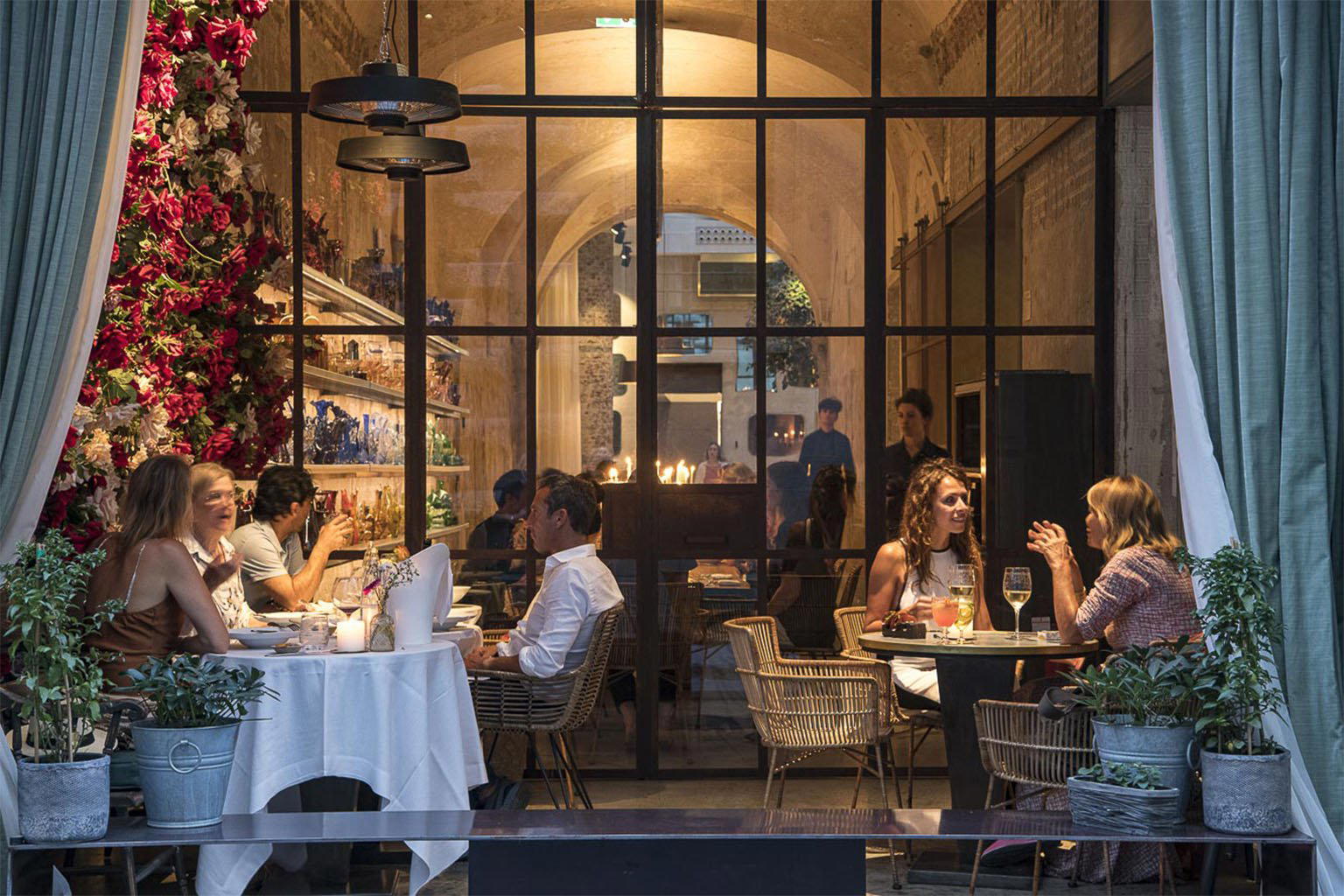
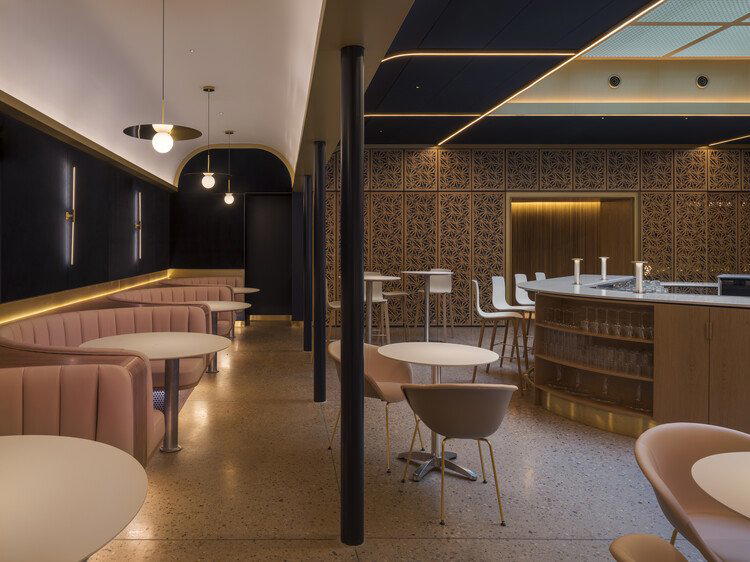
Bars in Florence
All bars in Florence →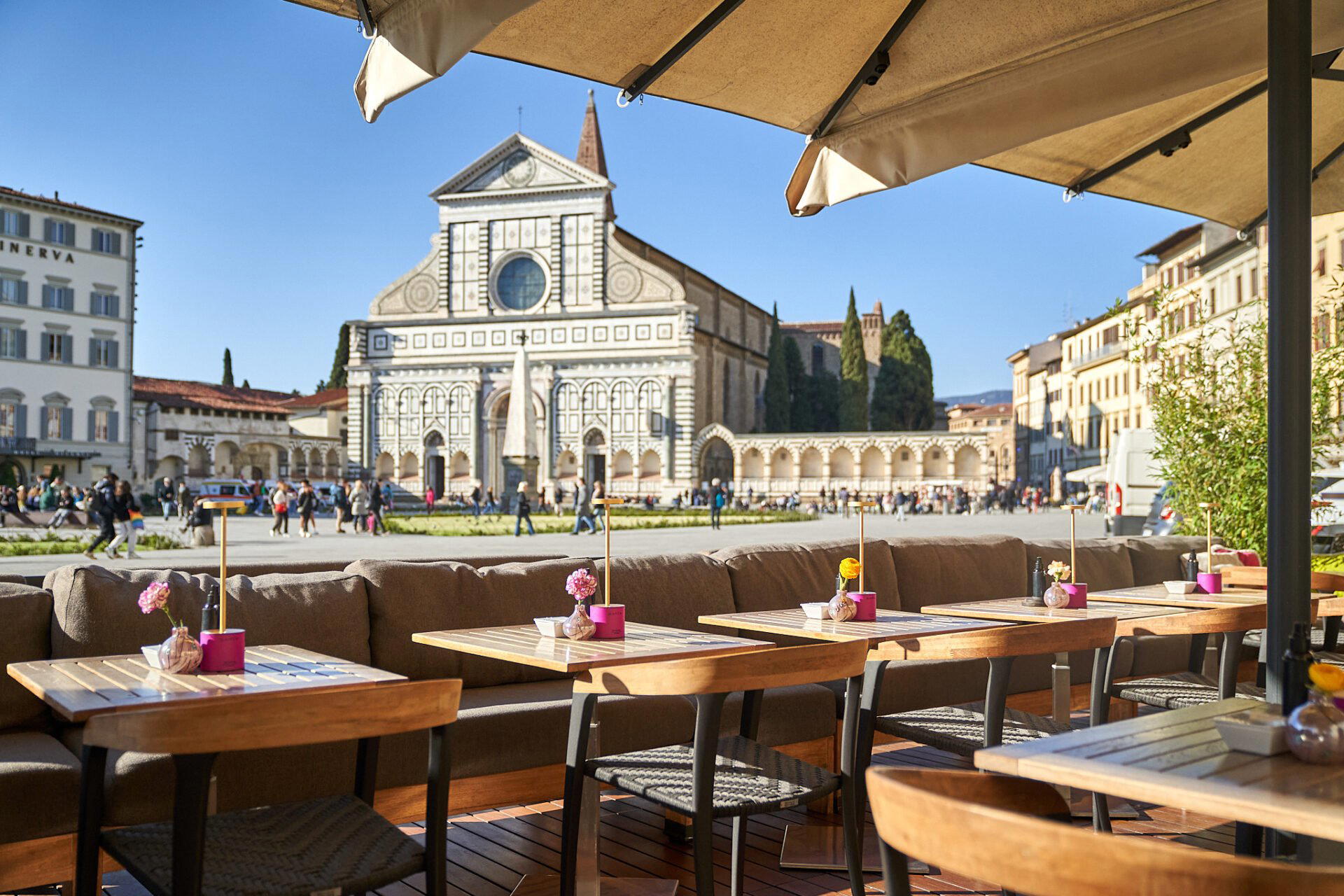
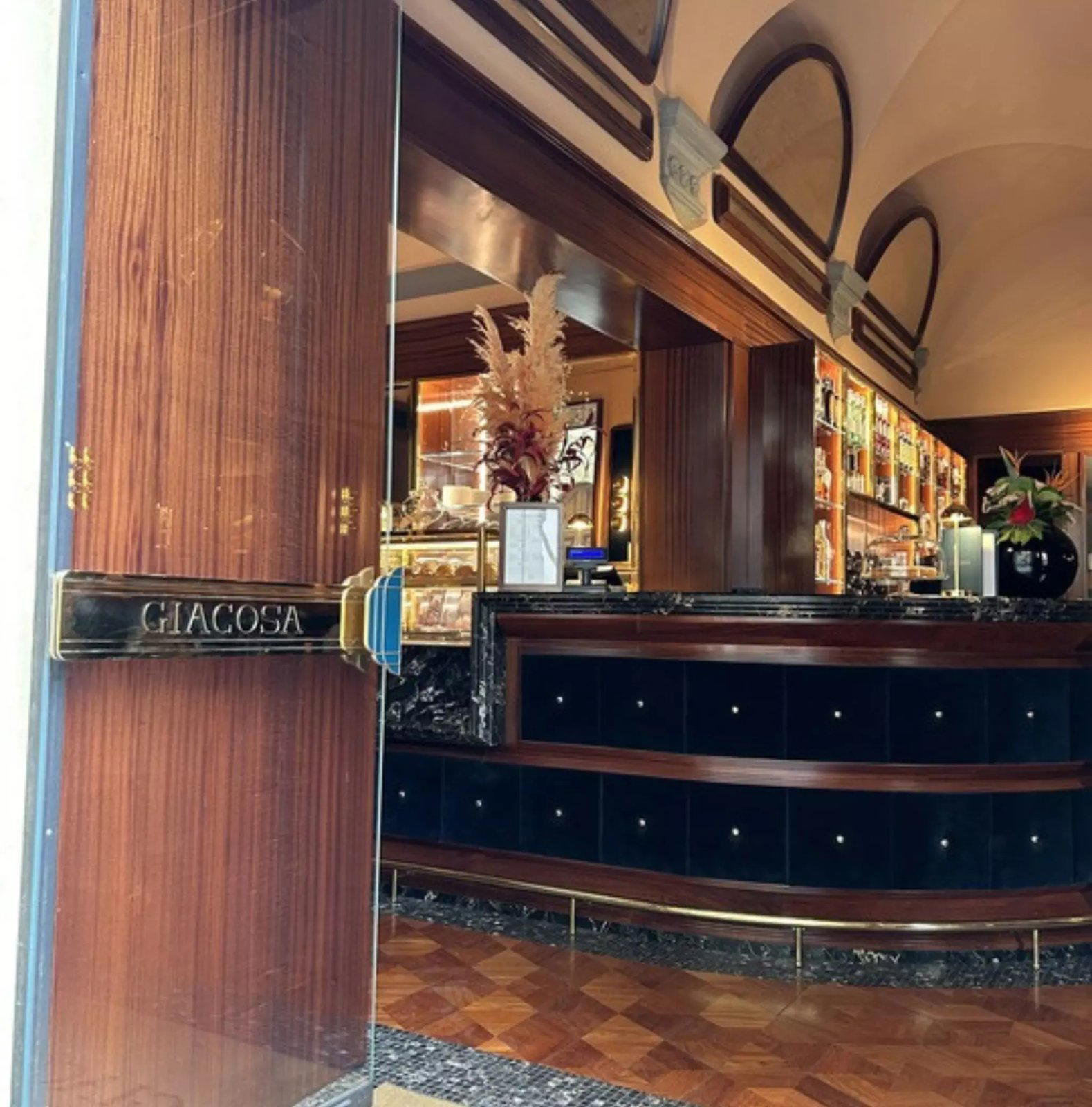
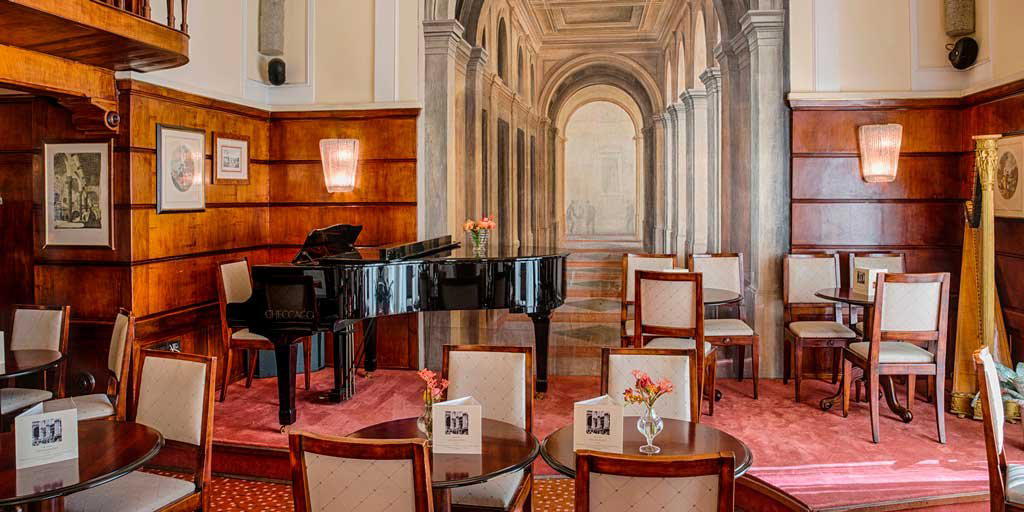
Hotels in Florence
All hotels in Florence →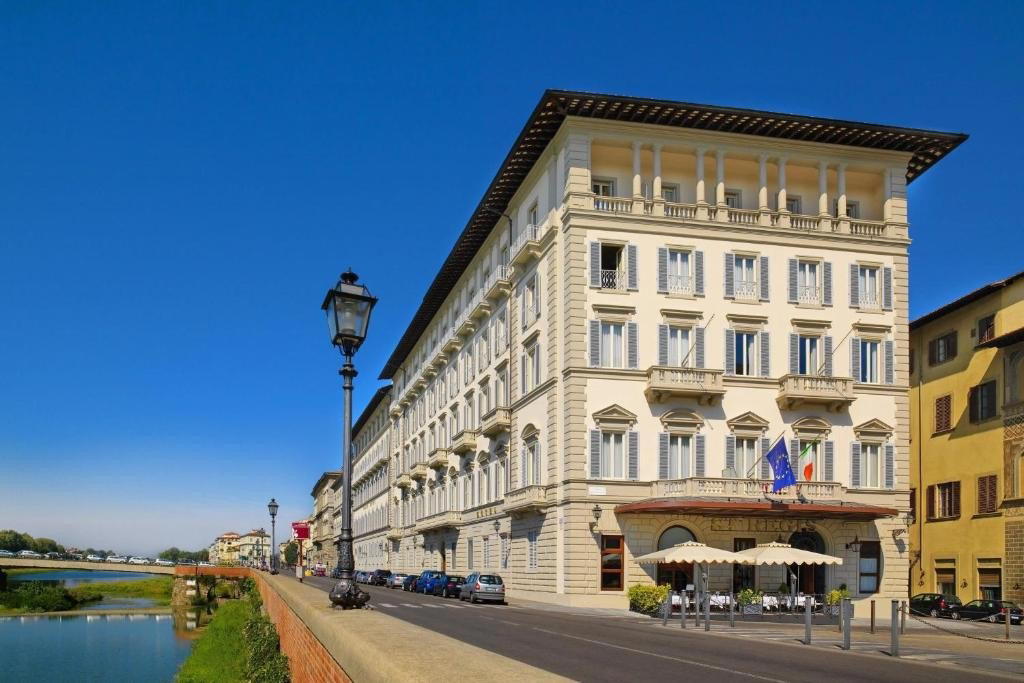

Trattoria 13 Gobbi
The wine
- Wine program
- Curated wine list
- Extensive wine list
Details
- Cozy
- Rustic
- Intimate
- Classic
- Date Night
- Special Occasion
- Historic Building
- Extensive Wine List
- A La Carte
- Vegetarian Friendly
Current opening hours
- Monday
- 12–3 PM, 7–11 PM
- Tuesday
- 12–3 PM, 7–11 PM
- Wednesday
- 12–3 PM, 7–11 PM
- Thursday
- 12–3 PM, 7–11 PM
- Friday
- 12–3 PM, 7–11 PM
- Saturday
- 12–3 PM, 7–11 PM
- Sunday
- 12–3 PM, 7–11 PM
Hours can change for holidays and private events. Last verified .
Energetic and warm with lovely, intimate lighting; guests describe it as fabulous, elegant, and delightful despite occasional crowds.